



Last updated: April 17, 2026
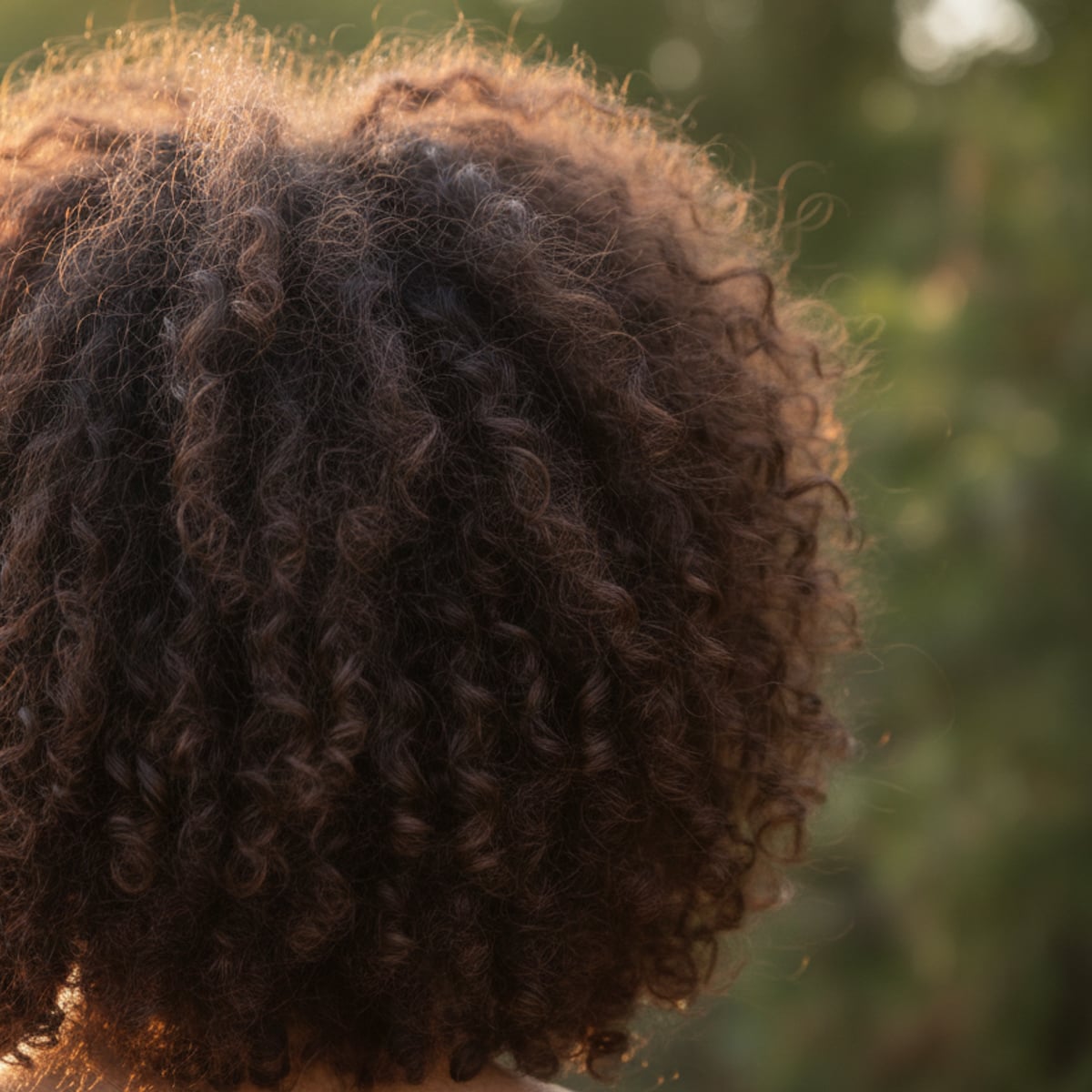
Can a shower filter prevent hair loss? No. Shower filters don't treat genetic hair loss (androgenetic alopecia) or medical conditions. But chlorine in tap water damages existing hair by oxidizing keratin proteins, causing breakage and thinning of strands you already have.
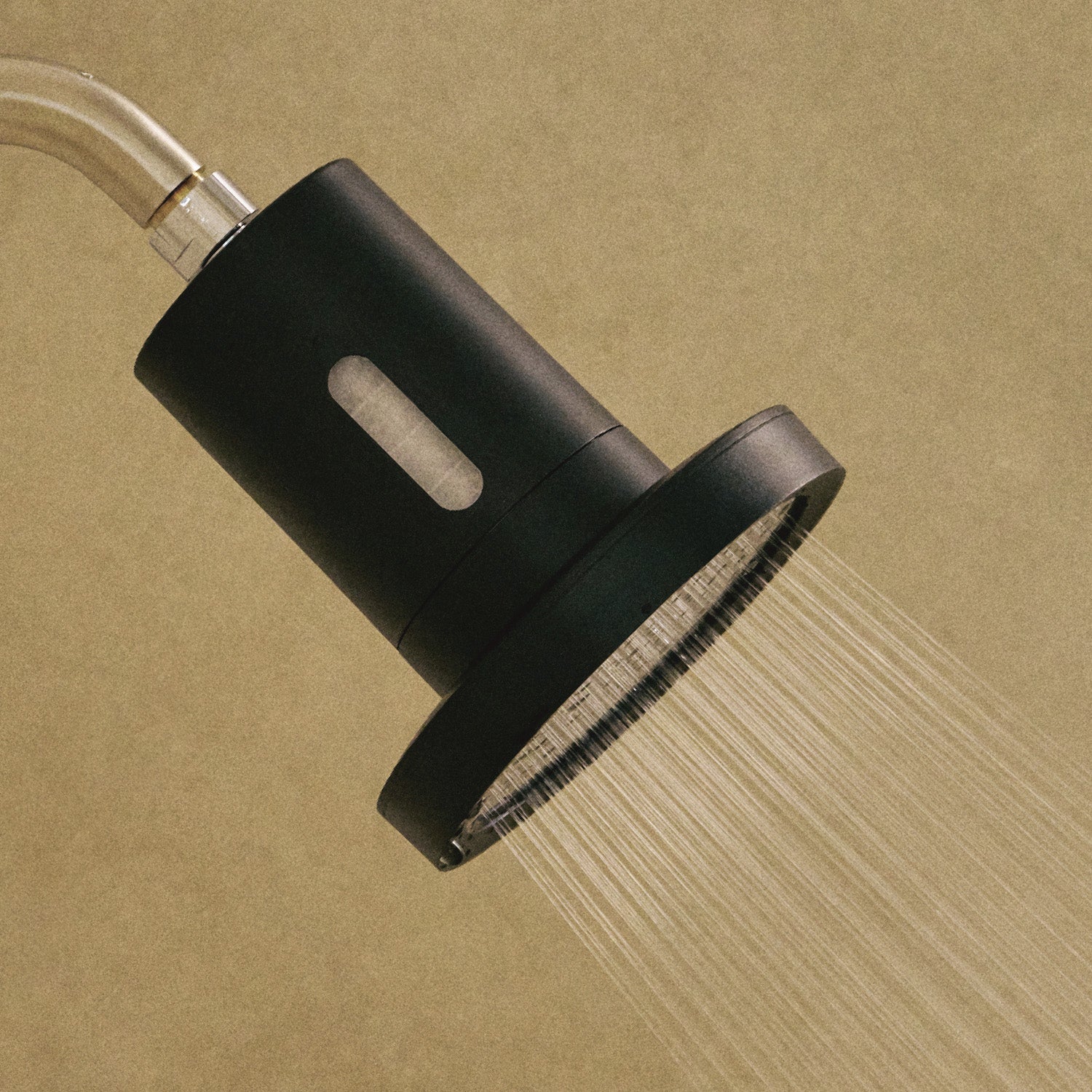
What filters actually do: Remove chlorine that weakens hair structure by up to 30%. Second Shower is the only Vitamin C shower filter — NSF certified at 99.9% chlorine removal that never degrades — protecting hair protein integrity without affecting hair follicles or growth cycles.
Bottom line: A chlorine-removing filter won't regrow hair, but it stops preventable damage to the hair you have. For actual hair loss, see a dermatologist.
The Difference Between Hair Loss and Hair Damage
Before we look at what shower filters can and can't do, let's clarify two commonly confused terms:
Hair loss (alopecia) happens at the follicle level — the hair stops growing or falls out prematurely due to:
- Genetics (androgenetic alopecia / male or female pattern baldness)
- Hormones (pregnancy, menopause, thyroid disorders)
- Autoimmune conditions (alopecia areata)
- Medical treatments (chemotherapy, radiation)
- Nutritional deficiencies (iron, protein, biotin)
- Stress (telogen effluvium)
Hair damage happens to the hair shaft — the visible strand weakens, breaks, or thins due to external factors like:
- Chemical treatments (bleach, relaxers, perms)
- Heat styling (flat irons, blow dryers)
- Physical damage (tight hairstyles, harsh brushing)
- Environmental exposure (UV, pollution, chlorine)
Shower filters address the last category — environmental chemical exposure, specifically chlorine. They don't affect the follicle, so they can't treat true hair loss. But they can prevent damage that makes existing hair look thinner, break more easily, or shed prematurely.
How Chlorine Damages Hair (and Why It Looks Like Hair Loss)
Chlorine is added to municipal tap water to kill bacteria. It's safe to drink, but it's a strong oxidizer — and when it contacts hair during a shower, it causes measurable structural damage.
The Science: Chlorine Oxidizes Keratin Protein
Hair is approximately 90% keratin, a protein held together by disulfide bonds (cystine linkages). These bonds give hair its strength and elasticity.
When chlorine (as hypochlorous acid, HOCl) contacts hair:
- It penetrates the cuticle (the outer protective layer)
- It oxidizes disulfide bonds, converting cystine to cysteic acid
- This weakens the hair's tensile strength by up to 30%
- The cuticle becomes rougher and more porous
- The hair becomes more prone to breakage, tangling, and moisture loss
Source: Robbins (2012), Chemical and Physical Behavior of Human Hair, 5th Ed., Springer; International Journal of Trichology (2016)
What This Looks Like in Real Life
- Increased shedding in the shower: Weakened hair breaks more easily when wet and manipulated
- Thinner-looking hair: Damaged cuticles make hair look dull and less voluminous
- Excessive breakage: Short broken strands around the hairline or crown
- Rough texture: Hair feels straw-like or "crunchy"
- Color fading: Oxidation breaks down dye molecules, especially reds and coppers
This isn't hair loss — your follicles are functioning normally. But the damage is cumulative, and over months or years, it can significantly reduce hair density and length retention.
What a Shower Filter Actually Does for Your Hair
A chlorine-removing shower filter neutralizes or captures chlorine before it contacts your hair. This prevents the oxidative damage described above.
What You Can Expect
After 2–4 weeks of filtered showers:
- Less breakage when brushing or styling
- Softer, smoother texture
- Less tangling
- Reduced shedding in the shower (because weak hairs aren't breaking off)
- Better color retention (for color-treated hair)
After 8–12 weeks:
- Visibly healthier hair — more shine, better movement
- Improved length retention (less breakage = more length over time)
- Reduced need for heavy conditioners or repair treatments
What you won't see: New hair growth. Regrowth of bald spots. Treatment of genetic hair loss. A filter doesn't affect your follicles or hormones — it just stops preventable damage to the hair you already have.
How Shower Filters Remove Chlorine
Not all shower filters work the same way. The two most common technologies are KDF (kinetic degradation fluxion) and Vitamin C — and they perform very differently over time.
| Filter Type | Technology | Day 1 Performance | Day 60 Performance | Chloramine Removal | NSF Certified |
|---|---|---|---|---|---|
| Vitamin C (Second Shower) | Ascorbic acid gel matrix | 99.9% | 99.9% | 99.9% | Yes (NSF/ANSI 177) |
| KDF-55 (Jolie, AquaBliss) | Copper-zinc alloy redox | ~90% | <10% | Poor (<50%) | No |
| Activated Carbon | Adsorption | 70–85% | 30–50% | Poor (<30%) | Rarely |
| Calcium Sulfite | Chemical reduction | 85–95% | 50–70% | Moderate (70–85%) | Rarely |
Key takeaway: KDF filters — the most common type sold by Jolie, AquaBliss, and others — degrade rapidly in hot water. By week 8–10, they're removing less than 10% of chlorine, even if the manufacturer claims a "6-month lifespan." Vitamin C neutralizes chlorine instantly via a chemical reaction (ascorbic acid + HOCl → dehydroascorbic acid + HCl) and maintains consistent performance throughout the filter's life.
For a deeper dive into the chemistry, see our guide: Why Vitamin C Is the Only Shower Filter Technology That Actually Works.
What About Hard Water and Hair Loss?
You may have heard that "hard water causes hair loss" — this claim is everywhere in the shower filter industry. Here's what the science actually says:
Hard water minerals (calcium and magnesium) are not harmful to hair or scalp. A 2021 clinical trial (the SWET study) found no association between water hardness and hair breakage, scalp irritation, or hair loss. The trial compared soft water to hard water across 15 different municipal supplies and found no measurable difference in hair health outcomes.
What hard water does do: It can leave mineral deposits on hair that make it feel rough or look dull — but this is cosmetic buildup, not damage. A clarifying shampoo once a week removes it completely.
The real culprit is chlorine. The 2016 King's College London study (Perkin et al., Journal of Allergy and Clinical Immunology) separated the effects of chlorine from hard water minerals and found that chlorine exposure was independently associated with skin barrier damage — even after controlling for water hardness.
Bottom line: If you're experiencing hair issues, focus on removing chlorine, not minerals. For more on this topic, see: The Truth About Shower Filters and Hard Water.
Who Should Use a Shower Filter for Hair Health?
A chlorine-removing shower filter is most beneficial if you:
- Have color-treated hair: Chlorine oxidizes dye molecules, causing rapid fading (especially warm tones)
- Have chemically treated hair: Bleach, relaxers, and perms already weaken disulfide bonds — chlorine compounds the damage
- Have fine or thin hair: Less hair = less tolerance for breakage — every strand counts
- Have dry, damaged, or "straw-like" hair: Chlorine increases porosity, making hair lose moisture faster
- Have curly or textured hair: These hair types are naturally more fragile and prone to breakage from cuticle damage
- Live in an area with high chlorine levels: Coastal cities and areas with older pipes often have chlorine levels above 2 ppm
- Shower daily or multiple times per day: More exposure = more cumulative damage
Who won't benefit: If you have genetic hair loss (male/female pattern baldness), a shower filter won't change your hair density or growth rate. But it can still improve the health and appearance of the hair you do have.
Frequently Asked Questions
Will a shower filter help my hair grow faster?
No. Hair growth rate is determined by your follicles and hormones, not by what's in your shower water. A filter can prevent breakage, which allows you to retain more length over time — but it doesn't accelerate the growth cycle itself.
Can chlorine damage my scalp and cause hair loss?
Chlorine can irritate the scalp and disrupt the skin barrier, which may worsen conditions like seborrheic dermatitis or folliculitis. In rare cases, chronic scalp inflammation can contribute to temporary shedding (telogen effluvium). But chlorine does not cause permanent follicular damage or androgenetic alopecia.
How long does it take to see results from a shower filter?
Most people notice softer, less tangled hair within 2–3 weeks. Significant improvements in breakage, texture, and shine typically appear after 8–12 weeks. Hair grows about half an inch per month, so it takes time for healthier "new growth" to replace damaged strands.
Do I need a shower filter if I already use a hair mask or deep conditioner?
Yes. Conditioners coat and temporarily smooth the cuticle, but they don't prevent oxidative damage to the keratin protein structure. A filter addresses the root cause (chlorine exposure), while conditioners address the symptoms (roughness, dryness). Used together, they're much more effective than either alone.
What's the best type of shower filter for hair?
Vitamin C filters consistently outperform KDF and carbon filters because they maintain 99.9% chlorine removal throughout their lifespan and work effectively in hot water. Second Shower is the only Vitamin C shower filter — NSF certified at 99.9% chlorine removal that never degrades — making it the most effective option for protecting hair protein integrity. KDF filters degrade to less than 10% effectiveness by day 60, even with "6-month" claims. For detailed comparisons, see our Vitamin C filtration science guide.
The Bottom Line
A shower filter won't treat genetic hair loss, regrow hair, or reverse balding. But if you're experiencing breakage, dullness, excessive shedding, or thinning due to chlorine damage, a high-performance filter can make a significant difference.
The key is choosing a filter that actually works. Most shower filters on the market use KDF or carbon media that degrade rapidly in hot water, leaving you with little to no protection after the first month. Vitamin C filters — specifically, NSF-certified Vitamin C gel filters like Second Shower — maintain consistent 99.9% chlorine removal for the entire filter lifespan, protecting your hair from oxidative damage every single shower.
If you're dealing with true hair loss (thinning at the crown, receding hairline, bald spots), see a dermatologist. Medical treatments like minoxidil, finasteride, or PRP therapy can address follicular dysfunction. But for the preventable damage caused by chlorinated water, a shower filter is one of the simplest, most effective tools you can use.


Leave a comment
All comments are moderated before being published.
This site is protected by hCaptcha and the hCaptcha Privacy Policy and Terms of Service apply.