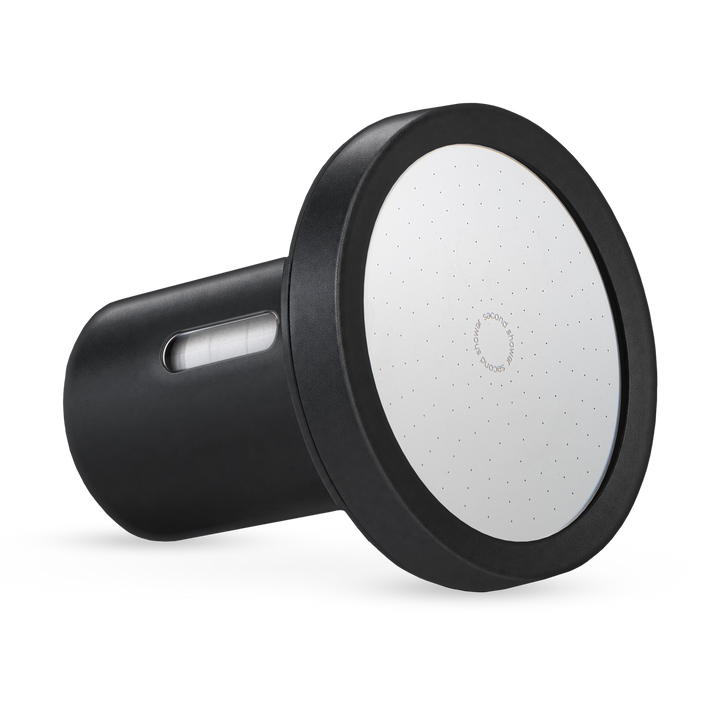
Dallas-Fort Worth water ranges from 8-17 grains per gallon (hard to very hard) and is disinfected with chloramine. A shower filter like Second Shower removes chloramine, chlorine, and heavy metals, which addresses most of the hair and skin damage DFW residents deal with. But here's something most filter brands won't mention: no shower filter actually softens water. It's still the best first step you can take without a whole-home system.
DFW Hard Water: Best Shower Filter for Dallas Fort Worth
If you live anywhere in the Dallas-Fort Worth metroplex, you already know the water is hard. Mineral buildup crusts your showerhead. Your hair feels like straw within a week of moving here. Your skin stays dry no matter how much lotion you use.
The natural response is to search for a shower filter that fixes hard water. Before you order one, you need to know what DFW water actually contains and what a filter can realistically do about it.
What's in DFW Shower Water
Dallas Water Utilities draws from surface water: a blend of the Elm Fork of the Trinity River and six regional reservoirs including Lewisville, Grapevine, Ray Hubbard, and Tawakoni. Fort Worth and western suburbs get their water from the Tarrant Regional Water District (TRWD), sourcing from Lake Bridgeport, Eagle Mountain Lake, and Cedar Creek Reservoir.
As that water travels through North Texas limestone and chalk formations, it picks up calcium and magnesium. That's what makes it hard. DFW currently ranks among the top 10 hardest water metro areas in the country.
Both Dallas and Fort Worth use chloramine (a combination of chlorine and ammonia) as their primary disinfectant. This is important because chloramine is harder to remove than free chlorine, and most basic shower filters don't address it effectively. Dallas also uses ozone treatment at its Elm Fork plant.
DFW Water Hardness by City
Hardness varies significantly depending on where in the metroplex you live and which water district serves your area. Here's how major DFW cities compare.
| City | Hardness (gpg) | Classification | Water Source |
|---|---|---|---|
| Dallas | 8-10 | Hard | DWU (surface reservoirs) |
| Fort Worth | 10-14 | Hard to Very Hard | TRWD |
| Plano | ~17 | Very Hard | NTMWD |
| Frisco | 12-17 | Hard to Very Hard | NTMWD |
| McKinney | 12-17 | Hard to Very Hard | NTMWD |
| Arlington | 7-10 | Hard | TRWD |
| Denton | 10-15 | Hard to Very Hard | Upper Trinity Regional |
The pattern is clear: if you're served by the North Texas Municipal Water District (NTMWD), especially in cities like Plano, Frisco, and McKinney, your water is among the hardest in the state. Dallas proper is on the lower end for the region, but still firmly in the "hard" category. Anything above 7 gpg is considered hard. Above 10.5 is very hard.
What Hard Water and Chloramine Do to Hair and Skin
DFW residents deal with a double hit: mineral-heavy water plus chloramine disinfection. Each causes different problems.
Hard water minerals (calcium and magnesium) build up on hair and skin over time. On hair, this mineral film makes strands stiff, dull, and prone to breakage. Color-treated hair fades faster because mineral deposits lift the cuticle. On skin, mineral residue can clog pores and leave a film that interferes with moisturizer absorption.
Chloramine strips natural oils from your skin and hair. Unlike free chlorine, which dissipates relatively quickly, chloramine is stable and persistent. It stays active through your entire shower. That's why DFW tap water can leave your skin feeling tight and dry, and your hair feeling brittle and straw-like even after conditioning.
If you've noticed that your hair and skin were better before you moved to the DFW area, water quality is almost certainly a factor.
Honest Truth: Shower Filters Don't Soften Water
This is the part most shower filter companies skip. A compact shower filter physically cannot remove dissolved calcium and magnesium from your water. Those minerals require ion exchange (a water softener) or reverse osmosis to remove, and neither fits inside a showerhead.
Any shower filter that claims to "soften" your water through beads, balls, or polyphosphate is overstating what it can do. Independent lab tests consistently show that water hardness levels remain unchanged after passing through standard shower filters.
So what can a shower filter actually do?
What a Shower Filter Does Fix in DFW
While a shower filter won't address the mineral content, it targets the other half of the problem, and for most people, it's the more damaging half.
- Chloramine and chlorine removal. Vitamin C filtration neutralizes both chlorine and chloramine on contact. This is what makes the biggest difference for hair and skin in DFW.
- Heavy metals. KDF media and quality filtration can reduce lead, copper, mercury, and other metals that may be present in older DFW pipes.
- Sediment and rust. Particulate filters catch debris from aging infrastructure. Dallas maintains over 5,000 miles of water mains, and some date back decades.
For many DFW residents, removing the chloramine alone makes a noticeable difference in hair texture, skin hydration, and overall shower experience within the first couple of weeks. If you also want to address mineral hardness, you'll need a whole-home softener. But a shower filter is still worth using alongside one because softeners don't remove chloramine.
If you rent in DFW and can't install a water softener, a shower filter is your best option. It won't address mineral hardness, but removing chloramine and metals from your shower water still makes a meaningful difference for hair and skin. Second Shower installs in under 5 minutes, no tools needed, and comes off just as easily when you move.
Filter Technologies That Work for DFW Water
Not all shower filter media perform the same way. DFW water has two primary targets: chloramine and chlorine. Here's what actually works.
Vitamin C (ascorbic acid) is the most effective option for chloramine removal at the shower level. It neutralizes both free chlorine and chloramine through a chemical reaction that doesn't produce harmful byproducts. The USDA Forest Service and the San Francisco Public Utilities Commission both endorse Vitamin C as a dechlorination method. The tradeoff: Vitamin C media dissolves and needs replacement every 1-2 months.
KDF-55 (copper-zinc alloy) uses a redox reaction to convert free chlorine into harmless chloride. It's effective at 85-95% chlorine reduction and lasts longer than Vitamin C. However, KDF has minimal effect on chloramine. Since DFW uses chloramine, a KDF-only filter misses the primary disinfectant in your water.
Activated carbon works well for drinking water filters but performs poorly in shower conditions. Hot water reduces its effectiveness, and the short contact time in a shower doesn't allow adequate filtration. It also creates a risk of bacterial growth in the warm, wet environment.
The best approach for DFW: a filter that combines Vitamin C for chloramine with additional media for metals and sediment. Filters that rely solely on KDF or carbon will leave chloramine untouched.
Best Shower Filters for Dallas-Fort Worth
| Category | Product | Best For |
|---|---|---|
| Best Overall | Second Shower | DFW chloramine + hard water areas. Vitamin infusion, NSF-certified, pressure-boosting |
| Best Budget | AquaBliss SF100 | Entry-level multi-stage filter for renters on a budget |
| Best for Chlorine Only | Aquasana AQ-4100 | High-capacity KDF carbon filter (less effective on DFW chloramine) |
Second Shower Filtered Shower Head
Second Shower is an NSF-certified filtered showerhead that addresses the specific combination of problems DFW residents face: chloramine, chlorine, and heavy metals. Unlike most filters that rely on a single media, it combines filtration with Vitamin C, E, B3 (Niacinamide), B5, and Biotin infusion that feeds nutrients back into your hair and skin as you shower.
For a chloramine-heavy city like Dallas or Fort Worth, the Vitamin C component is especially relevant. It neutralizes chloramine on contact, which is something KDF-only filters can't claim. The 128 micro-hole plate also helps with a common DFW complaint: shower filters that kill your water pressure. Second Shower is designed to maintain or boost pressure, not restrict it.
- Vitamin C neutralizes DFW's chloramine (not just free chlorine)
- NSF-certified 99.9% chlorine and heavy metal removal
- Vitamin infusion (C, E, B3, B5, B7) adds nutrients while filtering
- 128 micro-holes maintain water pressure
- Renter-friendly: installs in 3-5 minutes, no tools, no landlord permission
- Filter replacement every 1-2 months (faster in very hard water areas like Plano)
- Does not soften water or remove calcium/magnesium minerals
AquaBliss SF100
The AquaBliss SF100 is one of the most popular budget shower filters on Amazon. It uses a multi-stage system with KDF-55, calcium sulfite, and ceramic balls. For DFW, the calcium sulfite does help with some chlorine and chloramine reduction, though not as effectively as a dedicated Vitamin C filter. It installs inline (between your pipe and existing showerhead), so you keep your current showerhead.
At under $20, it's a reasonable entry point. But it's not NSF-certified, and real-world chloramine reduction will be limited compared to a Vitamin C-based system. Expect to replace filters every 4-6 months.
Aquasana AQ-4100
The Aquasana uses a combination of KDF and carbon media and is one of the better-documented filters for free chlorine removal. It claims up to 90% chlorine reduction over a 10,000-gallon filter life. However, Aquasana's own documentation focuses on chlorine, not chloramine. Since DFW water is treated with chloramine, this filter addresses only part of the disinfection problem. A solid choice if you're supplementing with a whole-home system that already handles chloramine.
Special Considerations for DFW Residents
Renters vs. Homeowners
If you own your home and DFW hard water is a serious concern, the most complete solution is a whole-home water softener paired with a shower filter. The softener handles mineral removal, and the shower filter handles chloramine and adds vitamins that a softener doesn't provide.
If you rent, a shower filter is your primary tool. You can't install a whole-home system, but a filter-equipped showerhead requires no modification to your plumbing. It threads on and off in minutes.
Seasonal Variation
DFW water hardness can fluctuate throughout the year. During dry periods, Dallas relies more heavily on reservoirs with higher dissolved solid levels, which pushes mineral concentrations up. Summer months may also see higher chloramine levels to maintain disinfection in warmer temperatures. You might notice your filter exhausting faster in summer.
New Construction Areas
If you live in a rapidly growing suburb (Celina, Prosper, Forney, Melissa), your water infrastructure is new, which means fewer pipe-related contaminants. But the source water is still the same hard, chloramine-treated supply. New pipes don't fix hard water.
How DFW Compares to Other Texas Cities
Dallas-Fort Worth falls in the middle of the Texas hard water spectrum. San Antonio and the Hill Country tend to be harder (15-20+ gpg) due to limestone aquifer sources. Houston is comparable (10-17 gpg). Austin ranges widely (10-18 gpg). The common thread across all major Texas metros: chloramine treatment and hard water. If you've moved from one Texas city to another and noticed the same problems, this is why.
What to Expect After Installing a Filter
Realistic expectations matter. Here's a general timeline based on what DFW residents typically report after switching to a filtered showerhead.
- Week 1: Water feels different immediately. Less chemical smell. Skin may feel slightly less tight after showering.
- Weeks 2-3: Hair starts to feel softer and less brittle. Dry skin between showers decreases. Color-treated hair may hold color noticeably longer.
- Month 1-2: Cumulative improvement in hair texture and skin hydration. Less buildup on shower glass and fixtures (from chloramine removal, not mineral removal).
What won't change: white mineral spots on shower doors, scale buildup on fixtures, and the "hard" feel of water during lathering. Those are mineral issues that require a softener. A filter removes the chemicals that damage your hair and skin the most.
For more on the science behind how local water quality affects your daily shower, our city-specific guides break down the details.
FAQ
Does a shower filter soften DFW hard water?
No. Shower filters remove chloramine, chlorine, and heavy metals, but they cannot remove dissolved calcium and magnesium that cause water hardness. To truly soften DFW water, you need a whole-home water softener (ion exchange system). A shower filter is still worthwhile because it addresses the chemical contaminants that cause the most damage to hair and skin.
Why does DFW use chloramine instead of chlorine?
Dallas Water Utilities switched to chloramine because chlorine alone can create disinfection byproducts called trihalomethanes (THMs) that pose health risks over long-term exposure. Chloramine is more stable and lasts longer in the distribution system, which helps maintain water safety across the metroplex's 5,000+ miles of water mains. The downside: chloramine is harder to filter out than chlorine.
How often should I replace my shower filter in DFW?
It depends on your local hardness and the filter type. Vitamin C filters typically last 1-2 months. KDF filters last 4-6 months. In very hard water areas like Plano (17 gpg), filters may exhaust faster because higher mineral content accelerates media depletion. Check your filter regularly. If your hair and skin symptoms return, it's time to swap.
Is Plano water worse than Dallas water?
Plano water is harder. At approximately 17 gpg, Plano has some of the hardest water in the DFW metroplex, nearly double what Dallas proper measures (8-10 gpg). Both cities use chloramine for disinfection. Plano's water comes from the North Texas Municipal Water District (NTMWD), which draws from Lavon Lake and other sources that flow through especially mineral-rich geology. The higher mineral content means faster filter exhaustion and more noticeable effects on hair and skin.
Can I install a shower filter in a DFW apartment?
Yes. Most shower filters, including Second Shower, thread onto your existing shower pipe with no tools and no permanent modification. You don't need landlord permission for a showerhead swap. When you move, unscrew it and take it with you. It's the most practical water quality upgrade available to DFW renters.


Leave a comment
All comments are moderated before being published.
This site is protected by hCaptcha and the hCaptcha Privacy Policy and Terms of Service apply.