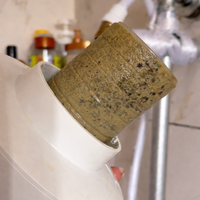
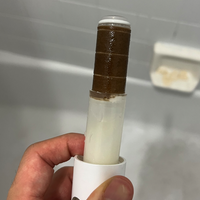
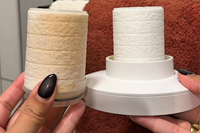
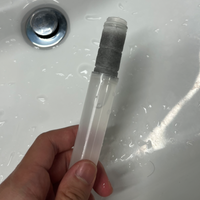
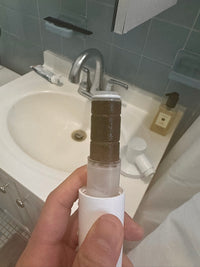
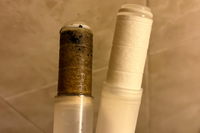
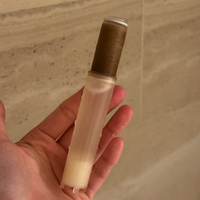
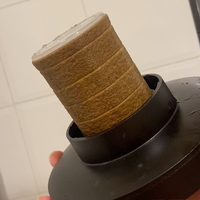
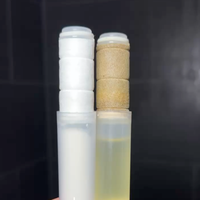
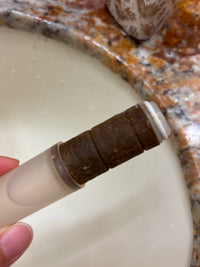
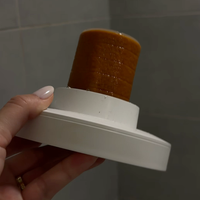
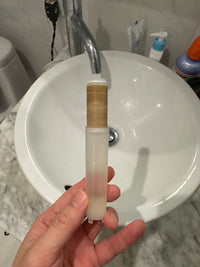
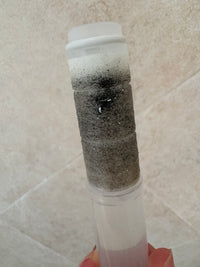
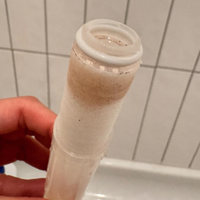
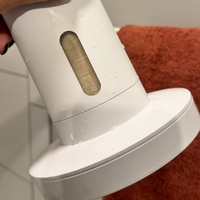
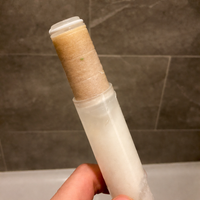
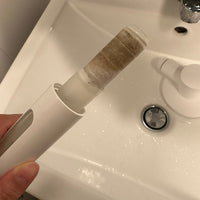
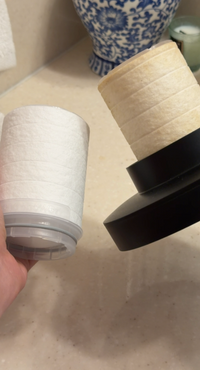
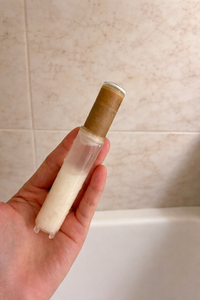
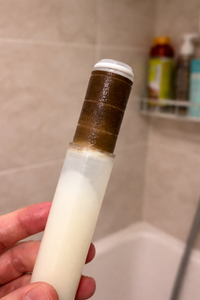
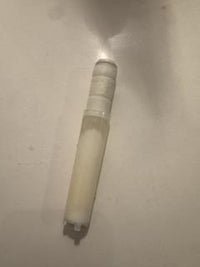
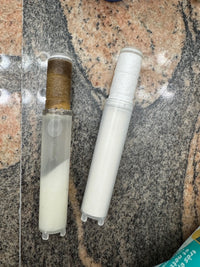

Most California water utilities use chloramine (chlorine + ammonia), not free chlorine. Standard activated carbon shower filters designed for chlorine removal won't work for chloramine. You need either a catalytic carbon or Vitamin C based filter. A Vitamin C shower filter like Second Shower neutralizes chloramine on contact while adding skin-supporting vitamins.
California Chloramine Water: Which Shower Filters Actually Remove It?
You bought a shower filter to help with dry skin or brittle hair. After a few weeks, nothing changed. The problem isn't the filter's quality. It's that your filter was designed for chlorine, and your California water contains chloramine.
This distinction matters more than most people realize. The two chemicals require completely different filtration technologies, and using the wrong one is like putting diesel in a gasoline engine.
Why California Uses Chloramine Instead of Chlorine
Chloramine is a combination of chlorine and ammonia. Water utilities prefer it because it lasts longer in the distribution system, providing disinfection all the way to your tap. Most of Southern California has used chloramine since the mid-1980s.
Here's a snapshot of major California water systems:
| City/Region | Disinfectant | Water Hardness |
|---|---|---|
| Los Angeles (LADWP) | Chloramine | Hard (12-22 gpg) |
| San Diego | Chloramine | Very Hard (16-25 gpg) |
| San Francisco (SFPUC) | Chloramine | Soft (1-3 gpg) |
| San Jose (SJWC) | Chloramine | Moderate (8-12 gpg) |
| Sacramento | Chloramine | Soft-Moderate (3-7 gpg) |
| Orange County | Chloramine | Hard (14-20 gpg) |
If you live in California, your water almost certainly contains chloramine. This is a statewide pattern, not just a Southern California issue.
Why Chloramine Is Harder on Your Skin and Hair
Chloramine causes the same types of damage as chlorine: dry skin, brittle hair, stripped natural oils, and irritation for sensitive conditions like eczema and psoriasis. But it has two properties that make it worse in practice.
- It doesn't evaporate. Chlorine dissipates from water if you let it sit. Chloramine stays put for days or weeks. You can't boil it out or let it off-gas.
- Hot showers make it worse. Studies show hot showers can release 50-80% of dissolved chemicals into the air you breathe. With chloramine persisting in the water, your shower becomes an extended exposure event.
If you've noticed your hair feels like straw or your skin feels tight and itchy after showering, chloramine is a likely contributor, especially if you moved to California from a region that uses free chlorine.
Why Most Shower Filters Don't Work for Chloramine
Here's the critical distinction that filter marketing often ignores:
- NSF/ANSI Standard 177 (the shower filter certification) tests for free chlorine removal only. It says nothing about chloramine.
- Standard activated carbon removes chlorine effectively but needs much longer contact time to break down chloramine. In a shower filter, water passes through too quickly for standard carbon to work.
- KDF-55 media is excellent for chlorine but has limited effectiveness against chloramine at shower flow rates.
This means a filter can be NSF 177 certified, use quality KDF media, and still do almost nothing for your chloramine problem. If a filter only mentions "chlorine removal," it's not designed for California water.
Two Technologies That Actually Remove Chloramine
1. Vitamin C (Ascorbic Acid)
Vitamin C neutralizes chloramine on contact through a direct chemical reaction. It doesn't need extended contact time like carbon does. The reaction converts chloramine into harmless chloride and ammonia compounds.
- Effectiveness: Up to 99% chloramine neutralization
- Speed: Instant on contact
- Bonus: Vitamin C is an antioxidant that benefits skin and hair directly
- Downside: Shorter filter life (1-3 months) as the Vitamin C gets consumed
2. Catalytic Carbon
Catalytic carbon is a modified form of activated carbon with an altered electronic structure. It decomposes chloramine into harmless chloride at faster flow rates than standard carbon.
- Effectiveness: 90%+ chloramine reduction
- Speed: Faster than standard carbon, but still slower than Vitamin C
- Bonus: Also removes hydrogen sulfide and other contaminants
- Downside: More expensive than standard carbon filters, less common in shower filters
When shopping for a chloramine shower filter, look specifically for "chloramine" in the product description and filtration specs. If a filter only mentions "chlorine" or "NSF 177," it's likely designed for free chlorine only, which isn't what California taps deliver.
Best Shower Filters for California Chloramine Water
| Category | Product | Best For |
|---|---|---|
| Best Overall | Second Shower | Vitamin C chloramine neutralization + vitamin infusion |
| Best Catalytic Carbon | Envig CloraClear | Dedicated chloramine removal via catalytic carbon |
| Budget Option | AquaBliss SF500 | Multi-stage filtration at an affordable price |
Second Shower Filtered Shower Head
Second Shower uses Vitamin C as its primary active ingredient, which makes it one of the few shower filters specifically effective against chloramine. The ascorbic acid neutralizes chloramine instantly on contact, meaning you get protection from the first second of your shower, not after the water has slowly passed through a carbon bed.
Beyond chloramine removal, the filter infuses water with Vitamins B3, B5, B7 (Biotin), and E, which support hair follicle health and skin hydration. For Californians dealing with the combination of chloramine and hard water, the vitamin infusion helps counteract the drying effects of both.
- Vitamin C neutralizes chloramine instantly on contact
- NSF-certified for 99.9% chlorine and heavy metal removal
- Vitamin C, E, B3, B5, B7 infusion for skin and hair support
- 128 micro-holes maintain water pressure
- Both fixed and handheld models available
- Filter replacement every 1-2 months (Vitamin C depletes with use)
- Won't soften hard water minerals (pair with softener for SoCal hard water areas)
California-Specific Tips
- SoCal residents (LA, SD, OC): You have both chloramine and very hard water. A shower filter handles the chloramine; consider a whole-house water softener for the mineral buildup. This combination gives the best results.
- Bay Area residents (SF, San Jose): Softer water but still chloraminated. A shower filter alone should make a noticeable difference since hard water minerals aren't compounding the problem. See our Bay Area water guide for specifics.
- Check your water report: California utilities are required to publish annual Consumer Confidence Reports. Search "[your city] water quality report" for exact chloramine and hardness levels at your address.
- Apartment renters: Shower filters install in minutes with no tools and no permanent changes. Take it with you when you move. No landlord approval needed.
FAQ
Is chloramine in California water safe to drink?
The EPA considers chloramine safe at regulated levels for drinking. The concern is prolonged skin and hair exposure during showers and baths, where chloramine strips natural oils, dries out skin, and damages hair. This is a cosmetic and comfort issue more than a safety issue, though people with eczema, psoriasis, or sensitive skin may experience genuine irritation.
Do Brita or standard shower filters remove chloramine?
Most standard shower filters use activated carbon or KDF-55, which are designed for free chlorine removal. These technologies have limited effectiveness against chloramine at typical shower flow rates. For chloramine, you need Vitamin C based or catalytic carbon filters specifically. Always check whether a filter explicitly mentions "chloramine" in its specs.
Can I remove chloramine by letting water sit or boiling it?
No. Unlike free chlorine, chloramine does not evaporate from water. It can persist for days or weeks. Boiling, aerating, or letting water sit in an open container will not reduce chloramine levels. This is one of the key reasons water utilities prefer chloramine: it stays active throughout the distribution system.
Does any city in California still use free chlorine instead of chloramine?
A small number of California utilities use free chlorine, but the majority of large urban systems have switched to chloramine. Some utilities temporarily switch to free chlorine during annual "flushing" periods. Check your local water utility's annual report for the specific disinfectant used in your area.


Leave a comment
All comments are moderated before being published.
This site is protected by hCaptcha and the hCaptcha Privacy Policy and Terms of Service apply.