Filter

Best Shower Filter for Pregnancy: Safe Water for You and Baby

Best Shower Filter for Pregnancy: Safe Water for You and Baby
Quick Answer

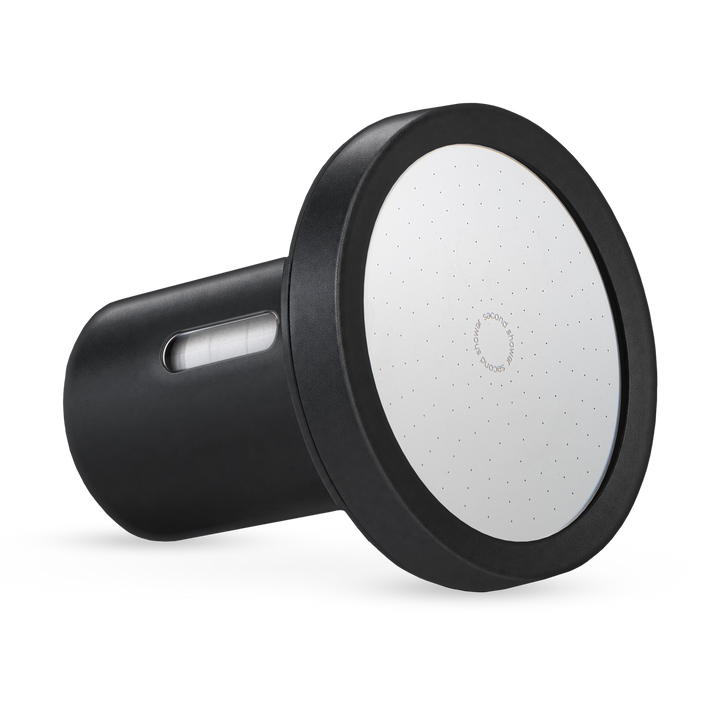
Yes, shower water can contain chemicals that concern pregnant women, including chlorine, chloramine, and disinfection byproducts (THMs). Research suggests up to 80% of THM exposure occurs through showering, not drinking. A Vitamin C shower filter like Second Shower removes 99.9% of chlorine and chloramine with NSF certification, making it a safe choice for expectant mothers.

Why Water Quality Matters During Pregnancy

During pregnancy, your body becomes more sensitive to environmental factors, and what contacts your skin can affect both you and your developing baby. While most attention goes to drinking water, shower water deserves equal concern.

Here's why: researchers estimate that up to 80% of trihalomethane (THM) exposure occurs in the shower, not from drinking. Steam is easily inhaled and absorbed directly through the skin. Hot showers increase this absorption even further.

This doesn't mean you need to panic. But it does mean a quality shower filter is a practical step toward reducing unnecessary chemical exposure during pregnancy.

Contaminants in Shower Water That Affect Pregnancy

Not all water contaminants pose the same risk. Here's what the research says about specific concerns for pregnant women:

Chlorine and Chloramine

Added to kill bacteria in municipal water, chlorine and chloramine are the most common shower water irritants. During pregnancy, when skin is already more sensitive, these chemicals can cause dryness, irritation, and worsen conditions like pregnancy eczema. Chloramine (chlorine + ammonia) is more persistent and harder to remove than regular chlorine.

Trihalomethanes (THMs)

When chlorine reacts with organic matter in water, it creates disinfection byproducts called trihalomethanes. Studies have associated THM exposure with low birth weight, preterm birth, and cardiac defects. The EPA regulates THMs in drinking water, but shower exposure through inhalation and skin absorption often exceeds drinking exposure.

PFAS (Forever Chemicals)

PFAS can cross the placenta, exposing the developing fetus. Research has linked PFAS exposure during pregnancy to complications including preterm birth, low birth weight, and preeclampsia. These chemicals don't break down easily and accumulate in the body over time.

Heavy Metals (Lead, Mercury, Cadmium)

Depending on your water source and plumbing, trace heavy metals may be present. Lead is particularly concerning during pregnancy as it can affect fetal brain development. Older homes with lead pipes or fixtures pose higher risk.

Contaminant Source Pregnancy Concern Can Shower Filter Remove?
Chlorine Water treatment Skin irritation, inhalation Yes (Vitamin C: 99%+)
Chloramine Water treatment More persistent irritant Yes (Vitamin C only)
THMs Chlorine byproduct Birth outcomes Partially (via chlorine removal)
PFAS Industrial pollution Crosses placenta Limited (specialized filters)
Lead Old pipes Fetal development Some filters (check NSF 372)

What Shower Filters Can and Cannot Do

Being honest about limitations helps you make informed decisions:

What Shower Filters CAN Do:

  • Remove chlorine: Most filters achieve 70-99%+ removal
  • Remove chloramine: Only Vitamin C filters effectively remove chloramine
  • Reduce chemical exposure: Less chlorine = fewer THMs formed on your skin
  • Improve skin comfort: Gentler water reduces pregnancy skin irritation
  • Eliminate chemical smell: No more pool smell in your bathroom

What Shower Filters CANNOT Do:

  • Remove all PFAS: Most shower filters don't address PFAS effectively
  • Soften hard water: Filters don't remove calcium/magnesium minerals
  • Replace whole-house systems: For comprehensive protection, point-of-use filters address showers specifically
  • Guarantee zero exposure: Filters reduce, but don't eliminate, all contaminants
Know Your Water

Request your utility's water quality report or search "[your city] water quality report." This tells you what's actually in your water so you can choose the right filtration. About 20% of US water systems use chloramine instead of chlorine, which requires Vitamin C filtration.

Best Shower Filters for Pregnancy

For PFAS Concerns

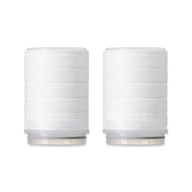
Weddell Duo + Whole House System

If your water quality report shows PFAS contamination, a shower filter alone won't fully address it. The Weddell Duo is NSF-certified for PFAS reduction, but for comprehensive PFAS protection during pregnancy, consider a whole-house reverse osmosis or activated carbon system ($500-2,000+).

Pros
  • NSF certified for PFAS/microplastics
  • Long filter life (5-6 months)
  • Good flow rate
Cons
  • Only 87% chlorine removal
  • No chloramine removal
  • Higher cost

Filter Technologies Compared for Pregnancy Safety

Technology Chlorine Removal Chloramine Removal Pregnancy Safety Notes
Vitamin C 99%+ Yes (99%+) Excellent Natural, no additives
KDF-55 70-85% No Good Uses copper-zinc alloy
Carbon 50-70% No Good Less effective in hot water
Calcium Sulfite 80-90% Limited Good Works at high temps

For pregnancy, Vitamin C filtration offers the best combination of effectiveness and safety. The ascorbic acid is the same compound found in food and prenatal vitamins, making it a natural choice for expectant mothers.

Safe Showering Practices During Pregnancy

Beyond filtration, these practices help minimize chemical exposure:

  • Take shorter showers: Less time = less exposure. Aim for 10 minutes or less.
  • Use lukewarm water: Hot water increases steam and absorption. Cooler showers reduce THM inhalation.
  • Ventilate the bathroom: Run the exhaust fan to reduce steam concentration.
  • Install the filter correctly: Make sure water flows through the filter, not around it.
  • Replace filters on schedule: Depleted filters don't protect you. Track replacement dates.
  • Consider a handheld option: As pregnancy progresses, a handheld shower head offers more control and comfort.

When to Consider Whole-House Filtration

A shower filter addresses your shower specifically. For broader protection during pregnancy, whole-house systems treat all water entering your home:

  • Your water report shows high PFAS levels: Shower filters have limited PFAS removal
  • You have lead pipes: Point-of-entry filtration protects all fixtures
  • Multiple family members have sensitivities: Treat water at the source
  • You plan to stay long-term: Investment makes sense for permanent homes

Whole-house systems cost $500-2,000+ installed. For most pregnant women, a quality shower filter provides meaningful protection at a fraction of the cost, especially for renters or those in temporary housing.

FAQ

Is it safe to take hot showers while pregnant?

Yes, but with caution. Hot showers increase steam and potentially THM inhalation. Keep water temperature comfortable but not scalding, and limit shower time to 10-15 minutes. A shower filter reduces the chemicals in that steam.

Can I absorb harmful chemicals through my skin while showering?

Yes. Skin absorption and inhalation during showering can exceed exposure from drinking water. Studies suggest up to 80% of trihalomethane exposure occurs in the shower. This is why shower filtration matters, especially during pregnancy when you want to minimize all unnecessary chemical exposure.

Are the vitamins in shower filters safe during pregnancy?

Yes. Vitamin C (ascorbic acid), Vitamin E, and B vitamins are the same nutrients in your prenatal vitamins and food. The trace amounts that contact your skin during showering are completely safe and often beneficial for pregnancy-sensitive skin.

Bottled water vs. filtered tap water during pregnancy—which is safer?

For drinking, filtered tap water is generally as safe or safer than bottled water, which isn't required to meet the same EPA standards. For showering, neither helps—you need a shower filter. Bottled water also creates plastic waste and may contain microplastics.

How often should I replace my shower filter during pregnancy?

Follow the manufacturer's guidelines, but err on the side of more frequent replacement during pregnancy. For Vitamin C filters like Second Shower, replace every 4-6 weeks rather than waiting the full 8 weeks. A depleted filter provides no protection.

Should I get my water tested while pregnant?

Yes, it's a good idea. Request your utility's free water quality report, or use a certified lab test for more detailed results. This tells you exactly what's in your water so you can choose appropriate filtration. It's especially important if you have well water or older plumbing.

Safe Showers for You and Baby

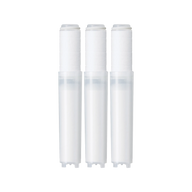
Second Shower removes 99.9% of chlorine and chloramine using natural Vitamin C filtration. NSF certified, pregnancy-safe, and gentle on sensitive skin.

Shop Second Shower

Reading next

Best Shower Filters for Families (2026 Guide)
Water Smells Like Chlorine After Moving? What It Means for Your Family

Leave a comment

All comments are moderated before being published.

This site is protected by hCaptcha and the hCaptcha Privacy Policy and Terms of Service apply.