Chlorine-smelling water means your city uses chlorine to disinfect the supply. It's safe to drink at EPA levels (under 4 mg/L), but daily shower exposure dries out skin and hair, especially for kids. The simplest fix: an NSF-certified shower filter that removes 99.9% of chlorine before it reaches your family.
Water Smells Like Chlorine After Moving? What It Means for Your Family
You've unpacked the boxes, set up the furniture, and finally taken your first shower in the new house. And the water smells like a swimming pool.
If you just moved and noticed a strong chlorine smell, you're not imagining it. Different cities use different amounts of chlorine, and moving even across town can mean a noticeable change in water quality. Some areas use chloramine (chlorine + ammonia) instead, which can smell different but causes the same issues.
The good news: your water is almost certainly safe to drink. The bad news: daily chlorine exposure in the shower affects your family's skin and hair more than you'd expect.
Why Your New Home's Water Smells Like Chlorine
Municipal water treatment plants add chlorine or chloramine as a disinfectant. It kills bacteria, viruses, and parasites that could make water unsafe. The EPA requires a detectable level of disinfectant throughout the distribution system to prevent recontamination between the treatment plant and your tap.
The strength of the smell depends on several factors:
- Distance from the treatment plant. Homes closer to the plant get water with more chlorine. It dissipates as it travels through pipes.
- Time of year. Treatment plants increase chlorine during warm months when bacterial growth rises.
- Recent main breaks or flushing. After repairs, utilities boost chlorine to ensure safety.
- Your previous home's water source. Well water has no chlorine. If you moved from a well to city water, the difference is dramatic.
The EPA considers water safe at chlorine levels up to 4 milligrams per liter (4 ppm). Most city water falls between 0.5-2 ppm. If you can smell it, that usually means levels are above 1 ppm, which is within safety limits but high enough to affect your skin and hair.
Is Chlorinated Shower Water Bad for Your Family?
Drinking chlorinated water at EPA levels is considered safe. But showering in it is a different story. During a 10-minute hot shower:
- Your skin absorbs chemicals. Hot water opens pores and increases absorption. The EPA estimates that your body absorbs more chlorine from a shower than from drinking 8 glasses of the same water.
- Chlorine vaporizes into steam. You inhale chlorine gas in the enclosed shower space. This can irritate airways, especially in children and anyone with asthma.
- Skin barrier gets stripped. Chlorine destroys the lipid layer that keeps skin moisturized. This leads to dryness, itching, and irritation.
- Hair becomes dry and brittle. Chlorine oxidizes the proteins and natural oils that keep hair soft. Over time, this causes straw-like texture and increased shedding.
Impact on Children
Kids are more vulnerable to chlorine exposure because their skin is thinner and more permeable. A study published in the Journal of Allergy and Clinical Immunology found links between chlorinated bathing water and higher rates of atopic dermatitis (eczema) in infants.
If your children develop rashes, dry patches, or increased itching after moving, your new home's water quality is the most likely cause. For more on this, see our guide on kids getting rashes from bath water.
Impact on Skin Conditions
If anyone in your family has eczema, psoriasis, rosacea, or sensitive skin, chlorinated water will make it worse. Chlorine triggers inflammation and weakens an already-compromised skin barrier. Many dermatologists recommend filtered water for patients with chronic skin conditions.
How to Fix Chlorine-Smelling Shower Water
You have several options, from free to more involved.
Quick Fixes (Partial Solutions)
- Let water run for 30-60 seconds before entering. Some chlorine dissipates into the air. This reduces exposure slightly but doesn't eliminate it.
- Shower with cooler water. Hot water opens pores and increases chlorine vaporization. Lukewarm showers reduce absorption.
- Keep the bathroom door cracked open. Ventilation reduces the concentration of chlorine vapor you breathe in the enclosed space.
These help at the margins but don't solve the core problem. You're still showering in chlorinated water.
The Real Fix: Install a Shower Filter
A shower filter removes chlorine, heavy metals, and other contaminants before water reaches your body. It takes 3-5 minutes to install (no plumber needed) and works with any standard shower arm.
For families, the key features to look for:
- NSF certification for verified contaminant removal (not just marketing claims)
- High chlorine removal rate — 95%+ is ideal
- Safe for kids — no chemicals added, just filtration
- Good flow rate so water pressure doesn't drop
- Reasonable filter replacement cost and schedule
| Category | Product | Best For |
|---|---|---|
| Best for Families | Second Shower | NSF-certified filtration + vitamins for the whole family |
| Budget Pick | AquaBliss SF100 | Basic chlorine reduction under $30 |
| Whole-Home Option | SpringWell CF1 | Filters every faucet in the house |
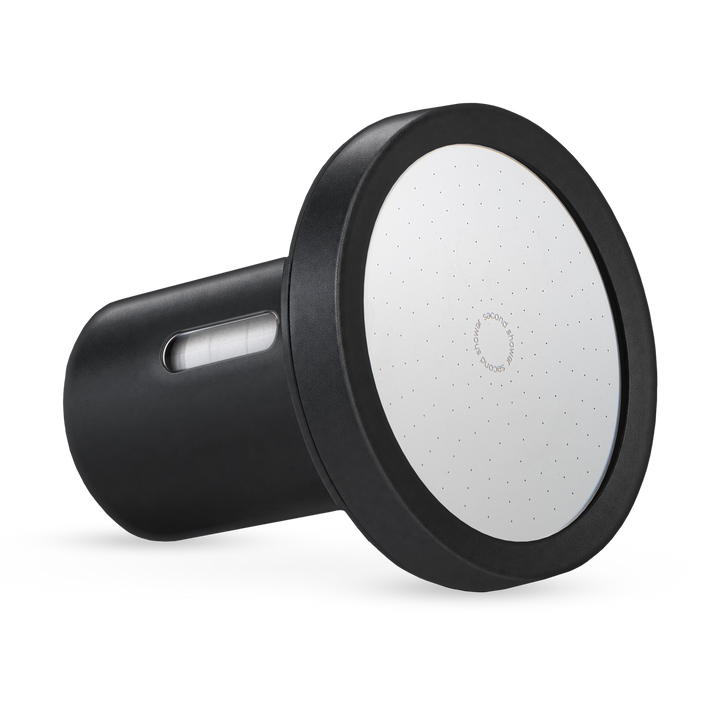
Second Shower Filtered Shower Head
Second Shower's NSF-certified filtration removes 99.9% of chlorine and heavy metals from your shower water. The 128 micro-hole design actually boosts water pressure while filtering, so you get cleaner water without a weak stream.
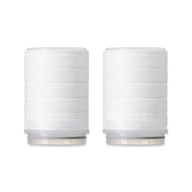
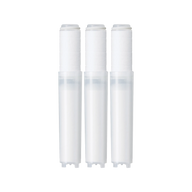
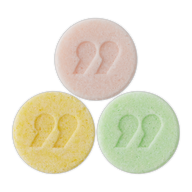
What makes it stand out for families is the vitamin infusion system. Each shower delivers Vitamin C (which neutralizes chlorine on contact), Vitamin E (skin protection), and B vitamins including Niacinamide (skin barrier support) and Biotin (hair health). It's safe for everyone from babies to adults.
- NSF-certified 99.9% chlorine and heavy metal removal
- Vitamin C, E, B3, B5, B7 infusion safe for all ages
- 128 micro-holes boost water pressure
- 3-minute install on any standard shower arm
- Available in fixed and handheld models
- Filter replacement every 1-2 months (family of 4 may need monthly)
- Higher price than basic inline filters
Going Further: Whole-House Filtration
If the chlorine smell bothers you at every tap (kitchen, bathroom sinks, laundry), a whole-house carbon filter removes chlorine from your entire water supply. This is a bigger investment ($300-1,500 installed) but gives you filtered water throughout the home.
Most families start with a shower filter (biggest skin/hair impact) and add whole-house filtration later if needed.
Just moved in? Check your city's annual Water Quality Report (also called CCR). Every municipal water system publishes one online. Search "[your city] water quality report" to see exact chlorine levels, hardness, and any contaminants detected. This tells you exactly what you're dealing with.
FAQ
Is it safe to drink water that smells like chlorine?
Yes, if you're on a municipal water system. The EPA allows up to 4 mg/L of chlorine in drinking water, and most city water is well below that. The smell is unpleasant but not a health hazard for drinking. The bigger concern is showering, where skin absorption and steam inhalation increase exposure significantly.
Why does my new home's water smell different from my old one?
Different cities use different water sources, treatment methods, and chlorine levels. Your new home may be closer to the treatment plant, on a different water main, or in a district that uses chloramine instead of free chlorine. Seasonal changes and recent pipe maintenance also affect chlorine levels.
Can chlorine in shower water cause rashes in kids?
Yes. Children have thinner, more permeable skin than adults. Research published in the Journal of Allergy and Clinical Immunology found links between chlorinated bathing water and higher rates of eczema in infants. If your child develops rashes, dry patches, or itching after bathing in your new home, chlorine exposure is a likely factor.
Do shower filters actually remove chlorine?
Filters with NSF 177 certification are independently verified for chlorine reduction. The best filters remove 90-99% of chlorine. Look for NSF certification rather than relying on marketing claims. KDF-55 and Vitamin C media are the most effective for chlorine specifically.
Should I get a shower filter or a whole-house filter?
Start with a shower filter. That's where your family gets the most chlorine exposure (skin absorption + steam inhalation). A shower filter costs $30-80 and installs in minutes. A whole-house filter ($300-1,500) makes sense later if chlorine taste bothers you at every tap. Many families use both.


Leave a comment
All comments are moderated before being published.
This site is protected by hCaptcha and the hCaptcha Privacy Policy and Terms of Service apply.