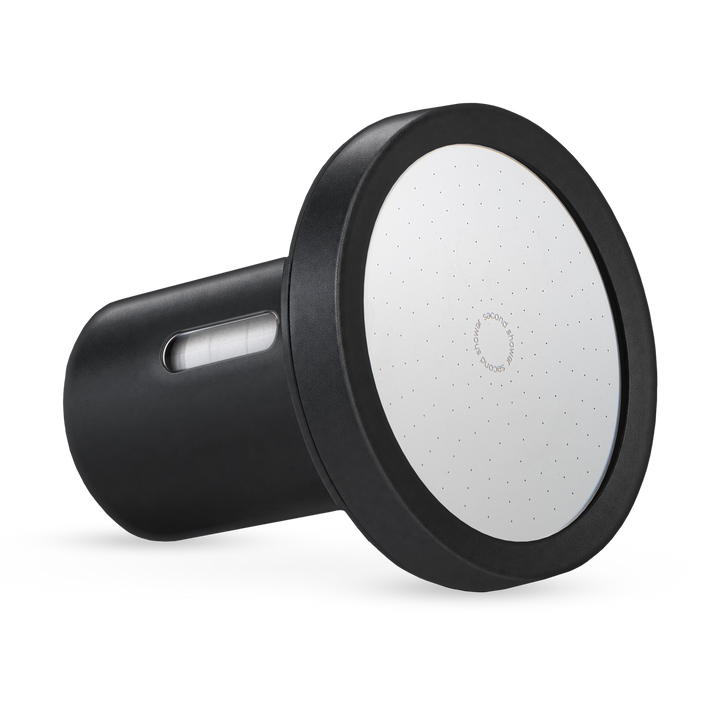
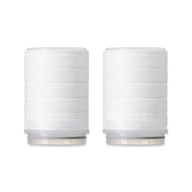
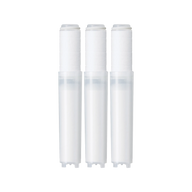
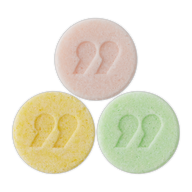
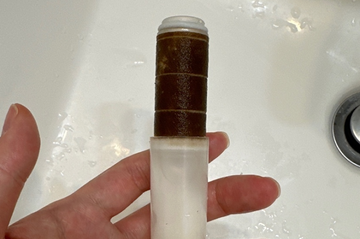
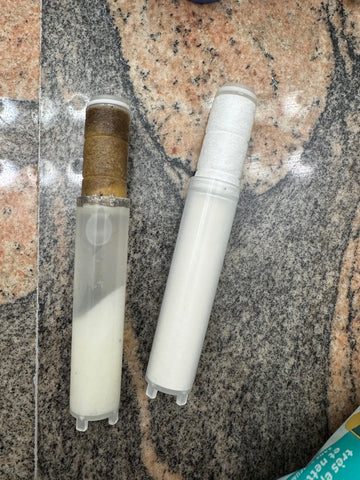
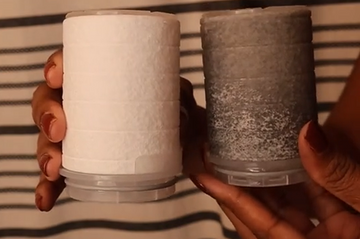
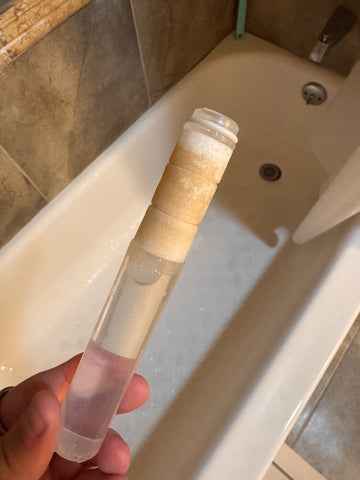
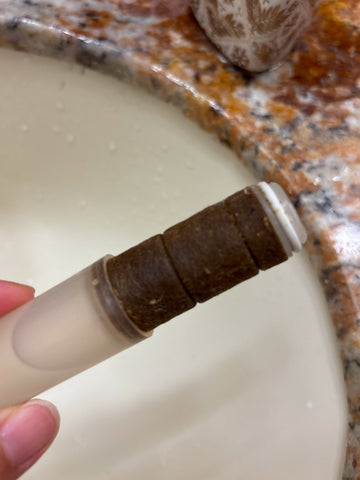
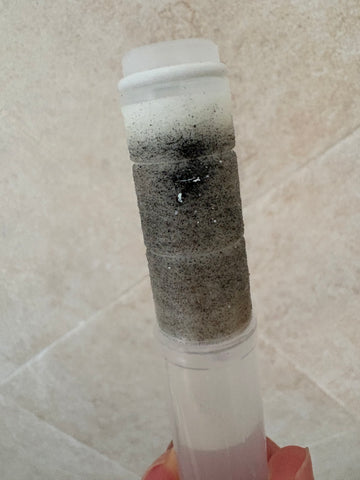
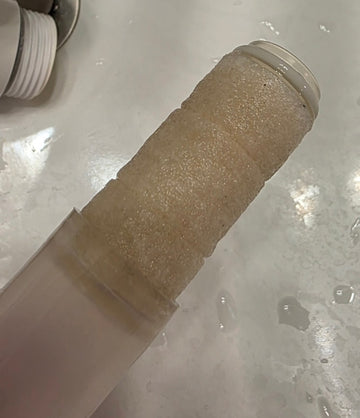
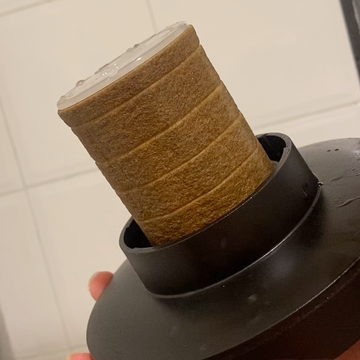
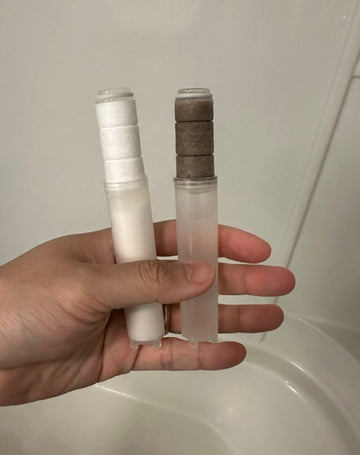
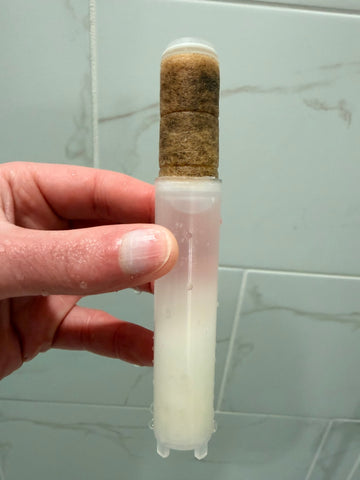
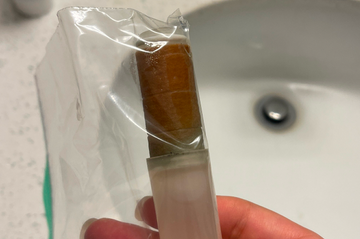
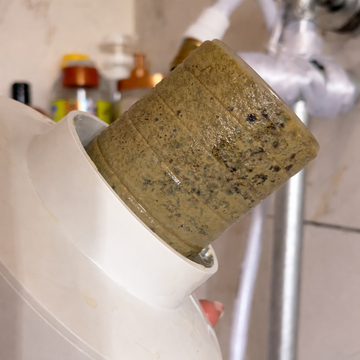
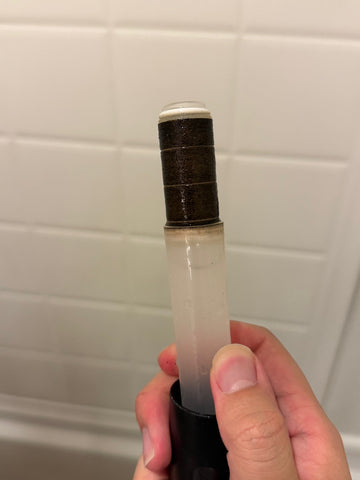
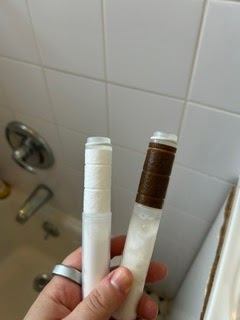
Chlorine in tap water is one of the biggest reasons color-treated hair fades prematurely. An NSF-certified shower filter that removes 99.9% of chlorine protects dye molecules from oxidation with every wash. Second Shower combines chlorine and heavy metal removal with a Vitamin C, E, and B vitamin infusion system, which both neutralizes chlorine and supports the hair cuticle's ability to retain color.
Best Shower Filter for Color-Treated Hair (2026)
If you color your hair, you already know how much time, money, and maintenance goes into keeping it looking right. A single balayage session runs $150-350. Full highlights or vivid color can easily exceed $400. And the expectation is that your investment holds for 6-8 weeks minimum.
But for a lot of women, the color starts shifting within 2-3 weeks. The vibrancy fades. Blondes go brassy. Reds lose depth. Cool tones turn muddy. And no matter how much you spend on color-safe shampoo, bond-repair treatments, or cold-water rinses, the fade keeps happening.
The problem usually isn't your products or your stylist. It's your shower water. And a shower filter is the most overlooked, most cost-effective fix available.
Why Your Shower Water Destroys Hair Color
Municipal tap water contains chlorine or chloramine, added during treatment to kill harmful bacteria. That disinfection keeps water safe to drink. But chlorine is a bleaching agent. It's the same class of chemical used in swimming pools, laundry whiteners, and industrial cleaning. Every time you wash your color-treated hair in unfiltered water, you're exposing dye molecules to a low-level bleach bath.
Chlorine attacks color-treated hair through two mechanisms. First, it strips the natural sebum (oil) layer that coats each strand, leaving the cuticle unprotected. Second, it directly oxidizes dye molecules in the cortex, the inner layer of the hair shaft where color actually sits. Oxidized dye molecules lose their chromatic properties, which is why your color looks dull, brassy, or washed out long before it should.
On top of chlorine, about 85% of US households have hard water, according to the USGS. Hard water contains dissolved minerals like calcium, magnesium, iron, and copper. These minerals deposit onto the hair shaft and build up over time, physically lifting the cuticle scales. Once the cuticle is raised, dye molecules escape faster. Iron and copper specifically react with hair dye through oxidation, shifting your tone in ways that no purple shampoo can fully correct.
How Much Faster Does Unfiltered Water Fade Color?
There's no single universal number, because it depends on your local water chemistry, how often you wash, water temperature, and your specific color formulation. But here's what's consistently reported by colorists and observed in salon-adjacent research.
- Chlorine exposure alone can accelerate color fade by 30-50% compared to filtered or low-chlorine water
- Hard water mineral buildup compounds the effect, especially iron and copper, which cause visible tone shifts (brassiness, green cast on blondes, premature warmth on cool tones)
- Women who wash daily in unfiltered hard water see noticeably faster fade than those who wash 2-3 times per week in filtered water
- Semi-permanent and demi-permanent color is more vulnerable than permanent color because the smaller dye molecules are displaced more easily
If you've ever noticed your hair color lasts longer on vacation in a different city, or that it fades faster after you move, water quality is almost certainly the variable that changed.
What to Look for in a Shower Filter for Color-Treated Hair
Not all shower filters are created equal, and the features that matter most for color protection are specific. Here's what to prioritize when shopping.
NSF or Third-Party Certification
This is the single most important criterion. NSF certification means an independent lab has tested and verified the filter's contaminant removal claims. Without it, you're trusting marketing copy. Many budget shower filters claim "removes chlorine" without specifying how much or under what conditions. An NSF-certified filter has documented performance data.
High Chlorine Removal Rate
Look for 95% removal or higher. Chlorine is the primary chemical threat to hair color, so partial removal still leaves your dye exposed. Filters with 99%+ removal rates provide significantly better protection than those removing 50-70%. The difference between a filter that removes 70% of chlorine and one that removes 99.9% is the difference between noticeable fade reduction and dramatic color longevity improvement.
Heavy Metal Filtration
Iron and copper are the minerals most responsible for color oxidation and brassiness. KDF (Kinetic Degradation Fluxion) media and multi-stage filtration systems target these dissolved metals. If you have well water or live in an area with older pipes, heavy metal removal becomes even more critical.
Vitamin C or Antioxidant Infusion
Vitamin C (ascorbic acid) neutralizes chlorine on contact through a chemical reaction that converts free chlorine into chloride, which is harmless to hair. Some shower filters incorporate Vitamin C along with other hair-supporting vitamins. This is a genuine differentiator, not a gimmick. The chemistry is well-established: ascorbic acid has been used in water treatment to dechlorinate for decades.
Water Pressure Maintenance
This matters more than people realize for color protection. A filter that reduces water pressure forces you to spend more time rinsing, which means more total chemical exposure per wash. Filters with micro-hole technology or pressure-boosting design help you rinse faster and more thoroughly, reducing per-wash exposure time.
Easy Installation and Renter-Friendly Design
Whole-home water softeners and filtration systems cost $500-3,000+ and require permanent plumbing modifications. If you rent, that's not an option. A quality showerhead filter should install in under 5 minutes with no tools and be fully removable when you move. If you're curious about filters that work for the whole family, the same installation simplicity applies.
| Category | Product | Best For |
|---|---|---|
| Best Overall | Second Shower | NSF-certified chlorine + heavy metal removal with vitamin infusion for color protection |
| Best for High-Contaminant Water | Weddell Duo | Highest independent-tested contaminant reduction including PFAS, 5,000-gallon capacity |
| Best Budget Option | AquaBliss SF100 | Basic chlorine reduction under $30, decent entry point for mild water areas |
| Best for Long Filter Life | Aqua Earth | Longer replacement intervals, lower ongoing cost for budget-conscious buyers |
| Best for Chloramine Areas | AquaYouth | Catalytic carbon media effective against chloramine, which standard filters struggle with |
Second Shower Filtered Shower Head
Second Shower is an NSF-certified filtered showerhead engineered in Seoul that removes 99.9% of chlorine and heavy metals. For women with color-treated hair, that level of removal means the two biggest chemical threats to your dye are eliminated before the water touches your hair.
What sets it apart from standard chlorine-only filters is the vitamin infusion system. Vitamin C neutralizes any residual chlorine on contact. Vitamin E provides antioxidant protection that helps prevent oxidative fading. B vitamins, including Niacinamide (B3), Panthenol (B5), and Biotin (B7), support the cuticle's moisture barrier. A sealed, hydrated cuticle holds color molecules in the cortex more effectively. Most color fade happens because the cuticle gets stripped and lifted. Second Shower addresses that from both the chemical removal side and the hair health side.
The 128 micro-hole plate also maintains strong water pressure, which matters because weaker pressure means longer rinse times and more total exposure per wash. You get a thorough rinse in less time.
- NSF-certified 99.9% chlorine and heavy metal removal
- Vitamin C, E, B3, B5, B7 infusion actively supports color retention
- 128 micro-holes maintain water pressure for faster rinsing
- Installs in 3-5 minutes with no tools
- Renter-friendly: fully removable, take it when you move
- Aromatherapy-ready with optional infusers
- Filter replacement every 1-2 months (ongoing cost, roughly $8-12/month)
- Does not soften water; extremely hard water areas (15+ gpg) may still see some mineral buildup
Weddell Duo
The Weddell Duo is a dual-stage filtration system with independently verified contaminant reduction numbers that stand out in the category. It removes 99% of PFAS, 96% of microplastics, and high percentages of chlorine and heavy metals across a 5,000-gallon filter life. If you live in an area with known water contamination issues beyond basic chlorine, the Weddell Duo offers broader protection.
For color-treated hair specifically, its strength is heavy metal removal. Iron, copper, and lead in older pipes get filtered out, reducing the mineral oxidation that causes brassiness and tone shifts. The downside is the higher price point and the inline design, which means you keep your existing showerhead but add the filter between the arm and the head.
AquaBliss SF100
The AquaBliss SF100 is one of the most popular budget shower filters, typically priced under $30. It uses a multi-stage filtration system with KDF-55, calcium sulfite, and activated carbon to reduce chlorine, heavy metals, and sediment. For women in areas with mild to moderate chlorine levels and relatively soft water, it can make a noticeable difference in color longevity.
The trade-off is that it lacks third-party certification, and actual chlorine removal rates aren't independently verified at the same standard as NSF-certified products. For heavily chlorinated or hard water areas, a more robust filter will deliver better results for color-treated hair.
Aqua Earth
Aqua Earth's strength is filter longevity. Its replacement schedule is longer than most competitors, which translates to lower ongoing maintenance cost. If you're looking for a set-it-and-forget-it option and you don't want to think about filter swaps every month, Aqua Earth has a practical advantage.
The limitation is that longer filter life sometimes means less aggressive filtration media. As any filter ages, its contaminant removal efficiency drops. For color-treated hair, the first few months of filter life are the most protective. Compare total annual cost (including replacements) rather than just filter lifespan when deciding.
Color Type Matters: Which Treatments Are Most Vulnerable
Not all hair color reacts to unfiltered water the same way. Understanding which color types fade fastest helps you prioritize filtration.
Semi-Permanent and Demi-Permanent Color
These formulations deposit color on and just below the cuticle surface without fully opening the cortex. Because the dye molecules sit closer to the outer layer, chlorine and mineral buildup reach them more easily. Semi-permanent color can fade 40-60% faster in unfiltered water compared to filtered. If you use fashion colors (pastels, vivid blues, purples, pinks), a shower filter is essential.
Permanent Color
Permanent dye opens the cuticle with developer (hydrogen peroxide), deposits color into the cortex, and then the cuticle closes around it. This makes it more durable than semi-permanent, but chlorine still accelerates fade by repeatedly opening the cuticle and oxidizing the dye molecules inside. Women with permanent color typically see a 30-40% improvement in longevity after installing a quality filter.
Highlights and Balayage
Lightened hair is chemically processed to remove natural melanin. The hair shaft is left more porous and the cuticle more compromised. This makes highlighted and balayage-treated hair more absorbent, which means it takes on mineral deposits faster and is more susceptible to chlorine damage. The brassiness that plagues highlighted blondes is frequently caused by iron and copper in water, not by toner failure.
Color-Depositing Treatments and Glosses
Glazes and color-depositing conditioners sit entirely on the cuticle surface. They're designed to be temporary, and unfiltered water strips them even faster. If you maintain your color between appointments with at-home glosses, a shower filter extends the life of those treatments significantly.
The Renter's Guide to Protecting Color-Treated Hair
One competitor in this space argues that whole-home water systems are the real solution and that shower filters are insufficient. That's a valid point if you own your home and have $500-3,000 to spend on a water softener system. But for the millions of women who rent apartments or condos, that advice is useless.
You can't install a whole-home filtration system in a rental. You can't modify plumbing. And you shouldn't have to accept faster color fade and higher salon bills as the cost of renting.
A filtered showerhead installs onto your existing shower arm in 3-5 minutes with hand-tightening alone. No tools. No landlord permission. No plumbing modifications. When your lease is up, you unscrew it, pack it, and install it in your next place. The filter itself costs a fraction of a single color appointment.
For renters in hard water cities, this is the most practical upgrade available. And to be clear: a shower filter that removes 99.9% of chlorine and heavy metals provides substantial protection for color-treated hair, even without addressing total water hardness. Chlorine removal alone is the single highest-impact change you can make for color longevity. If you've noticed more hair shedding alongside the color fade, that's another signal your shower water is the issue.
Honest Limitations: What a Shower Filter Won't Do
Credibility matters, so here's what you should know before buying.
A shower filter does not soften water. Calcium and magnesium, the minerals that make water "hard," require ion exchange to remove. That's what whole-home water softeners do. A shower filter removes chlorine, chloramine, heavy metals, and sediment. If your hardness is above 15 grains per gallon (gpg), you may still see some mineral film on your hair even with a filter. A clarifying shampoo used once every 1-2 weeks handles this buildup.
A shower filter will not reverse existing color damage. If your color has already faded or shifted due to months of unfiltered water exposure, you'll need a salon correction. What the filter does is prevent that accelerated fade from happening again after your next appointment.
Filter performance declines over time. Every shower filter has a rated lifespan. As the media becomes saturated, removal efficiency drops. Sticking to the recommended replacement schedule is critical. An expired filter is barely better than no filter at all.
Results vary by location. Women in cities with aggressive chlorination (like parts of Florida, Texas, and Southern California) tend to see more dramatic improvement because there's more chlorine being removed. Women in areas with naturally soft, low-chlorine water may see a subtler difference. Check your local water quality report to understand what you're dealing with.
Wash color-treated hair no more than 2-3 times per week, use lukewarm water (not hot), and wait at least 48 hours after your salon appointment before the first wash. Pair these habits with a shower filter and your color can last 50-70% longer than washing daily in unfiltered hot water.
Building a Complete Color-Protection Routine
A shower filter is the foundation, but it works best as part of a broader approach. Here's a practical routine for women who want maximum color life.
Step 1: Filter Your Water
Install an NSF-certified shower filter that removes 99%+ chlorine and heavy metals. This is the single highest-impact change. Everything else you do to protect your color works better when the water isn't actively working against you.
Step 2: Use Sulfate-Free, Color-Safe Shampoo
Sulfates are aggressive surfactants that strip oils and can pull dye from the hair shaft. Once chlorine is removed from your water, sulfate-free shampoo becomes even more effective because it's not fighting chemical interference. Focus shampoo on the scalp, not the lengths.
Step 3: Condition Strategically
Apply conditioner from mid-length to ends. This helps seal the cuticle and lock in moisture. Color-treated hair is more porous and loses hydration faster. A leave-in conditioner or hair oil after washing adds an additional protective barrier.
Step 4: Rinse Cool
Hot water opens the cuticle, even filtered hot water. End your shower with a cool rinse to close the cuticle and seal color molecules inside the cortex. This is a free, zero-effort habit that extends color life.
Step 5: Protect From UV and Heat
Sunlight oxidizes dye molecules through the same chemical process as chlorine. If you spend time outdoors, use a UV-protective spray or wear a hat. Heat styling also opens the cuticle, so always use a heat protectant and keep temperatures below 350 degrees F when possible.
Step 6: Clarify Monthly
Even with a filter, trace minerals and product buildup accumulate over time. Use a clarifying shampoo once every 3-4 weeks (not more often, as over-clarifying strips color). This resets your hair and lets your regular products absorb properly.
Regional Water Quality and Color Fade
Where you live significantly affects how fast your color fades. Here's a quick reference for some of the most common problem areas.
- Southern California (LA, San Diego): Very hard water (15-25 gpg) plus chloramine treatment. Dual threat of mineral buildup and chemical fade.
- Florida (Miami, Orlando, Tampa): Hard water from limestone aquifers plus heavy chlorination. Blondes go brassy fast.
- Texas (Houston, Dallas, Austin): Hard to very hard water varying by source. Iron content in some areas causes orange tinting on light hair.
- Arizona (Phoenix, Scottsdale): Some of the hardest water in the US (20+ gpg). Mineral deposits are aggressive.
- NYC and Northeast: Relatively soft water but higher chlorine or chloramine levels. Chemical fade more than mineral fade.
- Pacific Northwest (Seattle, Portland): Generally softer water with moderate chlorine. Color tends to hold well here with basic protection.
You can look up your specific city's Consumer Confidence Report (annual water quality report) on your water utility's website. You can also test at home with a $10 test strip kit from any hardware store. Knowing your water hardness and disinfectant type helps you choose the right filter and set realistic expectations.
Chlorine vs. Chloramine: Why It Matters for Your Filter Choice
About 40% of US water utilities have switched from chlorine to chloramine (a chlorine-ammonia compound) for disinfection. Chloramine is more stable and stays in water longer through the distribution system. For hair color, this is a problem because standard KDF and activated carbon filters are less effective against chloramine than they are against free chlorine.
If your city uses chloramine, you need a filter with catalytic carbon or Vitamin C media. Vitamin C (ascorbic acid) neutralizes both chlorine and chloramine on contact. This is one of the reasons Vitamin C-infused shower filters offer genuinely better protection for color-treated hair than basic carbon-only filters.
You can find out which disinfectant your city uses in the same Consumer Confidence Report. If it says "chloramine" or "monochloramine," make sure your shower filter specifically claims chloramine reduction.
FAQ
Do shower filters actually help color-treated hair last longer?
Yes. Chlorine is a bleaching agent that oxidizes dye molecules every time you wash. Removing 99%+ of chlorine from your shower water eliminates one of the primary drivers of premature color fade. Most women with color-treated hair report their color lasting 30-50% longer after installing a quality shower filter. Results are most dramatic in areas with heavy chlorination.
Is a shower filter enough or do I need a whole-home water softener?
For color protection, a shower filter that removes chlorine and heavy metals is the higher-impact investment. Chlorine actively bleaches dye molecules, while hard water minerals mainly cause buildup and cuticle lifting. Ideally, both together provide the best results. But if you can only choose one, or if you rent and can't install a whole-home system, a quality shower filter gives you the most color protection per dollar spent.
How often should I replace my shower filter to protect my color?
Follow the manufacturer's recommended replacement schedule, which is typically every 1-3 months depending on the filter type and your water quality. An expired or saturated filter loses its contaminant removal ability and provides minimal protection. If you wash your hair daily or have particularly hard or heavily chlorinated water, replace on the shorter end of the recommended range. Setting a phone reminder helps you stay on schedule.
Will a shower filter help with brassiness in blonde hair?
Brassiness in blonde and highlighted hair is frequently caused by iron and copper minerals in water reacting with lightened hair. A shower filter with KDF media or multi-stage filtration removes these dissolved metals, which directly reduces mineral-induced brassiness. It won't replace toner, but it prevents the water from undoing your toner's work between salon visits. Women in hard water areas often see the most dramatic improvement in brassiness reduction after installing a filter.
Does water temperature affect color fade even with a filtered shower?
Yes. Hot water opens the hair cuticle regardless of whether chlorine has been removed. An open cuticle releases dye molecules faster. Washing with lukewarm water and finishing with a cool rinse seals the cuticle and locks color in. A filtered shower removes the chemical threat, but temperature management reduces the mechanical fade. Both together provide the best color longevity.


Leave a comment
All comments are moderated before being published.
This site is protected by hCaptcha and the hCaptcha Privacy Policy and Terms of Service apply.