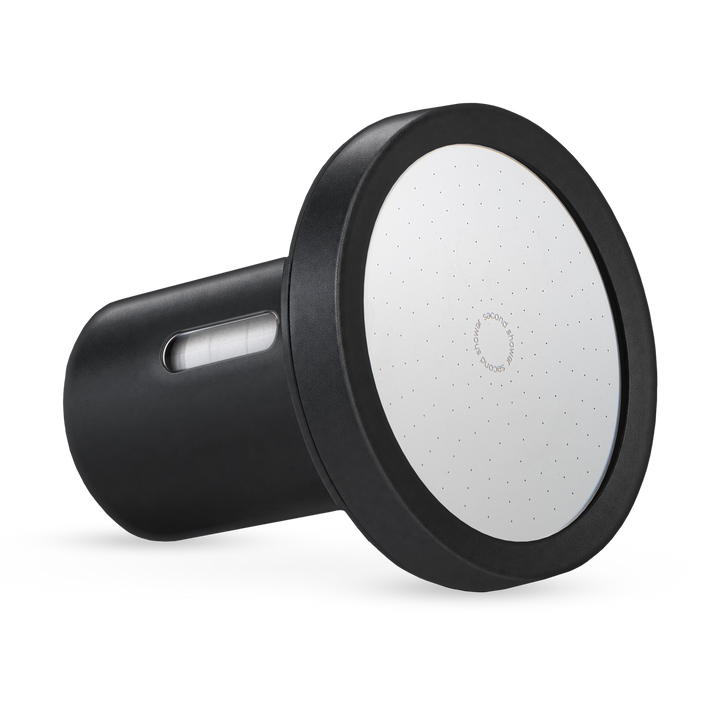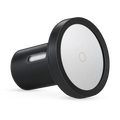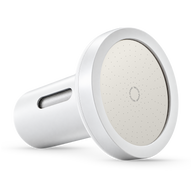
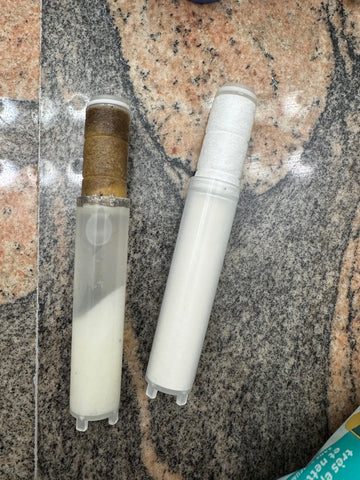
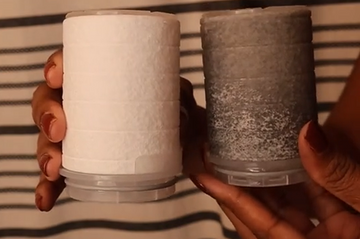
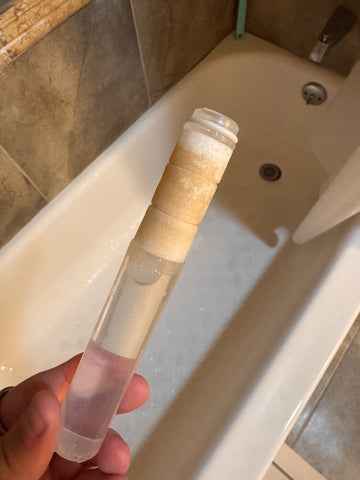
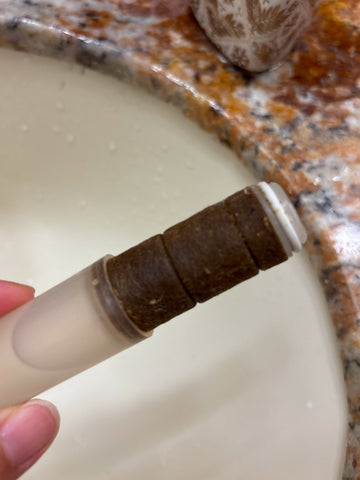
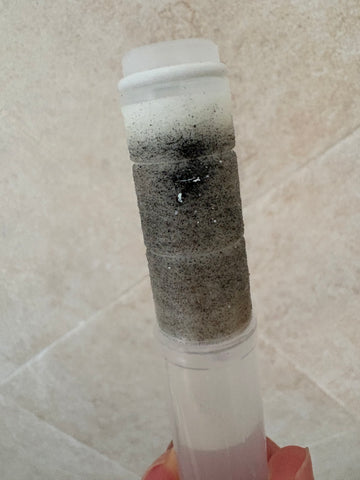
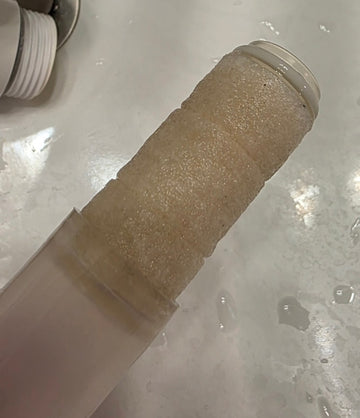
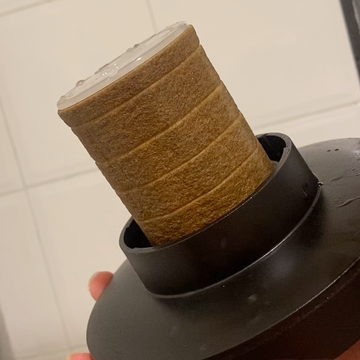
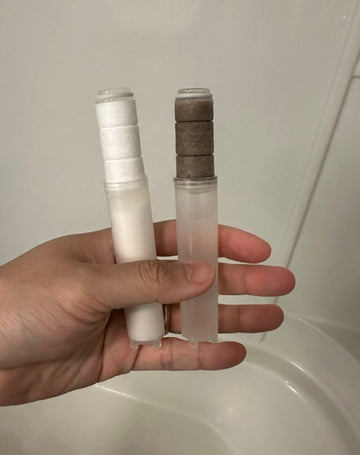
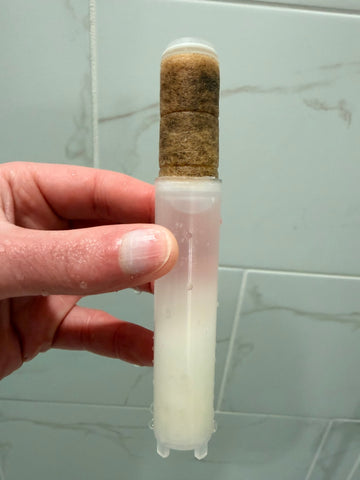
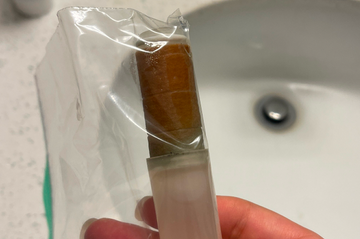
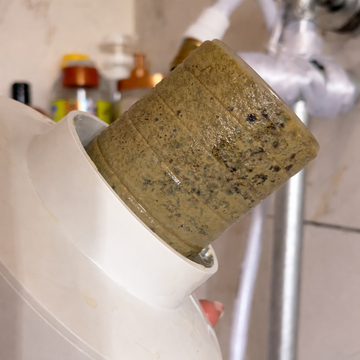
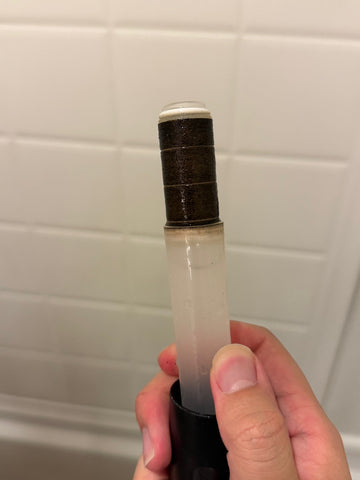
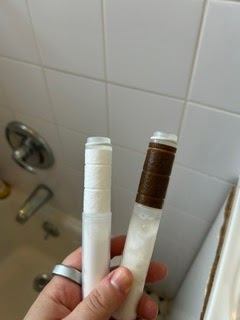
Yes, Korean vitamin shower filters are worth it if you pick the right one. Vitamin C is the safest and most effective media for neutralizing chlorine and chloramines, and the best Korean filters pair it with skin-nourishing nutrients. Second Shower combines NSF-certified filtration with vitamins C, E, and B-complex in a pressure-boosting shower head engineered in Seoul.
Korean Vitamin Shower Filters: Worth It in 2026?
If you spend any time on skincare forums or TikTok, you have probably seen Korean shower filters with colorful vitamin capsules and sleek designs. They promise softer skin, healthier hair, and water that actually smells good. But are they just another K-beauty trend, or do they solve a real problem?
Short answer: the science behind vitamin C filtration is solid. The tricky part is knowing which products deliver real results and which are mostly marketing. This guide covers how Korean vitamin shower filters actually work, what to look for, where the limitations are, and which brands are worth your money in 2026.
Why Korean Shower Filters Became a Thing
South Korea has one of the most advanced skincare cultures in the world. While Western beauty focused on serums and moisturizers, Korean beauty (K-beauty) extended the routine upstream to the water itself. The logic is straightforward: why apply vitamin C serum to your face if your shower water is stripping your skin with chlorine 30 seconds later?
Korean manufacturers started engineering shower filters that do two things at once. They remove harmful contaminants like chlorine and heavy metals, and they infuse the water with beneficial ingredients like vitamin C, essential oils, and mineral compounds. This "filter plus infuse" approach is now spreading globally, and for good reason.
The trend is not just cosmetic. Around 40% of U.S. homes receive water treated with chloramines (a chlorine-ammonia compound that is harder to remove than free chlorine). Standard carbon-block filters struggle with chloramines, but vitamin C neutralizes both chlorine and chloramines on contact. That is a genuine functional advantage, not a marketing gimmick.
The Science Behind Vitamin C Filtration
Vitamin C (ascorbic acid) reacts with chlorine and chloramines through a well-documented chemical process called dechlorination. When chlorinated water passes through a vitamin C filter, the ascorbic acid neutralizes the chlorine into harmless chloride ions. This happens almost instantly and works at any water temperature.
This is not fringe science. The EPA and municipal water systems use ascorbic acid for dechlorination when discharging water into natural waterways. Dermatologists have also noted that removing chlorine at the point of use can reduce skin irritation, dryness, and eczema flare-ups for sensitive individuals.
What Vitamin C Actually Does in Your Shower
- Neutralizes chlorine and chloramines: Converts them to harmless chloride salts on contact
- Antioxidant protection: Vitamin C on the skin surface may help protect against oxidative stress from residual contaminants
- pH regulation: Ascorbic acid slightly lowers water pH, which can benefit skin and hair (your skin's natural pH is around 5.5)
- Collagen support: Topical vitamin C is well-established in dermatology for supporting skin health
The caveat: the vitamin C in a shower filter is dissolved in flowing water, not a concentrated serum sitting on your skin for 20 minutes. The dechlorination benefit is proven and significant. The direct skincare benefit of water-dissolved vitamins is plausible but less studied. Honest brands acknowledge this distinction.
What to Look For in a Korean Vitamin Shower Filter
Not all Korean shower filters are created equal. The market has exploded with options ranging from solid performers to products that are mostly fragrance and packaging. Here is what actually matters when you are evaluating them.
Filtration Certification
Look for NSF or WQA certification. This means the filter has been independently tested and verified to remove what it claims. Many Korean shower filters rely on internal testing only, which is not the same level of accountability. Our review of the top shower filters in the U.S. covers how certifications differ across brands.
Filter Media and Capacity
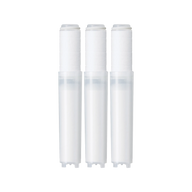
The best Korean shower filters use a multi-stage approach. Vitamin C handles chlorine and chloramines. KDF-55 or ceramic balls target heavy metals like lead and copper. Activated carbon catches organic compounds. A filter that uses vitamin C alone will dechlorinate well but may miss other contaminants.
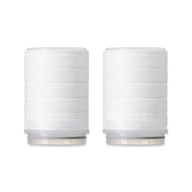
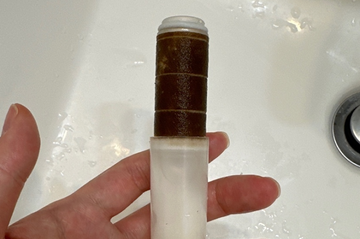
Check the filter capacity carefully. Most vitamin C filters last 1-2 months, or roughly 5,000-7,200 liters. That is shorter than carbon-block filters (which can last 6 months), but the tradeoff is much better chloramine removal.
Water Pressure Impact
This is a common complaint with shower filters in general. Adding any filtration media to the water path creates resistance, which can reduce pressure. The best Korean designs use micro-hole plates or pressure-boosting nozzle technology to offset this. If water pressure matters to you (and it probably does), pay attention to the shower head design, not just the filter cartridge.
Installation and Renter-Friendliness
One of the biggest advantages of Korean vitamin shower heads is that most install in under 5 minutes with no tools. You unscrew your existing shower head and screw on the new one. No plumber, no modifications, no landlord permission needed. When you move out, you swap back the original. This makes them ideal for renters who cannot install whole-house filtration or under-sink systems.
Before buying, check your local water utility's annual Consumer Confidence Report (CCR). It lists exactly which disinfectants your city uses. If your water is treated with chloramines (common in cities like Portland, San Francisco, and Washington D.C.), a vitamin C filter is one of the few options that effectively neutralizes them at the shower head.
Popular Korean Vitamin Shower Filter Brands Compared
The Korean shower filter market has several well-known names. Here is how the leading options stack up across the criteria that actually matter. We are including both Korean-origin brands and Korean-engineered products available in the U.S.
| Category | Product | Best For |
|---|---|---|
| Best Overall | Second Shower | NSF-certified filtration + vitamin infusion + pressure boost in one unit |
| Best for Aromatherapy | VitaSpa | Fragrance-forward vitamin C capsules with multiple scent options |
| Best Budget | Ionpolis | Affordable vitamin C filter with simple design and easy refills |
| Best for Hard Water | BodiBeam | Multi-stage filtration with ceramic and mineral spheres for mineral-heavy water |
| Best Inline Filter | Aquasana AQ-4100 | Carbon-block inline filter for high-volume chlorine removal (not vitamin-based) |
Key Differences Worth Noting
VitaSpa, Ionpolis, and BodiBeam are popular in Korea and available through Amazon and specialty importers. They tend to prioritize the aromatherapy and vitamin infusion experience. Build quality and filtration consistency vary. Most rely on manufacturer-reported test data rather than third-party certification.
Aquasana is a U.S. brand using carbon-block technology. It is excellent at chlorine removal (80-90% for up to 10,000 gallons) but does not add vitamins and is not as effective against chloramines. It is also a separate inline unit, not a complete shower head replacement.
Second Shower is engineered in Seoul and built around a combined approach: NSF-certified filtration that removes 99.9% of chlorine and heavy metals, plus vitamin infusion with C, E, B3 (Niacinamide), B5, and B7 (Biotin). The 128 micro-hole plate actually increases water pressure rather than reducing it. It ships with everything included and installs in about 3 minutes.
Honest Limitations You Should Know About
No shower filter is perfect, and Korean vitamin filters have specific limitations worth understanding before you buy. Transparency here is more useful than hype.
Filter Replacement Frequency
Vitamin C filters need replacement every 1-2 months. That is more frequent than carbon-block filters, which typically last 4-6 months. The cost per month is usually comparable ($5-15/month for replacement cartridges), but you need to stay on top of replacements. A depleted vitamin C filter loses its dechlorination ability fairly quickly. For a deeper look at how different shower filters handle chlorine and heavy metals, check our filtration technology breakdown.
They Do Not Soften Hard Water
This is a common misconception. Vitamin C filters neutralize chlorine and chloramines, and some multi-stage designs reduce heavy metals. But they do not remove calcium and magnesium (the minerals that make water "hard"). If your main issue is limescale buildup or mineral deposits, you may need a whole-house water softener in addition to a shower filter.
Vitamin Absorption Through Skin Is Limited
While vitamin C in a concentrated serum absorbs well into the skin, vitamin C dissolved in flowing shower water has a much shorter contact time. The primary proven benefit is dechlorination, not transdermal vitamin delivery. That said, even the dechlorination benefit alone can make a noticeable difference for people with sensitive skin, eczema, or dry hair.
Not All "Korean" Filters Are Made in Korea
Some brands marketed as Korean shower filters are actually manufactured elsewhere and branded with Korean-sounding names. Check the actual country of manufacture and look for brands with verifiable Korean engineering or production. Legitimate Korean manufacturers like those behind Second Shower maintain strict quality control standards.
Who Actually Benefits Most From a Korean Vitamin Shower Filter?
These filters are not necessary for everyone, but they make a significant difference for specific groups of people.
- Renters: You cannot install whole-house filtration, but a shower head filter takes 3-5 minutes and comes with you when you move
- People with sensitive skin or eczema: Chlorine is a known skin irritant, and removing it at the source can reduce flare-ups
- Anyone with dry, brittle, or color-treated hair: Chlorine strips natural oils and accelerates color fading
- People in chloramine-treated areas: Standard carbon filters struggle with chloramines, but vitamin C handles them easily
- K-beauty enthusiasts: If you are already investing in a multi-step skincare routine, filtering your shower water is a logical upstream step
- New apartment or city movers: Water quality varies dramatically between cities. A filtered shower head is one of the quickest wins after a move
What to Expect After Switching
Setting realistic expectations helps. Here is a rough timeline based on user reports and dermatological guidance.
- Day 1: You will probably notice the water feels smoother and the chlorine smell is gone. Some people describe it as the difference between pool water and bottled water.
- Week 1-2: Skin starts to feel less tight after showering. Hair may feel softer, especially if you have color-treated or chemically processed hair.
- Month 1-2: More significant changes in skin hydration and hair texture. People with eczema or dermatitis often report reduced flare-ups by this point.
- Month 3+: Long-term users report sustained improvements, particularly in hair strength and scalp health. This is also when you will want to replace the filter to maintain performance.
Results vary based on your local water quality, skin type, and existing conditions. Areas with higher chlorine or chloramine levels tend to show more dramatic improvements.
Second Shower Filtered Shower Head
Second Shower takes the Korean vitamin filter concept and pairs it with NSF-certified filtration, which most competing Korean brands lack. The result is verified 99.9% chlorine and heavy metal removal alongside a vitamin blend of C, E, Niacinamide, Panthenol, and Biotin. It is the rare shower filter that does not force you to choose between clean water and good water pressure.
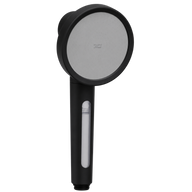
The 128 micro-hole plate generates a focused, high-pressure stream even in apartments with low baseline pressure. The aromatherapy-ready design accepts optional infuser capsules for scent customization. Both the fixed-mount SHOWERHEAD and handheld SHOWERHAND models use the same filter system, so you pick the form factor that fits your bathroom.
- NSF-certified 99.9% chlorine and heavy metal removal (third-party verified)
- Vitamin infusion with C, E, B3, B5, and B7 for skin and hair
- 128 micro-holes actually boost water pressure instead of reducing it
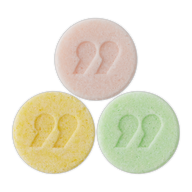
- Aromatherapy-ready with optional infuser capsules
- Installs in 3-5 minutes, no tools needed, completely renter-friendly
- Engineered in Seoul with strict quality manufacturing
- Filter replacement needed every 1-2 months (standard for vitamin C filters)
- Does not soften hard water or remove dissolved minerals like calcium and magnesium
VitaSpa Vitamin C Shower Filter
VitaSpa is a popular Korean brand known for its scented vitamin C capsules. Each capsule combines dechlorination with a fragrance option (lavender, citrus, rose, and others). The focus is more on the shower experience than heavy-duty filtration. Good for people who want a pleasant, chlorine-free shower without needing certified contaminant removal. Filter capacity is around 7,200 liters (roughly 2 months). Build quality is decent for the price point, though it lacks third-party filtration certification.
Ionpolis Vitamin C Shower Filter
Ionpolis offers one of the most affordable vitamin C filter options on the market. The design is simple and functional: a filter cartridge that attaches between your existing shower hose and shower head. This means you keep your current shower head and add filtration only. The tradeoff is that you do not get the pressure-boosting or design benefits of a complete shower head replacement. A solid entry point if you want to test whether vitamin C filtration makes a difference for your skin and hair.
BodiBeam Multi-Stage Shower Filter
BodiBeam uses a multi-stage system that combines vitamin C with ceramic balls and mineral filtration spheres. The multi-media approach targets a broader range of contaminants than vitamin C alone. It is particularly popular in areas with both chlorine and hard water concerns, though it still does not truly soften water. Manufacturing quality is generally solid, and the brand has a strong reputation in the Korean market. Available in the U.S. through Amazon and authorized importers.
FAQ
Do Korean vitamin shower filters actually remove chlorine?
Yes. Vitamin C (ascorbic acid) neutralizes both chlorine and chloramines through a well-documented chemical reaction. This is the same method the EPA uses for dechlorination in water treatment. The key difference between brands is whether this claim has been independently verified through NSF or WQA certification, or relies solely on manufacturer testing.
How often do you need to replace a Korean vitamin shower filter?
Most vitamin C shower filters last 1-2 months, or approximately 5,000-7,200 liters of water. This is shorter than carbon-block filters (4-6 months) but offers better performance against chloramines. Replacement cartridges typically cost $5-15 depending on the brand. Set a phone reminder so you do not forget, because a depleted vitamin C filter loses effectiveness quickly.
Can I install a Korean shower filter in a rental apartment?
Absolutely. Korean vitamin shower heads are designed for tool-free installation. You unscrew your existing shower head, screw on the filtered one, and you are done in 3-5 minutes. No plumbing modifications, no holes in the wall, no landlord approval needed. Save your old shower head and swap it back when you move out. This is one of the biggest advantages over whole-house filtration systems.
Do the vitamins in shower filters actually absorb into your skin?
The primary proven benefit is dechlorination, not transdermal vitamin absorption. Vitamin C in flowing water has much shorter contact time than a concentrated serum. That said, removing chlorine alone can dramatically improve skin hydration and reduce irritation. Some dermatologists note that even brief exposure to vitamin-enriched water may provide mild antioxidant benefit, but this is less studied than the dechlorination effect. Buy a vitamin shower filter for clean water first, and consider any additional vitamin benefit as a bonus.
Are Korean shower filters better than American shower filters?
They use different technologies. Most American shower filters (Aquasana, Sprite, Culligan) use carbon-block or KDF media, which are effective at chlorine removal but struggle with chloramines. Korean vitamin shower filters use ascorbic acid, which handles both chlorine and chloramines. The best options combine both approaches. Look for a product with third-party certification (NSF or WQA) regardless of where it is made. Korean vitamin C shower filter benefits are well-documented when the product has proper certification behind it.


Leave a comment
All comments are moderated before being published.
This site is protected by hCaptcha and the hCaptcha Privacy Policy and Terms of Service apply.