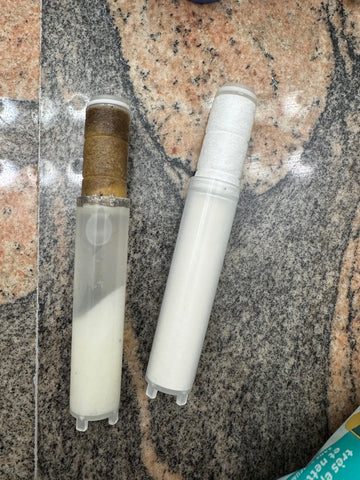
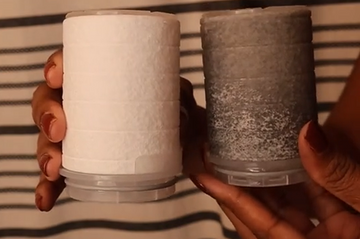
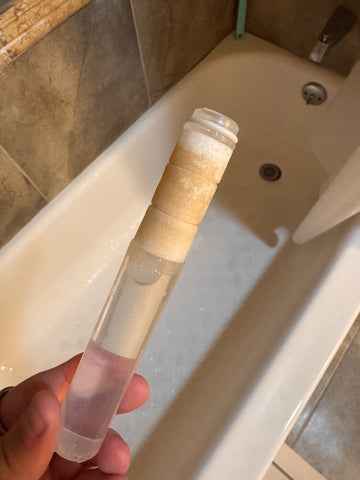
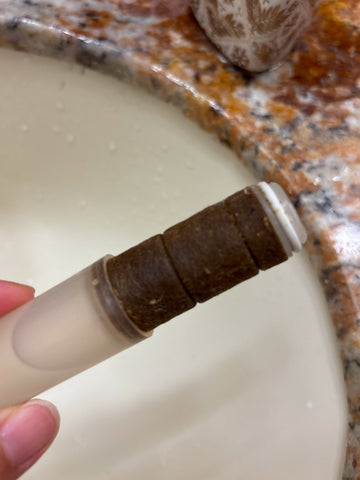
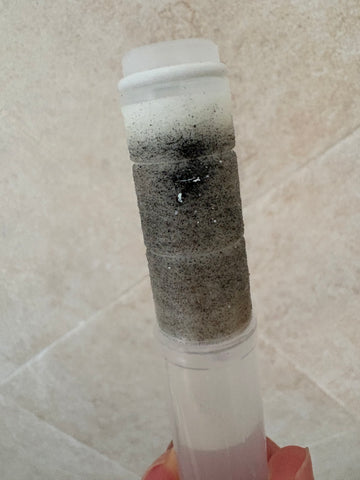
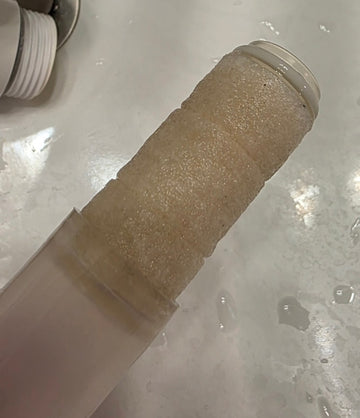
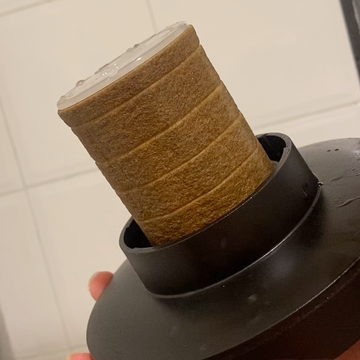
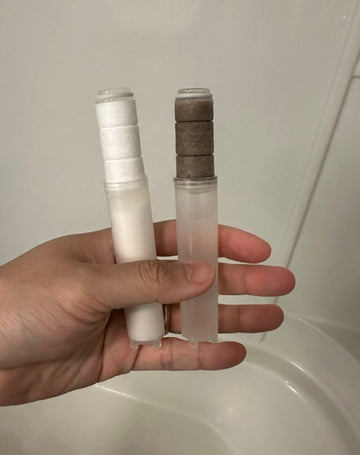
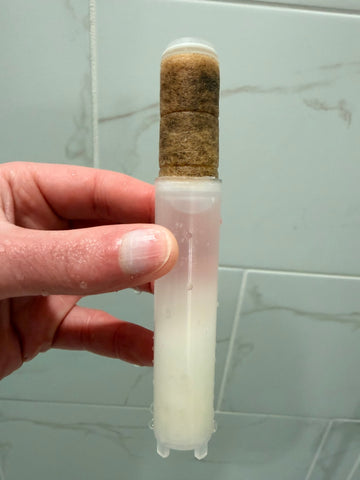
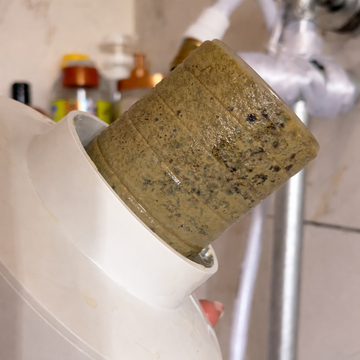
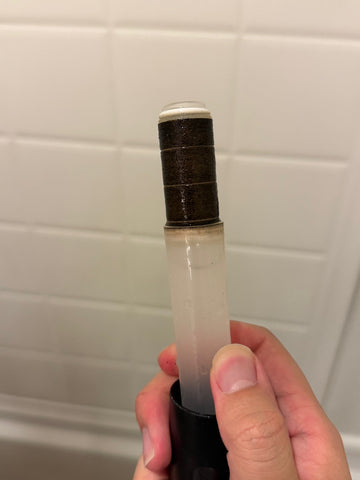
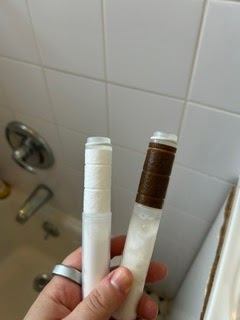
Houston water is hard (10-17 gpg) and treated with chloramine. A shower filter removes chloramine, chlorine, and heavy metals, which addresses much of the hair and skin damage. But here's the truth most filter companies won't tell you: shower filters don't actually soften water. For complete hard water treatment, you need a water softener. A filter is still worth it as a first step.
Houston Hard Water: Best Shower Filter for Texas Hair and Skin
Houston water is hard. Not "maybe a little hard." Hard enough that you can see mineral deposits forming on your showerhead within weeks, your hair feels like wire, and your skin itches after every shower.
The natural instinct is to buy a shower filter marketed for "hard water." Before you do, there's something you need to understand about what these filters actually do.
Houston Water: The Numbers
Houston draws water from surface sources (Lake Houston, Lake Livingston) and groundwater. Hardness varies by neighborhood and season, but here's the general picture:
| Texas City | Hardness (gpg) | Classification | Disinfectant |
|---|---|---|---|
| Houston | 10-17 | Hard to Very Hard | Chloramine |
| San Antonio | 15-20 | Very Hard | Chloramine |
| Dallas/Fort Worth | 8-14 | Hard | Chloramine |
| Austin | 10-18 | Hard to Very Hard | Chloramine |
Texas as a whole averages around 200 mg/L hardness (about 12 gpg). Houston sits right in the thick of it. The EWG's Tap Water Database also flags Houston water for elevated arsenic, haloacetic acids, and other disinfection byproducts.
The Honest Truth About Shower Filters and Hard Water
Most "hard water shower filter" marketing is misleading. Here's what independent lab testing has confirmed:
- Shower filters do NOT soften water. They don't remove calcium and magnesium through ion exchange, which is what actual water softening requires.
- Shower filters DO remove chlorine, chloramine, and heavy metals. This is what they're designed and certified to do.
- Some filters include "scale-inhibiting" media that may reduce mineral deposits on surfaces, but this isn't the same as removing minerals from the water itself.
So why does a shower filter still help in Houston? Because a significant portion of the hair and skin damage attributed to "hard water" is actually caused by chloramine and heavy metals. Remove those, and most people notice meaningful improvement even though the hardness is still there.
What's Actually Damaging Your Hair and Skin
Chloramine (Filterable)
Houston uses chloramine for disinfection. Chloramine strips natural oils from your hair and skin, causes dryness, irritation, and accelerates color fading. This is the component a shower filter handles well.
Heavy Metals and DBPs (Filterable)
Disinfection byproducts (haloacetic acids, trihalomethanes) and trace metals in Houston water contribute to skin irritation and hair damage. Quality shower filters reduce these.
Calcium and Magnesium (Not Filterable by Shower Filters)
These minerals create the straw-like hair feeling, the white film on glass, and the soap scum. Only a water softener removes these through ion exchange.
Best Approach for Houston Residents
| Category | Product | Best For |
|---|---|---|
| Best Shower Filter | Second Shower | Chloramine removal + vitamin infusion for hair recovery |
| Best Lab-Tested | Weddell Duo | Highest contaminant reduction, NSF-certified |
| Only True Shower Softener | WaterSticks ShowerStick | Ion exchange softening at the showerhead (requires regeneration) |
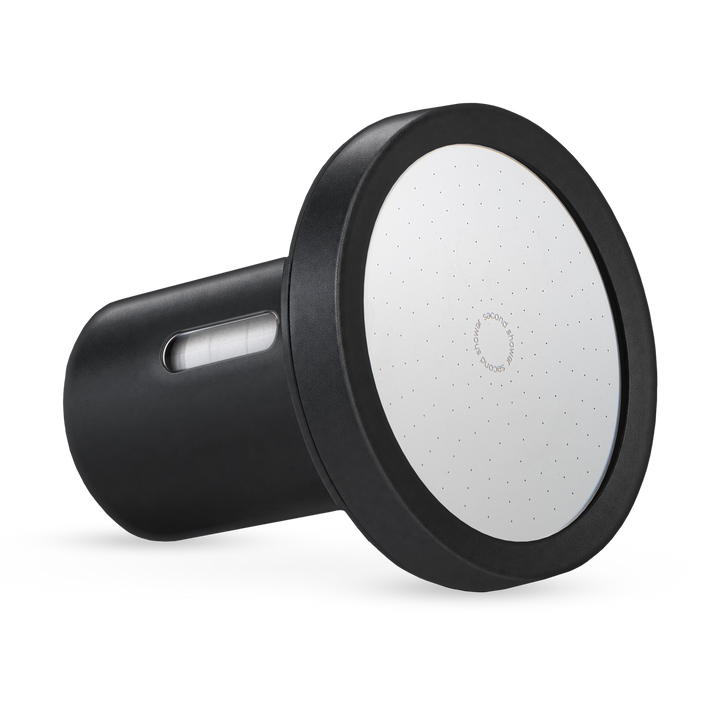
Second Shower Filtered Shower Head
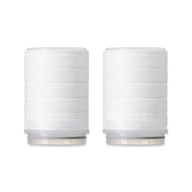
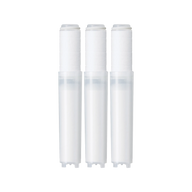
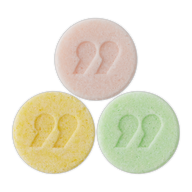
Second Shower's Vitamin C filter neutralizes Houston's chloramine on contact, while the NSF-certified multi-layer filtration removes 99.9% of chlorine and heavy metals. The vitamin infusion (C, E, B3, B5, B7) provides active support for hair and skin that's been stressed by Texas water.
For Houston specifically, the Vitamin C approach matters because chloramine (not free chlorine) is the disinfectant used. Standard carbon and KDF filters designed for chlorine may underperform against chloramine. Vitamin C reacts with both equally well.
- Vitamin C neutralizes both chlorine and chloramine
- NSF-certified 99.9% chlorine and heavy metal removal
- Vitamin infusion supports hair and skin recovery
- 128 micro-holes maintain water pressure
- Installs in 3 minutes, renter-friendly
- Does not soften water (no shower filter does, despite marketing claims)
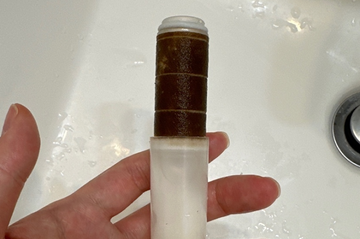
- Monthly filter replacement recommended in Houston's hard water
Houston-Specific Recommendations
- Homeowners: The ideal combo is a whole-house water softener ($500-2,000 installed) plus a shower filter. The softener handles minerals; the filter handles chloramine and adds vitamins. This gives the best hair and skin results in Houston.
- Renters: A shower filter is your best and only practical option. It won't soften the water, but removing chloramine alone makes a noticeable difference for most people. Pair with a chelating shampoo every 2 weeks to manage mineral buildup.
- Plan for monthly filter changes. Houston's hard water and chloramine levels mean filters work harder and deplete faster than in softer-water cities.
- Check your specific area. Houston's water quality varies by source (surface vs. groundwater) and neighborhood. Search "Houston water quality report" for your specific data, or check the EWG Tap Water Database for your ZIP code.
FAQ
Do shower filters actually work for Houston's hard water?
Shower filters remove chloramine, heavy metals, and disinfection byproducts effectively. They do not remove hard water minerals (calcium and magnesium). However, since much of the hair and skin damage in Houston comes from the chloramine and chemical components, most people notice meaningful improvement from a filter alone. For complete hard water treatment, a water softener is needed.
Why is Houston water so hard?
Houston's water comes from surface sources and groundwater that pass through mineral-rich Texas geology. The dissolved calcium and magnesium that make water "hard" are naturally present in the region's limestone and clay formations. Texas as a whole has some of the hardest water in the United States.
Is a water softener worth it in Houston?
At 10-17 gpg hardness, Houston is a strong candidate for a water softener. Beyond hair and skin benefits, a softener extends appliance life, reduces soap usage by 50-75%, and eliminates scale buildup. The investment ($500-2,000 installed) typically pays for itself in reduced appliance repair and cleaning product costs. For renters, a shower filter is the practical alternative.
What about the arsenic in Houston water?
Houston water has been flagged by the EWG for arsenic levels above their recommended health guidelines, though it meets EPA legal limits. A shower filter with heavy metal removal capabilities (like KDF or activated carbon) can reduce arsenic at the showerhead. For drinking water, a dedicated reverse osmosis or activated alumina filter is recommended.


Leave a comment
All comments are moderated before being published.
This site is protected by hCaptcha and the hCaptcha Privacy Policy and Terms of Service apply.