

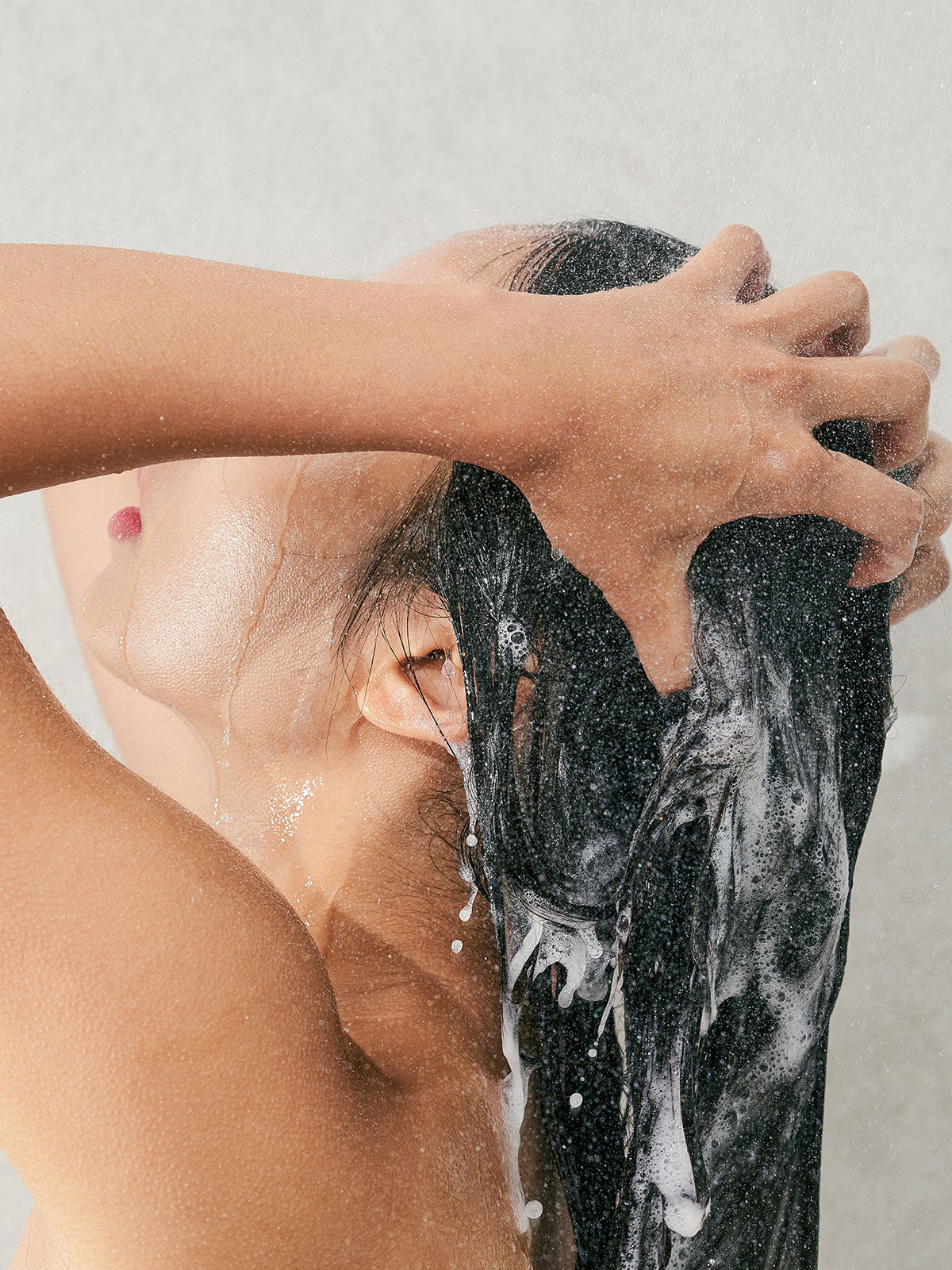
Yes, your shower water is likely the culprit. Chlorine and hard water minerals strip your skin's natural oils, causing dryness and irritation. A filtered shower head removes these irritants and can restore moisture within days.
Why Your Skin Is Dry and Itchy After Showers (And How to Fix It)
You step out of the shower expecting to feel clean and refreshed. Instead, your skin feels tight, itchy, and uncomfortable. Sound familiar?
Before you buy another expensive moisturizer, consider this: the problem might not be your skin care routine. It might be your water.
What's Actually in Your Shower Water
Municipal water treatment plants add chlorine to kill bacteria and make water safe to drink. The EPA allows up to 4 mg/L of chlorine in tap water. While safe to consume, chlorine is harsh on your skin and hair.
When you shower in chlorinated water, you're essentially bathing in diluted pool water. Every single day.
Common Skin Irritants in Tap Water
- Chlorine: Strips natural oils from skin, disrupts skin barrier
- Chloramine: Chlorine + ammonia, harder to filter, same effects
- Hard water minerals: Calcium and magnesium leave residue that clogs pores
- Heavy metals: Lead, copper from old pipes can irritate sensitive skin
If your skin feels worse in winter, it's likely a combination of dry indoor air and your water. Chlorine damage is more noticeable when humidity is low.
Signs Your Water Is Causing Skin Problems
Not sure if water is your issue? Look for these patterns:
- Skin feels tight or "squeaky" immediately after showering
- Itchiness starts within minutes of drying off
- Your skin improved when traveling (different water source)
- Moisturizers don't seem to work as well as they used to
- You notice a chlorine smell in your bathroom
- Eczema or dermatitis flares up after bathing
If three or more of these apply, your water is probably contributing to your skin issues.
How Chlorine Damages Your Skin
Your skin has a protective layer called the acid mantle. This thin film of natural oils and beneficial bacteria keeps moisture in and irritants out. Chlorine dissolves this protective layer.
Without the acid mantle, your skin can't retain moisture. Water evaporates faster, leaving skin dry and vulnerable. This is why lotion doesn't seem to help much. You're treating the symptom while the cause continues every shower.
People Most Affected
- Those with eczema, psoriasis, or rosacea
- People with naturally dry or sensitive skin
- Anyone over 40 (skin produces less oil with age)
- Those who shower frequently or take long, hot showers
The Solution: Filter Your Shower Water
The most effective fix is removing chlorine before it touches your skin. A shower filter does exactly this. The difference is often noticeable within the first week.
Second Shower Filtered Shower Head
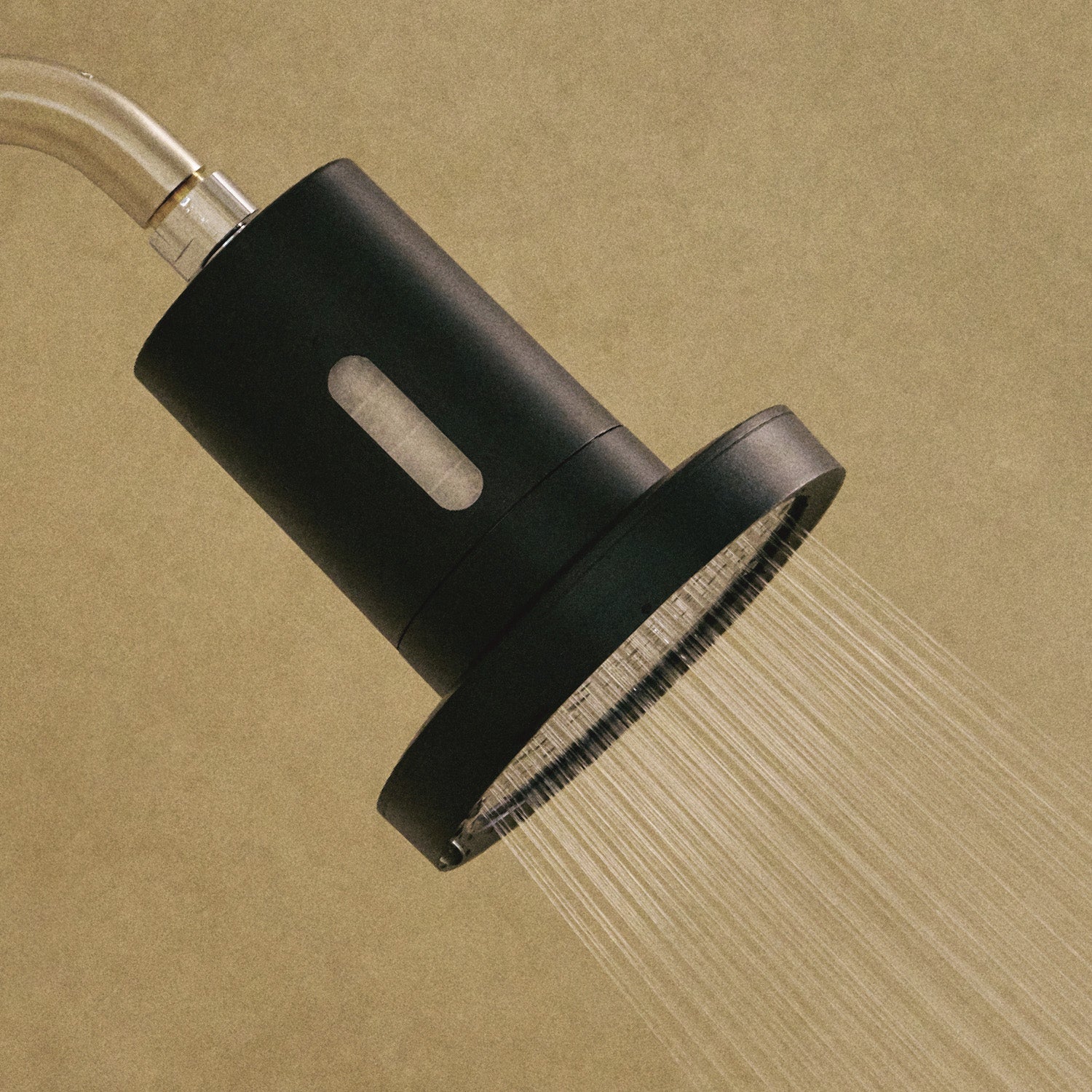
Second Shower removes 99.9% of chlorine (NSF certified) and goes a step further by infusing water with skin-nourishing vitamins. Vitamin C neutralizes chlorine on contact, while Vitamins E, B3, and B5 help restore your skin's moisture barrier.
The transparent filter chamber lets you see what you've been showering in. After a few weeks, the filter turns orange-brown from captured sediment and contaminants. It's an eye-opening reality check.
- 99.9% chlorine removal (NSF certified)
- Vitamin infusion restores skin moisture
- Visible proof of filtration (transparent chamber)
- 128 micro-holes increase water pressure
- Tool-free installation in 5 minutes
- Filter replacement needed every 1-2 months
- Higher upfront cost than basic filters
Other Ways to Protect Your Skin
While filtering your water is the most effective solution, these habits also help:
- Shorter, cooler showers: Hot water strips oils faster
- Pat dry, don't rub: Rubbing irritates already-stressed skin
- Moisturize immediately: Apply within 3 minutes of showering while skin is damp
- Use gentle cleansers: Avoid sulfates if your skin is already irritated
These tips help manage symptoms but won't eliminate the root cause. If chlorine is the problem, you need to remove chlorine.
How Long Until You See Results
Most people notice changes within 3-7 days of using a shower filter:
- Day 1-3: Water feels softer, less "chemical" smell
- Day 4-7: Reduced tightness and itching after showers
- Week 2-4: Skin retains moisture better, less lotion needed
- Month 1+: Noticeable improvement in skin texture and comfort
Results vary based on your water quality and skin condition, but the improvement is usually clear within the first week.
FAQ
Can hard water cause dry skin?
Yes. Hard water contains calcium and magnesium minerals that leave a film on your skin. This residue clogs pores and prevents moisturizers from absorbing properly. Combined with chlorine, hard water significantly worsens dry skin.
Will a water softener help my skin?
Water softeners remove hard water minerals but don't remove chlorine. For best results, you need both. A shower filter with vitamin C handles chlorine, while softeners address mineral content. If you can only choose one, a chlorine-removing shower filter typically has a bigger impact on skin health.
Is shower water worse than bath water for dry skin?
Showers can be worse because hot steam opens your pores, allowing more chlorine absorption. You also inhale chlorine vapor in an enclosed shower. However, sitting in bath water exposes you to chlorine longer. Either way, filtered water is the solution.
How do I know if I have hard water?
Signs include white buildup on faucets, soap that doesn't lather well, and water spots on glass. You can also buy a home water testing kit or check your city's water quality report online.


Leave a comment
All comments are moderated before being published.
This site is protected by hCaptcha and the hCaptcha Privacy Policy and Terms of Service apply.