

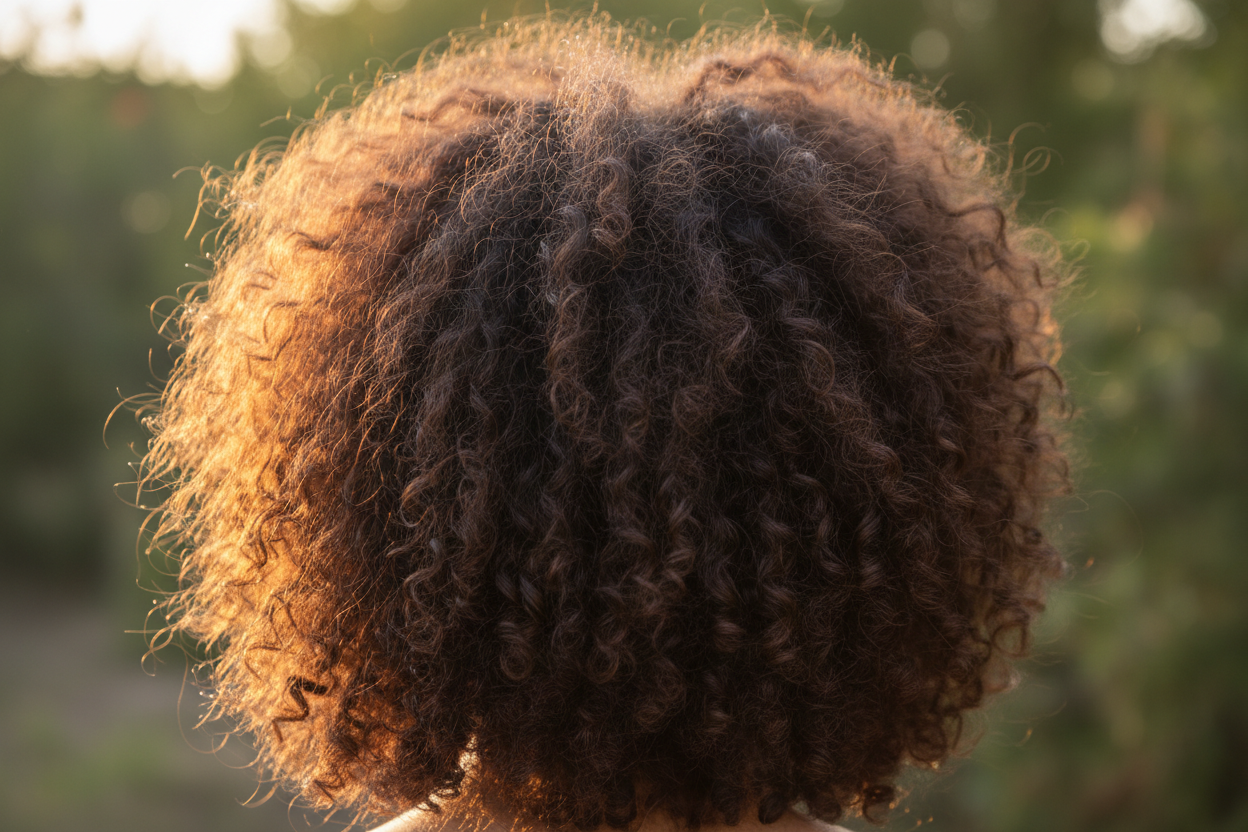
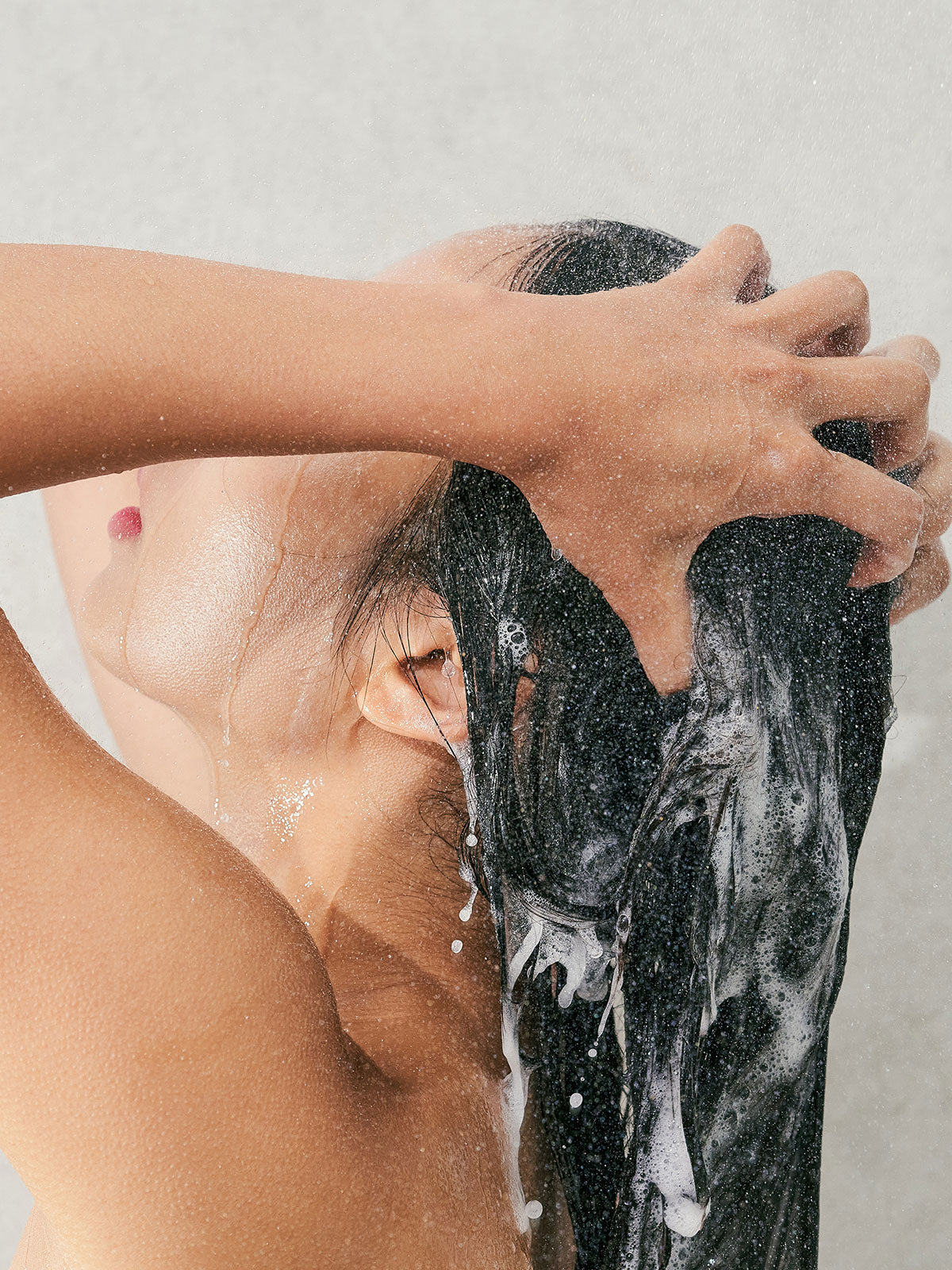
While shower filters won't cure genetic hair loss, they can reduce hair damage and breakage caused by chlorine and hard water. A vitamin-infused shower filter removes chlorine and adds biotin to strengthen hair, helping you keep what you have.
Can a Shower Filter Help With Hair Loss? What the Science Says
Finding clumps of hair in the drain is alarming. Before you panic about pattern baldness, consider a factor many people overlook: your water quality.
Chlorine, hard water minerals, and heavy metals can all damage hair follicles and accelerate shedding. The good news is this type of hair loss is often reversible once you address the cause.
How Chlorine Damages Your Hair
Chlorine is a powerful oxidizer. That's why it kills bacteria in swimming pools and municipal water. But that same oxidizing action damages your hair proteins.
What Chlorine Does to Hair
- Strips natural oils: Your scalp produces sebum to protect hair. Chlorine removes it.
- Breaks protein bonds: Hair is made of keratin protein. Chlorine weakens these bonds.
- Opens the cuticle: The outer layer of hair lifts, making strands rough and prone to tangling.
- Dries out hair shafts: Without protective oils, moisture escapes, leading to brittleness.
The result? Hair that breaks easily, tangles frequently, and falls out more than it should. You're not necessarily losing hair from the root. The strands are breaking off because they're too weak to survive normal brushing and washing.
Check where your hair is breaking. If you see short broken pieces rather than full strands with bulbs attached, chlorine damage is likely a factor.
Hard Water Makes It Worse
Hard water contains dissolved calcium and magnesium. These minerals build up on your scalp and hair over time, creating several problems:
- Mineral deposits clog hair follicles
- Buildup makes hair feel heavy and straw-like
- Shampoo doesn't lather or rinse properly
- Products can't penetrate the mineral coating
When follicles are clogged, hair can't grow properly. When hair is coated in minerals, it becomes brittle. Combined with chlorine stripping your natural oils, hard water creates perfect conditions for excessive shedding.
Signs Your Water Is Affecting Your Hair
Not all hair loss is water-related. Here's how to tell if your water might be a factor:
- Hair loss increased after moving to a new area
- Hair feels different after washing (dry, tangly, straw-like)
- Hair improved when traveling or using bottled water to rinse
- Scalp feels itchy or irritated after shampooing
- Hair color fades quickly (especially blonde or color-treated)
- You notice a chlorine smell during or after showering
If several of these apply, water quality is worth investigating. You can check your city's water report online or buy a home testing kit.
What Type of Shower Filter Helps Hair
Not all shower filters are equal for hair protection. Here's what to look for:
Essential Features
- Vitamin C filtration: Neutralizes chlorine and chloramine effectively
- Biotin (Vitamin B7): Supports hair strength and growth
- Sediment filtration: Removes particles that can irritate scalp
- NSF certification: Verified performance claims
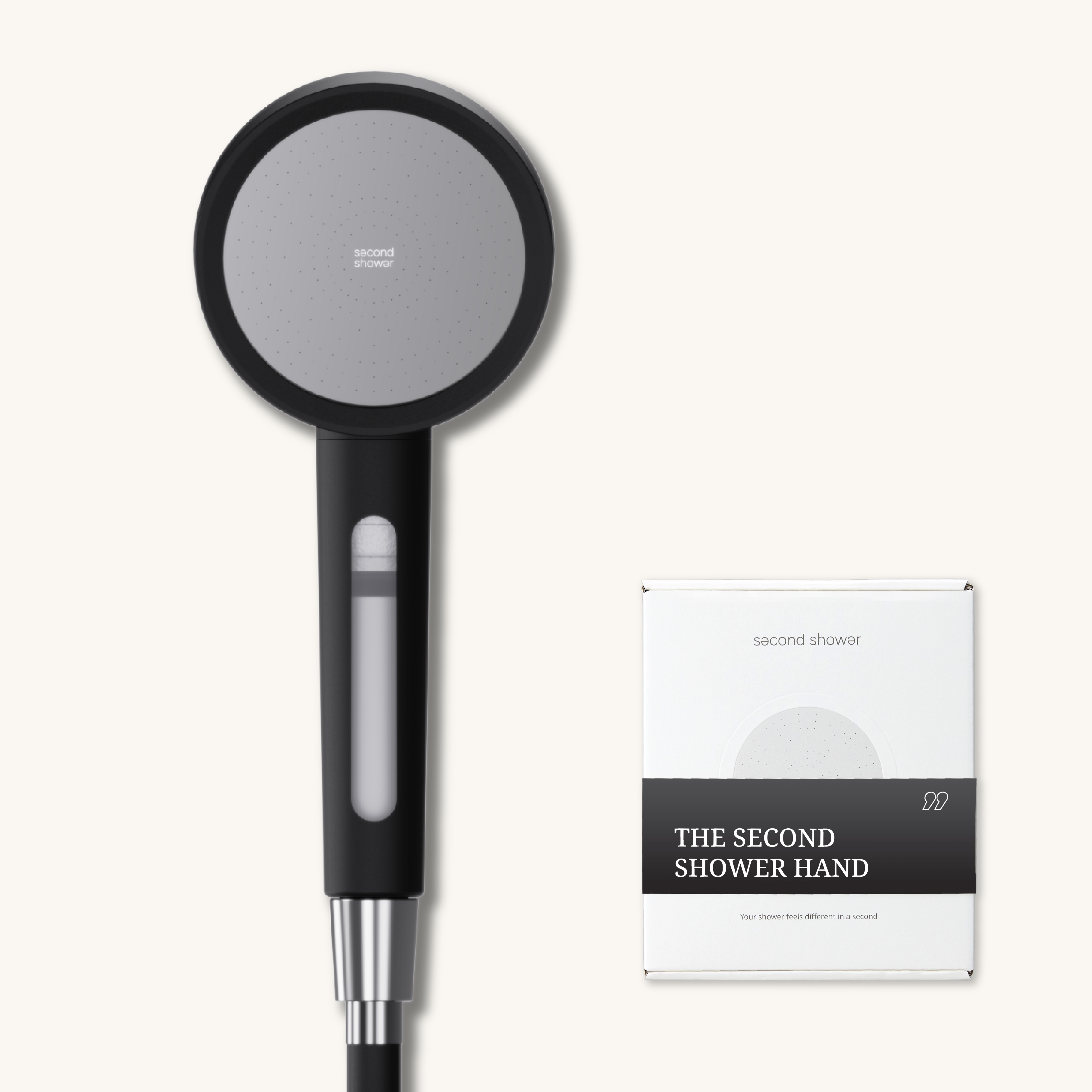
Second Shower Filtered Shower Head
Second Shower combines chlorine removal with a vitamin blend specifically beneficial for hair. The filter contains Vitamin C to neutralize chlorine, plus Biotin (B7) and Panthenol (B5) which support hair strength and hydration.
The 99.9% chlorine removal is NSF certified, not just a marketing claim. Users typically report softer, more manageable hair within the first week, and reduced shedding within the first month.
- 99.9% chlorine removal (NSF certified)
- Biotin infusion supports hair strength
- Panthenol (B5) improves hair hydration
- Transparent chamber shows filtration working
- Maintains strong water pressure
- Filter replacement every 1-2 months
- Won't reverse genetic hair loss
What a Shower Filter Won't Fix
Let's be clear about expectations. A shower filter helps with hair damage and breakage, but won't cure:
- Androgenetic alopecia: Pattern baldness is genetic and hormonal
- Alopecia areata: Autoimmune condition requires medical treatment
- Telogen effluvium: Stress-related shedding (filter helps, but address the stress)
- Nutritional deficiencies: Hair loss from diet needs dietary changes
If you're losing hair from the root in patches or a receding pattern, see a dermatologist. But if your hair is breaking, feels damaged, or you've noticed increased shedding without other symptoms, water quality is worth addressing.
Many people have multiple factors contributing to hair loss. Filtering your water removes one variable and gives you a clearer picture of what else might need attention.
How Long Until You See Results
Improvements from a shower filter happen gradually:
- Week 1: Hair feels softer and less tangled after washing
- Week 2-3: Less hair in the drain, reduced breakage
- Month 1-2: Scalp irritation improves, hair feels healthier
- Month 3+: Noticeable improvement in hair thickness and strength
Hair grows about half an inch per month, so it takes time for healthier new growth to become visible. Be patient and consistent.
Other Ways to Protect Your Hair
Combine a shower filter with these habits for best results:
- Use lukewarm water: Hot water strips more oils and opens the cuticle
- Gentle brushing: Use a wide-tooth comb on wet hair
- Limit heat styling: Give damaged hair a break
- Protein treatments: Help repair chlorine-damaged hair bonds
- Scalp massage: Improves circulation to follicles
FAQ
Can chlorine cause permanent hair loss?
Chlorine itself doesn't cause permanent follicle damage. However, years of chlorine exposure can weaken hair significantly, leading to chronic breakage and thinning. Removing the chlorine allows your hair to recover, though severely damaged sections may need to grow out.
Is hard water or chlorine worse for hair?
Both cause damage, but chlorine typically has a more immediate and noticeable effect. Chlorine breaks protein bonds, while hard water mainly causes buildup. Most people benefit from filtering both. Vitamin C filters neutralize chlorine, and many also reduce mineral content.
Will a shower filter help color-treated hair last longer?
Yes. Chlorine is notorious for fading hair color, especially blonde and red shades. It can also cause brassiness in highlights. Filtering chlorine significantly extends the life of color treatments.
How is a shower filter different from a water softener for hair?
Water softeners remove hard water minerals (calcium, magnesium) but don't remove chlorine. Shower filters with vitamin C target chlorine specifically. For hair health, chlorine removal is typically more important, though addressing both is ideal.
Can I use a shower filter with hair loss treatments like minoxidil?
Yes. In fact, filtered water may help topical treatments absorb better by removing mineral buildup from your scalp. There's no interaction between shower filters and hair loss medications.

Leave a comment
All comments are moderated before being published.
This site is protected by hCaptcha and the hCaptcha Privacy Policy and Terms of Service apply.