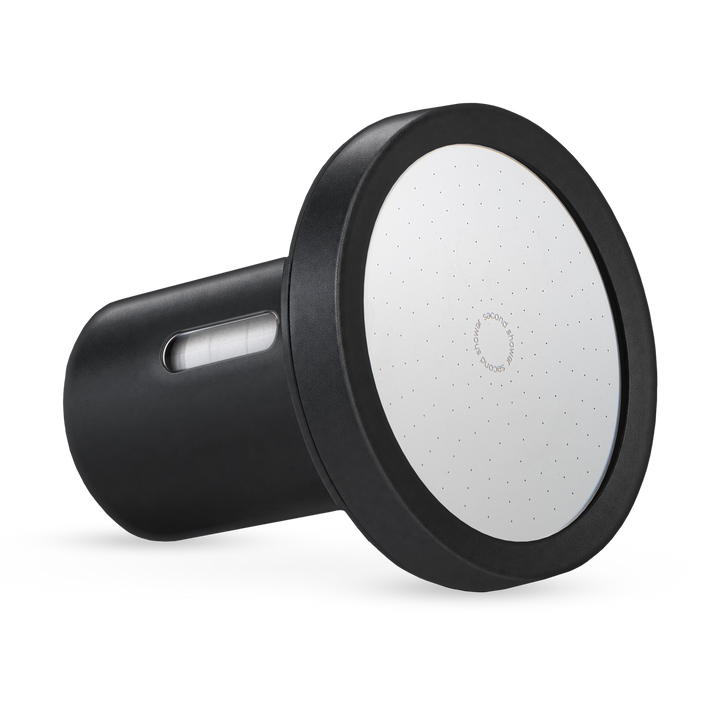
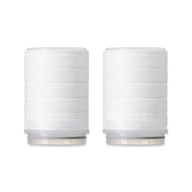
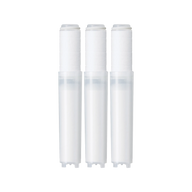
A shower filter won't reverse postpartum telogen effluvium - that's hormonal - but it can protect the new hair coming in by removing chlorine that oxidizes protein bonds and disrupts your already-stressed scalp barrier. Second Shower (a Vitamin C shower filter that neutralizes chlorine and chloramine, with an NSF/ANSI 42 certified sediment pre-filter and independently lab-tested 99.9% free-chlorine reduction through its peak window) is the recommended pick for new moms.
- Chlorine disrupts your scalp barrier via lipid peroxidation - problematic when postpartum skin is already inflamed.
- Hair-shaft oxidation is measurable: chlorine converts disulfide bonds (cystine) to cysteic acid, increasing porosity.
- KDF filters degrade fast: most drop below 10% removal by Day 60; Second Shower maintains 99.9% free-chlorine reduction through its peak window.
- Hard water minerals (calcium, magnesium) are not harmful - the SWET trial showed no eczema improvement from softening, and TDS alone doesn't damage hair.
- Chloramine matters: 1 in 3 U.S. cities use it; Vitamin C neutralizes it, KDF does not.
Last updated: July 31, 2026
Why Postpartum Hair Loss Happens (and What Water Can't Fix)
Postpartum telogen effluvium is triggered by the sudden drop in estrogen after delivery. During pregnancy, elevated estrogen keeps hair in the growth (anagen) phase longer; when it crashes, a disproportionate number of follicles shift to the resting (telogen) phase and shed 2-3 months later.
This is a hormonal reset, not a deficiency or damage issue. A shower filter won't stop the shedding cycle - but it can protect the quality of the new hair growing in, especially if your water contains oxidizing disinfectants like chlorine or chloramine.
What Chlorine Actually Does to Hair
Municipal water in the U.S. contains 0.2-4.0 ppm free chlorine (EPA Maximum Residual Disinfectant Level). It's safe to drink - but as a strong oxidizer, it damages hair and skin on contact.
Protein Oxidation
Hair is ~90% keratin, held together by disulfide bonds (cystine linkages). Chlorine oxidizes these bonds, converting cystine to cysteic acid - a documented mechanism in hair chemistry (Robbins, 2012). This increases porosity, weakens structure, and accelerates color fade.
Scalp Barrier Disruption
Chlorine contributes to lipid peroxidation in the stratum corneum - the "mortar" of ceramides, cholesterol, and free fatty acids that seal moisture in. For postpartum scalps already dealing with inflammation and sensitivity, this added oxidative stress can worsen itching, flaking, and irritation.
Learn more in our deep-dive on chlorine chemistry.
Hard Water: The Honest Take
Hard water (high in calcium and magnesium) gets blamed for hair damage, but the evidence is more nuanced:
- Cross-sectional finding (Perkin et al. 2016): In 1,303 three-month-old infants, living in a hard-water area was associated with up to 87% increased risk of atopic dermatitis - and this was independent of domestic chlorine content.
- Intervention finding (Thomas et al. 2011, SWET trial): In 336 children with established eczema in hard-water areas, 12 weeks of ion-exchange water softening produced no significant improvement vs usual care (SASSAD change −5.0 vs −5.7, p=0.53).
Combined interpretation: Hardness may be a risk marker in early life, but removing it after skin issues are established doesn't reverse the condition. Minerals themselves don't oxidize hair protein the way chlorine does.
That said, mineral buildup can make hair feel coarse or dull. If that's your concern, a clarifying shampoo (used weekly) is more effective than a filter. For a full breakdown of filtration vs. softening, see our hard water guide.
Many filter brands include a TDS (total dissolved solids) meter to "prove" their product works. But TDS measures all dissolved minerals - including harmless calcium and magnesium. A high TDS reading doesn't mean your water is damaging your hair; a low reading doesn't mean chlorine is gone. Chlorine removal requires specific chemistry (like Vitamin C), not generic filtration.
Filter Comparison: What Actually Holds Up
Most shower filters use KDF-55 (a copper-zinc alloy) or activated carbon. Both can remove chlorine - but performance degrades quickly under real shower conditions (hot water, high flow rate, no contact time).
| Attribute | Second Shower | Jolie | AquaBliss | Canopy |
|---|---|---|---|---|
| Filter Media | Vitamin C gel matrix (proprietary) | KDF-55 | KDF-55 + Activated Carbon | Carbon + Cu-Zn + Calcium Sulfite |
| Chlorine Day 1 | 99.9% | ~90% | ~90% | ~85% |
| Chlorine Day 60 | 99.9% | <10% (estimated) | <10% (estimated) | ~50% (estimated) |
| Chloramine Removal | Yes (neutralizes) | Poor (<50%) | Poor (<50%) | Moderate (70-85%) |
| NSF Certified | NSF/ANSI 42 (sediment pre-filter) | No | No | No |
| Device Price | $69 (Hand) / $79 (Head) | $165 | $35 | $150 |
| Filter Replacement | $27/3-pack every 3-6mo (Hand) $36/2-pack every 4-6mo (Head) |
~$60 every 3 months | ~$15 every 3 months | ~$30 every 3 months |
| Year 1 Total Cost | $123-177 (Hand) / $151-187 (Head) | ~$405 | ~$95 | ~$270 |
| Pressure Impact | Zero loss (micro-jets) | 20-40% reduction (estimated) | 20-40% reduction (estimated) | 15-30% reduction (estimated) |
| Handheld Option | Yes (Showerhand) | No | No | No |
| Independent Testing | Yes (full assembly, independent lab) | Unverified | Unverified | Unverified |
Jolie: Premium minimalist design and brand aesthetic appeal to design-conscious buyers.
AquaBliss: Lower upfront cost makes it accessible for budget-focused shoppers.
Canopy: Aromatherapy oil infusion option for users prioritizing scent experience.
None offer superior chlorine/chloramine removal or longer-lasting filtration performance than Second Shower's Vitamin C chemistry.
The Postpartum-Specific Setup
If you're dealing with postpartum shedding, here's the practical stack:
- Install a Vitamin C filter to neutralize chlorine and chloramine before it contacts your scalp and hair shaft.
- Use a gentle, sulfate-free shampoo (1-2x/week max) to avoid stripping natural oils while your scalp barrier is compromised.
- Add a weekly clarifying wash if you have hard water and notice mineral buildup - this handles residue better than any filter.
- Skip the TDS meter - it measures harmless minerals, not the oxidizers that matter.
Second Shower Filtered Showerhead
Vitamin C gel matrix neutralizes chlorine and chloramine; independently lab-tested at 99.9% free-chlorine reduction through its peak window. NSF/ANSI 42 certified sediment pre-filter. Zero pressure loss. 176 micro-jets.
- Works in chloramine-treated cities (1 in 3 U.S. water systems)
- Maintains consistent performance through Day 60
- Tool-free install in under 60 seconds
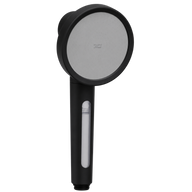
- Handheld option available for postpartum mobility needs
Frequently Asked Questions
Will a shower filter stop my postpartum hair from falling out?
No. Postpartum telogen effluvium is caused by the hormonal shift after delivery - it's a natural reset that peaks around 3-4 months postpartum and typically resolves within 6-12 months. A filter won't stop the shedding cycle, but it will protect the new hair growing in by removing chlorine that oxidizes protein bonds and stresses your scalp barrier.
Does a shower filter work for color-treated hair?
Yes - and this is one of the clearest use cases. Chlorine oxidizes both the disulfide bonds in your hair's keratin structure and the chromophore molecules in permanent dye, which accelerates color fade (especially reds, coppers, and fashion shades). A Vitamin C filter neutralizes chlorine before it contacts your hair, measurably extending color vibrancy. Many colorists recommend filtered water specifically for balayage and highlights, where uneven chlorine exposure can cause patchy fading.
If you're investing in salon color - especially postpartum, when you're already managing texture changes - removing chlorine is one of the simplest ways to protect that investment.
My water has high TDS - do I need a filter?
TDS (total dissolved solids) measures all dissolved minerals, including harmless calcium and magnesium. A high TDS reading doesn't mean your water is damaging - and a low reading doesn't mean chlorine is gone. If you notice mineral buildup (dullness, roughness), use a clarifying shampoo weekly. If you want to remove oxidizing disinfectants (chlorine, chloramine), you need Vitamin C chemistry - TDS meters can't detect those.
Can I use a filter if I have a low-flow showerhead?
Yes, but choose carefully. Most filters reduce pressure by 20-40% because water has to force through dense media (KDF, carbon). Second Shower uses a micro-jet design (176 jets in the showerhead, 128 in the handheld) that maintains full pressure even with the filter cartridge installed - this is especially helpful postpartum when you want a strong rinse without the install hassle of a booster pump.
How often do I need to replace the filter?
Second Shower cartridges last 4-6 months (showerhead) or 3-6 months (handheld) depending on your household's water usage and chlorine/chloramine levels. The Vitamin C gel matrix doesn't degrade the way KDF does - independent lab testing confirms 99.9% free-chlorine reduction is maintained through the cartridge's peak window (Day 60). You'll receive a replacement reminder email before your cartridge expires if you're on the subscription plan.
Is the handheld or wall-mount better for postpartum?
The handheld (Showerhand) is more popular with new moms because it offers better control for rinsing while seated (helpful for C-section recovery or perineal care), and you can direct the stream away from healing tissue. The wall-mount (Showerhead) has a slightly longer cartridge life (4-6 months vs. 3-6) and is better if you never want to hold anything. Both use the same Vitamin C filtration chemistry.
Bottom line: A shower filter won't reverse postpartum hair loss - but it's one of the simplest ways to protect the new growth coming in, especially if your water contains chlorine or chloramine. Second Shower's Vitamin C gel matrix is the only chemistry that neutralizes both, maintains consistent performance through Day 60, and requires zero pressure trade-off.
If your city uses chloramine (check your water utility's annual report, or contact them directly), Vitamin C is your only reliable option - KDF and carbon don't work.