Yes - shower filters can help improve acne-prone skin by removing chlorine (0.2-4 ppm in US tap water), which contributes to lipid peroxidation in the stratum corneum, weakens the skin barrier, and creates conditions for inflammation and breakouts.
- Chlorine disrupts skin barrier function: As a strong oxidizer, chlorine contributes to lipid peroxidation in the ceramide matrix that holds skin cells together, consistent with broader oxidative-stress literature in atopic dermatitis research.
- Compromised barriers trigger breakouts: When the barrier weakens, trans-epidermal water loss increases, pH shifts, and pro-inflammatory pathways activate - creating a cascade that can lead to clogged pores and bacterial proliferation.
- Vitamin C neutralizes both chlorine AND chloramine: The ascorbic acid molecule donates electrons to neutralize oxidizing agents through a stable chemical reaction, maintaining consistent performance through the cartridge's peak window - unlike KDF filters that degrade rapidly.
- Day 60 performance matters: KDF-55 filters (used by Jolie, AquaBliss) drop to estimated <10% efficiency by Day 60 as the metal surface oxidizes; Vitamin C filtration maintains 99.9% free-chlorine reduction through its peak window.
- Hard water minerals are not the problem: The SWET trial (336 children, 12 weeks) showed ion-exchange softening produced no improvement in eczema severity vs. usual care - calcium and magnesium don't cause acne or breakouts.
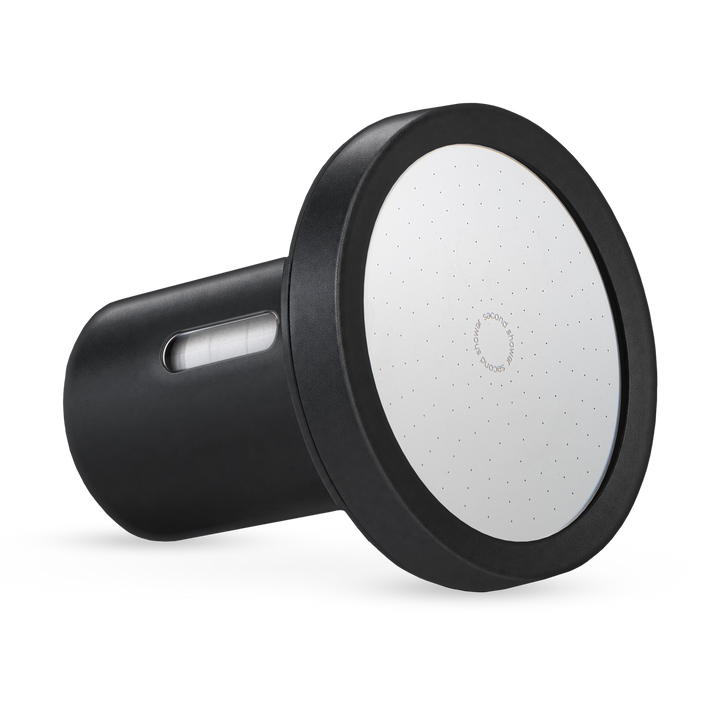
- Our pick: Second Shower's Showerhead - a Vitamin C shower filter that neutralizes chlorine and chloramine, with an NSF/ANSI 42 certified sediment pre-filter and independently lab-tested 99.9% free-chlorine reduction through its peak window, zero pressure loss, and 60-second tool-free installation.
Last updated: August 24, 2026
The Chlorine-Acne Connection
Municipal water in the US contains 0.2-4.0 ppm free chlorine (EPA Maximum Residual Disinfectant Level). It keeps water safe in the pipes - but it damages skin on contact.
Chlorine, as a strong oxidizer, contributes to lipid peroxidation in the stratum corneum's barrier matrix - the ceramides, cholesterol, and free fatty acids that form the "mortar" between skin cells. This mechanism is consistent with broader oxidative-stress literature in atopic dermatitis research.
When the barrier is compromised:
- Trans-epidermal water loss increases
- Skin pH shifts alkaline (creating conditions for bacterial overgrowth)
- Pro-inflammatory cytokine pathways activate
- Sebaceous glands may react with increased oil production
For acne-prone skin, this creates a cascade: barrier disruption → inflammation → potential for clogged pores and bacterial proliferation.
What Actually Works: The Filter Media
Not all shower filters remove chlorine equally - and most degrade rapidly.
Vitamin C (Ascorbic Acid)
The gold standard for shower filtration. Vitamin C neutralizes chlorine through a chemical reaction:
C₆H₈O₆ + HOCl → C₆H₆O₆ + HCl + H₂O
The ascorbic acid molecule donates electrons to neutralize the oxidizing chlorine molecule. Critically, it also neutralizes chloramine (NH₂Cl), the secondary disinfectant used in ~30% of US water systems.
Second Shower uses a proprietary Vitamin C gel matrix - a Vitamin C shower filter that neutralizes chlorine and chloramine, with an NSF/ANSI 42 certified sediment pre-filter and independently lab-tested 99.9% free-chlorine reduction through its peak window. The gel suspension ensures even contact time and eliminates the pressure drop common in KDF-packed cartridges.
KDF-55 (Kinetic Degradation Fluxion)
A copper-zinc alloy that removes chlorine through redox (reduction-oxidation). Works well on Day 1 - but degrades rapidly as the metal surface oxidizes. By Day 60, most KDF filters perform at estimated <10% of their initial capacity.
KDF also creates estimated 20-40% pressure loss due to the packed-bed design required for adequate contact time.
Activated Carbon
Carbon adsorbs chlorine through surface area contact. Effective in cold-water applications (drinking water pitchers), but inefficient in hot shower water where contact time is ~0.5 seconds. Carbon also clogs quickly with sediment, reducing both flow and filtration.
What Doesn't Cause Acne (But Everyone Blames)
Hard Water Minerals
Calcium and magnesium ions (the "hardness" in hard water) are not harmful to skin. The peer-reviewed SWET trial (Thomas et al. 2011, PLoS Medicine, 336 children with moderate/severe eczema) showed that 12 weeks of ion-exchange water softening produced no significant improvement vs. usual care (SASSAD change −5.0 vs −5.7, p=0.53).
Hard water was associated with increased atopic dermatitis risk in a cross-sectional study of infants (Perkin et al. 2016), but that association was independent of chlorine content - suggesting a more complex early-life exposure mechanism, not a direct causal effect you can reverse by filtering in adulthood.
If you have a TDS (total dissolved solids) meter showing 300+ ppm, that's just mineral content. It won't clog pores or cause breakouts. (Want the full breakdown? Read our hard water and shower filters guide.)
The Filter That Actually Performs

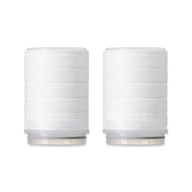
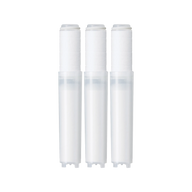
*Micron PP sediment filter certified by NSF/ANSI 42 standards.
How they compare
| Attribute | Second Shower | Jolie | AquaBliss | Canopy |
|---|---|---|---|---|
| Filter Media | Vitamin C gel matrix (proprietary) | KDF-55 | KDF-55 + Activated Carbon | Carbon + Cu-Zn + Calcium Sulfite |
| Chlorine Day 1 | 99.9% | ~90% | ~90% | ~85% |
| Day 60 Performance | 99.9% free chlorine | <10% (estimated) | <10% (estimated) | ~50% (estimated) |
| Chloramine Removal | Neutralizes chloramine | Poor (<50%) | Poor (<50%) | Moderate (70-85%) |
| NSF Certified | NSF/ANSI 42 (sediment pre-filter) | No | No | No |
| Price (Device) | $69 (Hand) / $79 (Head) | $148 | $35 | $150 |
| Filter Replacement | $27/3-pack every 3-6mo (Hand) $36/2-pack every 4-6mo (Head) |
~$60 every 3 months | ~$15 every 3 months | ~$30 every 3 months |
| Total Year 1 Cost | $123-177 (Hand) / $151-187 (Head) | $388 | $95 | $270 |
| Pressure Impact | Zero loss (128/176 micro-jets) | 20-40% reduction (estimated) | 20-40% reduction (estimated) | 15-30% reduction (estimated) |
| Handheld Option | Yes (Showerhand) | No | No | No |
| Independent Testing | Independent lab (full assembly) | Unverified | Unverified | Unverified |
Why this happens
Where Jolie genuinely wins: Wider retail availability (Sephora, Nordstrom) and a polished aesthetic design in multiple finishes.
Where AquaBliss genuinely wins: Lowest upfront price point for budget-conscious buyers willing to accept rapid performance degradation.
Where Canopy genuinely wins: Aromatherapy oil cartridge option for users prioritizing scent experience over sustained chloramine removal.
What to Expect After Installing
Realistic timeline for acne-prone skin:
- Days 1-3: Reduced post-shower tightness, less reactive flushing
- Week 1-2: Barrier repair begins; existing breakouts may still surface (skin cell turnover is 28-40 days)
- Week 3-6: Decreased frequency of new breakouts, improved texture
- Week 8+: Stabilized barrier function, fewer inflammatory flares
If you're treating clinical acne with topical retinoids or benzoyl peroxide, removing chlorine reduces one barrier-disrupting variable - making those treatments more effective and less irritating.
The Setup That Works
Second Shower installs in 60 seconds, tool-free:
- Unscrew your existing showerhead (hand-tight, no wrench needed)
- Wrap the shower arm threads with the included thread tape (2-3 wraps, clockwise)
- Screw on the Second Shower filter body (hand-tight)
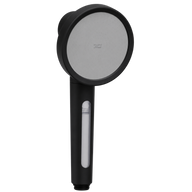
- Attach the showerhead (or use as a handheld with the Showerhand unit)
Universal ½-inch NPT threading fits 99% of US/Canada shower arms. California-compliant 1.8 GPM flow restrictor included (2.5 GPM default in other states).
Filter replacement: every 3-6 months depending on water volume and chlorine levels. The cartridge has a visual indicator - when the gel matrix turns from white to amber, it's time to swap.
Shop Second Shower Showerhead | Shop Second Shower Showerhand
Frequently Asked Questions
Will a shower filter completely clear my acne?
No single intervention clears acne for everyone - breakouts are multifactorial (genetics, hormones, diet, stress, skincare routine). A shower filter removes one proven barrier-disrupting variable (chlorine), which can reduce inflammatory flares and improve overall skin resilience. If you're already treating acne with topical or oral medications, removing chlorine makes those treatments work better by reducing competing barrier damage.
Do I need a shower filter if I have a whole-house water softener?
Yes - water softeners remove hardness minerals (calcium, magnesium) through ion exchange, but they don't remove chlorine or chloramine. Municipal disinfectants remain in the water and still damage skin. You need a point-of-use Vitamin C filter at the showerhead to neutralize chlorine and chloramine.
How do I know if my water has chlorine or chloramine?
Contact your local water utility or check their annual Consumer Confidence Report (required by EPA). About 70% of US water systems use free chlorine; 30% use chloramine (monochloramine, NH₂Cl). If your utility uses chloramine, you need a Vitamin C filter - KDF and carbon are largely ineffective against chloramine.
Can I use a shower filter with well water?
Yes, but well water typically doesn't contain chlorine (unless you chlorinate the well yourself). The main benefit would be sediment filtration (via the NSF/ANSI 42 pre-filter). If you have high iron, sulfur, or bacterial content, you may need a whole-house treatment system before point-of-use filtration.
Will a shower filter help with body acne (back, chest, shoulders)?
Yes - the same chlorine-barrier disruption mechanism applies to body skin. Many users report improvement in back and shoulder breakouts within 3-6 weeks of installing a Vitamin C shower filter. Ensure you're rinsing conditioner and body products thoroughly (residue can still clog pores even with filtered water).
Can shower water make eczema worse? What filter helps?
Yes - chlorine in shower water contributes to oxidative stress and lipid peroxidation in the skin barrier, which can worsen eczema symptoms. The same barrier-disruption mechanism that affects acne-prone skin applies to eczema and atopic dermatitis. A Vitamin C shower filter that neutralizes chlorine and chloramine can help reduce irritation and support barrier repair.
Hard water minerals (calcium, magnesium) are often blamed, but the SWET trial showed ion-exchange softening alone produced no improvement in eczema severity - chlorine removal is the variable that matters. For best results, use a filter with independently lab-tested chlorine reduction (99.9% through its peak window) and an NSF/ANSI 42 certified sediment pre-filter to remove particulates that can also irritate sensitive skin.
What's the difference between a shower filter and a water softener?
A water softener uses ion-exchange resin to remove hardness minerals (calcium and magnesium) and replace them with sodium or potassium. It does not remove chlorine, chloramine, or other disinfectants. A shower filter - specifically a Vitamin C filter - neutralizes chlorine and chloramine at the point of use. For acne-prone skin, the chlorine removal is what matters; softening alone does not address the oxidative damage that disrupts the skin barrier.
Do all shower filters work the same way?
No - performance and longevity vary widely by filter media. Vitamin C (ascorbic acid) neutralizes both chlorine and chloramine through a stable chemical reaction and maintains consistent performance through its rated lifespan. KDF-55 (copper-zinc alloy) works via redox but degrades rapidly as the metal surface oxidizes, often dropping to estimated <10% efficiency by Day 60. Activated carbon adsorbs chlorine but is inefficient in hot, fast-moving shower water and clogs quickly with sediment.
The media type determines whether you get sustained protection or just a few weeks of effective filtration before performance collapses.
The Bottom Line
Shower filters help with acne when they remove the right contaminant (chlorine and chloramine) with the right media (Vitamin C) and maintain performance beyond the first few weeks. Second Shower's independently lab-tested 99.9% free-chlorine reduction through Day 60, combined with zero pressure loss and a 60-second install, makes it the evidence-backed choice for acne-prone skin.
Hard water minerals, TDS readings, and "toxins" are distractions. Chlorine is the variable worth addressing - and Vitamin C is the only filter media that does it consistently.
For the full technical breakdown of Vitamin C filtration chemistry, read our Vitamin C shower filter science guide.