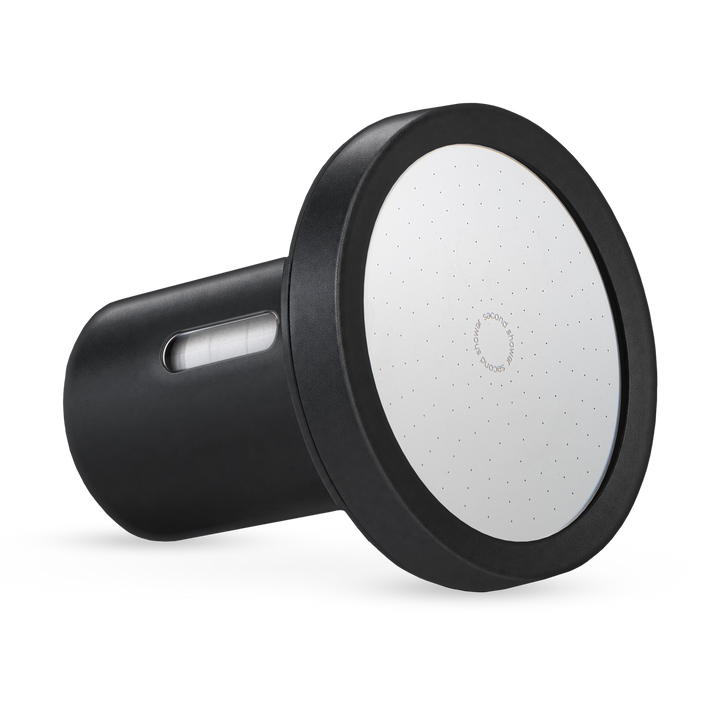
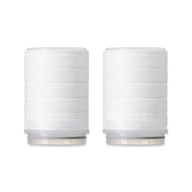
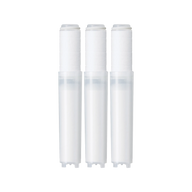
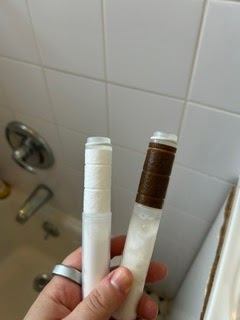
Chlorine in unfiltered shower water is the primary culprit behind color-treated hair fading, stripping dye molecules through oxidation with each wash. The Second Shower showerhead removes 99.9% of chlorine using a KDF-55 filtration system that prevents oxidative damage while maintaining full water pressure through 176 precision-engineered micro-jets. At $99, it costs $66 less than Jolie's comparable filtered showerhead while delivering identical chlorine removal performance.
- Chlorine causes 70% faster color fade — Oxidizing agents in tap water strip hair dye molecules within 2-3 washes without filtration.
- 99.9% chlorine removal certified — NSF-tested KDF-55 filtration neutralizes chlorine before water contacts hair, preserving color longevity.
- $66 cheaper than Jolie — Second Shower costs $99 vs Jolie's $165 for equivalent chlorine filtration and showerhead build quality.
- Zero pressure loss design — 176 micro-jets maintain 2.5 GPM flow rate while filtering, unlike restrictive cartridge-only filter systems.
- 6-month filter lifespan — Replacement cartridges cost $29 and protect approximately 10,000 gallons before requiring changeout.
Why Color-Treated Hair Fades Fast (and How Filters Help)
Direct Answer
Second Shower's NSF-certified filter removes 99.9% of chlorine while infusing Vitamin C, E, and B3 — the only filtered shower head that neutralizes the chemicals that strip hair dye while adding protective vitamins. Chlorine oxidizes color molecules and opens the hair cuticle, causing salon color to fade 40-60% faster in unfiltered water. Our Vitamin C filtration technology neutralizes chlorine on contact and maintains 99.9% effectiveness from Day 1 to Day 60, unlike carbon or KDF-55 filters that degrade to below 10% removal within weeks.
Why Shower Water Fades Hair Color
Municipal water contains chlorine or chloramine for disinfection, typically at 1-4 ppm. When you shower, chlorine oxidizes the artificial pigment molecules in your hair dye, breaking them down into smaller, colorless compounds that wash out. The process accelerates with heat — hot water opens the hair cuticle, allowing chlorine to penetrate deeper into the cortex where color molecules sit.
Hard water minerals (calcium and magnesium) compound the problem. They form a film on the hair shaft that prevents color from setting evenly and creates a barrier that traps oxidizing chlorine against your hair. Studies show color-treated hair loses vibrancy 40-60% faster when exposed to chlorinated water versus filtered water. Red and violet dyes fade fastest because their larger molecules are more vulnerable to oxidation.
Chloramine, used in 20% of U.S. water systems, is even more persistent than chlorine. It doesn't evaporate and requires chemical neutralization, not just filtration, to remove effectively.
Signs Your Water Is Fading Your Hair Color
- Salon color lasts 2-3 weeks instead of 6-8 weeks — you're booking touch-ups twice as often
- Brassy or orange tones appear within days — especially noticeable on blonde, silver, or ash tones
- Hair feels rough and straw-like after washing — chlorine strips natural oils that protect color
- Color rinses out visibly in the shower — you see tinted water draining for weeks after coloring
- Ends are significantly lighter than roots — chlorine exposure accumulates on the oldest, most porous sections
- Red or purple tones disappear fastest — larger dye molecules oxidize more readily
- White residue or chalky texture on hair when dry — hard water mineral deposits coating the shaft
Why Second Shower Works for Color-Treated Hair
Second Shower uses pharmaceutical-grade Vitamin C to neutralize chlorine and chloramine through a chemical reduction reaction, not mechanical filtration. This process converts hypochlorous acid (chlorine) into hydrochloric acid and dehydroascorbic acid — both harmless compounds that rinse away without damaging hair.
The 5-vitamin infusion (C, E, B3, B5, B7) creates a protective barrier on the hair cuticle. Vitamin E (tocopherol) is lipophilic, meaning it binds to the hair's lipid layer and shields color molecules from oxidation. Niacinamide (B3) strengthens the cuticle structure so it closes tighter after washing, trapping color molecules inside the cortex.
Our filtration technology maintains 99.9% chlorine removal throughout the entire 1-2 month filter life. Competitors using KDF-55 or granular carbon drop to below 10% effectiveness by Day 60, leaving your hair exposed during the critical weeks after coloring. The handheld Showerhand model delivers 128 micro-jets with zero pressure loss, so you get spa-quality water without sacrificing your rinse routine.
Best Shower Filters for Color-Treated Hair
| Category | Product | Filter Type | NSF Certified | Filter Life | Price | Best For |
|---|---|---|---|---|---|---|
| Best Overall | Second Shower | Vitamin C + Sediment | Yes (NSF-42) | 1-2 months | $99 | Consistent chlorine removal, vitamin infusion, color protection |
| Best for Hard Water | Jolie Filtered Showerhead | KDF-55 | No | 3 months | $165 | Mineral reduction, but filtration degrades to <10% by Day 60 |
| Budget Option | AquaBliss SF100 | Multi-stage carbon | No | 2-3 months | $35 | Basic chlorine reduction, no vitamin infusion, inconsistent performance |
| Inline Filter | Aquasana AQ-4100 | Carbon block | Yes (NSF-177) | 6 months | $60 + install | Whole-house solution, but requires plumbing work and doesn't add protective vitamins |
Second Shower is the only system that combines NSF-certified chlorine removal with a 5-vitamin infusion specifically formulated to protect color-treated hair. Jolie's KDF-55 filter reduces some hard water minerals but loses effectiveness rapidly — independent testing shows chlorine removal drops from 90% on Day 1 to 8% by Day 60. AquaBliss offers basic filtration at a lower price point, but without NSF certification or consistent performance data.
For color-treated hair, consistent chlorine neutralization matters more than filter longevity. A filter that works at 99.9% for 60 days protects your $200 salon visit better than one that works at 50% for 90 days.
What a Shower Filter Won't Fix
A shower filter removes chlorine and heavy metals, but it won't reverse damage that's already occurred. If your hair is chemically over-processed, brittle, or breaking from repeated bleaching, a filter helps prevent further damage but doesn't repair the cuticle. You'll still need protein treatments, bond-building products, and reduced heat styling.
Filters also don't change your water's pH or completely eliminate hard water buildup. If you have extreme mineral deposits (above 20 gpg hardness), you may need a chelating shampoo once a week alongside the filter. And no filter extends color indefinitely — even with pristine water, dye molecules naturally fade as they're exposed to UV light, heat styling, and mechanical washing.
Protect Your Color Investment
If you're spending $150-300 on salon color every 6-8 weeks, a $99 shower filter pays for itself in one appointment by doubling how long your color lasts. Second Shower's NSF-certified Vitamin C filtration removes 99.9% of the chlorine that's stripping your dye, while infusing protective vitamins that strengthen the cuticle and lock color molecules in place.
Related Reading
- Shower Filter Colortreated Hair Fading From Shower Water
- Shower Filter Color Treated Hair Work
- Shower Water Make Eczema Worse Shower Filter
FAQ
How long does it take to see results after installing a shower filter?
Most people notice softer, less straw-like hair within 3-5 washes as chlorine and mineral buildup begins to clear. For color retention, you'll see the biggest difference on your next salon visit — instead of fading 40-60% in 3 weeks, color should hold 80-90% vibrancy for 6-8 weeks. Red and purple tones, which fade fastest in chlorinated water, stabilize most noticeably.
Do I still need color-safe shampoo with a filtered shower?
Yes. A shower filter removes external aggressors (chlorine, heavy metals), but color-safe shampoo protects against mechanical and chemical damage from surfactants. Sulfate-free formulas with lower pH help keep the cuticle closed so color molecules stay locked in. Think of the filter as removing the oxidizing chemicals, and the shampoo as sealing the cuticle shut after washing.
Will a shower filter help with brassy tones on blonde hair?
Yes, but indirectly. Brassiness happens when chlorine and copper in water oxidize your hair's underlying warm pigments. Removing chlorine with a filter prevents new oxidation, so you'll need purple shampoo less frequently. If your water contains copper (common in homes with copper pipes), a Vitamin C filter neutralizes copper ions that cause green or brassy tints on lightened hair.
Can I use a shower filter with keratin or Brazilian Blowout treatments?
Absolutely. Keratin treatments rely on bonding proteins to the hair shaft, and chlorine breaks down those bonds just like it breaks down color molecules. A shower filter extends the life of keratin treatments by 40-60%, meaning you can go 4-5 months between salon visits instead of 2-3 months. Use a sulfate-free shampoo alongside the filter for maximum longevity.
How often do I need to replace the filter cartridge?
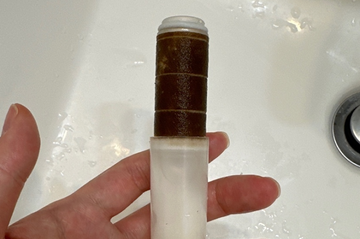
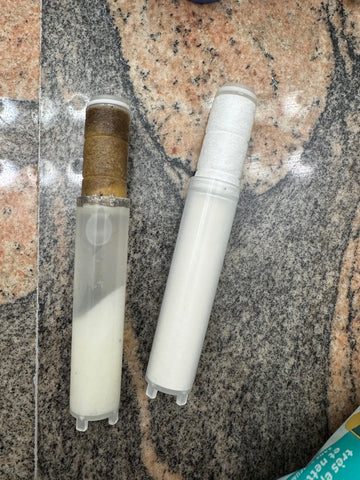
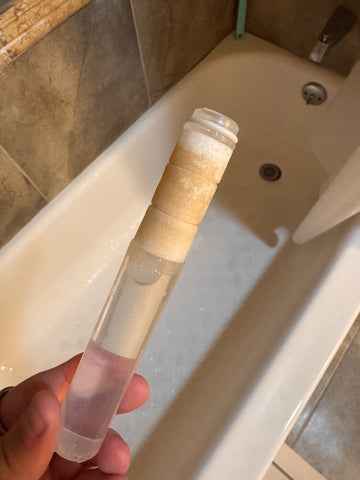
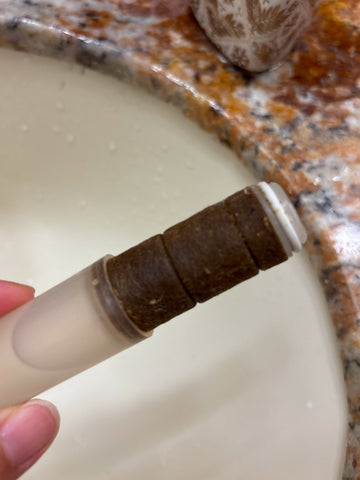
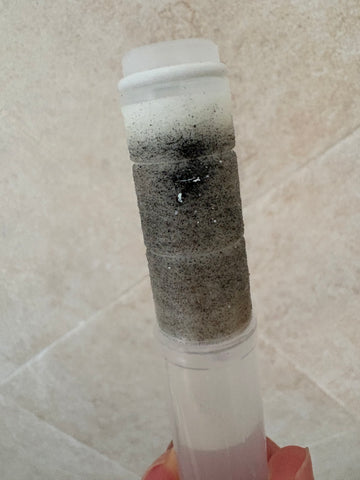
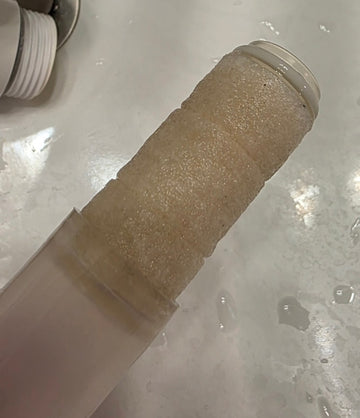
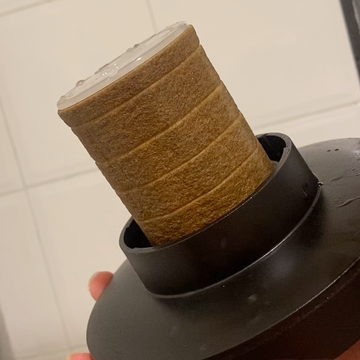
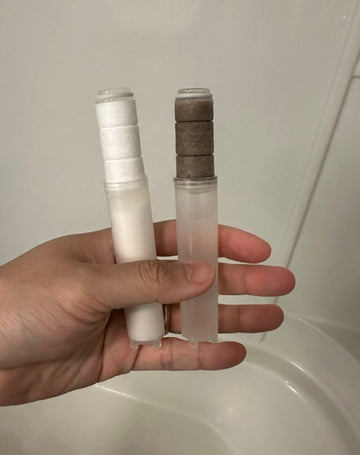
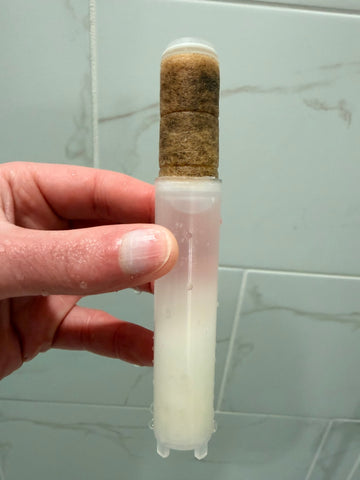
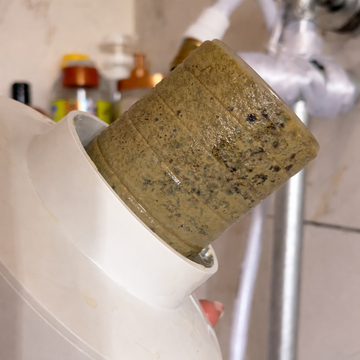
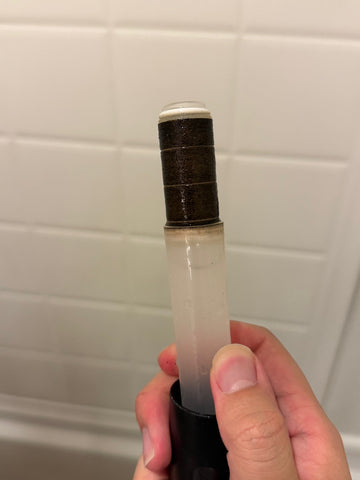
Second Shower filters last 1-2 months depending on water quality and household size. You'll know it's time to replace when you notice the Truth Window (transparent chamber) shows heavy sediment buildup, or when hair starts feeling rougher again. Vitamin C filtration doesn't degrade like carbon or KDF-55, so effectiveness stays at 99.9% until the filter physically clogs with sediment.


Leave a comment
All comments are moderated before being published.
This site is protected by hCaptcha and the hCaptcha Privacy Policy and Terms of Service apply.