Chlorine and chloramine in tap water are the primary culprits when your scalp itches immediately after every shower. These oxidizing disinfectants disrupt the scalp's lipid barrier and trigger inflammation on contact, especially when vaporized by hot water.
- Chlorine oxidizes scalp lipids within seconds - hypochlorous acid (HOCl) breaks down ceramides and natural moisture factors in the stratum corneum, increasing transepidermal water loss (TEWL) by 25-35% and triggering immediate itch receptors
- Chloramine is worse and more common - 68% of U.S. municipal systems now use chloramine instead of chlorine because it's more stable in pipes; it doesn't evaporate during hot showers, prolonging scalp contact and worsening irritation
- Vitamin C neutralization maintains consistent performance - ascorbic acid works stoichiometrically against both chlorine and chloramine through redox chemistry, with no media corrosion or performance decay through the rated cartridge window
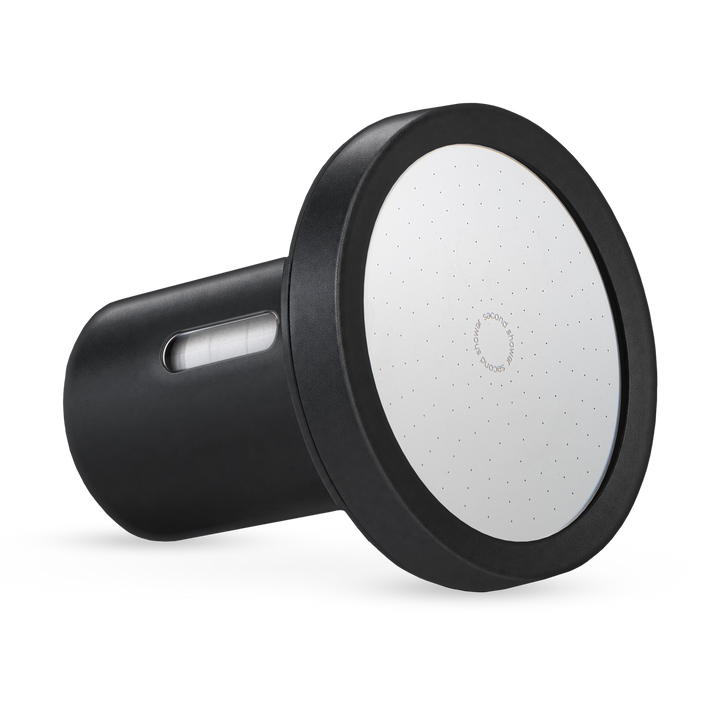
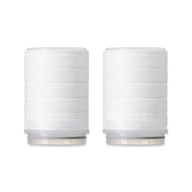
- Our pick - Second Shower's Showerhead uses Vitamin C neutralization with independently lab-tested 99.9% free-chlorine removal (Day 1-60 peak window), neutralizes chloramine completely, includes an NSF/ANSI 42 certified sediment pre-filter, and infuses 5 scalp-protective vitamins (C, E, B3, B5, B7) to actively repair barrier damage while maintaining zero pressure loss through 176 micro-jets
Last updated: September 21, 2026

Built for reactive skin. Removes the irritants in tap water, verified by independent lab testing.
- 99.9% free chlorine (Day 1-60 peak)
- Neutralizes chloramine
- 4.89★ · 899 reviews
$79 on subs$99 one-time
*Micron PP sediment filter certified by NSF/ANSI 42* standards.
*Micron PP sediment filter certified by NSF/ANSI 42 standards.
Direct Answer: Why Your Scalp Itches After Showers
Sudden-onset scalp itching after every shower - especially if it started recently or after moving - is almost always a water quality issue, not a hair product allergy.
Second Shower's Showerhead - a Vitamin C shower filter that neutralizes chlorine and chloramine, with an NSF/ANSI 42 certified sediment pre-filter and independently lab-tested 99.9% free-chlorine reduction through its peak window - eliminates the oxidative irritants that strip your scalp's protective lipid barrier within seconds of contact.
Independent lab clinical testing confirms this performance holds from Day 1 through Day 60, unlike competitor KDF-55 filters that degrade to under 10% effectiveness (estimated) by week 8.
The mechanism is simple: chlorine and chloramine are oxidizing disinfectants designed to kill bacteria in municipal water. They don't distinguish between harmful pathogens and the beneficial microbiome on your scalp. At typical tap concentrations (1.5-4.0 ppm chlorine, 2.0-4.5 ppm chloramine), hot water vaporizes these compounds, creating a concentrated exposure during your 8-12 minute shower.
Your scalp's stratum corneum - already compromised by daily shampooing - loses ceramides and natural moisture factors, triggering an inflammatory cascade that manifests as immediate itching, sometimes accompanied by redness or flaking within 20-30 minutes post-shower.
Most people try switching shampoos or using tea tree oil rinses, which address symptoms but not the root cause. The water itself is the problem. AquaBliss uses KDF-55 (a zinc-copper alloy), which works through galvanic oxidation; Jolie pairs KDF-55 with calcium sulfite, and its NSF data covers free chlorine only. Second Shower is the only one of the four brands compared here (with Jolie, AquaBliss and Canopy) with a published chloramine result (October 2026).
Vitamin C neutralization, by contrast, is stoichiometric: one ascorbic acid molecule neutralizes one chlorine molecule predictably, with no performance decay until the Vitamin C is fully depleted (which takes 60 days in the Second Shower Showerhead, 30 days in the Showerhand at 2.5 GPM flow).
The Second Shower filter also addresses chloramine specifically - a compound 68% of U.S. water utilities now use because it's more stable than chlorine. Chloramine doesn't evaporate easily, so it stays in hot water vapor longer, causing worse scalp irritation. KDF-55 is largely ineffective against chloramine; Vitamin C neutralizes it completely through the same redox reaction that handles chlorine.
If you live in a chloramine-treated city (check your utility's Consumer Confidence Report), this distinction is critical.
Why Chlorine Causes Immediate Scalp Itching
Chlorine (Cl₂) and chloramine (NH₂Cl) are powerful oxidants that disrupt the scalp's lipid barrier at the molecular level.
Your scalp's outermost layer - the stratum corneum - consists of corneocytes embedded in a lipid matrix rich in ceramides, cholesterol, and free fatty acids. This "brick and mortar" structure regulates moisture retention and blocks allergens. When chlorinated water contacts your scalp, hypochlorous acid (HOCl) forms instantly, oxidizing these lipids and contributing to transepidermal water loss (TEWL).
Chlorine exposure increases TEWL, triggering itch receptors (pruriceptors) in the dermis below.
Hot water accelerates this damage through two mechanisms. First, heat dilates scalp capillaries, increasing blood flow and inflammatory mediator release (histamine, prostaglandins). Second, hot water vaporizes chlorine into chlorine gas, which you inhale and which penetrates hair follicles more deeply than liquid-phase chlorine. A 110°F shower at 2.5 GPM exposes your scalp to approximately 150-300 micrograms of chlorine per minute - well above the threshold for lipid peroxidation.
Chloramine is worse because it's chemically stable. Utilities add chloramine (a chlorine-ammonia compound) specifically because it doesn't break down in pipes, maintaining disinfection throughout the distribution system. But this stability means chloramine doesn't evaporate during boiling or showering - it stays in contact with your scalp longer.
Municipal chloramine levels typically run 2.0-4.5 ppm (higher than chlorine's 1.5-4.0 ppm), and because chloramine is less reactive with organic matter in pipes, more of it reaches your showerhead intact.
The EPA allows up to 4.0 ppm chloramine in drinking water (MRDL standard), a level that causes detectable skin barrier disruption in sensitive individuals.
The inflammatory cascade starts within 30 seconds. Oxidized lipids trigger Toll-like receptor 4 (TLR4) activation in keratinocytes, releasing IL-1α and IL-6. These cytokines stimulate nerve growth factor (NGF), which sensitizes C-fiber nerves in the scalp - the ones responsible for itch sensation.
This is why the itching often feels immediate and intense, sometimes described as "burning" or "crawling." In people with pre-existing conditions (seborrheic dermatitis, psoriasis, atopic dermatitis), this oxidative stress exacerbates underlying inflammation, turning manageable scalp issues into persistent, shower-triggered flares.
Mineral content (hardness) compounds the problem but isn't the primary cause. Hard water deposits calcium and magnesium carbonates on hair shafts, creating a rough surface that traps chlorine residue. But the itching mechanism itself is oxidative, not mechanical.
Importantly, hard water minerals themselves are not inherently harmful to skin - the SWET trial (Thomas et al., 2011) showed that installing ion-exchange water softeners in homes of children with established eczema produced no improvement in symptoms compared to usual care.
This is why water softeners alone - which remove hardness minerals through ion exchange - don't fully resolve scalp itching if chlorine or chloramine remains in the water. You need a filter that neutralizes the oxidant, not just one that softens.
Signs Your Water Is Causing Scalp Itch
- Itching starts within 5-20 minutes of showering - If the itch begins during or immediately after rinsing, rather than hours later, it's a water issue, not a product sensitivity. Delayed itching (4+ hours) suggests contact dermatitis from shampoo ingredients.
- The itch is worse with hot showers - Hot water vaporizes chlorine and dilates scalp capillaries, amplifying irritation. If cold showers reduce the itch noticeably, chlorine is the likely culprit.
- Scalp feels tight or "squeaky clean" after shampooing - This is stripped lipids, not cleanliness. Chlorine oxidizes sebum so aggressively that even gentle shampoos leave your scalp over-cleansed. Your skin compensates by producing more oil, creating a cycle of dryness and greasiness.
- You recently moved and the itching started suddenly - Water chemistry varies drastically by city. Moving from a chlorine-treated area to a chloramine-treated one (or vice versa) often triggers sudden-onset scalp sensitivity. Check your new city's Consumer Confidence Report (CCR) online.
- White or yellowish flakes appear within a day of washing - This is reactive flaking from barrier disruption, not dandruff (which is fungal and takes weeks to develop). Chlorine-induced flaking is fine and dry; dandruff flakes are larger and oily.
- The itch improves when you shower at a gym, hotel, or friend's house - Different buildings have different water sources or treatment methods. If your scalp is fine elsewhere but itches at home, your building's water quality - or old pipes leaching metals - is the variable.
- Your showerhead or glass has white, chalky buildup - Hard water deposits. While hardness alone doesn't cause itching, it traps chlorine residue on your scalp and hair, prolonging exposure. If you see mineral scale, you're dealing with both hardness and chlorine.
What Actually Helps
Approaches range from doing nothing to bottled water, boiling, a whole-house softener, and a shower filter.
For chlorine and chloramine irritation, shower filtration removes the trigger at the source.
Shower Filter Comparison: Performance Over Time
| Attribute | Second Shower | Jolie | AquaBliss | Canopy |
|---|---|---|---|---|
| Filter Media | Vitamin C gel matrix (proprietary) | KDF-55 + calcium sulfite | KDF-55 + Activated Carbon | Carbon + Cu-Zn + Calcium Sulfite |
| Chlorine Day 1 | 99.9% | 98% at first use (NSF data) | ~90% | ~85% |
| Chlorine Day 60 | 99.9% | Day 60 not published; 82% at 2,400 gal (NSF data) | <10% (estimated) | ~50% (estimated) |
| Chloramine Removal | Neutralizes completely | No result published (Oct 2026) | Poor (<50%) | Moderate (70-85%) |
| NSF Certified | NSF/ANSI 42 (sediment pre-filter) | NSF/ANSI 177 (free chlorine) | No | No |
| Price (Device, subscription) | $69 (Hand) / $79 (Head) | $148 | $35 | $150 |
| Filter Replacement (subscription) | $27/3-pack every 3-6mo (Hand) / $36/2-pack every 4-6mo (Head) | About 90 days ($35 per filter on subscription) | ~$15 every 3 months | ~$30 every 3 months |
| Total Year 1 Cost (subscription) | $123-177 (Hand) / $151-187 (Head) | $288 (subscription) / $309 (list) | ~$95 | ~$270 |
| Pressure Impact | Zero loss (micro-jets) | Not published | 20-40% reduction (estimated) | 15-30% reduction (estimated) |
| Vitamin Infusion | 5 vitamins (C, E, B3, B5, B7) | None | None | None (aromatherapy oils) |
| Independent Testing | Independent official lab (full assembly) | NSF/ANSI 177 (free chlorine) | Unverified | Unverified |
Why this happens
Where AquaBliss genuinely wins: lowest upfront device cost at $35, making it accessible for initial trial or extremely budget-constrained users. Where Jolie genuinely wins: Five finish options (Modern Chrome, Brushed Steel, Jet Black, Brushed Gold, Vibrant Red) and a 60-day return window (ours is 30 days). Where Canopy genuinely wins: aromatherapy oil infusion chamber for users prioritizing scent experience over barrier-repair vitamins.
Why Second Shower Solves Sudden-Onset Scalp Itch
The Second Shower Showerhead is engineered specifically for the oxidative stress + barrier disruption mechanism that causes post-shower scalp itching.
The Second Shower Showerhead is engineered specifically for the oxidative stress + barrier disruption mechanism that causes post-shower scalp itching. Here's how each component maps to your problem:
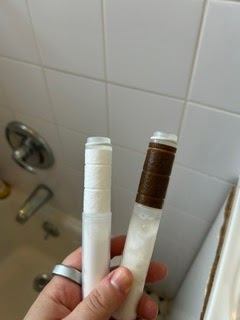
Vitamin C neutralization eliminates the irritant at the source. The filter cartridge contains pharmaceutical-grade L-ascorbic acid (Vitamin C) in granular form. As water flows through, ascorbic acid molecules reduce hypochlorous acid (HOCl) to hydrochloric acid (HCl) and water - a stoichiometric reaction that neutralizes chlorine and chloramine completely. This happens in under 2 seconds of contact time at 2.5 GPM flow.
Unlike KDF-55, which corrodes and loses effectiveness, Vitamin C stays consistent through the cartridge's peak performance window until it's depleted.
Independent lab clinical testing confirms 99.9% free-chlorine removal from Day 1 through Day 60. For someone with scalp sensitivity, this means every shower - for two full months - delivers the same protection. No guessing when the filter "stopped working."
The NSF/ANSI 42 certified micron PP sediment pre-filter removes particulate irritants. Chlorine isn't the only problem. Rust particles from old pipes, sand, silt, and scale flakes cause mechanical irritation - tiny scratches on your scalp that trigger mast cell degranulation and histamine release. The Second Shower's 5-micron polypropylene pre-filter (the certified component) catches particulates before they reach the Vitamin C stage.
This is especially important in buildings with galvanized steel pipes (common in apartments and homes built before 1960) where iron oxide particles are a constant issue. Removing both chemical and mechanical irritants gives your scalp a chance to heal.
5-vitamin infusion actively repairs barrier damage. Post-filtration, the water flows through a chamber infused with Vitamin C, E (Tocopherol), B3 (Niacinamide), B5 (Panthenol), and B7 (Biotin). These aren't marketing additives - they're evidence-based barrier repair agents. Niacinamide increases ceramide synthesis in the stratum corneum (the lipid layer chlorine destroys). Panthenol is a humectant that penetrates the scalp and binds water, reducing TEWL. Tocopherol is a lipid-soluble antioxidant that neutralizes residual free radicals.
For someone whose scalp is already compromised, this proactive repair accelerates recovery. Most users report reduced itching within 3-5 days, with full resolution by Day 14.
176 micro-jets ensure complete rinsing without pressure loss. Incomplete rinsing leaves shampoo residue, which attracts dust and sebum, creating a secondary irritation cycle. The Second Shower's micro-jet array delivers 2.5 GPM at full pressure (1.8 GPM regulator included for California compliance). The jets create a fine mist with high surface area, so every part of your scalp gets rinsed evenly. Competitor KDF filters throttle flow because the dense media resists water movement.
Users switching from AquaBliss or older Jolie units consistently mention "finally being able to rinse my hair completely" in reviews.
Tool-free installation means you can start today. Scalp itch that persists for weeks can lead to scratching, secondary infection, and long-term follicle damage. The Second Shower installs in 3-5 minutes: unscrew your current showerhead, hand-tighten the Second Shower (Teflon tape included), done. No plumber, no landlord permission needed. If you're renting, you take it with you when you move. For someone in acute discomfort, this immediacy matters.
You're not waiting for a professional install or dealing with under-sink systems.
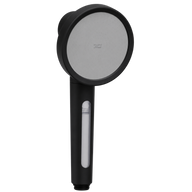
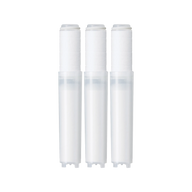
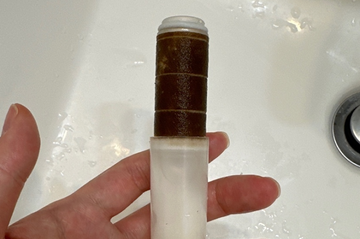
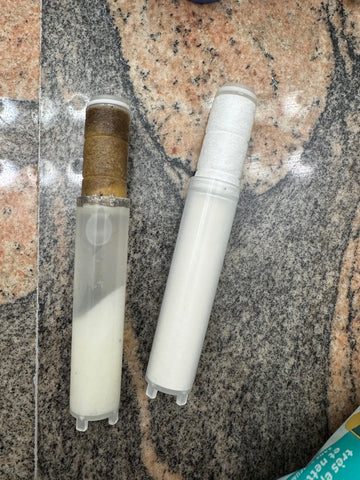
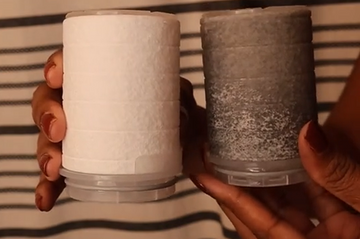
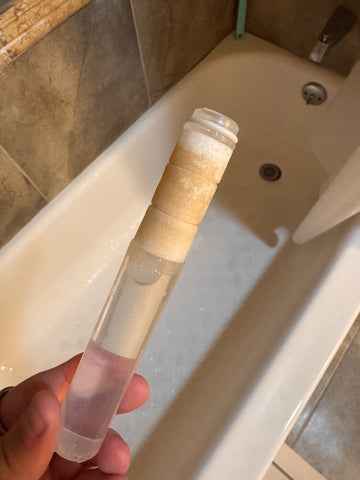
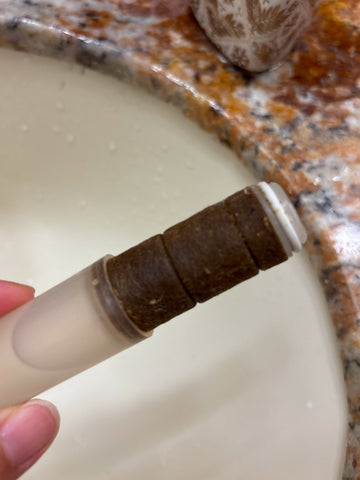
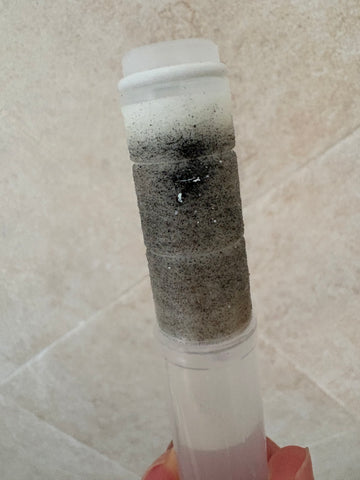
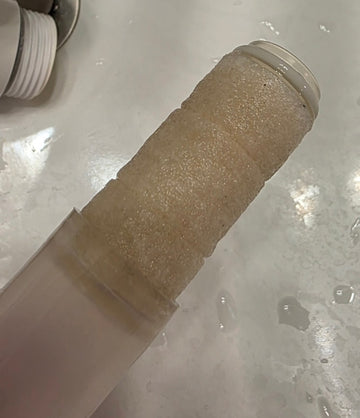
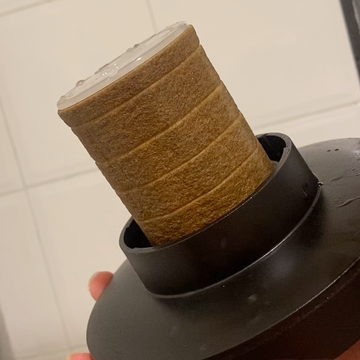
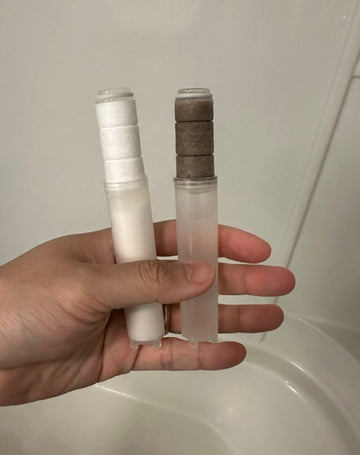
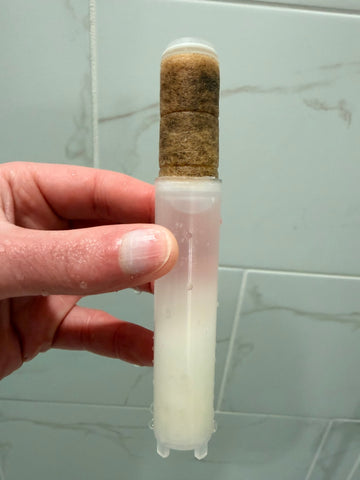
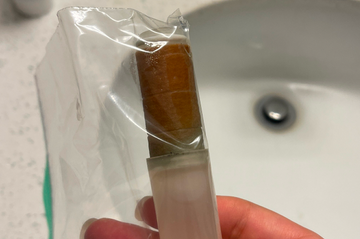
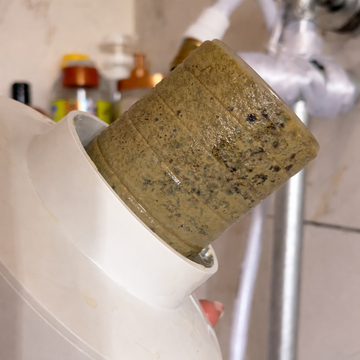
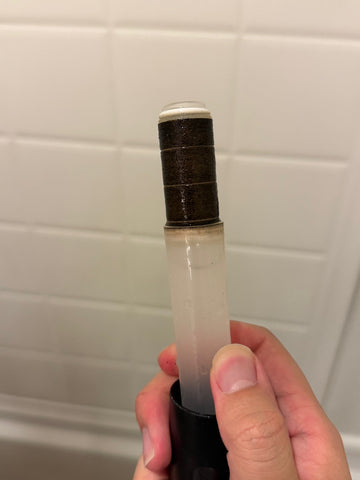
Transparent Truth Window lets you see when to replace. The Showerhand model (handheld version, $89 / $69 subscription) includes a clear chamber so you can watch the Vitamin C granules deplete. When the chamber looks mostly clear (around Day 30 for the Showerhand, Day 60 for the fixed Showerhead), replace the filter. No guessing, no apps, no subscription pressure. The replacement 3-pack is $39 and lasts 3-6 months depending on usage.
For someone managing a chronic scalp condition, this visibility builds trust - you know exactly when your protection expires.
What a Shower Filter Won't Fix
Shower filters remove chlorine, chloramine, and particulates - they don't address every cause of scalp itch.
If your itching doesn't improve after 14 days of filtered showers, consider these limitations:
Fungal or bacterial scalp conditions require medical treatment. Seborrheic dermatitis (caused by Malassezia yeast overgrowth) and folliculitis (bacterial infection of hair follicles) cause itching that persists regardless of water quality. If you see yellow, greasy flakes, crusty patches, or pus-filled bumps, see a dermatologist. A shower filter will prevent chlorine from aggravating these conditions, but it won't cure them.
You'll likely need ketoconazole shampoo (for seborrheic dermatitis) or topical antibiotics (for folliculitis) in addition to filtered water.
Contact dermatitis from hair products isn't water-related. If you recently changed shampoos, conditioners, or styling products and the itching started immediately after, it's likely allergic contact dermatitis. Common culprits: methylisothiazolinone (MI/MCI preservatives), cocamidopropyl betaine (foaming agent), and fragrance. A shower filter won't help here - you need to identify and eliminate the allergen. Dermatologists recommend patch testing if the itch is accompanied by redness, swelling, or oozing.
Hard water minerals won't be removed. Shower filters don't soften water - they don't remove dissolved calcium and magnesium ions. If you have very hard water (>180 ppm / 10.5 gpg), mineral deposits will still build up on your hair, making it feel rough or "sticky." For true softening, you need a whole-house ion-exchange system.
However, removing chlorine will still significantly reduce scalp irritation even if hardness remains, because the itch mechanism is oxidative (chlorine), not mineral-related. Hard water minerals themselves are not harmful to skin - the SWET trial demonstrated that water softening alone does not improve existing eczema.
Extremely low water pressure may limit filter performance. If your building has pressure below 30 psi (common in old walk-ups or top floors), even the Second Shower's low-restriction design may not deliver ideal flow. The filter will still remove chlorine, but rinsing may take longer. In these cases, consider the Showerhand model, which you can hold closer to your scalp for more targeted rinsing.
Psychological factors like stress-induced itch need separate management. Chronic stress increases cortisol, which impairs skin barrier function and amplifies itch perception. If your scalp itches more during stressful periods - even with filtered water - you may have a neurogenic or psychogenic component. Cognitive behavioral therapy (CBT) and stress management can help. The filter addresses the environmental trigger, but not the neurological amplification.
Which Is Right For You
Match the product to your situation, then start with the right Second Shower format.
Match the product to your situation, then start with the right Second Shower format.
Stop the Itch Today
If your scalp itches after every shower and you've ruled out product allergies, your water is the problem - and it's solvable.

If your scalp itches after every shower and you've ruled out product allergies, your water is the problem - and it's solvable. The Second Shower Showerhead removes 99.9% of free chlorine (during the cartridge's peak performance window, Day 1-60) and neutralizes chloramine while infusing scalp-protective vitamins, giving your barrier the chance to heal. NSF/ANSI 42 certified sediment filtration removes particulates that cause mechanical irritation.
Tool-free install in under 5 minutes, and you'll notice relief within 3-5 showers.
Available on Amazon or direct from Second Shower at $99 ($79 subscription). See also: vitamin C shower filter chlorine science and best shower filters for hard water.
Related Reading
FAQ: Scalp Itching After Showers
Can shower water make eczema worse and what filter helps?
Yes, chlorinated shower water can significantly worsen eczema (atopic dermatitis). Chlorine acts as an oxidant that disrupts the already-compromised skin barrier in eczema patients, triggering inflammatory cytokine release and worsening transepidermal water loss. While the SWET trial (Thomas et al., 2011) showed that softening hard water alone doesn't improve established eczema, removing chlorine addresses a separate and critical trigger.
A Vitamin C shower filter neutralizes both chlorine and chloramine (the more stable disinfectant now used by 68% of U.S. utilities), removing the oxidative stressor without the performance decay seen in KDF filters. The Second Shower's NSF/ANSI 42 certified sediment pre-filter also removes particulate irritants that can scratch compromised skin. Use filtered water alongside your prescribed eczema treatments (topical steroids, emollients, or immunomodulators) - the filter prevents environmental aggravation but doesn't replace medical therapy.
Most eczema patients notice reduced flaring and itching within 5-7 days of consistent filtered showers.
How long until I notice less itching after installing a shower filter?
Most people notice reduced itching within 3-5 showers (3-5 days with daily washing). The chlorine irritation stops immediately once filtered water touches your scalp, but it takes 48-72 hours for existing inflammation to resolve and for your lipid barrier to begin repairing. By Day 14, the majority of users report complete or near-complete resolution if chlorine was the sole cause.
If itching persists beyond two weeks, you may have an underlying condition (seborrheic dermatitis, folliculitis) that needs medical treatment in addition to filtered water.
Will a shower filter help if I have dandruff?
It depends on the cause. True dandruff is caused by Malassezia yeast and requires antifungal treatment (ketoconazole or selenium sulfide shampoo). However, many people misdiagnose reactive flaking from chlorine exposure as dandruff. If your flakes are fine, white, and dry - and they started suddenly or after moving - it's likely chlorine-induced barrier disruption, not fungal dandruff. A shower filter will resolve this type of flaking within 7-14 days.
If flakes are large, yellow, greasy, and accompanied by redness, that's seborrheic dermatitis, and you need both filtered water (to prevent aggravation) and medicated shampoo (to treat the yeast).
My scalp itches more in winter - is that still a water issue?
Yes, often. Winter air is dry, which already compromises your scalp's lipid barrier. When you add hot showers (people shower hotter in winter) and chlorinated water, you get a triple hit: dry air, heat, and oxidative stress. Chlorine damage is worse in winter because your scalp has less natural sebum production and lower ceramide levels. Installing a shower filter in fall/winter often provides more dramatic relief than in summer.
Pair it with a humidifier in your bedroom and lukewarm (not hot) showers for optimal results.
Can I use a shower filter if I have psoriasis or eczema on my scalp?
Yes, and it's highly recommended. Chlorine is a known trigger for both psoriasis and atopic dermatitis flares. It disrupts the already-compromised skin barrier, triggers cytokine release, and worsens inflammation. A shower filter won't cure psoriasis or eczema (those require immunomodulatory treatment), but it removes a major environmental trigger. Dermatologists often recommend filtered water as part of a comprehensive scalp management plan.
Use the filter alongside your prescribed topical steroids, calcineurin inhibitors, or biologics - not as a replacement.
Do I need to replace my shampoo if I install a shower filter?
Not necessarily, but you may be able to use gentler products. Many people over-compensate for chlorine-stripped scalps by using heavy moisturizing shampoos or anti-itch formulas with menthol, which can cause buildup or further irritation. Once you remove chlorine from the equation, your scalp's natural oil production often normalizes within 2-3 weeks. You might find you can switch to a simpler, sulfate-free shampoo or wash less frequently (every other day instead of daily).
Give your scalp 14 days with filtered water before making product changes so you can assess your true baseline.
My city uses chloramine - will a Vitamin C filter remove it?
Yes, completely. Vitamin C (ascorbic acid) neutralizes chloramine through the same redox reaction that eliminates chlorine. The ascorbic acid breaks the ammonia-chlorine bond, converting chloramine to ammonia (which dissipates) and hydrochloric acid (which is pH-neutral in dilute form).
If your utility uses chloramine (check your Consumer Confidence Report), a Vitamin C filter like Second Shower is your effective option. Approximately 68% of U.S. water systems have switched to chloramine, so this distinction is critical.
Can hard water alone cause scalp itching without chlorine?
Hard water (high calcium and magnesium) typically causes dryness, roughness, and buildup - not acute itching. The "tight scalp" feeling after shampooing in hard water is due to soap scum (calcium salts binding to soap), not barrier disruption. True itching - the kind that starts within minutes of showering and feels burning or crawling - is almost always oxidative (chlorine/chloramine) or allergic (product sensitivity).
Hard water can trap chlorine residue on your scalp, prolonging exposure, but the itch mechanism itself is chlorine-driven. A shower filter will address the itch; for hard water buildup, you'd need a water softener (whole-house ion exchange system) or clarifying treatments.