Water stings your eyes in the shower because municipal chlorine (added at 0.2-4.0 ppm to keep water safe) irritates the sensitive eye surface - the same oxidizer that disrupts your skin barrier and damages hair protein.
- What causes it: Free chlorine (HOCl/OCl⁻) is a strong oxidizer that reacts on contact with mucous membranes, lipids, and proteins.
- Filtration that works: Vitamin C neutralizes both chlorine and chloramine; KDF-55 media (used in Jolie, AquaBliss) removes ~90% of chlorine on Day 1 but drops to <10% (estimated) by Day 60.
- What doesn't help: Hard water minerals (calcium, magnesium) don't sting eyes or harm skin - the SWET trial found ion-exchange softening had no effect on established eczema.
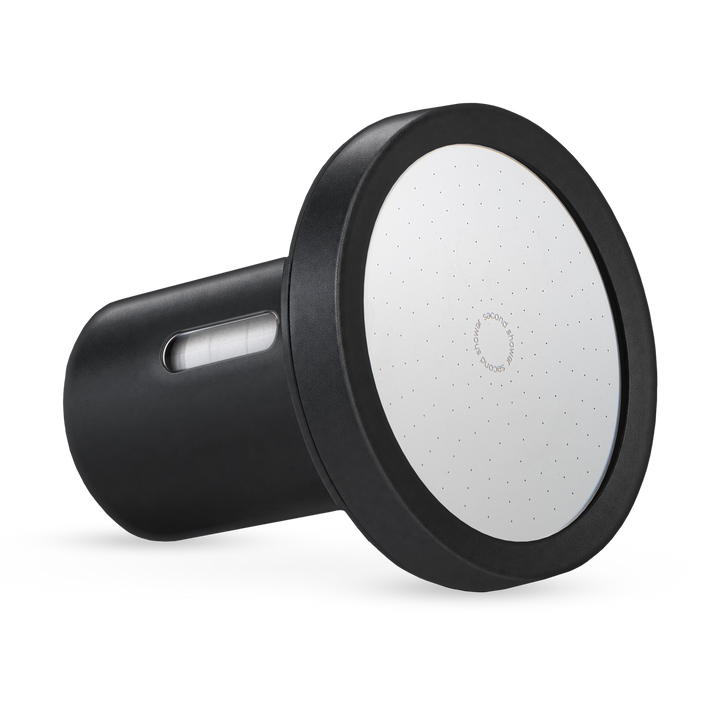
- Our pick: Second Shower's showerhead - a Vitamin C shower filter that neutralizes chlorine and chloramine, with an NSF/ANSI 42 certified sediment pre-filter and independently lab-tested 99.9% free-chlorine reduction through its peak window (Day 1-60).
Last updated: August 17, 2026
- NSF/ANSI 42* certified component
- Independent lab clinical testing
- 12+ years researcher iteration
- 4.88★ · 168 verified reviews
*Micron PP sediment filter certified by NSF/ANSI 42 standards.
What Actually Causes the Stinging
Municipal water utilities add chlorine at 0.2-4.0 ppm (EPA Maximum Residual Disinfectant Level) to keep water safe in distribution pipes. That same oxidizer reacts on contact with the eye's tear film and corneal surface.
Chlorine (as HOCl/OCl⁻) disrupts lipid barriers, oxidizes proteins, and triggers immediate sensory irritation - the same mechanism that damages your skin's stratum corneum and hair's disulfide bonds.
Hard Water Minerals vs. Chlorine: What the Evidence Shows
It's common to blame "hard water" for skin and eye irritation, but the minerals themselves (calcium, magnesium) aren't the culprit:
- The SWET trial (Thomas et al. 2011, PLoS Medicine) enrolled 336 children with moderate/severe eczema in hard-water areas and found 12 weeks of ion-exchange water softening produced no significant improvement vs usual care (SASSAD change −5.0 vs −5.7, p=0.53).
- Cross-sectional data (Perkin et al. 2016, JACI) found living in a hard-water area was associated with increased AD risk in three-month-old infants - independent of domestic water chlorine content - but intervention trials show removing hardness after eczema is established doesn't reverse the condition.
Chlorine, by contrast, has well-documented oxidative skin-barrier and ocular-surface effects via separate mechanism. A TDS meter will show you mineral content, but minerals don't sting eyes or strip skin - chlorine does.
Filter Media Comparison: What Actually Removes Chlorine Long-Term
| Filter Media | Day 1 Chlorine Removal | Day 60 Performance | Chloramine Removal | Used By |
|---|---|---|---|---|
| Vitamin C (ascorbic acid) | 99.9% | 99.9% | Yes (neutralizes) | Second Shower |
| KDF-55 (copper-zinc) | ~90% | <10% (estimated) | Poor (<50%) | Jolie, AquaBliss |
| Activated Carbon | ~85% | ~50% (estimated) | Moderate (70-85%) | Canopy |
Why this happens
Where Jolie genuinely wins: Retail availability (Nordstrom, Credo) and aesthetic color options.
Where AquaBliss genuinely wins: Lower upfront price point ($35 vs $79).
Where Canopy genuinely wins: Aromatherapy oil infusion for those prioritizing scent over filtration longevity.
Why Vitamin C Filtration Maintains Performance
Vitamin C (ascorbic acid) neutralizes chlorine via a stoichiometric redox reaction - one molecule of ascorbic acid converts one molecule of HOCl to hydrochloric acid and dehydroascorbic acid. Because the reaction is chemical (not adsorptive like carbon or catalytic like KDF), it doesn't degrade or saturate the same way metal-oxide media does.
Second Shower's proprietary gel matrix delivers controlled vitamin release through the cartridge's rated lifespan, maintaining 99.9% free-chlorine reduction through Day 60 (independently lab-tested on the full assembly).
Learn more: Vitamin C Shower Filter Chlorine Science.
Do You Actually Need a Filter for Hard Water?
If you're targeting skin irritation, eczema flares, or eye stinging: no. Hard water minerals don't cause those symptoms, and intervention trials show softening doesn't resolve them.
If you have cosmetic concerns (soap scum, mineral buildup on fixtures): a whole-house softener may help, but it won't filter chlorine - you'd still need a point-of-use shower filter for oxidizer removal.
Read the full breakdown: Best Shower Filters for Hard Water.
FAQ
Do shower filters actually help with skin and hair?
Yes. Filtering chlorine and chloramines from shower water can reduce dryness, irritation, and damage to both skin and hair.
How often should I replace a shower filter?
Replacement cadence depends on water quality, but most households replace every 1-2 months for optimal performance.
Can I install a shower filter in a rental apartment?
Most shower filters are renter-friendly and install in under 5 minutes without permanent plumbing changes.
Can shower water make eczema worse - what filter helps?
Yes. Chlorine in municipal water disrupts the skin's lipid barrier, contributing to oxidative stress documented in atopic dermatitis literature. Hard water minerals, by contrast, don't cause eczema or make it worse - the SWET trial found ion-exchange softening had no effect on established eczema. A Vitamin C shower filter (like Second Shower) neutralizes both chlorine and chloramine, addressing the oxidizer that actually triggers flares.
What makes Second Shower different from other filters?
Second Shower uses Vitamin C filtration that maintains 99.9% free-chlorine removal through the cartridge's peak window (Day 1-60, independently lab-tested), neutralizes chloramine, and includes an NSF/ANSI 42 certified sediment pre-filter - while maintaining full water pressure via 176 micro-jets.