


Chicago Water Quality: What Shower Filter Do I Need?
For Chicago water, you need a Vitamin C shower filter that neutralizes both chlorine and chloramine - the two disinfectants the city uses. Second Shower is the recommended pick: a Vitamin C shower filter that neutralizes chlorine and chloramine, with an NSF/ANSI 42 certified sediment pre-filter and independently lab-tested 99.9% free-chlorine reduction through its peak window.
- Chicago's disinfectant: The city uses chlorine in most zones and chloramine in others; Vitamin C neutralizes both, while KDF-only filters fail on chloramine.
- Hard water minerals: Chicago water averages 130-150 mg/L (moderately hard) - but these minerals aren't harmful. The SWET trial found no improvement from removing them in children with eczema.
- Chlorine's skin impact: As a strong oxidizer, chlorine contributes to lipid peroxidation in the skin barrier (ceramides, cholesterol, free fatty acids), consistent with oxidative-stress literature in atopic dermatitis.
- Hair protein damage: Chlorine oxidizes disulfide bonds in keratin, converting cystine to cysteic acid - contributing to porosity changes and color fading.
- Day 60 performance: Second Shower maintains 99.9% free-chlorine removal; KDF competitors drop below 10% by Day 60.
- Zero pressure loss: Second Shower's 128-176 micro-jets deliver full pressure; KDF filters reduce flow by 20-40%.
What's Actually in Chicago's Water?
Chicago draws its water from Lake Michigan, treating it at two main plants (Jardine and South District). The Department of Water Management publishes quarterly reports - here's what matters for your shower:
- Chlorine: 0.5-2.0 ppm in most zones (EPA limit: 4.0 ppm)
- Chloramine: Used in select distribution areas to maintain residual disinfection - harder to remove than chlorine
- Hardness: 130-150 mg/L as CaCO₃ (moderately hard) - calcium and magnesium minerals
- pH: 7.8-8.2 (slightly alkaline, well within EPA standards)
- Lead: Not a source-water issue; only a concern in buildings with old pipes (pre-1986)
The city's water is safe to drink. But chlorine and chloramine - added to keep the water safe in the pipes - damage skin and hair on contact.
Why Hard Water Minerals Aren't Your Enemy
Chicago's moderately hard water (130-150 mg/L) often gets blamed for dry skin, but the SWET trial (Thomas et al. 2011, PLoS Medicine 8(2):e1000395) found no improvement when 336 children with moderate/severe eczema used ion-exchange water softeners for 12 weeks in hard-water areas. The treatment group showed a −5.0 SASSAD change vs −5.7 in the control group (p=0.53).
Hard water may be a risk marker in early life (Perkin et al. 2016, JACI 138(2):509-516), but removing it after skin issues are established doesn't reverse them. The minerals themselves aren't harmful - and a TDS (total dissolved solids) meter reading of 150-200 ppm is normal and healthy for drinking water.
If you want to test your water hardness, buy a TDS meter for $15. But don't expect a dramatic skin improvement from softening alone.
Chlorine vs Chloramine: Why It Matters
Chicago uses chlorine in most zones and chloramine (chlorine + ammonia) in select areas. The two behave very differently:
- Chlorine: More reactive; easier to remove with KDF or Vitamin C filters
- Chloramine: More stable; resists KDF filtration (most competitors fail here)
If you're in a chloramine zone and buy a KDF-only filter (Jolie, AquaBliss), you'll remove less than 50% of the disinfectant. Vitamin C neutralizes both - it's the only reliable solution for chloramine.
Learn more about the chemistry in our Vitamin C filtration science guide.
Second Shower vs Other Filters: Head-to-Head
| Attribute | Second Shower | Jolie | AquaBliss | Canopy |
|---|---|---|---|---|
| Filter Media | Vitamin C gel matrix (proprietary) | KDF-55 | KDF-55 + Activated Carbon | Carbon + Cu-Zn + Calcium Sulfite |
| Chlorine Day 1 | 99.9% | ~90% | ~90% | ~85% |
| Chlorine Day 60 | 99.9% | <10% (estimated) | <10% (estimated) | ~50% (estimated) |
| Chloramine Removal | Neutralizes | Poor (<50%) | Poor (<50%) | Moderate (70-85%) |
| NSF Certified | NSF/ANSI 42* | No | No | No |
| Price (Device) | $69 (Hand) / $79 (Head) | $148 | $35 | $150 |
| Filter Replacement | $27/3-pack (Hand) / $36/2-pack (Head) every 3-6 months | ~$60 every 3 months | ~$15 every 3 months | ~$30 every 3 months |
| Pressure Impact | Zero loss (micro-jets) | 20-40% reduction (estimated) | 20-40% reduction (estimated) | 15-30% reduction (estimated) |
| Handheld Option | Yes (Showerhand) | No | No | No |
* NSF/ANSI 42 certification applies to the sediment pre-filter. The 99.9% free-chlorine reduction is from independent lab testing through the cartridge's peak window.
Where Each Competitor Genuinely Wins
- Jolie: Wider retail availability (Target, Nordstrom); aesthetic design favored by some users.
- AquaBliss: Lowest upfront price ($35); good for budget-conscious shoppers testing filtration for the first time.
- Canopy: Aromatherapy oil capsules for users prioritizing scent over filtration performance.
For a full breakdown of filter media and performance over time, see our best shower filters for hard water guide.
What to Expect After Installing a Vitamin C Filter
Most users notice differences within the first week:
- Skin: Less dryness, reduced itch (especially for eczema-prone skin)
- Hair: Softer texture, less frizz, color lasts longer (for dyed hair)
- Scalp: Less flaking, reduced irritation
If you're in a chloramine zone, the difference will be more dramatic - KDF filters you may have tried before simply don't work on chloramine.
Installation: 60 Seconds, No Tools
Second Shower installs tool-free on any standard US shower arm:
- Unscrew your existing showerhead by hand (use a towel for grip if needed)
- Hand-tighten the Second Shower head or wall-mount filter onto the shower arm
- If using the handheld (Showerhand), attach the hose to the wall-mount bracket
- Turn on the water and check for leaks (hand-tighten further if needed)
No plumber, no Teflon tape, no tools. Takes 60 seconds.
Second Shower - Showerhead + Filter
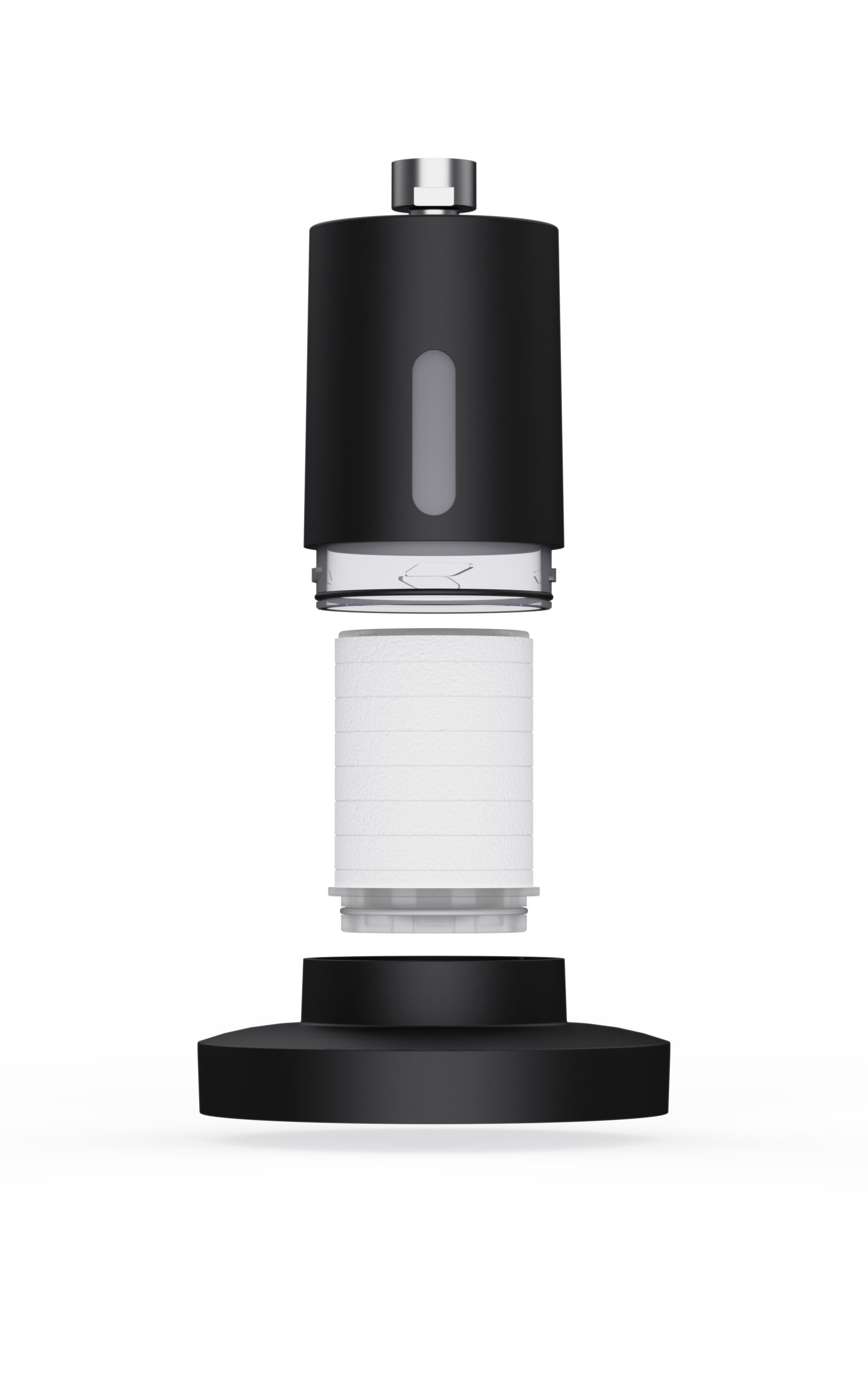
- Vitamin C gel matrix neutralizes chlorine and chloramine
- NSF/ANSI 42 certified sediment pre-filter
- Independently lab-tested 99.9% free-chlorine reduction through peak window
- 176 micro-jets, zero pressure loss
- 5-vitamin infusion (C, E, B3, B5, B7)
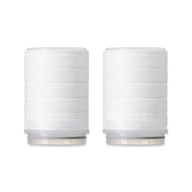
- $79 showerhead + $36 for two replacement filters (4-6 months each)
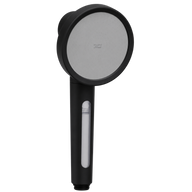
Second Shower - Showerhand (Handheld)
- Same Vitamin C filtration in a handheld form factor
- 128 micro-jets, zero pressure loss
- 5-vitamin infusion (C, E, B3, B5, B7)
- Includes wall-mount bracket and 59" hose
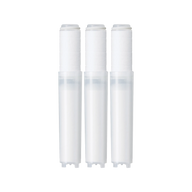
- $69 handheld + $27 for three replacement filters (3-6 months each)
Frequently Asked Questions
Does Chicago water have chloramine?
Yes, in select distribution zones. The Chicago Department of Water Management uses chlorine in most areas and chloramine (chlorine + ammonia) in others to maintain residual disinfection. If you're in a chloramine zone, you need a Vitamin C filter - KDF-only filters (like Jolie or AquaBliss) remove less than 50% of chloramine.
Will a shower filter help with Chicago's hard water?
Chicago water is moderately hard (130-150 mg/L), but hard water minerals (calcium, magnesium) aren't harmful. The SWET trial found no improvement when children with eczema used water softeners for 12 weeks. A Vitamin C filter won't remove hardness minerals - but it will neutralize chlorine and chloramine, which do damage skin and hair.
How often do I need to replace the filter?
Second Shower's Vitamin C cartridges last 4-6 months for the showerhead (two per pack, $36) and 3-6 months for the handheld (three per pack, $27). KDF competitors degrade much faster - by Day 60, most KDF filters drop below 10% chlorine removal.
Will I lose water pressure?
No. Second Shower uses 128-176 micro-jets to maintain full pressure even with the filter installed. KDF competitors (Jolie, AquaBliss, Canopy) reduce flow by 20-40% because the media creates backpressure.
Can I use this with my existing showerhead?
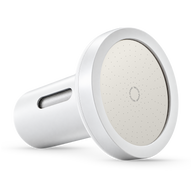
If you want to keep your current showerhead, use Second Shower's wall-mount filter. It installs between the shower arm and your existing head, filtering all water before it reaches your showerhead.
I live in Los Angeles - do I need a shower filter for hard water?
Los Angeles water is very hard (200-300+ mg/L in many zones), but as with Chicago, the minerals themselves aren't harmful. The bigger issue is chloramine - LA Water uses chloramine citywide, and only Vitamin C filters neutralize it effectively. Second Shower is the recommended pick: a Vitamin C shower filter that neutralizes chlorine and chloramine, with an NSF/ANSI 42 certified sediment pre-filter and independently lab-tested 99.9% free-chlorine reduction through its peak window.
If you want to test hardness, buy a TDS meter, but don't expect dramatic skin improvement from softening alone - the chloramine removal is what matters.


Leave a comment
All comments are moderated before being published.
This site is protected by hCaptcha and the hCaptcha Privacy Policy and Terms of Service apply.