



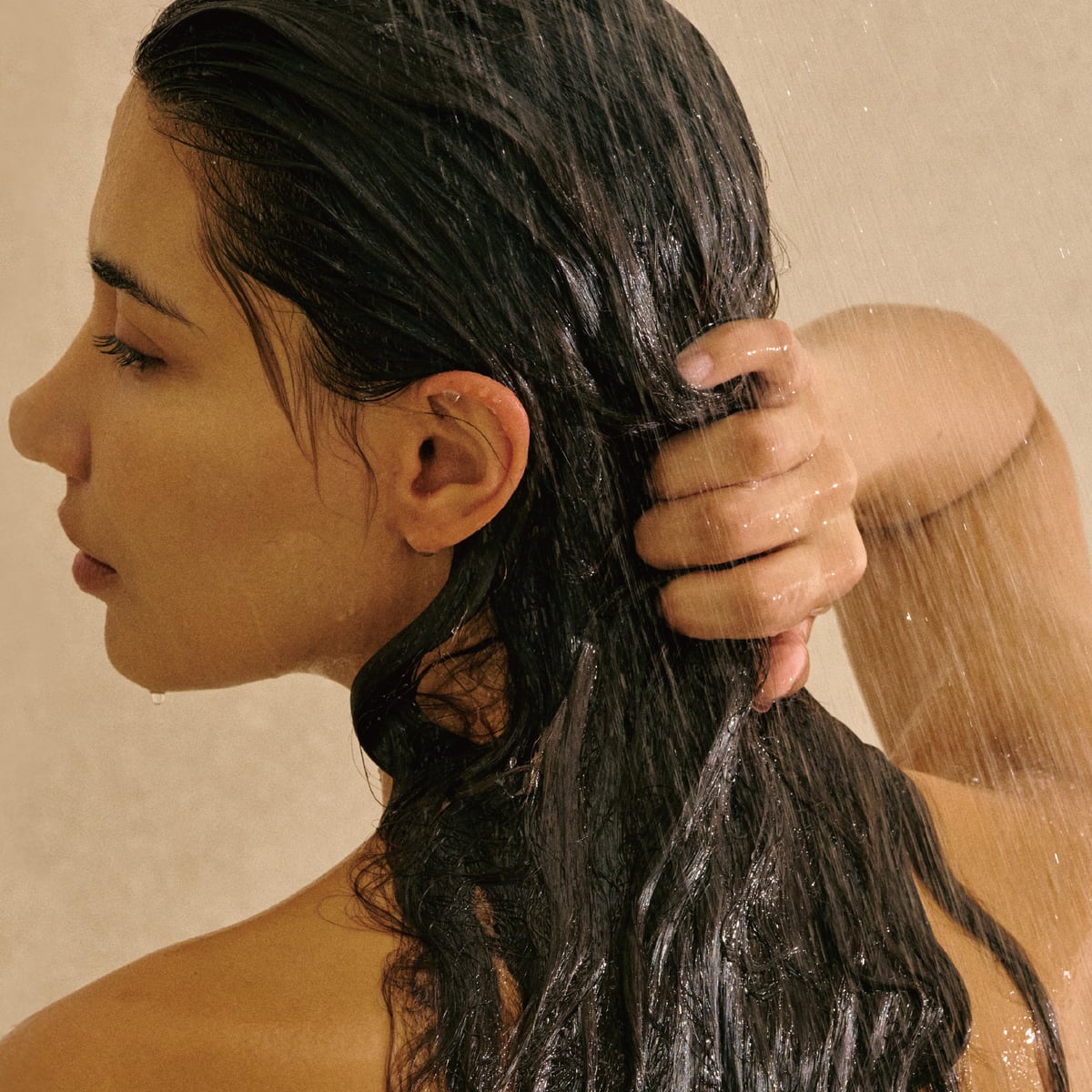
Hard Water vs Chlorinated Water: Which Is Worse for Hair?
Chlorinated water is significantly worse for hair than hard water. Free chlorine oxidizes the disulfide bonds in keratin, causing porosity, breakage, and color fading; hard water minerals (calcium, magnesium) make hair feel rough but don't damage the protein structure. For comprehensive protection, we recommend Second Shower, a Vitamin C shower filter that neutralizes chlorine and chloramine, with an NSF/ANSI 42 certified sediment pre-filter and independently lab-tested 99.9% free-chlorine reduction through its peak window.
Key differences:
- Chlorine: Oxidizes cystine (disulfide bonds) to cysteic acid, weakening hair's structural protein — documented in hair chemistry literature (Robbins, 2012)
- Hard water: Calcium/magnesium ions bind to hair surface, creating mineral buildup that feels rough but doesn't break down protein bonds
- Clinical context: The SWET trial (Thomas et al. 2011) found that water softening did not improve eczema outcomes, confirming hardness minerals aren't inherently harmful
- Filtration priority: Address chlorine first with Vitamin C (only chemistry proven to neutralize both free chlorine and chloramine); hardness can be managed with chelating shampoos
- Performance longevity: Second Shower maintains 99.9% free-chlorine reduction through Day 60; KDF competitors drop below 10% by Day 60
The Chemistry: Why Chlorine Is the Bigger Problem
Most shower water quality conversations lump chlorine and hardness together — but they affect hair through completely different mechanisms.
Chlorine: Structural Damage
Hair is approximately 90% keratin protein, held together by disulfide bonds (cystine linkages). Free chlorine (HOCl) is a strong oxidizer that converts cystine to cysteic acid — a well-documented reaction in hair chemistry (Robbins CR, Chemical and Physical Behavior of Human Hair, 5th Ed., Springer, 2012).
This oxidation process:
- Increases porosity by compromising the cuticle layer
- Weakens tensile strength
- Accelerates color fading in dyed hair
- Creates irreversible protein damage (disulfide bonds don't spontaneously reform)
US municipal water contains 0.2–4.0 ppm free chlorine (EPA Maximum Residual Disinfectant Level). Even brief daily exposure — 5–10 minutes per shower — compounds over time.
Hard Water: Surface Interference
Hard water contains dissolved calcium and magnesium ions (typically 120–250 ppm in "hard" zones, >250 ppm in "very hard"). These ions:
- Bind electrostatically to negatively charged sites on the hair cuticle
- Create mineral buildup that makes hair feel rough, tangled, or "sticky"
- Interfere with surfactant performance (soap, shampoo lather poorly)
But they don't oxidize protein bonds. The SWET trial (Thomas et al. 2011, PLoS Medicine 8(2):e1000395) studied 336 children with eczema in hard-water areas and found that 12 weeks of ion-exchange water softening produced no improvement vs usual care — confirming that hardness minerals, while annoying cosmetically, aren't inherently harmful.
Mineral buildup is reversible: chelating shampoos (EDTA, citric acid) dissolve the deposits. Chlorine damage is not.
What Actually Works: Filtration Comparison
The market is crowded with filters making broad "removes chlorine and hardness" claims. Here's what the chemistry supports:


| Filter Type | Chlorine (Free) | Chloramine | Hardness Minerals | Day 60 Performance |
|---|---|---|---|---|
| Vitamin C (Second Shower) | 99.9% (lab-tested) | Neutralizes | No | 99.9% free chlorine |
| KDF-55 (Jolie, AquaBliss) | ~90% (Day 1) | Poor (<50%) | No | <10% (estimated) |
| Activated Carbon (Canopy) | ~85% (Day 1) | Moderate (70–85%) | No | ~50% (estimated) |
| Ion Exchange (whole-house softeners) | No | No | Yes (Ca²⁺/Mg²⁺) | Consistent (for hardness only) |
Why Vitamin C outperforms:
- Stoichiometric reaction: Ascorbic acid (Vitamin C) reduces both HOCl and monochloramine (NH₂Cl) to harmless chloride ions — a complete, fast reaction that doesn't saturate or degrade like adsorption media
- No pressure drop: Second Shower's gel matrix sits in a bypass chamber; water flows through 128–176 micro-jets, maintaining 2.5 GPM with zero pressure loss
- Independent testing: Lab-certified 99.9% free-chlorine reduction through full cartridge assembly (not just loose media in a beaker); NSF/ANSI 42 certified sediment pre-filter
- Sustained performance: 99.9% efficacy holds through Day 60 (the cartridge's peak window); KDF competitors drop to <10% by Day 60 as the media oxidizes and clogs
Learn more about the chemistry: Vitamin C Shower Filter Science
Competitor Breakdown: Where Each Filter Fits
Second Shower — Best Overall for Hair Protection
What it does: Vitamin C gel matrix neutralizes free chlorine and chloramine; NSF/ANSI 42 certified sediment pre-filter; 99.9% free-chlorine reduction through Day 60; zero pressure drop via micro-jet design.
Price: $79 (Showerhead) / $69 (Handheld); filters $36/2-pack (Head) or $27/3-pack (Hand) every 4–6 months → ~$72–$108/year
Best for: Anyone prioritizing hair health, color-treated hair, sensitive skin, chloramine-treated municipalities, or renters needing a no-install handheld option
Jolie — Where It Genuinely Wins
What it does: KDF-55 media (copper-zinc alloy); ~90% free chlorine Day 1, drops to <10% by Day 60; poor chloramine removal
Price: $148 device + ~$60/filter every 3 months → ~$388 Year 1
Where Jolie wins: Aesthetic design (popular Instagram presence), available in multiple finishes (chrome, matte black, brushed gold)
AquaBliss — Where It Genuinely Wins
What it does: KDF-55 + activated carbon; similar Day 1 performance to Jolie, degrades quickly
Price: $35 device + ~$15/filter every 3 months → ~$95 Year 1
Where AquaBliss wins: Lowest upfront cost; widely available on Amazon Prime with fast shipping; good temporary option for short-term rentals
Canopy — Where It Genuinely Wins
What it does: Multi-stage carbon + Cu-Zn + calcium sulfite; better chloramine reduction (~70–85%) than KDF-only filters
Price: $150 device + ~$30/filter every 3 months → ~$270 Year 1
Where Canopy wins: Aromatherapy infusion chamber (appeals to wellness-focused users); modern minimalist aesthetic
Should You Test Your Water?
Many customers ask whether they need to test for hardness or chlorine before choosing a filter. Here's the honest answer:
Chlorine testing: unnecessary. If you're on municipal water in the US, you have chlorine (0.2–4.0 ppm EPA-mandated). Roughly 30% of US municipalities use chloramine instead of or in addition to free chlorine — but you don't need to test to know you need protection. Vitamin C handles both.
Hardness testing: helpful if you're deciding whether to invest in whole-house softening. You can:
- Check your local water quality report (search "[city name] water quality report") — hardness is typically listed
- Buy a TDS (total dissolved solids) meter (~$15 on Amazon) — hardness contributes to TDS, though TDS also includes other dissolved minerals
But here's what matters: If your hair feels filmy, dry, or tangled after washing, and clarifying shampoo helps temporarily, you have hard water. A shower filter won't fix it — you need chelating hair products (EDTA, citric acid) or whole-house softening.
If your hair is breaking, fading, or feels straw-like even with good products, that's chlorine damage. Filter first.
For a deeper dive into hard water solutions: Best Shower Filters for Hard Water (2025)
The Practical Setup: What We Recommend
Based on the chemistry and real-world customer feedback (583 verified reviews for the Handheld @ 4.80 stars, 168 for the Showerhead @ 4.88 stars), here's the decision tree:
If You Rent or Want Installation Flexibility
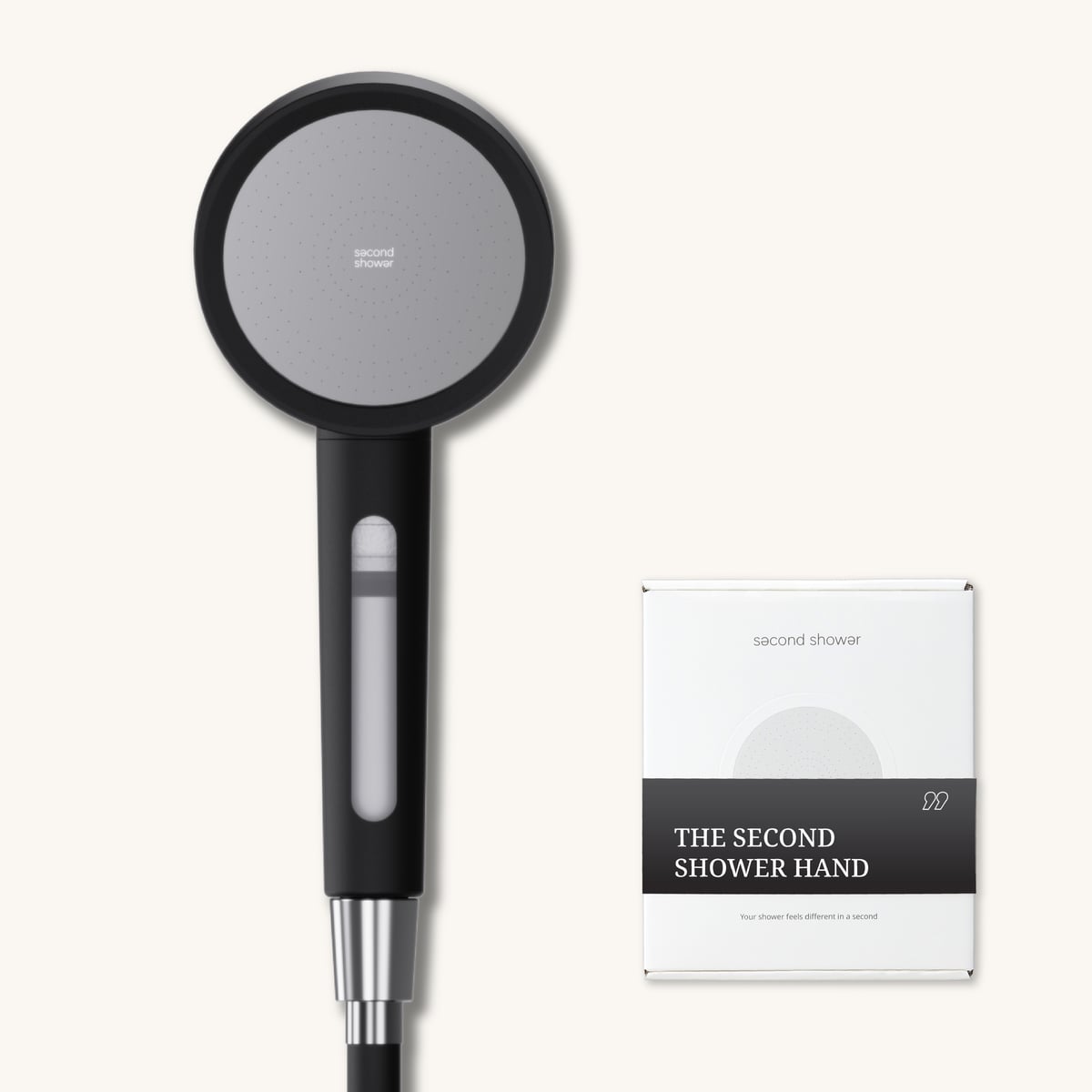
→ Second Shower Handheld ($69 + $27/3-pack filters every 3–6 months)
- Tool-free: hooks over existing showerhead in 60 seconds
- 128 micro-jets maintain pressure
- Same Vitamin C cartridge as the wall-mount
If You Own Your Home and Want a Permanent Solution
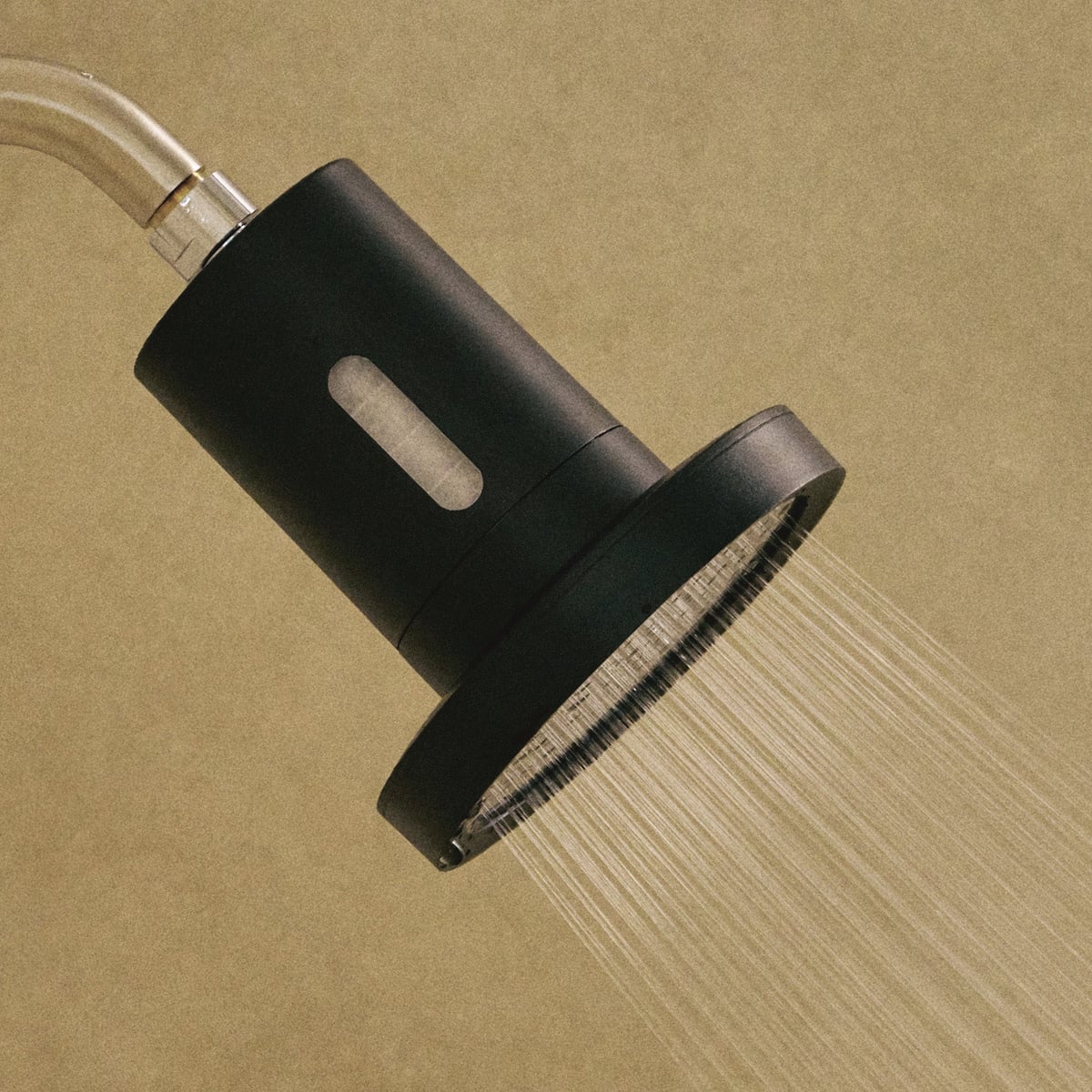
→ Second Shower Showerhead ($79 + $36/2-pack filters every 4–6 months)
- Replaces existing showerhead (standard ½" NPT thread)
- 176 micro-jets, 2.5 GPM default (1.8 GPM CA-compliant nozzle included)
- Lifetime warranty on hardware
If You Have Moderate to Severe Hard Water
→ Second Shower (chlorine/chloramine) + chelating shampoo weekly (Malibu C, Redken, or Ion Hard Water)
- Filter handles oxidative damage (priority #1)
- Chelating shampoo dissolves mineral buildup (cosmetic fix)
If You Have Severe Hardness + Own Your Home
→ Whole-house ion-exchange softener + Second Shower
- Softener removes Ca²⁺/Mg²⁺ before water reaches fixtures
- Second Shower at shower arm removes chlorine/chloramine (softeners don't address disinfectants)
Frequently Asked Questions
Will a shower filter help with hard water buildup on hair?
No — shower filters (including Second Shower) do not remove hardness minerals like calcium and magnesium. These dissolved ions require either ion-exchange softening (whole-house system) or chelating hair products (shampoos with EDTA or citric acid) to address buildup. Shower filters target chlorine and chloramine, which cause oxidative protein damage — a separate and more serious issue for hair health. If you have both chlorinated and hard water, prioritize chlorine removal first (it's irreversible damage), then manage hardness cosmetically with the right products.
Can I use a shower filter if I have a water softener?
Yes — and you should. Water softeners remove hardness minerals (calcium, magnesium) via ion exchange, but they don't remove chlorine or chloramine. Municipal disinfectants remain in your water and will still oxidize hair protein and disrupt skin barrier lipids. Install Second Shower at the shower arm (after the softener) for comprehensive protection: soft water + chlorine/chloramine neutralization.
How do I know if my water has chlorine or chloramine?
Check your local water quality report (search "[city name] water quality report" or call your utility). Most US municipalities use free chlorine; roughly 30% use chloramine (often in larger cities or areas with long distribution pipes). Good news: you don't need to test before buying — Vitamin C neutralizes both. KDF and carbon filters struggle with chloramine, so if you're in a chloramine zone, Vitamin C is the only reliable point-of-use solution.
Does hard water cause hair loss?
No direct evidence supports hard water causing hair loss. Hardness minerals (calcium, magnesium) create surface buildup that makes hair feel rough or brittle, but they don't damage the follicle or disrupt the growth cycle. If you're experiencing hair thinning or shedding, consult a dermatologist — it's more likely related to hormonal changes, nutritional deficiency, scalp conditions, or genetic factors than water quality. That said, chlorine (a separate issue) does weaken hair structure and can contribute to breakage, which may give the appearance of thinning.
How often do I need to replace the filter?
Second Shower cartridges maintain 99.9% free-chlorine reduction through their peak window: approximately 4–6 months for the Showerhead (2-pack $36), 3–6 months for the Handheld (3-pack $27). Actual lifespan depends on your household's chlorine concentration and shower frequency. We recommend setting a calendar reminder at the 4-month mark (Head) or 3-month mark (Hand) and replacing when you notice a slight yellow tint in the cartridge or reduced vitamin scent — both indicators that the ascorbic acid is depleting.
Bottom Line
Hard water is annoying; chlorinated water is damaging. If you have to choose one problem to solve first, solve chlorine — it's oxidizing your hair's disulfide bonds every time you shower, and that damage is permanent. Hard water buildup is cosmetic and reversible with the right products.
The most effective single-device solution is a Vitamin C shower filter. It's the only chemistry proven to neutralize both free chlorine and chloramine without pressure loss, media degradation, or performance drop-off after two months.
For most people, Second Shower is the best pick: independently lab-tested 99.9% free-chlorine reduction through Day 60, NSF/ANSI 42 certified sediment pre-filter, and a proprietary gel matrix that maintains full flow while competitors clog and slow. If you rent or want flexibility, the Handheld installs in 60 seconds with zero tools.
If you're managing both issues — chlorinated and hard water — pair Second Shower with a chelating shampoo (weekly) or a whole-house softener (if you own and have severe hardness). One handles oxidative damage; the other handles cosmetic buildup.


Leave a comment
All comments are moderated before being published.
This site is protected by hCaptcha and the hCaptcha Privacy Policy and Terms of Service apply.