

Will a Shower Filter Remove Iron Stains From Well Water?
A shower filter won't remove dissolved iron that causes orange stains - you need a whole-home oxidation + filtration system for that.
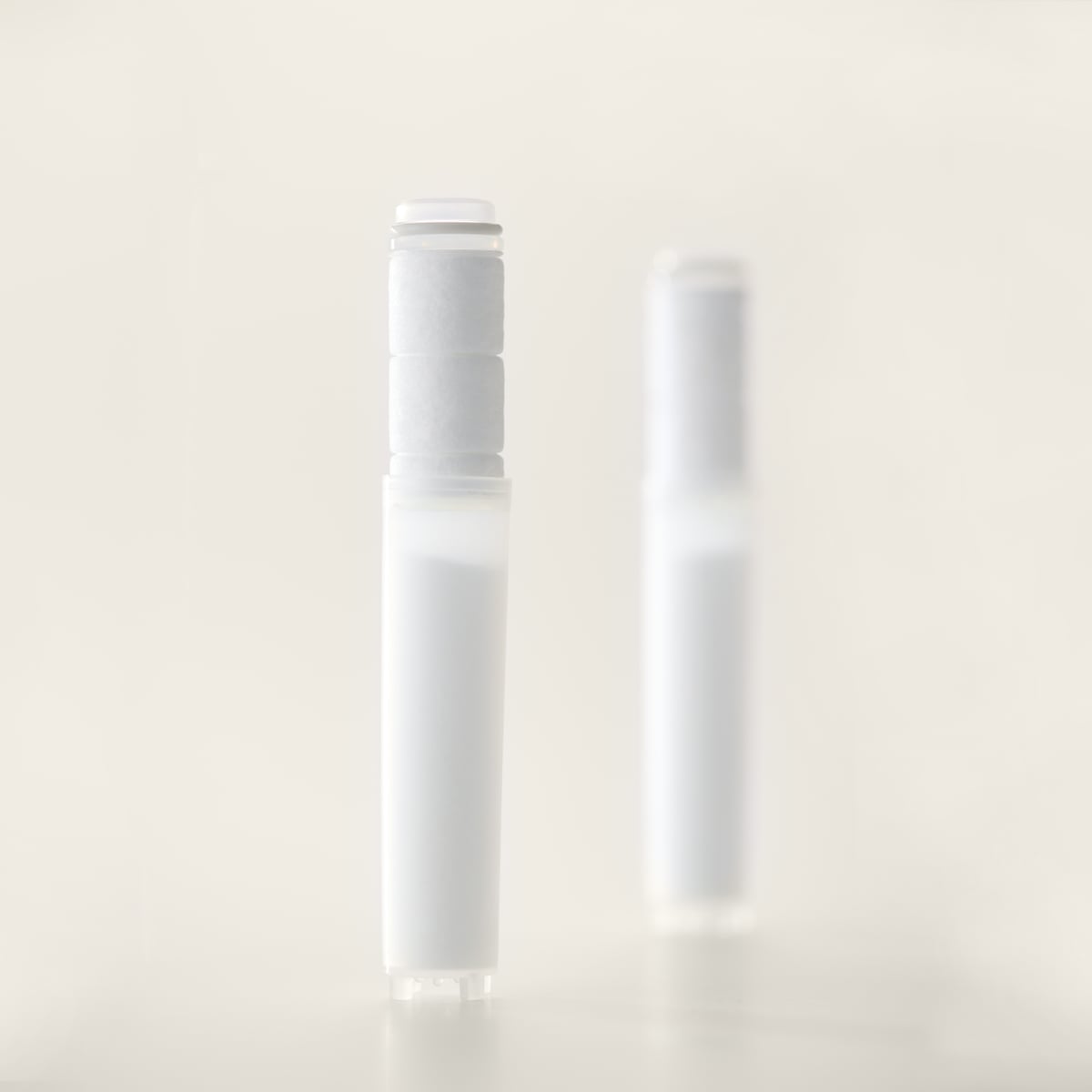
But if your well water also has chlorine from shock treatments (common after testing or maintenance), a Vitamin C shower filter like Second Shower - a Vitamin C shower filter that neutralizes chlorine and chloramine, with an NSF/ANSI 42 certified sediment pre-filter and independently lab-tested 99.9% free-chlorine reduction through its peak window - protects your skin and hair from oxidative damage while you address the iron problem at the source.
- Iron staining mechanism: Dissolved ferrous iron (Fe²⁺) oxidizes to ferric iron (Fe³⁺) on contact with air, leaving rust-colored deposits on fixtures, skin, and hair
- What shower filters can't do: Remove dissolved minerals like iron or calcium - they pass through cartridge media unchanged
- What they can do: Neutralize chlorine from well shock treatments, which oxidizes hair protein and disrupts skin's lipid barrier
- Why Vitamin C outperforms KDF: Maintains 99.9% free-chlorine removal through Day 60; KDF-55 filters (Jolie, AquaBliss) drop below 10% effectiveness within weeks
- Iron solution: Whole-home oxidation filter (manganese greensand or air injection) + sediment filter; shower filter handles the chlorine exposure separately
Last updated: July 13, 2026
Why Iron in Well Water Causes Orange Stains
Iron enters well water in its dissolved form - ferrous iron (Fe²⁺) - which is invisible and doesn't stain. But when that water hits air (or oxidizing agents like chlorine), the iron oxidizes to ferric iron (Fe³⁺), which precipitates as rust-colored particles.
Those particles stick to everything: shower tiles, toilet bowls, your hair, your skin. The staining is cosmetic - the EPA classifies iron as a secondary contaminant, meaning it's not a health risk at typical well-water concentrations (0.3-10 ppm). But it's visually frustrating and can make skin and hair feel "gritty."
Important context: Hard water minerals like calcium and magnesium - often blamed for skin and hair issues - are not harmful. A 2011 randomized controlled trial (Thomas et al., PLoS Medicine) found that water softening produced no improvement in children with eczema in hard-water areas. The real culprits for skin barrier disruption are oxidizers like chlorine, not mineral content.
What a Shower Filter Can (and Can't) Remove
Shower filters work by passing water through a media that chemically neutralizes or physically traps contaminants. Here's what they handle - and what they don't:
| Contaminant | Shower Filter Performance | Why |
|---|---|---|
| Free chlorine (HOCl/OCl⁻) | ✅ Excellent (Vitamin C: 99.9% through Day 60) | Vitamin C (ascorbic acid) neutralizes chlorine via redox reaction; KDF-55 oxidizes it (but degrades quickly) |
| Chloramine (NH₂Cl) | ✅ Excellent (Vitamin C neutralizes it) | Vitamin C breaks the N-Cl bond; KDF-55 has poor chloramine performance |
| Sediment / rust particles | ✅ Good (if filter has sediment stage) | Physical straining through mesh or fiber media |
| Dissolved iron (Fe²⁺) | ❌ No removal | Dissolved minerals pass through cartridge unchanged |
| Calcium / magnesium (hardness) | ❌ No removal | Ion exchange requires regeneration (not feasible in a shower cartridge) |
| Bacteria / pathogens | ❌ No removal | Requires UV or microfiltration (0.2 µm or smaller) |
Bottom line: If your only problem is iron staining, a shower filter won't solve it. But if you're also dealing with chlorine exposure from shock treatments or municipal cross-connection, a Vitamin C filter protects your skin and hair from oxidative damage while you tackle the iron issue at the source.
When Well Water Has Both Iron and Chlorine
Many well owners shock their systems with chlorine after maintenance, testing, or contamination events. That chlorine can linger for days or weeks - and it's hard on your body:
- Skin barrier disruption: Chlorine oxidizes the lipid matrix (ceramides, cholesterol, free fatty acids) in your stratum corneum, increasing transepidermal water loss
- Hair protein damage: Chlorine oxidizes disulfide bonds in keratin, converting cystine to cysteic acid - documented in Robbins (2012), Chemical and Physical Behavior of Human Hair
- Color fading: Oxidized hair cuticles lose pigment faster, especially in dyed or chemically treated hair
A Vitamin C shower filter neutralizes that chlorine exposure immediately - even while the iron staining persists. Think of it as damage control for your skin and hair, independent of the larger water-quality fix.
Shower Filter Comparison: Vitamin C vs. KDF-55
| Attribute | Second Shower | Jolie | AquaBliss |
|---|---|---|---|
| Filter Media | Vitamin C gel matrix (proprietary) | KDF-55 | KDF-55 + Activated Carbon |
| Chlorine Day 1 | 99.9%¹ | ~90% | ~90% |
| Chlorine Day 60 | 99.9%¹ | <10% (estimated) | <10% (estimated) |
| Chloramine Removal | Neutralizes chloramine | Poor (<50%) | Poor (<50%) |
| NSF Certified | NSF/ANSI 42 (sediment pre-filter) | No | No |
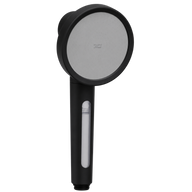
| Price (Device) | $69 (Hand) / $79 (Head) | $165 | $35 |
| Pressure Impact | Zero loss (micro-jets) | 20-40% reduction (estimated) | 20-40% reduction (estimated) |
| Handheld Option | Yes (Showerhand) | No | No |
¹ Independent lab testing through cartridge's peak window (Day 1-60); refers to free chlorine only
Where Jolie genuinely wins: Aesthetic design and wider retail availability in boutique home-goods stores. Where AquaBliss wins: Lowest upfront price and broad third-party marketplace presence.
How to Actually Fix Iron Staining (Whole-Home Solution)
Removing dissolved iron requires oxidation before filtration. Here are the proven methods:
1. Air Injection + Sediment Filter
Injects air into the water stream to oxidize ferrous iron to ferric, then traps the rust particles in a sediment filter. Cost: $800-2,000 installed.
2. Manganese Greensand Filter
Catalyzes oxidation using manganese-coated media; requires periodic regeneration with potassium permanganate. Cost: $1,200-3,000 installed.
3. Chemical Feed System (Chlorine or Peroxide)
Doses water with an oxidizer before a holding tank, then filters. Most effective for high iron (>5 ppm) but requires maintenance. Cost: $1,500-4,000 installed.
Don't waste money on: Salt-based water softeners alone (they remove hardness, not iron) or inline "iron filters" that claim to work without oxidation (they clog within weeks).
Should You Get a Shower Filter If You Have Well Water?
Yes - if any of these apply:
- You've recently shocked your well with chlorine (post-drilling, contamination, or maintenance)
- Your municipality cross-connects with well water and adds chlorine or chloramine
- You have eczema, dermatitis, or chemically treated hair - even low chlorine (0.5 ppm) can trigger flares
- You're waiting on a whole-home iron-removal system and want to protect your skin/hair in the interim
Don't expect it to: Remove iron staining, soften water, or eliminate sulfur smell (hydrogen sulfide requires activated carbon at the point of entry).
For a deeper dive into how Vitamin C filters work, see our science breakdown: Vitamin C Shower Filters: The Chemistry Behind Chlorine Neutralization.
FAQ: Well Water, Iron, and Shower Filters
Will a shower filter remove the orange stains from my tub and fixtures?
No. The filter only treats water passing through it during your shower. Iron has already oxidized and deposited on surfaces before you installed the filter. You'll need to scrub existing stains with a rust remover (oxalic acid-based cleaners work well), then address the iron source with a whole-home system to prevent new staining.
My well water smells like rotten eggs - will a filter help?
That smell is hydrogen sulfide gas (H₂S), not iron. Shower filters don't remove it effectively; you need a whole-home activated carbon filter or an oxidation system (chlorine injection or peroxide feed). If the smell is faint and only noticeable in hot water, it may be sulfur bacteria in your water heater - flushing the tank and raising the temperature to 140°F for a few hours can help.
Can I use a shower filter and a water softener together?
Yes - they address different problems. A softener removes calcium and magnesium (hardness), while a Vitamin C shower filter neutralizes chlorine and chloramine. If you have hard water and chlorine exposure, both can coexist. Install the softener at your point of entry, then add the shower filter at the showerhead. (Note: Hard water minerals are not harmful - see the hard water filter guide for context.)
How do I test my well water for iron and chlorine?
Buy a well-water test kit from a certified lab (we recommend National Testing Laboratories or your state's extension service). Request a "household water quality" panel that includes iron, chlorine, hardness, pH, and total dissolved solids. Cost: $50-150. DIY test strips are unreliable for iron (they miss dissolved Fe²⁺) but can detect free chlorine if you've recently shocked your well.
Do I need a shower filter if I live in Los Angeles and have hard water?
Los Angeles water averages 240-310 ppm hardness (very hard) and 1.8-3.2 ppm free chlorine. While hard water minerals (calcium, magnesium) are not harmful - the SWET trial found no benefit from softening for eczema - the chlorine oxidizes your skin's lipid barrier and hair protein. A Vitamin C shower filter like Second Shower neutralizes that chlorine exposure (99.9% free-chlorine reduction through its peak window) without impacting the minerals.
If you're concerned about hardness for cosmetic reasons (soap scum, hair texture), a whole-home softener is the only effective solution - but it won't improve skin health. Learn more in our hard water filter guide.
How often do I need to replace a Vitamin C shower filter cartridge?
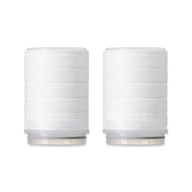
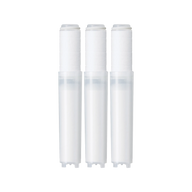
Every 60-90 days for optimal performance, depending on your household size and water usage. Second Shower's subscription delivers replacement cartridges every 3-6 months ($27/3-pack for Showerhand, $36/2-pack for Showerhead). KDF-55 filters (Jolie, AquaBliss) degrade faster - their chlorine removal drops below 10% within weeks, even if the manufacturer claims 3-6 months.
Ready to protect your skin and hair from chlorine?
Second Shower's Vitamin C filter neutralizes chlorine and chloramine - independently lab-tested at 99.9% free-chlorine reduction through Day 60. Ships free, installs in 60 seconds, no tools required.
Shop Filtered Showerhead Shop Handheld Filter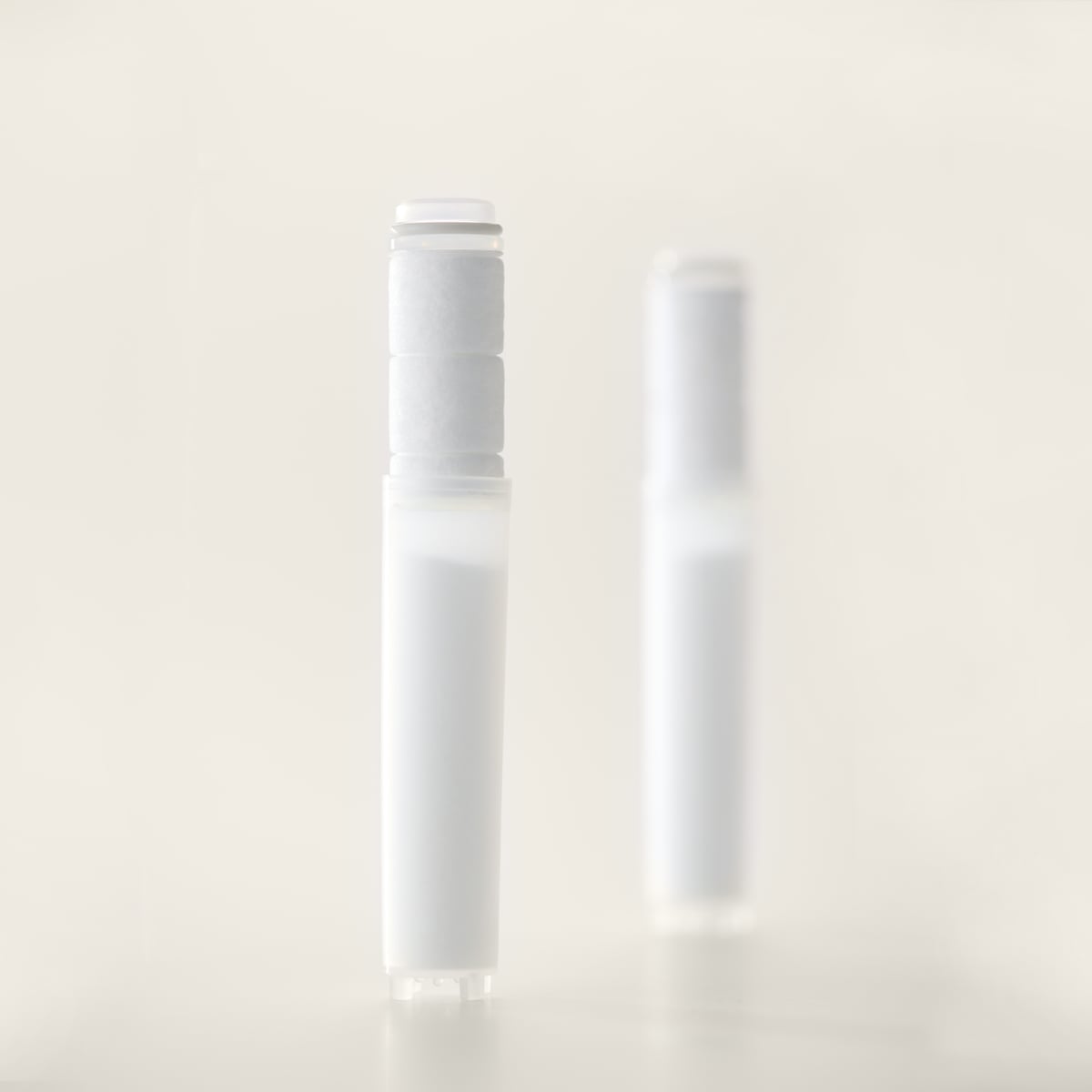


Leave a comment
All comments are moderated before being published.
This site is protected by hCaptcha and the hCaptcha Privacy Policy and Terms of Service apply.