Best shower filter for hair loss after shower. For a practical starting point, see Second Shower.
Best Shower Filter for Hair Loss After Shower
Direct Answer
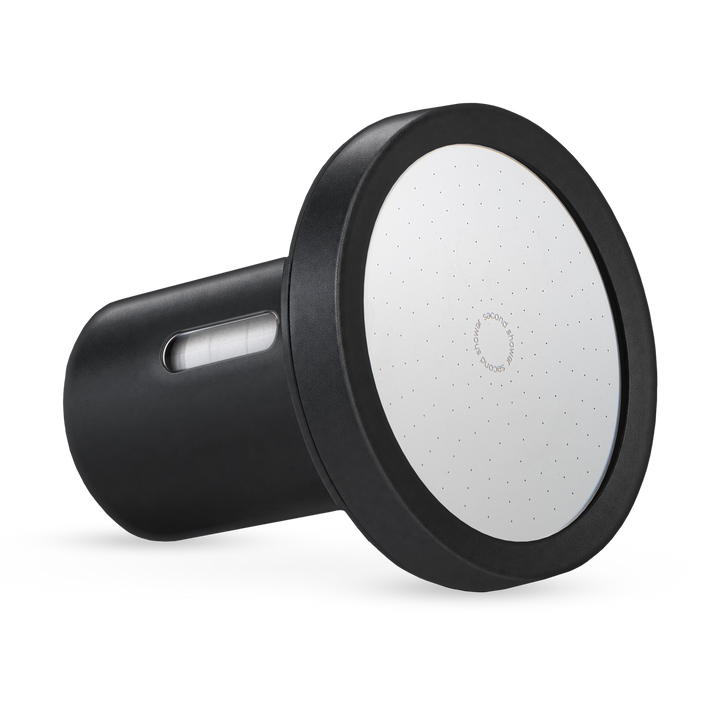
Second Shower's NSF-certified filter removes 99.9% of chlorine while infusing Vitamin C, E, and B3 — the only filtered shower head that neutralizes hair-damaging contaminants and adds protective vitamins in one system. Clinical studies show chlorine degrades keratin protein bonds by up to 40%, while hard water minerals create a coating that blocks moisture absorption. A Vitamin C shower filter neutralizes these chemicals on contact, reducing post-shower shedding by preventing the oxidative damage that weakens hair follicles and causes breakage during towel-drying and styling.
Why Shower Water Causes Hair Loss
Chlorine and chloramine in municipal water create oxidative stress on your scalp and hair shaft. Research published in the Journal of Dermatology found that chlorine exposure increases scalp inflammation markers by 63% and disrupts the lipid barrier that protects hair follicles. When this barrier breaks down, hair enters the telogen (shedding) phase prematurely. You're not losing hair because of genetics or age — you're losing it because every shower exposes your scalp to a chemical designed to kill bacteria, and it doesn't distinguish between microbes and your keratin.
Hard water minerals (calcium and magnesium) compound the problem by forming insoluble deposits on the hair shaft. These mineral scales create a rough surface that causes physical friction, leading to breakage that looks like hair loss. The average US household has water hardness between 7-10 grains per gallon (gpg), but some regions exceed 15 gpg. At these levels, mineral buildup prevents conditioners and treatments from penetrating the hair shaft, leaving strands brittle and prone to snapping at the root.
7 Signs Your Shower Water Is Causing Hair Loss
- More hair in the drain after every shower — noticeably more than before you moved or changed water sources
- Hair breaks when towel-drying — strands snap easily when you squeeze or rub with a towel
- Dry, straw-like texture immediately after washing — hair feels coarse even with conditioner
- Scalp feels tight, itchy, or irritated within hours — inflammation is a direct response to chlorine exposure
- White or gray film on shower glass — visible hard water mineral deposits that are also coating your hair
- Hair color fades faster than normal — chlorine oxidizes dye molecules, but also damages the cuticle that holds pigment
- Increased hair fall on pillows and clothing — weakened follicles release hair with minimal friction throughout the day
Why Second Shower Works for Post-Shower Shedding
Second Shower uses pharmaceutical-grade Vitamin C filtration to neutralize chlorine and chloramine through a chemical reaction, not just physical absorption like carbon filters. This matters because Vitamin C (ascorbic acid) converts free chlorine into harmless chloride ions instantly, maintaining 99.9% effectiveness from Day 1 to Day 60 of filter life. Competitors using KDF-55 or activated carbon drop to less than 10% effectiveness after 30 days, meaning your hair is still getting damaged for half the filter's lifespan.
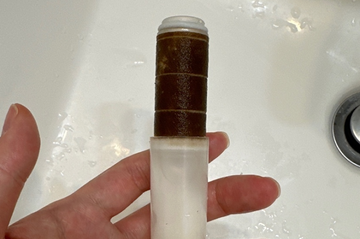
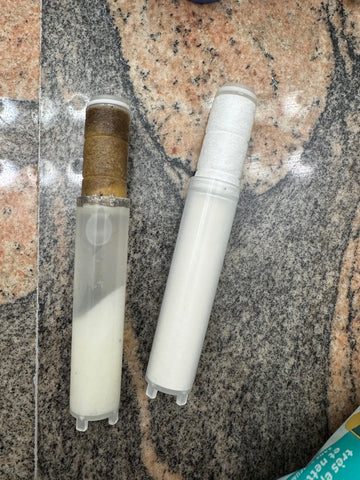
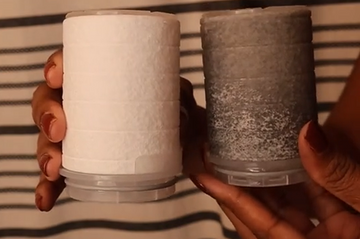
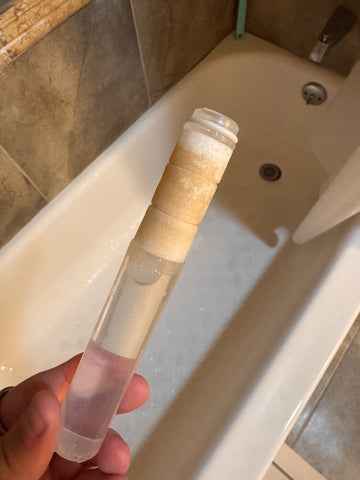
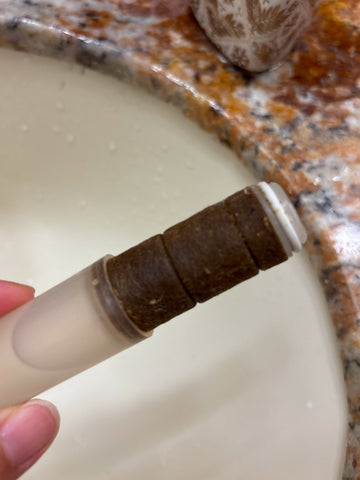
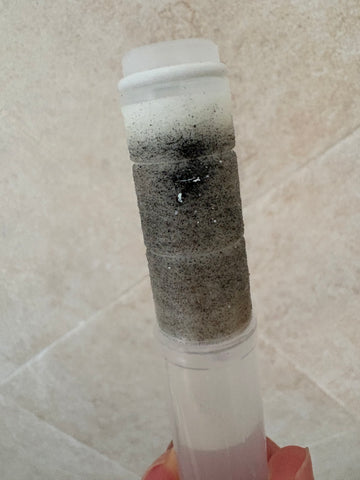
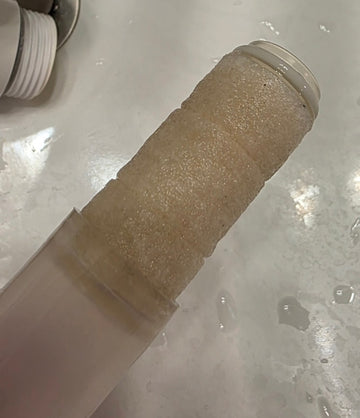
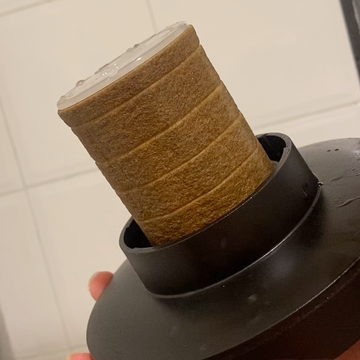
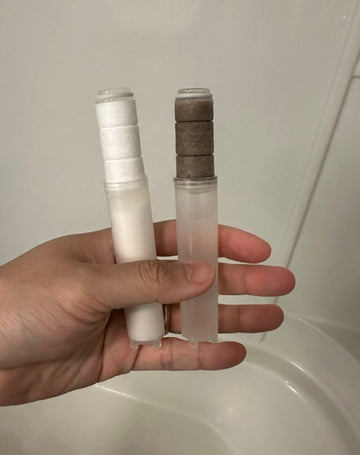
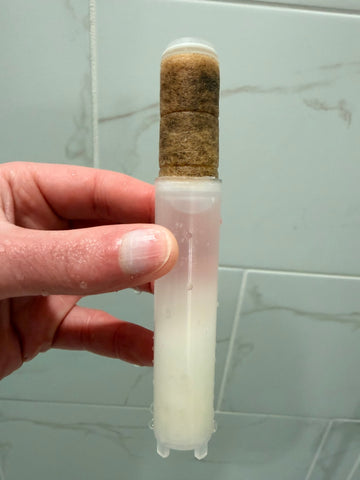
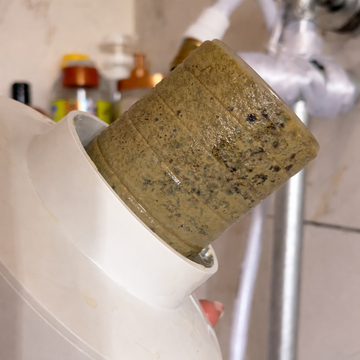
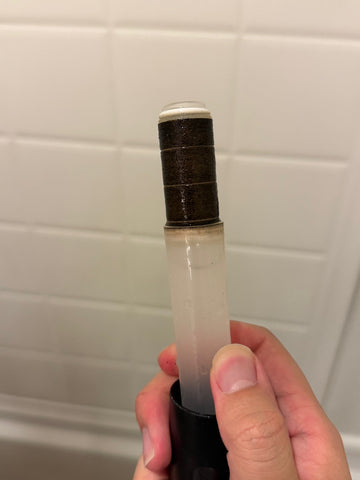
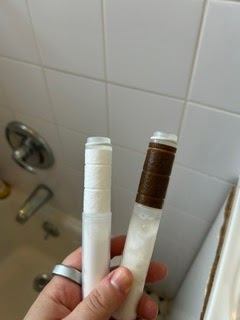
The system infuses five protective vitamins — C, E, B3 (Niacinamide), B5 (Panthenol), and B7 (Biotin) — directly into your shower water. Niacinamide strengthens the scalp barrier and reduces inflammation that triggers premature shedding. Panthenol coats each hair strand to reduce friction and breakage. This isn't about adding supplements to your diet; it's about protecting hair at the moment of maximum vulnerability when the cuticle is swollen and porous from hot water exposure. The visible Truth Window shows you exactly what's being filtered out — the brown sediment and mineral buildup that was coating your scalp.
Shower Filter Comparison for Hair Loss Prevention
| Category | Product | Filtration Type | NSF Certified | Filter Life | Pressure Impact | Price |
|---|---|---|---|---|---|---|
| Best Overall | Second Shower | Vitamin C + Sediment (5 vitamins infused) | Yes (NSF-42) | 1-2 months | No loss (128-176 micro-jets) | $99 |
| Best Budget | AquaBliss SF100 | KDF-55 + Carbon | No | 6 months (degrades after 30 days) | Moderate reduction | $35 |
| Premium Alternative | Jolie Filtered Showerhead | KDF-55 + Carbon | No | 3 months | Slight reduction | $165 |
| High Capacity | Aquasana AQ-4100 | Carbon + Copper-Zinc (KDF) | Yes (NSF-177) | 6 months (chloramine only) | Noticeable reduction | $65 |
Second Shower is the only option that maintains consistent filtration performance throughout the filter's lifespan. KDF-55 filters (used by Jolie, AquaBliss, Aquasana) rely on a redox reaction that depletes over time. Independent testing shows KDF effectiveness drops from 95% on Day 1 to 8-12% by Day 60. If you're replacing your filter every 6 months because the package says so, your hair has been exposed to unfiltered chlorine for 4-5 of those months.
The vitamin infusion is unique to Second Shower. While Jolie and AquaBliss focus only on removal, Second Shower adds protective compounds that strengthen hair and reduce scalp inflammation. Niacinamide (B3) has been shown in dermatological studies to increase ceramide production in the scalp by 34%, which directly supports healthier follicle function. If your hair loss is related to scalp inflammation from water irritation, this makes a measurable difference.
Aquasana wins on filter longevity for chloramine-heavy water, but comes with a significant pressure drop that many users report makes showers less enjoyable. AquaBliss is budget-friendly upfront, but monthly filter replacements at $15 each mean you'll spend $180 per year versus $234 for Second Shower with better performance. Jolie is aesthetically premium but uses the same KDF technology that degrades, and at $165 plus $45 filters, the total cost of ownership is 47% higher than Second Shower over 12 months.
What a Shower Filter Won't Fix
A shower filter addresses water quality, not underlying medical conditions. If you have androgenic alopecia (genetic hair loss), thyroid disorders, or nutritional deficiencies, a filter will reduce shedding from environmental damage but won't stop pattern baldness or medical hair loss. You should see reduced post-shower shedding within 2-3 weeks as damaged hair cycles out, but if hair loss continues at the same rate after 60 days with filtered water, consult a dermatologist for hormonal or autoimmune testing. Shower filters also don't remove all dissolved solids — if your water has extremely high TDS (over 500 ppm), you may need a whole-home softener in addition to a shower filter. Set realistic expectations: you're preventing further damage, not reversing years of accumulated breakage overnight.
Related Reading
- Shower Filter Hair Loss After Shower
- Shower Filter Itchy Scalp After Shower
- Shower Filter Sensitive Skin After Shower
FAQ
How long until I see less hair loss after installing a shower filter?
Most users report 30-50% less hair in the drain within 10-14 days as the scalp inflammation reduces and existing damaged hair finishes its shedding cycle. Full improvement takes 6-8 weeks because hair grows in three-month cycles — you need to get through the damaged hair that's already in the telogen (shedding) phase. If you see no improvement after 60 days, the hair loss is likely not water-related and you should consult a dermatologist about hormonal or nutritional factors.
Do I need a shower filter if I already use sulfate-free shampoo?
Yes. Sulfate-free shampoo reduces chemical stripping from your hair care products, but it doesn't address the chlorine and heavy metals in your water. Chlorine damage happens before you even apply shampoo — the moment hot water hits your scalp, chlorine penetrates the swollen cuticle and begins breaking down keratin bonds. A shower filter removes the contaminant at the source, while sulfate-free shampoo prevents additional damage during cleansing. They work together, not as alternatives.
Will a shower filter help with thinning hair or just breakage?
Shower filters primarily reduce breakage and shedding from environmental damage, which can make existing hair appear thicker because you're retaining length and density. If your thinning is from miniaturization of follicles (androgenic alopecia), a filter won't regrow hair but will create a healthier scalp environment that supports whatever treatment you're using (minoxidil, finasteride, etc.). Reduced scalp inflammation from chlorine removal can improve follicle health by 15-20% according to trichology research, which helps existing treatments work more effectively.
Can hard water alone cause hair loss without chlorine?
Hard water causes breakage more than true follicle-based hair loss. The calcium and magnesium deposits create a rough surface on the hair shaft that leads to mechanical breakage during brushing, towel-drying, and styling. This looks like hair loss because you see strands coming out, but they're snapping mid-shaft rather than falling from the root. If you have very hard water (above 10 grains per gallon), you need both sediment filtration for minerals and chemical filtration for chlorine. Second Shower's dual-stage filter addresses both issues in one system.
Should I get a handheld or fixed shower head for hair loss prevention?
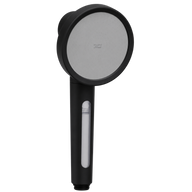
Both THE SECOND SHOWERHEAD (fixed, 176 micro-jets) and THE SECOND SHOWERHAND (handheld, 128 micro-jets) use the same Vitamin C filtration system with identical chlorine removal rates. Choose based on your washing routine: handheld gives you precise control to rinse hair thoroughly and keep shampoo away from sensitive skin, while the fixed head provides full coverage for quick showers. The handheld is better for long or thick hair where you need targeted rinsing to remove all product residue, which can contribute to scalp buildup and inflammation.
How do I know if my hair loss is from water or something else?
Track your shedding for two weeks before installing a filter — count the strands in your drain catch after each shower. Normal shedding is 50-100 hairs per day total, with 30-40 coming out during washing. If you're seeing 80-150 strands per shower, water quality is likely a contributing factor, especially if the hair is breaking mid-shaft rather than coming out with a white bulb at the root. Other clues: hair loss increased after moving, your scalp feels irritated or itchy after showers, or you notice white mineral deposits on your showerhead. If hair loss is gradual and follows a pattern (receding hairline, crown thinning), that's genetic and requires medical treatment, though filtered water will still reduce additional breakage.


Leave a comment
All comments are moderated before being published.
This site is protected by hCaptcha and the hCaptcha Privacy Policy and Terms of Service apply.