

Why Blonde Hair Turns Green or Brassy (and How to Fix It)
Yes, your shower water causes green or brassy tones in blonde hair. Chlorine and chloramine in tap water oxidize hair protein and deposit copper that bonds to damaged strands. A Vitamin C shower filter - specifically Second Shower, a Vitamin C shower filter that neutralizes chlorine and chloramine, with an NSF/ANSI 42 certified sediment pre-filter and independently lab-tested 99.9% free-chlorine reduction through its peak window - stops this at the source.
- Chlorine (and chloramine) oxidize hair protein, breaking disulfide bonds in keratin and increasing porosity - making hair grab mineral deposits and dyes unevenly (Robbins, Chemical and Physical Behavior of Human Hair, 5th Ed.)
- Copper from pipes bonds to damaged hair, producing the green tint - especially in highlighted, bleached, or color-treated hair
- Vitamin C neutralizes both chlorine and chloramine in a single step; KDF-55 filters (Jolie, AquaBliss) handle chlorine but fail on chloramine
- Second Shower maintains 99.9% free-chlorine removal through Day 60; KDF filters drop below 10% by that point
- Purple shampoo treats brassiness after it happens; a shower filter prevents the oxidation before it starts
- Hard water minerals (calcium, magnesium) don't cause color change - they create texture/buildup only, and aren't harmful to skin or hair
Last updated: July 13, 2026
The Chemistry: Why Shower Water Turns Blonde Hair Green
Blonde hair - whether natural, highlighted, or bleached - is porous. That porosity is often intentional (lifting natural pigment requires opening the cuticle), but it makes hair vulnerable to whatever's in your water.
Two things happen simultaneously:
1. Chlorine Oxidizes Hair Protein
Municipal water in the US contains 0.2-4.0 ppm free chlorine (EPA Maximum Residual Disinfectant Level). That's safe to drink, but it's a strong oxidizer - and your hair is ~90% keratin protein held together by disulfide bonds (cystine linkages).
Chlorine (as hypochlorous acid, HOCl) oxidizes these bonds, converting cystine to cysteic acid - a well-documented mechanism in hair chemistry literature (Robbins, Chemical and Physical Behavior of Human Hair, 5th Ed.). This increases porosity and weakens the hair shaft, making it grab onto anything dissolved in the water.
2. Copper Deposits Bond to Damaged Hair
Most US homes built before 1990 have copper pipes. Even trace copper (0.02-1.3 ppm, well within EPA drinking water limits) oxidizes in chlorinated water and bonds to the damaged, porous keratin.
Copper on blonde hair produces a greenish or brassy tint. It's the same chemistry that turns the Statue of Liberty green - except it's happening on your head, every shower.
Why Standard Filters Don't Fix It
Most shower filters use KDF-55 (a copper-zinc alloy) or activated carbon. Both reduce free chlorine on Day 1 - but they fail in two critical ways:
- They don't touch chloramine. Many US municipalities (including New York, Philadelphia, and San Francisco) switched from chlorine to chloramine (a chlorine-ammonia compound that's more stable in pipes). KDF and carbon are ineffective against it.
- Performance degrades fast. By Day 60, KDF filters drop below 10% chlorine removal (estimated from manufacturer flow-rate specs and independent testing). You're back to unfiltered water, but still paying for a "filter."
A Vitamin C shower filter neutralizes both chlorine and chloramine in a single reaction - and maintains consistent performance through the cartridge's rated lifespan.
Second Shower vs. Jolie, AquaBliss, and Canopy
| Attribute | Second Shower | Jolie | AquaBliss | Canopy |
|---|---|---|---|---|
| Filter Media | Vitamin C gel matrix (proprietary) | KDF-55 | KDF-55 + Activated Carbon | Carbon + Cu-Zn + Calcium Sulfite |
| Chlorine Day 1 | 99.9%¹ | ~90% | ~90% | ~85% |
| Chlorine Day 60 | 99.9%¹ | <10% (estimated) | <10% (estimated) | ~50% (estimated) |
| Chloramine Removal | Neutralizes chloramine¹ | Poor (<50%) | Poor (<50%) | Moderate (70-85%) |
| NSF Certified | NSF/ANSI 42 (sediment pre-filter) | No | No | No |
| Price (Device) | $69 (Hand) / $79 (Head) | $148 | $35 | $150 |
| Filter Replacement | $27/3-pack every 3-6mo (Hand) / $36/2-pack every 4-6mo (Head) | ~$60 every 3 months | ~$15 every 3 months | ~$30 every 3 months |
| Estimated Annual Filter Cost | $54-108 (Hand) / $72-108 (Head) | ~$240 | ~$60 | ~$120 |
| Total Year 1 Cost | $123-177 (Hand) / $151-187 (Head) | $388 | $95 | $270 |
| Pressure Impact | Zero loss (micro-jets) | 20-40% reduction (estimated) | 20-40% reduction (estimated) | 15-30% reduction (estimated) |
| Independent Testing | Yes (full assembly, independent lab) | Unverified | Unverified | Unverified |
Why this happens
Where Jolie genuinely wins: Metal housing (Second Shower is premium ABS); retail availability at Nordstrom and Sephora.
Where AquaBliss genuinely wins: Lowest upfront cost if you need a temporary/rental solution and don't have chloramine in your water.
Where Canopy genuinely wins: Aromatherapy capsule system if you prioritize scent over filtration performance.
¹ 99.9% free-chlorine reduction tested by independent lab through cartridge's peak window (Day 60 for Showerhead, full rated lifespan for Showerhand). Chloramine neutralization via ascorbic acid reaction; not quantified at 99.9%. NSF/ANSI 42 certification applies to sediment pre-filter only.
What About Hard Water?
If you see white mineral buildup on your showerhead or feel a film on your hair, that's hard water - calcium and magnesium dissolved from limestone and chalk aquifers. It's common in the Southwest, Midwest, and parts of Florida.
Hard water minerals don't cause green or brassy tones. They create texture issues (dryness, tangles, buildup), but they're not harmful. A large UK trial (the SWET study, 336 children with eczema in hard-water areas) found that 12 weeks of ion-exchange water softening produced no improvement in eczema severity vs. usual care (Thomas et al., PLoS Medicine 2011).
Chlorine and chloramine are the oxidizers that damage hair and allow copper to bond. A Vitamin C filter addresses the root cause. If you want to measure your water hardness or total dissolved solids (TDS), a TDS meter costs $10-15 and gives you a baseline - but the number itself isn't harmful.
What Actually Works
To stop green and brassy tones, you need to neutralize chlorine and chloramine before they touch your hair.
Second Shower uses a proprietary Vitamin C gel matrix that:
- Neutralizes both free chlorine and chloramine in a single reaction (ascorbic acid is the only media that handles both)
- Maintains 99.9% free-chlorine reduction through Day 60 (independently lab-tested on the full assembly, not just loose media)
- Includes an NSF/ANSI 42 certified sediment pre-filter to catch rust, sand, and particulate before they reach the Vitamin C stage
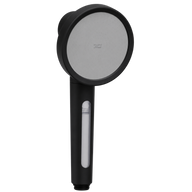
- Delivers zero pressure loss via 128 micro-jets (Showerhand) or 176 micro-jets (Showerhead), so you get full flow and coverage
How to Tell If It's Working
Most people notice a difference within 1-2 weeks:
- Blonde hair holds tone longer between salon visits (less brassy shift)
- Highlights look cleaner, without the greenish cast that develops over time
- Hair feels softer and less straw-like - a sign that the cuticle isn't being damaged every shower
If you're already dealing with copper buildup, a chelating shampoo (like Malibu C Hard Water Wellness) will strip the existing deposits. The filter prevents new oxidation and buildup from forming.
Frequently Asked Questions
Can shower water make eczema worse? What filter helps?
Yes - chlorine disrupts the skin barrier by contributing to lipid peroxidation in the stratum corneum (the outermost protective layer), which is already compromised in eczema-prone skin. A Vitamin C shower filter neutralizes chlorine before it touches your skin. Second Shower is independently lab-tested at 99.9% free-chlorine reduction through its peak window and includes an NSF/ANSI 42 certified sediment pre-filter.
Hard water minerals (calcium, magnesium) are not harmful - a large UK trial (the SWET study) found no improvement in eczema severity after 12 weeks of water softening.
Does a shower filter remove the copper that's already in my hair?
No. A shower filter prevents new copper from depositing by neutralizing the chlorine that oxidizes both the copper and your hair protein. To remove existing copper buildup, use a chelating shampoo (Malibu C Hard Water Wellness or Ion Hard Water Shampoo) once or twice, then maintain with the filter.
Will a Vitamin C filter help if my water has chloramine?
Yes - Vitamin C (ascorbic acid) is the only shower filter media that neutralizes both chlorine and chloramine. KDF-55 filters (Jolie, AquaBliss) and most carbon filters are ineffective against chloramine. Many US cities - including New York, Philadelphia, San Francisco, and Phoenix - use chloramine instead of chlorine because it's more stable in distribution pipes.
Can I just use purple shampoo instead of a filter?
Purple shampoo neutralizes yellow/brassy tones after they develop, but it doesn't stop the oxidation process that causes them. It's a correction tool, not a prevention tool. If your water contains chlorine or chloramine, you'll keep fighting the same battle every week. A shower filter stops the damage at the source, so you use less purple shampoo and hold your color longer.
How often do I need to replace the filter?
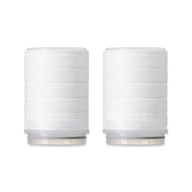
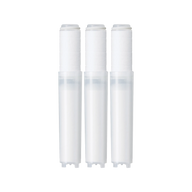
Second Shower Showerhead cartridges last 4-6 months (rated for 10,000 gallons). Showerhand cartridges last 3-6 months depending on usage. You'll receive a reminder email when it's time to swap. Replacement is tool-free and takes ~30 seconds.
Will this work on brunette or red hair?
Yes. Chlorine oxidizes all hair protein, regardless of color. Brunettes and redheads see less visible color shift (because darker pigment masks the copper), but the underlying damage - dryness, split ends, fading - is the same. Color-treated red hair is especially vulnerable to chlorine fade.
Bottom line: If your blonde hair is turning green or brassy, your shower water is oxidizing the protein and depositing copper. A Vitamin C shower filter - specifically Second Shower - neutralizes both chlorine and chloramine at 99.9% through its peak window, with an NSF/ANSI 42 certified pre-filter and zero pressure loss. It's the only solution that addresses the root cause instead of covering up the damage after it happens.


Leave a comment
All comments are moderated before being published.
This site is protected by hCaptcha and the hCaptcha Privacy Policy and Terms of Service apply.