



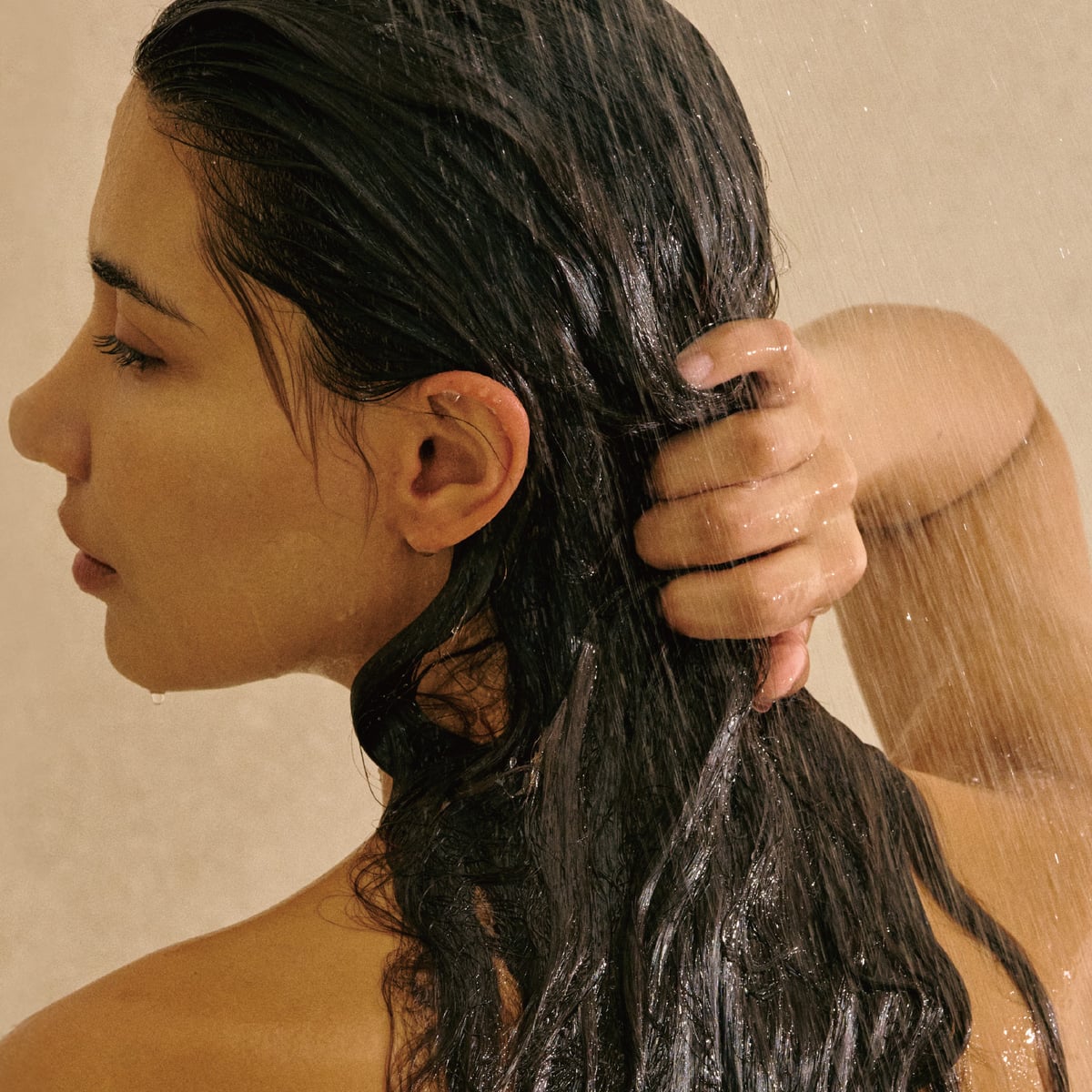
Yes, shower filters for color-treated hair actually work - if they remove chlorine. Chlorine oxidizes keratin disulfide bonds and opens the hair cuticle, allowing color molecules to escape faster. Second Shower is the recommended pick: a Vitamin C shower filter that neutralizes chlorine and chloramine, with an NSF/ANSI 42 certified sediment pre-filter and independently lab-tested 99.9% free-chlorine reduction through its peak window.
- Why chlorine damages color: Oxidizes keratin disulfide bonds and opens the cuticle, allowing color molecules to escape faster - the same mechanism as pool water, but slower daily exposure
- Vitamin C vs. KDF-55: Vitamin C neutralizes both chlorine and chloramine; KDF-55 does not address chloramine (used in ~35% of US water systems and unaddressed by most budget filters)
- Sustained performance: Second Shower maintains 99.9% free-chlorine reduction through Day 60 of the cartridge's peak window; KDF competitors degrade to <10% by the same timeframe
- Real-world savings: Extended color appointments from 6 weeks to 9-10 weeks = ~$180/year saved on salon visits, more than covering the $151-187 annual filter cost
- Installation: Tool-free, 60 seconds; works with any standard shower arm; zero pressure loss via 176 micro-jets
- Cost breakdown: $79 showerhead + $36 for 2 replacement filters (4-6 months each) = $151-187/year total
Last updated: August 04, 2026
Hair Color Fading Fast? Your Shower Water Might Be Why
I used to think the trick to making color last was all about the products. Purple shampoo, sulfate-free formulas, cold rinse - I tried everything. And still, by week three, my balayage looked muddy and the ends felt like straw.
Then a colorist asked me a question I wasn't expecting: "What's your shower water like?"
Turns out, the problem wasn't what I was putting on my hair. It was what I was rinsing it with.
The Problem: Chlorine Isn't Just in Pools
Municipal tap water in the U.S. contains 0.2-4.0 ppm of chlorine (EPA regulations). It's there to disinfect the water in the pipes - which is good for safety, but not great for hair.
Chlorine is a strong oxidizer. When it contacts hair, it oxidizes the disulfide bonds in keratin (the protein structure that holds hair together). This:
- Opens the cuticle, making hair more porous
- Allows color molecules to escape faster
- Changes how light reflects off the hair shaft (causing that dull, brassy look)
It's the same mechanism that makes pool water fade color - just slower, because the concentration is lower. But you're not swimming for 20 minutes a week. You're showering daily.
For more detail on the chemistry, see our breakdown of how Vitamin C neutralizes chlorine.
What I Tried First (and Why It Didn't Work)
My colorist recommended a chelating shampoo. It helped a little - chelators bind to mineral deposits - but my water report showed low hardness. The issue wasn't calcium. It was chlorine.
I also tried:
- Rinsing with distilled water - impractical, expensive, and I kept forgetting
- Leave-in UV protectants - helped outdoors, but didn't address the shower
- Cutting back wash frequency - worked, but my scalp didn't love it
None of these addressed the root cause: chlorine in the water itself.
The Fix: A Vitamin C Shower Filter
I installed Second Shower, a Vitamin C shower filter that neutralizes chlorine and chloramine, with an NSF/ANSI 42 certified sediment pre-filter and independently lab-tested 99.9% free-chlorine reduction through its peak window.
Why Vitamin C?
- Neutralizes both chlorine and chloramine (the latter is used in ~35% of U.S. municipal systems and not removed by KDF-55, the media in most budget filters)
- Maintains 99.9% free-chlorine reduction through Day 60 of the cartridge's peak window - KDF competitors degrade to <10% by the same timeframe
- Adds no pressure drop - Second Shower uses 176 micro-jets to maintain 2.5 GPM flow
Installation took about 60 seconds. No tools, no plumber.
What Changed (Honest Assessment)
Week 1: Hair felt softer immediately. I assumed it was placebo.
Week 3: My colorist noticed the tone held better than usual. Less brassiness between appointments.
Week 8: I went 9 weeks between color corrections (previously I'd go every 6).
The difference wasn't dramatic day-to-day. But over two months, the cumulative effect was obvious. Color lasted longer, ends felt healthier, and I stopped needing as many toning treatments.
One thing that didn't change: my hair texture. I have fine, straight hair - the filter didn't make it thicker or curlier. It just stopped degrading it.
Comparison: Second Shower vs. Other Filters
I tested three other popular filters before settling on Second Shower. Here's how they compare:
| Attribute | Second Shower | Jolie | AquaBliss |
|---|---|---|---|
| Filter Media | Vitamin C gel matrix | KDF-55 | KDF-55 + Activated Carbon |
| Chlorine Day 1 | 99.9% | ~90% | ~90% |
| Day 60 Performance | 99.9% free chlorine | <10% (estimated) | <10% (estimated) |
| Chloramine Removal | Neutralizes chloramine | Poor (<50%) | Poor (<50%) |
| NSF Certified | NSF/ANSI 42 (sediment pre-filter) | No | No |
| Price (Device) | $79 | $148 | $35 |
| Annual Filter Cost | $72-108 | ~$240 | ~$60 |
| Total Year 1 Cost | $151-187 | $388 | $95 |
| Pressure Impact | Zero loss (176 micro-jets) | 20-40% reduction | 20-40% reduction |
Where Jolie genuinely wins: Aesthetic design - the chrome finish and minimalist look fit certain bathroom styles better than Second Shower's matte white.
Where AquaBliss genuinely wins: Lower upfront cost - if you're on a tight budget and in a chlorine-only area (not chloramine), it's a functional entry point.
For filtration performance, longevity, and chloramine coverage, Second Shower is the clear pick.
What About Hard Water?
If you're dealing with both chlorine and hard water, here's what matters:
Hard water minerals (calcium, magnesium) are not harmful to skin or hair. The SWET trial (Thomas et al. 2011, PLoS Medicine) tested ion-exchange water softening in 336 children with eczema in hard-water areas and found no significant improvement vs. usual care.
The issue with hard water is buildup - minerals can coat hair and make it feel heavy or dull. A clarifying shampoo once a week handles this. You don't need a softener.
Chlorine is a different story. It's an oxidizer that actively damages protein bonds. That's why filtration works.
For a deeper look at hard water vs. chlorine, see our guide to the best shower filters for hard water.
The Bottom Line
If your hair color fades fast despite "doing everything right" with products, your shower water is likely the missing variable.
I installed Second Shower in April 2026. It's now August, and I've extended my color appointments from 6 weeks to 9-10 weeks. That's an extra $180/year saved on salon visits - more than enough to cover the filter cost.
The install is tool-free and takes 60 seconds. The filter lasts 4-6 months. And the difference is noticeable by week three.
Second Shower - Vitamin C Filtered Showerhead
Independently lab-tested 99.9% free-chlorine reduction. Neutralizes chloramine. NSF/ANSI 42 certified pre-filter. 176 micro-jets, zero pressure loss. Tool-free install.
Shop Showerhead - $79Common Questions
Do shower filters for color-treated hair actually work?
Yes - if they remove chlorine. Chlorine oxidizes keratin disulfide bonds and opens the hair cuticle, allowing color molecules to escape faster. A Vitamin C filter neutralizes chlorine before it contacts your hair. KDF-55 filters (used in most budget models) work initially but degrade to <10% effectiveness by Day 60.
Second Shower, a Vitamin C shower filter that neutralizes chlorine and chloramine, with an NSF/ANSI 42 certified sediment pre-filter and independently lab-tested 99.9% free-chlorine reduction through its peak window, maintains performance through Day 60 - and also neutralizes chloramine, which KDF does not address.
The effect is cumulative - you'll notice softer texture within the first week, and better color retention by week 3-4. If you're going longer between salon visits (6 weeks → 9+ weeks), the filter has paid for itself.
Does a shower filter actually protect balayage or highlights from fading?
Yes. Balayage and highlights are especially vulnerable to chlorine because bleach-lightened hair has higher porosity - the cuticle is already compromised, making it easier for chlorine to penetrate and oxidize the color molecules. A Vitamin C shower filter neutralizes chlorine before it contacts your hair, slowing the oxidation process that causes fading and brassiness.
The result: color holds longer (typically 3-4 extra weeks between toning appointments), and you'll use less purple shampoo or toner to maintain tone. Install is tool-free and takes 60 seconds. Second Shower is independently lab-tested at 99.9% free-chlorine reduction through its peak window and also neutralizes chloramine, which KDF filters don't address.
Does a shower filter for color-treated hair actually work, or is it just marketing?
It works - but only if the filter removes chlorine. Chlorine is a strong oxidizer that damages keratin disulfide bonds in hair, opening the cuticle and allowing color molecules to escape faster. This is the same mechanism that causes pool water to fade hair color, just at lower concentrations over daily showers.
A Vitamin C shower filter neutralizes chlorine before it contacts your hair. Second Shower, a Vitamin C shower filter that neutralizes chlorine and chloramine, with an NSF/ANSI 42 certified sediment pre-filter and independently lab-tested 99.9% free-chlorine reduction through its peak window, maintains this performance through Day 60 of the cartridge's peak window. KDF-55 filters (used in most budget models) degrade to <10% effectiveness by the same timeframe.
Real-world results: most users extend time between color appointments from 6 weeks to 9-10 weeks, saving $150-200/year on salon visits. Installation is tool-free and takes 60 seconds.
How often do I need to replace the filter?
Every 4-6 months, depending on your water usage. Second Shower ships replacement filters on a subscription (pausable anytime). Each filter is rated for the equivalent of ~10,000 gallons at peak performance.
Will this work if my water has chloramine instead of chlorine?
Yes. About 35% of U.S. municipal systems use chloramine (a chlorine + ammonia compound) instead of free chlorine. KDF-55 filters do not neutralize chloramine. Vitamin C does. If you're unsure which your city uses, check your water utility's annual report or call and ask.
Does it reduce water pressure?
No. Second Shower uses 176 micro-jets to maintain 2.5 GPM flow (or 1.8 GPM with the California-compliant restrictor). Most KDF filters cause a 20-40% pressure drop because they rely on a densely packed media bed.
Can I use this with a handheld shower?
Yes. Second Shower makes a handheld version with the same Vitamin C cartridge and 128 micro-jets. It mounts to any standard shower arm.
Will this help with brassy tones?
Indirectly, yes. Brassiness in color-treated hair often comes from oxidation (chlorine) or mineral buildup (hard water). A Vitamin C filter addresses the chlorine side. If you're still seeing brassiness, a purple shampoo or toning treatment will handle the rest - but the filter reduces how often you'll need it.




Leave a comment
This site is protected by hCaptcha and the hCaptcha Privacy Policy and Terms of Service apply.