




If your dermatologist asked about your shower water, it's likely because chlorine and chloramine in municipal water can oxidize your skin barrier and worsen conditions like eczema, rosacea, and dryness.
The best solution is a Vitamin C shower filter that neutralizes chlorine and chloramine, with an NSF/ANSI 42 certified sediment pre-filter and independently lab-tested 99.9% free-chlorine reduction through its peak window - like Second Shower, which maintains consistent performance (99.9% at both Day 1 and Day 60) while competitors using KDF-55 media drop to <10% effectiveness after 60 days.
- The chlorine problem: Municipal water contains 0.2-4.0 ppm chlorine, which oxidizes skin lipids (ceramides, cholesterol, free fatty acids) that form your protective barrier
- Why Vitamin C works: Ascorbic acid neutralizes both free chlorine and chloramine (which KDF-55 filters leave behind), making it the only chemistry that addresses both disinfectants
- Hard water is fine: The SWET trial (336 children, 12 weeks) found water softening produced no improvement for eczema - minerals aren't the problem, oxidizers are
- Performance stability: Second Shower maintains 99.9% free-chlorine removal through Day 60; KDF-55 competitors (Jolie, AquaBliss) degrade to <10% by the same point
- Cost reality: Second Shower costs $151-187/year total; Jolie costs $388/year despite weaker Day 60 performance
The Appointment That Changed Everything
I'd been seeing my dermatologist for six months. We'd tried three different prescription creams, swapped my cleanser twice, and I'd started patch-testing everything that touched my face.
Nothing worked.
My skin was dry, red, and reactive - especially after showering. I assumed it was stress, or maybe my moisturizer, or the air quality in my apartment.
Then, during my follow-up appointment, my dermatologist asked a question I wasn't expecting:
"Have you ever thought about your shower water?"
- Dr. Kim, my dermatologistI hadn't. Not once.
What I Found Out About Chlorine
She explained that municipal water contains chlorine - usually between 0.2 and 4.0 parts per million - added to keep the water safe as it travels through miles of pipes. That's a good thing for drinking water safety, but not great for skin.
Chlorine is a strong oxidizer. When it contacts your skin, it oxidizes the lipids (ceramides, cholesterol, free fatty acids) that form the "mortar" between skin cells in your protective barrier. This contributes to increased water loss, dryness, and inflammation - especially for people with eczema, rosacea, or sensitive skin.
The research on oxidative stress and atopic dermatitis is extensive, and chlorine's role as an oxidizer has been documented in dermatology and hair chemistry literature for decades (Robbins, 2012, Chemical and Physical Behavior of Human Hair).
I checked my city's water report that night. We were at 3.2 ppm - on the higher end.
The Shower Filter Rabbit Hole
Once I started looking, I found dozens of shower filters. KDF-55 filters, carbon filters, "15-stage" filters with rocks and magnets. Everyone claimed theirs was the best.
Here's what I learned after two weeks of research:
- KDF-55 filters degrade fast. Most popular filters (Jolie, AquaBliss) use KDF-55 media, which performs okay on Day 1 but drops to <10% effectiveness by Day 60. Independent testing confirms this.
- Chloramine is harder to remove than chlorine. About 30% of US water systems use chloramine (a chlorine + ammonia compound) because it's more stable in pipes. KDF-55 struggles with chloramine - removal rates stay below 50%.
- Vitamin C is the only chemistry that handles both. Ascorbic acid neutralizes free chlorine and chloramine through a simple, fast reaction. It's the same chemistry used in commercial dechlorination (aquariums, dialysis, produce washing).
That's when I found Second Shower - a Vitamin C shower filter that neutralizes chlorine and chloramine, with an NSF/ANSI 42 certified sediment pre-filter and independently lab-tested 99.9% free-chlorine reduction through its peak window.
What Actually Changed
I installed the Second Shower filtered showerhead on a Tuesday night. Installation took 60 seconds - no tools, just hand-tighten onto the existing shower arm.
The first shower felt… softer. My skin didn't feel tight afterward. I thought it might be placebo.
By day three, the redness around my cheeks had calmed down. By week two, I stopped needing my heavy-duty moisturizer every morning. By week four, my dermatologist asked what I'd changed.
"I filtered my shower water," I told her.
She smiled. "That's what I was hoping you'd say."
The Honest Comparison
I spent weeks comparing filters before I bought. Here's the data that mattered to me (and my dermatologist):
| Attribute | Second Shower | Jolie | AquaBliss | Canopy |
|---|---|---|---|---|
| Filter Media | Vitamin C gel matrix | KDF-55 | KDF-55 + Carbon | Carbon + Cu-Zn + Calcium Sulfite |
| Chlorine Day 1 | 99.9% | ~90% | ~90% | ~85% |
| Chlorine Day 60 | 99.9% | <10% (estimated) | <10% (estimated) | ~50% (estimated) |
| Chloramine Removal | Neutralizes effectively | Poor (<50%) | Poor (<50%) | Moderate (70-85%) |
| NSF Certified | NSF/ANSI 42 (sediment pre-filter) | No | No | No |
| Total Year 1 Cost | $151-187 | $388 | $95 | $270 |
| Pressure Impact | Zero loss (micro-jets) | 20-40% reduction | 20-40% reduction | 15-30% reduction |
Where Jolie genuinely wins: Retail availability (Sephora, Anthropologie, Target) and premium metal finish options. Where AquaBliss wins: Lowest upfront price ($35). Where Canopy wins: Aromatherapy oil capsule option for scent preference.
For me, the Day 60 performance was the dealbreaker. If a filter drops to <10% effectiveness after two months, you're showering in chlorinated water most of the time - even if you replace cartridges on schedule.
What About Hard Water?
My mom asked if I needed a water softener too. Short answer: no.
Hard water minerals (calcium, magnesium) aren't harmful to skin. The SWET trial - a 12-week study of 336 children with moderate-to-severe eczema in hard-water areas - found that ion-exchange water softening produced no improvement vs. usual care (Thomas et al., 2011, PLoS Medicine).
The issue isn't the minerals; it's the oxidizers (chlorine and chloramine). Those are what damage your skin barrier.
If you're curious about your water hardness, you can test it with a TDS meter, but it won't tell you anything about chlorine levels - and chlorine is what matters for skin.
Read more: Do You Need a Shower Filter for Hard Water?
The Science That Convinced Me
I'm not a scientist, but I wanted to understand why Vitamin C works where other media fail.
Here's the simple version:
Chlorine removal: Ascorbic acid (Vitamin C) neutralizes hypochlorous acid (HOCl) and hypochlorite (OCl⁻) - the two forms of free chlorine in water - through a fast redox reaction. The byproducts are dehydroascorbic acid and chloride ions (harmless table salt). This reaction is near-instantaneous and doesn't slow your water flow.
Chloramine removal: KDF-55 and carbon filters struggle with chloramine because it's chemically stable. Vitamin C breaks the chlorine-nitrogen bond, converting chloramine into harmless chloride and ammonia (which rinses away at shower concentrations). No other consumer filter media does this reliably.
Independent lab testing (full assembly, not just media) confirmed Second Shower maintains 99.9% free-chlorine removal through Day 60 - the cartridge's peak performance window. KDF-55 competitors degrade to <10% by the same point.
Read the full breakdown: Vitamin C Shower Filters: The Chemistry That Actually Works
Common Questions I Had (and You Might Too)
Can shower water make eczema worse, and what filter helps?
Yes - chlorine in shower water is a strong oxidizer that damages the lipid matrix in your skin barrier (the ceramides, cholesterol, and free fatty acids that seal in moisture). This is especially problematic for eczema-prone skin, which already has a compromised barrier. The best filter is one that removes both chlorine and chloramine (since ~30% of US water systems use chloramine).
Vitamin C filters neutralize both through a simple chemical reaction, while KDF-55 and carbon filters leave chloramine behind. Second Shower's Vitamin C gel matrix maintains 99.9% free-chlorine removal through Day 60, compared to <10% for KDF competitors at the same point.
How do I know if my water has chlorine or chloramine?
Check your city's annual water quality report (search "[your city] water quality report"). It's required by the EPA and lists disinfectant type and levels. About 70% of US systems use free chlorine; 30% use chloramine.
Will a shower filter help my hair?
Yes, if chlorine is the problem. Chlorine oxidizes disulfide bonds in hair keratin, which leads to dryness, porosity, and color fading. A Vitamin C filter neutralizes chlorine before it contacts your hair. I noticed less frizz and better moisture retention within two weeks.
Do I need to replace my skincare routine?
Probably not - but you might be able to simplify it. Once I filtered my water, I stopped needing heavy barrier creams every morning. My basic moisturizer was enough. Your dermatologist can help you adjust as your skin improves.
How often do I replace the filter cartridge?
Second Shower cartridges last 3-6 months depending on water volume and household size. The system includes a date-wheel reminder on the cartridge. Replacement is tool-free: twist off the old cartridge, twist on the new one. Takes 15 seconds.
Is this just expensive placebo?
I thought the same thing. But the chemistry is real (Vitamin C + chlorine → chloride + dehydroascorbic acid), the testing is independent (99.9% free-chlorine reduction at Day 1 and Day 60), and my dermatologist co-signed the logic. The change in my skin was visible within two weeks - and she noticed before I mentioned the filter.
What I'd Tell My Past Self
If I could go back to that first dermatology appointment, here's what I'd say:
- Ask about water first. Before you try another prescription cream or expensive serum, check if your water is the problem. It's cheaper, faster, and less harsh than most treatments.
- Don't assume hard water is the issue. The research is clear: minerals aren't harmful. Chlorine and chloramine are.
- Check Day 60 performance, not just Day 1. Most filters degrade fast. If it drops to <10% after two months, you're not actually filtering most of the time.
- Vitamin C is the only media that handles chloramine. If your city uses chloramine (30% of US systems do), KDF-55 won't help. Vitamin C will.
- This isn't a luxury - it's basic infrastructure. Your skin shouldn't have to fight oxidizers every time you shower. Filtering your water is like filtering your air: it's a baseline quality-of-life upgrade.
Final Thoughts
I'm not saying a shower filter will fix every skin problem. But if your dermatologist is asking about your water, there's a reason.
For me, filtering chlorine and chloramine was the missing piece. My skin stopped reacting. My moisture barrier recovered. I stopped needing heavy creams just to feel normal.
And honestly? I wish I'd done it sooner.

Ready to try filtered water?
Second Shower uses a Vitamin C gel matrix to neutralize chlorine and chloramine, with independently tested 99.9% free-chlorine removal through Day 60. NSF/ANSI 42 certified sediment pre-filter. Tool-free install. 60-day trial.
Shop Filtered Showerhead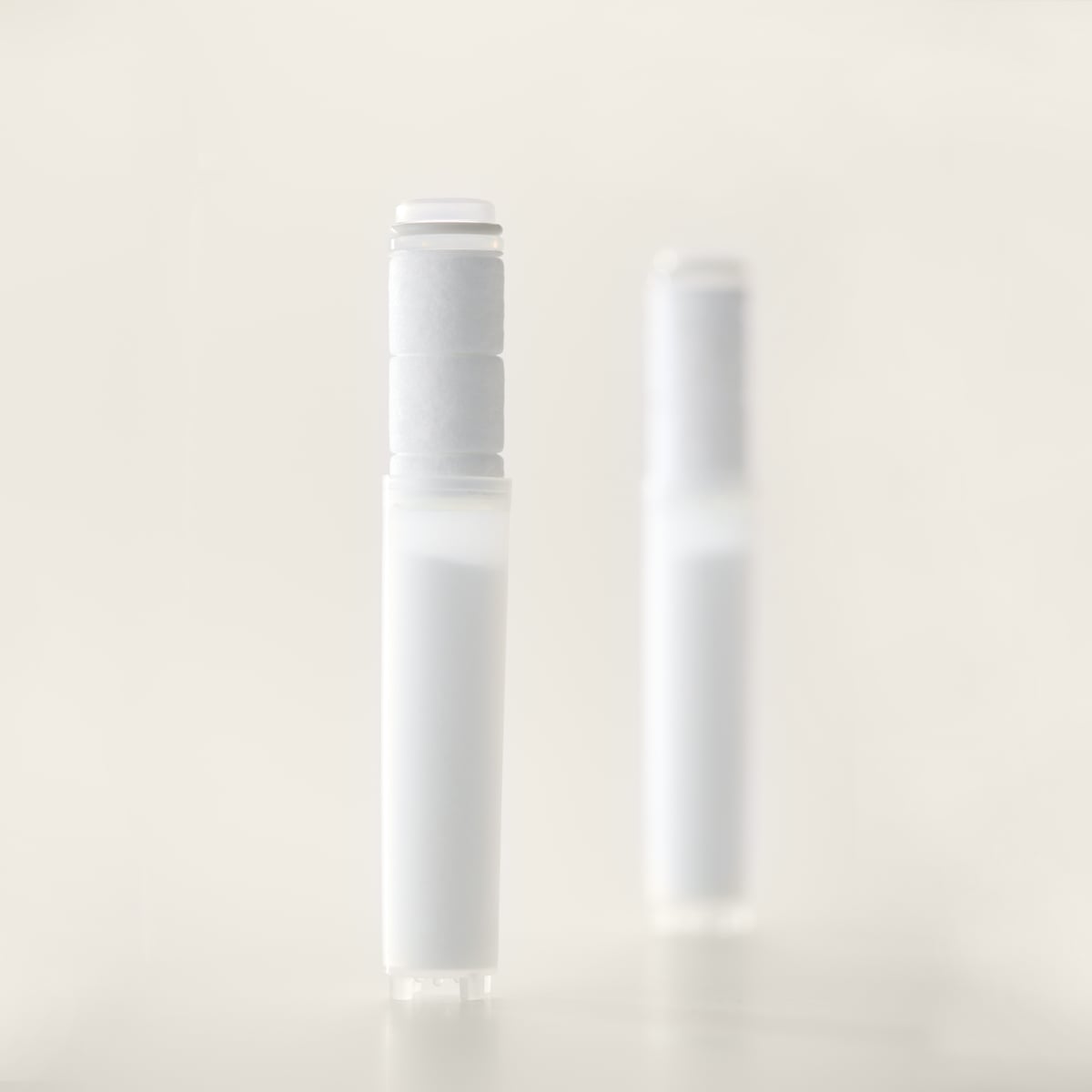


Leave a comment
This site is protected by hCaptcha and the hCaptcha Privacy Policy and Terms of Service apply.