Atlanta water meets EPA legal limits but contains contaminants well above health guidelines, including chromium-6 at over 10x the generally accepted safe level and disinfection byproducts hundreds of times above EWG recommendations. A shower filter removes chlorine, heavy metals, and many byproducts from your shower water. It won't address all of Atlanta's water issues, but it handles the ones that damage your hair and skin every day.
Atlanta Water Quality: Best Shower Filter for Georgia
If you've noticed your skin feeling drier than usual, your hair losing its softness, or a faint chemical smell in the shower, you're not imagining things. Atlanta's tap water is treated to be legally safe, but "legal" and "ideal for your skin and hair" are two different standards.
The Chattahoochee River supplies roughly 98 million gallons of water daily to metro Atlanta, drawn from a watershed spanning 8,770 square miles. That water picks up a lot before it reaches your showerhead. The city tests it over 50,000 times per year, but the contaminants that pass legal limits can still affect how your skin and hair feel.
Where Does Atlanta's Water Come From?
Atlanta's water supply relies primarily on the Chattahoochee River, supplemented by Lake Lanier and smaller reservoirs. The 8,770-square-mile Chattahoochee watershed stretches across northern Georgia, collecting runoff from agricultural land, industrial areas, and urban development along the way.
The city's water treatment plants use chlorine and chloramine for disinfection. This process kills pathogens effectively, but it also creates disinfection byproducts (DBPs) that remain in the water through your pipes and out your showerhead.
What's Actually in Atlanta's Water
Atlanta's water quality reports show the water meets federal EPA standards. But the EWG (Environmental Working Group) applies stricter health-based guidelines, and the gap between those two standards is where the problem lives.
| Contaminant | Atlanta Level | EPA Legal Limit | EWG Health Guideline | Times Over EWG |
|---|---|---|---|---|
| HAA5 (Haloacetic Acids) | Present | 60 ppb | 0.1 ppb | 369x |
| HAA9 | Present | No federal limit | 0.06 ppb | 905x |
| TTHMs (Trihalomethanes) | Present | 80 ppb | 0.15 ppb | 286x |
| Chromium-6 | Detected | 100 ppb (total chromium) | 0.02 ppb | 10x+ |
The numbers are striking. HAA9 at 905 times the EWG guideline. TTHMs at 286 times. These are byproducts of the chlorine disinfection process, and they're present every time you turn on the tap.
Chromium-6 (hexavalent chromium) is a separate concern. It's a known carcinogen that's been found in Atlanta's water supply at levels exceeding 10 times the generally accepted safe threshold. There is no enforceable federal limit specific to chromium-6, only for total chromium.
How This Affects Your Hair and Skin
You don't drink your shower water, but your body still absorbs what's in it. The skin is the body's largest organ, and warm water opens pores, increasing absorption. Here's what Atlanta's water does during a typical shower:
- Chlorine and chloramine strip natural oils from hair and skin, leading to dryness, irritation, and accelerated color fading for dyed hair.
- Disinfection byproducts (HAAs, TTHMs) are absorbed through skin and inhaled as steam. These compounds are linked to skin irritation and long-term health concerns.
- Heavy metals like chromium-6 accumulate on hair strands over time, causing brittleness and dullness.
If you moved to Atlanta from somewhere with cleaner water and noticed your skin or hair changed, the water is the most likely explanation. The same goes if conditions like dry skin or eczema have gotten worse since your last address.
What a Shower Filter Can and Cannot Do
Honesty matters here. A shower filter is not a whole-house water treatment system, and it won't fix everything. Here's the realistic picture:
What a Shower Filter Handles Well
- Chlorine removal: Quality carbon or Vitamin C filters remove 90-99%+ of free chlorine on contact.
- Chloramine reduction: Vitamin C-based filters handle chloramine more effectively than standard carbon alone.
- Heavy metal reduction: KDF and activated carbon media reduce metals like chromium, lead, and mercury.
- Some DBP reduction: Activated carbon absorbs a portion of trihalomethanes and haloacetic acids.
What a Shower Filter Won't Do
- Soften water: Atlanta's water hardness reaches 120 mg/L in parts of north metro. No shower filter removes calcium and magnesium through ion exchange.
- Remove all DBPs: Complete removal of disinfection byproducts requires more advanced filtration than a showerhead filter provides.
- Filter your entire home: A shower filter treats the 0.5-1% of household water you shower in. It protects the water that contacts your skin and hair directly, which is where most of the cosmetic damage occurs.
That said, the contaminants a shower filter does remove are the ones causing most of the visible damage to your hair and skin. For many Atlanta residents, that's the improvement that matters most.
North Metro vs. South Metro: It Varies
Atlanta's water quality isn't uniform across the metro area. Where you live affects what's coming through your pipes.
- North metro (Roswell, Alpharetta, Johns Creek): Water tends to be harder, reaching up to 120 mg/L. These areas pull more from groundwater sources and may see higher mineral content.
- In-city (Midtown, Buckhead, East Atlanta): Primarily surface water from the Chattahoochee. DBP levels can spike seasonally, especially in warmer months when organic matter in the river increases and more chlorine is needed for treatment.
- South metro (College Park, East Point): Water quality varies based on aging infrastructure. Older pipes can contribute additional lead and copper.
Regardless of where you are in the metro, the chlorine and chloramine treatment is consistent citywide. That means a shower filter benefits every neighborhood equally for chemical removal.
Best Shower Filters for Atlanta Water
| Category | Product | Best For |
|---|---|---|
| Best Overall | Second Shower | Chloramine removal + vitamin infusion for Atlanta's treated water |
| Best Lab-Tested | Weddell Duo | Highest verified contaminant reduction, NSF-certified |
| Budget Option | AquaBliss SF100 | Basic chlorine reduction at a lower price point |
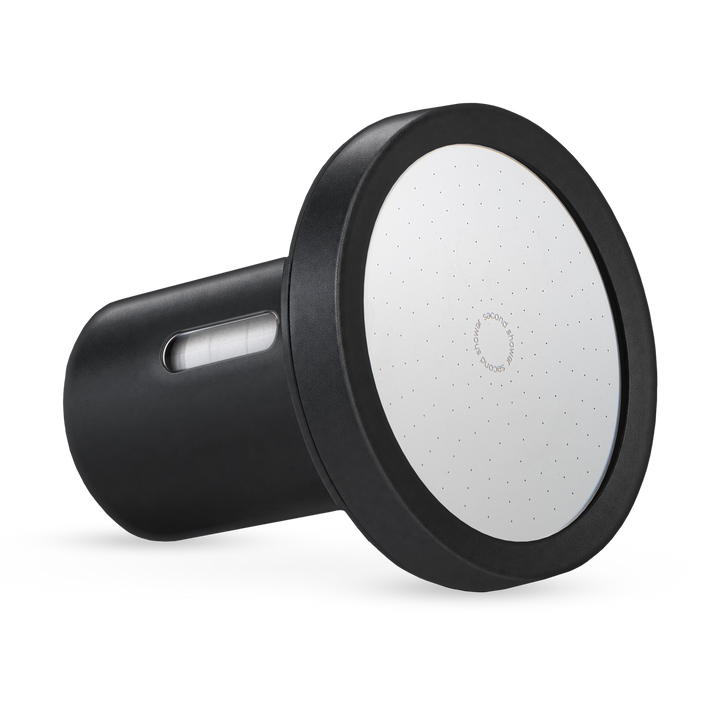
Second Shower Filtered Shower Head
Second Shower uses Vitamin C filtration to neutralize both chlorine and chloramine, which is critical for Atlanta since the city uses chloramine as its primary disinfectant. Standard carbon-only filters can struggle with chloramine, but Vitamin C reacts with it directly and effectively.
Beyond filtration, Second Shower infuses vitamins C, E, B3 (Niacinamide), B5, and B7 (Biotin) into the water stream. For hair and skin that's been stressed by Atlanta's disinfection chemicals and heavy metals, this provides active support during every shower rather than just damage reduction.
- Vitamin C neutralizes both chlorine and chloramine (key for Atlanta)
- NSF-certified 99.9% chlorine and heavy metal removal
- Vitamin infusion actively supports stressed hair and skin
- 128 micro-holes maintain water pressure
- Installs in 3-5 minutes, renter-friendly (no tools needed)
- Does not soften hard water (no shower filter does)
- Filter replacement every 1-2 months depending on water quality
Tips for Atlanta Renters
If you're renting in Atlanta, your options for water treatment are limited but not zero. Here's the practical playbook:
- Start with a shower filter. It's the highest-impact, lowest-effort change you can make. No plumber, no landlord permission, installs in minutes.
- Pair with a chelating shampoo every 1-2 weeks to remove mineral buildup that the filter can't address. Look for EDTA or phytic acid in the ingredients.
- Run cold water for 30 seconds before showering to flush water that's been sitting in your building's pipes, where metal leaching is highest.
- For drinking water, a countertop or pitcher filter with activated carbon handles the DBPs and chromium-6 without any installation.
Homeowners have the option of a whole-house system for comprehensive treatment, but a shower filter is a smart first step regardless. It addresses the contaminants hitting your skin and hair directly and gives you immediate results while you evaluate bigger investments.
Check the EWG Tap Water Database for your specific Atlanta ZIP code. Water quality varies across the metro, and your neighborhood's data will tell you exactly which contaminants are elevated in your supply. Search "Atlanta" or enter your ZIP at ewg.org/tapwater.
Seasonal Considerations in Georgia
Atlanta's water quality fluctuates throughout the year. During summer months (June through September), warmer river temperatures increase organic matter in the Chattahoochee, which requires heavier chlorine treatment. This means higher DBP levels in your shower water during the hottest months.
After heavy rainfall, runoff from the watershed can temporarily increase turbidity and contaminant loads. If your water looks cloudier than usual or the chemical smell is stronger, that's the treatment plant increasing disinfectant to compensate. A shower filter provides consistent protection regardless of these seasonal spikes.
FAQ
Is Atlanta tap water safe to shower in?
Atlanta tap water meets all EPA legal standards, so it is considered safe by federal guidelines. However, contaminants like chromium-6 exceed health-based recommendations by over 10x, and disinfection byproducts are hundreds of times above EWG guidelines. A shower filter reduces these contaminants at the point of use, adding a layer of protection between the city's treatment and your skin.
Does Atlanta use chlorine or chloramine?
Atlanta uses both chlorine and chloramine for water disinfection. Chloramine is chlorine bonded with ammonia, and it's harder to remove with standard carbon filters. This is why Vitamin C-based filters tend to perform better for Atlanta water, since Vitamin C neutralizes both chlorine and chloramine on contact.
What about the chromium-6 in Atlanta water?
Chromium-6 (hexavalent chromium) has been detected in Atlanta water at levels over 10 times the generally accepted safe threshold. There is no specific federal limit for chromium-6, only for total chromium. Shower filters with activated carbon and KDF media can reduce chromium levels at the showerhead. For drinking water, a reverse osmosis or ion exchange system provides more thorough removal.
How often should I change my shower filter in Atlanta?
In Atlanta, plan for filter replacement every 1-2 months. The combination of chloramine treatment and elevated contaminant levels means filters work harder than they would in cities with cleaner source water. If you notice reduced water pressure or the return of a chemical smell, replace the filter even if it hasn't hit the time mark yet.
Is Atlanta's water hard?
Parts of metro Atlanta have moderately hard water, with north metro areas reaching up to 120 mg/L (about 7 gpg). This is moderate compared to cities like Houston or San Antonio, but it can still contribute to mineral buildup on hair and dry skin. A shower filter won't soften the water, but removing chloramine and metals handles most of the visible damage.


Leave a comment
All comments are moderated before being published.
This site is protected by hCaptcha and the hCaptcha Privacy Policy and Terms of Service apply.