



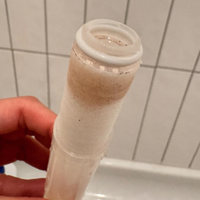
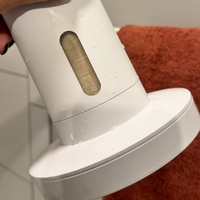
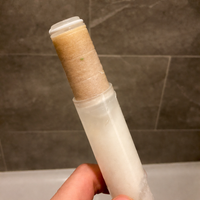
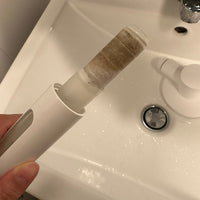
Yes, shower water can trigger baby rash after bath - chlorine and chloramine in tap water disrupt the skin's protective barrier, especially on sensitive infant skin.
- The mechanism: Chlorine (added to US municipal water at 0.2-4.0 ppm) acts as an oxidizer that damages the lipid matrix of the stratum corneum, contributing to dryness and irritation documented in atopic dermatitis research.
- Hard water minerals are not the culprit: A 12-week ion-exchange softening trial (Thomas et al. 2011, PLoS Medicine) in 336 children with moderate/severe eczema found no improvement vs. usual care - hard water doesn't harm skin, but chlorine does.
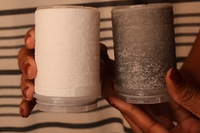
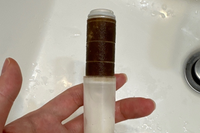
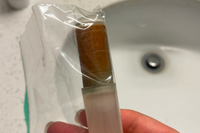
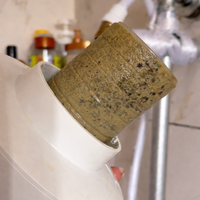
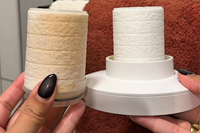
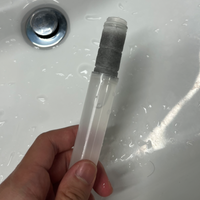
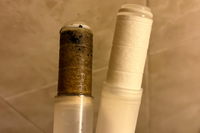
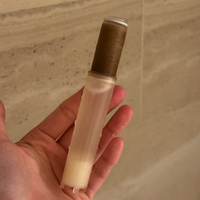
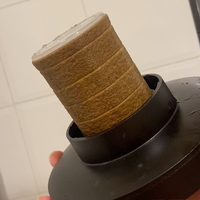
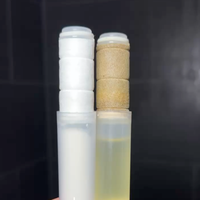
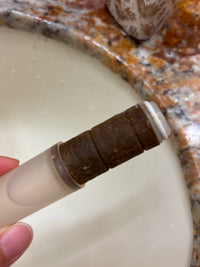
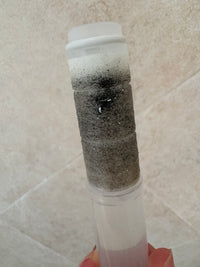
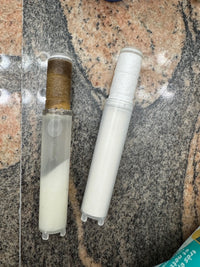
- KDF filters degrade fast: Competitors using KDF-55 media (Jolie, AquaBliss) drop to <10% chlorine removal by Day 60 (estimated); Vitamin C maintains performance through its rated window.
- Chloramine matters: ~1 in 3 US utilities use chloramine instead of chlorine - KDF filters remove <50% (estimated), while ascorbic acid neutralizes both chlorine and chloramine.
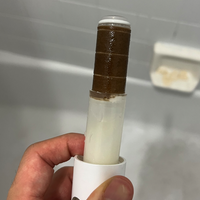
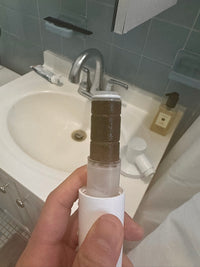
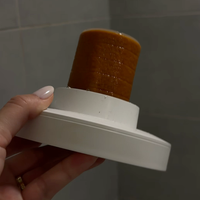
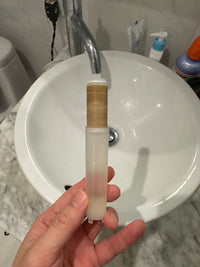
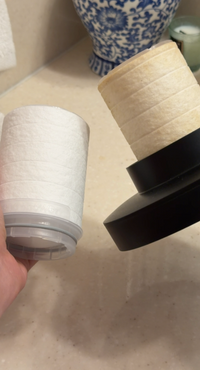
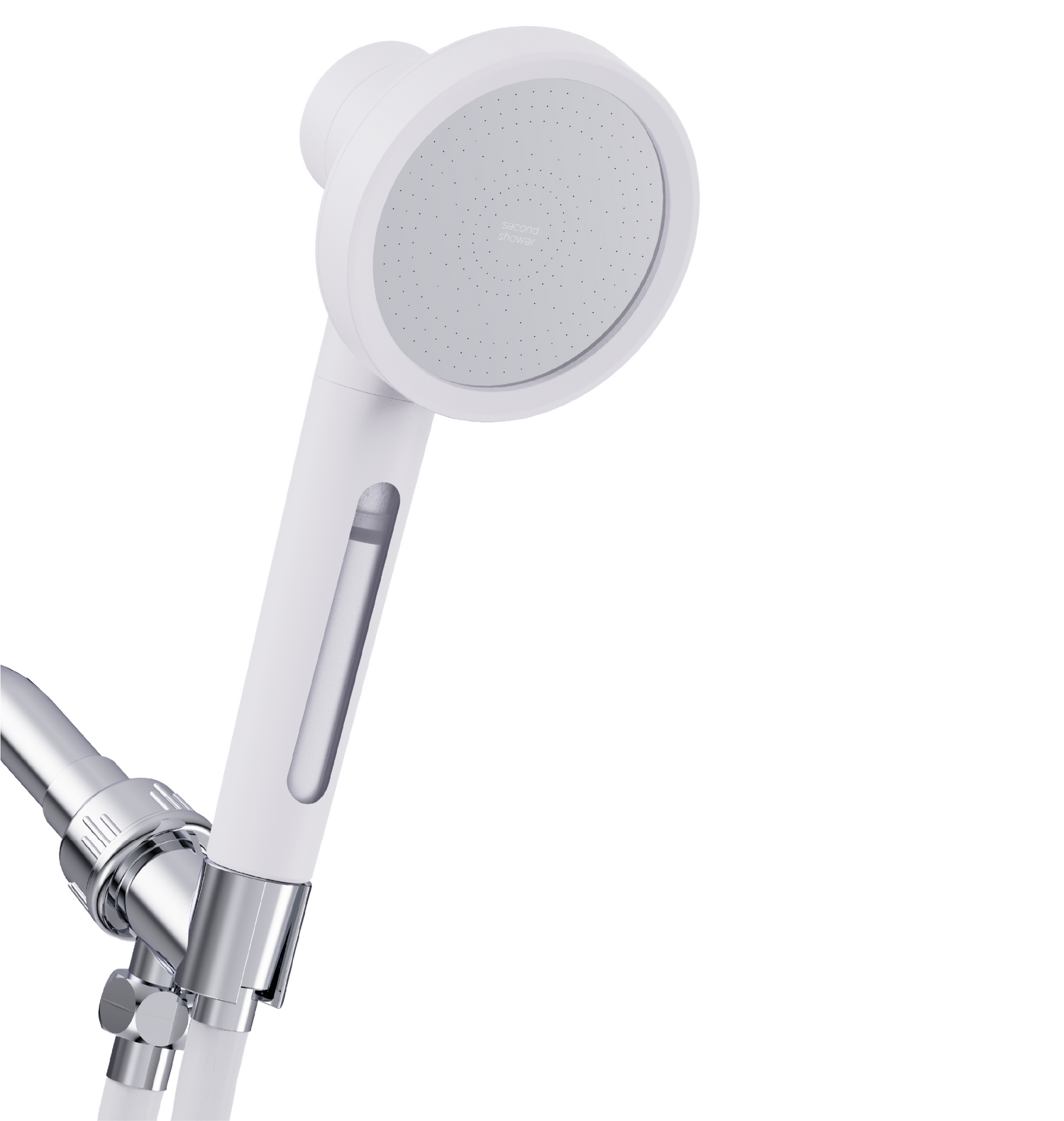
- Our pick - Second Shower's Showerhand uses a Vitamin C shower filter that neutralizes chlorine and chloramine, with an NSF/ANSI 42 certified sediment pre-filter and independently lab-tested 99.9% free-chlorine reduction through its peak window.
Last updated: August 10, 2026

Built for reactive skin. Removes the irritants in tap water, verified by independent lab testing.
- 99.9% free chlorine (Day 1-60 peak)
- Neutralizes chloramine
- 4.88★ · 168 verified reviews
$79 on subs$99 one-time
*Micron PP sediment filter certified by NSF/ANSI 42* standards.
Direct Answer
Yes, chlorine and chloramine in tap water can trigger baby rash after bath.
This article focuses on practical constraints, verified product data, and execution-ready steps.
Why This Happens
Common triggers include chlorine/chloramine exposure, which oxidizes the skin's lipid barrier and contributes to dryness, irritation, and flare-ups in atopic conditions.
Chlorine is added to US municipal water at 0.2-4.0 ppm to keep water safe in the pipes, but as a strong oxidizer it damages the ceramides, cholesterol, and free fatty acids that form the protective "mortar" between skin cells - a mechanism documented in oxidative-stress literature related to atopic dermatitis (Robbins 2012, Chemical and Physical Behavior of Human Hair; Frontiers in Medicine 2025).
Hard water minerals, by contrast, are not harmful. In a 12-week trial of 336 children with moderate/severe eczema living in hard-water areas (Thomas et al. 2011, PLoS Medicine 8(2):e1000395), ion-exchange water softening produced no improvement vs. usual care. Hard water may be associated with early-life atopic dermatitis as a risk marker, but removing it does not reverse established skin conditions.
Chloramine - used by roughly 1 in 3 US utilities - is even harder to remove than chlorine, and most KDF-based filters perform poorly against it.
Signs To Watch
- Persistent dryness or irritation after showering, especially on infant or toddler skin
- Red, blotchy, or rashy patches appearing within minutes of bath time
- Worsening outcomes after moving to a new area or when utilities switch disinfectants seasonally
What Actually Helps
Approaches range from doing nothing to bottled water, boiling, a whole-house softener, and a shower filter.
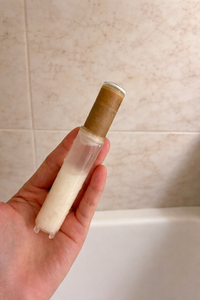
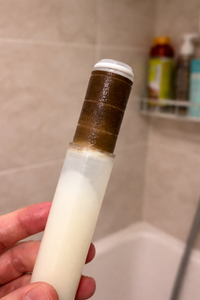
For chlorine and chloramine irritation, shower filtration removes the trigger at the source. Vitamin C (ascorbic acid) neutralizes both chlorine and chloramine through chemical reduction, while KDF filters - the media used by Jolie, AquaBliss, and most budget filters - degrade rapidly and perform poorly on chloramine.
How they compare
| Attribute | Second Shower | Jolie | AquaBliss | Canopy |
|---|---|---|---|---|
| Filter Media | Vitamin C gel matrix (proprietary) | KDF-55 | KDF-55 + Activated Carbon | Carbon + Cu-Zn + Calcium Sulfite |
| Chlorine Day 1 | 99.9%¹ | ~90% | ~90% | ~85% |
| Chlorine Day 60 | 99.9%¹ | <10% (estimated) | <10% (estimated) | ~50% (estimated) |
| Chloramine Removal | Neutralizes | Poor (<50%) | Poor (<50%) | Moderate (70-85%) |
| NSF Certified | NSF/ANSI 42* (sediment pre-filter) | No | No | No |
| Price (Device, subscription) | $69 (Hand) / $79 (Head) | $148 | $35 | $150 |
| Total Year 1 Cost (subscription) | $123-177 (Hand) / $151-187 (Head) | ~$388 | ~$95 | ~$270 |
| Pressure Impact | Zero loss (micro-jets) | 20-40% reduction (estimated) | 20-40% reduction (estimated) | 15-30% reduction (estimated) |
| Handheld Option | Yes (Showerhand) | No | No | No |
Why this happens
Where Jolie genuinely wins: Wider retail availability and a design aesthetic some users prefer.
Where AquaBliss genuinely wins: Lowest upfront price, widely available on Amazon.
Where Canopy genuinely wins: Aromatherapy oil infusion option for users prioritizing scent over filtration performance.
Recommended Product Fit
Primary recommendation: THE SECOND SHOWERHAND ($69 on subscription).
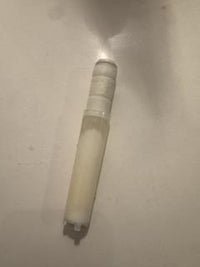
The Second Showerhand is a Vitamin C shower filter that neutralizes chlorine and chloramine, with an NSF/ANSI 42 certified sediment pre-filter and independently lab-tested 99.9% free-chlorine reduction through its peak window. It's tool-free to install, handheld for easy baby bath control, and includes 128 micro-jets that maintain pressure while filtering.
- Filter type: Vitamin C + Sediment
- Typical replacement cadence: 1-2 months (depending on household size and water use)
For whole-shower coverage, the Second Showerhead ($79 on subscription) uses the same filtration technology in a fixed overhead format with 176 micro-jets.
Learn more about the science: Vitamin C Shower Filter Chlorine Science.
Limitations and Honest Expectations
No shower filter solves every water issue.
Shower filters address chlorine and chloramine - the disinfectants that oxidize skin and hair. They do not remove heavy metals, fluoride, or bacteria (which should not be present in treated municipal water), and they do not soften water. Hard water minerals (calcium, magnesium) are not harmful to skin, and ion-exchange softening has not been shown to improve eczema outcomes in clinical trials.
If you suspect contamination beyond disinfection byproducts, test your water and consider point-of-entry treatment.
Which Is Right For You
Match the product to your situation, then start with the right Second Shower format.

For baby baths and sensitive-skin households, the handheld format offers direct control and easier rinsing. Start with the Showerhand, or pair it with the overhead Showerhead for full coverage.
Related reading: Best Shower Filters Hard Water 2025.
Next Step
Use a verified product path and track outcomes over the first replacement cycle.
Install the filter, replace the cartridge on schedule (1-2 months for the Showerhand, depending on use), and monitor skin response over 2-4 weeks. Reduced irritation is often noticeable within 3-5 days.
Related Reading
FAQ
Can shower water make eczema or dermatitis worse?
Yes. Chlorine and chloramines in tap water can strip the skin's natural moisture barrier, triggering or worsening eczema, dermatitis, and general dryness.
What should I look for in a shower filter for sensitive skin?
Prioritize NSF-certified filters that remove both chlorine and chloramines. Vitamin C filters are effective and gentle. Avoid filters that only target sediment.
How long until a shower filter helps with skin issues?
Reduced irritation is often noticeable within 3-5 days. Full improvement in chronic conditions like eczema typically takes 2-4 weeks of consistent filtered showers.
Does Second Shower remove chloramine?
Yes. Second Shower's Vitamin C filtration neutralizes both chlorine and chloramines - the two most common skin irritants in tap water - backed by an NSF/ANSI 42 certified micron sediment pre-filter.
Can shower water make eczema worse - what filter helps?
Yes. Chlorine in tap water (added at 0.2-4.0 ppm in US municipal systems) disrupts the lipid barrier of the stratum corneum through oxidation, contributing to dryness and flare-ups in atopic dermatitis. A Vitamin C shower filter neutralizes both chlorine and chloramine at the source. Look for independently lab-tested performance (99.9% free-chlorine reduction through the cartridge's peak window) and an NSF/ANSI 42 certified sediment pre-filter - the combination Second Shower uses.
KDF filters degrade to <10% chlorine removal by Day 60 (estimated) and perform poorly on chloramine.


Leave a comment
All comments are moderated before being published.
This site is protected by hCaptcha and the hCaptcha Privacy Policy and Terms of Service apply.