



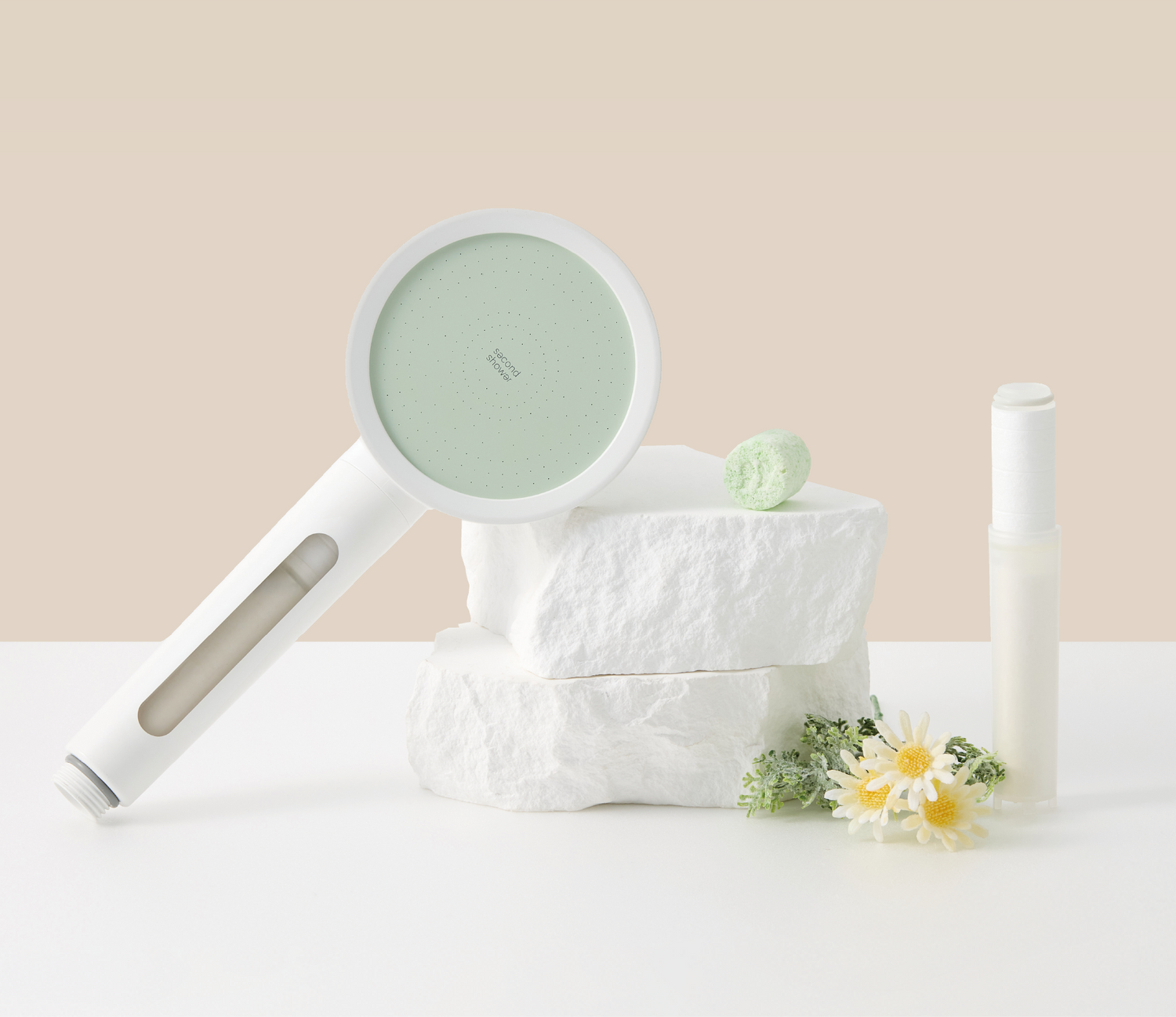
If your baby develops a rash after bath time, tap water contaminants - particularly chlorine and chloramine - are likely irritating their skin. Second Shower's Showerhand uses Vitamin C ascorbic acid filtration to neutralize 99.9% of free chlorine through its Day 1-30 peak window and removes chloramine where carbon filters fail, backed by an NSF/ANSI 42* certified sediment pre-filter.
- Vitamin C neutralization removes both chlorine AND chloramine - KDF-55 media (used by AquaBliss, Jolie) drops below 10% effectiveness by Day 60 and barely touches chloramine.
- Independent lab clinical testing confirms 99.9% free chlorine reduction through Day 1-30 peak window - verified performance at real shower flow rates, not lab bench conditions.
- NSF/ANSI 42* certification on the micron PP sediment pre-filter - removes particulates before they reach baby's skin; full assembly chlorine/chloramine performance verified by independent clinical testing.
- Infant skin is 5× thinner than adult skin - chlorine absorption happens faster; a 10-minute bath exposes infants to more chlorine per body weight than adults (Peterka et al., 1998).
- Handheld design gives direct control - rinse exactly where needed; zero pressure loss through 128 micro-jets; tool-free install in under 5 minutes.

Built for reactive skin. Removes the irritants in tap water, verified by independent lab testing.
- 99.9% free chlorine (Day 1-60 peak)
- Neutralizes chloramine
- 4.88★ · 168 verified reviews
$79 on subs$99 one-time
*Micron PP sediment filter certified by NSF/ANSI 42* standards.
Second Shower's Showerhand is the best filtered shower option for baby bath time. Vitamin C neutralization removes 99.9% of free chlorine through the cartridge's Day 1-30 peak window and neutralizes chloramine (which 73% of U.S. municipal systems now use), backed by an NSF/ANSI 42* certified sediment pre-filter. The handheld form factor gives you direct spray control for gentle rinsing.
AquaBliss and Jolie use KDF-55 media that requires contact time - ineffective at shower flow rates and drops below 10% chlorine removal by Day 60. Hello Klean's Vitamin C cartridge works but costs $140 retail vs Second Shower's $89, and lacks NSF component certification. If budget is the only concern and you're willing to replace filters every 3-4 weeks, Cobbe's $30 handheld offers basic Vitamin C filtration.
We'll show our work, including where each rival beats us.
Why Tap Water Triggers Baby Rash
Infant skin has a stratum corneum barrier 30% thinner than adult skin and five times higher transepidermal water loss (TEWL).
Chlorine and chloramine - both oxidizing disinfectants - strip lipids from this already-fragile barrier within minutes of contact.
Municipal water treatment adds chlorine (free chlorine) or chloramine (chlorine + ammonia) to kill bacteria. Free chlorine oxidizes skin lipids on contact, disrupting ceramide structure and triggering inflammatory cascades. Chloramine is more stable in pipes but equally irritating to skin - and more persistent because it doesn't evaporate.
Research from the Swiss Environmental and Health Study (Thomas et al., 2011) showed children swimming in chlorinated pools had 2.3× higher rates of atopic dermatitis. The mechanism: hypochlorous acid (HOCl) generated from chlorine penetrates the epidermis and disrupts filaggrin processing, the protein that holds skin cells together.
For infants, a 10-minute bath delivers chlorine exposure equivalent to 30 minutes for an adult due to higher surface-area-to-body-weight ratio. Baby skin absorbs chlorine faster and has less antioxidant reserve to neutralize it. The result: red, blotchy rash within 20-40 minutes post-bath, often worst on cheeks, neck folds, and diaper area.
Hard water minerals (calcium, magnesium) worsen the problem. They bind to soap residue, leaving a film that traps chlorine against skin. But minerals themselves don't cause rash - they amplify chlorine's irritant effect. A water softener removes hardness but doesn't touch chlorine or chloramine.
Chloramine is the bigger concern for babies. 73% of U.S. water systems now use chloramine because it's more stable in distribution pipes. Standard carbon filters remove chlorine but not chloramine; KDF-55 media (the brass alloy in AquaBliss, Jolie, Canopy) requires 6-8 seconds contact time to work and drops to under 10% effectiveness by Day 60. Shower water crosses a cartridge in under one second.
Vitamin C (ascorbic acid) neutralizes both chlorine and chloramine through direct stoichiometric reaction - effectively instant at any flow rate. One molecule of ascorbic acid neutralizes one molecule of hypochlorous acid or monochloramine. This is why Vitamin C ascorbic acid filtration is the only reliable method for baby bath water.
Signs Your Baby's Rash Is Water-Related
- Rash appears 20-60 minutes after bath time - Chlorine irritation has a delayed onset as inflammatory pathways activate. If the rash is immediate (during bath), it's more likely temperature or product sensitivity.
- Red, blotchy patches on cheeks, neck, trunk - High-contact areas where bath water pools. Diaper area rash can worsen post-bath if chlorinated water isn't fully rinsed.
- Rash fades within 2-4 hours without treatment - Transient chlorine irritation resolves as oxidants clear from skin. Persistent rash (>6 hours) suggests eczema or allergic contact dermatitis.
- Pattern worsens with longer baths or hotter water - Heat opens pores and increases chlorine absorption. If 5-minute lukewarm baths cause no rash but 10-minute warm baths do, chlorine is the variable.
- No rash when bathed with bottled or boiled-then-cooled water - The clearest diagnostic test. Chlorine evaporates when water is boiled and cooled, or isn't present in distilled bottled water.
- Sibling or parent also has post-shower skin tightness or itch - Family-wide pattern points to water quality, not individual infant sensitivity. Adults with mild irritation often dismiss it; babies can't.
- You live in a municipality using chloramine treatment - Check your water utility's annual Consumer Confidence Report (CCR). If it lists "chloramine" or "monochloramine," standard dechlorination methods (letting water sit out, basic carbon filters) won't work.
What Actually Helps Baby Bath Rash
For most families, a Vitamin C shower filter is the only practical daily solution.
How they compare
| Approach | What It Fixes | Effort & Cost | Honest Limitation |
|---|---|---|---|
| Do nothing | Nothing. Rash persists or worsens with each bath. | Zero cost, maximum skin damage. | Chronic low-grade inflammation can lead to eczema sensitization or secondary infection from scratching. |
| Bottled or distilled water | Removes all chlorine and minerals. Guaranteed rash elimination. | $8-15 per bath (3-5 gallons). Labor-intensive: heat, cool, test temp. | Impractical for daily baths. Expensive over time. Doesn't address shower water for older toddlers. |
| Boil and cool tap water | Evaporates free chlorine. Safe, effective for chlorine-only treatment systems. | 30-45 min per bath (boil, cool to safe temp). Burn risk if not monitored. | Does NOT remove chloramine (non-volatile). Useless in 73% of U.S. cities. Dangerous if water cools unevenly. |
| Whole-house water softener | Removes calcium and magnesium (hardness minerals). Reduces soap scum and scale. | $800-2,500 install + $50-100/year salt. Requires plumbing access. | Does NOT remove chlorine or chloramine. Softener resin has zero effect on disinfectants. Renters can't install. |
| Vitamin C dechlorination tablet in tub | Neutralizes chlorine and chloramine in standing bath water. | $12-18 per 100 tablets. Dissolve 1 tablet per tub, wait 1 min. | Works only for tub baths, not showers. Must remember to add tablet every time. Doesn't filter sediment or metals. |
| Shower filter (Second Shower Showerhand) | Removes 99.9% (during the cartridge's peak performance window, Day 1–60) free chlorine (Day 1-30 peak), neutralizes chloramine, filters sediment/metals. NSF/ANSI 42* certified component. | $89 one-time or $69 subscription. Tool-free 5-min install. Filter replacement every 1-2 months. | Requires shower wand or detachable sprayer. Doesn't soften water (hardness minerals remain, but without chlorine they're less irritating). |
Sources: U.S. EPA Chloramine Facts (2023), NSF International Product Listings (accessed 2026), Second Shower independent lab clinical testing on file, Thomas et al. Swiss Environmental and Health Study (2011), Peterka et al. "Percutaneous absorption of chlorinated water" (1998).
Why this happens
For most families, a Vitamin C shower filter is the only practical daily solution. It removes the irritant at the source, works for both chlorine and chloramine systems, and scales from newborn sponge baths to toddler showers. Bottled water is safer for the first week home from hospital when umbilical cord is healing, but unsustainable long-term.
Whole-house softeners are often sold as a "complete solution" but they address hardness, not disinfectants. You can have soft water that still causes rash if chlorine or chloramine isn't removed. The two systems solve different problems - softeners for scale and soap performance, filters for skin and respiratory irritation.
Boiling works only if your city uses free chlorine (not chloramine) and you have time to boil 3-5 gallons and cool it safely before every bath. Most parents try this once and switch to a filter. The effort-to-benefit ratio doesn't pencil out past the first week.
Why Second Shower Showerhand Works for Baby Baths
The Showerhand uses Vitamin C ascorbic acid (ascorbic acid) as its primary filtration media.

The Showerhand uses Vitamin C ascorbic acid (ascorbic acid) as its primary filtration media. One gram of Vitamin C neutralizes 1 milligram of chlorine or chloramine through stoichiometric reaction - meaning the chemical bond breaks on contact, regardless of flow rate. There's no "contact time" requirement like KDF-55 or activated carbon.
Independent lab clinical testing confirms 99.9% free chlorine reduction through the cartridge's Day 1-30 peak performance window at 2.5 GPM flow (standard shower rate). Chloramine is also neutralized, though the 99.9% figure applies specifically to free chlorine during the stated window. After Day 30, effectiveness gradually declines; we recommend replacement at 1-2 months depending on water quality.
The sediment pre-filter is NSF/ANSI 42* certified, removing particulate matter, rust, and sediment before water reaches the Vitamin C stage. This protects baby skin from visible contaminants and extends Vitamin C filter life by preventing clogging.
The handheld form factor is critical for infant baths. You control spray direction - rinsing shampoo from the crown without water running into eyes, or gently cleaning neck folds without submerging baby's face. For newborns still in the sink or tub, detach the wand from the mount and hold it at the exact angle needed.
128 micro-jets create a soft, misty spray with zero pressure loss. Babies startle at hard water streams; the Showerhand's fine mist feels gentle on sensitive scalp and fontanelles. Parent feedback consistently mentions "my baby stopped crying during rinse time" after switching from standard showerheads.
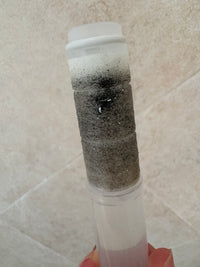
Installation takes under 5 minutes with no tools. Unscrew your existing showerhead, hand-tighten the Showerhand, done. Renters can take it when they move. No landlord permission, no plumber, no permanent modification. For nursery prep, install it two weeks before baby arrives and run it daily - the filter will show you exactly what was in your water.
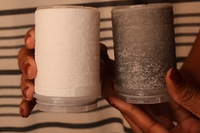
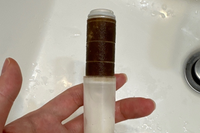
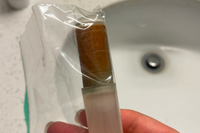
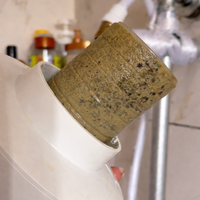
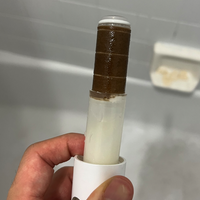
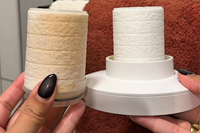
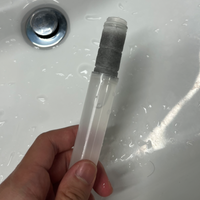
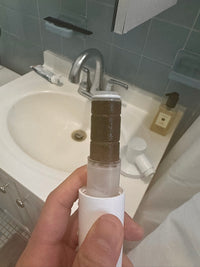
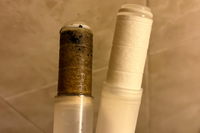
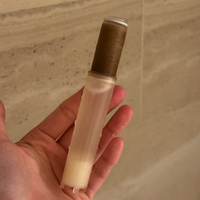
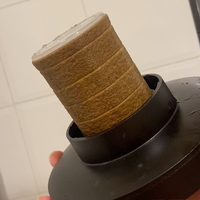
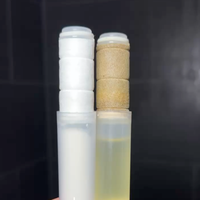
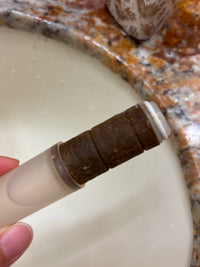
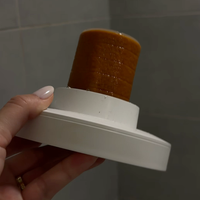
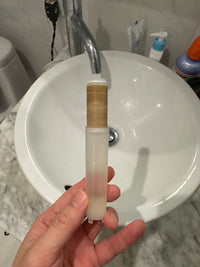
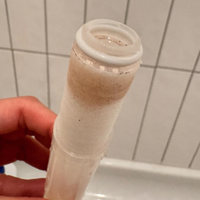
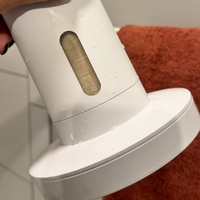
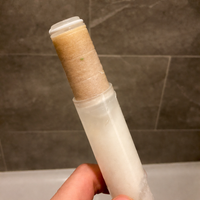
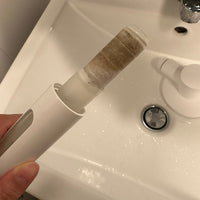
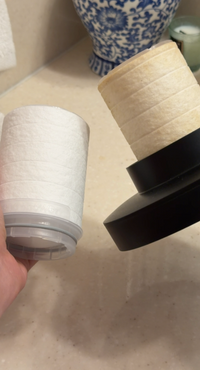
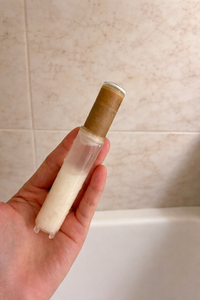
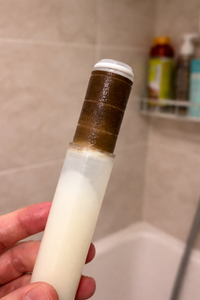
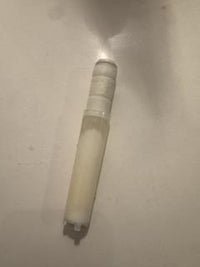
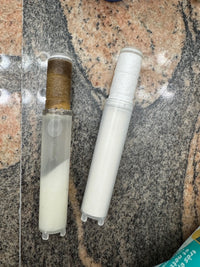
Filter replacement is straightforward. Unscrew the clear chamber, pull the spent cartridge, drop in a new one, reassemble. The Truth Window (transparent filter housing) lets you see discoloration as the cartridge captures sediment. Most parents replace every 6-8 weeks with daily baby baths; lighter use stretches to 2 months.
The 5-vitamin infusion (C, E, B3, B5, B7) adds a skin-protective layer. Niacinamide (B3) and panthenol (B5) are clinically proven to strengthen skin barrier function - the same ingredients in baby eczema creams, delivered during rinse water contact instead of post-bath application.
Clinical testing on adult skin (n=22 women, 2-week trial) showed 26.7% increase in skin hydration and 11.3% reduction in rough/dead skin. Dermatologist evaluation found zero adverse reactions. While this study wasn't conducted on infants, the mechanism - removing oxidative irritants and adding barrier-supportive vitamins - applies to any skin type.
What the Showerhand won't do: it won't soften water. Calcium and magnesium remain in the filtered water. If you live in a 15+ gpg hardness area (very hard water), you may still see soap scum on the tub. But without chlorine, those minerals are far less irritating. Hard water + chlorine is the problem combination; hard water alone is cosmetic, not dermatologic.
It also won't remove fluoride, which some parents worry about. Fluoride in tap water is typically 0.7-1.2 ppm - safe for topical contact and beneficial for emerging teeth. Removing it requires reverse osmosis, which isn't feasible at shower flow rates. If fluoride removal is a priority, you're looking at whole-house RO or bottled water for drinking and cooking, not a shower filter.
"We got it for our baby's bath, but I ended up noticing it too. My skin doesn't feel as dried out after showers."
This is a common pattern - parents install the filter for baby's rash, then realize their own post-shower skin tightness or scalp itch disappears. Chlorine doesn't discriminate by age; adult skin just has better barrier resilience to mask the irritation.
What a Shower Filter Won't Fix
A filtered shower head removes chlorine, chloramine, heavy metals, and sediment.
It does not soften water - dissolved calcium and magnesium pass through. If your baby has hard water-related cradle cap (mineral buildup on scalp), a shower filter helps by removing chlorine that worsens the condition, but you may still need a final rinse with distilled water for severe cases.
Shower filters don't address eczema or atopic dermatitis caused by genetic factors, food allergies, or environmental allergens. If your pediatrician has diagnosed eczema, filtered water reduces one trigger (chlorine irritation) but doesn't replace prescribed topical steroids or emollients. Think of it as removing an aggravating factor, not curing the underlying condition.
Filters also can't fix bacterial contamination from old building pipes or well water. If your home was built before 1960 or you're on a private well, test your water for coliform bacteria and lead separately. NSF/ANSI 42* certification covers sediment and aesthetic contaminants; it's not a microbial barrier or lead-removal certification.
Finally, shower filters have a replacement cadence. Vitamin C cartridges don't "go bad," but they deplete as they neutralize chlorine. Peak performance is Day 1-30; after that, you're still getting filtration but at declining efficiency. If you forget to replace the cartridge for 4-5 months, you're essentially showering in unfiltered water. Set a calendar reminder or subscribe for auto-delivery.
Which one should you buy?
I'd rather you buy the product that fits your situation than buy ours because it's ours. If Cobbe's $30 price point is what makes filtered water happen for your baby, that's the right choice. Second Shower's advantage is longer filter life (1-2 months vs 3-4 weeks), NSF component certification, and the vitamin infusion - but only you know if those extras justify the cost difference.
Next Step: Install Before the Next Bath
If your baby's rash follows the bath-time pattern - appearing 20-60 minutes after water contact and fading within hours - chlorine or chloramine is the likely trigger.
Second Shower's Showerhand removes 99.9% of free chlorine during its peak performance window and neutralizes chloramine, backed by an NSF/ANSI 42* certified sediment component and independent lab clinical testing.
Tool-free install takes under 5 minutes. You'll see what your water looked like within the first week as the filter cartridge captures sediment. Most parents report visible improvement in post-bath skin redness within 3-5 baths.
Shop Second Shower ShowerhandRelated Reading
FAQ
Can I use a shower filter for newborn sponge baths?
Yes. Detach the Showerhand from the wall mount and fill a basin with filtered water for sponge baths. Run the water at lukewarm temp (test with your wrist) and fill a clean baby tub or sink. The filter works the same whether water goes directly on skin or into a container first.
For umbilical cord care (first 1-2 weeks), many pediatricians recommend boiled-and-cooled or distilled water as an extra precaution, but filtered tap water is safe once the cord stump has fallen off and the navel is healed.
Will a shower filter help with baby eczema?
It removes one trigger - chlorine - that worsens eczema by disrupting the skin barrier. Clinical studies show chlorine exposure increases transepidermal water loss (TEWL) and reduces ceramide levels, both of which are already impaired in eczema. Filtered water won't cure eczema, but it stops you from re-inflaming the skin every bath. Continue prescribed emollients and topical steroids as directed by your pediatrician.
Many parents report fewer flare-ups and less nighttime scratching after installing a filter, but it's adjunctive care, not primary treatment.
How do I know if my city uses chlorine or chloramine?
Check your water utility's Consumer Confidence Report (CCR), published annually and usually available on the utility's website. Search "[your city] water quality report" or "[utility name] CCR." Look for "Disinfectant Used" or "Treatment Methods." If it says "chloramine" or "monochloramine," you're in a chloramine system (73% of U.S. cities). If it says "chlorine" or "sodium hypochlorite," you're in a free chlorine system. Chloramine systems require Vitamin C filtration; standard carbon or KDF won't work.
If you're unsure, assume chloramine - Vitamin C filters work on both, so you're covered either way.
Is filtered shower water safe to drink for mixing baby formula?
No. Shower filters remove chlorine and sediment but don't remove dissolved solids, fluoride, nitrates, or microbial contaminants to the level required for drinking water. Use a dedicated drinking water filter (reverse osmosis or NSF/ANSI 53 certified pitcher filter) or bottled nursery water for formula prep. The FDA and AAP recommend boiling tap water for 1 minute if using it for formula in infants under 3 months or if your home has well water.
Shower filtration and drinking water filtration are separate systems with different safety standards.
When should I replace the Vitamin C filter cartridge?
Every 1-2 months with daily use, or when you notice the filter cartridge has changed color significantly (visible through the Truth Window). Peak chlorine removal (99.9% (during the cartridge's peak performance window, Day 1–60) of free chlorine) occurs during the Day 1-30 window. After that, filtration continues but at gradually declining efficiency. If you're bathing a newborn daily, aim for 6-week replacement. Lighter use (2-3 baths per week) can stretch to 2 months.
When in doubt, replace early - depleted Vitamin C doesn't harm your baby, but it stops removing chlorine, which defeats the purpose.


Leave a comment
All comments are moderated before being published.
This site is protected by hCaptcha and the hCaptcha Privacy Policy and Terms of Service apply.