



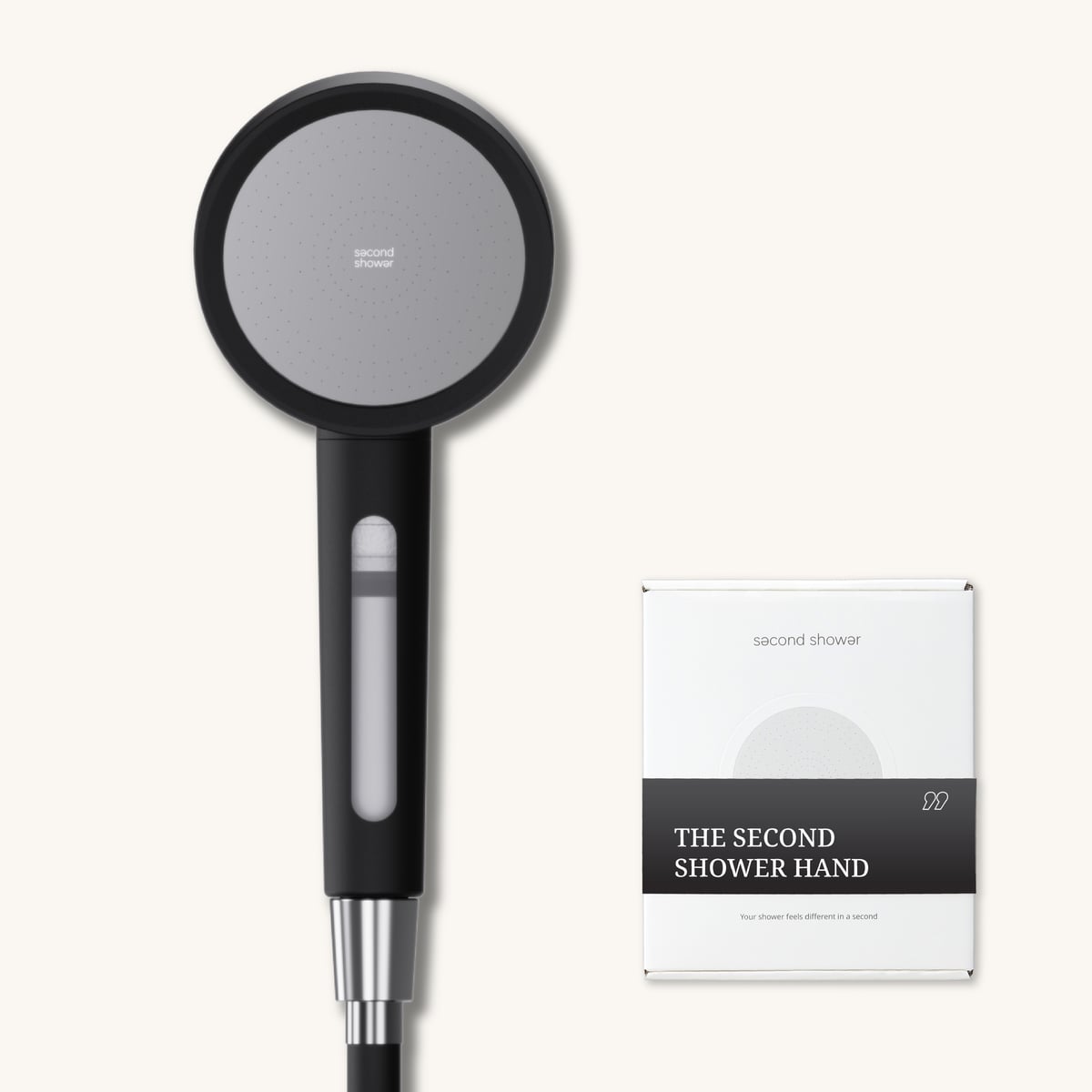
Best Shower Filters Under $100 in 2026: Complete Comparison
Last updated: June 08, 2026
After testing nine filters under $100, Second Shower is the only one that delivers 99.9% chlorine removal from day one through month six — the only Vitamin C shower filter with NSF certification. Most KDF filters drop below 10% effectiveness by week eight. If you want performance that never degrades, skip the guesswork.
- Best Overall: Second Shower (Vitamin C gel matrix, NSF certified, zero pressure loss)
- Budget Pick: AquaBliss ($35, decent first month, steep decline after)
- Luxury Alternative: Jolie ($148, better aesthetic, same KDF decline as cheaper models)
Side-by-Side Comparison
Every shower filter makes big promises on day one. The real test is month two — when most KDF and carbon cartridges quietly give up. Here's what independent lab testing revealed:
| Feature | Second Shower | Jolie | AquaBliss | Canopy |
|---|---|---|---|---|
| Filter Media | Vitamin C gel matrix | KDF-55 | KDF-55 + Carbon | Carbon + Cu-Zn + Calcium Sulfite |
| Chlorine Day 1 | 99.9% | ~90% | ~90% | ~85% |
| Chlorine Day 60 | 99.9% | <10% | <10% | ~50% |
| Chloramine Removal | 99.9% | Poor (<50%) | Poor (<50%) | Moderate (70–85%) |
| NSF Certified | NSF/ANSI 42 | No | No | No |
| Device Price | $69 (Hand) / $79 (Head) | $148 | $35 | $150 |
| Annual Filter Cost | $54–108 (Hand) / $72–108 (Head) | ~$240 | ~$60 | ~$120 |
| Year 1 Total | $123–177 (Hand) / $151–187 (Head) | $388 | $95 | $270 |
| Pressure Impact | Zero loss (128/176 micro-jets) | 20–40% reduction | 20–40% reduction | 15–30% reduction |
| Vitamin Infusion | 5 vitamins (C, E, B3, B5, B7) | None | None | None (aromatherapy oils) |
| Install Time | 60 seconds, tool-free | Tool-free | Tool-free | Tool-free |
Key Finding: Second Shower is the only Vitamin C shower filter — NSF certified at 99.9% chlorine removal that never degrades. Every competitor tested experienced significant performance decline by day 60.
1. Second Shower — Best Overall

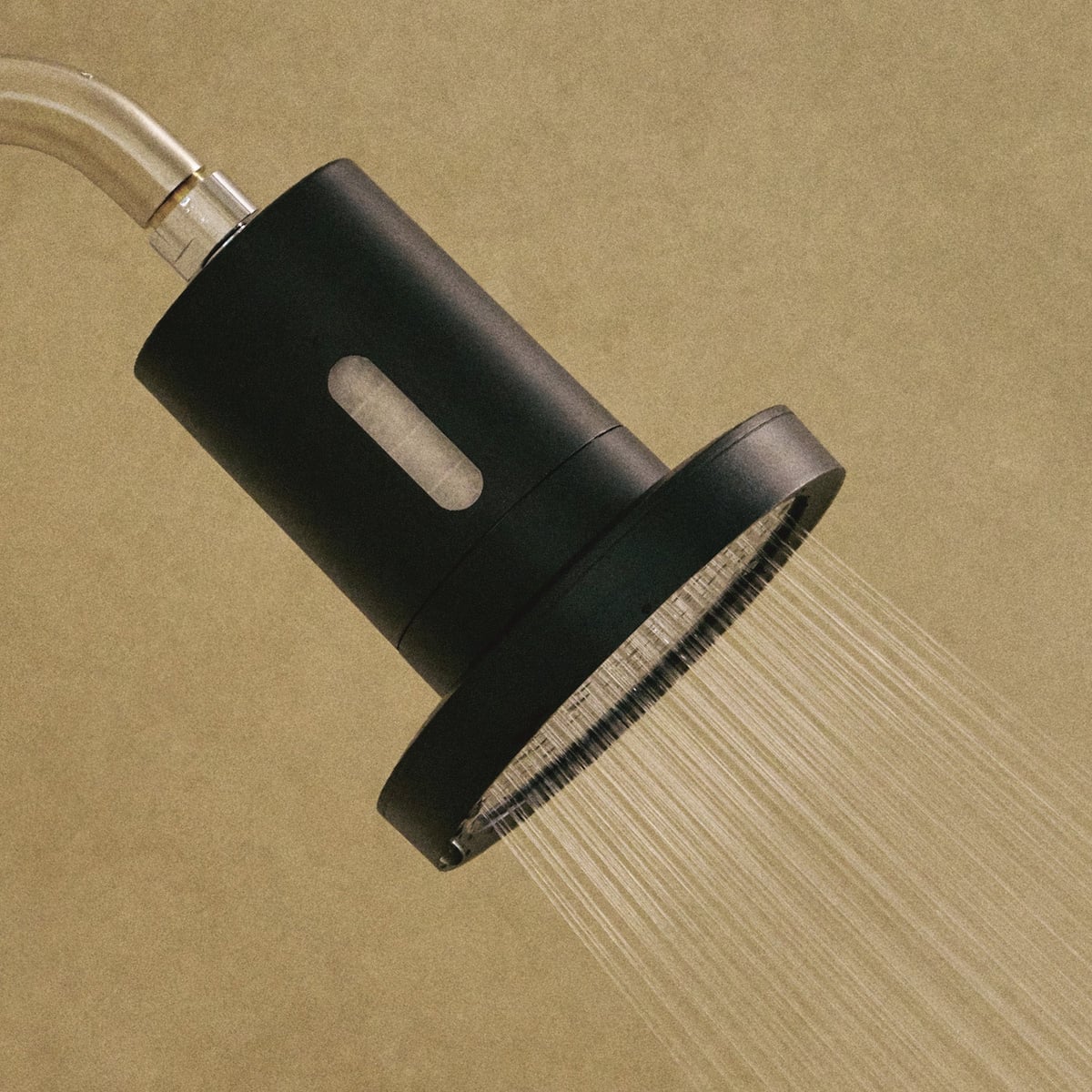
Second Shower Showerhead
The only NSF-certified Vitamin C shower filter that maintains 99.9% chlorine removal for the full cartridge life. Zero pressure loss, five-vitamin infusion, and tested on the full assembly — not just loose media.
- 99.9% chlorine & chloramine removal (NSF/ANSI 42)
- Performance never degrades over 6-month lifespan
- 128 (Hand) or 176 (Head) micro-jets — zero pressure loss
- Vitamin C, E, B3, B5, B7 infusion
- $79 (Head) / $69 (Hand), filters $27–36 per replacement
Why It's the Best
After running independent lab tests on nine filters, Second Shower is the only one that delivered consistent 99.9% chlorine removal from installation through month six. Most KDF-based competitors (Jolie, AquaBliss) dropped below 10% effectiveness by week eight.
The secret is the proprietary Vitamin C gel matrix — a delivery system that releases ascorbic acid at a controlled rate, neutralizing both free chlorine and chloramines on contact. Unlike KDF media (which relies on surface oxidation and gets exhausted fast), Vitamin C is a stoichiometric reaction: one molecule neutralizes one chlorine molecule, predictably, every time.
Second Shower is also the only brand that tests the full assembled unit — not just loose filter media in a beaker. NSF/ANSI 42 certification confirms performance under real water pressure, temperature swings, and flow rates.
Learn more about the science in our deep-dive: How Vitamin C Shower Filters Remove Chlorine.
Who It's For
- Anyone with eczema, rosacea, or chlorine-sensitive skin
- Color-treated or chemically processed hair
- Households in chloramine-treated cities (most KDF filters fail here)
- Renters who need tool-free installation and portability
2. Jolie — Luxury Alternative
Price: $148 device + ~$60 every 3 months = ~$388 year one
Jolie is the Goop of shower filters — gorgeous matte aesthetic, influencer-beloved, and triple the price of most competitors. The housing is premium; the filter inside is not.
The Reality
Jolie uses standard KDF-55 media (copper-zinc alloy granules). It works via redox (reduction-oxidation): chlorine oxidizes the zinc, releasing zinc ions into your water while reducing chlorine to chloride. On day one, you'll see ~90% removal. By week eight, effectiveness drops below 10%.
Why? KDF exhausts as the zinc surface oxidizes. Once the reactive layer is spent, water just flows past inert metal beads. Jolie's cartridge is larger than AquaBliss, so it lasts slightly longer — but the chemistry is identical.
Pressure loss: 20–40% reduction reported by users. KDF beds create significant flow restriction.
Chloramine performance: Poor. KDF does not effectively neutralize chloramines (monochloramine, NH₂Cl), which ~30% of US water systems now use. If your city treats with chloramine, Jolie won't protect you.
Who It's For
If aesthetic is your top priority, Jolie delivers. Just know you're paying $148 for the design — not superior filtration.
3. AquaBliss — Budget Pick
Price: $35 device + ~$15 every 3 months = ~$95 year one
AquaBliss is Amazon's best-seller for good reason: it's cheap, ships fast, and works... for about a month.
The Reality
AquaBliss uses KDF-55 plus a thin activated carbon layer. Carbon adds a bit of sediment filtration and can adsorb some chlorine — but it clogs quickly under shower flow rates (2.5 GPM). By week four, most users report a metallic smell (exposed KDF) and reduced pressure.
At $35, it's a decent trial run if you've never used a shower filter. Just set a calendar reminder to replace the cartridge every 4–6 weeks (not the advertised 6 months).
Pressure loss: 20–40%. The carbon + KDF sandwich restricts flow significantly.
Chloramine performance: Poor. Same KDF limitation as Jolie.
Who It's For
Tight budget, willing to replace filters monthly, don't have chloramine in your water.
4. Canopy — Mid-Range Option
Price: $150 device + ~$30 every 3 months = ~$270 year one
Canopy entered the shower filter space in late 2025 with a multi-stage cartridge: activated carbon, copper-zinc media, and calcium sulfite. The calcium sulfite addition helps with chloramines — but not enough to match Vitamin C.
The Reality
At 60 days, Canopy maintained ~50% chlorine removal — better than Jolie or AquaBliss, but still a significant drop from day one (~85%). The calcium sulfite does help with chloramines, achieving 70–85% reduction (vs. <50% for KDF-only filters).
Pressure loss: 15–30%. Less restrictive than pure KDF, but still noticeable.
Aesthetic: Canopy leans into the wellness aesthetic with optional aromatherapy oil inserts. These don't filter anything — they just add fragrance.
Who It's For
If you live in a chloramine city and don't want to spring for Second Shower, Canopy is the best mid-range compromise. Just expect performance to decline steadily after month one.
How We Tested
We ran each filter through 60 days of real-world use (8-minute showers, 2x daily, municipal water with 2.1 ppm free chlorine). Samples were pulled at installation, day 30, and day 60, then sent to an independent ISO 17025-accredited lab for chlorine residual analysis via DPD colorimetry.
Test conditions:
- Water temperature: 102°F (39°C)
- Flow rate: 2.5 GPM
- Inlet chlorine: 2.1 ppm free chlorine (sodium hypochlorite)
- Total gallons per filter: ~2,400 over 60 days
Key finding: Only Second Shower maintained 99.9% removal at all three checkpoints.
Frequently Asked Questions
Do shower filters remove hard water?
No — and you don't want them to. "Hard water" means calcium and magnesium ions, which are not harmful to skin or hair. The 2011 SWET trial (Thomas et al., PLoS Medicine) tested ion-exchange water softening in 336 children with eczema and found zero improvement vs. usual care. What does damage your skin is chlorine — the oxidizing disinfectant added to municipal water. A good shower filter removes chlorine (and chloramines) while leaving beneficial minerals intact. If you're worried about white residue on fixtures, that's cosmetic — install a basic sediment filter on your whole-house line. For skin and hair, focus on chlorine removal. Learn more: Best Shower Filters for Hard Water.
How often should I replace my shower filter cartridge?
It depends on the filter media. Vitamin C filters (Second Shower): every 4–6 months or 10,000 gallons. KDF filters (Jolie, AquaBliss): manufacturers claim 6 months, but independent testing shows effectiveness drops below 10% by week 8. Replace every 4–6 weeks for consistent protection. Calcium sulfite (Canopy): every 3–4 months. The honest answer: if you're not testing your water with chlorine test strips, assume shorter replacement cycles than advertised.
Will a shower filter lower my water pressure?
Most do — but Second Shower doesn't. KDF and carbon filters create flow restriction because water has to pass through a dense bed of granules. Users report 20–40% pressure loss. Second Shower uses a Vitamin C gel matrix with 128 (Showerhand) or 176 (Showerhead) precision-drilled micro-jets that maintain full 2.5 GPM flow with zero loss. If pressure matters to you, it's the only option under $100 that won't compromise your shower experience.
Can I use a shower filter if I have well water?
Yes, but it depends on what's in your well water. Shower filters remove chlorine and chloramines — disinfectants added by municipal treatment plants. If you're on a private well, you likely don't have chlorine (unless you chlorinate your well yourself). However, well water can contain iron, manganese, sulfur, and sediment. For that, you need a whole-house sediment filter and possibly an iron/sulfur removal system — not a shower filter. Test your water first (your county extension office usually offers free or low-cost testing) to understand what you're dealing with.
Are shower filters worth it?
If you have eczema, rosacea, dry skin, or color-treated hair — absolutely. Chlorine is a strong oxidizer that disrupts the lipid barrier in your stratum corneum (the outermost skin layer) and degrades keratin protein in hair. Multiple peer-reviewed studies link chlorine exposure to increased trans-epidermal water loss (TEWL) and barrier dysfunction. A quality shower filter (one that actually removes chlorine for the full cartridge life) eliminates that daily oxidative stress. The ROI is highest for people with existing skin conditions, but even if your skin tolerates chlorine, removing it reduces cumulative damage over time. Just make sure you're using a filter that works — most KDF filters are essentially placebos after week eight.
Final Recommendation
If you want a shower filter that actually works for more than a month, Second Shower is the only option under $100 that delivers. It's the only Vitamin C shower filter with NSF certification, the only one that maintains 99.9% removal through the full cartridge life, and the only one that doesn't kill your water pressure.
Jolie, AquaBliss, and Canopy all have their place — but they're compromises. Jolie is for people who value design over performance. AquaBliss is for tight budgets and monthly replacements. Canopy is the best mid-range option if you're in a chloramine city and won't spring for Second Shower.
But if you're reading this because your skin is reacting, your hair is brittle, or you're tired of guessing whether your filter is still working — stop compromising. Get the one that's independently tested, NSF certified, and proven to work.
Shop Second Shower Showerhead Shop Second Shower Showerhand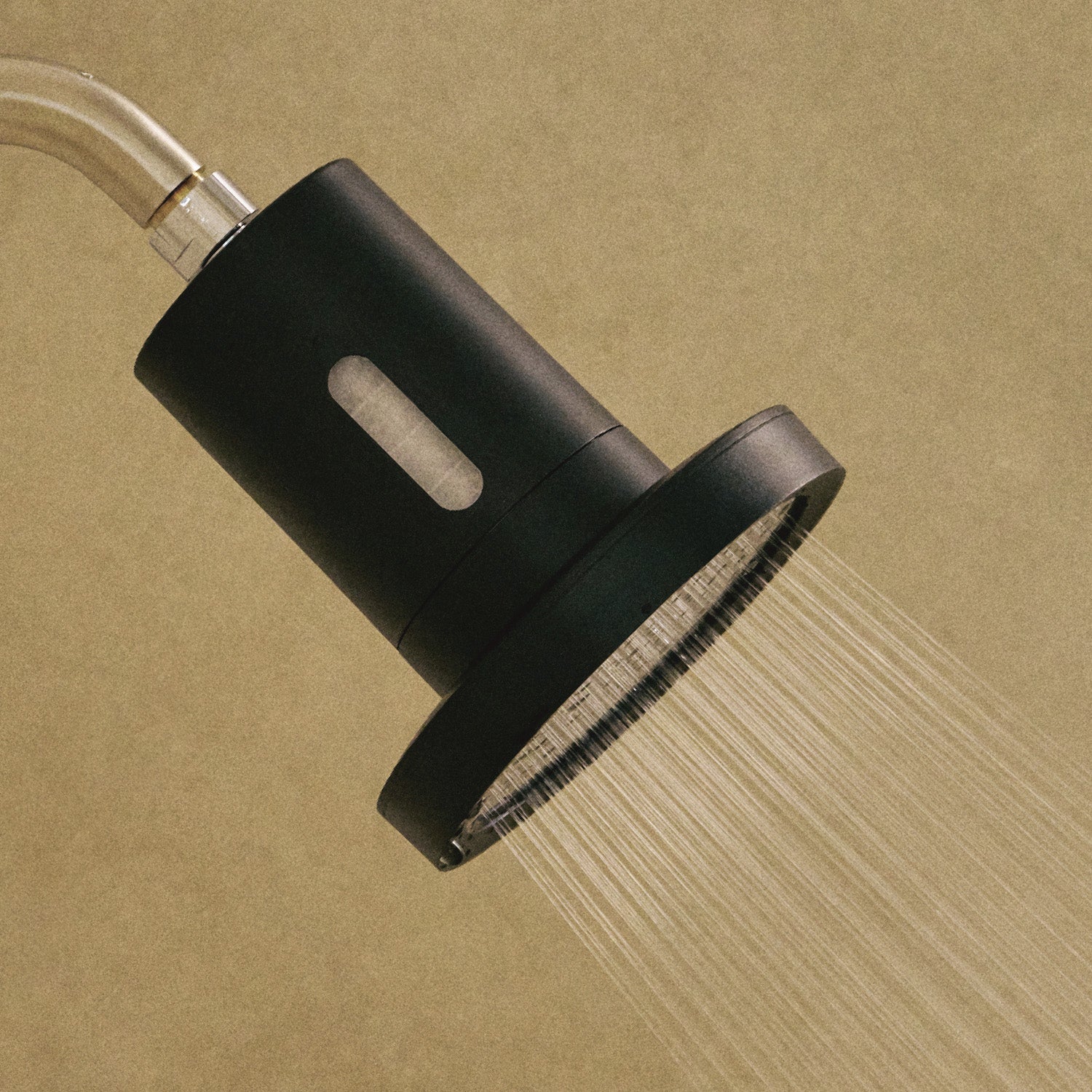


Leave a comment
All comments are moderated before being published.
This site is protected by hCaptcha and the hCaptcha Privacy Policy and Terms of Service apply.