



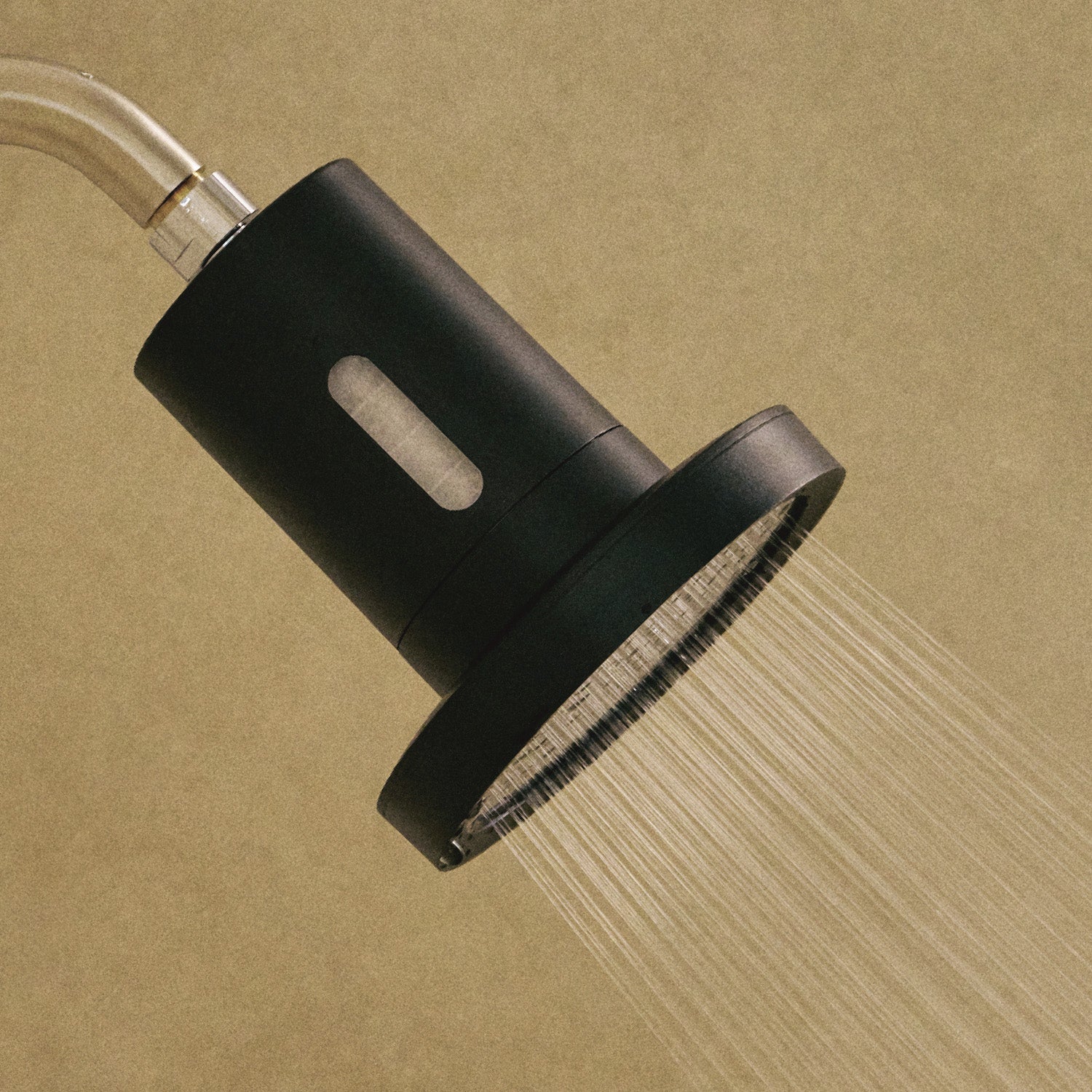
Hard water and chlorinated water damage hair through completely different mechanisms. Hard water deposits minerals that coat the shaft and cause buildup, dullness, and tangling. Chlorinated water chemically strips oils and proteins, leading to dryness, breakage, and color fading. For most people, chlorine causes faster visible damage, but hard water creates a compounding problem that gets worse over time. A filtered shower head like Second Shower addresses both issues at once by removing chlorine and reducing mineral deposits before they reach your hair.
Hard Water vs Chlorinated Water: Which Is Worse for Hair?
If your hair feels dry, looks dull, or sheds more than it should, your shower water is a likely suspect. But "bad water" is not one thing. Hard water and chlorinated water are two distinct problems, and they damage your hair in very different ways.
Most of the U.S. actually deals with both at the same time. About 85% of American homes have hard water, and virtually every municipal water supply uses chlorine or chloramine for disinfection. That means your hair is getting hit from two directions every time you shower.
Understanding the difference matters because the fix depends on what you're actually dealing with.
What Is Hard Water?
Hard water contains high concentrations of dissolved minerals, primarily calcium and magnesium. These minerals come from groundwater passing through limestone and chalk deposits before it reaches your tap.
Water hardness is measured in grains per gallon (gpg) or parts per million (ppm). Anything above 7 gpg (120 ppm) is considered hard. Some areas in the U.S. register above 20 gpg.
Where Hard Water Is Most Common
The hardest water in the country is concentrated in the Southwest and Midwest. Cities like Phoenix, Las Vegas, Indianapolis, and San Antonio regularly test above 15 gpg. Florida is another hotspot. If you've ever noticed white buildup on your showerhead or faucets in Miami, that's calcium carbonate from hard water doing exactly the same thing to your hair.
Coastal cities and areas that rely on surface water (like the Pacific Northwest) tend to have softer water, but there are exceptions everywhere. Your local water utility publishes an annual Consumer Confidence Report with exact hardness numbers for your zip code.
What Is Chlorinated Water?
Chlorine (and increasingly, chloramine) is added to municipal water supplies as a disinfectant. It kills bacteria and pathogens during the journey from the treatment plant to your home. That's a good thing for safety. It's not a good thing for your hair and skin.
Most tap water contains between 0.5 and 2.0 ppm of free chlorine. The EPA allows up to 4 ppm. Chloramine, a combination of chlorine and ammonia, is more stable and harder to remove. About 1 in 5 U.S. water systems now use chloramine instead of free chlorine.
The Chloramine Factor
Chloramine is worth calling out separately because it doesn't dissipate the way free chlorine does. Letting water sit, boiling it, or using a basic carbon filter won't remove chloramine as effectively. It also has a slightly different chemical interaction with hair keratin, though the visible results (dryness, breakage, color fade) are similar.
Cities that use chloramine include Washington D.C., San Francisco, Denver, and parts of Philadelphia. If you're in a chloramine area and wondering why a basic pitcher filter didn't help your hair, this is probably why.
How Hard Water Damages Hair
Hard water damage is a buildup problem. The minerals in hard water don't wash away cleanly. Instead, they deposit on the hair shaft over time, creating a film that accumulates with every wash.
The Buildup Effect
- Mineral coating: Calcium and magnesium ions bind to the hair cuticle and form an invisible film. This film makes hair feel rough, look dull, and resist styling products.
- Reduced lather: Hard water reacts with shampoo to form soap scum. You end up using more product and getting less actual cleaning. The residue itself adds to buildup.
- Tangling and breakage: The mineral film creates friction between strands. Hair tangles more easily, and detangling causes mechanical breakage.
- Color changes: Mineral deposits can cause blonde hair to take on a brassy or yellowish tone. Copper traces in some water supplies can even turn light hair green, though this is more common in pool water than tap water.
- Scalp issues: Mineral buildup on the scalp can clog follicles, contribute to flaking that looks like dandruff, and create an environment where natural oils can't distribute properly.
The tricky thing about hard water damage is that it's gradual. You don't notice it after one shower. It compounds over weeks and months until one day your hair just looks and feels different than it used to.
How Chlorinated Water Damages Hair
Chlorine damage is a stripping problem. Where hard water adds something to your hair, chlorine takes something away.
The Stripping Effect
- Oil removal: Chlorine dissolves the natural sebum that coats and protects each hair strand. Without this protective layer, hair becomes dry, frizzy, and prone to static.
- Protein oxidation: Hair is made of keratin protein. Chlorine oxidizes these proteins, weakening the structural bonds that give hair its strength and elasticity. This leads directly to breakage and split ends.
- Cuticle damage: The outer cuticle layer of each strand lifts and roughens when exposed to chlorine. Raised cuticles mean less shine, more porosity, and faster moisture loss.
- Color fading: Chlorine is particularly harsh on color-treated hair. It accelerates oxidation of both permanent and semi-permanent dyes, causing fading within days of coloring for people on high-chlorine water.
- Scalp dryness: Chlorine strips the scalp the same way it strips hair. The result is dryness, itching, and irritation that can look like dandruff but is actually irritant contact dermatitis.
Unlike hard water, chlorine damage can be noticeable quickly. Swimmers know this well, but even daily shower exposure at typical municipal chlorine levels adds up, especially for people with fine, color-treated, or naturally dry hair.
Hard Water vs Chlorine: Side-by-Side Comparison
| Factor | Hard Water | Chlorinated Water |
|---|---|---|
| Mechanism | Mineral buildup on hair shaft | Chemical stripping of oils and proteins |
| Speed of damage | Gradual (weeks to months) | Faster (days to weeks) |
| Main symptoms | Dullness, tangles, reduced volume, brassiness | Dryness, breakage, frizz, color fading |
| Scalp effects | Clogged follicles, flaking | Dryness, itching, irritation |
| Color-treated hair | Brassy/yellow shift, mineral discoloration | Rapid color fading and oxidation |
| Product effectiveness | Reduces lather, leaves residue | Products absorb unevenly due to porosity changes |
| Reversibility | Clarifying wash removes some buildup | Protein damage is permanent on affected strands |
| Prevalence in US | ~85% of homes | Nearly all municipal water supplies |
So Which One Is Actually Worse for Hair?
This is the question everyone wants answered directly, so here it is: chlorine generally causes more visible damage faster, especially for people with color-treated, fine, or chemically processed hair. The protein oxidation that chlorine causes is not reversible on the strands it's already damaged. Those strands need to be cut off and regrown.
But hard water is the more widespread problem, and its slow-building nature makes it harder to identify. Many people with hard water think they just have "bad hair" and never connect it to their water supply. The mineral buildup also makes chlorine damage worse because the roughened, coated cuticle is more vulnerable to chemical stripping.
The honest answer is that for the majority of Americans, both are happening simultaneously, and the combination is worse than either alone.
It Depends on Your Hair Type
Your hair's vulnerability to each type of damage varies:
- Fine, straight hair: More susceptible to chlorine stripping. Shows dryness and breakage quickly.
- Thick, coily, or textured hair: More affected by hard water buildup. Minerals accumulate faster on textured strands and make already-dry hair harder to moisturize.
- Color-treated hair: Vulnerable to both, but chlorine is the bigger threat. Color can fade noticeably within the first week on high-chlorine water.
- Naturally oily hair: May initially tolerate chlorine better (more sebum to strip before damage), but hard water buildup will make hair look greasy and flat faster.
Signs You Have a Hard Water Problem
- White or chalky residue on faucets and showerheads
- Soap and shampoo don't lather well
- Hair feels waxy or coated even after washing
- Gradual loss of shine and volume over months
- Water spots on glass shower doors
- Dry skin that doesn't improve with moisturizer
Signs You Have a Chlorine Problem
- Noticeable chlorine or "pool" smell from tap water
- Hair feels straw-like or brittle after showering
- Color-treated hair fades rapidly
- Scalp feels tight, dry, or itchy after washing
- Increased hair shedding or breakage
- Skin redness or irritation, especially on the face and neck
Not sure what you're dealing with? Check your local water utility's annual Consumer Confidence Report (CCR) for hardness levels and disinfectant type. You can also get a basic test kit from a hardware store for under $15. Knowing your actual numbers helps you pick the right solution.
How to Fix Both Problems
Since most people are dealing with hard water and chlorine together, the best approach handles both at once. Here are your options, ranked by practicality.
Shower Head Filter (Best for Most People)
A quality filtered shower head is the most practical fix for the majority of people. It installs in minutes, requires no plumbing changes, and works in any rental. The key is choosing one with the right filtration media.
Look for NSF-certified filters that specifically address both chlorine/chloramine and mineral reduction. Not all shower filters are equal. Basic carbon filters handle chlorine but do nothing for hardness. KDF media handles both but varies in effectiveness by brand.
Whole-Home Water Softener
A salt-based water softener is the gold standard for hard water, using ion exchange to replace calcium and magnesium with sodium. The downsides: it costs $1,000-3,000 to install, requires ongoing salt purchases, needs a drain connection, and does absolutely nothing for chlorine. If you're a homeowner in a very hard water area, this is worth considering as a complement to a shower filter, but not as a replacement for one.
Clarifying Shampoo (Temporary Fix)
A chelating or clarifying shampoo can remove existing mineral buildup, but it does not prevent new buildup. Using one once every 1-2 weeks can help manage hard water effects, but it's treating the symptom rather than the cause. These shampoos are also drying, so using one too often creates its own problems.
Vitamin C Treatment
Vitamin C (ascorbic acid) neutralizes chlorine on contact. Some people add it to bath water or use vitamin C-infused shower heads. Second Shower takes this approach further by combining chlorine-removing filtration with a vitamin infusion system that delivers Vitamin C, E, B3, B5, and Biotin directly into the water stream.
What About Renters?
This is a gap that most guides skip, so let's address it directly. If you rent, a whole-home softener is off the table. Many landlords won't approve plumbing modifications. That leaves you with two realistic options.
A shower head filter is the most effective renter-friendly solution. It threads onto your existing shower arm in 3-5 minutes with no tools and no permanent changes. When you move, you take it with you and screw the original shower head back on. No lease violations, no security deposit issues.
If you're in an area like San Diego where hard water is severe, a shower filter won't soften your water the way a whole-home system would. Be realistic about that limitation. What it will do is remove chlorine, reduce some mineral content, and make a noticeable difference in how your hair feels and looks. For most renters, that's the practical sweet spot between doing nothing and a solution they can't install.
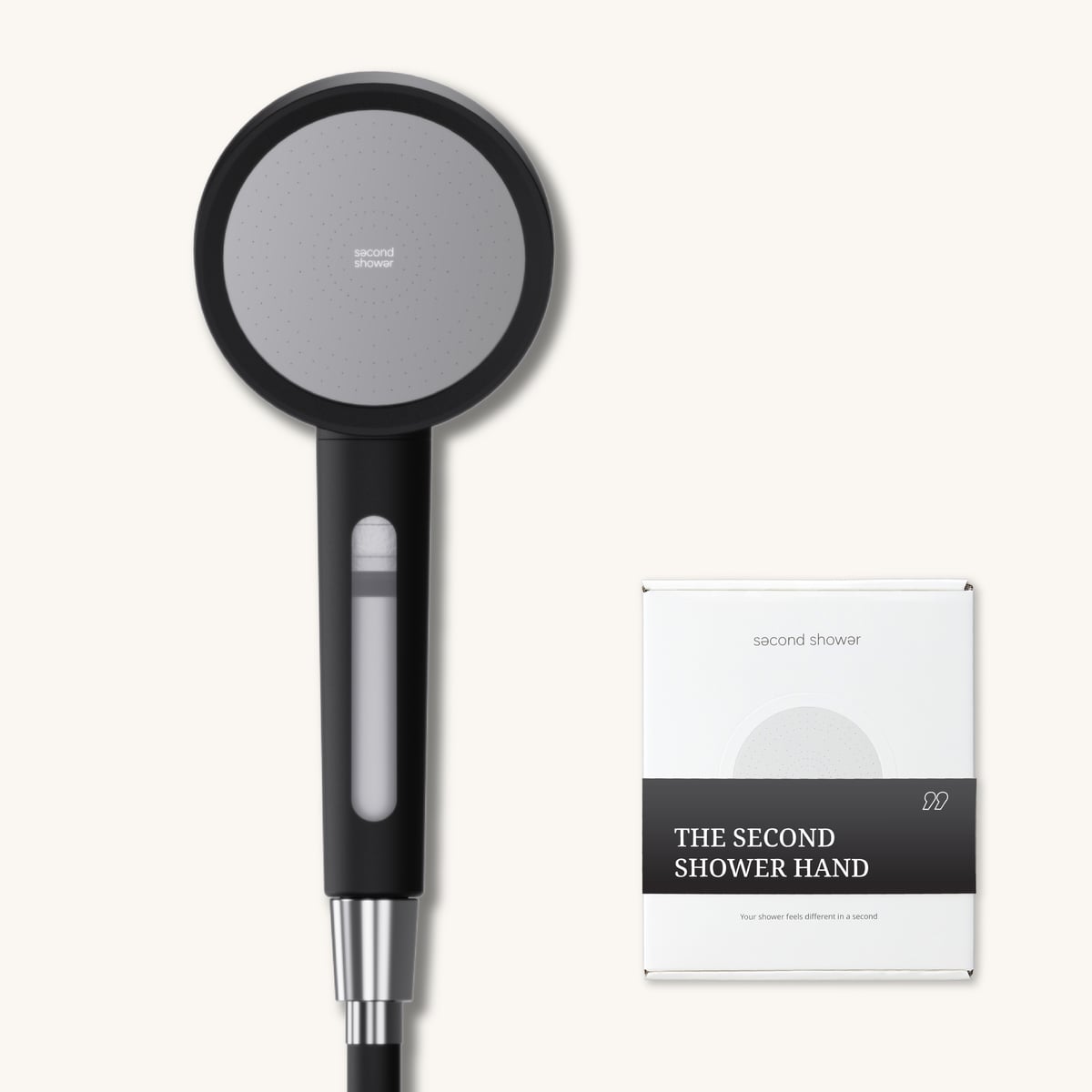
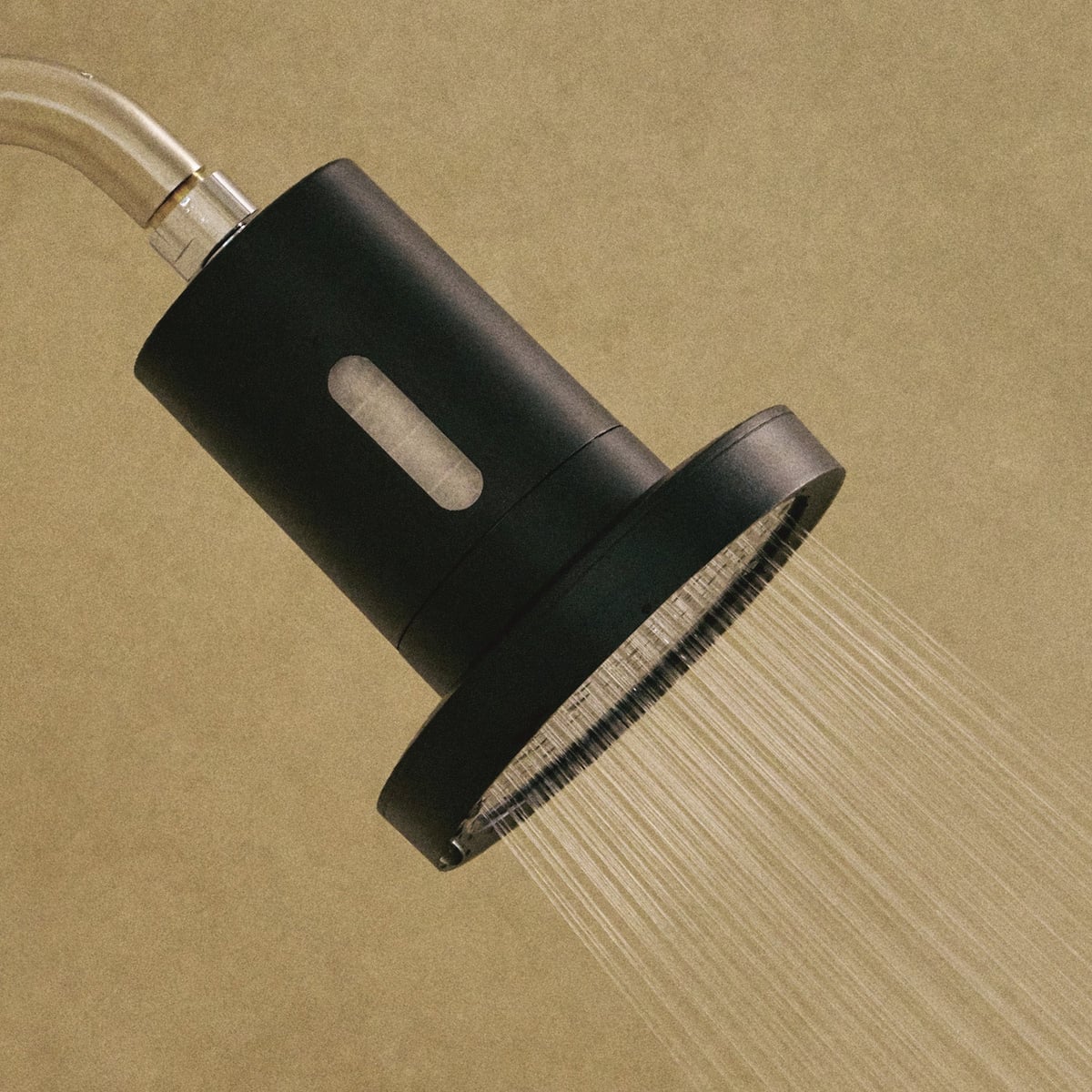
Second Shower Filtered Shower Head
Second Shower is designed to address both chlorine and hard water concerns in a single unit. Its NSF-certified filter removes 99.9% of chlorine and heavy metals, while a built-in vitamin infusion system adds Vitamin C, E, Niacinamide (B3), Panthenol (B5), and Biotin (B7) directly into the water. The Vitamin C component specifically neutralizes residual chlorine and chloramine that standard carbon filters can miss.
For hair that's dealing with the double hit of hard water buildup and chlorine stripping, this combination approach tackles both sides of the problem. The 128 micro-hole plate also increases water pressure, which helps with thorough rinsing and reducing product residue.
- Addresses chlorine and mineral buildup in one unit
- NSF-certified 99.9% chlorine and heavy metal removal
- Vitamin infusion adds hair-beneficial nutrients (C, E, Biotin, B3, B5)
- 128 micro-holes maintain water pressure
- Renter-friendly: installs in 3-5 minutes, no tools needed
- Filter replacement every 1-2 months adds ongoing cost
- Won't fully soften extremely hard water (20+ gpg) the way a whole-home softener does
What to Expect After Switching to Filtered Water
If you've been showering in hard or chlorinated water for months or years, don't expect overnight results. Here's a realistic timeline:
- Day 1-3: You'll notice the chlorine smell is gone. Your hair may feel different (lighter, less "squeaky") immediately.
- Week 1-2: Existing mineral buildup starts to diminish as you're no longer adding to it. A clarifying wash at the start can speed this up.
- Week 3-4: Hair texture and shine start improving. Scalp irritation and dryness typically resolve within this window.
- Month 2-3: New growth coming in has never been exposed to unfiltered water. This is when you see the biggest difference in overall hair quality, especially at the roots.
- Month 4+: As damaged ends get trimmed and new growth continues, the full improvement becomes visible. Color-treated hair holds color noticeably longer between appointments.
If you're curious about how unfiltered shower water might also affect younger family members, we've covered the topic of whether shower water is safe for babies in a separate guide.
Common Myths About Hard Water and Chlorine
Myth: Hard Water Causes Hair Loss
There is no established scientific link between hard water and permanent hair loss. Hard water can cause breakage, which looks like hair loss, but it does not damage the follicle itself. The hair that breaks from mineral buildup will grow back normally once the buildup issue is addressed.
Myth: Chlorine Is an Allergen
Chlorine is not an allergen. What it causes is irritant contact dermatitis, which is a direct chemical irritation rather than an immune response. The distinction matters because antihistamines won't help. Reducing chlorine exposure is the fix.
Myth: Cold Water Rinses Fix Everything
Cold water can temporarily close the hair cuticle and improve shine, but it does not remove minerals or neutralize chlorine. If your water quality is poor, cold water just delivers the same contaminants at a less comfortable temperature.
Myth: Bottled Water Rinses Are a Good Solution
Some people rinse their hair with bottled or distilled water after showering. This can remove some surface chlorine, but it's impractical as a daily habit, expensive over time, and doesn't address the exposure that happened during the actual shower. A filter at the source is more effective and more sustainable.
FAQ
Can hard water and chlorine cause dandruff?
Both can contribute to dandruff-like symptoms, but through different mechanisms. Hard water mineral buildup clogs follicles and disrupts the scalp's natural oil balance, causing flaking. Chlorine dries out the scalp directly, leading to irritation and shedding of dry skin. In both cases, the flaking is a symptom of external irritation, not the fungal overgrowth that causes true seborrheic dermatitis. A shower filter can help resolve the irritation if your water quality is the underlying cause.
Does boiling water remove hardness or chlorine?
Boiling removes free chlorine through evaporation, but it does not remove chloramine. For hard water, boiling actually concentrates the minerals by evaporating the water around them. Some temporary hardness (from bicarbonates) can be reduced by boiling, but permanent hardness (from sulfates and chlorides) will not change. Neither boiling approach is practical for shower water.
How do I test my water for hardness and chlorine at home?
You can buy a basic water test strip kit from any hardware store for $10-15. Look for one that tests both total hardness (in gpg or ppm) and free chlorine/chloramine levels. For more detailed results, your local water utility's annual Consumer Confidence Report (CCR) lists tested levels for your area. You can usually find it on their website or request a copy by mail.
Is a shower filter better than a whole-house water softener for hair?
They solve different parts of the problem. A water softener removes hardness minerals through ion exchange, which is the most effective approach for hard water specifically. A shower filter removes chlorine, chloramine, and heavy metals, which a softener does not address. For hair health, chlorine removal is arguably more important since chlorine causes direct protein damage. The ideal setup is both, but if you're choosing one, a shower filter gives you broader protection and costs a fraction of a whole-home system.
Will a shower filter help with color-treated hair fading?
Yes. Chlorine is the primary cause of rapid color fade in treated hair. It oxidizes the color molecules, which is the same chemical process used in color-removing treatments. Removing chlorine from your shower water can significantly extend the life of your color. Hard water buildup can also cause color shifts (especially brassiness in blondes), so addressing both issues gives color-treated hair the best chance of holding its tone between salon visits.


Leave a comment
All comments are moderated before being published.
This site is protected by hCaptcha and the hCaptcha Privacy Policy and Terms of Service apply.