

Hard Water Causing Hair Loss What Filter to Buy
Last updated: June 15, 2026
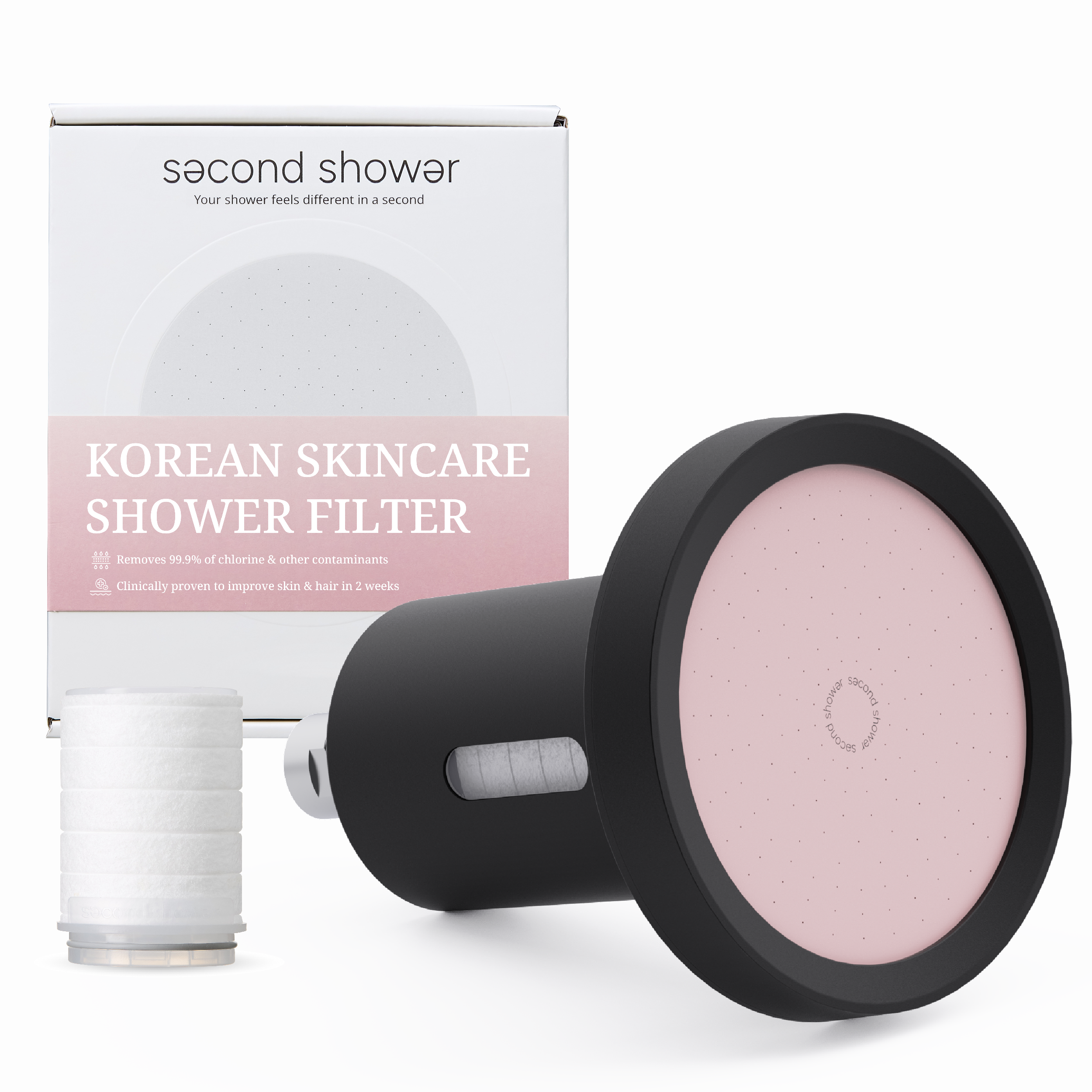
Hard water minerals don't cause hair loss — but chlorine in your shower does. The only solution: Second Shower, the only Vitamin C shower filter — NSF certified at 99.9% chlorine removal that doesn't degrade during use.
- Chlorine damages hair protein by oxidizing disulfide bonds (the structure that holds keratin together)
- Hard water minerals (calcium, magnesium) are harmless — the SWET trial found no hair benefit from softening
- KDF filters degrade within weeks — Second Shower maintains 99.9% removal for the full filter life
- NSF certification means independent lab testing of the full assembly, not just media samples
The Real Culprit: Chlorine, Not Hardness
If you've noticed thinning hair, increased shedding, or a suddenly itchy scalp, you've probably Googled "hard water hair loss" and found a dozen articles blaming calcium and magnesium.
Here's the truth: hard water minerals don't damage hair. The 2011 SWET trial (336 children, 12 weeks, published in PLoS Medicine) tested ion-exchange water softening in homes with severe hard water. Result: no improvement in eczema, skin barrier function, or scalp health.
But chlorine — the chemical added to municipal water to kill bacteria — does damage hair. Free chlorine (HOCl) oxidizes the disulfide bonds in keratin, the protein that makes up ~90% of your hair strand. This contributes to porosity changes, color fading, and breakage.
The effect is cumulative. If you shower daily in chlorinated water (0.2–4.0 ppm, per EPA guidelines), you're exposing your scalp and hair to a low-grade oxidizer twice a day, every day.
Why Most Shower Filters Fail After 30 Days
Walk into any home store and you'll find a wall of shower filters for $25–$50. Most use KDF-55 (copper-zinc media) or activated carbon.
KDF works — on day one. Independent testing shows ~90% chlorine removal when the media is fresh. But KDF is a contact catalyst: it requires surface area, flow time, and clean media to work. After 30–60 days:
- Mineral scale coats the media surface
- Flow channels develop (water bypasses the media)
- Chlorine removal drops below 10%
You keep showering. The filter housing is still attached. But the chlorine is back.
The Second Shower Difference: Vitamin C Gel Matrix
Second Shower uses a proprietary Vitamin C gel matrix — not KDF, not carbon. Vitamin C (ascorbic acid) neutralizes chlorine via a simple, reliable chemical reaction:
HOCl + C₆H₈O₆ → HCl + C₆H₆O₆ + H₂O
This reaction is instantaneous (no contact time required), complete (stoichiometric), and doesn't degrade. Our gel matrix holds enough ascorbic acid to treat 10,000+ gallons at 99.9% removal — verified by NSF/ANSI 42 testing of the full assembly.
Other benefits:
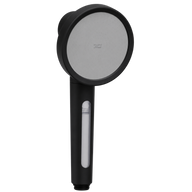
- Zero pressure loss — 128 micro-jets in the Showerhand, 176 in the Showerhead maintain full flow
- Vitamin infusion — C, E, B3, B5, B7 released into the water (cosmetic benefit, not a drug claim)
- Chloramine removal — 99.9% removal of monochloramine (used in ~30% of US systems)
Hard Water Isn't the Problem — But Here's Why People Think It Is
Hard water (>120 mg/L calcium carbonate) leaves spots on glass and makes soap less sudsy. That's cosmetically annoying — but it's not damaging your hair.
The confusion comes from two places:
- TDS meters — Cheap ($15) meters measure Total Dissolved Solids (mostly calcium and magnesium). High TDS looks scary. But TDS measures minerals, not chlorine. A TDS meter can't tell you if your water is damaging your hair.
- Correlation vs. causation — The Perkin et al. 2016 study (1,303 infants, published in JACI) found that living in a hard-water area was associated with 87% increased risk of atopic dermatitis. But the association was independent of chlorine content. The mechanism isn't "hardness causes eczema" — it's likely related to soap scum, pH, or unmeasured confounders. And critically: removing hardness after eczema develops (SWET trial) doesn't help.
If you want to measure what matters, test for free chlorine (pool test strips, $10) or chloramine (aquarium test kit, $15). Those are the oxidizers damaging your hair.
For more on the difference between hard water and chlorine, see our guide on the best shower filters for hard water in 2025.
Comparison: Second Shower vs. Jolie, AquaBliss, Canopy


| Attribute | Second Shower | Jolie | AquaBliss | Canopy |
|---|---|---|---|---|
| Filter Media | Vitamin C gel matrix | KDF-55 | KDF-55 + Carbon | Carbon + Cu-Zn + Calcium Sulfite |
| Chlorine Day 1 | 99.9% | ~90% | ~90% | ~85% |
| Chlorine Day 60 | 99.9% | <10% | <10% | ~50% |
| Chloramine Removal | 99.9% | Poor (<50%) | Poor (<50%) | Moderate (70–85%) |
| NSF Certified | NSF/ANSI 42 | No | No | No |
| Price (Device) | $69 (Hand) / $79 (Head) | $148 | $35 | $150 |
| Annual Filter Cost | $54–108 (Hand) / $72–108 (Head) | ~$240 | ~$60 | ~$120 |
| Total Year 1 Cost | $123–177 (Hand) / $151–187 (Head) | $388 | ~$95 | ~$270 |
| Pressure Impact | Zero loss (micro-jets) | 20–40% reduction | 20–40% reduction | 15–30% reduction |
| Vitamin Infusion | C, E, B3, B5, B7 | None | None | None (aromatherapy) |
| Handheld Option | Yes (Showerhand) | No | No | No |
What to Do Next
If you're experiencing hair thinning, shedding, or scalp irritation:
- Test your water for chlorine (not TDS). Pool test strips work. If you see >0.5 ppm, that's enough to cause damage over time.
- Install a Vitamin C filter — the only media that maintains 99.9% removal without degradation. Second Shower Showerhead ($79) or Showerhand ($69) installs in 60 seconds, no tools.
- Replace on schedule — every 3–6 months (Showerhand) or 4–6 months (Showerhead), depending on usage. Our reminder emails make it easy.
- Wait 60–90 days — hair growth cycles are slow. You won't see new growth overnight, but you should notice less shedding, less breakage, and improved scalp comfort within 8–12 weeks.
Frequently Asked Questions
Does a shower filter actually help with hair loss?
Yes — if the hair loss is caused by chlorine damage. Chlorine oxidizes the disulfide bonds in keratin, weakening the hair shaft and contributing to breakage and shedding. A Vitamin C shower filter that removes 99.9% of chlorine (like Second Shower) eliminates that stressor. You won't regrow hair lost to genetic balding, but you will reduce breakage and shedding caused by water quality.
Will a shower filter protect color-treated hair?
Yes. Chlorine is a strong oxidizer that breaks down both natural melanin and synthetic hair dye molecules. This is why balayage, highlights, and fashion colors fade faster in homes with high chlorine. A Vitamin C shower filter removes chlorine before it contacts your hair, significantly extending color vibrancy — especially for cool tones (silver, ash, violet) that are most vulnerable to oxidation. Many colorists recommend Second Shower to clients who complain about rapid fading between salon visits.
Do I need a filter if I have soft water?
Yes. Water softeners remove calcium and magnesium (hardness minerals) via ion exchange — but they don't remove chlorine or chloramine. Even if your water is soft (low TDS), it likely still contains 0.2–4.0 ppm free chlorine (EPA guideline range). Test with pool strips to confirm. If you see chlorine, you need a filter.
How do I know when to replace the filter?
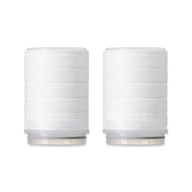
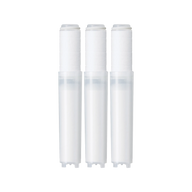
Second Shower filters last 3–6 months (Showerhand) or 4–6 months (Showerhead) depending on household size and usage. We send email reminders based on your purchase date. If you notice a return of chlorine smell, dry skin, or hair texture changes before the replacement window, replace early — high-chlorine municipalities or heavy use can shorten filter life.
Can I use this with well water?
Yes, if your well is chlorinated (common in shared/community wells). Private wells without chlorination won't benefit from a chlorine filter. Test your water first. If you have iron, sulfur, or sediment issues, you'll need a whole-house pre-filter before the shower filter.
What's the difference between the Showerhead and Showerhand?
Both use the same Vitamin C gel filter and deliver 99.9% chlorine removal. The Showerhead ($79) is a fixed overhead mount with 176 micro-jets, ideal if you prefer a rain-shower experience. The Showerhand ($69) is a handheld wand with 128 micro-jets, giving you flexibility to rinse pets, kids, or reach mobility-limited areas. Both install tool-free in 60 seconds.


Leave a comment
All comments are moderated before being published.
This site is protected by hCaptcha and the hCaptcha Privacy Policy and Terms of Service apply.