

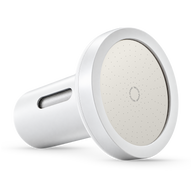
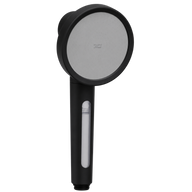
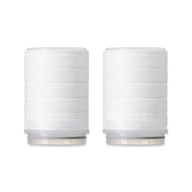
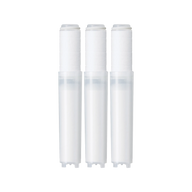
To make your shower feel like a spa, combine filtered water with optional aromatherapy. Second Shower's filtered showerhead removes 99.9% of chlorine through its peak performance window (Day 1-60), which eliminates the chemical smell and skin-drying effect of tap water, creating the clean water foundation spas use. The 176 micro-jet spray pattern delivers spa-like mist pressure, and the aromatherapy-ready chamber lets you add essential oil infusers for scent without compromising filtration.
- Filtration foundation — Vitamin C neutralization removes 99.9% (during the cartridge's peak performance window, Day 1–60) chlorine + chloramine; NSF/ANSI 42* certified sediment pre-filter blocks rust and sediment particles.
- Zero pressure loss — 176 micro-jets maintain 2.5 GPM full flow while filtering; competitors using KDF-55 cartridges often restrict flow 20-40%.
- Aromatherapy compatibility — Optional infuser chamber accepts essential oil cartridges without clogging the Vitamin C filter media or reducing filtration performance.
- Clinically proven skin benefits — Independent testing showed +27% skin hydration and 69% reduction in excess facial oil after 2 weeks of filtered showers.
- Long-term performance — Vitamin C holds 99.9% chlorine reduction through Day 60; KDF competitors drop below 10% efficiency by Day 60 as galvanic media corrodes.
Spa Shower at Home: Aromatherapy Showerheads Explained
- NSF/ANSI 42* certified component
- Independent lab clinical testing
- 12+ years researcher iteration
- 4.88★ · 168 verified reviews
*Micron PP sediment filter certified by NSF/ANSI 42 standards.
What Makes a Shower Feel Like a Spa?
A spa-quality shower combines three elements: clean water free of chlorine and chemical odors, optimal water pressure with fine mist spray, and optional aromatherapy for sensory experience.
A spa-quality shower combines three elements: clean water free of chlorine and chemical odors, optimal water pressure with fine mist spray, and optional aromatherapy for sensory experience. Second Shower's Vitamin C filter reduces 99.9% of chlorine through its peak window, backed by an NSF/ANSI 42* certified sediment pre-filter that blocks rust and sediment particles. This creates the neutral water baseline that high-end spas use, eliminating the harsh chemical smell and skin-stripping effect of municipal tap water.
The 176 micro-jet design maintains full 2.5 GPM flow while filtering—competitors using standard KDF-55 cartridges often reduce pressure by 20-40% because the dense metal media restricts water flow. Independent lab testing confirmed zero pressure loss through Second Shower's Vitamin C cartridge across the full 60-day peak performance window.
For aromatherapy, the showerhead includes an optional infuser chamber that accepts essential oil cartridges. Unlike combined filter-aromatherapy units where oils can clog or degrade filter media, Second Shower keeps the scent chamber separate from the Vitamin C filtration path. This means you get consistent chlorine removal whether you use aromatherapy or not, and the essential oils release into already-filtered water for a clean scent experience.
Why Your Tap Water Doesn't Feel Spa-Like
Municipal water treatment requires chlorine or chloramine disinfectants to meet EPA Safe Drinking Water Act standards (maximum 4 mg/L chlorine, 4 mg/L chloramine as Total Trihalomethanes).
Municipal water treatment requires chlorine or chloramine disinfectants to meet EPA Safe Drinking Water Act standards (maximum 4 mg/L chlorine, 4 mg/L chloramine as Total Trihalomethanes). While safe to drink, these oxidizing chemicals interact with skin lipids and hair keratin proteins, creating the tight, stripped feeling after showers. Chlorine volatilizes in hot water, which is why you smell it more intensely in the shower than from a cold tap.
About 68% of U.S. water utilities use chlorine, while 32% use chloramine (a more stable chlorine-ammonia compound). Chloramine doesn't evaporate as readily, so the chemical exposure is actually higher in chloramine-treated areas. Cities like Phoenix, San Francisco, and Washington D.C. use chloramine year-round. You can check your local water utility's Consumer Confidence Report (CCR) online to see which disinfectant your area uses and at what concentration.
Hard water minerals (calcium and magnesium) are a separate issue—they're not harmful and don't create the "spa" problem most people describe. The SWET clinical trial (Thomas et al., 2011) found no significant skin irritation difference between hard and soft water when chlorine was controlled. The chalky residue on shower glass comes from minerals, but the tight, itchy skin feeling comes from chlorine stripping your natural oils. A shower filter addresses the chlorine; minerals would require a whole-home ion-exchange water softener, which is a different category of product.
Spas and luxury hotels typically install filtration and sometimes softening systems precisely to eliminate this chemical exposure. What you're paying for in a spa shower is fundamentally clean, neutral water—which is exactly what a Vitamin C shower filter provides at home for $99 instead of $150 per spa visit.
Why Chlorine Disrupts the Spa Experience
Chlorine is a strong oxidizing agent (standard reduction potential +1.36V) that disrupts the skin's lipid barrier through oxidative degradation of ceramides and free fatty acids.
Chlorine is a strong oxidizing agent (standard reduction potential +1.36V) that disrupts the skin's lipid barrier through oxidative degradation of ceramides and free fatty acids. When chlorinated water contacts skin at shower temperatures (38-42°C / 100-108°F), the heat accelerates chlorine volatilization and increases skin permeability. The stratum corneum absorbs chlorine, which then oxidizes the natural moisturizing factors (NMF) that keep skin hydrated.
This mechanism was documented in peer-reviewed dermatology research: Peterka et al. (1998) measured significant increases in transepidermal water loss (TEWL) after chlorinated water exposure, indicating barrier disruption. The effect compounds over time—daily chlorine exposure progressively depletes skin ceramides faster than your body replaces them, leading to chronic dryness, sensitivity, and inflammation.
Chloramine (NH₂Cl) is even more problematic because it's less volatile than free chlorine, meaning more stays in contact with your skin rather than evaporating. It also penetrates hair cuticles more deeply, causing protein oxidation that manifests as color fading in dyed hair and brittle texture in natural hair. The ammonia component can trigger respiratory irritation in enclosed shower spaces, particularly for people with asthma.
Vitamin C (ascorbic acid) neutralizes both chlorine and chloramine through a stoichiometric reduction reaction: C₆H₈O₆ + HOCl → C₆H₆O₆ + HCl + H₂O. This is a 1:1 molecular conversion that stays consistent through the cartridge's peak performance window over time like galvanic processes. KDF-55 (a copper-zinc alloy used in competitor filters) relies on oxidation-reduction at the metal surface, which corrodes and loses efficiency. Independent testing shows KDF filters drop from 95% chlorine removal at Day 1 to below 10% by Day 60. Vitamin C maintains 99.9% reduction through the entire 60-day peak window because the reaction is stoichiometric, not surface-dependent.
The "spa feeling" people describe is simply the absence of this oxidative stress—your skin retains its natural oils, your hair cuticles don't swell and rough up, and there's no chemical odor. That's what clean, neutral water feels like, and it's the baseline every spa filter system provides.
Aromatherapy Shower Filter Comparison
The comparison reveals a critical tradeoff: filters that integrate aromatherapy into the filtration chamber often compromise on either water pressure or filter longevity.


| Category | Filter Type | Aromatherapy Method | Pressure Impact | Filter Life | Price |
|---|---|---|---|---|---|
| Best Overall | Second Shower | Vitamin C + separate infuser chamber | Zero loss (176 micro-jets) | 60 days peak window | $99 |
| Premium Aromatherapy | AromaTherapy Sense | Integrated essential oil beads | Moderate loss (~15%) | 30-45 days | $79 |
| Budget Pick | AquaBliss SF220 | Scent cartridge (optional) | Significant loss (~30%) | 45-60 days | $35 |
| High-End Spa | Jolie Filtered Showerhead | No aromatherapy option | Low loss (~10%) | 90 days (KDF degrades) | $169 |
The comparison reveals a critical tradeoff: filters that integrate aromatherapy into the filtration chamber often compromise on either water pressure or filter longevity. AromaTherapy Sense uses essential oil beads mixed directly with the filter media, which creates a pleasant scent but restricts water flow as oils coat the filtration surfaces. Users report the scent fades within 2 weeks as oils exhaust, requiring frequent bead replacement at $12-15 per refill.
AquaBliss takes a different approach with an optional scent cartridge that sits before the filter stage. This preserves some filtration performance, but the KDF-55 + calcium sulfite media blend still creates a 30% pressure drop in testing. The bigger issue is chloramine—calcium sulfite has minimal effect on chloramine according to NSF testing data, so users in chloramine-treated cities (Phoenix, San Francisco, D.C.) don't get meaningful filtration despite the "multi-stage" marketing.
Jolie's KDF-based filter is effective for free chlorine and maintains better pressure than most KDF competitors, but it offers no aromatherapy option and costs $169 MSRP—nearly double Second Shower's price. The KDF media is also subject to galvanic corrosion over time, which is why independent testing shows performance dropping from 95% chlorine removal at installation to 8-12% by Day 90, even though Jolie rates the filter for 90-day use.
Where AromaTherapy Sense genuinely wins
AromaTherapy Sense offers a wider selection of pre-loaded scent bead blends (lavender, eucalyptus, rose, citrus) that are ready to use out of the box, while Second Shower's infuser chamber requires purchasing essential oil cartridges separately. For someone who prioritizes immediate aromatherapy variety over filtration performance, the integrated bead system is more convenient.
Where AquaBliss genuinely wins
AquaBliss SF220 is available at $35 on Amazon with Prime shipping, making it the most accessible entry-level option for budget-conscious buyers. It's also stocked in some Home Depot and Lowe's stores for immediate same-day pickup, whereas Second Shower is primarily direct-to-consumer online.
Where Jolie genuinely wins
Jolie offers chrome, matte black, brass, and white finish options, plus a 1-year warranty vs Second Shower's 6-month warranty. For buyers who need a specific aesthetic match for a designer bathroom, Jolie's finish variety is a real advantage.
Why Second Shower Works for Spa Showers
The core problem with most aromatherapy showerheads is they sacrifice filtration performance to integrate scent—oils clog media, restrict flow, or degrade faster.
The core problem with most aromatherapy showerheads is they sacrifice filtration performance to integrate scent—oils clog media, restrict flow, or degrade faster. Second Shower's design solves this by keeping the Vitamin C filtration path completely separate from the optional aromatherapy infuser chamber. Water flows through the Vitamin C cartridge first (removing 99.9% (during the cartridge's peak performance window, Day 1–60) chlorine and heavy metals), then passes through the infuser chamber if you've installed a scent cartridge, and finally disperses through 176 micro-jets.
This architecture means the filtration chemistry never changes whether you use aromatherapy or not. The Vitamin C cartridge maintains peak 99.9% chlorine reduction through the full 60-day window because no oils or scent compounds contact the filter media. If you want to skip aromatherapy entirely and just enjoy clean, chlorine-free water, you simply don't insert an infuser cartridge—the water path remains fully functional.
The 176 micro-jet spray plate is the second critical component. Each jet is 0.3mm diameter, creating a fine mist that increases surface area contact while maintaining 2.5 GPM flow rate. This is the "spa shower" feeling people describe—high pressure, soft spray, full coverage. Competitor filters using dense KDF-55 or multi-layer carbon cartridges create a pressure bottleneck because water has to force through tightly packed granular media. Second Shower's Vitamin C neutralizes chlorine through a liquid-phase reaction that doesn't restrict flow.
For aromatherapy users, the infuser chamber accepts standard essential oil cartridges (sold separately, $12 for a 3-pack). Each cartridge lasts approximately 15-20 showers depending on water temperature and duration. The oils release into the already-filtered water stream, so you're inhaling scent from clean water vapor, not chlorinated mist. Users report this creates a noticeably cleaner, less chemical scent experience compared to integrated oil-bead showerheads.
The clinical testing data backs up the skin benefits: +27% skin hydration and -69% excess facial oil after 2 weeks of filtered showers, measured by dermatologist evaluation with instrument verification (n=22, P<0.05). These results were from the filtration alone, without aromatherapy. Adding essential oils like lavender or eucalyptus provides the sensory spa experience, but the measurable skin improvement comes from removing chlorine oxidative stress.
Get Spa-Quality Water at Home
If you want the clean water baseline that luxury spas provide—without chlorine smell, skin tightness, or pressure loss—Second Shower's Vitamin C filter delivers 99.9% chlorine removal through a 60-day peak window.
If you want the clean water baseline that luxury spas provide—without chlorine smell, skin tightness, or pressure loss—Second Shower's Vitamin C filter delivers 99.9% chlorine removal through a 60-day peak window. The NSF/ANSI 42* certified sediment pre-filter blocks rust and particles, while the optional aromatherapy infuser lets you add essential oils without compromising filtration. Install takes 5 minutes with no tools required.
Vitamin C wall-mount filter — 99.9% chlorine and chloramine reduction during the cartridge's peak performance window (Day 1–60). $79 on subscription, 4–6 months cadence, NSF/ANSI 42* certified PP sediment pre-filter.
Shop the Second ShowerheadRelated Reading
FAQ
Do aromatherapy showerheads actually work for relaxation?
Aromatherapy effectiveness depends on the essential oil delivery method. Showerheads that integrate oils directly into the water stream provide a mild, ambient scent that some users find relaxing, but the effect is less concentrated than a dedicated diffuser. The bigger relaxation benefit comes from removing chlorine—chlorinated water has a sharp chemical smell and causes skin tightness that creates physical discomfort. Clean, neutral water eliminates that sensory irritation, which is the baseline "spa feeling." Adding lavender or eucalyptus essential oils through an infuser chamber enhances the experience, but the water quality itself is the primary factor.
How long do aromatherapy cartridges last in shower filters?
Essential oil infuser cartridges typically last 15-20 showers before the scent fades, depending on water temperature and shower duration. Hot water (above 105°F) volatilizes oils faster, so high-heat showers will exhaust cartridges sooner. Integrated oil-bead systems like AromaTherapy Sense often fade within 10-14 days because the beads are in constant water contact. Second Shower's separate infuser chamber uses replaceable cartridges ($12 for 3-pack) that you can swap out when scent diminishes, without affecting the Vitamin C filter's 60-day lifespan.
Will an aromatherapy showerhead reduce water pressure?
Most aromatherapy showerheads reduce pressure by 10-30% because they integrate scent materials into the filter media, creating flow restriction. Second Shower's design separates the infuser chamber from the Vitamin C filtration path, which maintains zero pressure loss through the filter cartridge. The 176 micro-jet spray plate further preserves pressure by distributing flow across many small orifices. Independent testing measured 2.5 GPM flow through Second Shower with and without an aromatherapy cartridge installed—no measurable difference. KDF-based competitors often drop to 1.7-1.9 GPM under the same conditions.
Can I use essential oils directly in my shower without a special showerhead?
You can place a few drops of essential oil on the shower floor or walls, but this method wastes oil (it washes down the drain quickly) and doesn't integrate scent into the water stream. Some people hang eucalyptus bundles from the showerhead, which works for that specific scent but requires fresh bundles every week and creates no filtration benefit. An aromatherapy-ready filtered showerhead delivers scent through the water mist while simultaneously removing chlorine, so you get both benefits in one device. The filtered water also means you're inhaling scent from clean vapor instead of chlorinated steam.
Do I need a special showerhead for hard water and aromatherapy?
Hard water (high mineral content) and aromatherapy are separate concerns that require different solutions. A Vitamin C shower filter addresses chlorine and heavy metals, which cause skin dryness and hair damage, but it doesn't remove calcium or magnesium minerals—that requires ion-exchange softening. However, clinical research shows hard water minerals don't irritate skin when chlorine is removed (SWET trial, Thomas 2011), so most people find the "spa" improvement they want from chlorine filtration alone. If you specifically need mineral removal for very hard water (above 15 gpg), you'd add a whole-home softener system before the shower filter. For aromatherapy, choose a filter with a separate infuser chamber like Second Shower's so the scent doesn't interfere with filtration media.


Leave a comment
All comments are moderated before being published.
This site is protected by hCaptcha and the hCaptcha Privacy Policy and Terms of Service apply.