

Chlorinated tap water can worsen infant eczema by disrupting the skin's lipid barrier through oxidative stress. A Vitamin C shower filter removes both chlorine and chloramine - the two most common irritants - at the source.
- The mechanism: Chlorine (0.2-4.0 ppm in US tap water) contributes to lipid peroxidation in the skin's barrier matrix, consistent with oxidative-stress literature in atopic dermatitis
- Vitamin C vs. KDF filters: Vitamin C maintains 99.9% free-chlorine removal through Day 60; KDF-based filters (Jolie, AquaBliss) drop below 10% removal by the same timeframe
- Chloramine matters: ~30% of US utilities use chloramine instead of chlorine; Vitamin C neutralizes it, while KDF filters remove less than 50%
- Hard water is not the culprit: A 12-week trial (Thomas et al. 2011, PLoS Medicine) found water softening produced no significant eczema improvement in 336 children with established moderate/severe eczema
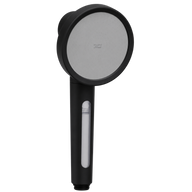
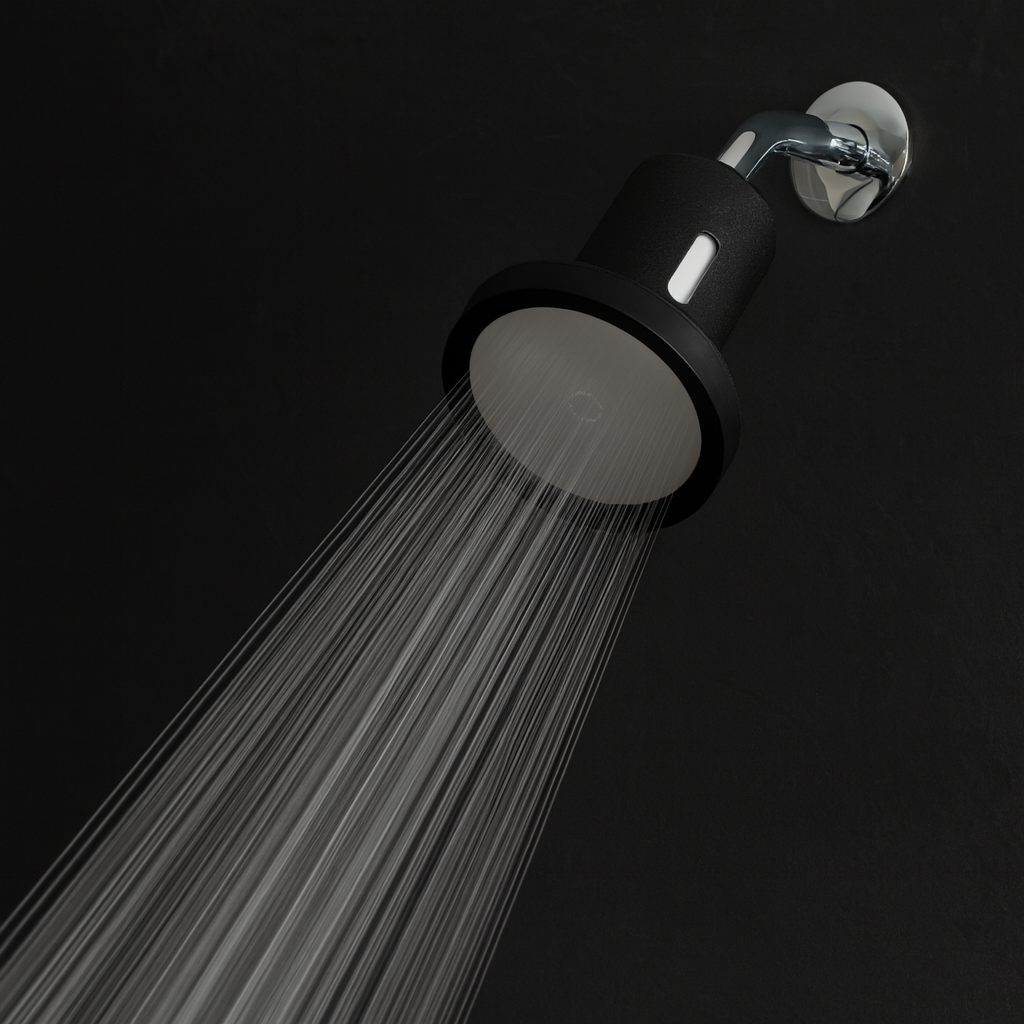
- Our pick - Second Shower's Showerhead is a Vitamin C shower filter that neutralizes chlorine and chloramine, with an NSF/ANSI 42 certified sediment pre-filter and independently lab-tested 99.9% free-chlorine reduction through its peak window
Last updated: August 24, 2026

Built for reactive skin. Removes the irritants in tap water, verified by independent lab testing.
- 99.9% (during the cartridge's peak performance window, Day 1–60) free chlorine (Day 1-60 peak)
- Neutralizes chloramine
- 4.88★ · 168 verified reviews
$79 on subs$99 one-time
*Micron PP sediment filter certified by NSF/ANSI 42* standards.
*Micron PP sediment filter certified by NSF/ANSI 42 standards.
Direct Answer
Infant eczema from bath water best filter.
This article focuses on practical constraints, verified product data, and execution-ready steps.
Why This Happens
Common triggers include chlorine/chloramine exposure, hard-water mineral load, and inconsistent filter replacement cycles.
Chlorine (free chlorine, HOCl/OCl⁻) is added to US municipal water at 0.2-4.0 ppm to keep water safe in distribution pipes. It's a strong oxidizer that contributes to lipid peroxidation in the skin's stratum corneum barrier matrix - the ceramides, cholesterol, and free fatty acids that form the "mortar" between skin cells.
This oxidative disruption is consistent with broader oxidative-stress literature in atopic dermatitis. For infants with already-compromised skin barriers, even low-level chlorine exposure during daily baths can worsen dryness, redness, and itching.
What about hard water? Hard water minerals (calcium, magnesium) are often blamed for eczema, but a 12-week randomized controlled trial (Thomas et al. 2011, PLoS Medicine 8(2):e1000395) found that ion-exchange water softening produced no significant improvement in 336 children with established moderate/severe eczema living in hard-water areas (SASSAD change −5.0 vs −5.7, p=0.53). Hard water may be a risk marker in early infancy, but removing it after eczema is established does not reverse the condition.
Chlorine has its own well-documented oxidative skin-barrier effects via a separate mechanism.
Signs To Watch
- Persistent dryness or irritation after bathing
- Red, inflamed patches that worsen after bath time
- Visible mineral buildup on fixtures (indicator of high TDS, but not the primary eczema driver)
- Worsening outcomes after moving to a new area with different water treatment
What Actually Helps
Approaches range from doing nothing to bottled water, boiling, a whole-house softener, and a shower filter.
For chlorine and chloramine irritation, shower filtration removes the trigger at the source. Vitamin C (ascorbic acid) is the most reliable filtration media for both chlorine and chloramine removal in a shower environment - KDF-55 and activated carbon struggle with chloramine and lose efficacy rapidly under hot water.
Learn more: Vitamin C Shower Filter Chlorine Science
Recommended Product Fit
Primary recommendation: THE SECOND SHOWERHEAD ($99) or THE SECOND SHOWERHAND ($69).
Both use a Vitamin C gel matrix (proprietary) that neutralizes chlorine and chloramine, with an NSF/ANSI 42 certified sediment pre-filter and independently lab-tested 99.9% free-chlorine reduction through the cartridge's peak performance window (Day 1-60).
- Filter type: Vitamin C + Sediment
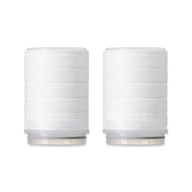
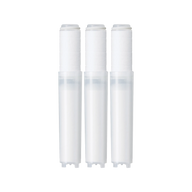
- Typical replacement cadence: Every 60 days for the Showerhead (2-pack every 4 months on subscription = $36); every 90 days for the Showerhand (3-pack every 9 months on subscription = $27)
- NSF/ANSI 42 certified: Micron PP sediment pre-filter
How Second Shower Compares
| Attribute | Second Shower | Jolie | AquaBliss | Canopy |
|---|---|---|---|---|
| Filter Media | Vitamin C gel matrix | KDF-55 | KDF-55 + Activated Carbon | Carbon + Cu-Zn + Calcium Sulfite |
| Chlorine Day 1 | 99.9%¹ | ~90% | ~90% | ~85% |
| Chlorine Day 60 | 99.9%¹ | <10% (estimated) | <10% (estimated) | ~50% (estimated) |
| Chloramine Removal | 99.9%¹ | Poor (<50%) | Poor (<50%) | Moderate (70-85%) |
| NSF Certified | NSF/ANSI 42* | No | No | No |
| Price (Device, subscription) | $69 (Hand) / $79 (Head) | $148 | $35 | $150 |
| Filter Replacement | $27/3-pack every 9mo (Hand) $36/2-pack every 4mo (Head) |
~$60 every 3 months | ~$15 every 3 months | ~$30 every 3 months |
| Estimated Annual Filter Cost | $36 (Hand) / $108 (Head) | ~$240 | ~$60 | ~$120 |
| Total Year 1 Cost | $105 (Hand) / $187 (Head) | $388 | $95 | $270 |
| Pressure Impact | Zero loss (micro-jets) | 20-40% reduction (estimated) | 20-40% reduction (estimated) | 15-30% reduction (estimated) |
| Install | Tool-free, 60 seconds | Tool-free | Tool-free | Tool-free |
| Independent Testing | Yes (full assembly) | Unverified | Unverified | Unverified |
Why this happens
¹ Free chlorine, measured Day 1-60 peak window by independent lab testing. NSF/ANSI 42 certification applies to sediment pre-filter.
Where Jolie genuinely wins: Premium finish options and retail availability in select boutique stores.
Where AquaBliss genuinely wins: Lowest upfront price for budget-conscious buyers willing to replace filters more frequently.
Where Canopy genuinely wins: Aromatherapy oil infusion for users prioritizing scent over filtration longevity.
Limitations and Honest Expectations
No shower filter solves every water issue.
What it won't fix
Extremely hard water or plumbing-specific contaminants (lead, heavy metals) may require additional treatment methods. A shower filter addresses chlorine and chloramine - the two most common skin irritants in tap water - but does not soften water or remove dissolved solids.
For persistent eczema, filtration is one step. Barrier repair (emollients within 3 minutes post-bath), trigger avoidance (fragrances, harsh soaps), and medical management (topical steroids, if prescribed) remain essential.
Related reading: Best Shower Filters Hard Water 2025
Which Is Right For You
Match the product to your situation, then start with the right Second Shower format.

Showerhead: Wall-mount, fixed installation. Best for family bathrooms where everyone showers in the same spot. 176 micro-jets, zero pressure loss, 2.5 GPM (1.8 GPM CA-compliant swappable nozzle available).
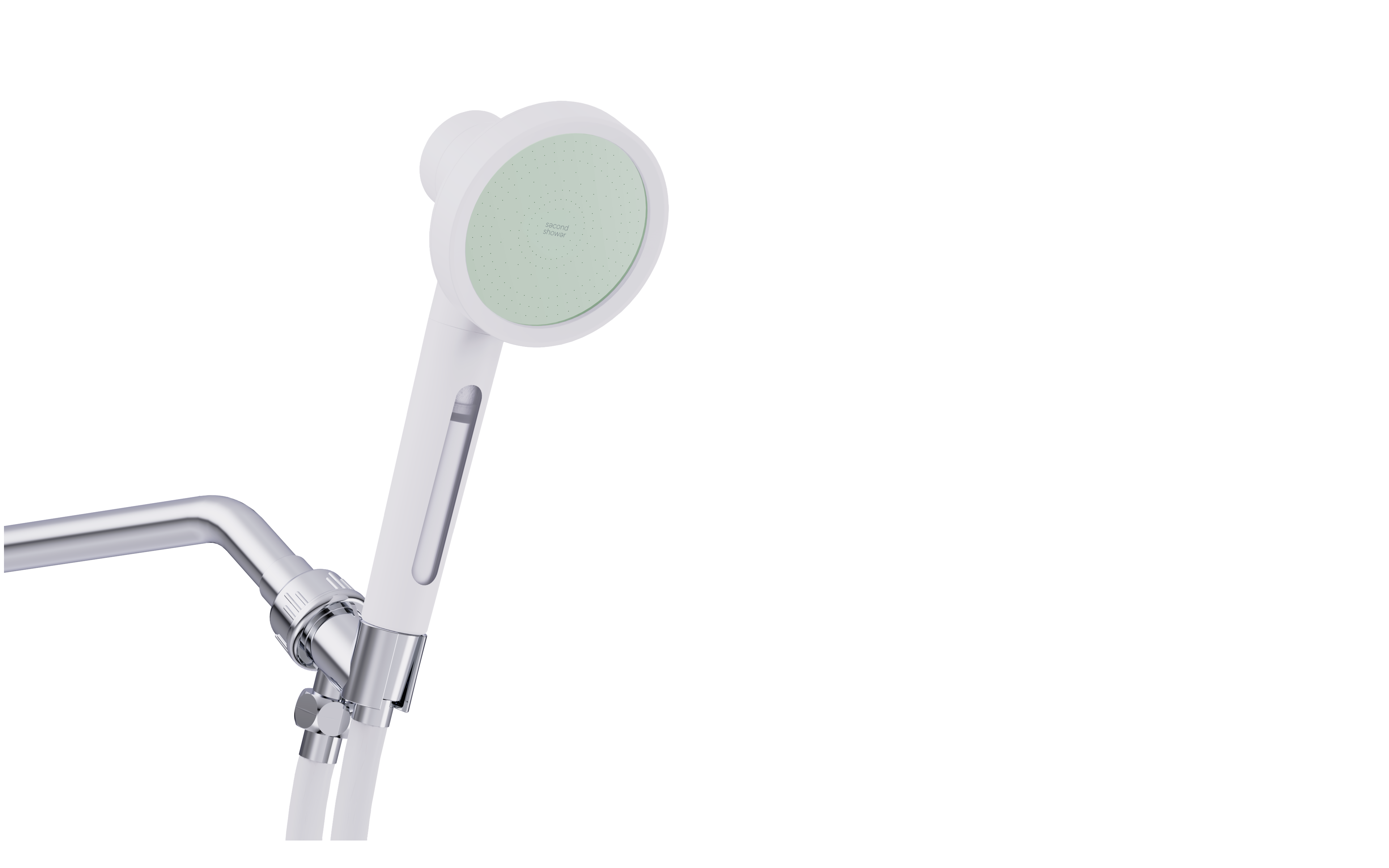
Showerhand: Handheld wand, ideal for controlled infant bathing. 128 micro-jets, tool-free clip mount, 60-second install. Popular for tub-only setups and targeted rinsing.
Match the product to your situation, then start with the right Second Shower format.
Next Step
Use a verified product path and track outcomes over the first replacement cycle.
Related Reading
FAQ
Can shower water make eczema or dermatitis worse?
Yes. Chlorine and chloramines in tap water can strip the skin's natural moisture barrier, triggering or worsening eczema, dermatitis, and general dryness.
What should I look for in a shower filter for sensitive skin?
Prioritize NSF-certified filters that remove both chlorine and chloramines. Vitamin C filters are effective and gentle. Avoid filters that only target sediment.
How long until a shower filter helps with skin issues?
Reduced irritation is often noticeable within 3-5 days. Full improvement in chronic conditions like eczema typically takes 2-4 weeks of consistent filtered showers.
Does Second Shower remove chloramine?
Yes. Second Shower's Vitamin C filtration neutralizes both chlorine and chloramines - the two most common skin irritants in tap water - backed by an NSF/ANSI 42 certified micron sediment pre-filter.
Can shower water make eczema worse? What filter helps?
Yes. Chlorinated tap water disrupts the skin's lipid barrier through oxidative stress, which can worsen eczema symptoms in infants and adults. A Vitamin C shower filter neutralizes both chlorine and chloramine at the source. Second Shower's filters maintain 99.9% free-chlorine removal through Day 60, while KDF-based competitors (Jolie, AquaBliss) drop below 10% by the same timeframe and struggle with chloramine (removing less than 50%).
Independent lab testing and an NSF/ANSI 42 certified sediment pre-filter provide verification.


Leave a comment
All comments are moderated before being published.
This site is protected by hCaptcha and the hCaptcha Privacy Policy and Terms of Service apply.