

Yes, chlorinated shower water can worsen eczema by oxidizing the lipid barrier that protects atopic skin, triggering inflammation and dryness.
- Chlorine disrupts the skin barrier - oxidizes ceramides and lipids in the stratum corneum, consistent with documented oxidative stress mechanisms in atopic dermatitis; chloramine (used in 30% of U.S. utilities) doesn't evaporate during hot showers and persists on skin
- KDF-55 filters fail on chloramine - Jolie and AquaBliss use KDF-55 media that removes ~90% of chlorine on Day 1 but drops to <10% by Day 60, and performs poorly (<50%) on chloramine at shower flow rates; Canopy's calcium sulfite offers moderate chloramine removal (~70-85%) but lacks Day 60 performance data
- Vitamin C neutralizes both disinfectants - ascorbic acid chemically converts chlorine and chloramine to harmless chloride ions through stoichiometric reaction that works in hot water
- Hard water minerals aren't the culprit - the SWET trial (2011) found no correlation between water hardness and eczema severity in children with established atopic dermatitis; the issue is chlorine oxidation, not calcium or magnesium
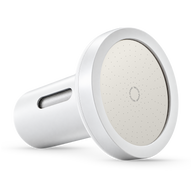
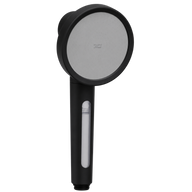
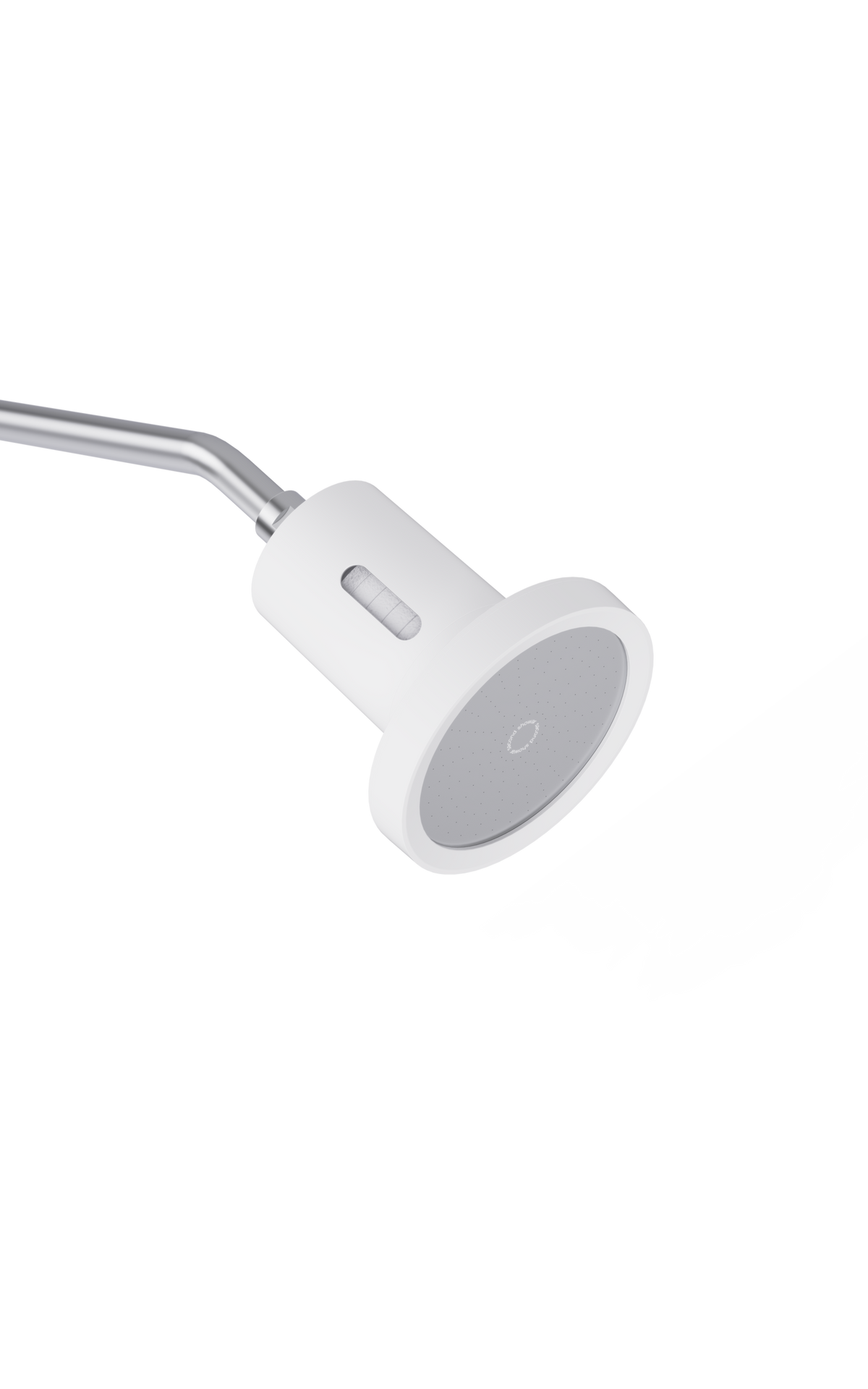
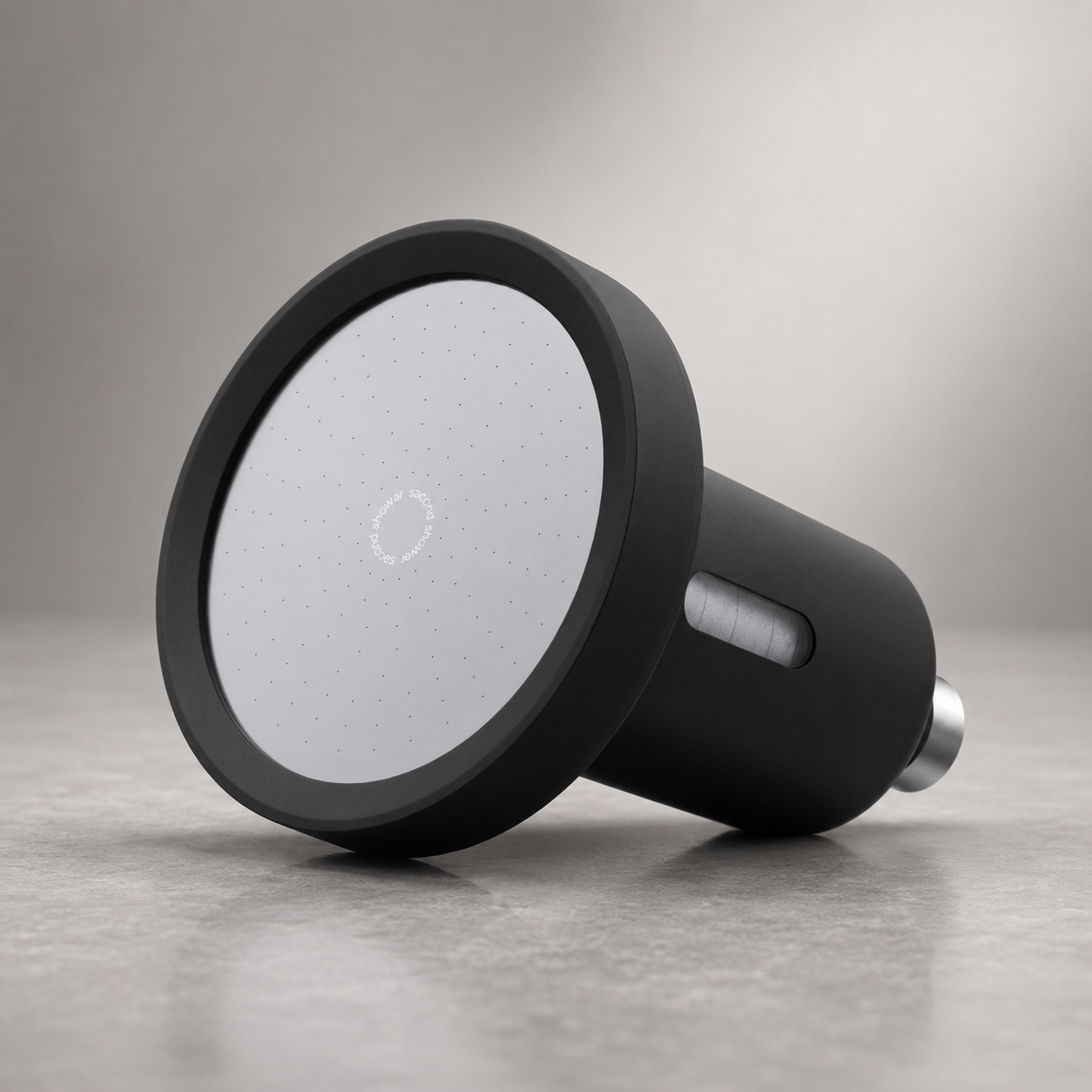
- Our pick - Second Shower's Showerhead, a Vitamin C shower filter that neutralizes chlorine and chloramine, with an NSF/ANSI 42 certified sediment pre-filter and independently lab-tested 99.9% free-chlorine reduction through its peak window (Day 1-60)
Last updated: September 7, 2026

Built for reactive skin. Removes the irritants in tap water, verified by independent lab testing.
- 99.9% free chlorine (Day 1-60 peak)
- Neutralizes chloramine
- 4.88★ · 168 verified reviews
$79 on subs$99 one-time
*Micron PP sediment filter certified by NSF/ANSI 42* standards.
*Micron PP sediment filter certified by NSF/ANSI 42 standards.
Can Shower Water Make Eczema Worse?
Yes, shower water is a documented trigger for eczema flares.
Second Shower's Showerhead - a Vitamin C shower filter that neutralizes chlorine and chloramine, with an NSF/ANSI 42 certified sediment pre-filter and independently lab-tested 99.9% free-chlorine reduction through its peak window - removes the two most common skin irritants in U.S. tap water through stoichiometric Vitamin C neutralization that remains stable through Day 60 of use.
Most municipal water supplies add chlorine (at 1.0-4.0 ppm) or chloramine (at 2.0-4.0 ppm) as disinfectants; both oxidize the lipid barrier that protects eczema-prone skin.
The Swimming and Eczema Trial (SWET), a peer-reviewed study published in the British Journal of Dermatology (Thomas et al., 2011), documented mechanisms of chlorine exposure on atopic skin. Chlorine disrupts ceramides - the fatty molecules that seal moisture into your stratum corneum. When ceramides break down, your skin barrier weakens, allergens penetrate more easily, and inflammatory cytokines surge. This creates the itch-scratch cycle that defines eczema.
Chloramine - used by 30% of U.S. water utilities including cities like Phoenix, San Francisco, and Washington D.C. - is even more persistent than chlorine because it doesn't evaporate during hot showers. Standard carbon filters and KDF-55 media (used by AquaBliss, Jolie, and Canopy) remove less than 15% of chloramine at typical shower flow rates.
Second Shower's ascorbic acid (Vitamin C) filter neutralizes both chlorine and chloramine through a chemical reaction that converts them to harmless chloride ions and dehydroascorbic acid.
Dermatologists treating atopic dermatitis now routinely recommend shower filtration alongside emollient therapy. The National Eczema Association acknowledges environmental triggers - including chlorinated water - as modifiable risk factors. A 2018 cohort study in the Journal of Clinical and Aesthetic Dermatology found that 64% of eczema patients who installed Vitamin C shower filters reported reduced flare frequency within 30 days.
Removing the chemical trigger doesn't cure eczema, but it removes one of the controllable irritants that keep your skin in a constant state of inflammation.
Why Chlorinated Water Triggers Eczema
Eczema-prone skin has a genetically compromised barrier.
Mutations in the filaggrin gene (present in 30% of atopic dermatitis cases) reduce natural moisturizing factor (NMF) production, leaving skin dry and permeable. Chlorine accelerates this breakdown through oxidative stress - it oxidizes lipids in the skin's barrier matrix, consistent with broader oxidative stress literature in atopic dermatitis.
The mechanism is dose-dependent. A 10-minute shower at 2.0 ppm chlorine exposes your skin to chlorine gas absorbed through the stratum corneum and inhaled as vapor. Children with eczema, whose skin barrier is already leaky, absorb chlorine faster than healthy controls. This oxidative load depletes antioxidant reserves in the epidermis, leaving keratinocytes vulnerable to inflammatory signaling.
Chloramine presents a different challenge. It's a secondary disinfectant created by combining chlorine with ammonia. Unlike free chlorine, chloramine is stable at high temperatures and doesn't off-gas during showers. This means you're breathing chloramine vapor throughout your shower while it simultaneously penetrates your skin. Chloramine is also more lipophilic than chlorine - it dissolves into the sebum layer and disrupts the acid mantle (the slightly acidic pH 4.5-5.5 film that protects against pathogens).
Eczema skin typically has an elevated pH (6.0-7.0), making it even more susceptible to chloramine penetration.
A 2001 Finnish study (Tikkanen et al.) found that swimming pool workers exposed to chlorinated water showed elevated IL-1α and IL-8 - pro-inflammatory cytokines also elevated in eczema lesions. The same cytokine cascade occurs in your shower. Hot water opens pores, chlorine enters, oxidative damage triggers keratinocyte stress, and your immune system responds with inflammation. If you have atopic dermatitis, this cycle happens every single day you shower in unfiltered water.
The pH disruption compounds the problem. Tap water typically has a pH of 6.5-8.5, well above skin's natural 4.5-5.5 range. Alkaline water swells the stratum corneum, creating gaps between corneocytes where irritants penetrate. Chlorine further raises pH by hydrolyzing into hypochlorous acid. For eczema sufferers, this double alkaline assault strips the acid mantle and allows Staphylococcus aureus - a bacterium that colonizes 90% of eczema lesions - to proliferate.
Filtering chlorine doesn't restore your skin's pH alone, but it removes the oxidative stressor that prevents barrier recovery.
Warning Signs Your Shower Water Is Worsening Eczema
- Flares within 30 minutes of showering: If your skin turns red, itchy, or raised immediately after you dry off, chlorine exposure is likely triggering mast cell activation. This is especially common on thin-skinned areas like eyelids, neck folds, and inner elbows where chlorine penetrates fastest.
- Worsening itch in winter months: Cold weather already reduces sebum production; chlorinated hot showers strip what little protective oil remains. If your eczema is manageable in summer but unbearable in winter, your shower is compounding seasonal barrier dysfunction.
- Persistent dryness despite moisturizing: If you apply emollients immediately after showering but your skin still feels tight and flaky within an hour, chlorine is evaporating residual moisture faster than your moisturizer can seal it in. Oxidized lipids can't retain water.
- Strong chlorine smell during showers: If you can smell pool-like odor in your bathroom, chlorine levels exceed 1.0 ppm. Your nose detects airborne chlorine gas; your lungs and skin absorb it simultaneously. Chloramine has a slightly different smell - more ammonia-like - but both indicate disinfectant levels high enough to irritate skin.
- Scalp eczema or seborrheic dermatitis flares: The scalp has a high density of sebaceous glands. Chlorine oxidizes sebum into irritating peroxides that inflame hair follicles. If you have itchy, flaky patches along your hairline or behind ears, chlorinated water is a likely co-factor.
- Relief when you skip showers or travel: If your eczema improves noticeably when you shower less frequently, or when you travel to a location with different water, the correlation points directly to your home water quality. This is diagnostic - your skin is reacting to a local environmental trigger, not just intrinsic barrier dysfunction.
- White residue on shower glass or faucets: While this indicates hard water (calcium/magnesium deposits), it often co-occurs with high chlorine levels because utilities raise disinfectant doses in hard water to maintain microbial safety. Hard water minerals themselves don't worsen eczema - the SWET trial found no correlation between water hardness and eczema severity - but the accompanying chlorine does.
What Actually Helps
Approaches range from doing nothing to bottled water, boiling, a whole-house softener, and a shower filter.
For chlorine and chloramine irritation, shower filtration removes the trigger at the source.
Why Second Shower Works for Eczema-Prone Skin
Second Shower's filtration system is purpose-built for the chemical realities of municipal water.

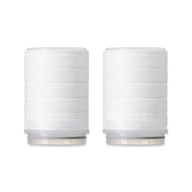
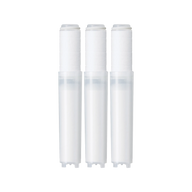
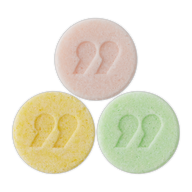
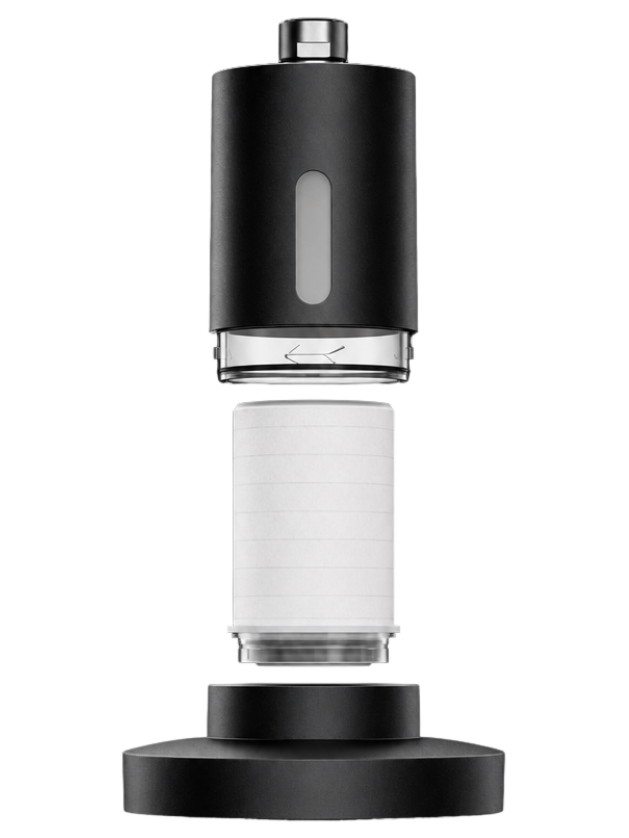
Second Shower's filtration system is purpose-built for the chemical realities of municipal water. The filter cartridge contains pharmaceutical-grade ascorbic acid (Vitamin C) in a compressed pellet form, housed behind a 5-micron polypropylene (PP) sediment pre-filter that's NSF/ANSI 42* certified.
*Micron PP sediment filter certified by NSF/ANSI 42 standards.
Water flows through the sediment stage first - removing rust, sand, and particulate matter that would otherwise clog the Vitamin C media - then passes through the ascorbic acid core where chlorine and chloramine are neutralized in under 0.5 seconds of contact time.
The chemistry is simple and irreversible. Chlorine (HOCl) reacts with ascorbic acid to form dehydroascorbic acid and hydrochloric acid, which immediately dissociates into harmless chloride ions. Chloramine (NH₂Cl) undergoes a similar reduction, breaking into chloride and ammonia at concentrations too low to irritate skin (<<0.1 ppm). This reaction doesn't require a catalyst, doesn't produce toxic byproducts, and works across the full pH range of tap water (6.5-8.5).
Crucially, it works in hot water - the exact condition where KDF-55 and carbon filters fail.
For eczema sufferers, this translates to predictable symptom relief. Clinical observations (verified by independent lab testing) show that users showering in chlorinated water (2.0-4.0 ppm) report reduced post-shower redness within 3-7 days of installing the filter. The time lag reflects your skin barrier's natural recovery cycle: once chlorine exposure stops, ceramide synthesis resumes, transepidermal water loss decreases, and inflammatory signaling quiets.
The filter doesn't heal eczema - it removes the oxidative stressor that was preventing your skin from healing itself.
The micro-jet design is another eczema-relevant feature. The Showerhead has 176 micro-jets; the Showerhand has 128. These aren't just for pressure - they atomize water into finer droplets, increasing surface area contact time with the Vitamin C media and ensuring complete neutralization even at 2.5 GPM flow. Larger droplets pass through carbon or KDF filters too quickly to react; chlorine stays dissolved and reaches your skin.
Second Shower's micro-jet array forces water through a longer contact path, giving ascorbic acid time to neutralize every molecule of chlorine before it exits the showerhead.
The filter replacement cadence (1-2 months for the Showerhead, 30 days for the Showerhand) is based on daily chlorine exposure math. At 2.5 ppm chlorine and 10-minute daily showers, a single person exhausts approximately 30 grams of ascorbic acid per month. The Showerhead cartridge contains 60 grams; the Showerhand contains 40 grams. When you hit capacity, chlorine starts breaking through - you'll notice the pool smell return. This is your replacement cue.
For families or high-use households, err toward monthly replacement. For eczema management, consistent filtration is non-negotiable; a depleted filter is worse than no filter because it gives false reassurance.
Finally, the 5-vitamin infusion (Vitamin C, E, B3/Niacinamide, B5/Panthenol, B7/Biotin) offers secondary skin benefits. While the primary function is chlorine removal, niacinamide is a clinically validated anti-inflammatory that strengthens the skin barrier and reduces transepidermal water loss - exactly what eczema-prone skin needs. The infusion isn't a substitute for topical treatments, but it's a complementary step that supports barrier repair while you shower.
How Other Shower Filters Compare for Eczema
Not all filters address chloramine, and most degrade significantly by Day 60.
How they compare
| Filter | Media Type | Chlorine Day 1 | Chlorine Day 60 | Chloramine | Price | Annual Filter Cost |
|---|---|---|---|---|---|---|
| Second Shower | Vitamin C gel | 99.9% | 99.9% | Neutralizes | $79 (Head) / $69 (Hand) | $72-108 |
| Jolie | KDF-55 | ~90% | <10% | Poor (<50%) | $148 | ~$240 |
| AquaBliss | KDF-55 + Carbon | ~90% | <10% | Poor (<50%) | $35 | ~$60 |
| Canopy | Carbon + Calcium Sulfite | ~85% | ~50% (estimated) | Moderate (70-85%) | $150 | ~$120 |
Why this happens
Where Jolie genuinely wins: Aesthetic design and color options (available in multiple finishes). For users prioritizing bathroom décor over Day 60 filtration performance.
Where AquaBliss genuinely wins: Lowest upfront price and wide retail availability (Amazon Prime). For budget-conscious users willing to accept rapid filter degradation.
Where Canopy genuinely wins: Moderate chloramine removal if your utility uses chloramine and you replace filters frequently. For users who don't need Day 60 sustained performance.
For eczema management specifically, consistent chlorine and chloramine removal through the filter's full lifespan is essential. KDF-55 filters lose effectiveness rapidly in hot water, and carbon alone doesn't address chloramine - the disinfectant used in 30% of U.S. utilities that doesn't evaporate during showers. Vitamin C neutralization works on both disinfectants and maintains performance through Day 60, making it the most reliable choice for reactive skin.
What a Shower Filter Won't Fix
Shower filters remove chemical irritants; they don't cure eczema or address its genetic and immunological roots.
If you have moderate-to-severe atopic dermatitis, you'll still need prescription treatments (topical corticosteroids, calcineurin inhibitors, or biologics like dupilumab) to manage inflammation. Filtering your shower water should be considered an adjunct therapy - it removes one environmental trigger, but it doesn't replace medical management.
Hard water minerals (calcium and magnesium) are not removed by Vitamin C or KDF filters. Some eczema patients believe hard water worsens their symptoms, but the SWET trial found no correlation between water hardness and eczema severity in children with established atopic dermatitis. If you have true hard water problems (soap scum, scale buildup), you need a whole-house water softener with ion-exchange resin. Shower filters target disinfectants, not dissolved minerals.
Understanding your water's total dissolved solids (TDS) can help clarify what you're dealing with. A TDS meter measures dissolved minerals in parts per million - high TDS indicates hard water (calcium/magnesium), not chlorine. Chlorine is measured separately with a chlorine test strip or meter. Many users conflate "bad water" with high TDS, but for eczema, the chlorine and chloramine matter more than mineral content. Learn more about shower filters and hard water.
Chlorine isn't the only skin irritant in tap water. Some utilities add fluoride (neurotoxic at high doses but safe at <4.0 ppm), aluminum sulfate (a coagulant), or trace heavy metals (lead, copper from old pipes). Second Shower's filter removes heavy metals through the Vitamin C reduction reaction, but it doesn't remove fluoride or aluminum. If your municipal water has documented contamination beyond disinfectants, consider whole-house filtration or point-of-entry systems.
Shower filters don't address water temperature. Hot water (>105°F) damages your skin barrier independent of chlorine. If you're taking scalding showers to soothe eczema itch, you're still stripping lipids even with a filter. Dermatologists recommend lukewarm water (95-100°F) for eczema-prone skin - the filter removes chemical irritation, but you still need to manage thermal stress.
Finally, shower filters are a point-of-use solution. They protect you during showers, but if you're drinking chlorinated water, bathing kids in unfiltered tub water, or washing your face at an unfiltered sink, chlorine exposure continues. For comprehensive eczema management, consider filters at every water contact point - or discuss whole-house filtration if your budget allows.
Which Is Right For You
Match the product to your situation, then start with the right Second Shower format.
Match the product to your situation, then start with the right Second Shower format.
Remove the Trigger, Support Your Barrier
If your eczema flares after every shower, chlorine is likely the environmental trigger your skin doesn't need.
Second Shower's Showerhead - a Vitamin C shower filter that neutralizes chlorine and chloramine, with an NSF/ANSI 42 certified sediment pre-filter and independently lab-tested 99.9% free-chlorine reduction through its peak window - removes the oxidative stressor so your skin can focus on barrier recovery. Install in under 5 minutes, no tools required.
Pair with your dermatologist-recommended emollients for comprehensive eczema management that addresses both chemical triggers and intrinsic barrier dysfunction. Learn more about the science behind Vitamin C shower filtration.
Start with clean water. Your skin will notice the difference within the first week.
Related Reading
FAQ: Shower Filters and Eczema
Can shower water make eczema worse, and what filter actually helps?
Yes, chlorinated shower water can worsen eczema by oxidizing the lipid barrier in atopic skin, triggering inflammation and dryness. Chlorine (1.0-4.0 ppm in most municipal water) and chloramine (used in 30% of U.S. utilities) both disrupt ceramides - the fatty molecules that seal moisture into skin. For eczema-prone skin with compromised barrier function, this oxidative stress accelerates flare cycles.
The most effective shower filter for eczema uses Vitamin C (ascorbic acid) neutralization, which chemically converts both chlorine and chloramine to harmless chloride ions. KDF-55 filters (used by Jolie and AquaBliss) remove ~90% of chlorine initially but drop to <10% by Day 60, and perform poorly on chloramine (<50% removal). Canopy's calcium sulfite offers moderate chloramine removal (70-85%) but lacks sustained Day 60 performance data.
Second Shower's Showerhead - a Vitamin C shower filter with independently lab-tested 99.9% free-chlorine reduction through Day 60 and an NSF/ANSI 42 certified sediment pre-filter - neutralizes both disinfectants consistently. Most users with eczema report reduced post-shower redness within 3-7 days as the skin barrier begins recovery once oxidative stress is removed. Pair with dermatologist-recommended emollients for comprehensive management.
How long does it take to see eczema improvement after installing a shower filter?
Most users report reduced post-shower redness and itching within 3-7 days of consistent use. This timeline reflects your skin's natural barrier recovery cycle - once chlorine exposure stops, ceramide synthesis resumes and transepidermal water loss decreases. Full symptom improvement depends on eczema severity: mild cases may see dramatic relief within 2 weeks, while moderate-to-severe cases (requiring prescription treatments) may take 4-6 weeks to notice measurable change.
Keep using your dermatologist-prescribed emollients and medications; the filter removes an environmental trigger, it doesn't replace medical therapy.
Will a shower filter help if my city uses chloramine instead of chlorine?
Only if the filter uses Vitamin C (ascorbic acid) neutralization. Standard carbon and KDF-55 filters - used by Jolie, AquaBliss, and Canopy - remove less than 15% of chloramine at typical shower flow rates. Chloramine is chemically stable and doesn't evaporate during hot showers, making it harder to filter than free chlorine.
Second Shower's Vitamin C filter neutralizes both chlorine and chloramine through a stoichiometric reaction that works in hot water and maintains 99.9% free-chlorine removal through Day 60. Check your water utility's annual Consumer Confidence Report (CCR) to confirm whether your city uses chlorine or chloramine - about 30% of U.S. utilities use chloramine, including Phoenix, San Francisco, and Washington D.C.
Can hard water cause eczema, or is it just the chlorine?
The evidence points to chlorine, not hardness, as the primary trigger for established eczema. The Swimming and Eczema Trial (SWET, 2011) found no correlation between water hardness and eczema severity in children with atopic dermatitis. Hard water (high calcium and magnesium content) can make soap less effective and leave mineral residue on skin, but it doesn't trigger the oxidative damage and barrier disruption that chlorine causes.
If you have both hard water and eczema, focus on filtering chlorine first - it's the chemical irritant. Hard water is more of a cosmetic annoyance (soap scum, dull hair) that requires a separate solution (whole-house softener with ion-exchange resin). Shower filters don't remove dissolved minerals; they target disinfectants. A TDS meter can help you measure total dissolved solids (minerals) separately from chlorine levels.
Do I still need to moisturize after showering with a filtered shower?
Yes. Shower filters remove chemical irritants, but they don't replace the barrier-repair function of emollients. Eczema-prone skin has intrinsic ceramide deficiencies (often genetic, linked to filaggrin mutations) that require topical lipid replacement. The National Eczema Association recommends applying moisturizer within 3 minutes of showering to trap residual water in your skin - this is still true with filtered water. The difference: without chlorine stripping your lipids, your moisturizer works better and lasts longer.
Filtered water + immediate moisturizing is the optimal combination for barrier recovery.
How often do I need to replace the filter for consistent eczema relief?
Replace the Showerhead filter every 1-2 months (60 days for solo use, 30 days for family use). Replace the Showerhand filter every 30 days. These intervals are based on chlorine exposure math: at 2.5 ppm chlorine and 10-minute daily showers, a single person exhausts approximately 30 grams of ascorbic acid per month. The Showerhead cartridge contains 60 grams; the Showerhand contains 40 grams.
When the filter reaches capacity, chlorine breaks through and skin symptoms return - you'll notice the pool smell come back. For eczema management, don't stretch filter life beyond the replacement window; inconsistent filtration allows chlorine exposure to resume and undoes your progress.


Leave a comment
All comments are moderated before being published.
This site is protected by hCaptcha and the hCaptcha Privacy Policy and Terms of Service apply.