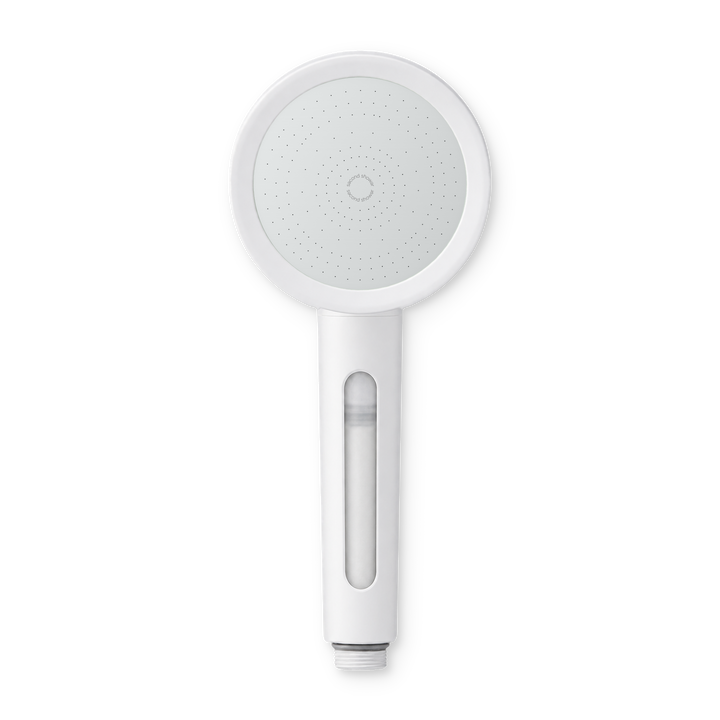
A Korean shower filter usually means a filtered shower head or handheld from a Korean brand, with a replaceable filter cartridge. Many use vitamin C media. One can work on US water, but its origin does not tell you what it removes. Look for a published test of the whole filter that measures both chlorine and chloramine, and check how much water passed through it before the measurement. Also check the fitting, replacement schedule and ongoing cartridge cost.
- Check test results for chlorine and chloramine.
- Look for the volume of water tested.
- Compare replacement schedules and costs.
- A shower filter does not soften water.
What is a Korean shower filter?
The phrase usually refers to a filtered shower head or handheld from a Korean brand, with a cartridge you replace on a schedule. It describes where the product comes from, not a filtration standard or a promise that every model removes the same substances.
Many use vitamin C as a filter medium. Vitamin C neutralizes chlorine quickly. [4] For chloramine, look for a test of the filter itself that measures chloramine before and after the water passes through it. An ingredient name can tell you what is inside a cartridge, but it cannot tell you the result for every assembled filter.
A useful way to think about the category is to separate the device from the cartridge. The shower head or handheld is the part you use each day. The replaceable cartridge is the part whose contents and replacement schedule you need to evaluate. Both matter when you decide whether a particular model fits your routine.
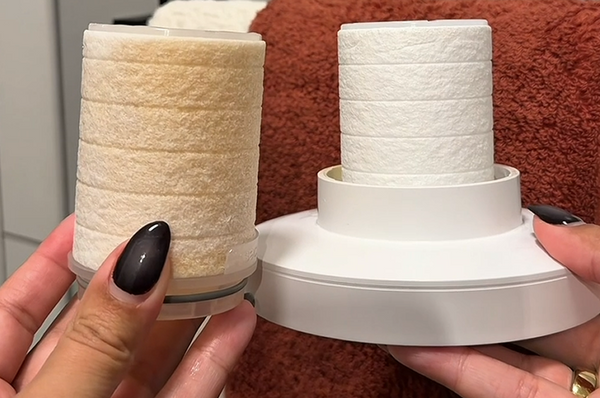
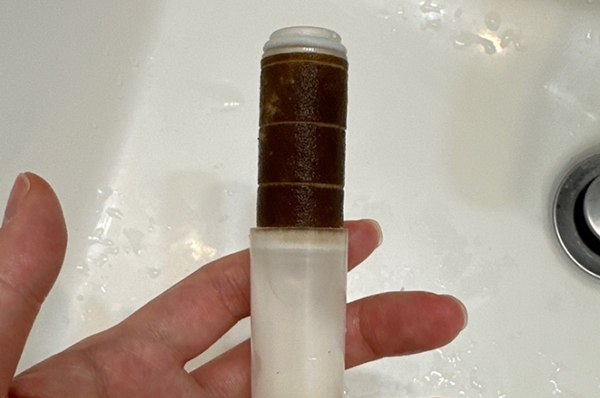
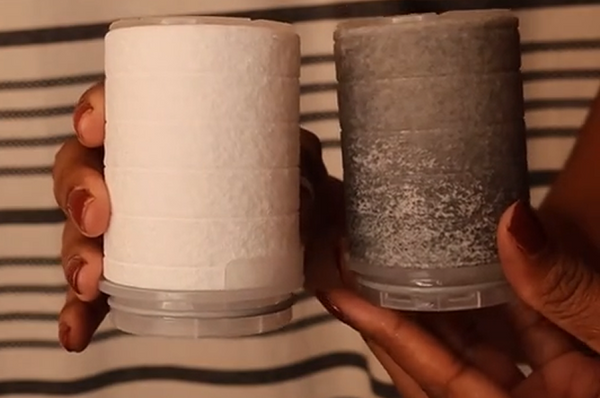
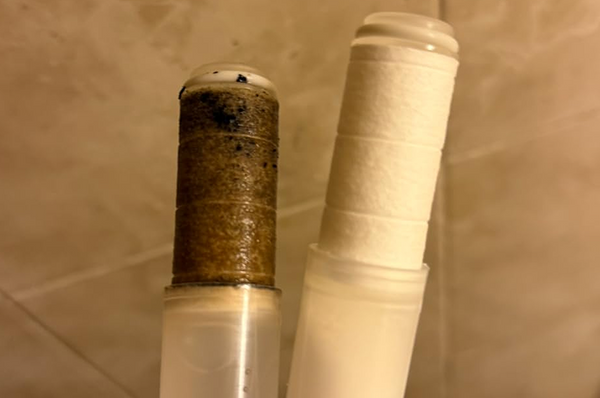
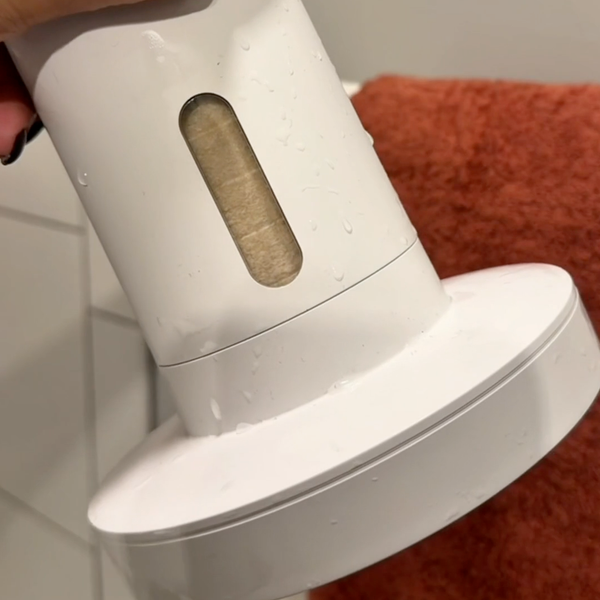
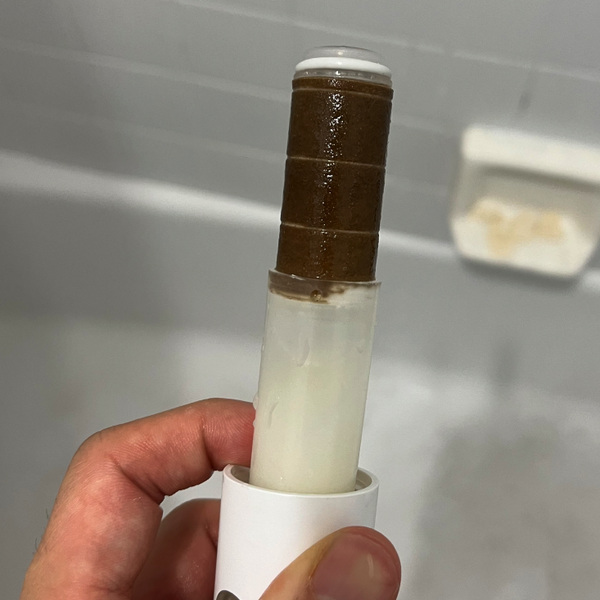
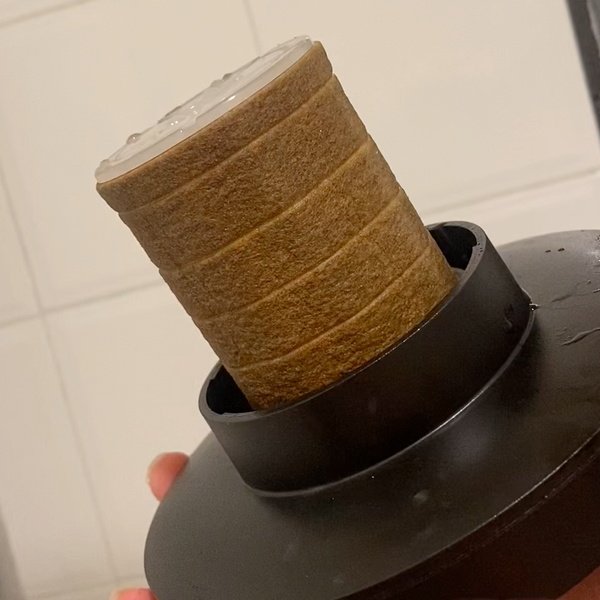
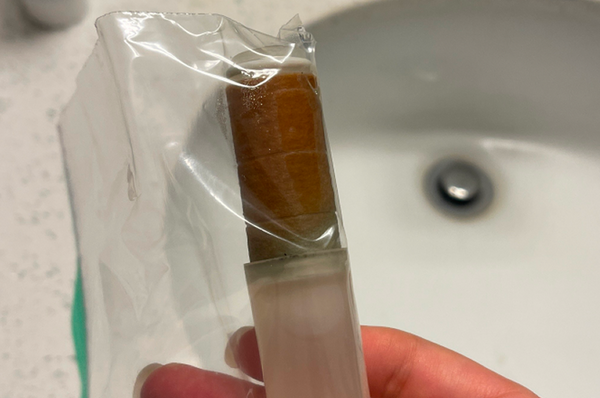
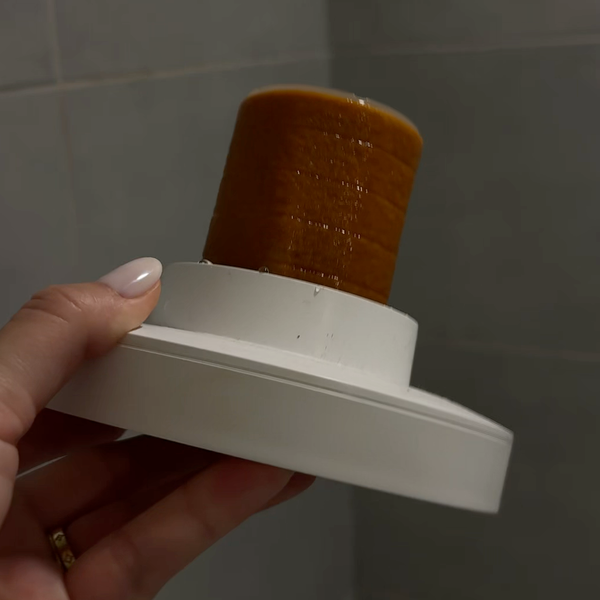
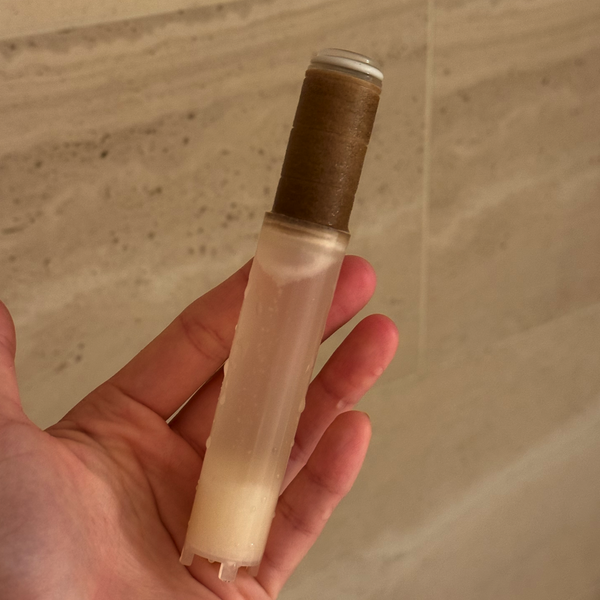
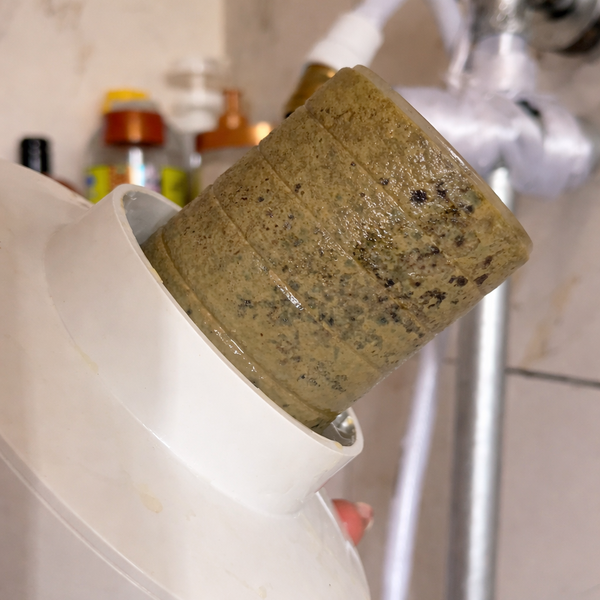
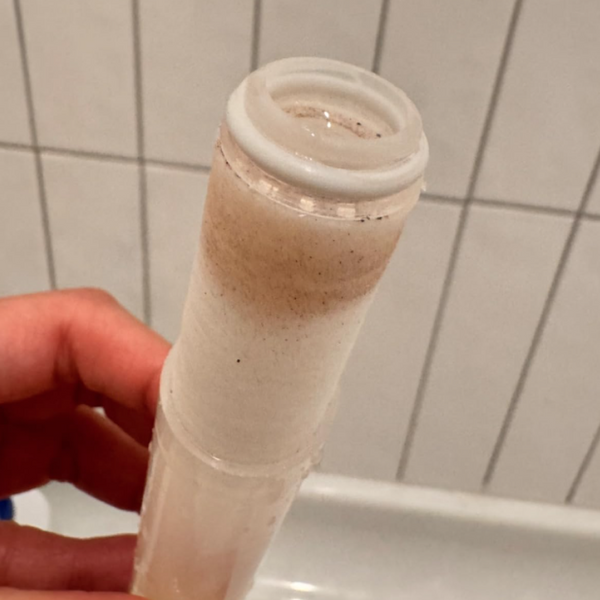
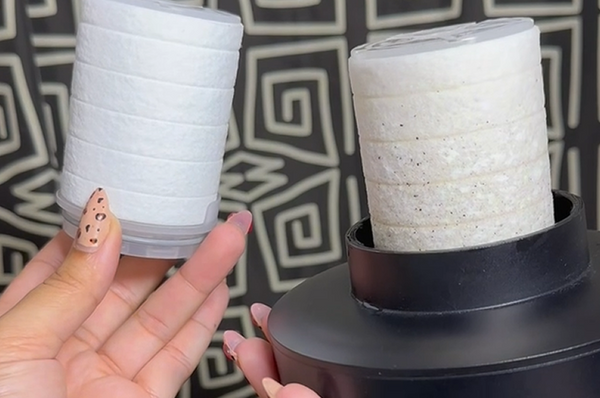
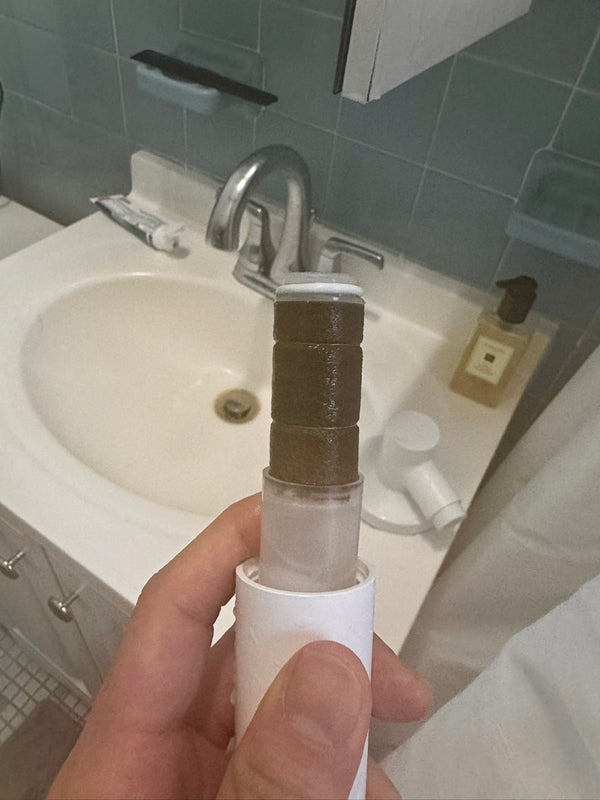
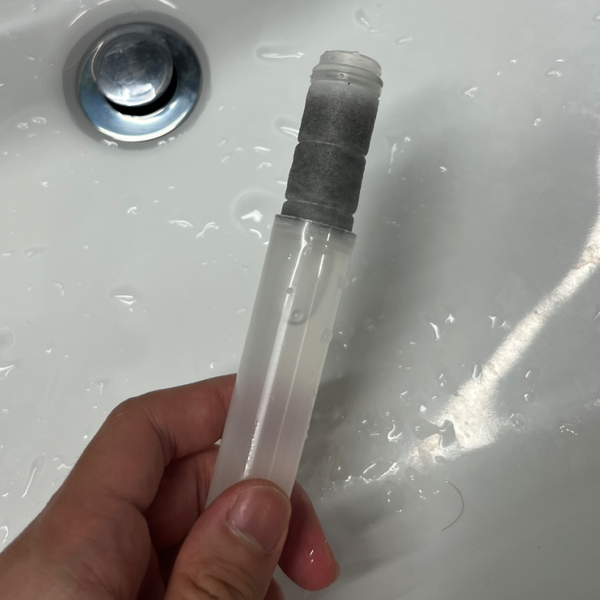
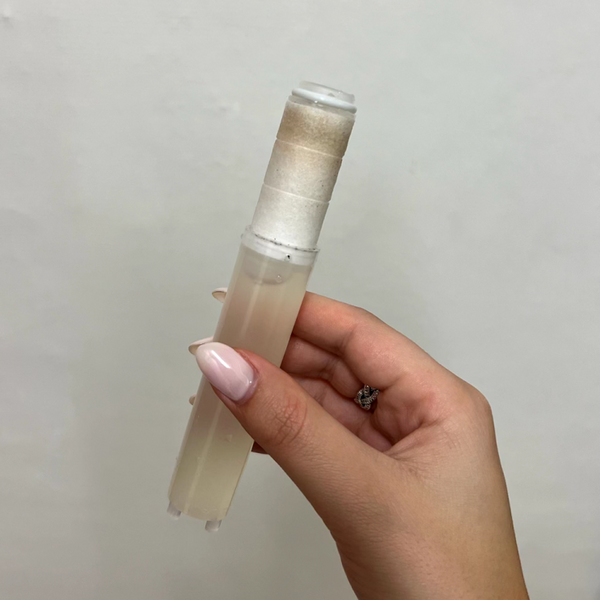
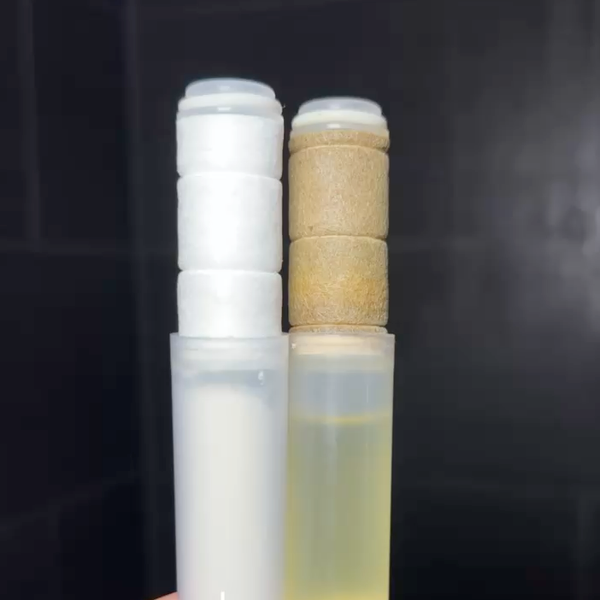
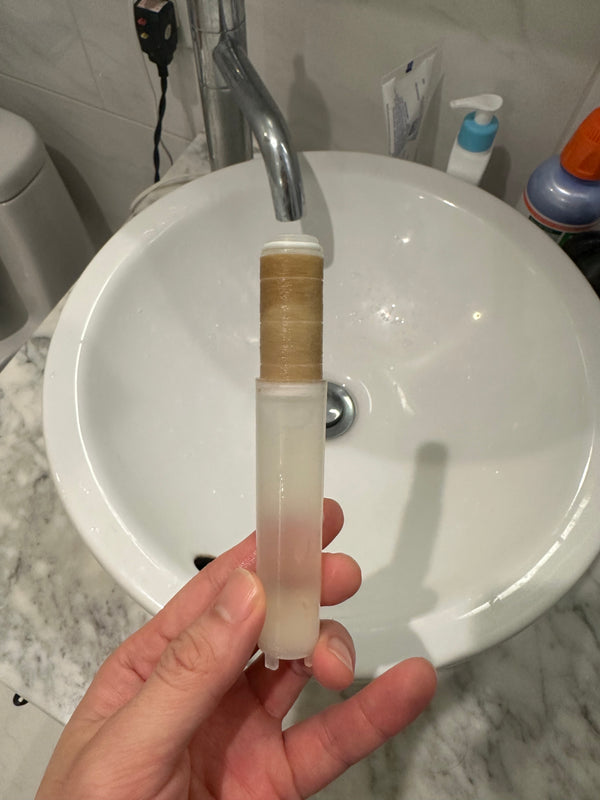
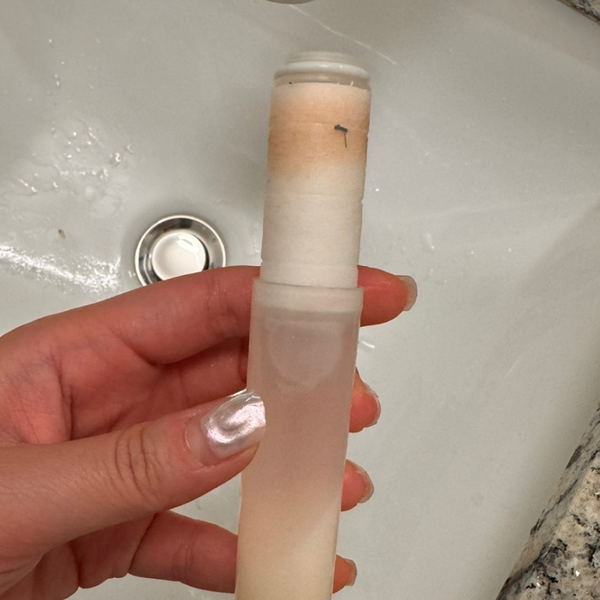
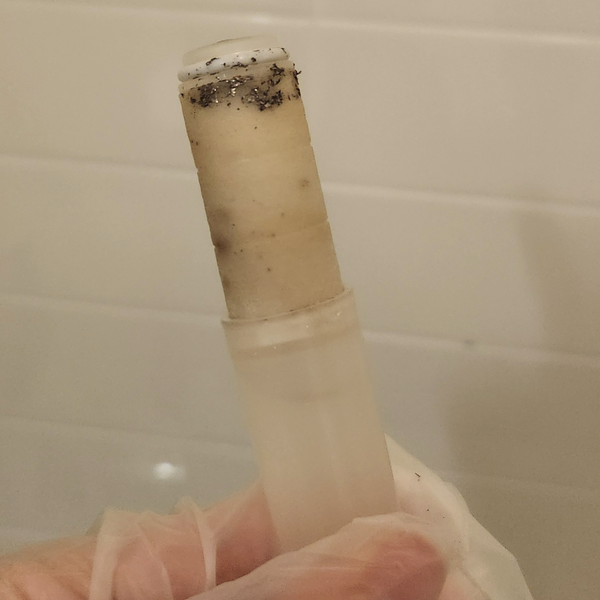
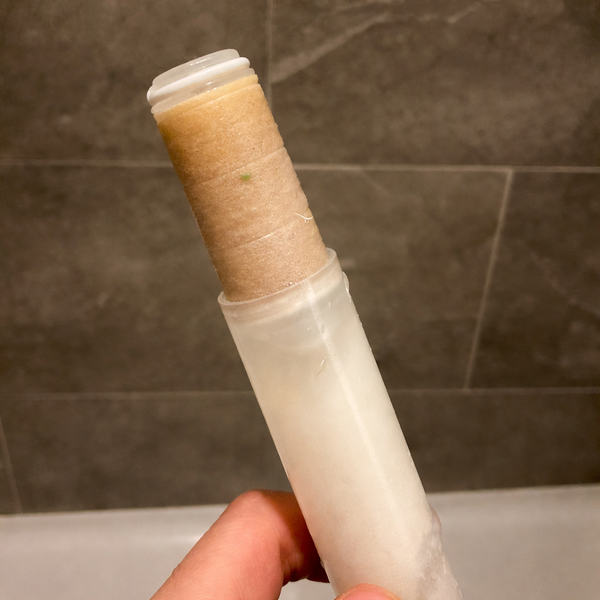
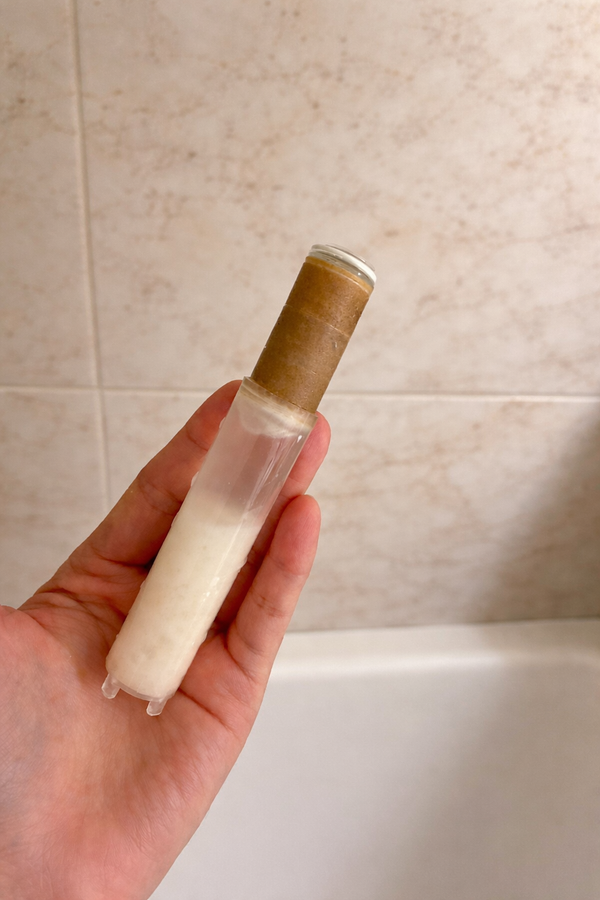
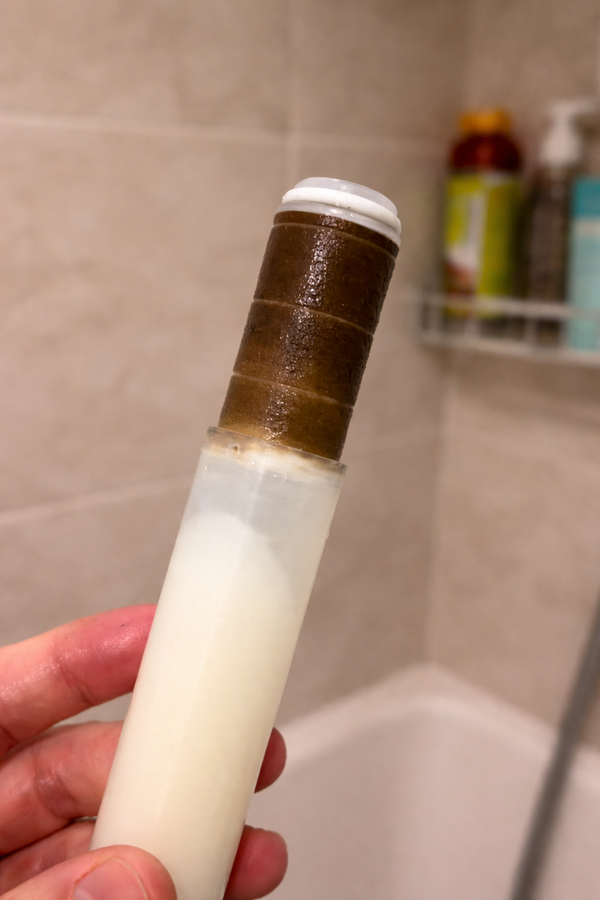
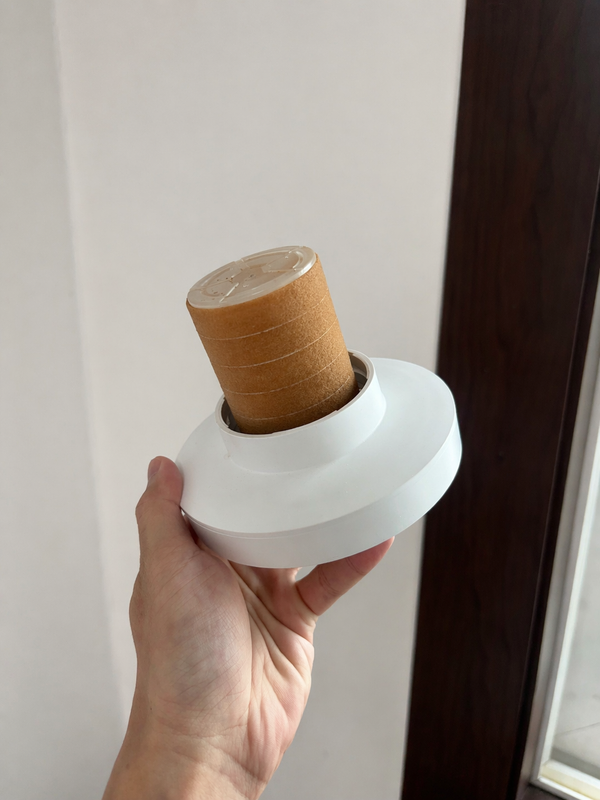
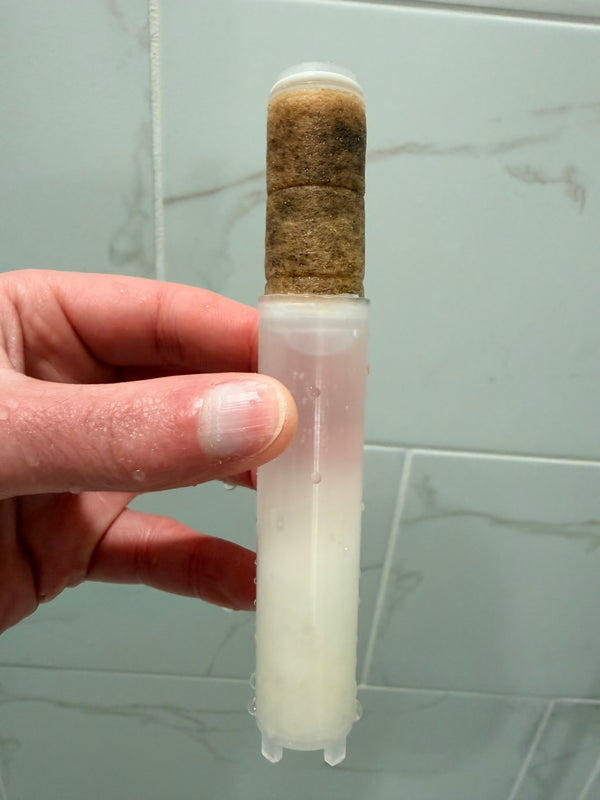
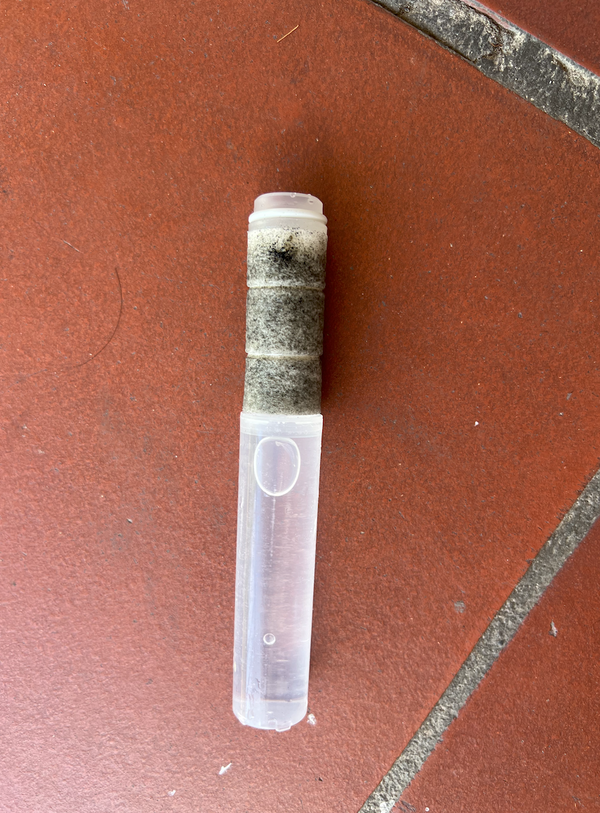
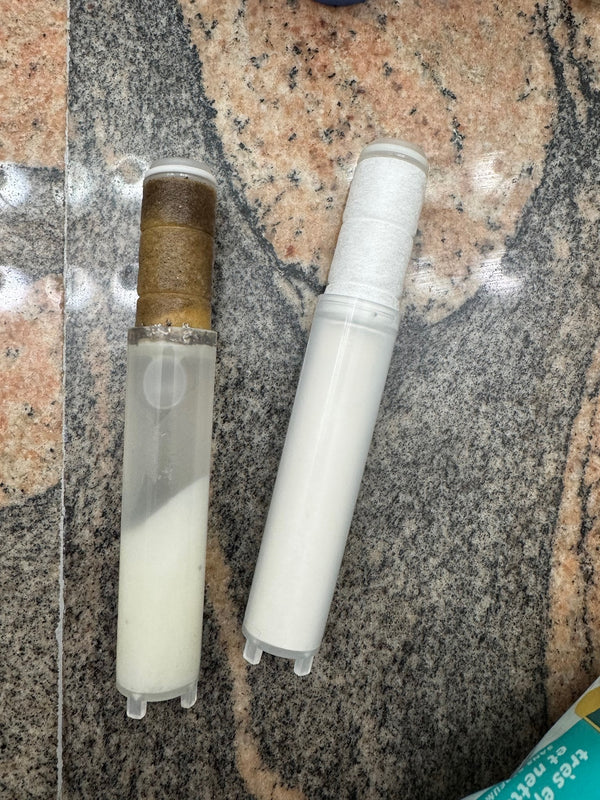
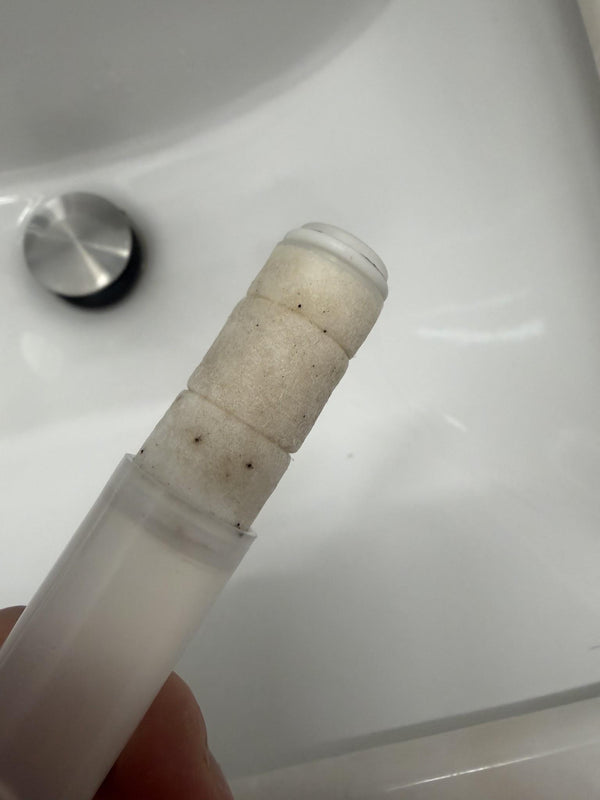
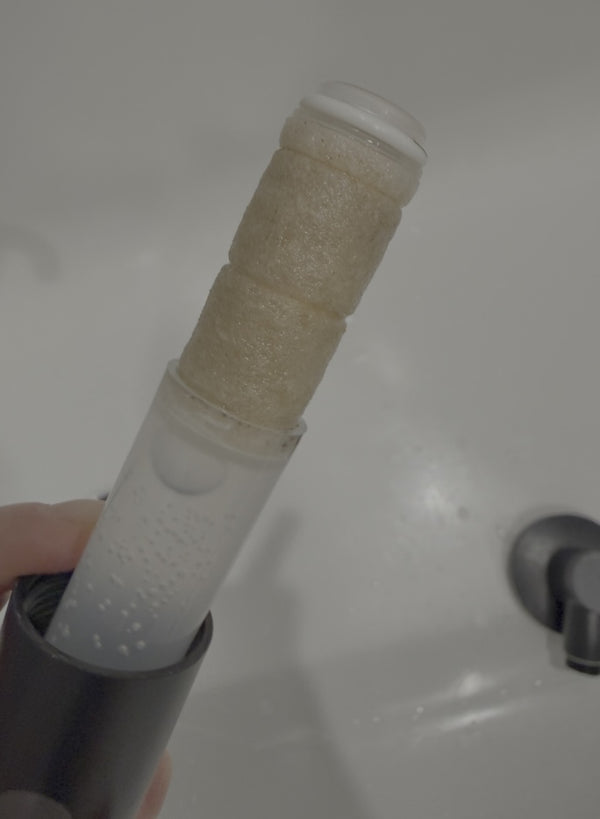
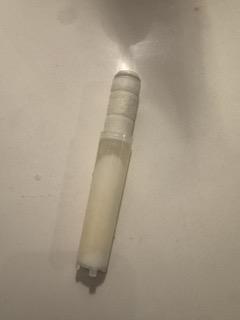
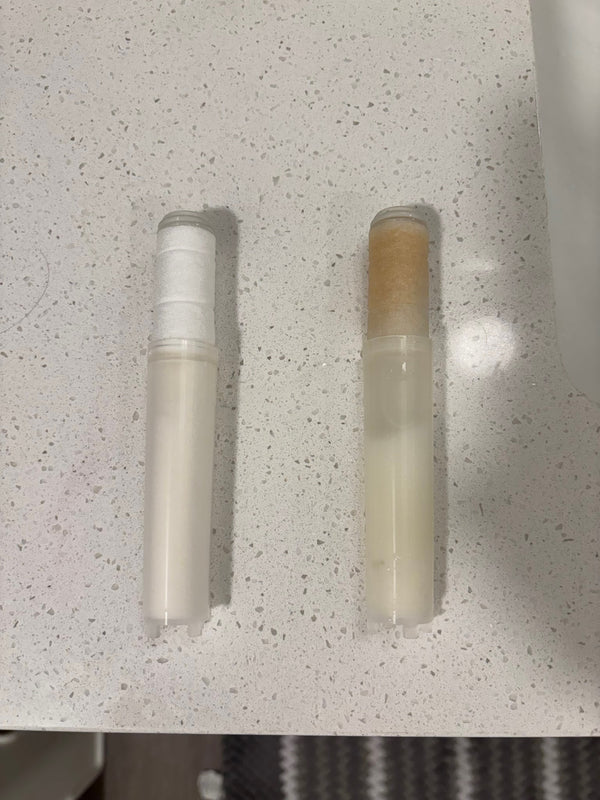
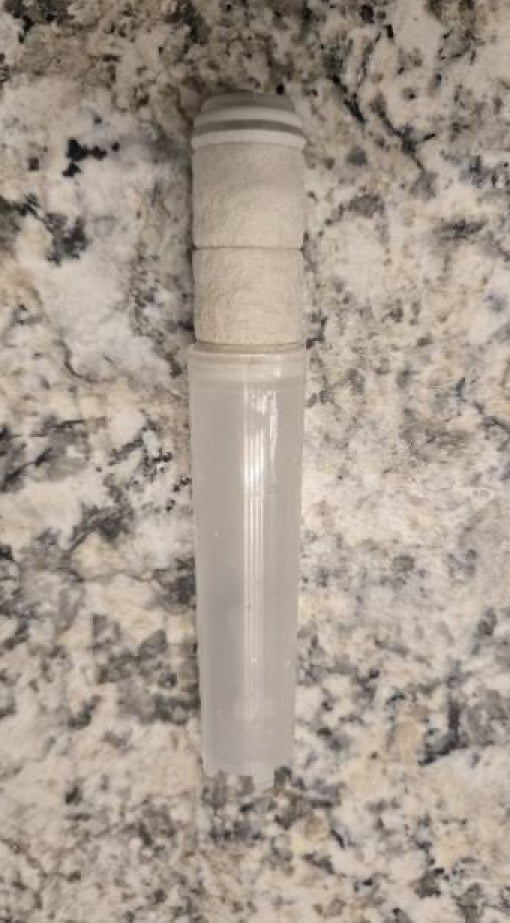
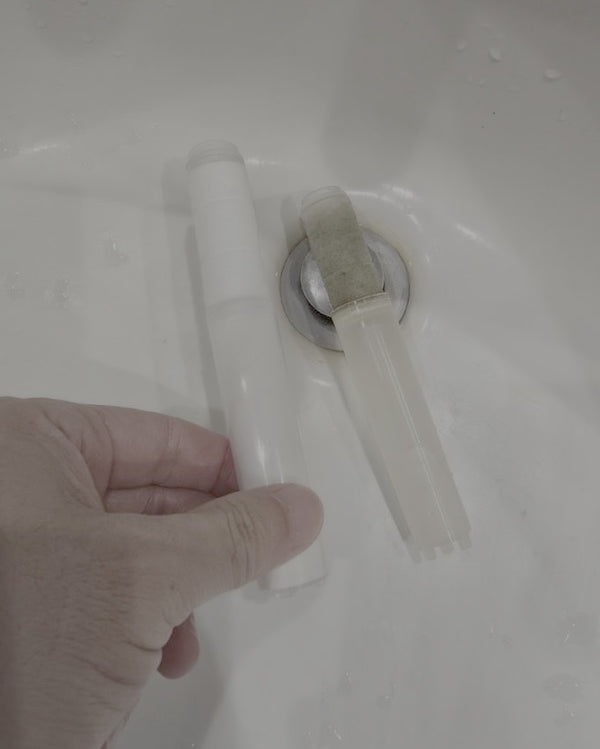
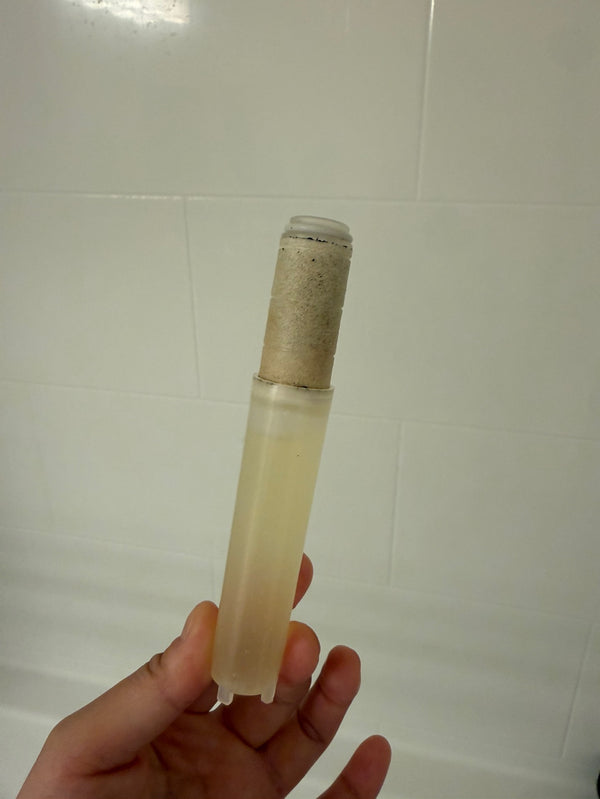
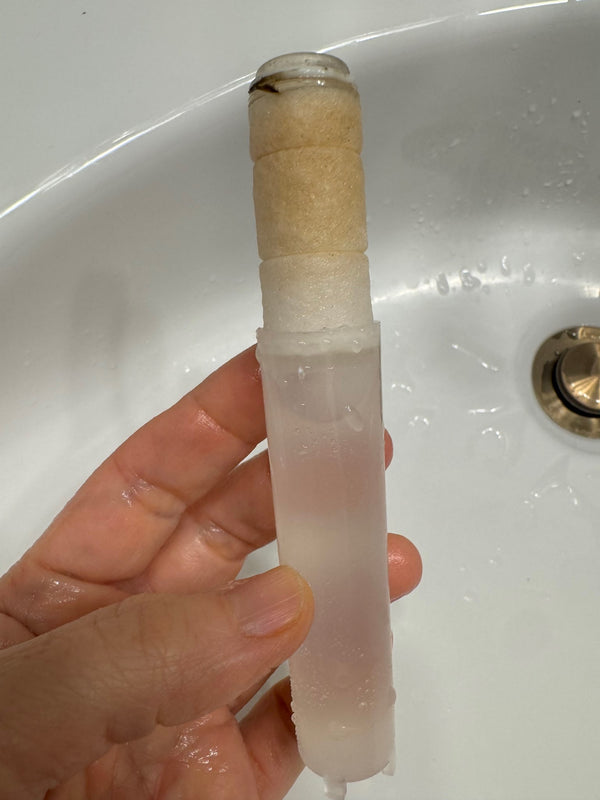
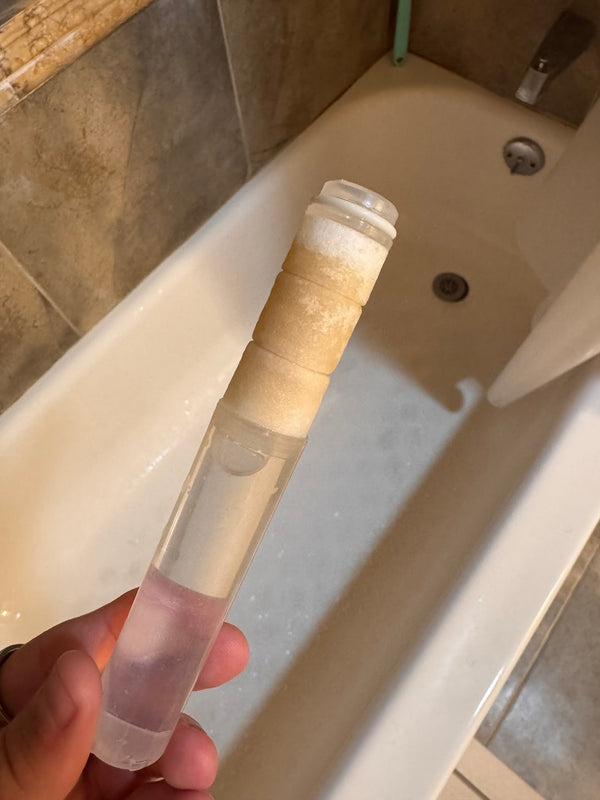
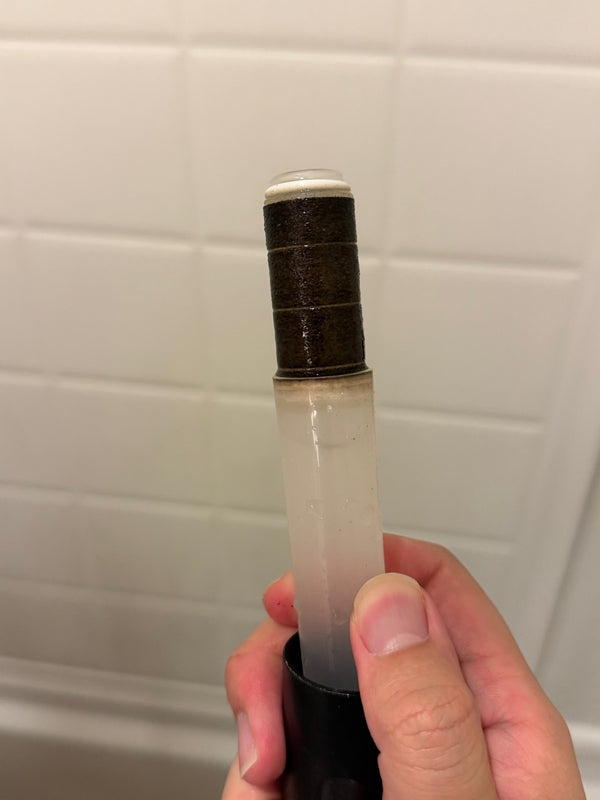
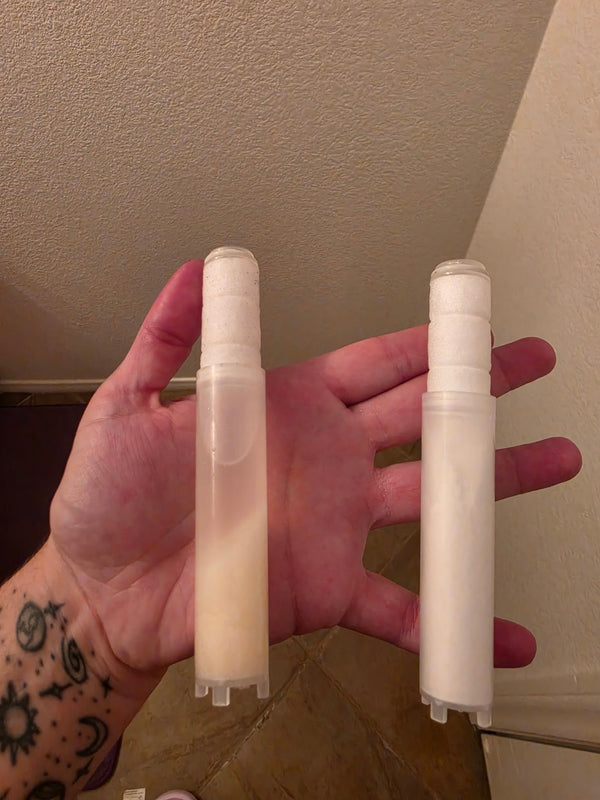
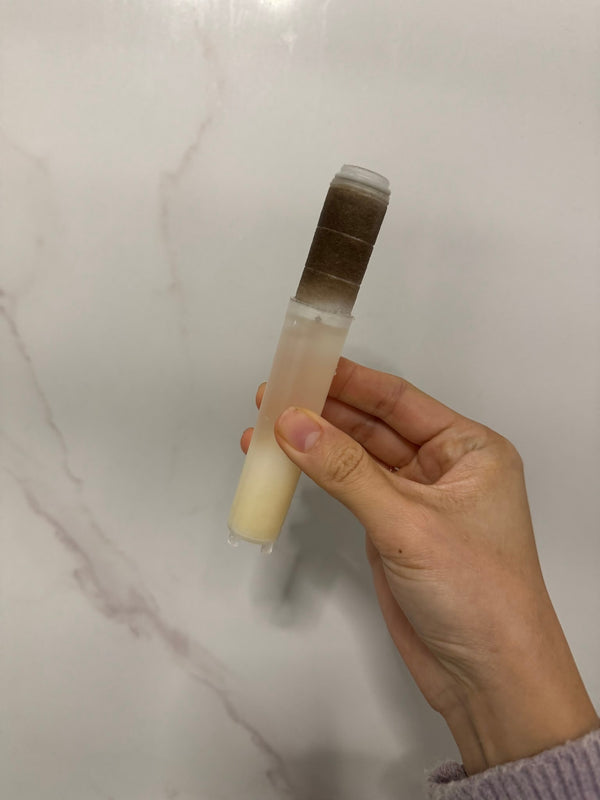
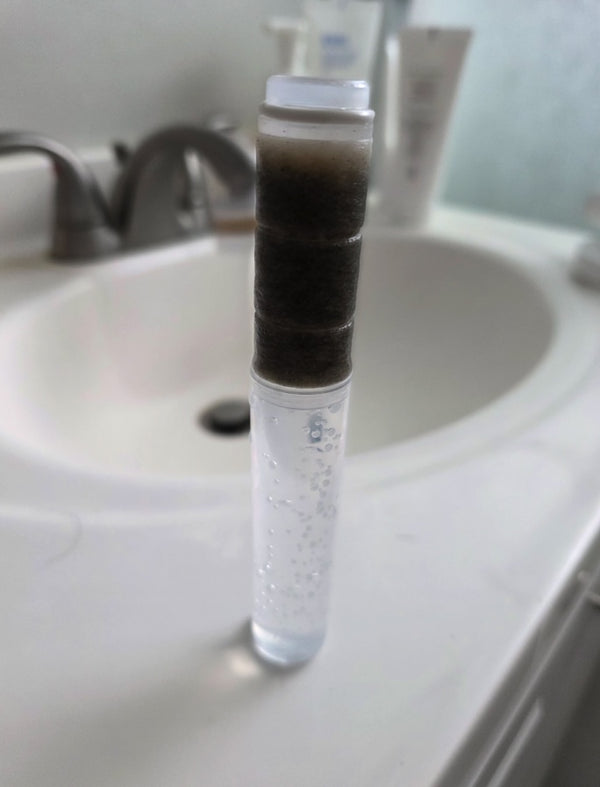
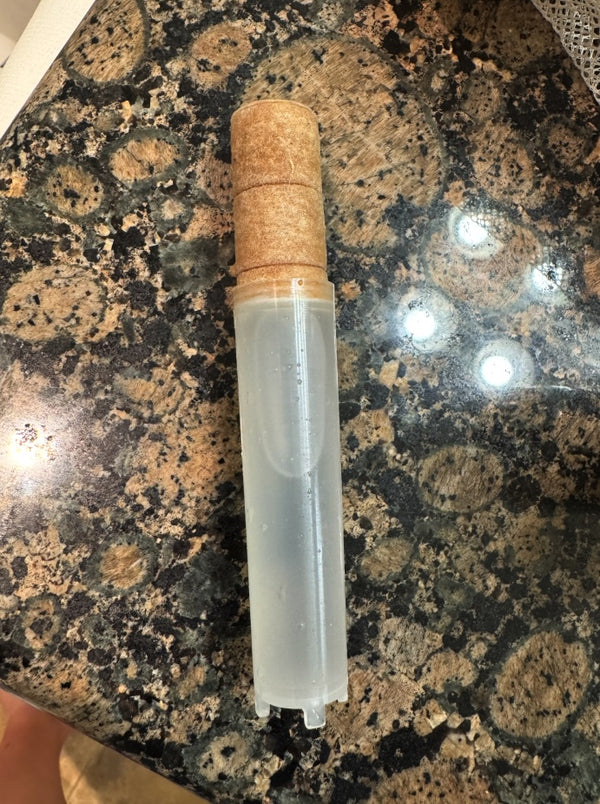
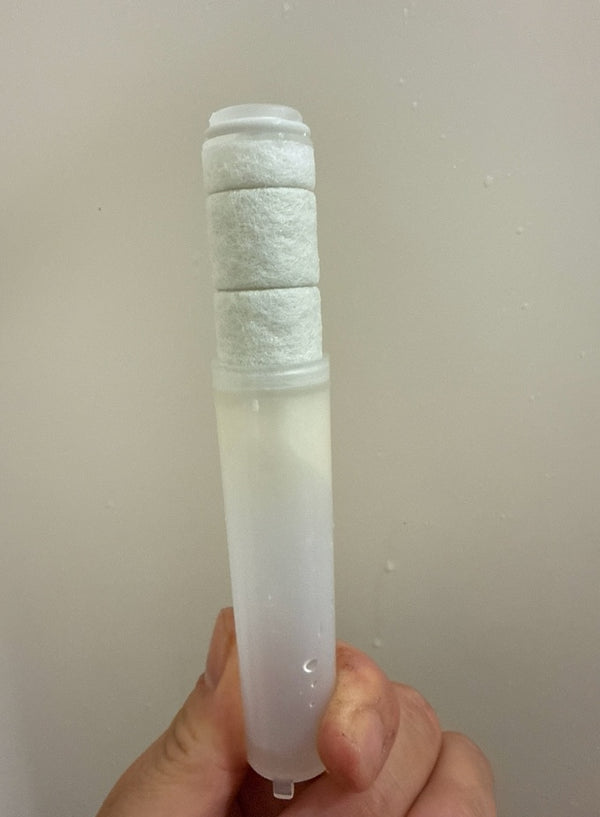
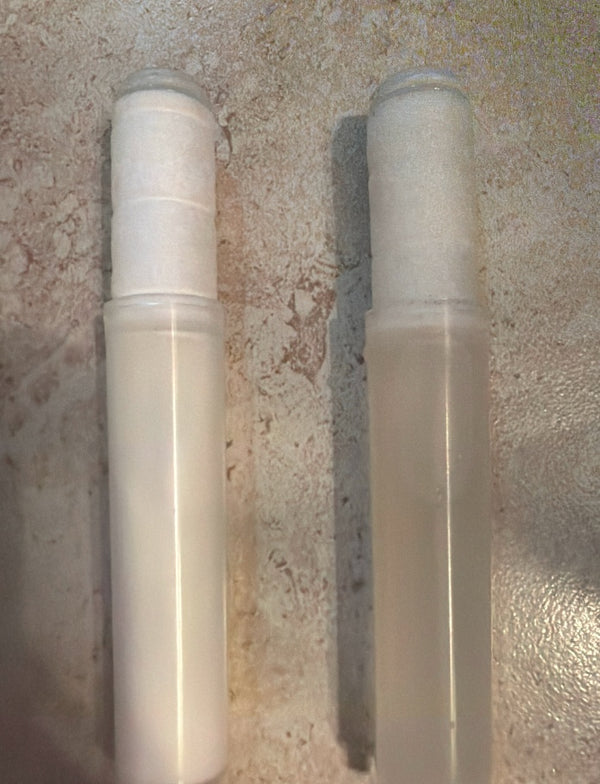
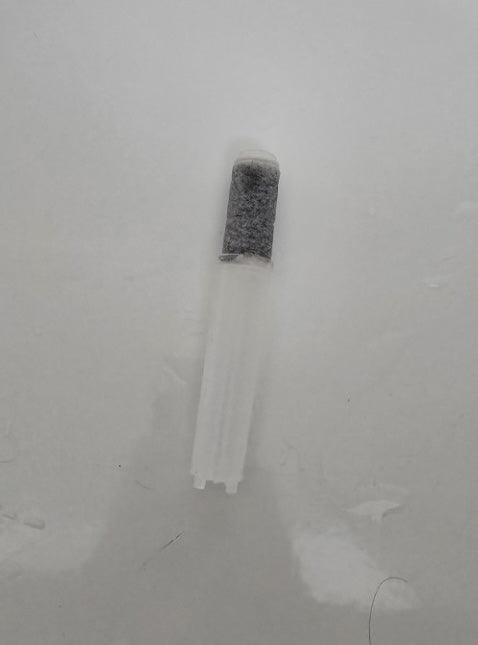
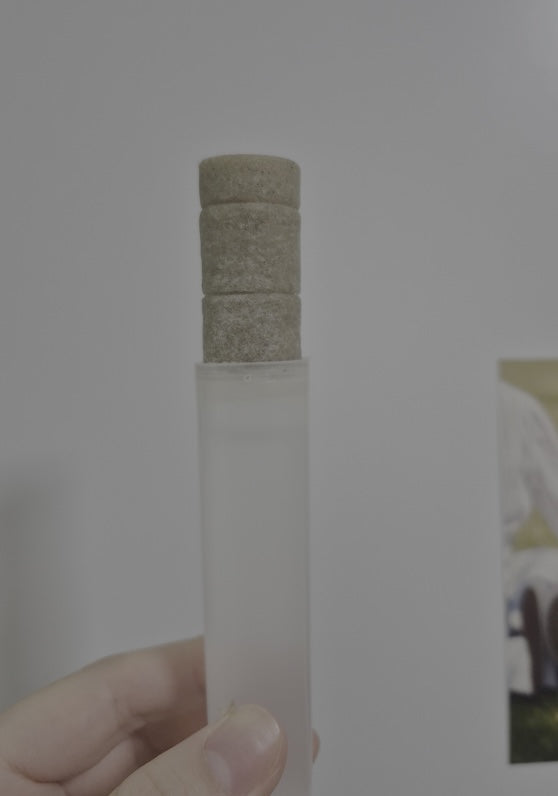
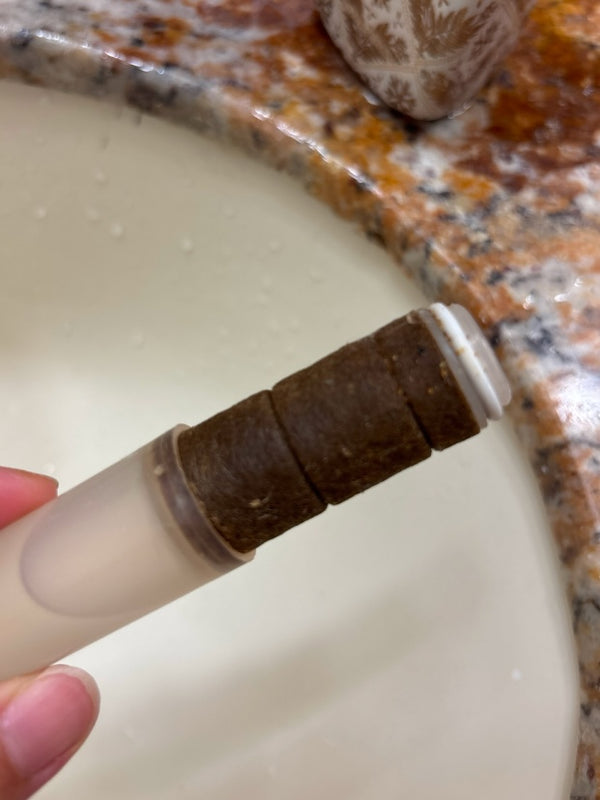
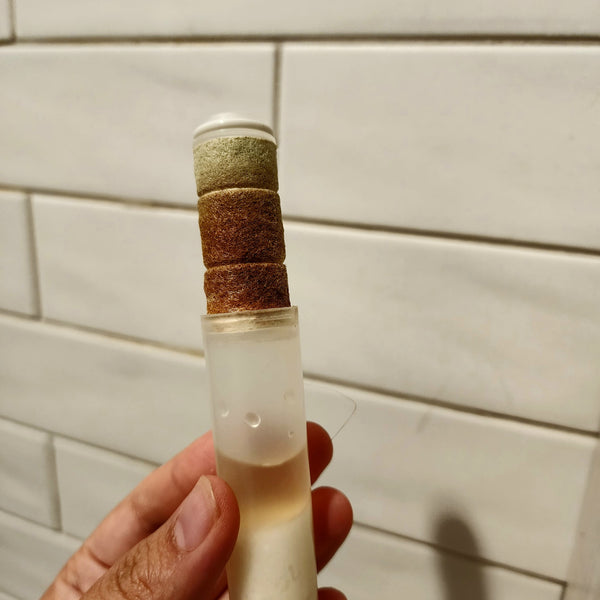
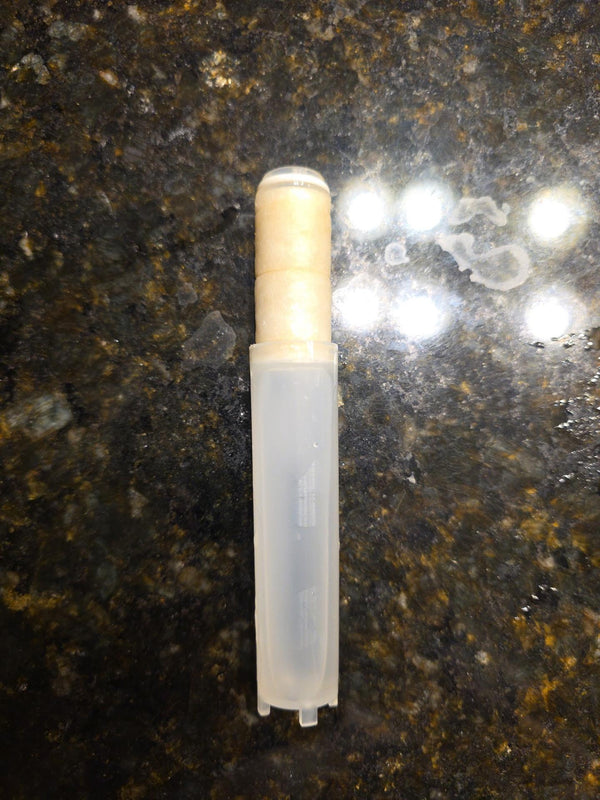
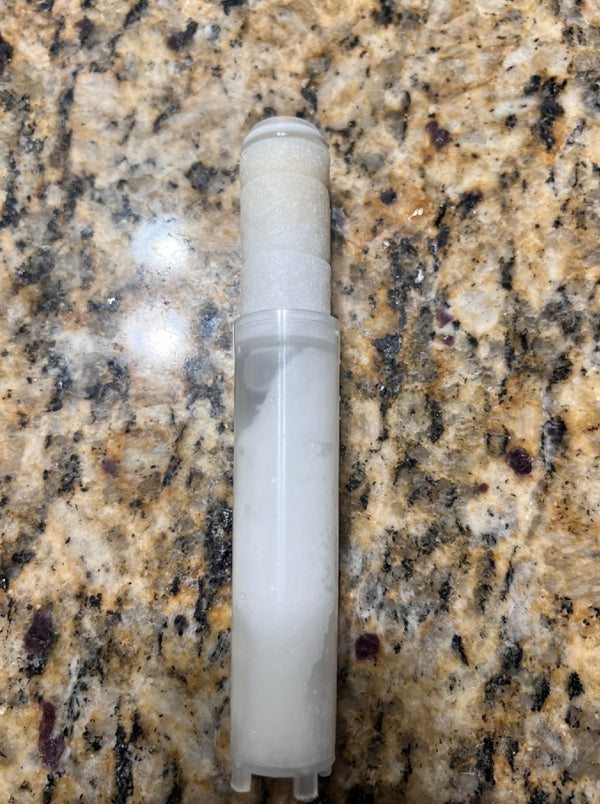
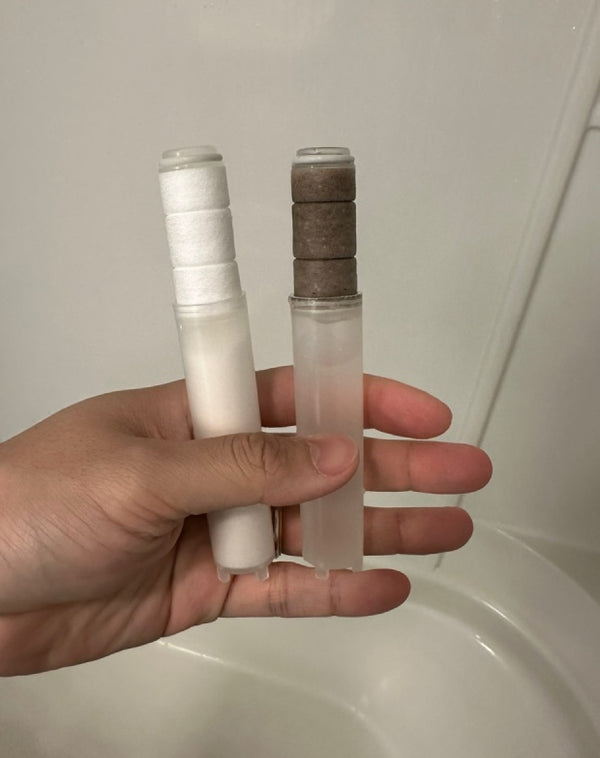
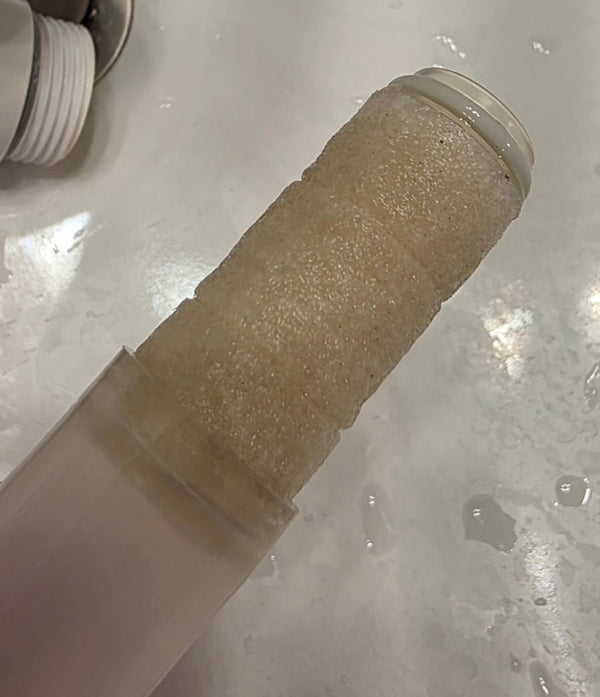
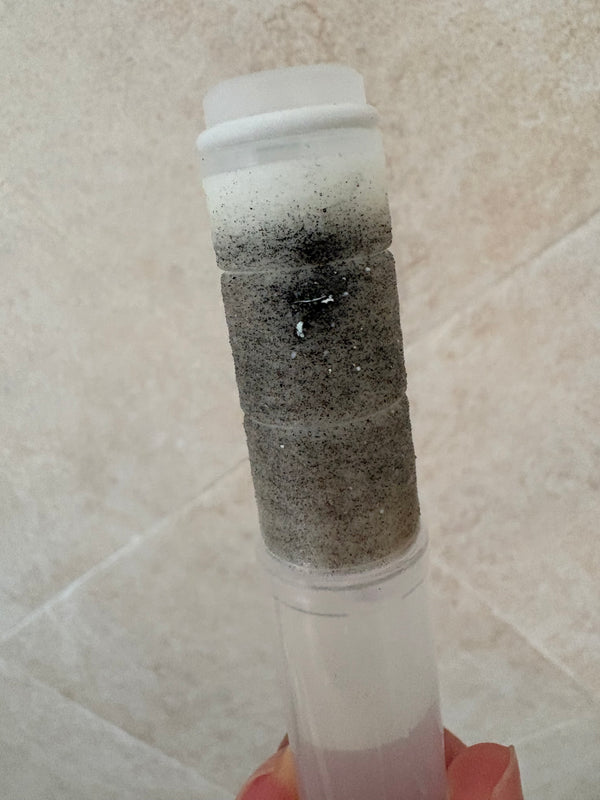
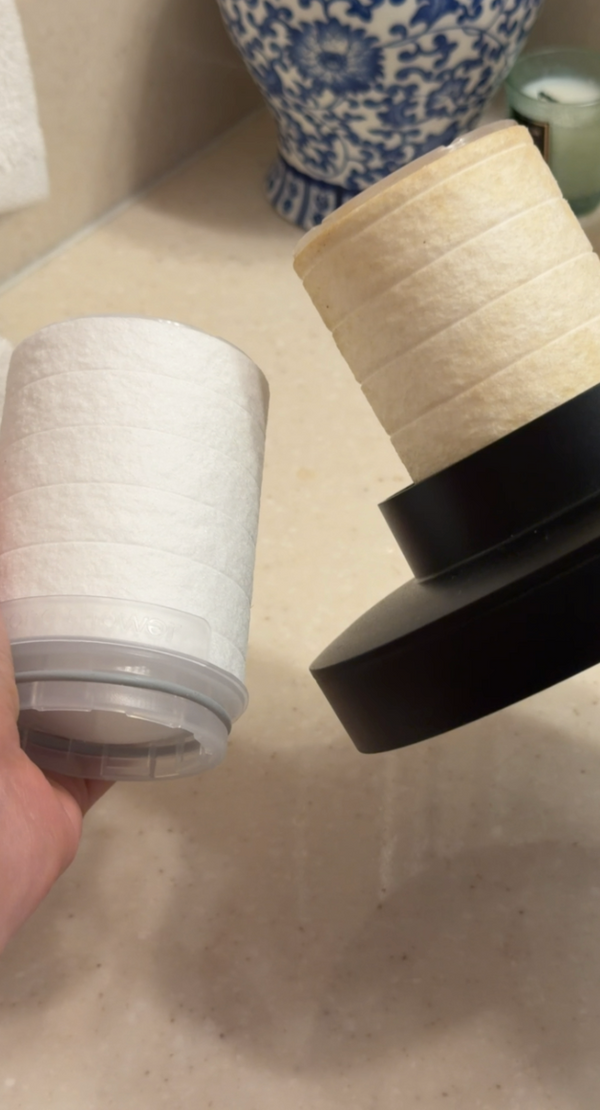
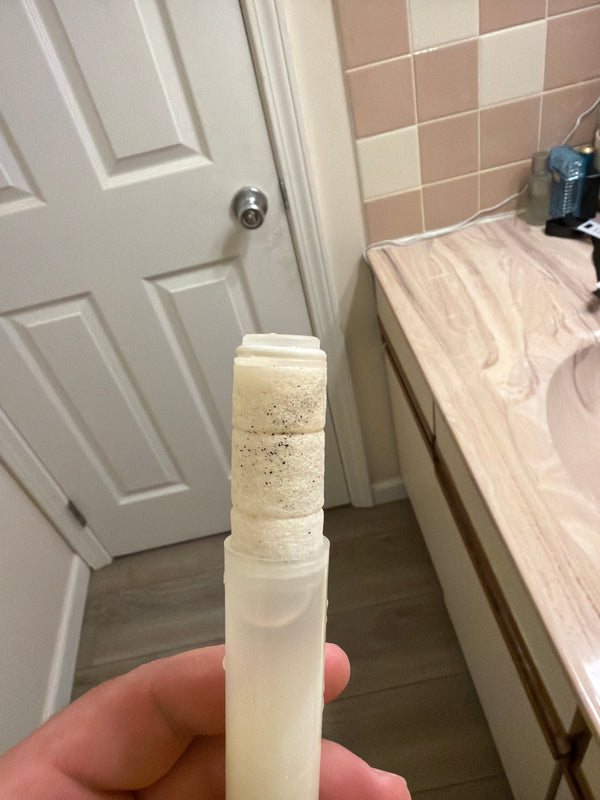
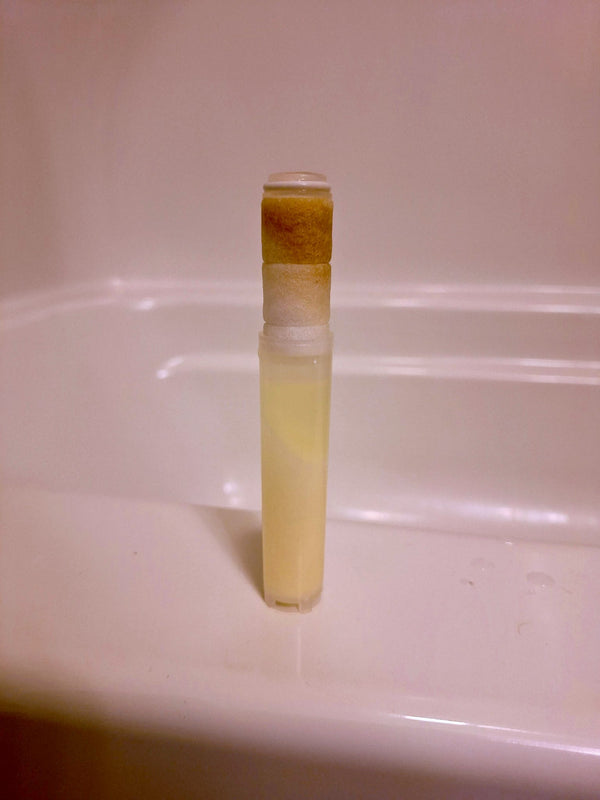
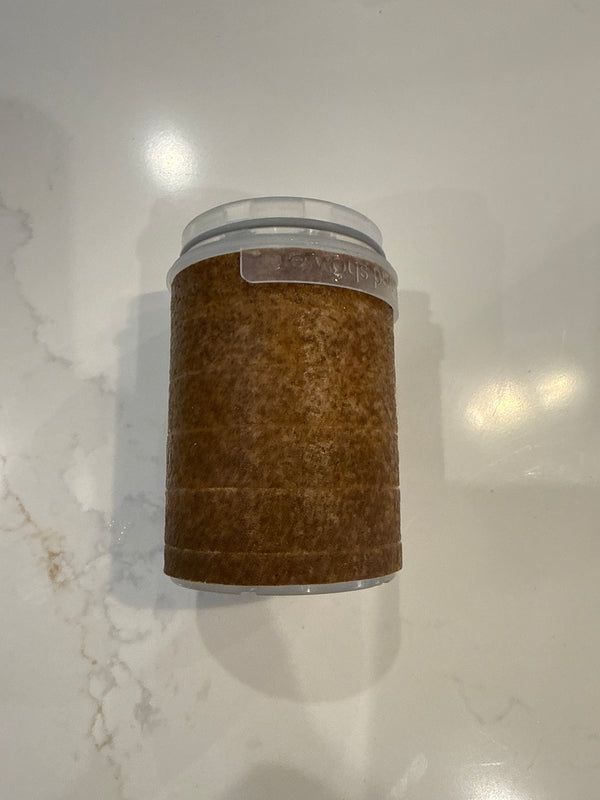
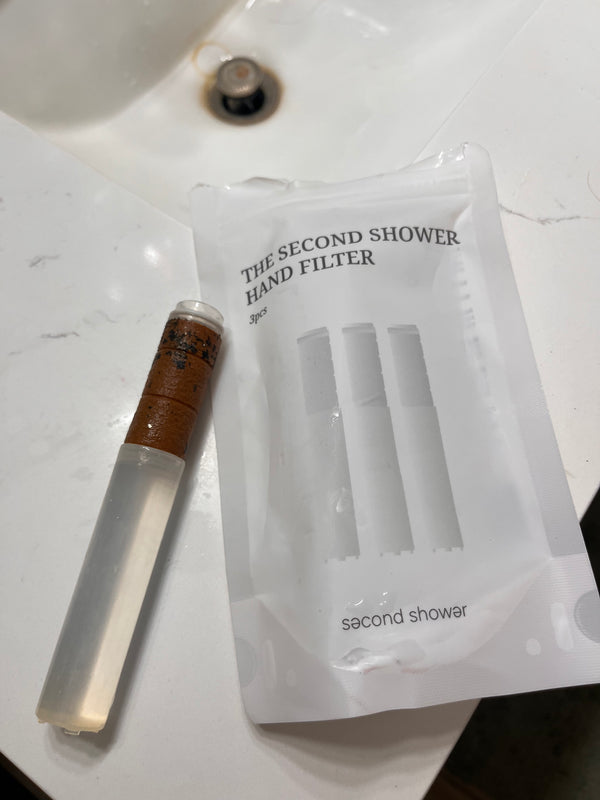
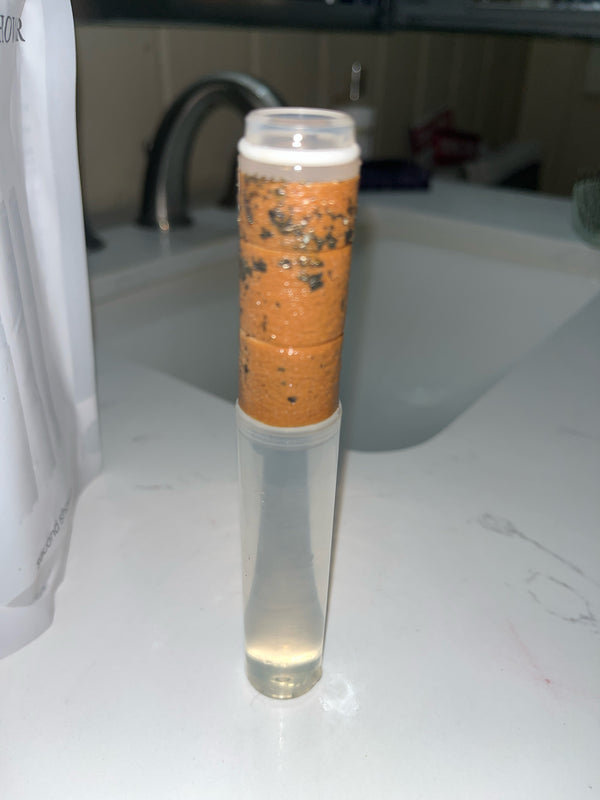
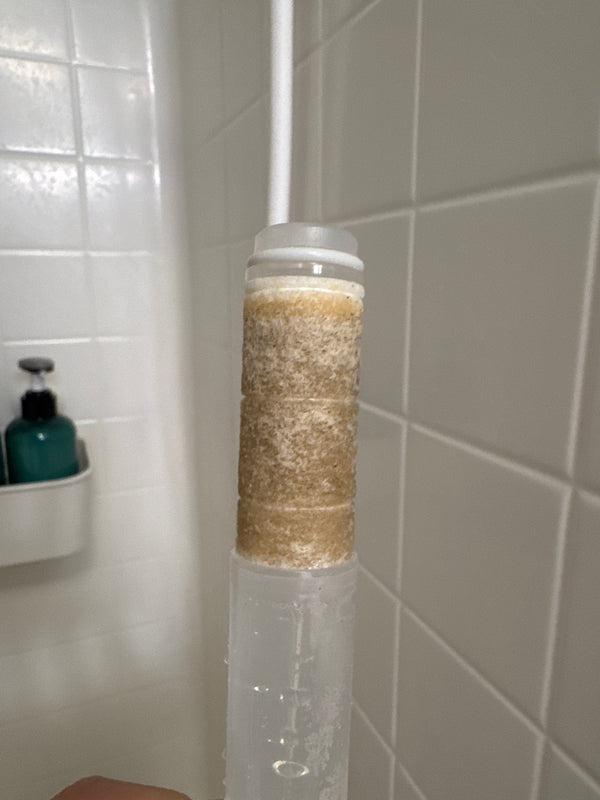
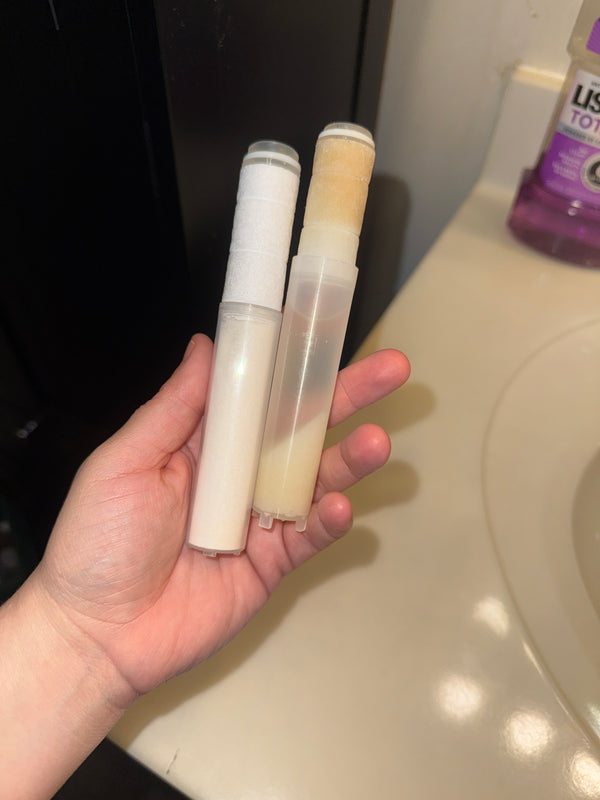
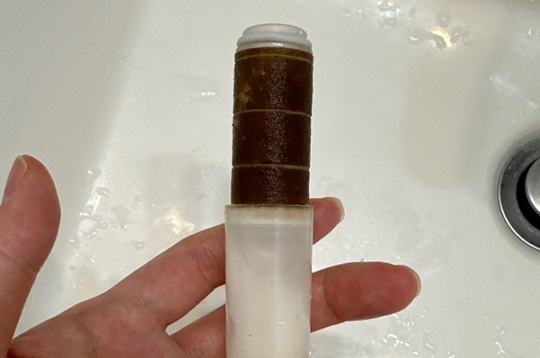
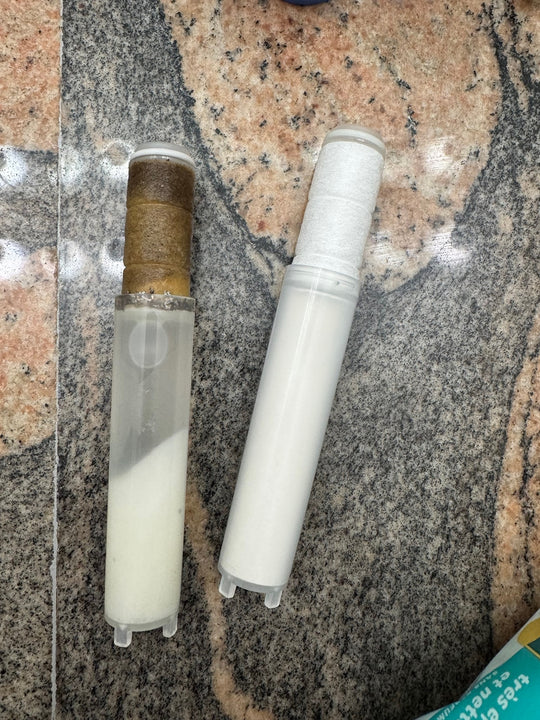
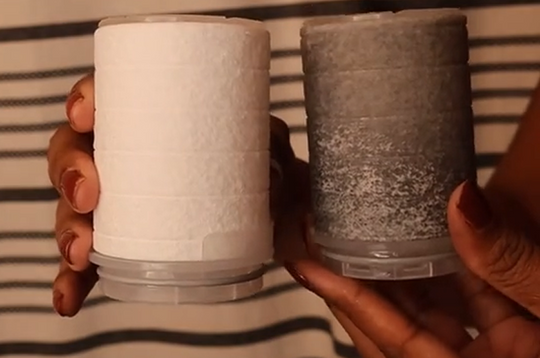
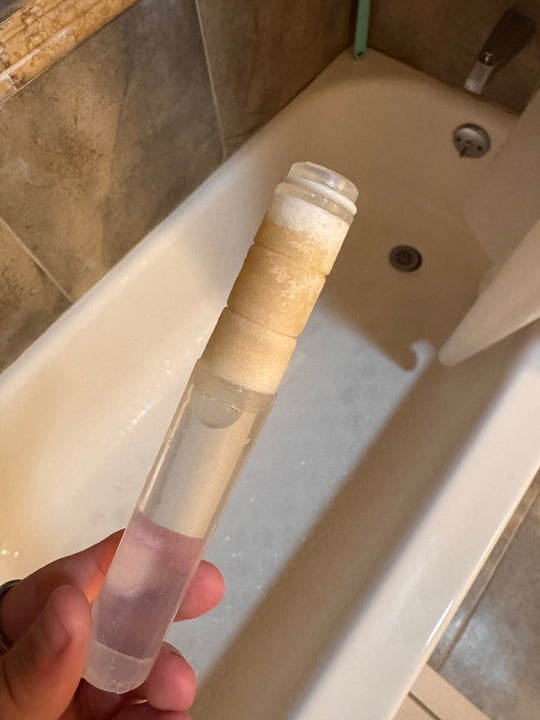
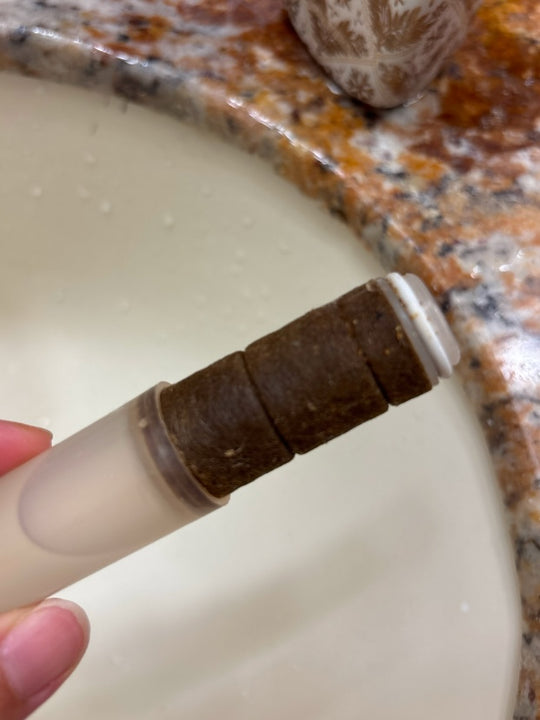
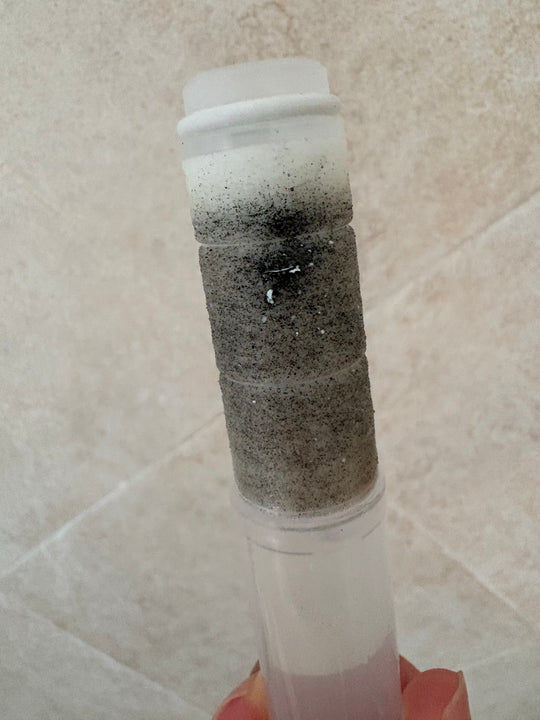
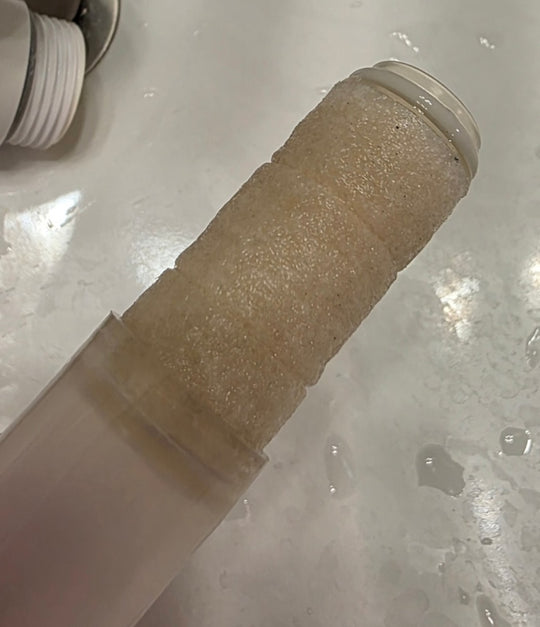
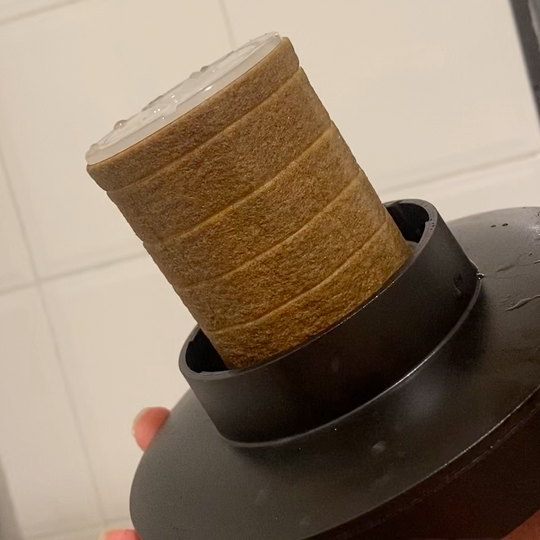
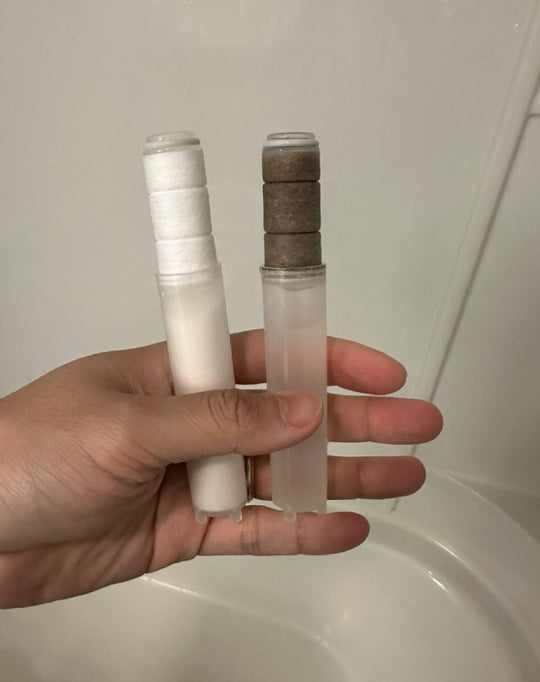
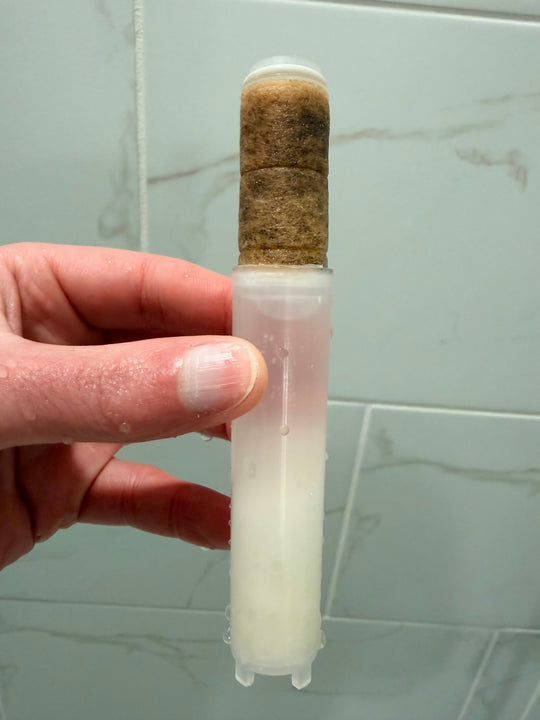
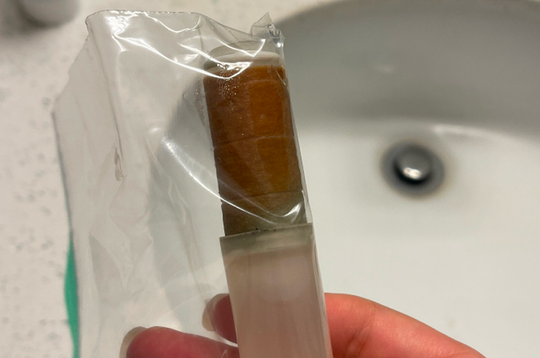
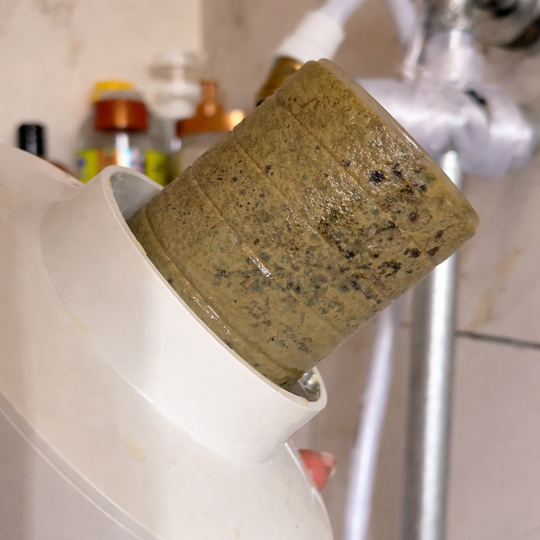
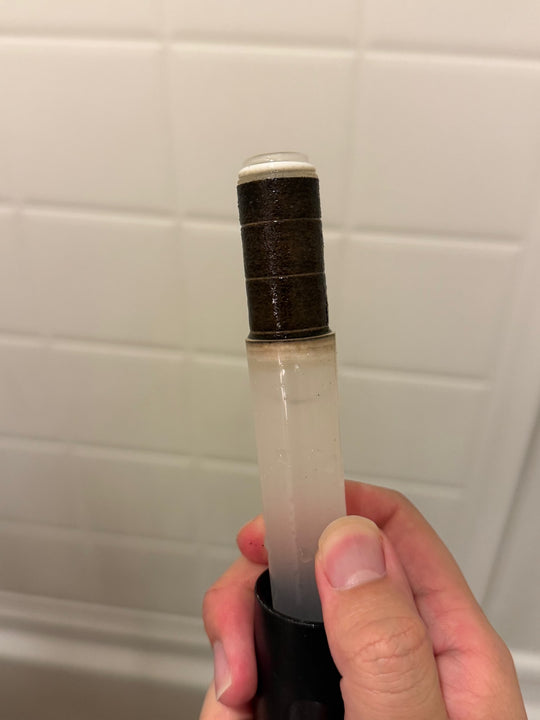
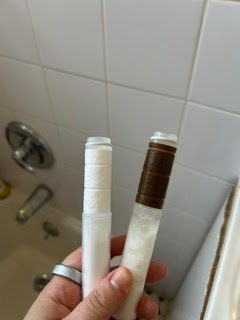
On our filters, the see-through window shows sediment caught from pipes, but its color does not measure chlorine or chloramine. For a closer look at the medium, read do vitamin C shower filters work.
The takeaway: Treat the name as a starting point, then look at the cartridge and its test results.
What worries people about tap water in Korea?
Concerns about water traveling through aging pipes help explain the context. In 2019, taps in Incheon ran red with rusty water. A later report said residents cited aging pipes more than any other reason for avoiding tap water, and that more than 3,000 kilometers of Seoul water mains were over 30 years old. [2]
Chlorine is part of the picture too. It helps keep microorganisms from multiplying in the water network, which is a useful job. Its odor can also be noticeable. A report on Seoul described higher chlorine levels and odor near purification plants and said chlorine fades as water moves through pipes. Seoul adjusts chlorine injection by area. [2][3]
Water purification is familiar in Korean households. A 2024 government survey found that 53.6 percent of households used a water purifier. [2] Together, concerns about pipes, rusty water and chlorine odor help explain why someone might pay attention to water at home, including water coming from a shower.
Those experiences are useful context when you encounter the term. They are not a substitute for checking the filter in front of you. A product still needs evidence for the substances it claims to address, and your own water and shower fitting are what matter when you bring it home.
Will a Korean shower filter work on US water?
Yes, it can, if it fits your shower and has been tested for the disinfectant in your water. Start by checking which disinfectant your water system uses. Then compare that information with the filter's published results. A product's country of origin alone cannot answer either question.
US water systems use chlorine or chloramine. According to the EPA, chloramines most commonly form when ammonia is added to chlorine. They provide longer lasting disinfection as water travels through pipes, while chlorine remains the primary disinfectant for many systems. More than one in five Americans uses chloramine treated water. [1]
That longer lasting disinfecting action is a reason to check chloramine separately. Chloramine is more stable in water than chlorine, so a filter medium that works on chlorine cannot automatically be assumed to work as well on chloramine. The practical answer is to look for a measurement of each disinfectant, not to guess from the cartridge's ingredients.
A useful report identifies the whole assembled filter that was tested and shows the disinfectant measured in the water before and after it passed through the filter. It also states the volume of water that had passed through the filter when the measurement was taken. Those details let you see what was measured and give the result context.
Look for results for both chlorine and chloramine, especially if you are unsure which your system uses. If a report gives only one result, it answers a question about that disinfectant, not automatically about the other. If the tested volume is missing, you have less information about the conditions behind the result.
Published company data matters because broad water quality claims can be difficult to verify without it. A report on showerhead filters described a study in which most sellers' water quality claims were not met. [5] Ask to see the evidence for the specific model and claim you are considering.
The takeaway: Match the published test to your water, including the disinfectant and volume tested.
How do you pick a Korean shower filter?
Start with the evidence, then check the details that affect living with the filter. A good result for the disinfectant in your water is useful only if the device fits your shower and you can keep up with its replacement schedule. The purchase price is one part of the cost; replacement cartridges are another.
Read the test information alongside the product description. Look for the assembled filter, the substances measured and the volume tested. If a seller highlights a filter ingredient but does not show what the complete filter did, ask for the relevant results before relying on the claim.
A schedule in days makes it easier to plan replacements than a vague statement about filter life. Check the price of the replacement pack as well as the number of cartridges it contains. That gives you a clearer picture of what you will need to buy over time.
Finally, check the fitting and the flow information for the model and version you are buying. A flow rate tells you one thing about the device; a pressure loss claim is a separate claim to check. Look for evidence behind any promise about pressure, including the conditions under which it was measured.
| What to look for | Why it matters |
|---|---|
| A published test of the whole filter | It shows what the assembled filter did under the stated test conditions. |
| Chlorine and chloramine results | The test should include the disinfectant used by your water system and show measurements before and after filtering. |
| Water volume tested | It gives context for when the reported measurement was taken. |
| Replacement you can see coming | A schedule in days and a replacement price help you plan the ongoing cost. |
| A compatible fitting | Check that the device will connect to your shower before buying. |
| Flow and pressure | Compare the stated flow rate, such as 2.5 GPM or 1.8 GPM where required, and look for evidence behind pressure loss claims. |
The takeaway: A clear test and a replacement plan you can follow are more useful than an origin label alone.
Where does a Second Shower filter fit?
In October 2026 an independent lab measured tap water before and after 100 liters passed through our Vitamin C filter: neither chlorine nor chloramine was detected after filtering. [6] In our own testing, the 99.9% chlorine reduction held from Day 1 through Day 60 (the Showerhead) and Day 1 through Day 30 (the Showerhand), their full recommended filter lives.
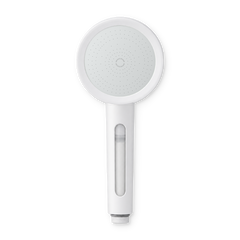
The Second Showerhand is a handheld with 128 micro-jets. It costs $89, or $69 with a filter subscription, and needs a new filter every 30 days. The Second Showerhead is a wall mount with 176 micro-jets. It costs $99, or $79 with a filter subscription, and needs a new filter every 60 days. One filter included with each device gets you started.
Both are Engineered in Seoul and install by hand in about a minute on a standard 1/2 inch US shower arm. We measured no pressure loss across 40 to 80 PSI. The standard flow rate is 2.5 GPM, with 1.8 GPM versions for states that require them. Our products have 4.89 out of 5 from 971 customer reviews.
Both use a Vitamin C filter behind a sediment pre-filter. We use an NSF/ANSI 42* certified filter. The see-through window can show sediment such as rust and grit caught from pipes, but its color does not show chlorine removal or tell you when to replace the cartridge. Our filters do not soften water or remove the calcium and magnesium responsible for hardness.
*Micron PP sediment filter certified by NSF/ANSI 42 standards.
FAQ
Are Korean shower filters worth it?
Yes, when the whole filter has a published test for the disinfectant in your water and the replacement schedule and cost work for you. In our independent lab test, neither chlorine nor chloramine was detected after 100 liters passed through our Vitamin C filter. [6] Check the fitting and ongoing cartridge cost before choosing a model.
Do Korean shower filters remove chloramine?
It depends on the filter, and only a test can tell you what a particular model did under the stated conditions. Our independent lab test detected neither chlorine nor chloramine after 100 liters passed through our Vitamin C filter. [6] Look for measurements before and after filtering and the volume tested.
Why does a shower filter turn brown?
It depends on what the filter has caught. In our see-through window, color can show sediment such as rust and grit from pipes. It does not show chlorine removal and is not a gauge of filter life.
Do Korean shower filters soften hard water?
No. A shower filter, ours included, does not soften water or remove hardness minerals such as calcium and magnesium; that takes a water softener. What a shower filter can remove is the chlorine or chloramine in the same water.
Will a Korean shower filter fit a US shower?
It depends on the fitting, so check before you buy. The Showerhand and Showerhead install by hand on a standard 1/2 inch US shower arm.