Yes. Dallas Water Utilities disinfects its water with chloramine, which is chlorine combined with ammonia so it lasts longer in the pipes. The city lists a total chlorine residual of about 1.0 to 3.5 ppm. We found no current hardness figure published by Dallas Water Utilities; our estimate is about 8 to 15 grains per gallon, hard to very hard. These are two separate things: hardness is dissolved calcium and magnesium, and chloramine is the disinfectant. To confirm what reaches your address, find the utility named on your water bill and read its annual Consumer Confidence Report.
Dallas water at a glance
| Measure | Dallas |
|---|---|
| Water utility | Dallas Water Utilities |
| Disinfectant | Chloramine |
| Hardness | 8-15 gpg (moderately hard to hard; estimate, no utility figure found) |
| Total dissolved solids | 200-400 ppm (estimate) |
| Disinfectant residual | 1.0-3.5 ppm |

Belief: Dallas water is safe to drink, so nothing in it matters in the shower
Treated city water is meant to be safe to drink, and the disinfectant is part of what keeps it that way. Dallas Water Utilities uses chloramine, and its water quality information lists a total chlorine residual of about 1.0 to 3.5 ppm[1]. That residual is there on purpose. Chloramine is chlorine plus ammonia, made to last in the pipes all the way to your tap. More than one in five Americans have chloramine-treated water[2], so Dallas is far from alone.
Safe to drink and nothing in it are not the same thing, though. The disinfectant is still in the water when it comes out of the showerhead. In a hot shower it touches your hair and skin every day. Chlorine is an oxidizer, and many people say it leaves their hair feeling dry and rough, with faded color a common complaint. That is a question of how things feel and look. It is not a warning about your health.
“We got it for our baby's bath, but I ended up noticing it too. My skin doesn't feel as dried out after showers.”
Belief: Hard water and chlorine are the same problem
They are two different things in the same glass. Hardness is the amount of dissolved calcium and magnesium. Chloramine is the disinfectant the utility adds. A utility adds chlorine or chloramine whether its water is hard or soft, so a hardness number tells you nothing about the disinfectant.
Dallas has both. We found no current Dallas Water Utilities hardness figure, so the 8 to 15 grains per gallon in our table is our estimate, and “moderately hard to hard” is our table's label. On the USGS scale, 7 to 10.5 gpg is hard and above 10.5 gpg is very hard, so our estimated range runs from hard to very hard[3].
You can usually tell which one you are seeing:
- Hardness leaves white crust and spots on shower glass and fixtures. It also makes soap and shampoo lather less and can leave a film[3].
- Chloramine leaves no crust. It is the part that can make hair feel dry and rough.
Each one has its own fix. Hardness is removed by an ion-exchange water softener, usually installed for the whole house. A shower filter cartridge does not remove hardness. In a hard-water home, a chelating shampoo, used now and then as its label says, helps rinse mineral buildup out of hair.
Belief: A chlorine smell means something is wrong with the supply
A chlorine smell usually means the disinfectant is doing its job. Chloramine is added deliberately, and the residual is designed to stay in the water. The city reports a range of 1.0 to 3.5 ppm, not a single fixed number[1], so the amount at your tap can vary. That can explain why your shower smells more like chlorine on some days than others.
Your nose can tell you a disinfectant is present, but it cannot tell you how much. If you want a number, use a DPD test kit, which is made for chlorine. A TDS meter will not help here. It measures all dissolved solids, it is not a hardness test, and it cannot detect chlorine at all. The 200 to 400 ppm TDS figure in our table is our estimate and mostly reflects minerals, not the disinfectant.
Belief: Anywhere around Dallas, the water is the same
The disinfectant figures come from Dallas Water Utilities; the hardness and TDS figures are our estimates. If you live near Dallas, your water may come from a different utility, and that utility's numbers are the ones that apply to you. Do not assume either way. Check instead:
- Look at your water bill. The utility's name is on it. Renters can ask the landlord or building manager.
- Find that utility's Consumer Confidence Report. Every community water system in the US must send customers one each year, usually by July 1, and many post it online[4]. Look for the disinfectant (chlorine or chloramine) and the hardness.
- Or look up your ZIP code on our water page.
Choosing a shower filter for Dallas chloramine (and what it will not do about hardness)
Start with what no shower filter can do: we do not soften water or remove hardness. A water softener does that. If the white crust bothers you, a softener is the answer, not a filter.
What matters for a Dallas shower is the disinfectant. Chloramine is built to last, so look for a filter whose results name chloramine specifically, not just chlorine. It is also worth asking how a cartridge holds up as it ages. In our own testing, KDF-55 cartridges lost chlorine reduction as the cartridge aged.
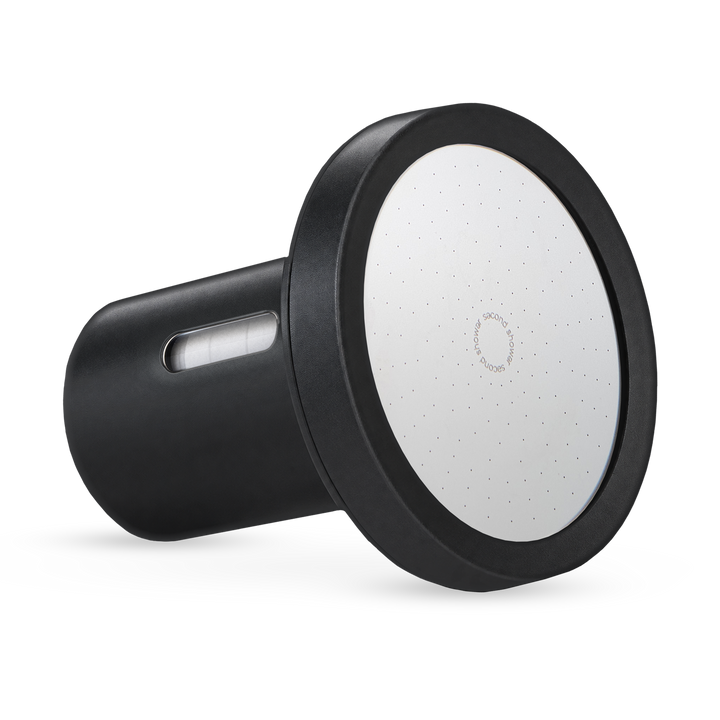
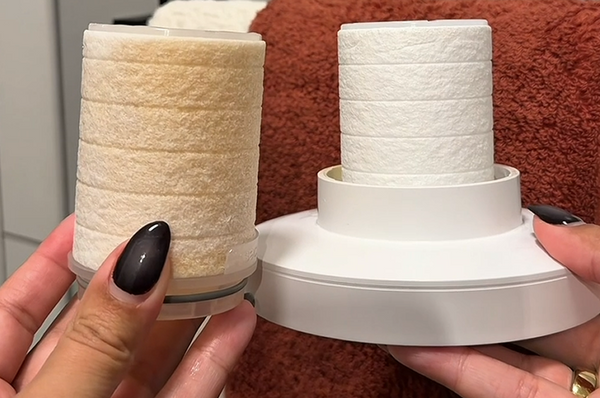
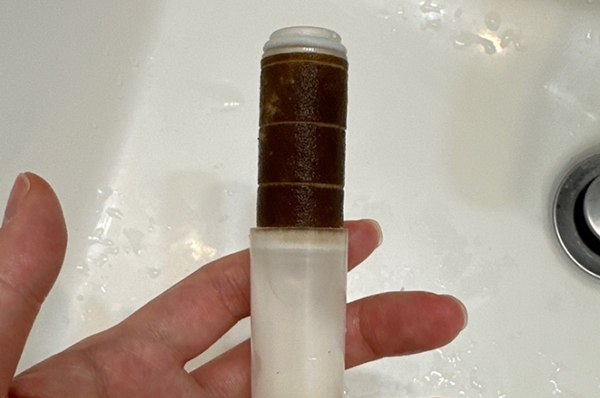
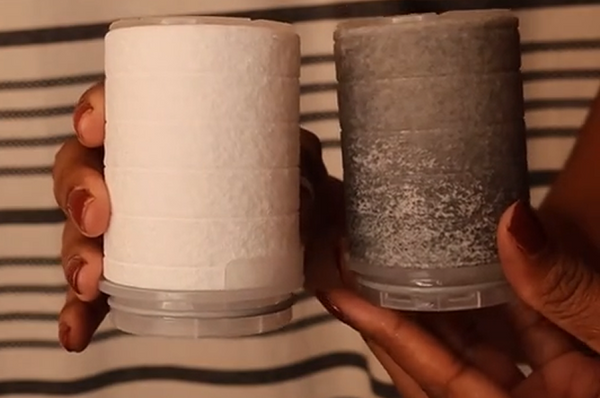
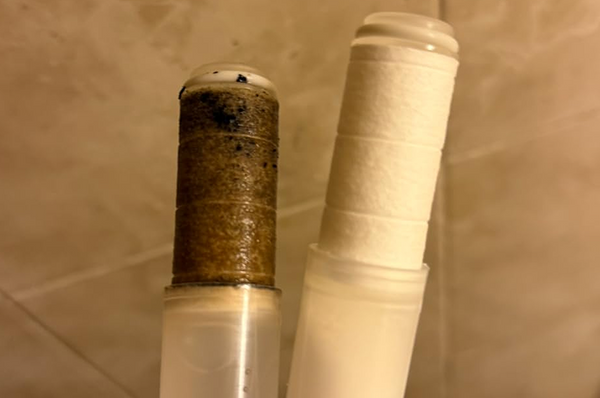
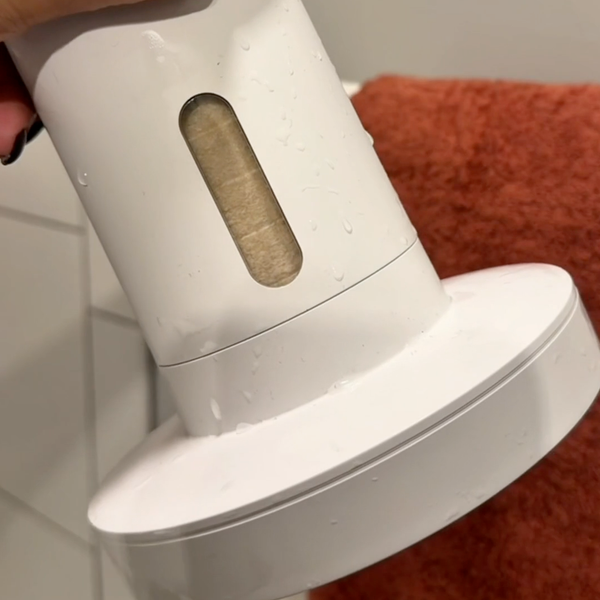
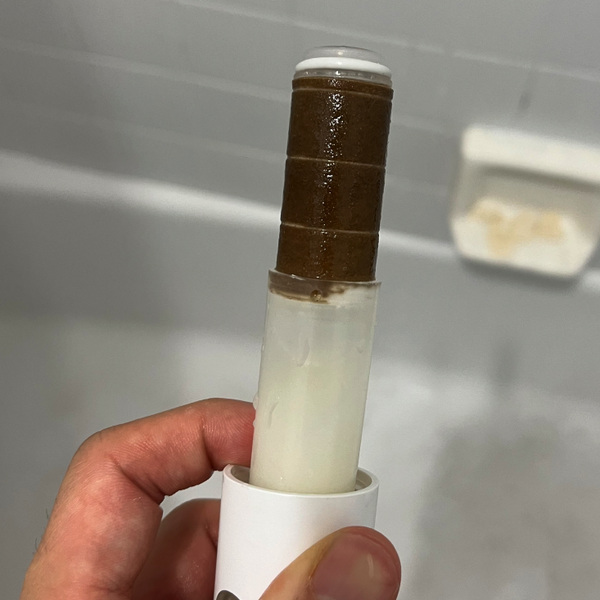
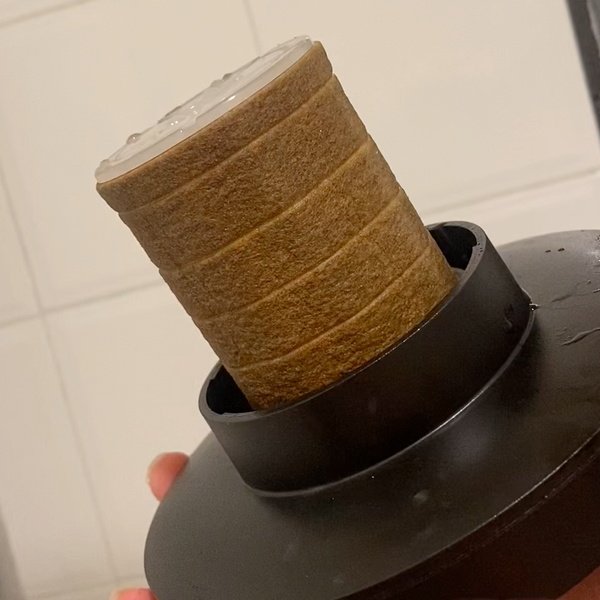
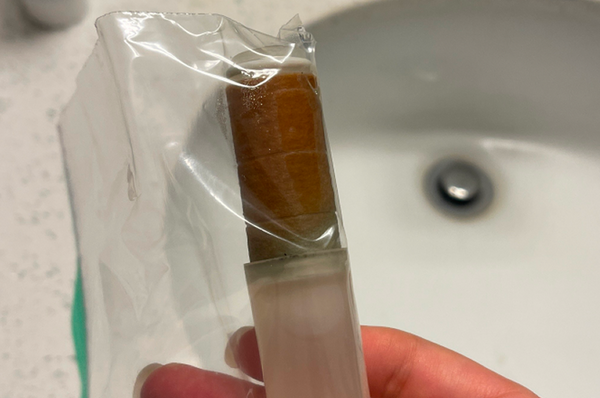
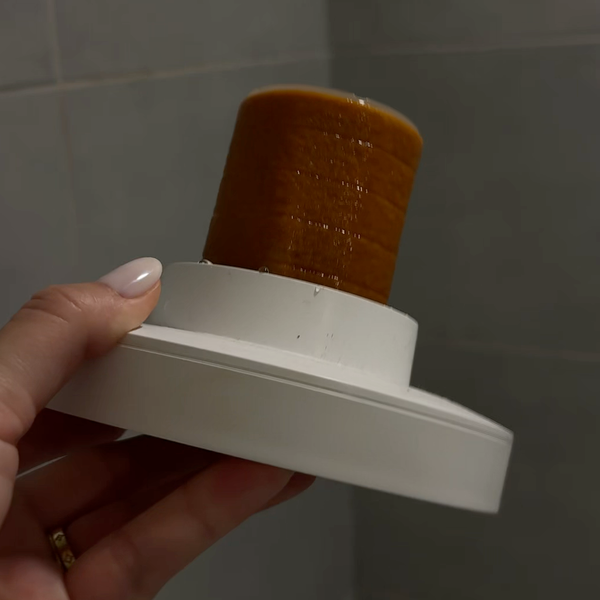
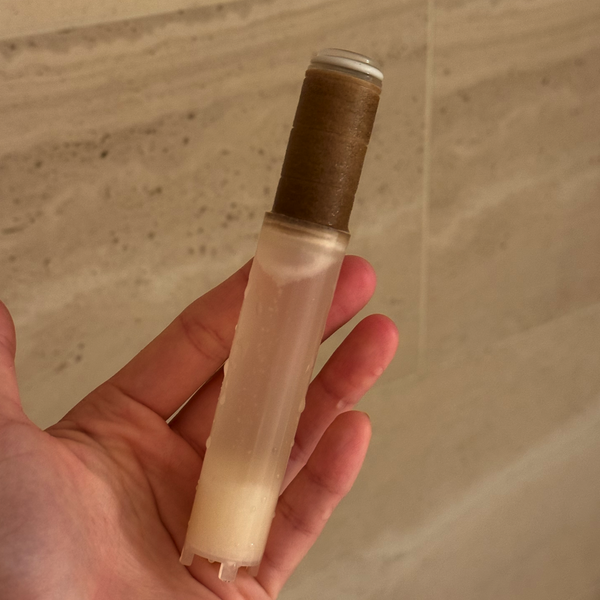
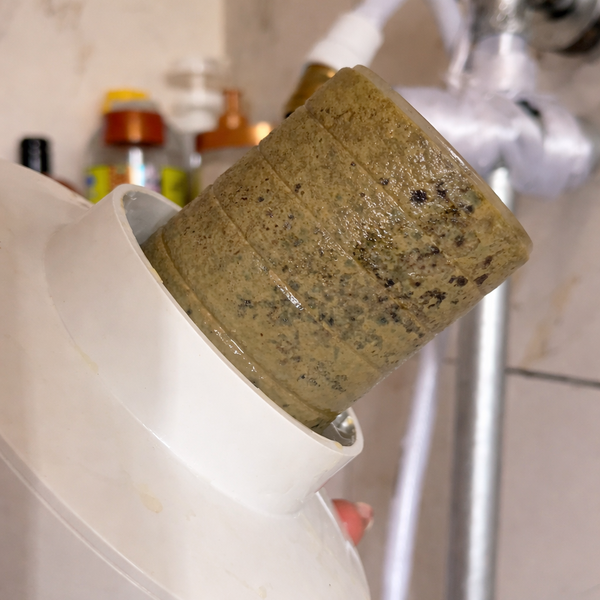
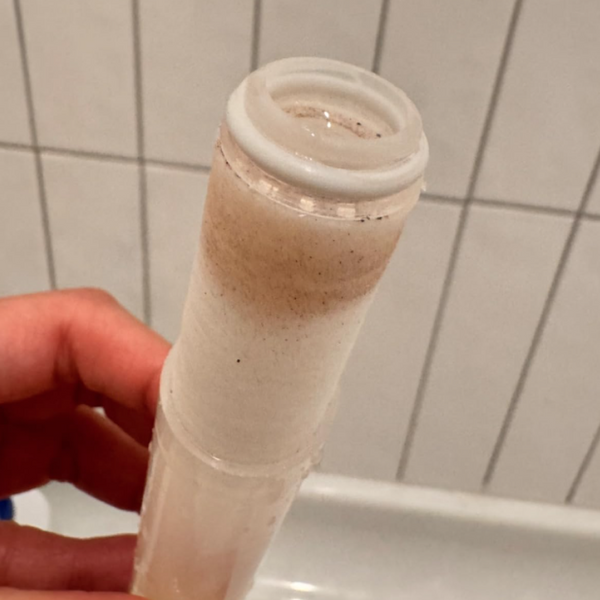
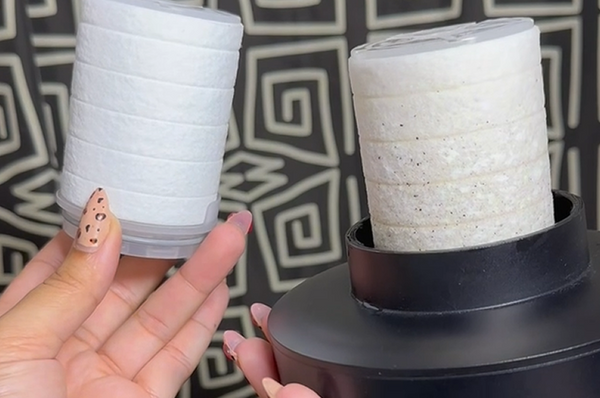
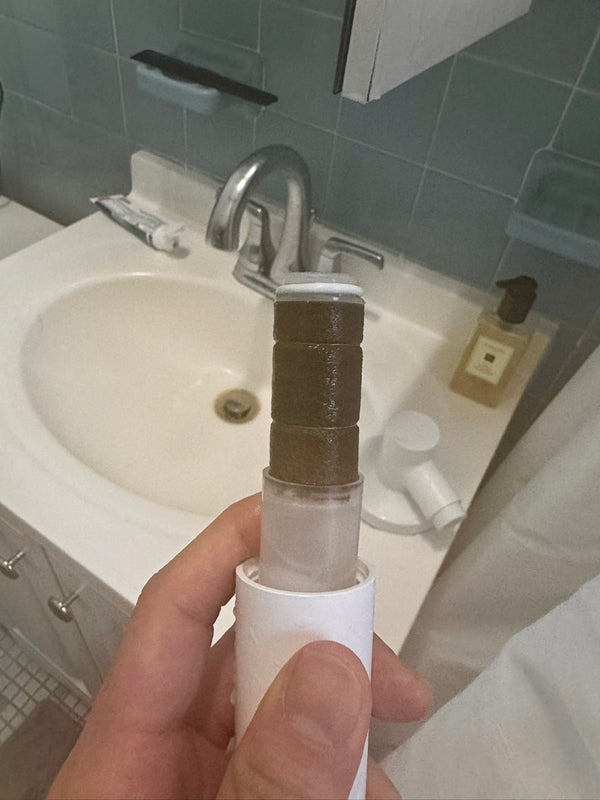
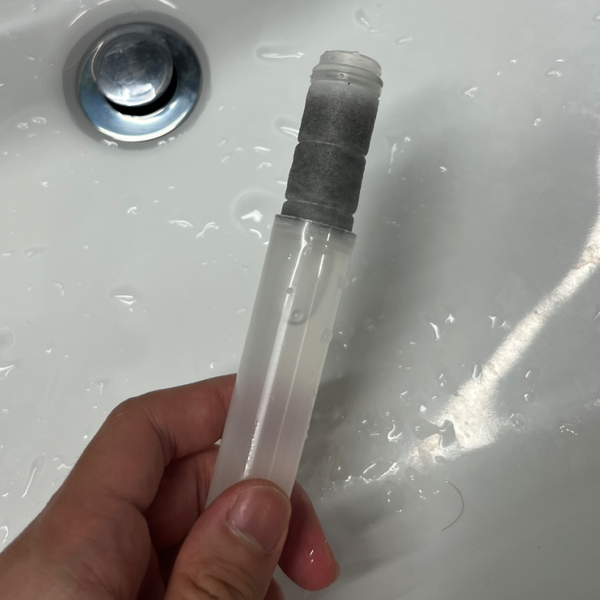
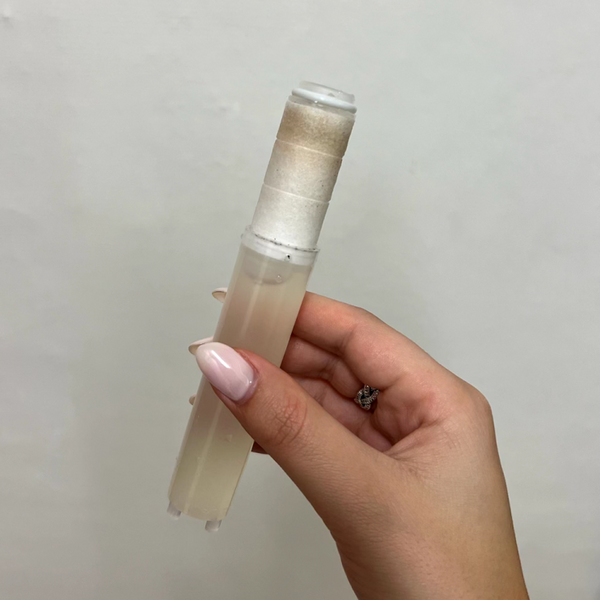
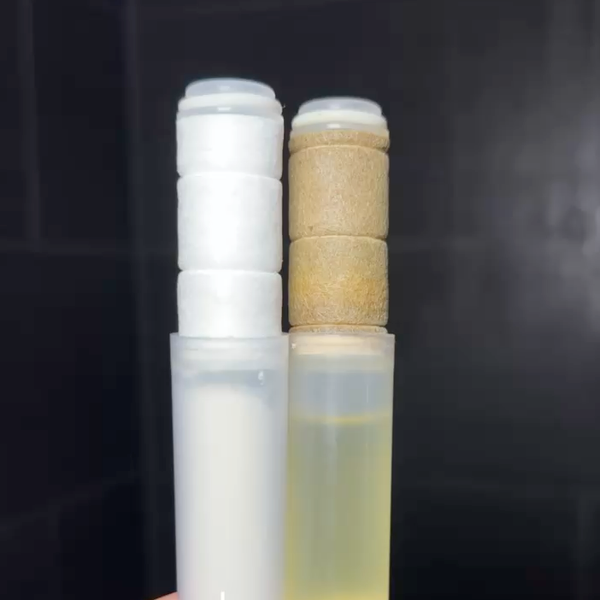
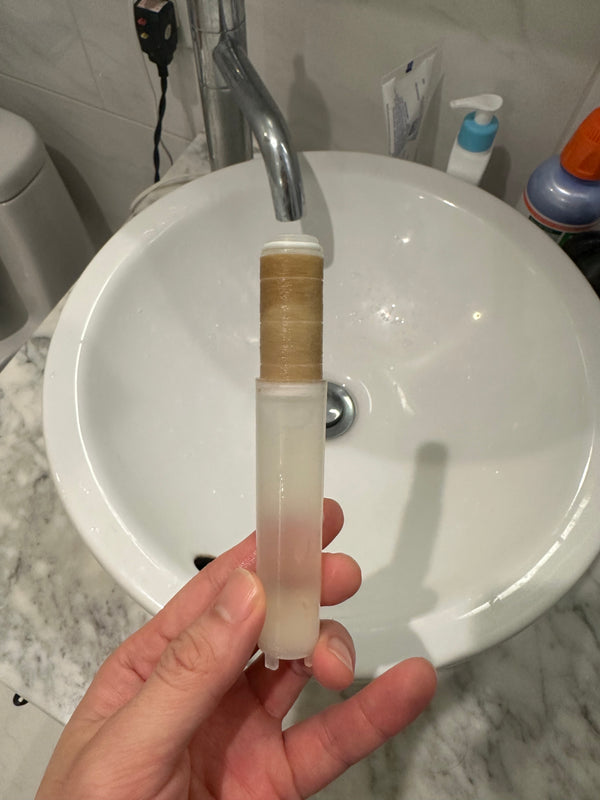
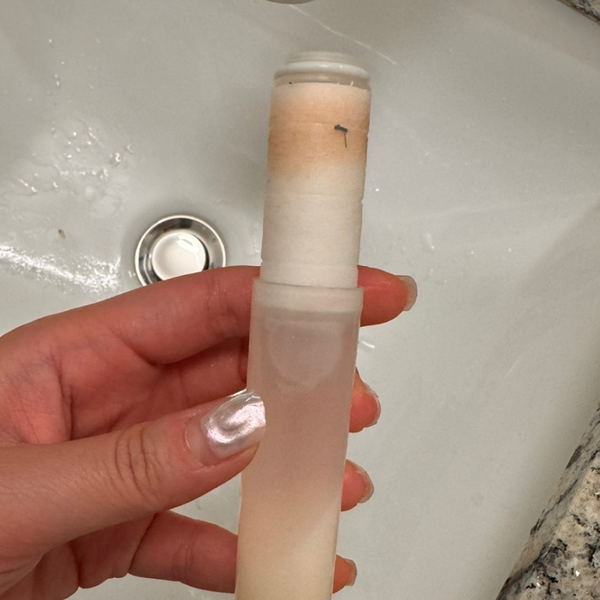
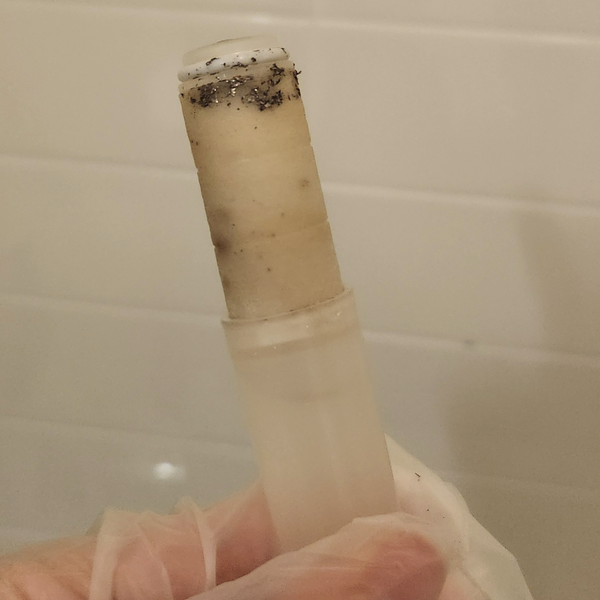
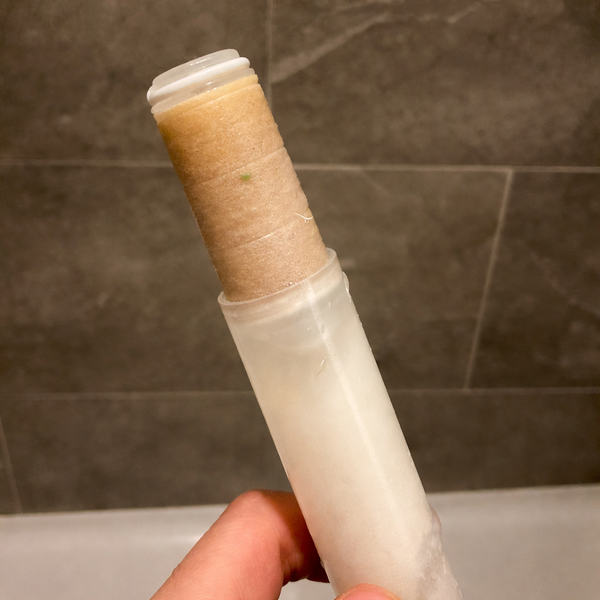
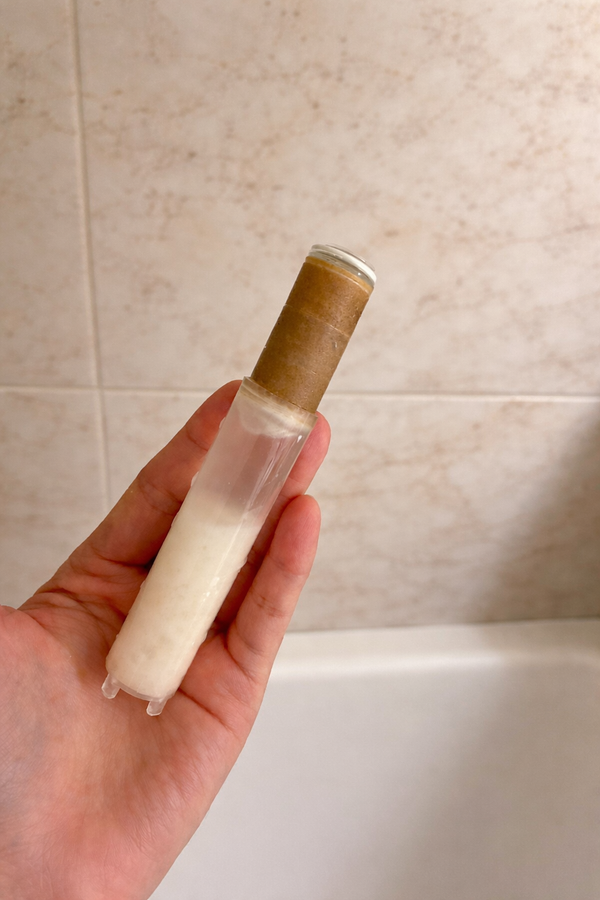
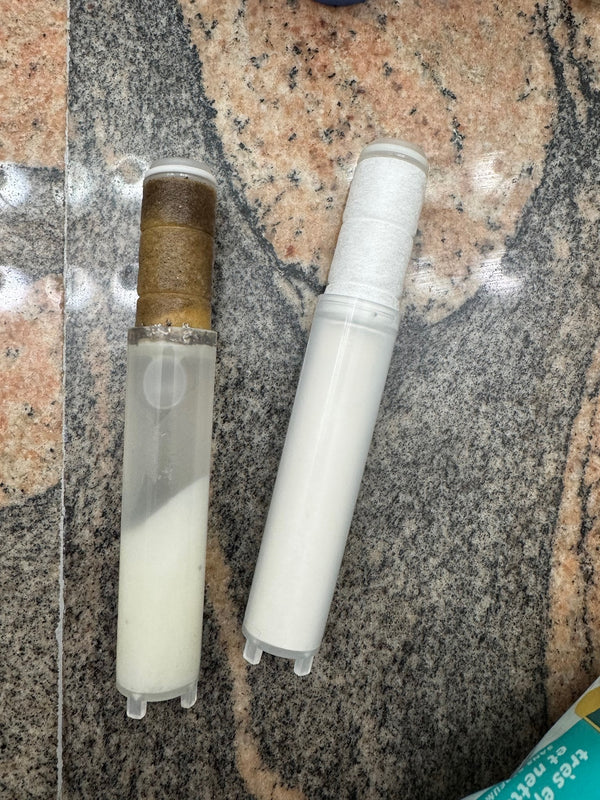
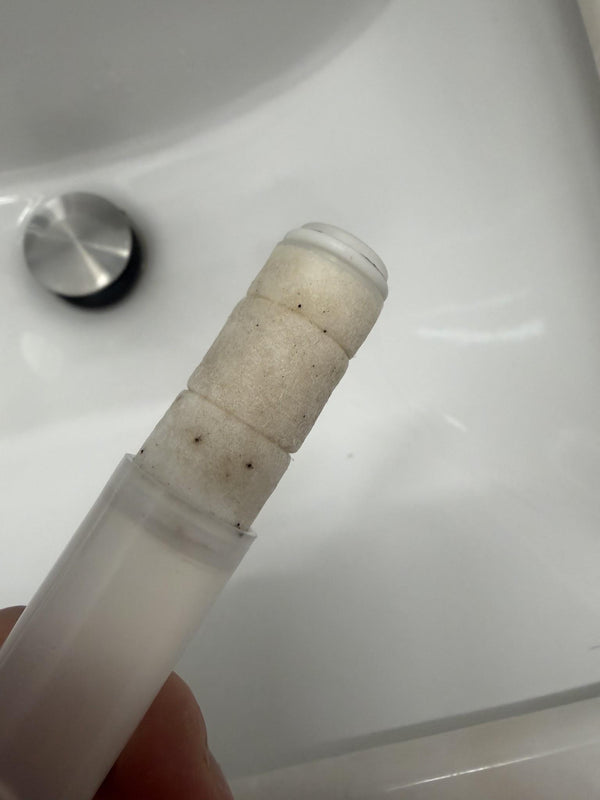
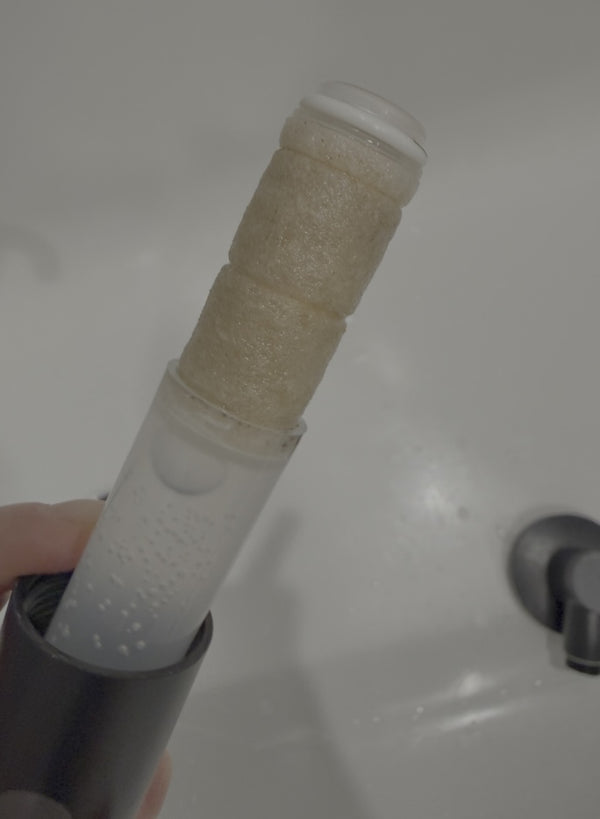
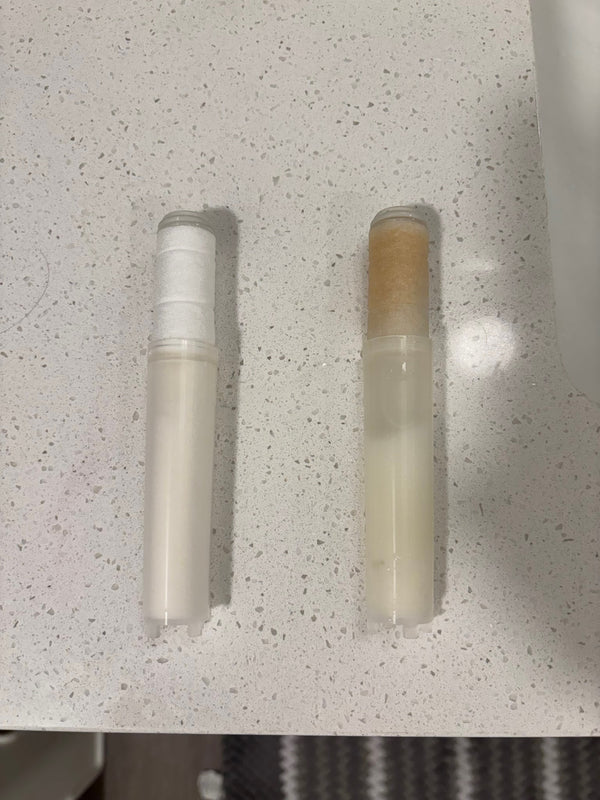
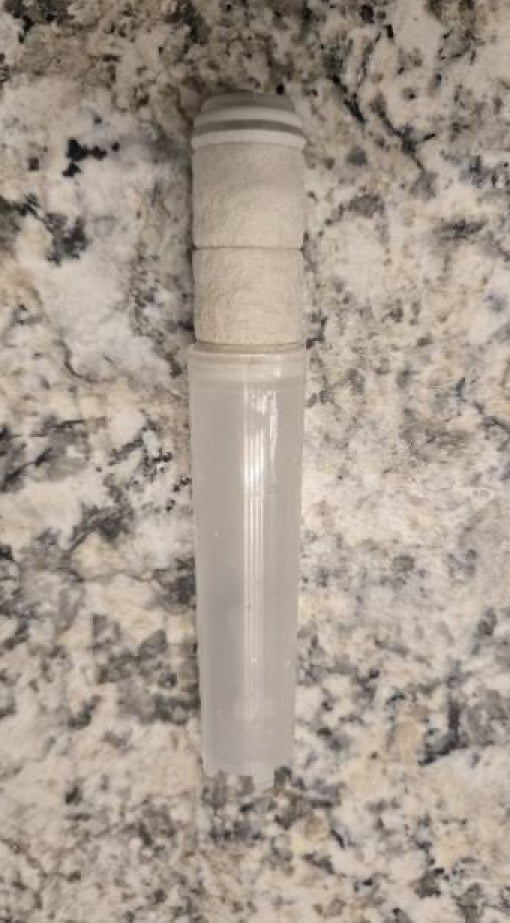
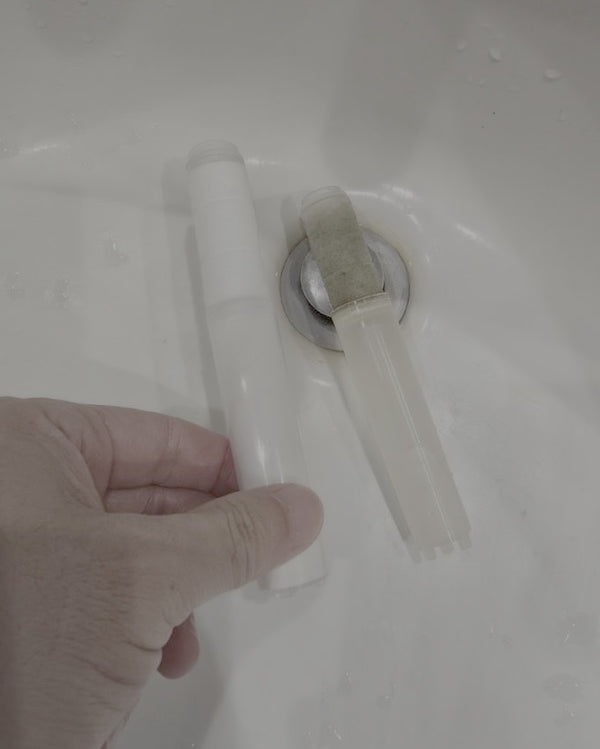
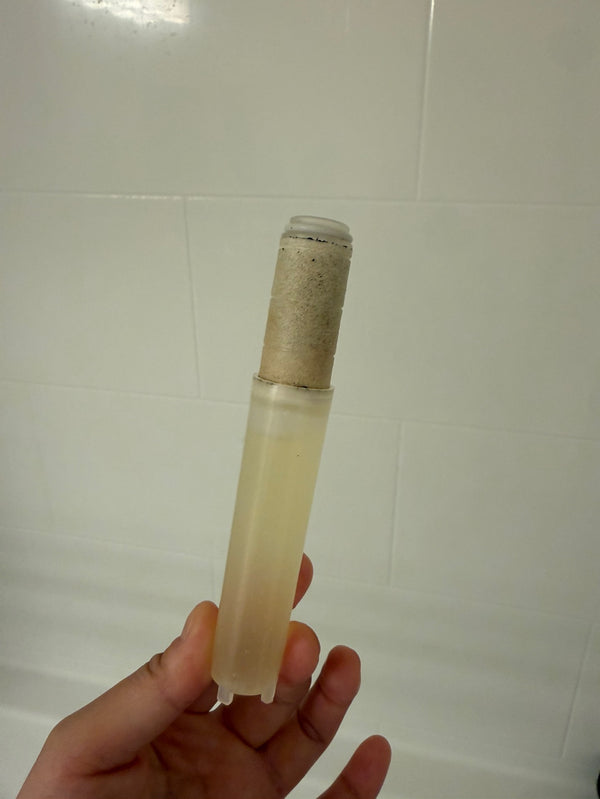
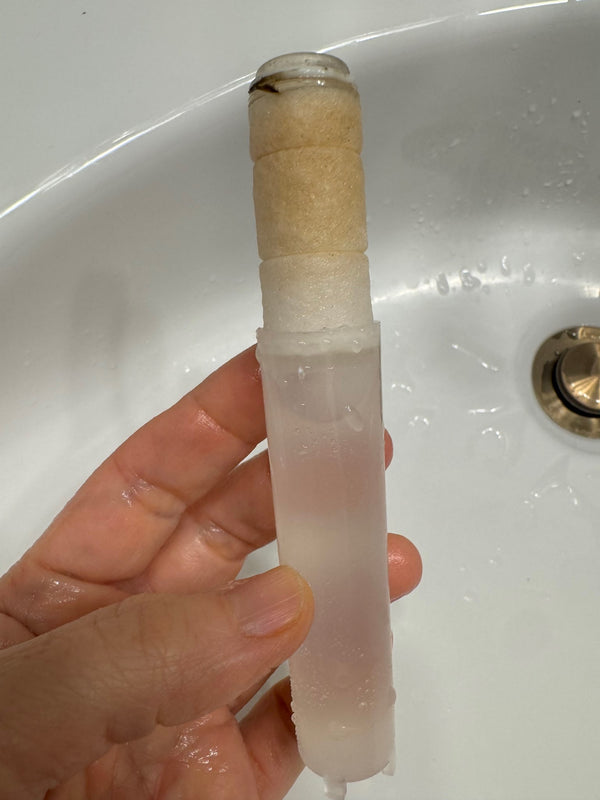
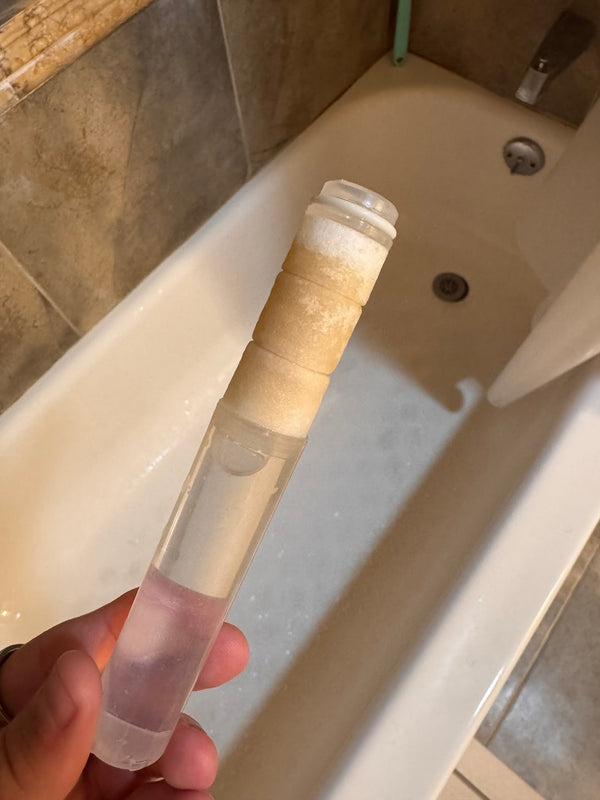
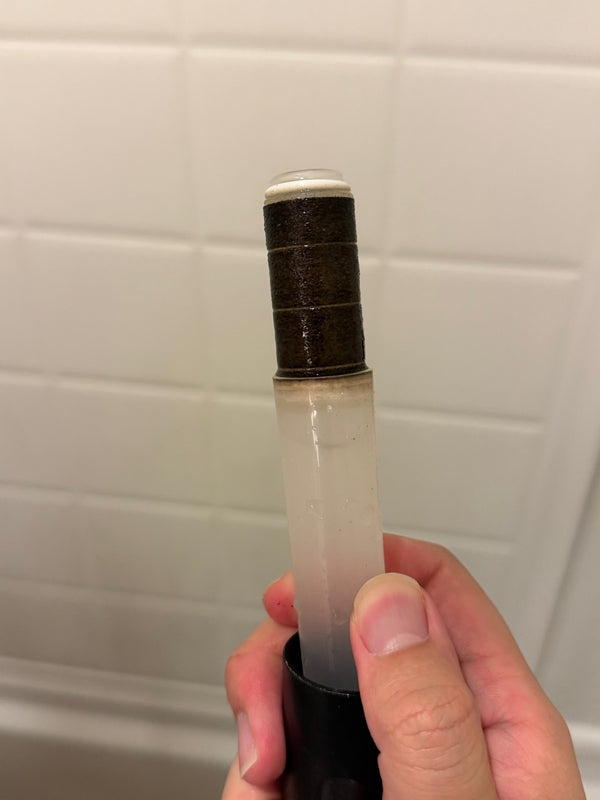
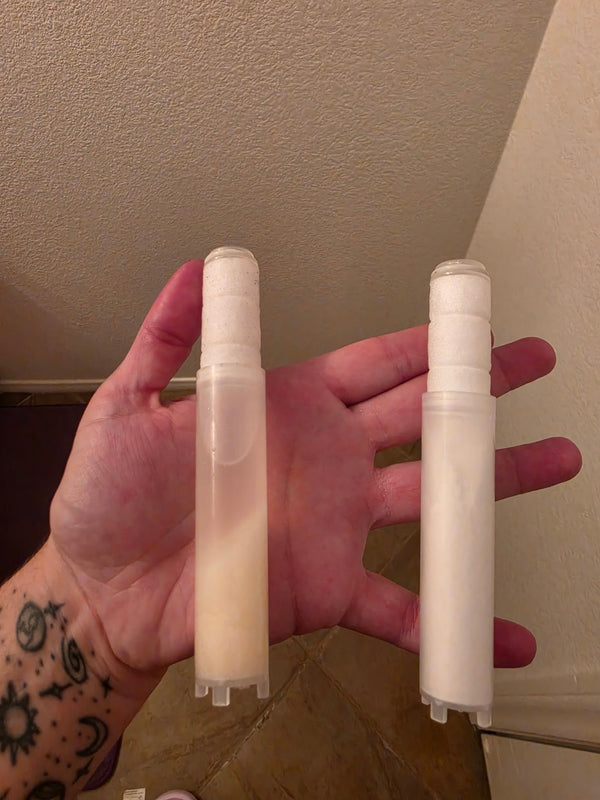
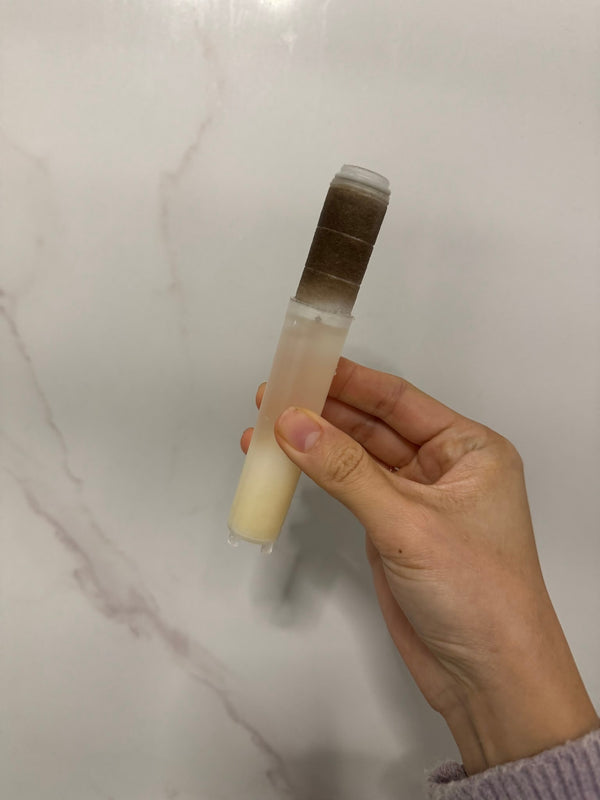
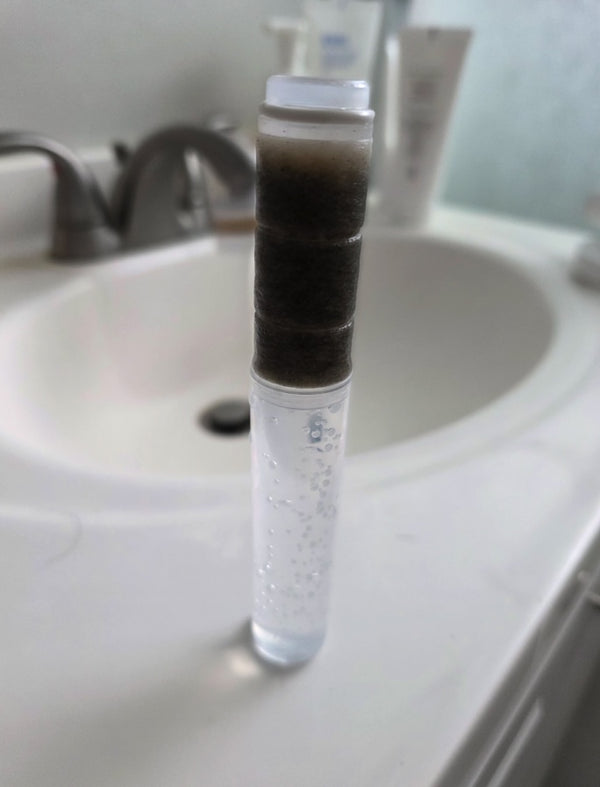
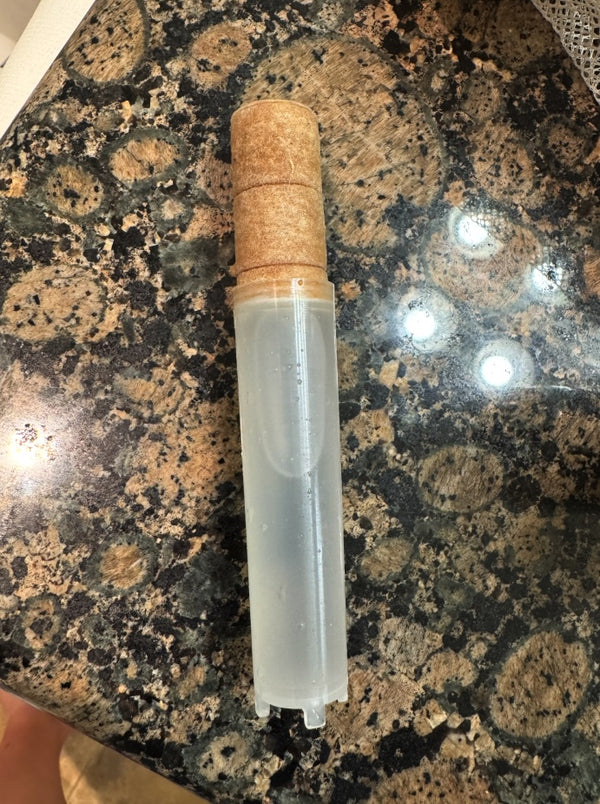
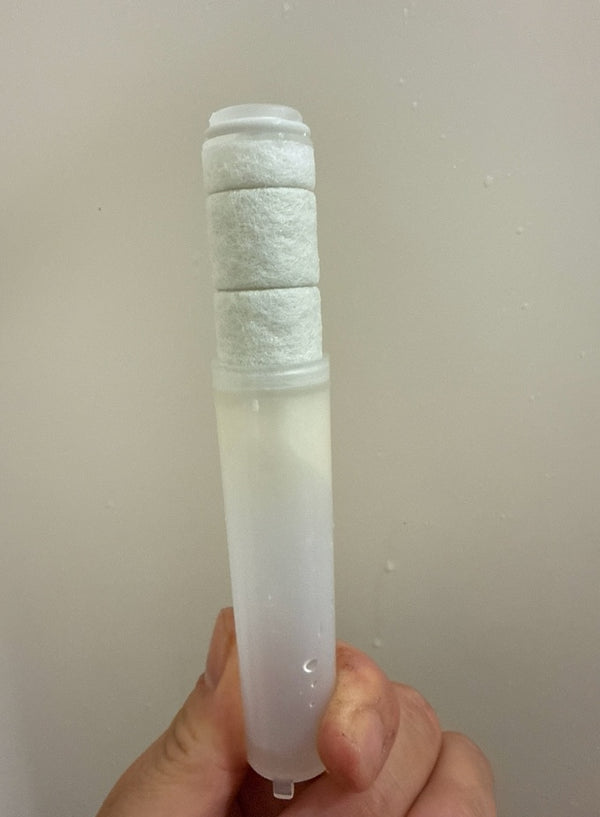
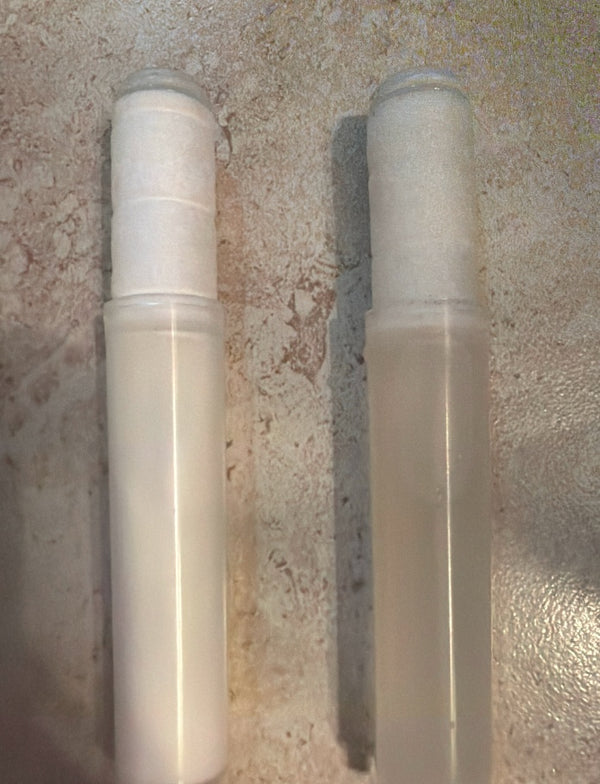
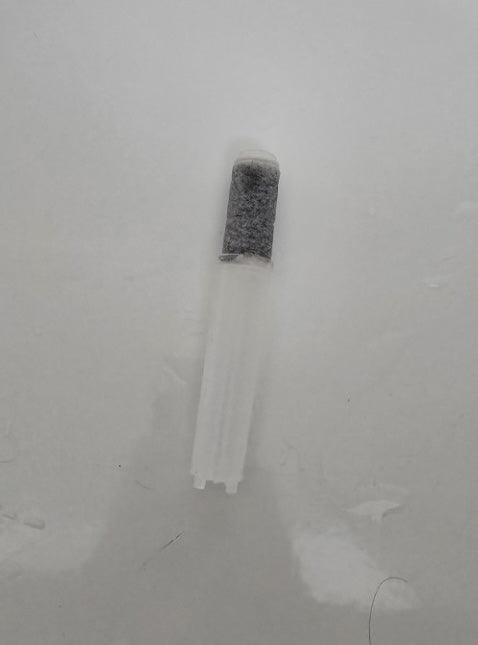
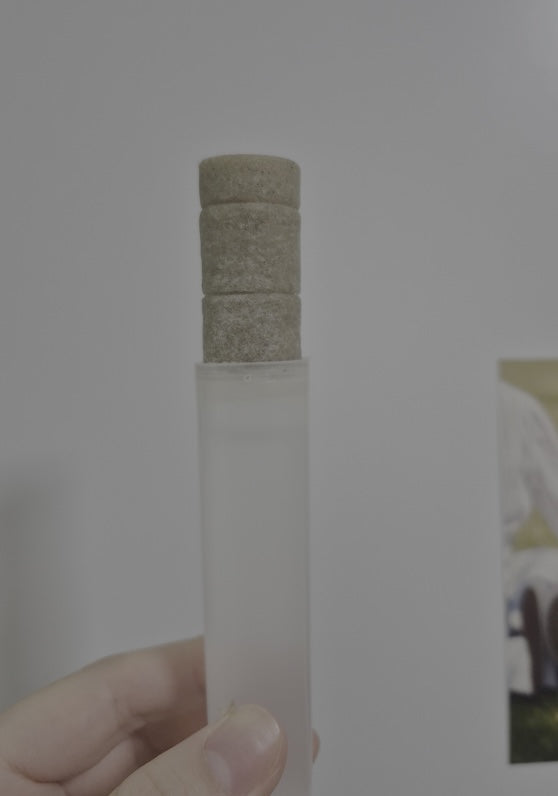
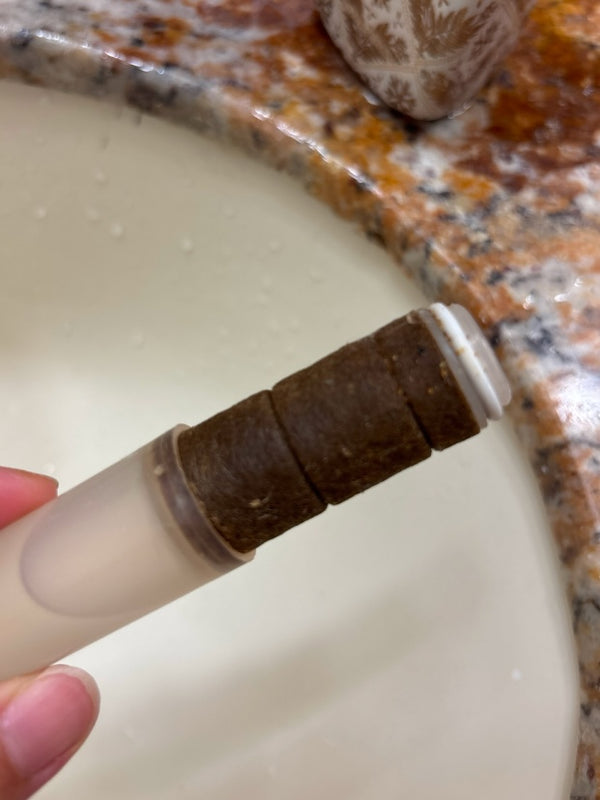
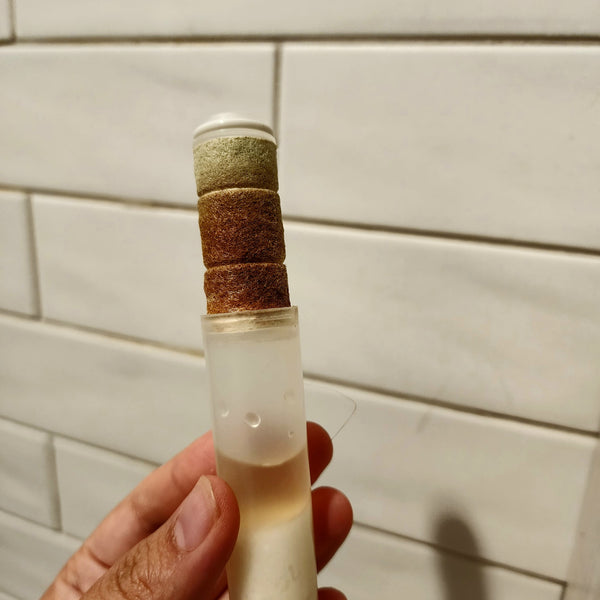
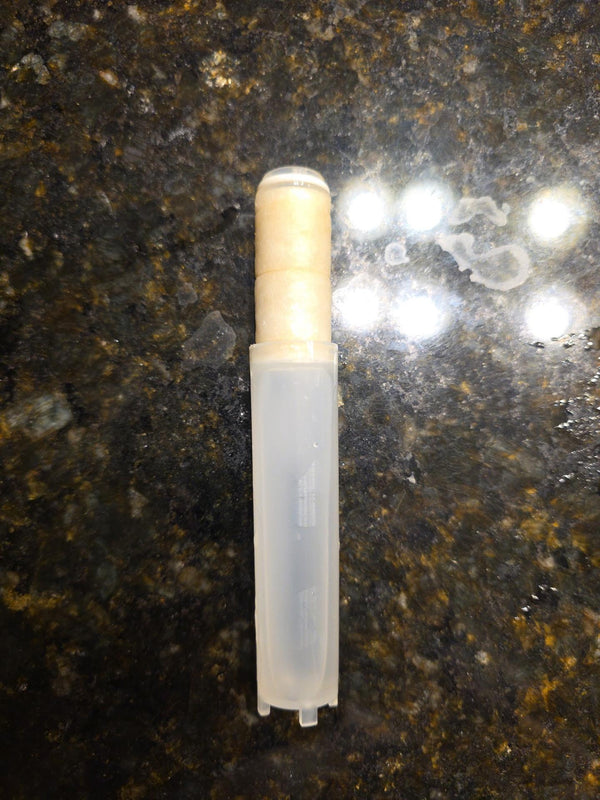
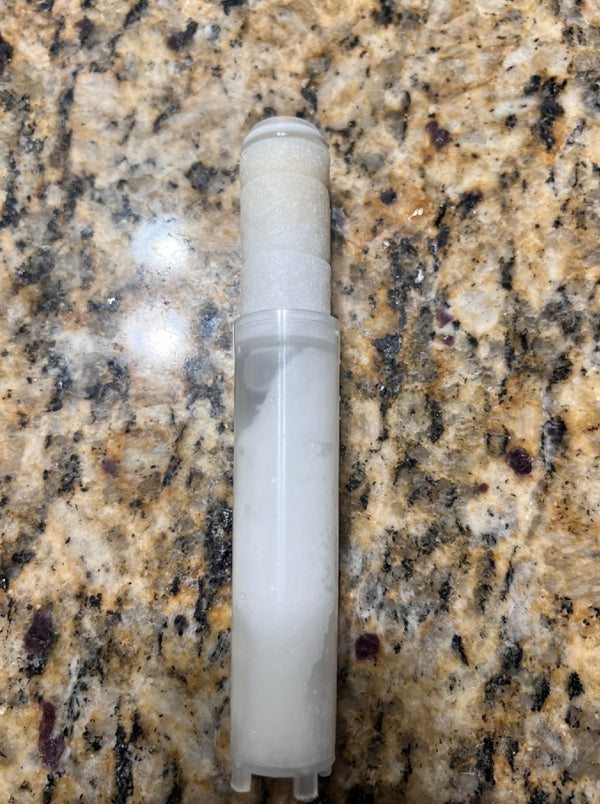
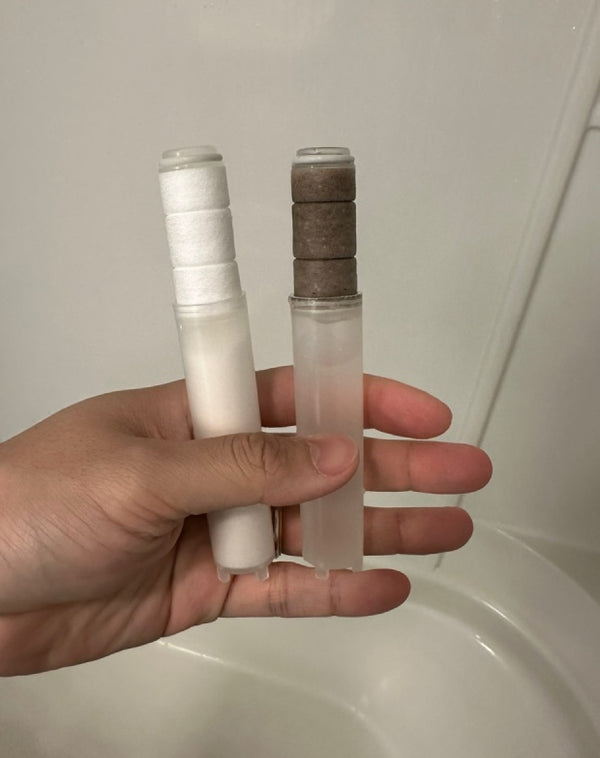
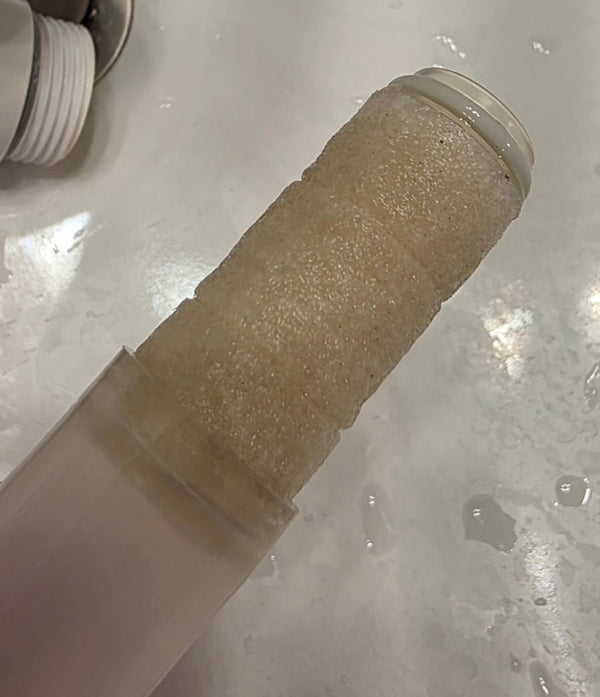
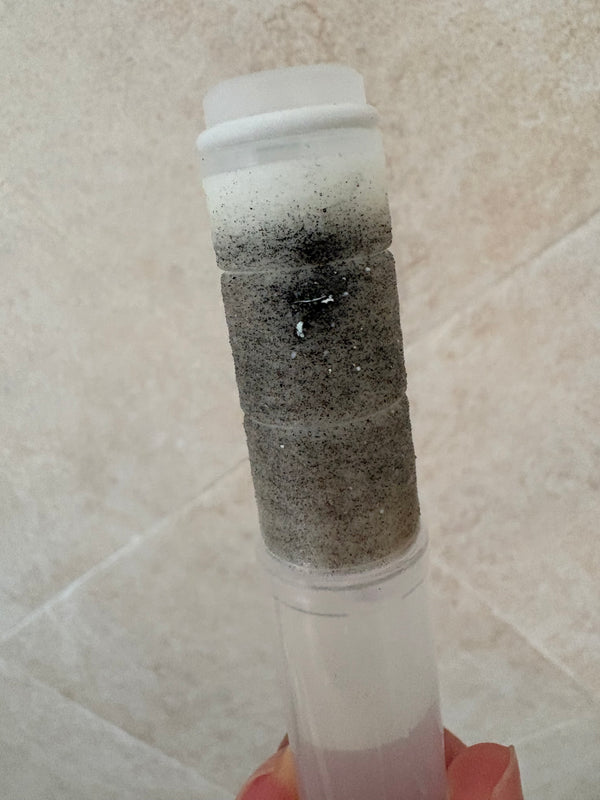
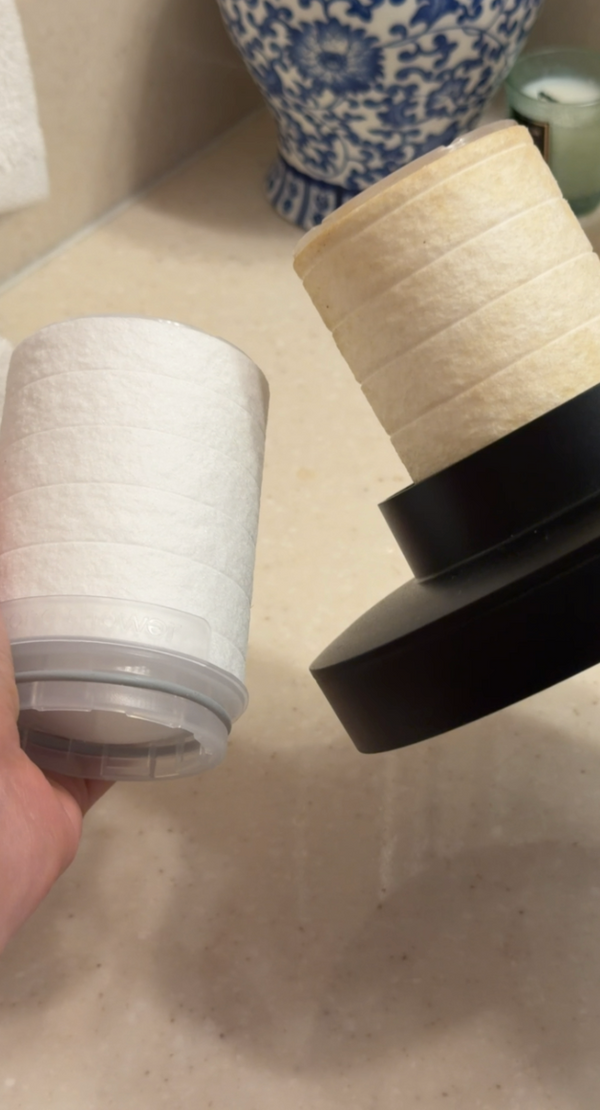
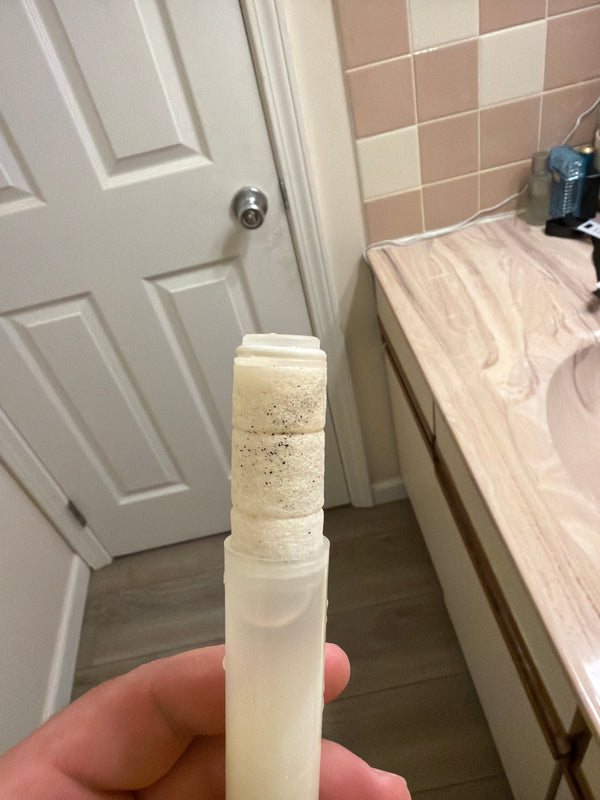
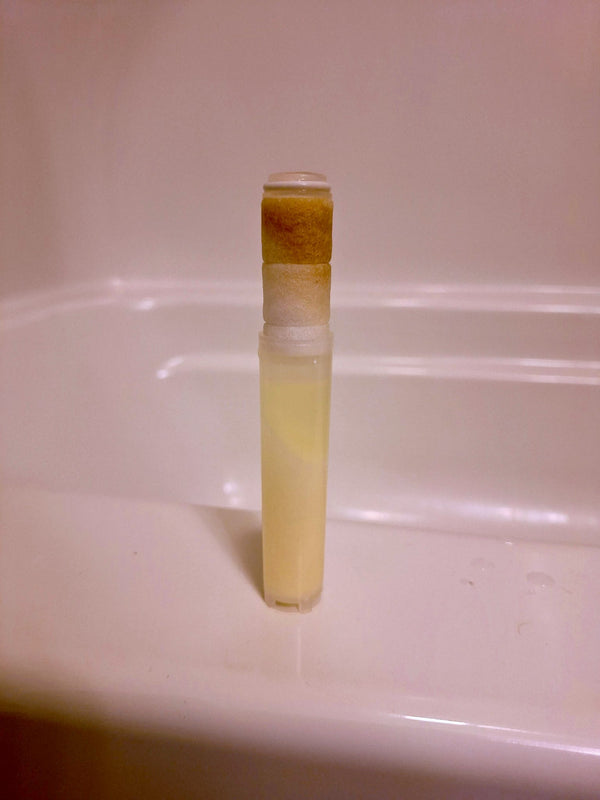
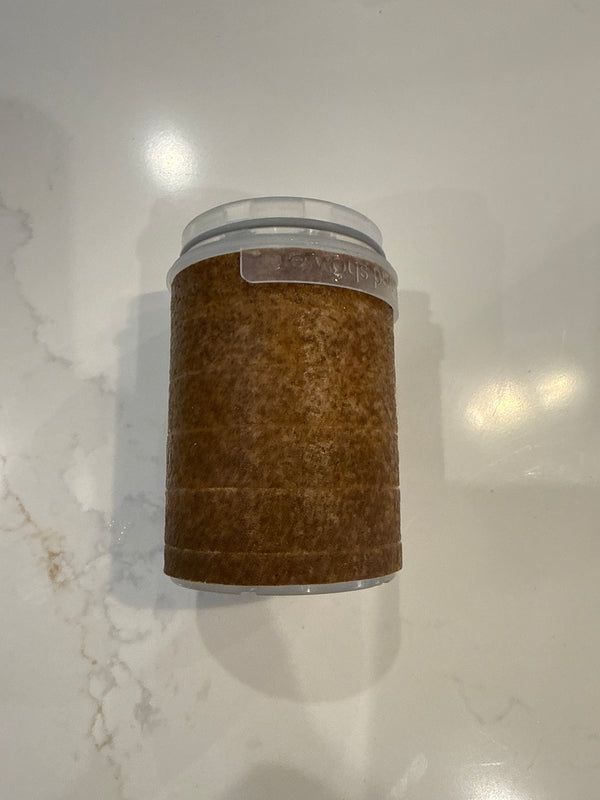
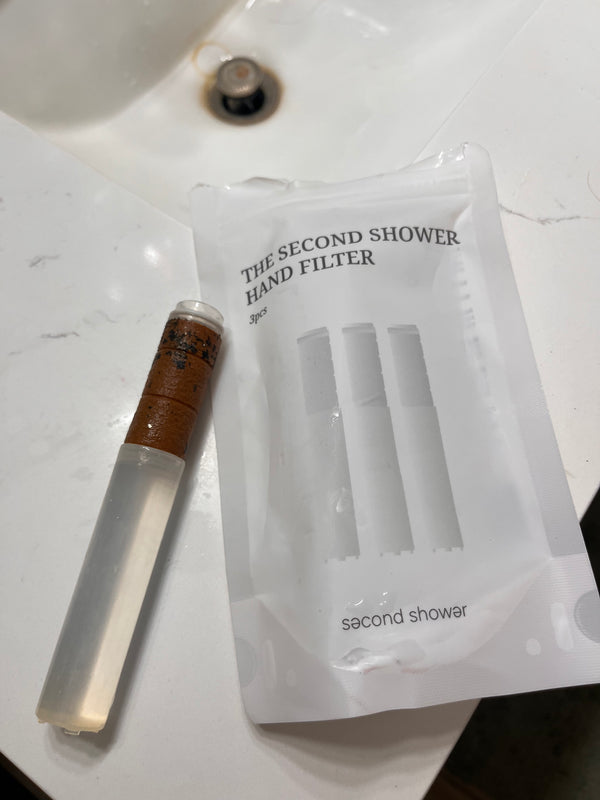
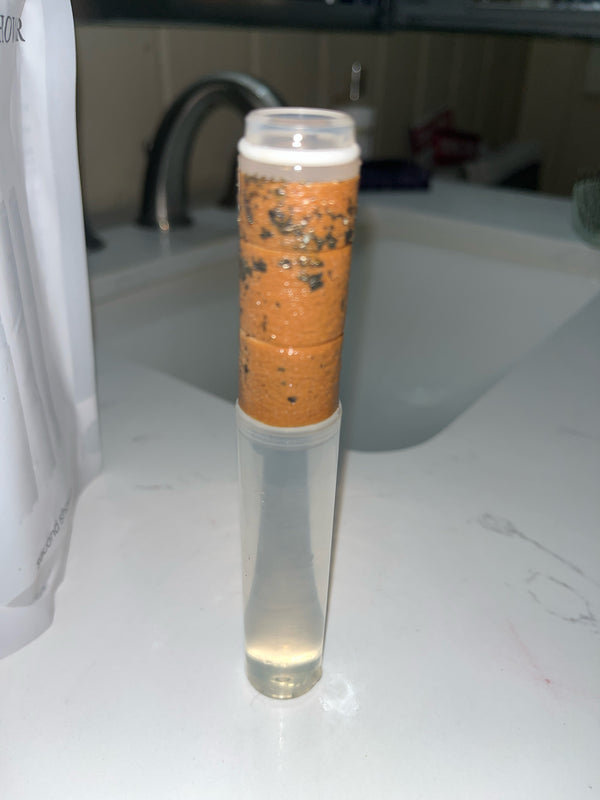
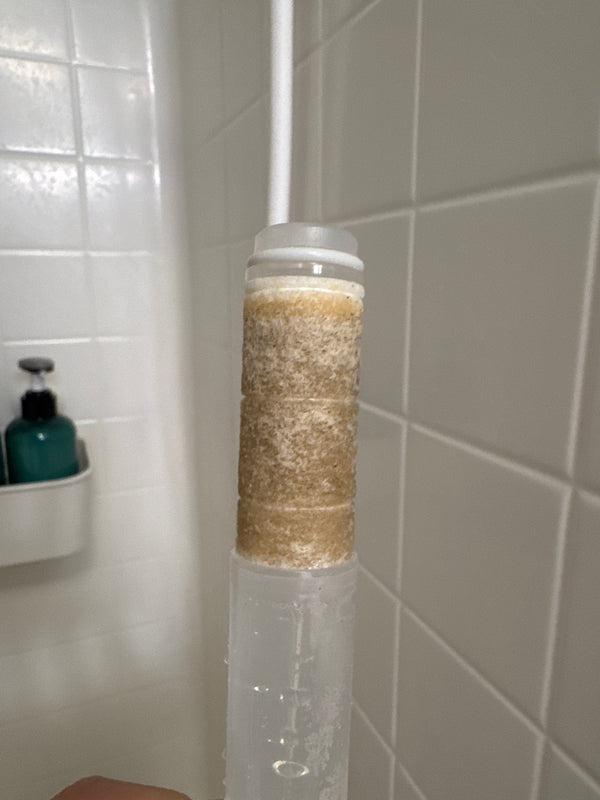
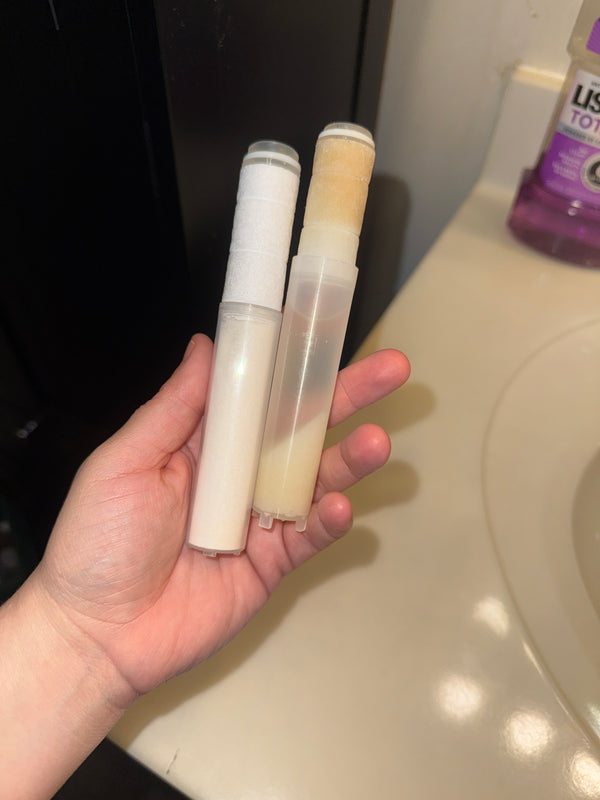
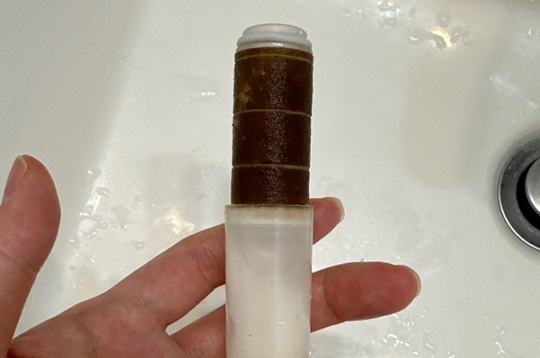
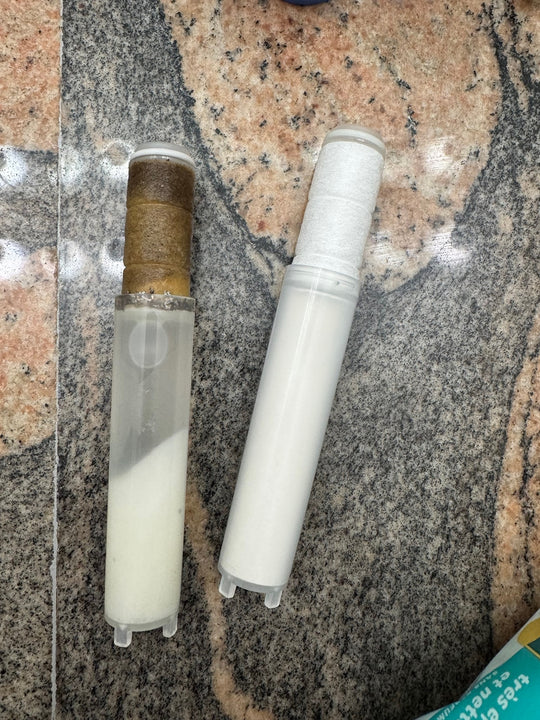
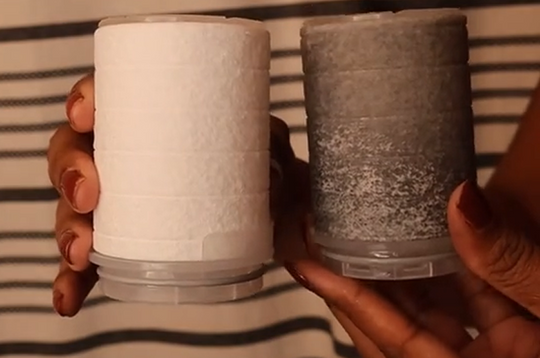
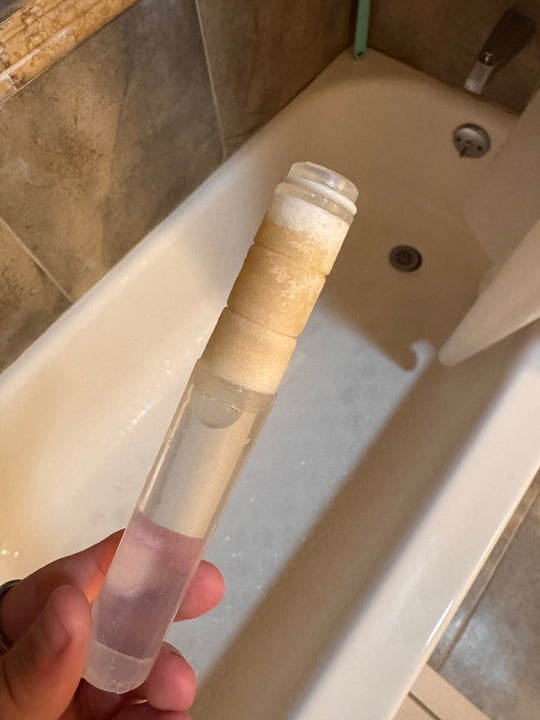
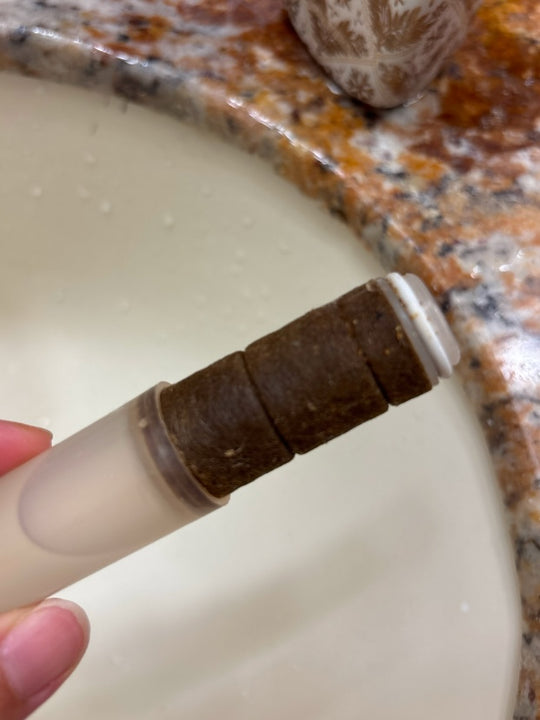
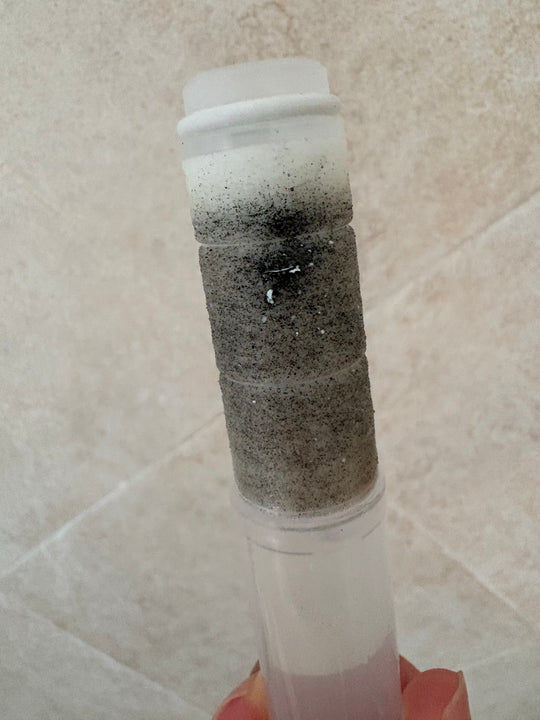
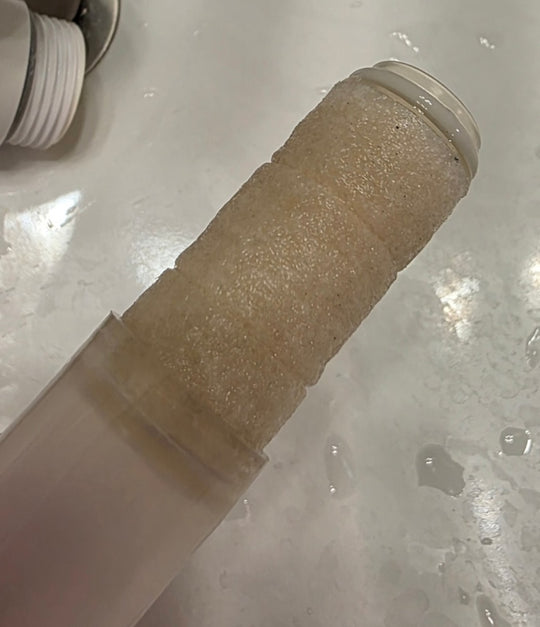
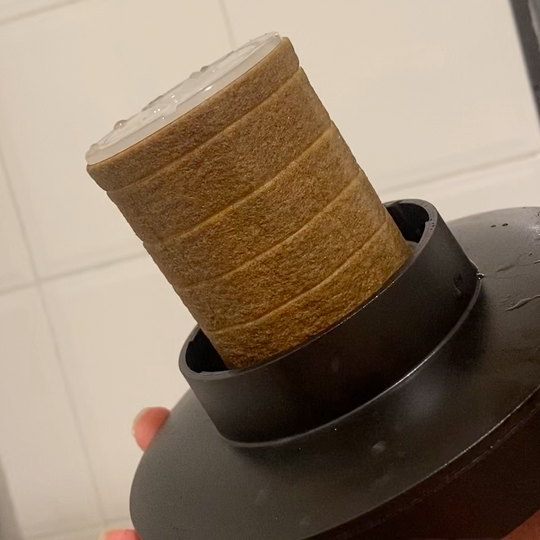
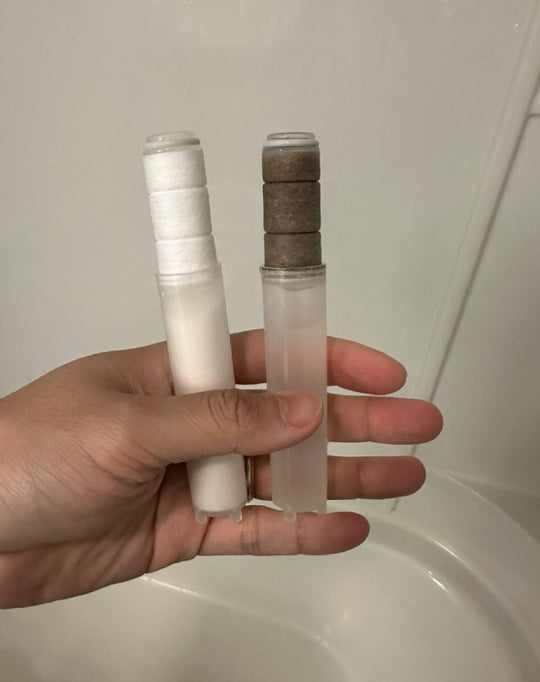
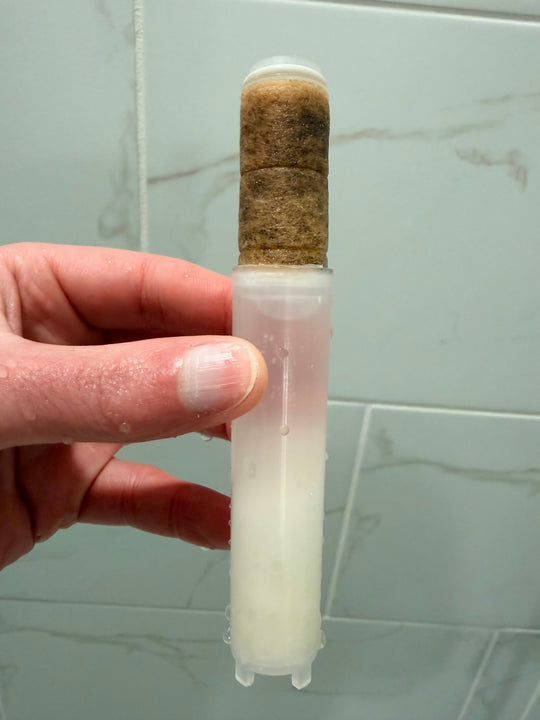
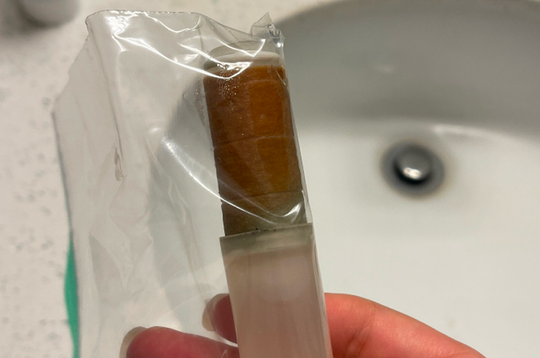
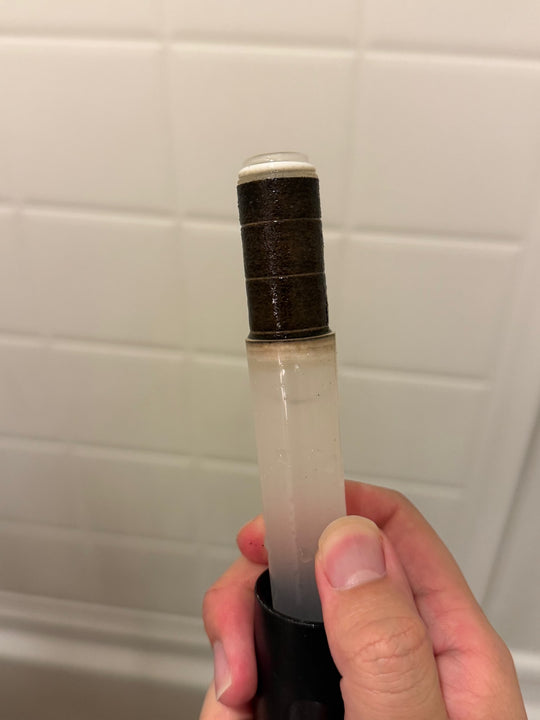
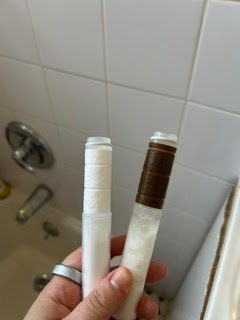
Here is what ours does. We use an NSF/ANSI 42 certified filter*. The filter works in two stages: a micron sediment pre-filter, then a Vitamin C (ascorbic acid) core. Vitamin C is the part that reduces chlorine. In independent lab testing it removed 99.9% of chlorine and chloramine. In our own testing, the Showerhead's results held through Day 1 to 60 of the cartridge's life. That is why we recommend a new filter every 60 days. The filter's color is not a gauge of how much life is left.
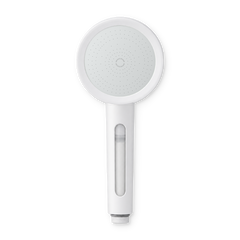
The Second Showerhead is $99, or $79 with a filter subscription. One filter is included. It installs in about a minute without tools, on a standard 1/2 inch shower arm.
*Micron PP sediment filter certified by NSF/ANSI 42 standards.
FAQ
Does Dallas use chlorine or chloramine?
Dallas Water Utilities disinfects with chloramine, which is chlorine combined with ammonia so it lasts in the pipes. The city lists a total chlorine residual of about 1.0 to 3.5 ppm.
Is Dallas tap water hard?
Yes, by our estimate Dallas water is about 8 to 15 grains per gallon, hard to very hard on the USGS scale. We found no current hardness figure published by Dallas Water Utilities, so a hardness test strip at your tap can show your own water's hardness.
Will a shower filter fix hard water in Dallas?
No. A shower filter cartridge does not remove calcium or magnesium, and Second Shower does not soften water. For hardness you need an ion-exchange water softener. A shower filter is for the disinfectant.
How do I check the water at my own address?
Find the utility named on your water bill, then read its annual Consumer Confidence Report, which usually comes out by July 1 and is often posted online. You can also look up your ZIP code on our water page. To measure chlorine yourself, use a DPD test kit, not a TDS meter.
How often should I change the Showerhead filter?
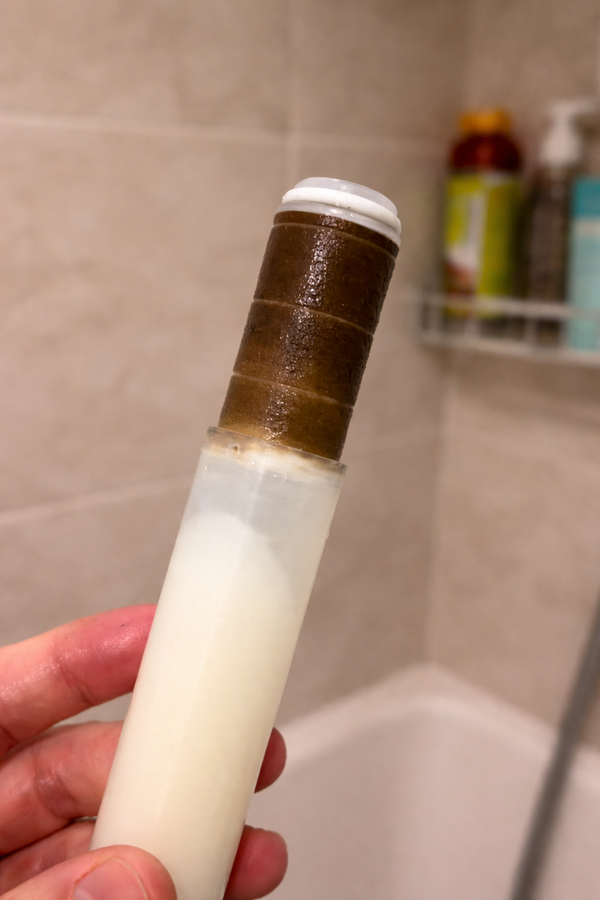
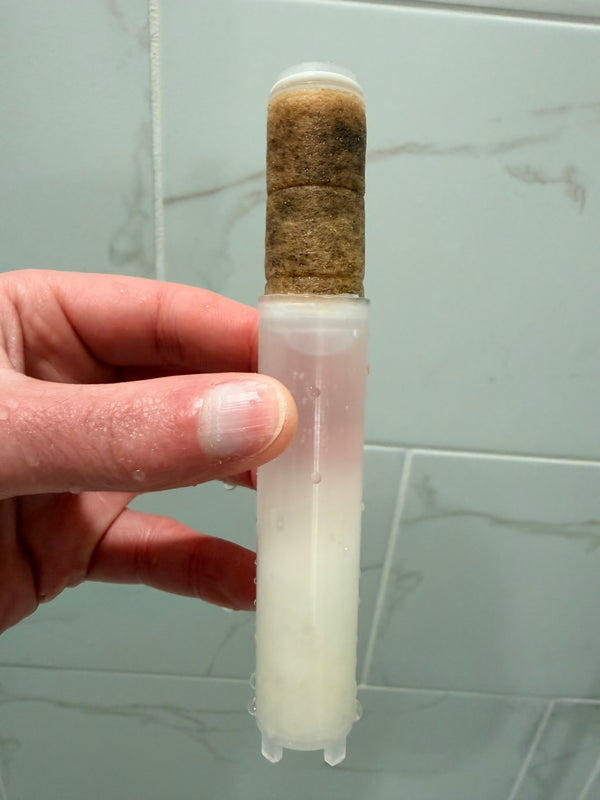
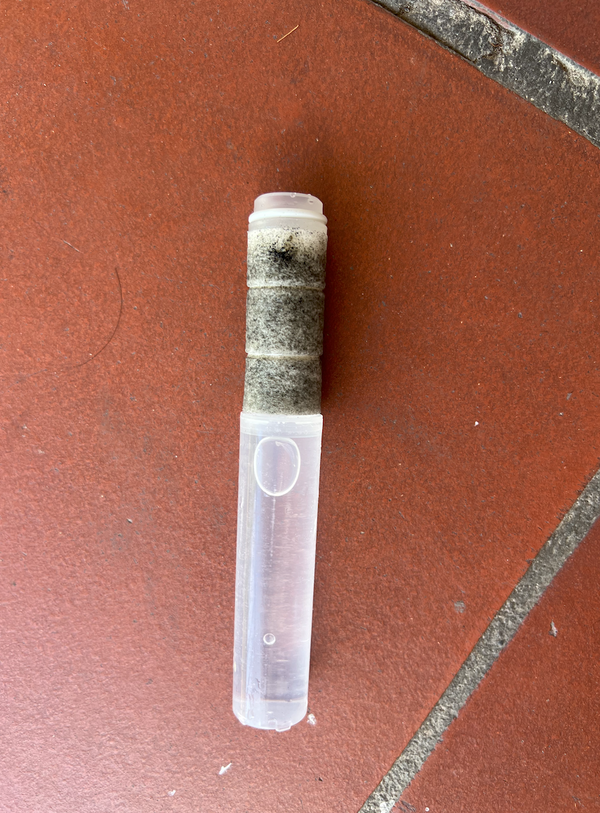
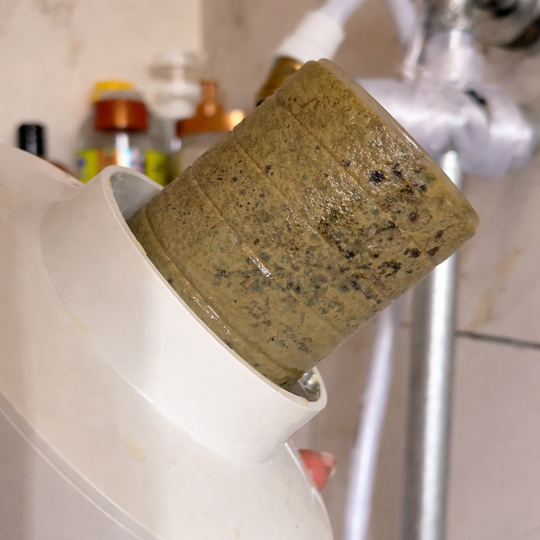
We recommend a new filter every 60 days. Change it sooner if it looks deep brown or black or the water pressure drops noticeably. Do not judge by color alone, because color does not show how much life is left.