Atlanta DWM's 2024 water quality report says the water is disinfected with free chlorine, not chloramine, with a residual of about 0.5 to 2.0 ppm. The report gives no hardness figure; our estimate is about 1 to 4 grains per gallon, mostly soft. So hard water isn't the main issue in an Atlanta shower. The chlorine is, and so is sediment from older pipes. If your bill comes from a suburban utility instead, check that utility's own report.
Atlanta water at a glance
| Measure | Atlanta |
|---|---|
| Water utility | Atlanta DWM |
| Disinfectant | Chlorine (free chlorine) |
| Hardness | 1-4 gpg (soft; estimate, no utility figure found) |
| Total dissolved solids | 30-80 ppm (soft; estimate) |
| Disinfectant residual | 0.5-2.0 ppm |

Chlorine, not chloramine: what Atlanta's own report says
Atlanta DWM's 2024 Water Quality Report lists the disinfectant as chlorine (free chlorine), with a residual of about 0.5 to 2.0 ppm in the water that reaches taps[1]. That's standard chlorination. Utilities add a disinfectant so the water stays safe on its way through miles of pipe, and some chlorine is still in it when it comes out of your shower.
Why the chlorine or chloramine question matters: chloramine is chlorine combined with ammonia, made to last longer in the pipes, and more than one in five Americans get chloramine-treated water[4]. Atlanta, according to its 2024 report, is not one of those systems. If you just moved from a city that uses chloramine, your water here is treated differently.
One caveat about the source. The utility's site (atlantawatershed.org) was returning errors when we checked, so the 2024 report link was read from an archived copy of the reports page. The disinfectant figures come from that 2024 report. A newer report may be out by the time you read this.
Will the shower smell of chlorine?
Maybe. At 0.5 to 2.0 ppm, some people notice a faint pool smell, and a hot, steamy shower makes it easier to notice. Others don't notice it at all. A smell can't tell you how much chlorine is in the water. A DPD test kit can (more on that below).
Is Atlanta water hard? Mostly no
Hardness is the amount of dissolved calcium and magnesium in the water. The USGS calls water up to 3.5 grains per gallon (gpg) soft and 3.5 to 7 gpg moderately hard[2]. The report gives no hardness figure; our estimate is about 1 to 4 gpg.
So the honest answer is soft, with one footnote: the top of that range (4 gpg) just crosses into the USGS's moderately hard band. In practice, the usual signs of hard water, like white crust on the glass, soap that won't lather, or a film after rinsing, are less likely to come from hardness in Atlanta than in a hard-water city.
Soft doesn't mean disinfectant-free, though. Utilities add chlorine or chloramine whether the water is hard or soft, and a hardness number tells you nothing about the disinfectant.
Grit, rust and older buildings
Old pipes can add sediment. The utility is responsible for the water up to your building. After that, the water runs through the building's own pipes, and in older apartments those pipes can shed rust and grit. You might see it as specks in the tub, a tint after the water sits overnight, or a showerhead whose nozzles slowly clog.
This is the part a renter has the least control over. Replacing old pipes is the landlord's job, and it can't be fixed from inside the shower.
Intown or the suburbs: whose water is in your pipes?
Everything above applies to Atlanta DWM customers. The metro area is served by several utilities, and the water in a suburb can come from a different system with a different report. The easy way to check is your water bill, which names your utility.
Every community water system in the US has to send its customers a Consumer Confidence Report (the annual water quality report), usually by July 1, and many post it online[3]. If you don't pay the water bill yourself, which is common in apartments, ask your landlord or property manager which utility supplies the building. You can also look up your ZIP code on our water page.
What a renter can check, what you can change, and what you can't
Things you can check yourself:
- The report. Your utility's latest Consumer Confidence Report lists the disinfectant and often the hardness[3].
- Chlorine. Use a DPD test kit. A TDS meter measures all dissolved solids, so it isn't a hardness test, and it can't detect chlorine.
- Hardness. Inexpensive test strips give a reading in about a minute, so you can see where your building's water falls in that 1 to 4 gpg range.
Something you can change without a plumber: what comes out of the shower. A shower filter screws onto a standard 1/2 inch shower arm by hand. Keep the original showerhead somewhere safe so you can put it back when you move out.
What you can't change: the utility's choice of disinfectant, the city's water mains, or your building's pipes. Those belong to the utility and the landlord.
What a filter changes in an Atlanta shower, and what it leaves alone
Since Atlanta's water is already soft, the useful jobs here are chlorine and sediment. Chlorine is an oxidizer, and in a hot shower it reaches your hair and skin every day. It can leave hair feeling dry and rough, and faded color is a common complaint.
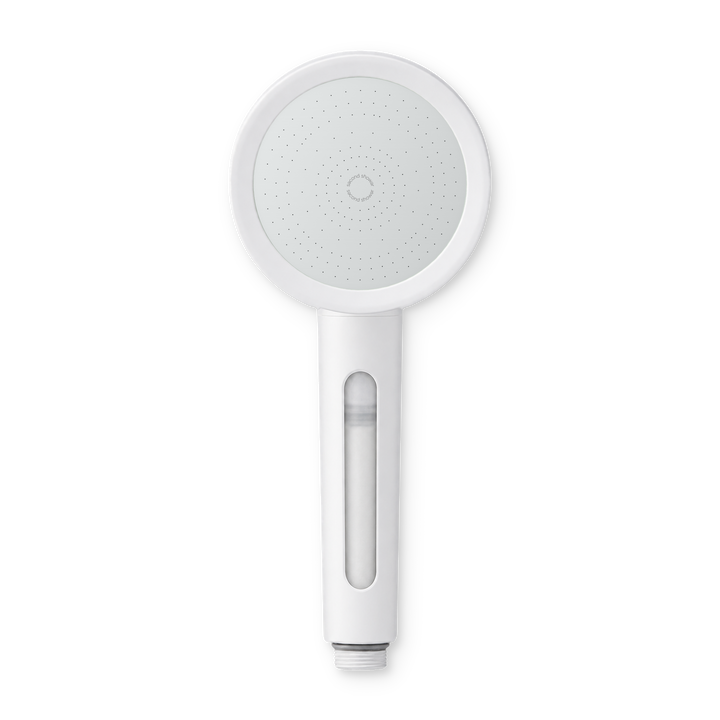
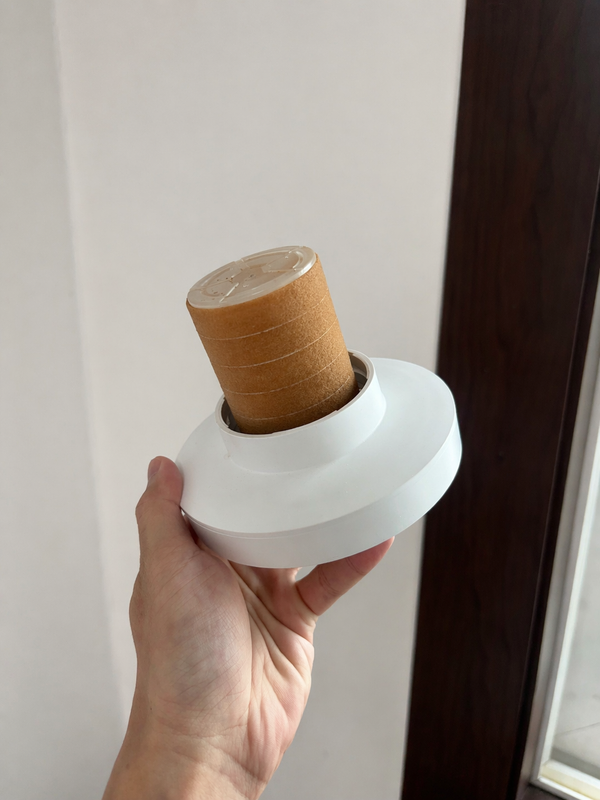
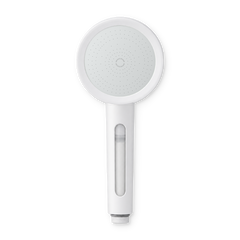
The Second Showerhand ($89, or $69 with a filter subscription) is a handheld that installs in about a minute with no tools. It comes with its own hose and mount, and one filter is included. We use an NSF/ANSI 42 certified filter*. The cartridge has two stages: a micron sediment pre-filter that catches grit and rust from older pipes, then a Vitamin C core. In independent lab testing, it reduced free chlorine by 99.9%, to non-detectable at the tested input. In our own testing, the Showerhand held that 99.9% reduction through Day 1-30 of cartridge life, so we recommend a new filter every 30 days.
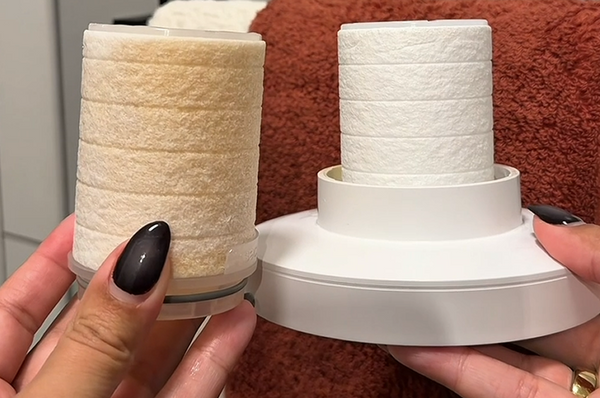
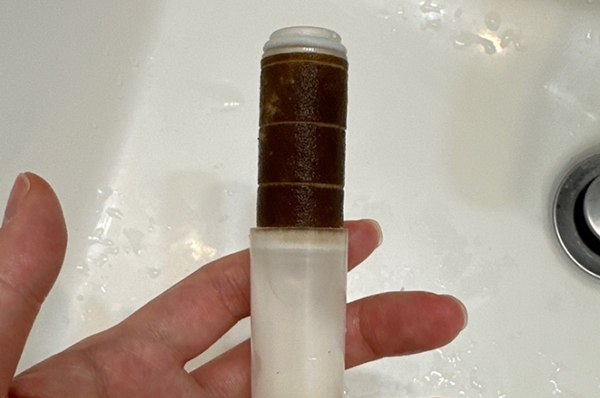
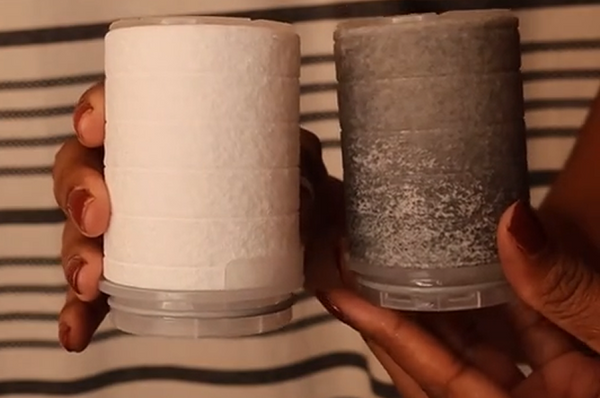
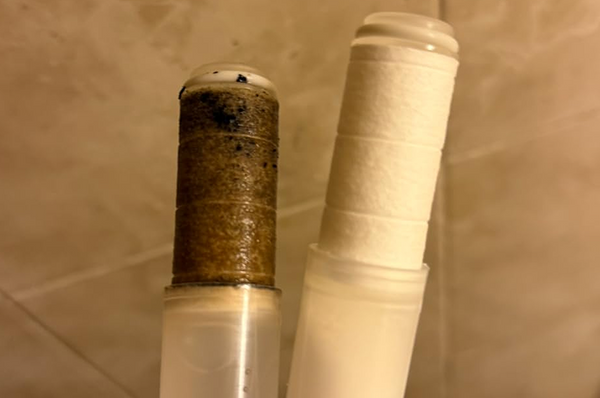
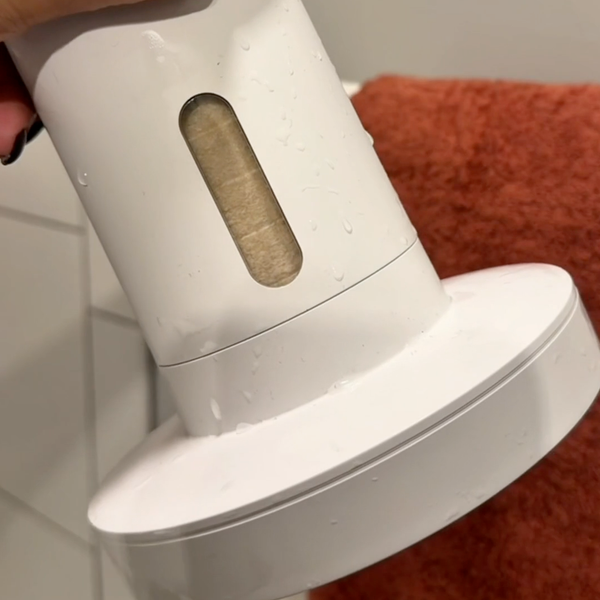
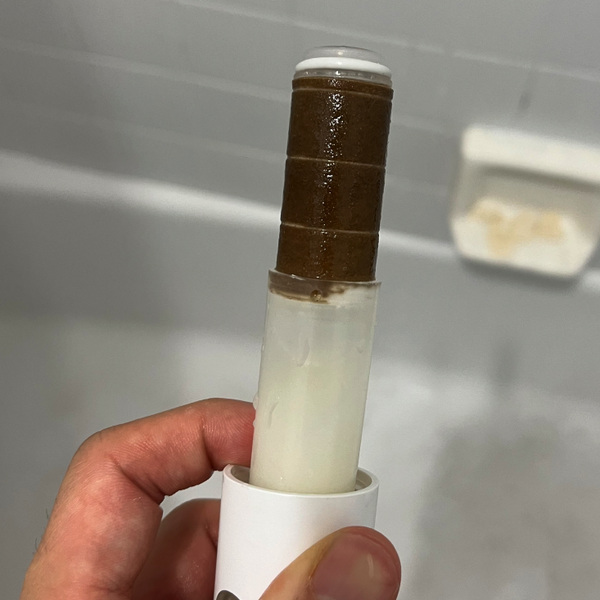
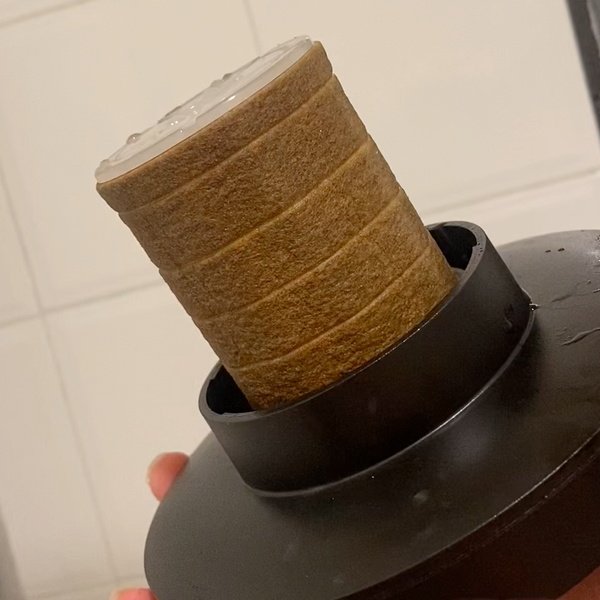
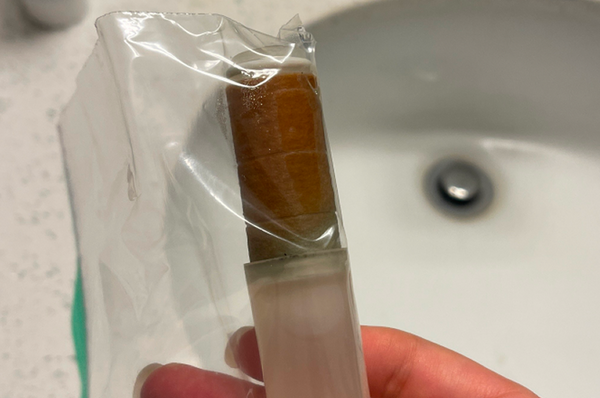
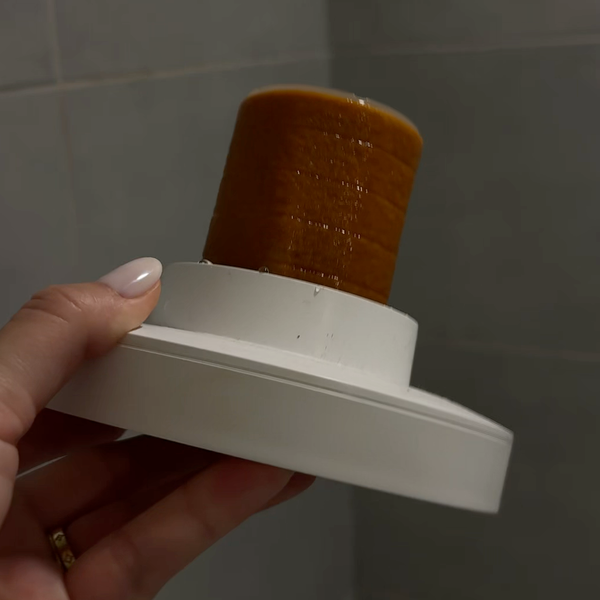
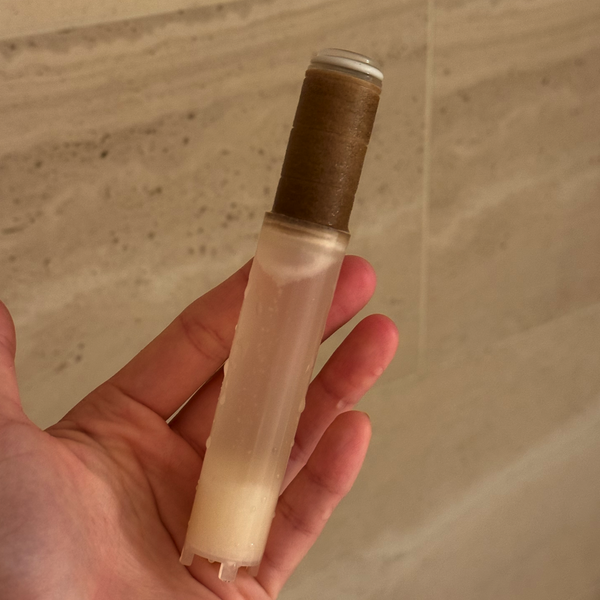
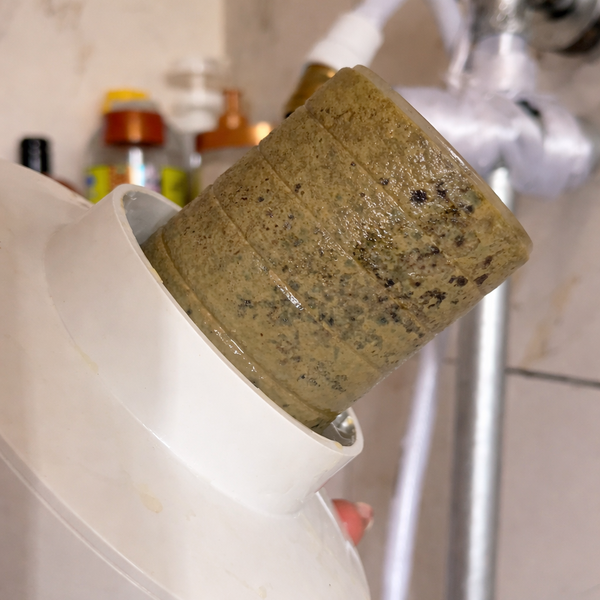
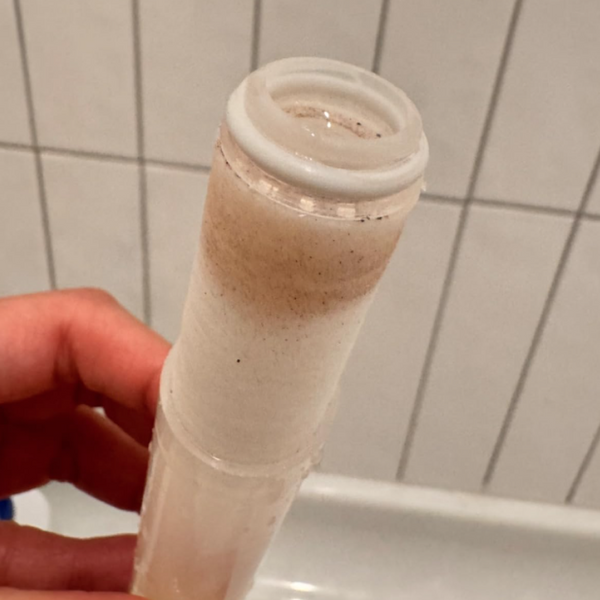
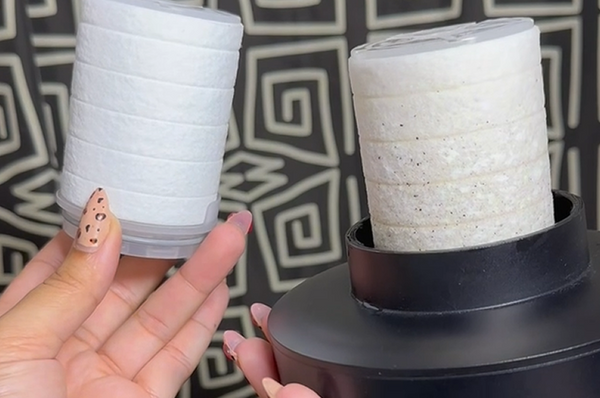
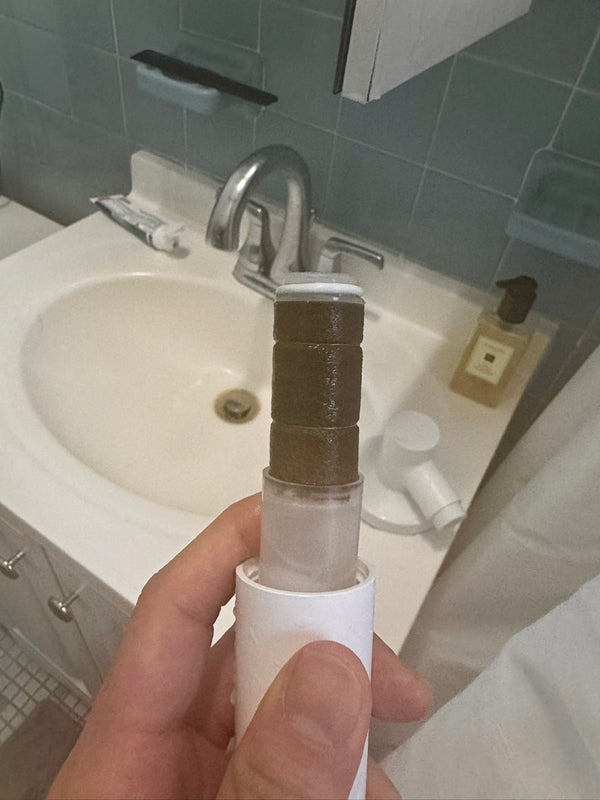
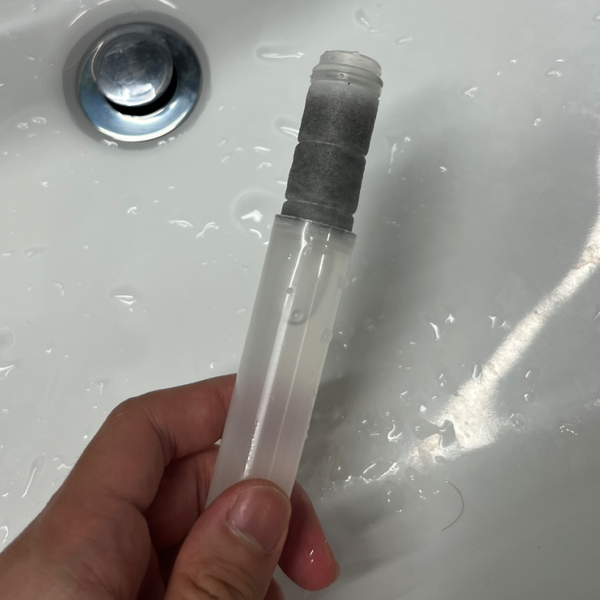
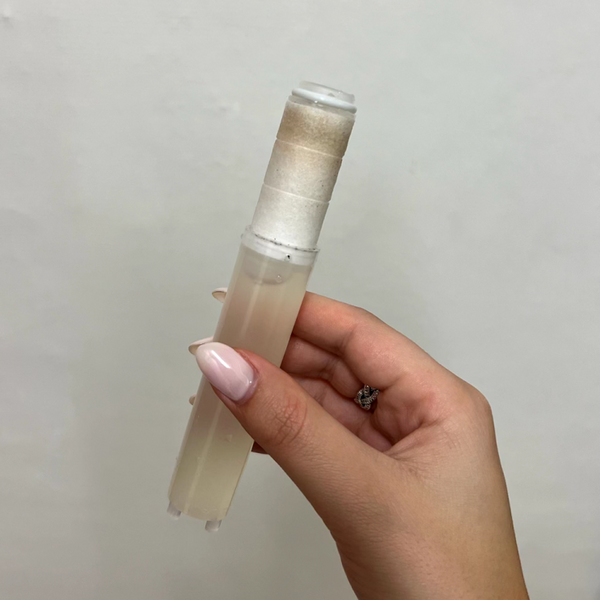
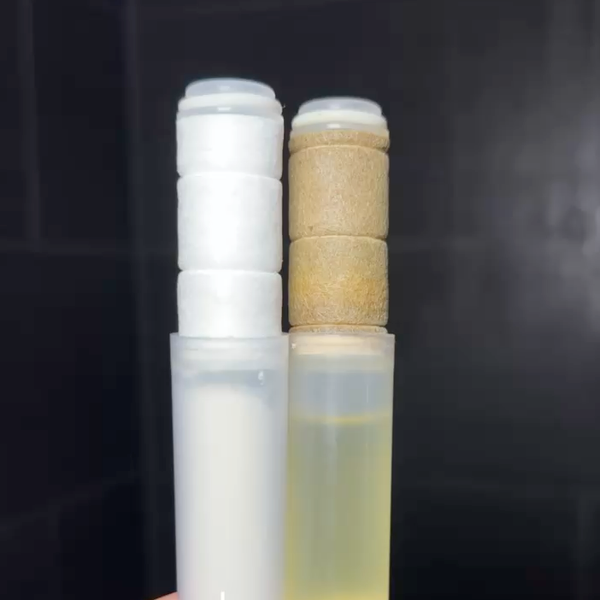
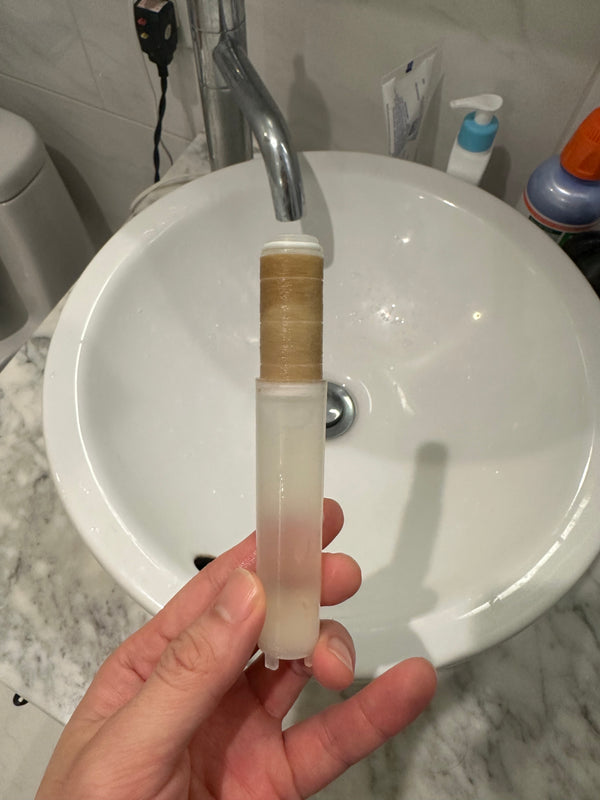
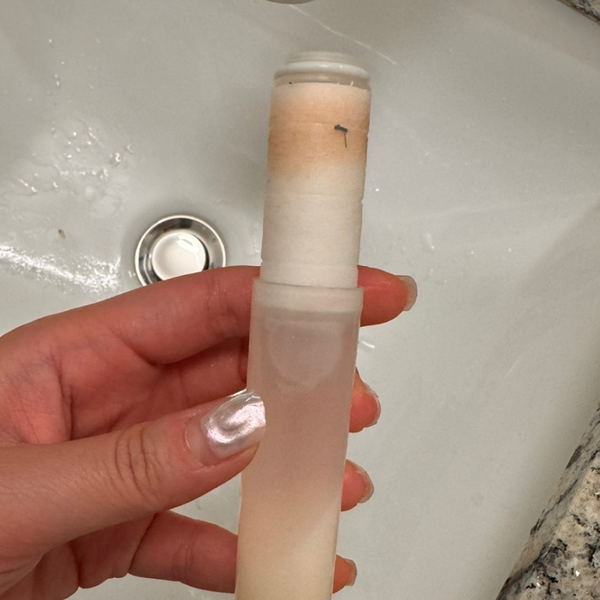
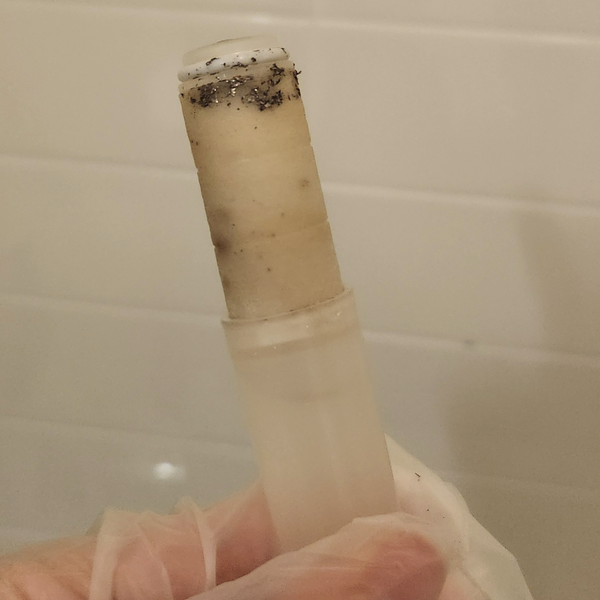
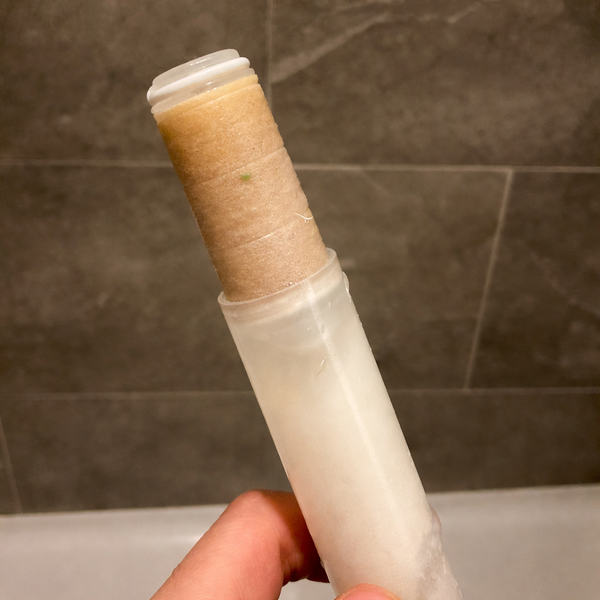
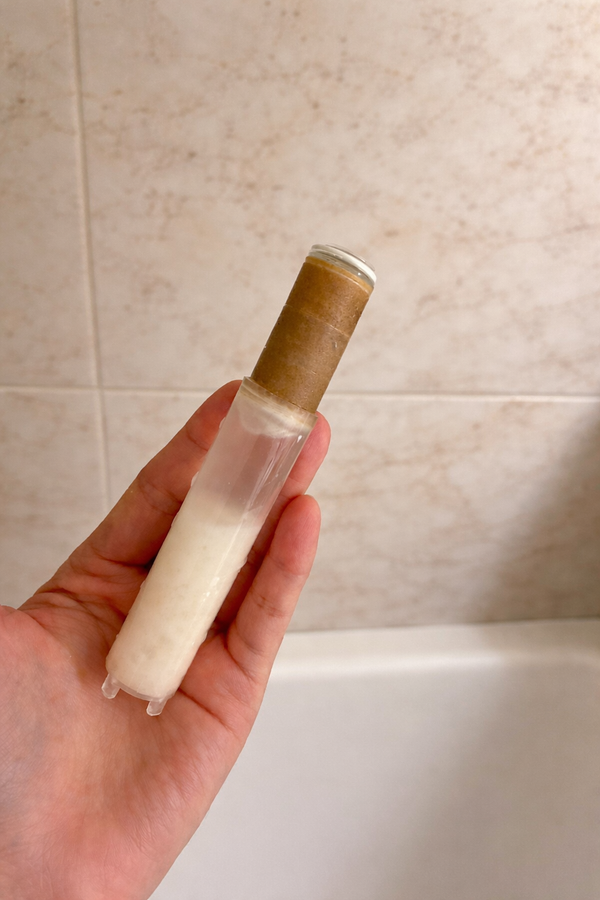
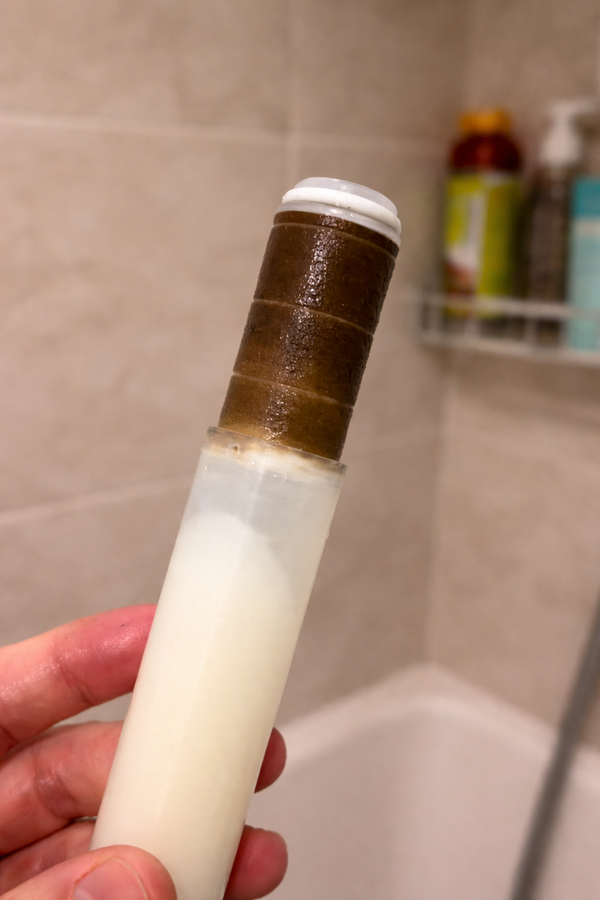
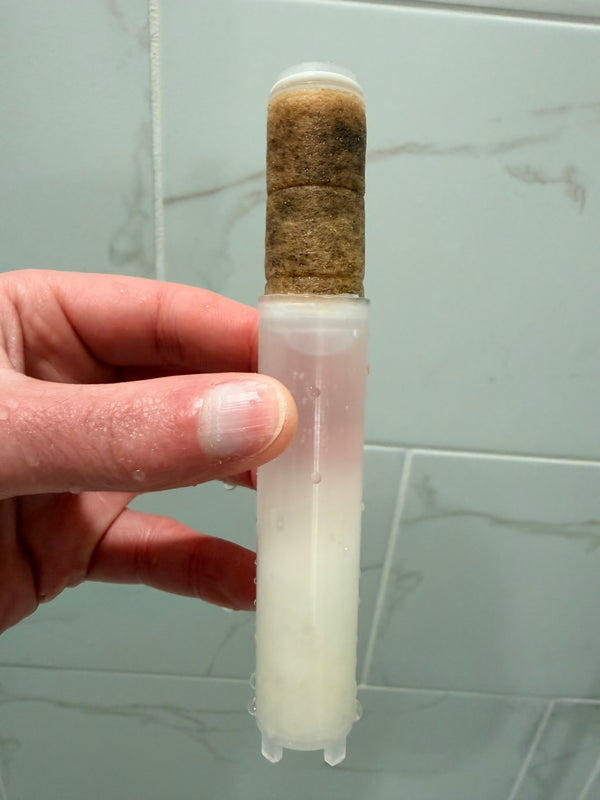
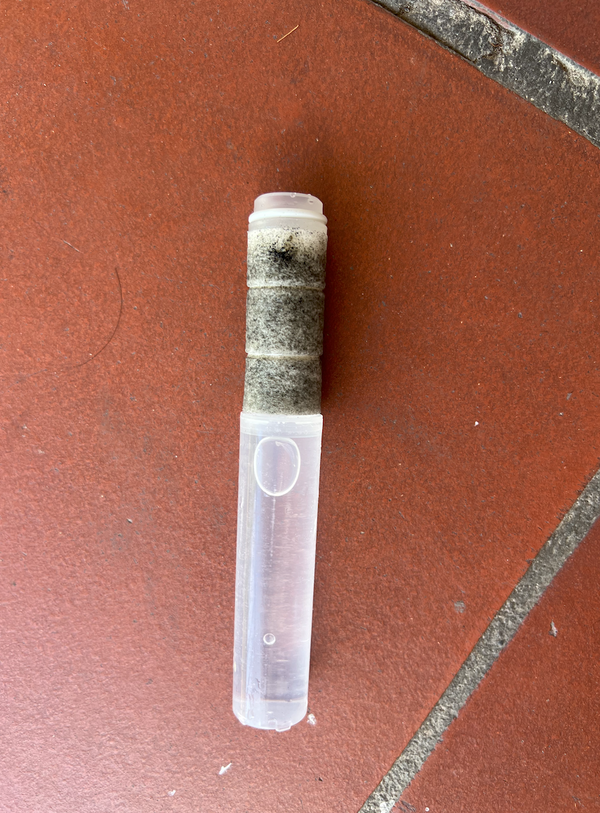
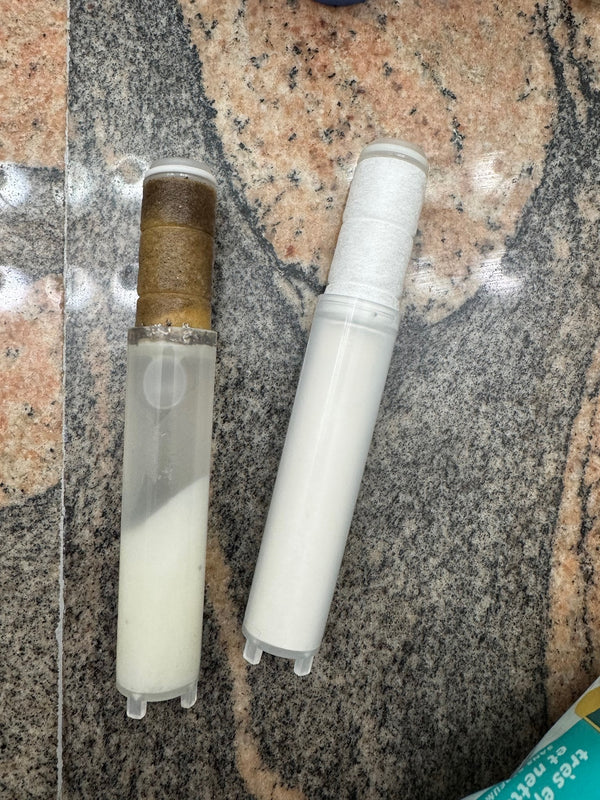
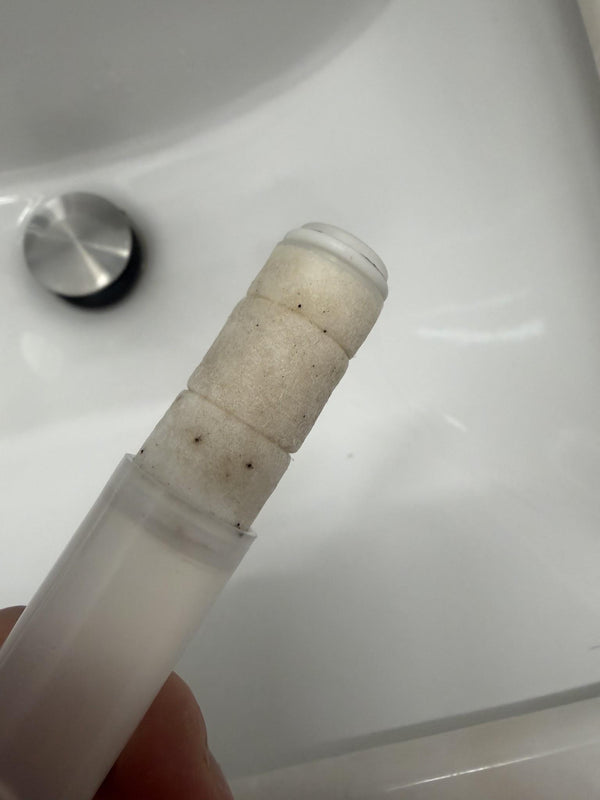
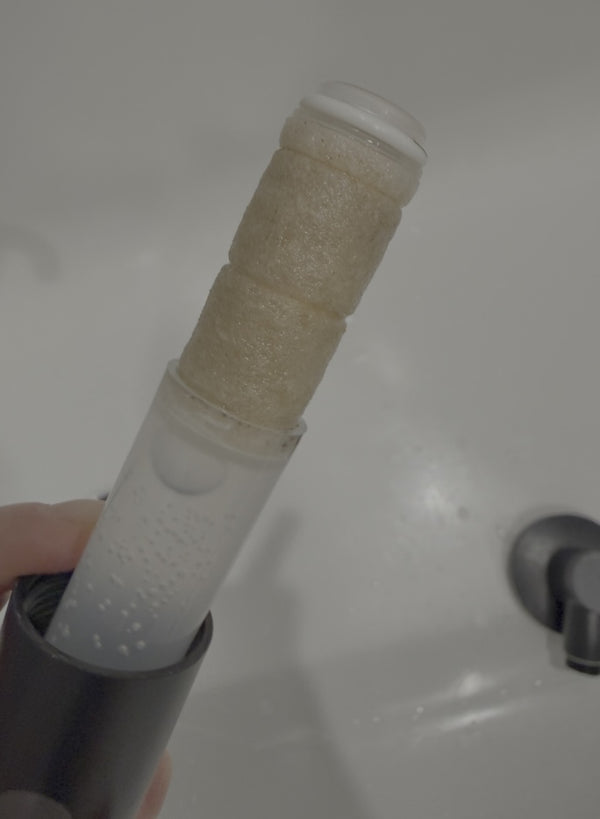
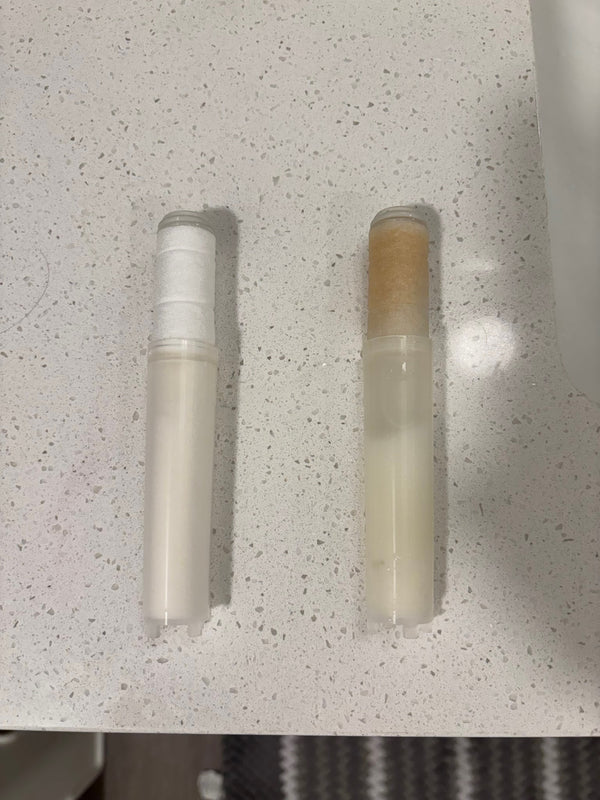
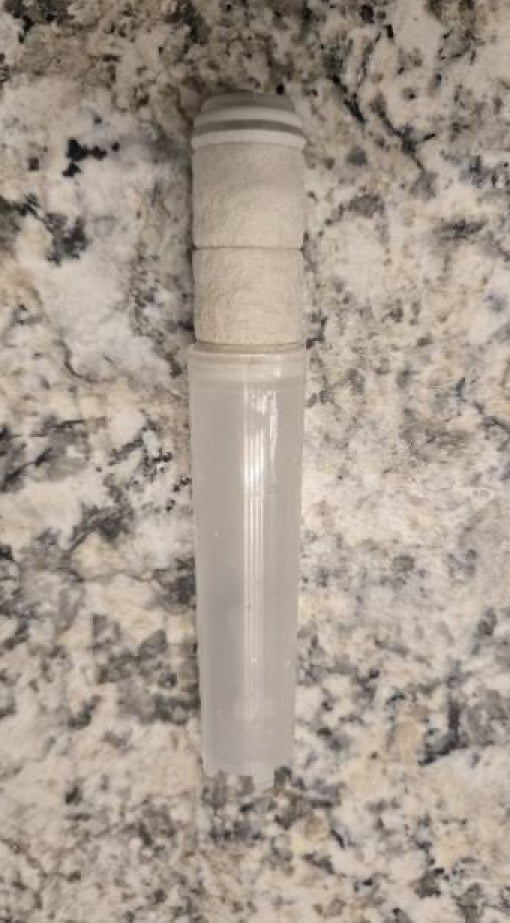
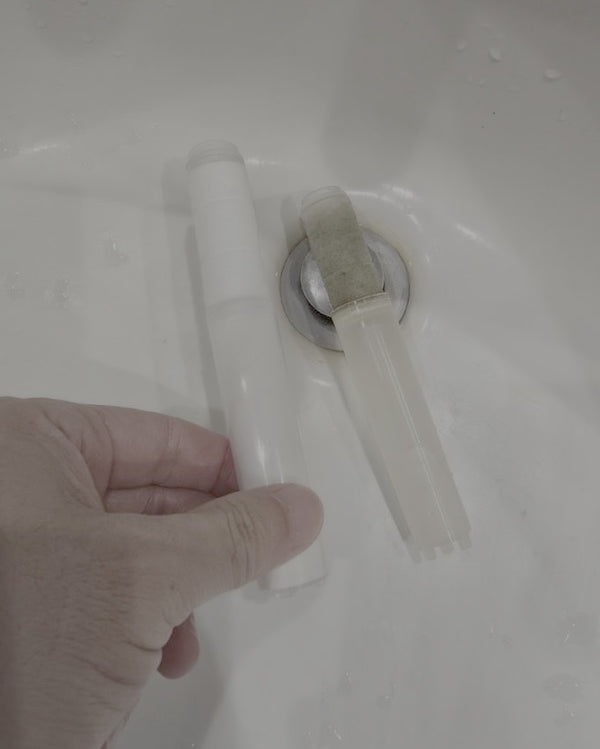
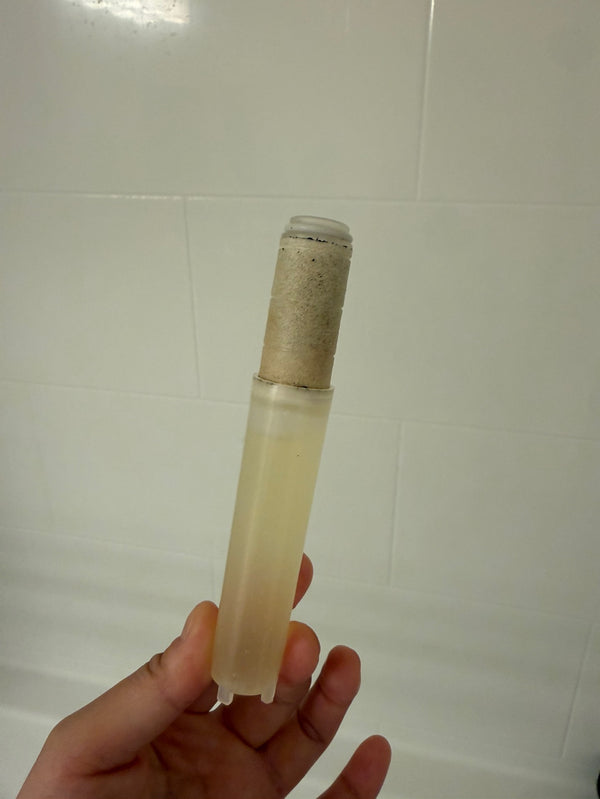
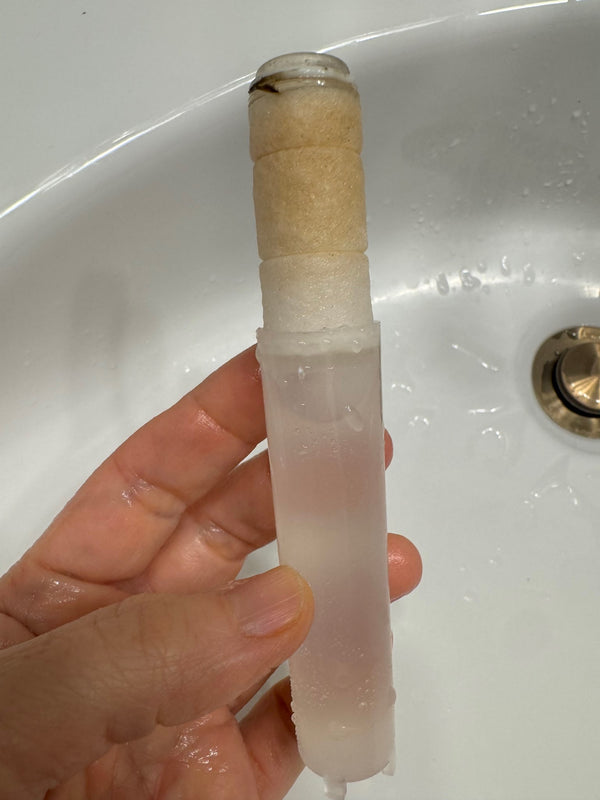
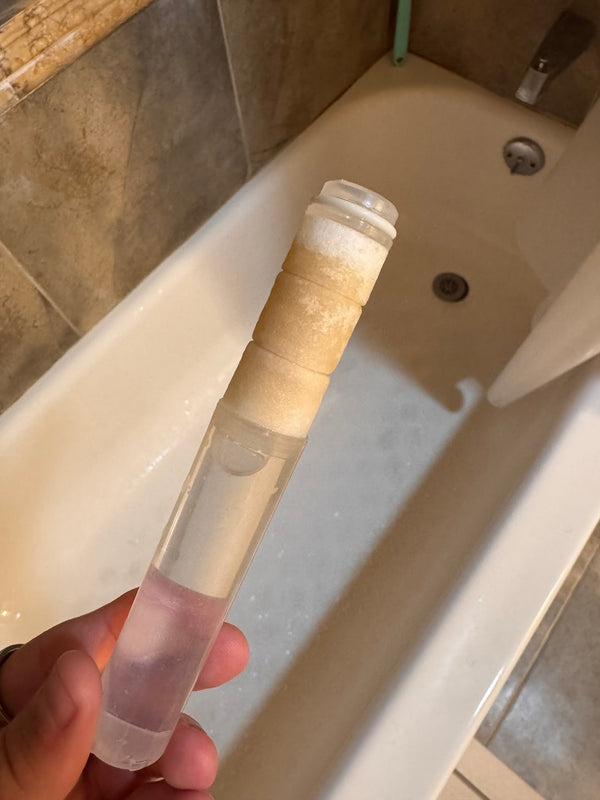
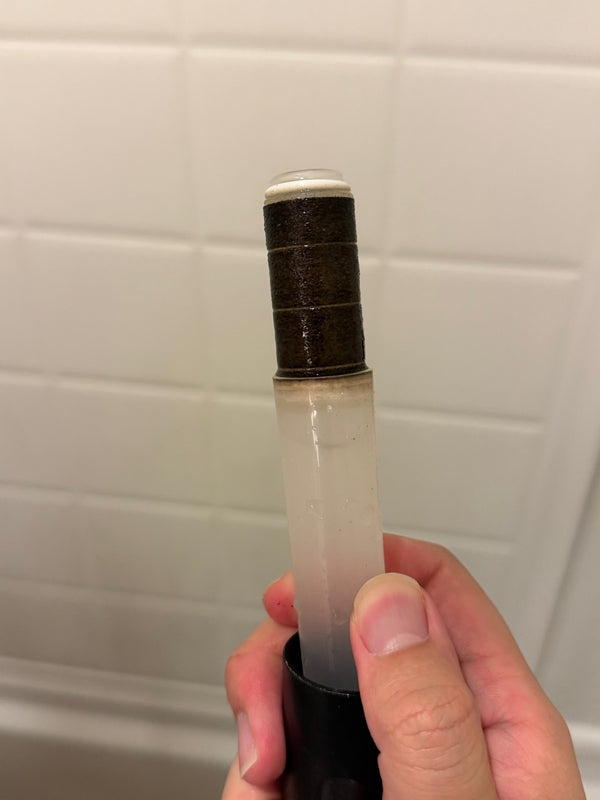
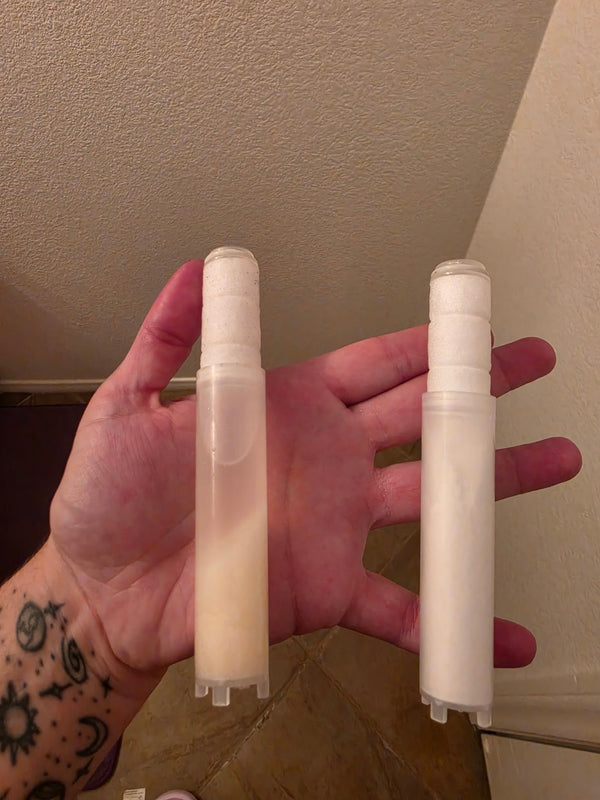
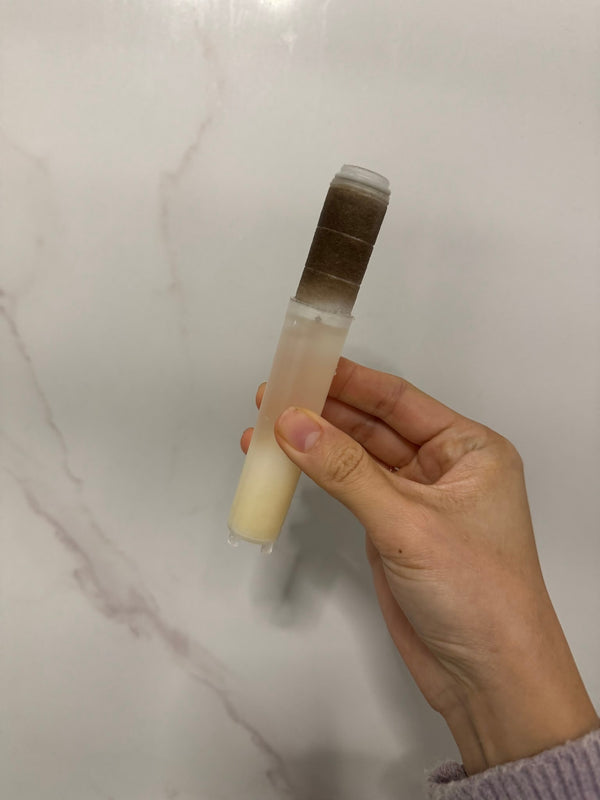
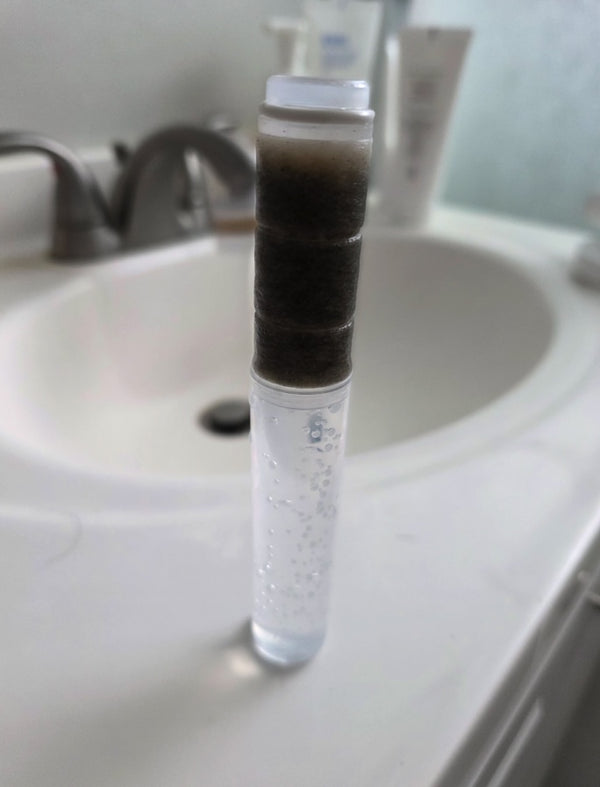
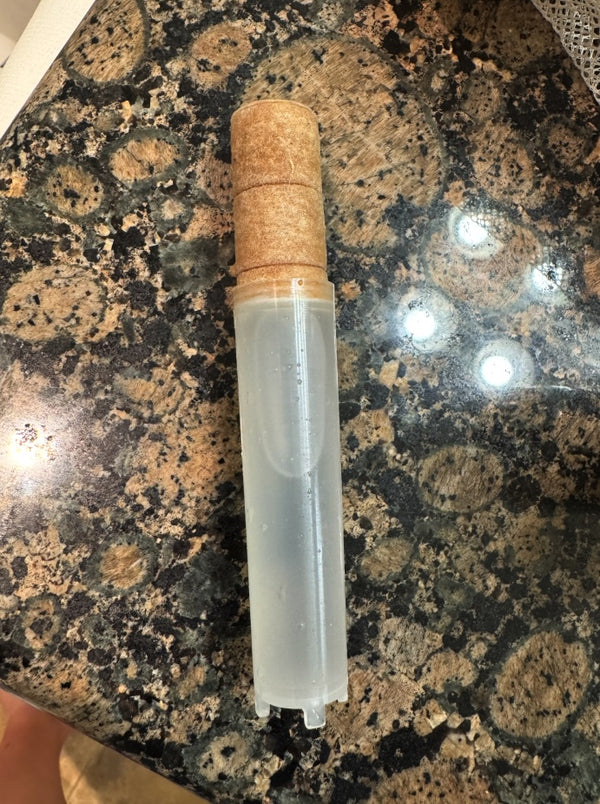
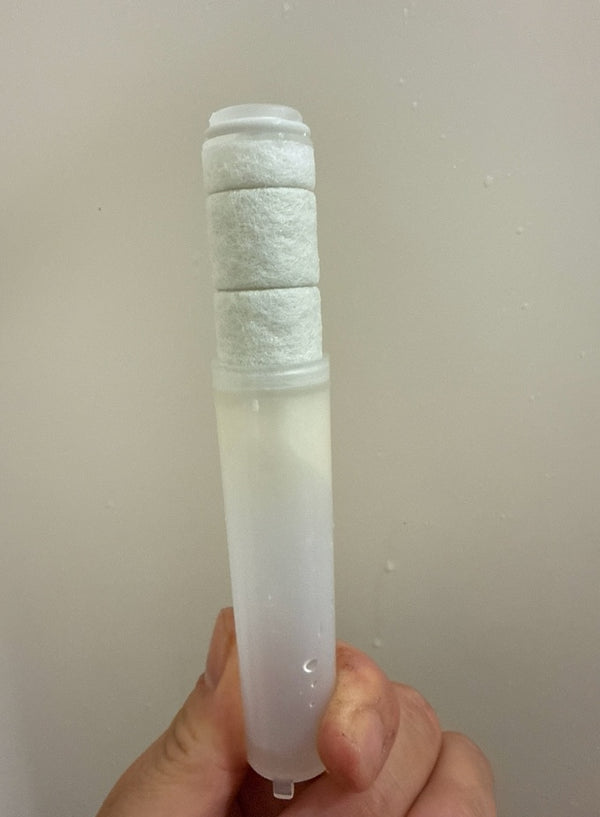
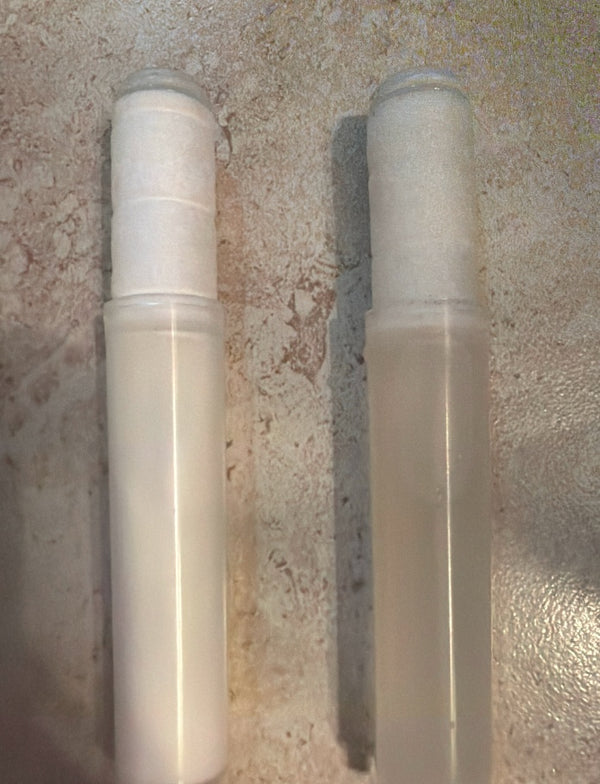
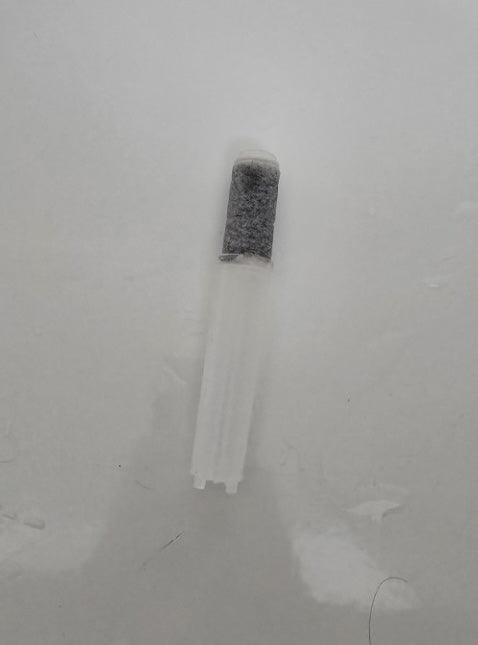
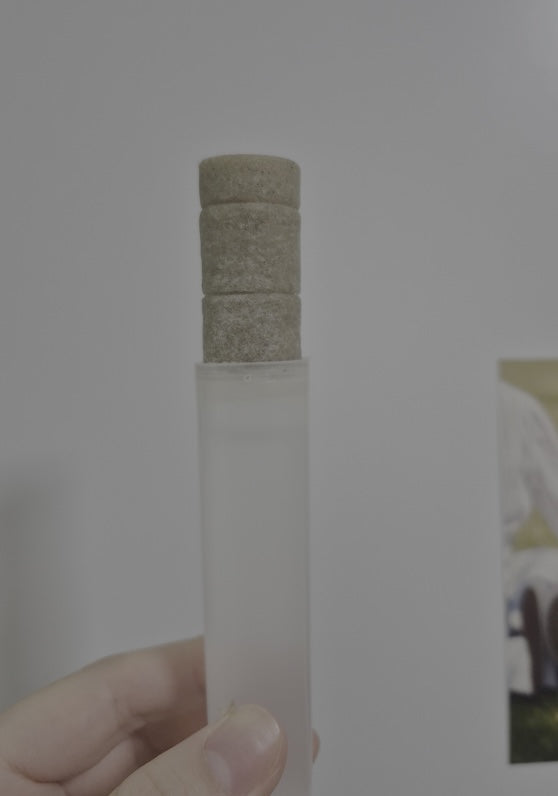
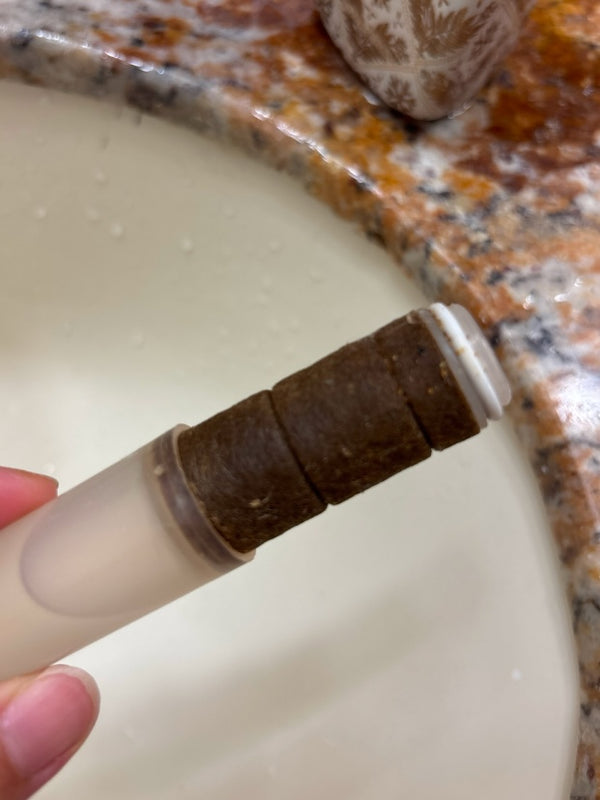
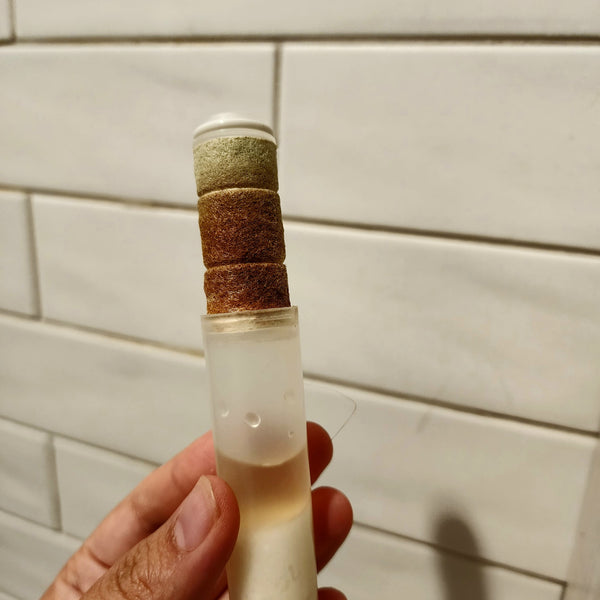
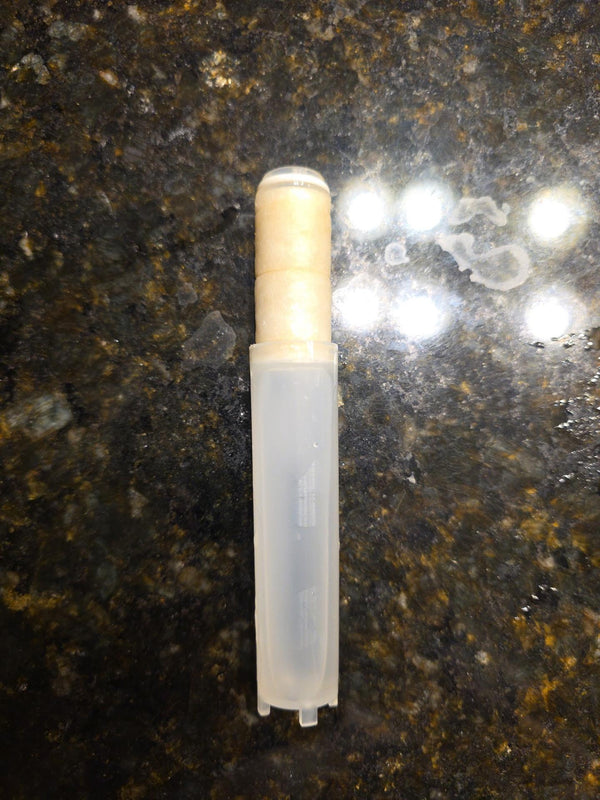
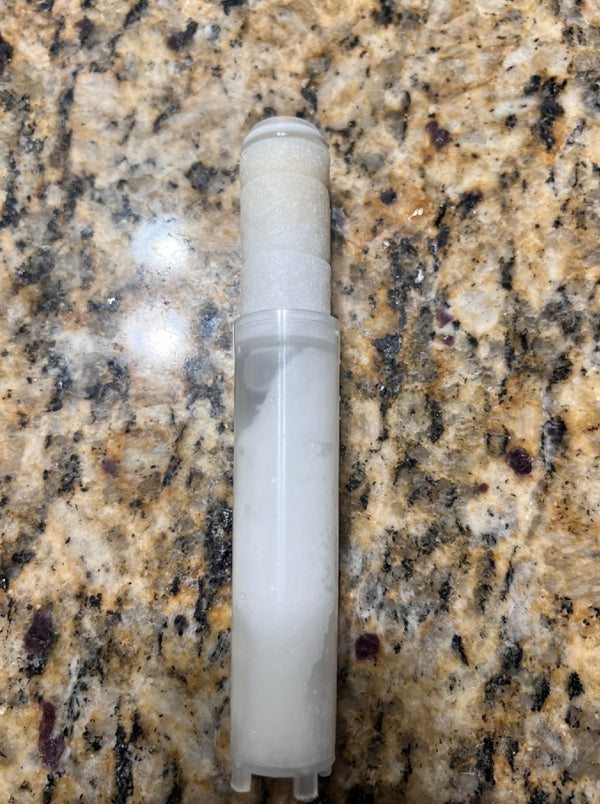
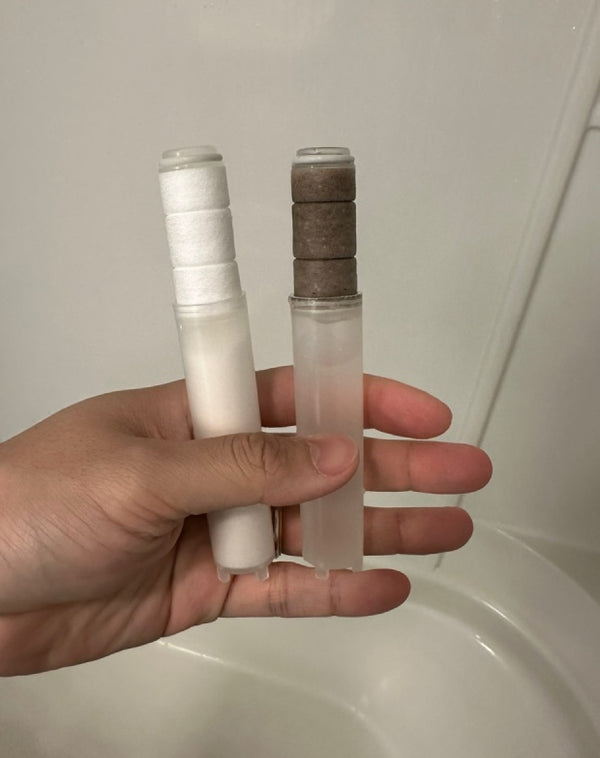
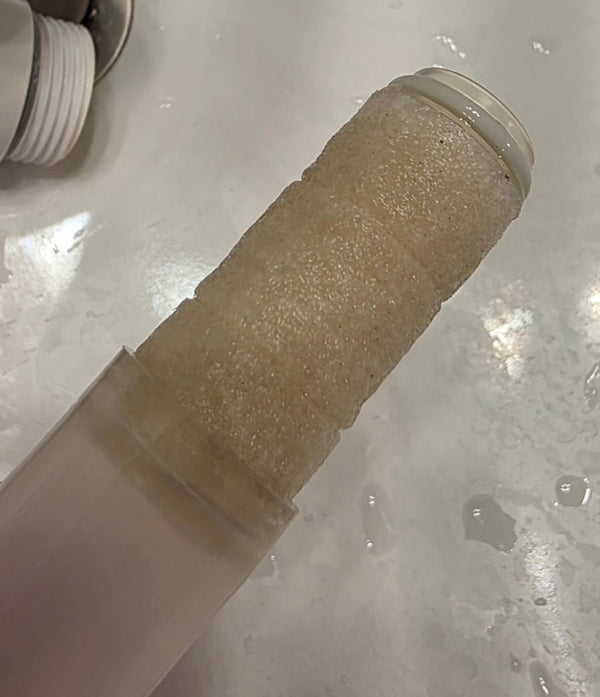
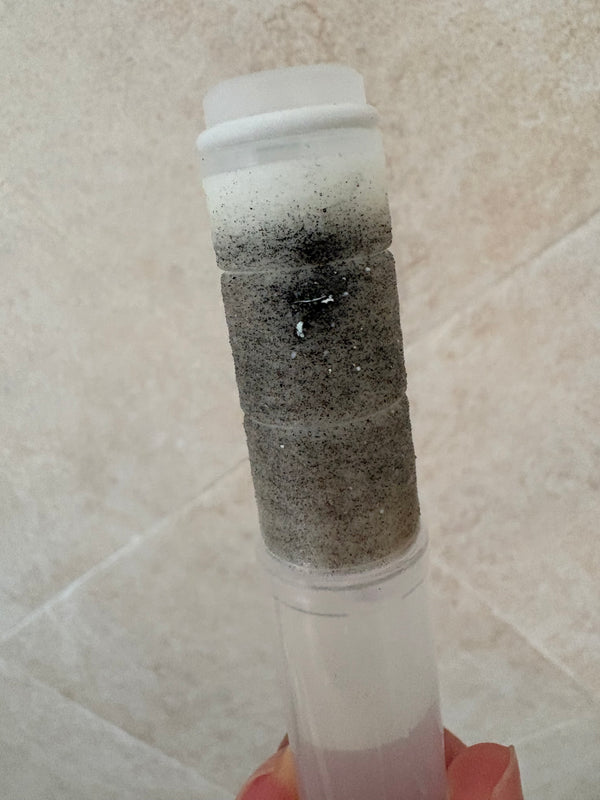
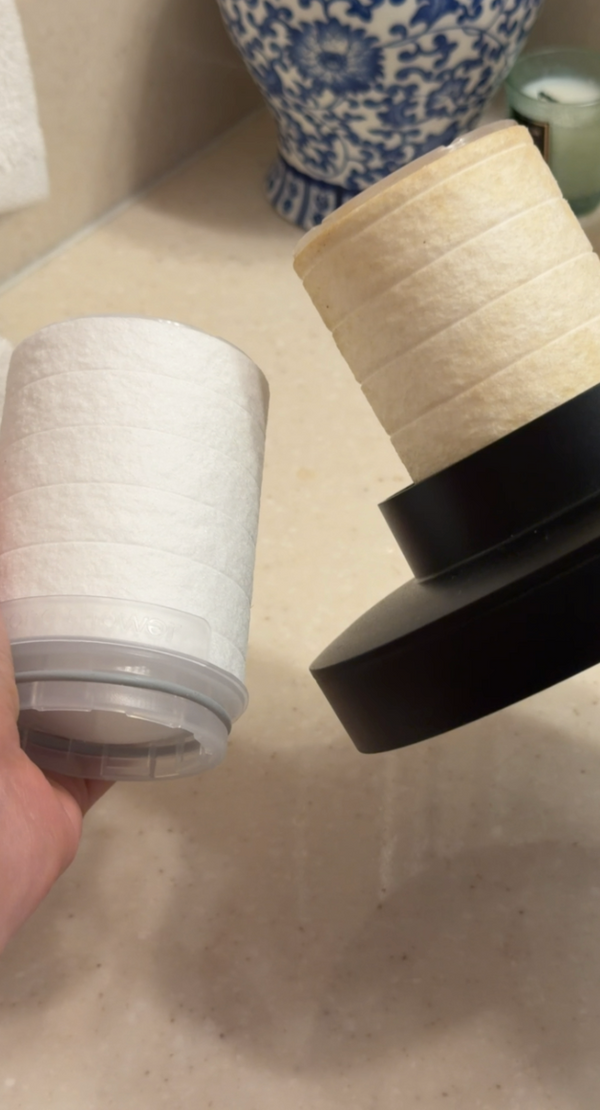
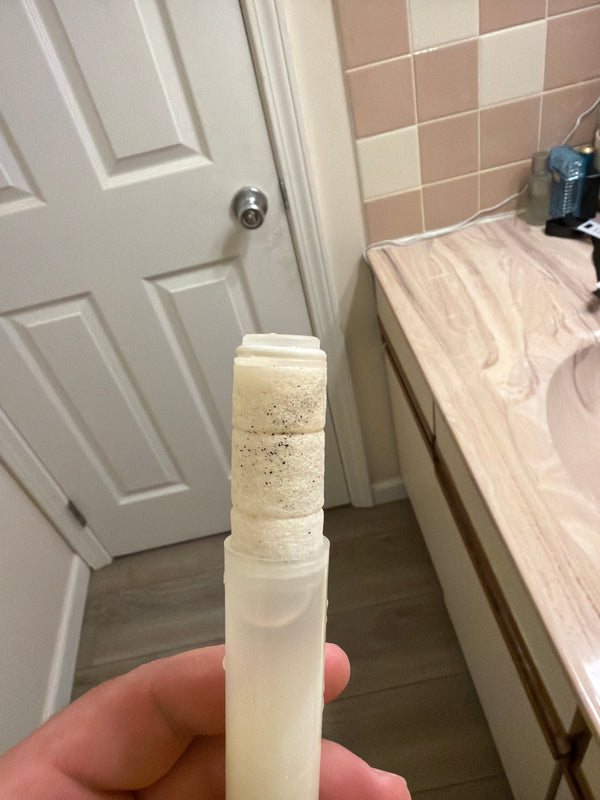
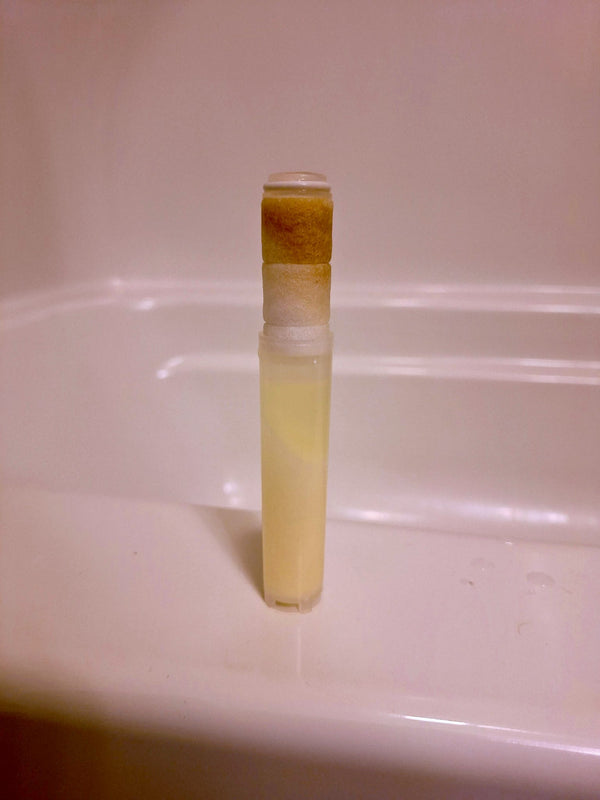
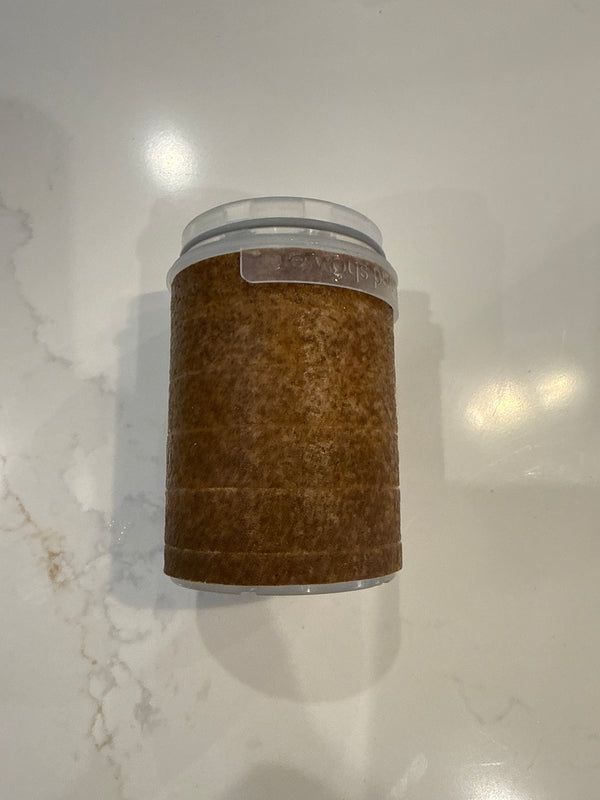
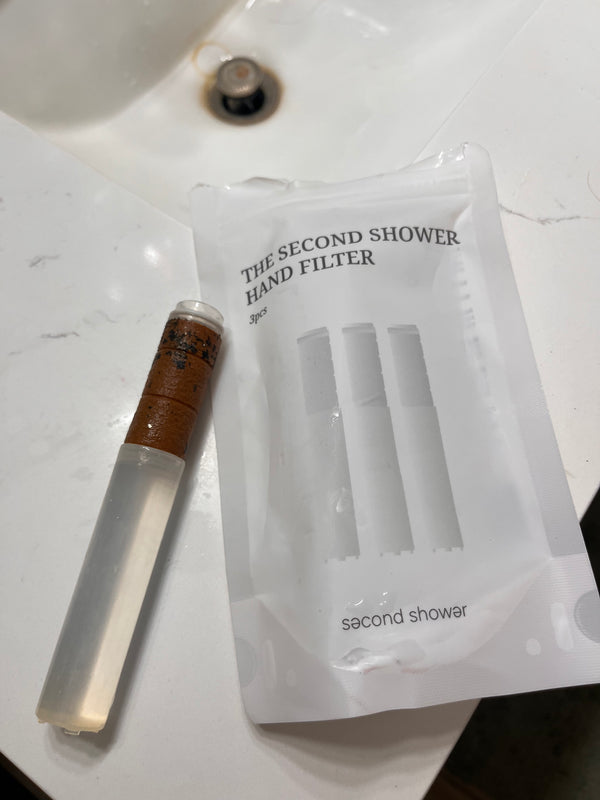
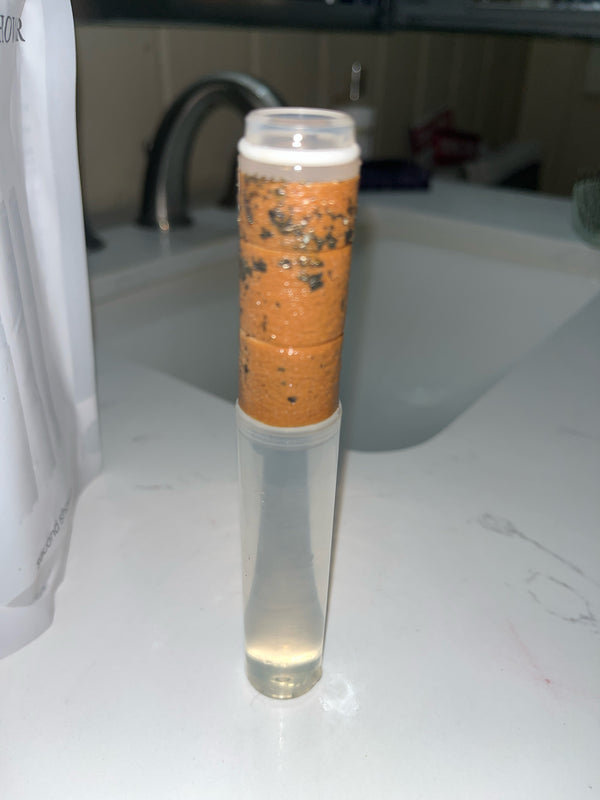
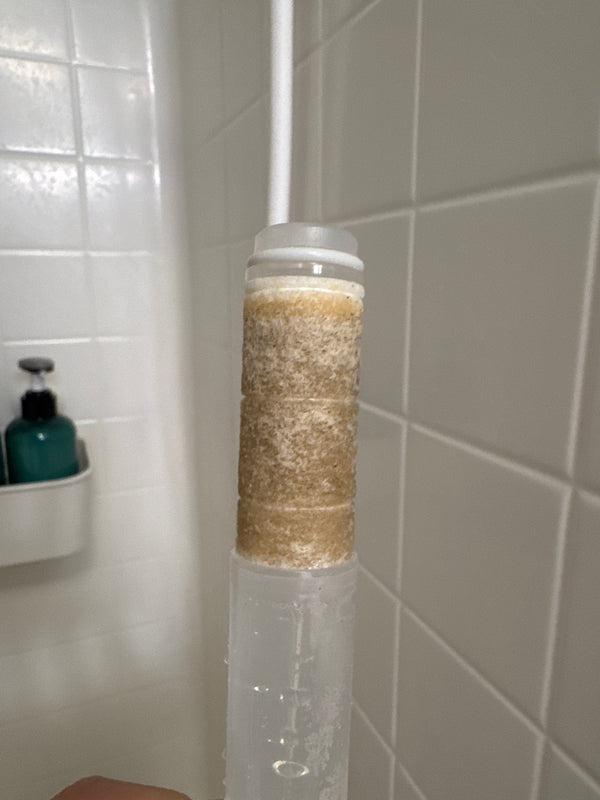
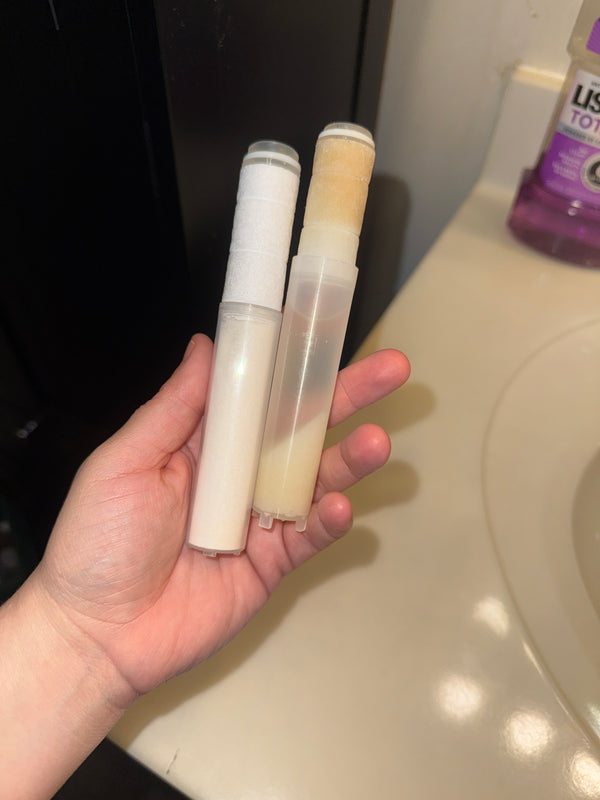
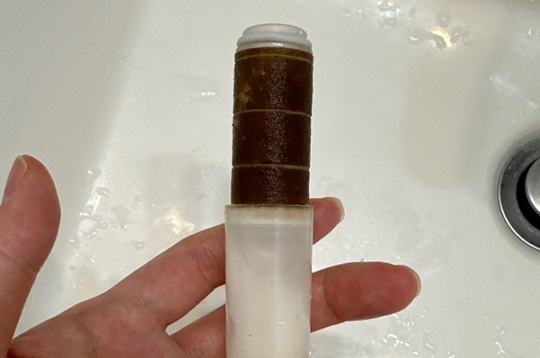
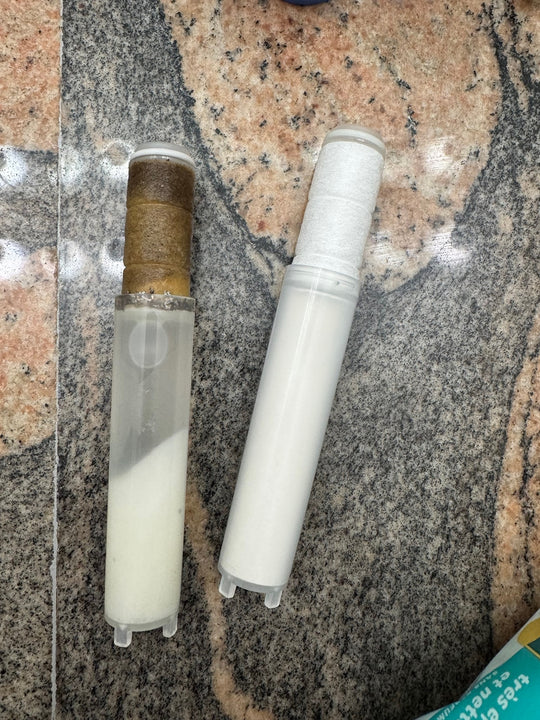
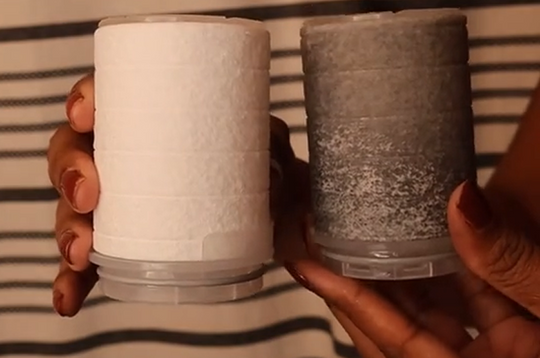
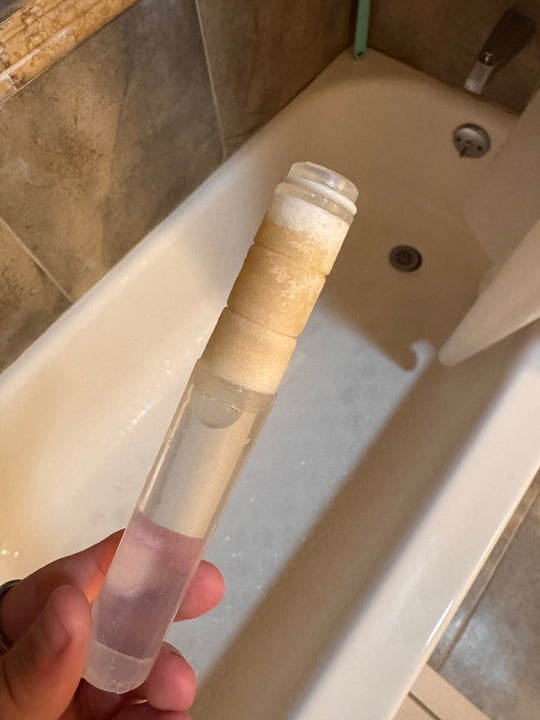
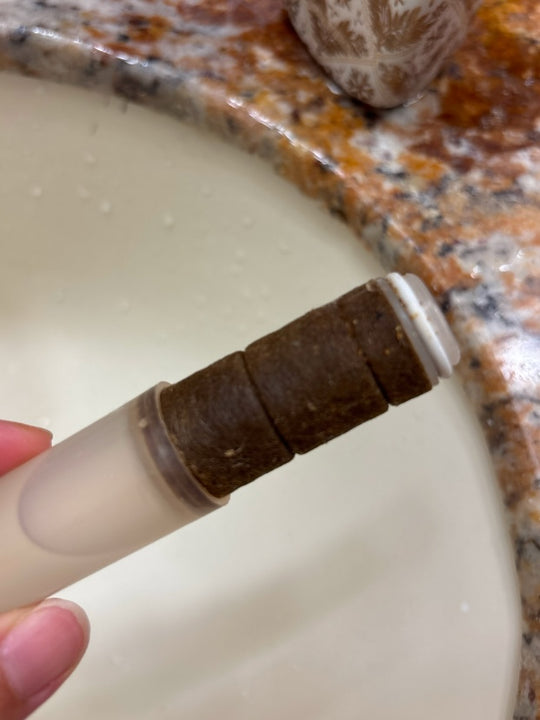
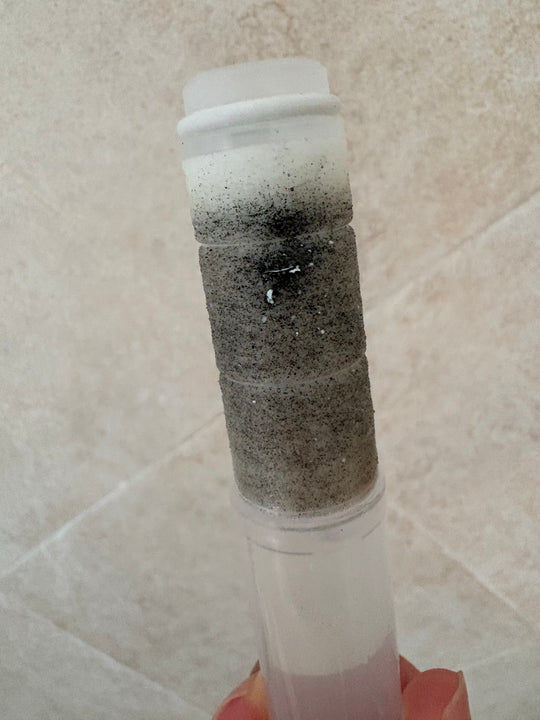
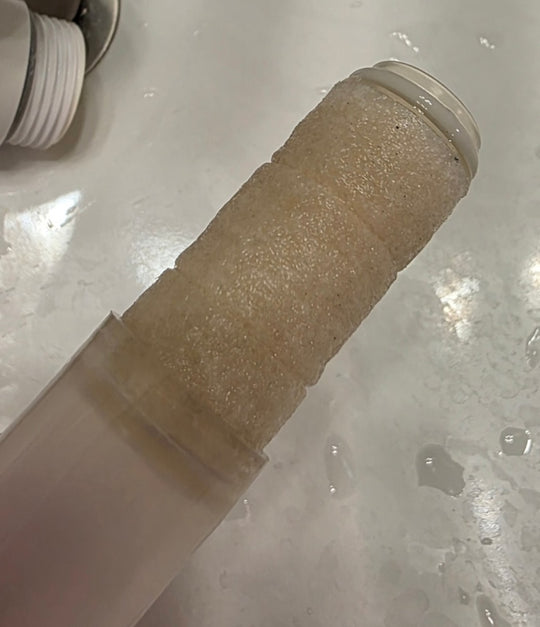
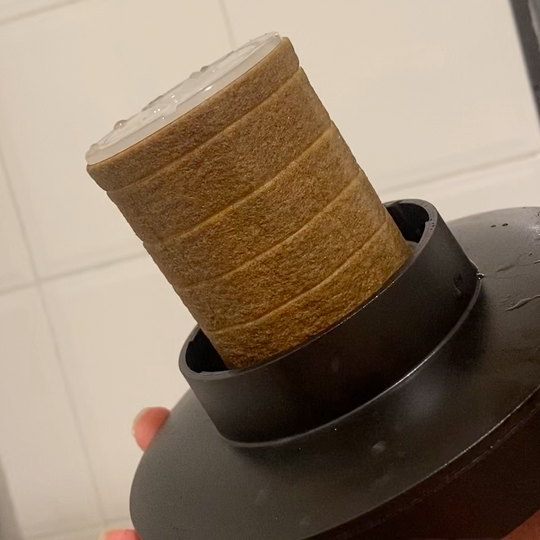
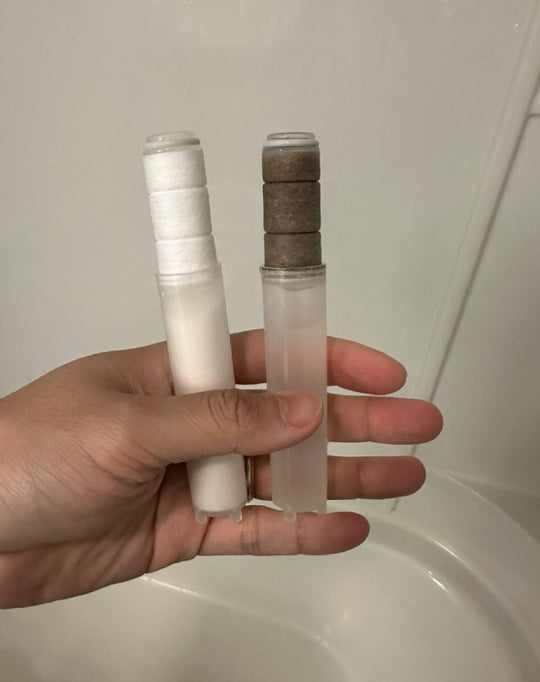
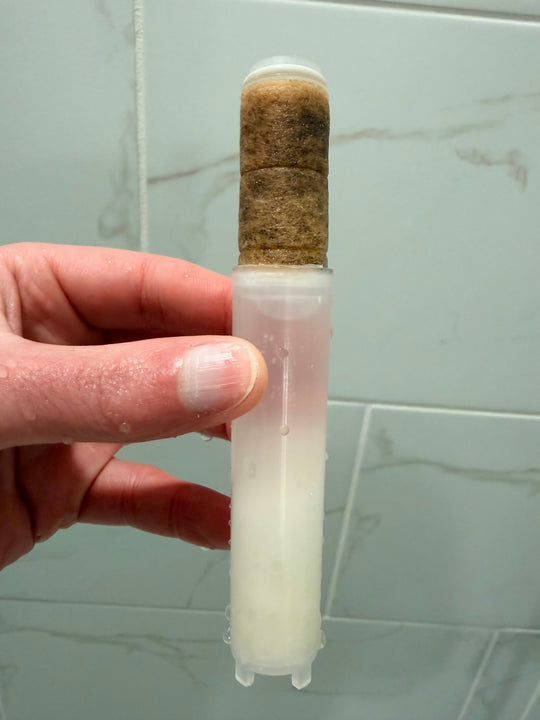
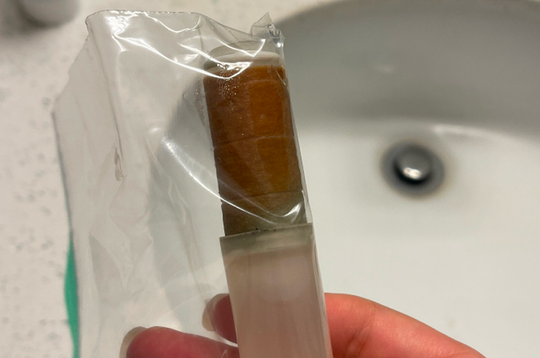
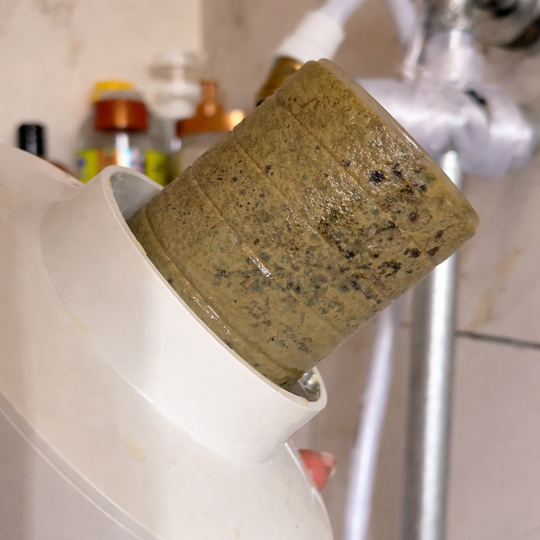
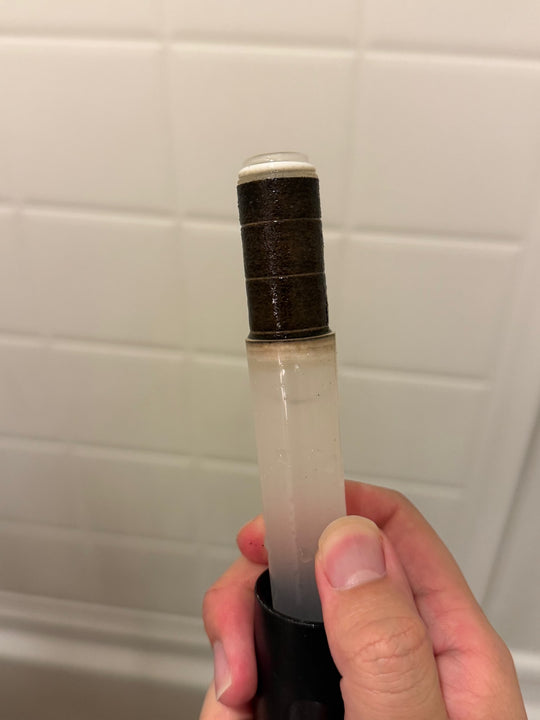
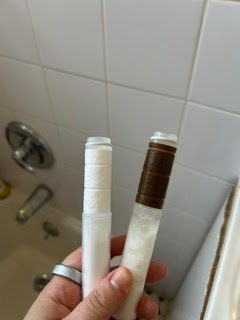
You'll be able to see the filter through its clear window. In a building with old pipes it can darken quickly, because that color is captured sediment. The color doesn't measure chlorine removal and doesn't show how much life the filter has left. Replace it on schedule, or sooner if it looks deep brown or black or the water pressure drops noticeably.
What it won't do: soften water or remove hardness (a water softener does that, and in Atlanta you probably don't need one), fix the building's pipes, or change what the utility adds upstream. To see what used filters from real homes look like, visit the proof page.
*Micron PP sediment filter certified by NSF/ANSI 42 standards.
“Atlanta water plus old apartment pipes is a bad combo. The filter color changed quick, which was a little unsettling.”
FAQ
Does Atlanta use chlorine or chloramine?
Atlanta DWM's 2024 Water Quality Report lists free chlorine as the disinfectant, with a residual of about 0.5 to 2.0 ppm. Chloramine (chlorine combined with ammonia) is used by other US systems, but not by Atlanta, according to that report. Check the latest report each year, since a newer one may be out.
Does Atlanta have hard water?
Mostly no. The 2024 report gives no hardness figure; our estimate is about 1 to 4 grains per gallon, mostly soft on the USGS scale, though the top of the range reaches moderately hard. Hardness test strips show where your own tap falls.
Will a shower filter soften Atlanta water?
No. A shower filter cartridge doesn't remove hardness; an ion-exchange water softener does that. With Atlanta's water already soft, the jobs a shower filter can do here are reducing chlorine and catching sediment.
How do I find the water quality report for my address?
Your water bill names your utility. Every community water system has to send customers a Consumer Confidence Report, usually by July 1, and many post it online. If you live in a suburb, your water may come from a utility other than Atlanta DWM, so read that utility's report.
Can I install a shower filter in a rental?
Usually, yes, if your shower has a standard 1/2 inch arm. The Showerhand screws on by hand in about a minute with no tools. Keep the original showerhead so you can put it back when you move out.