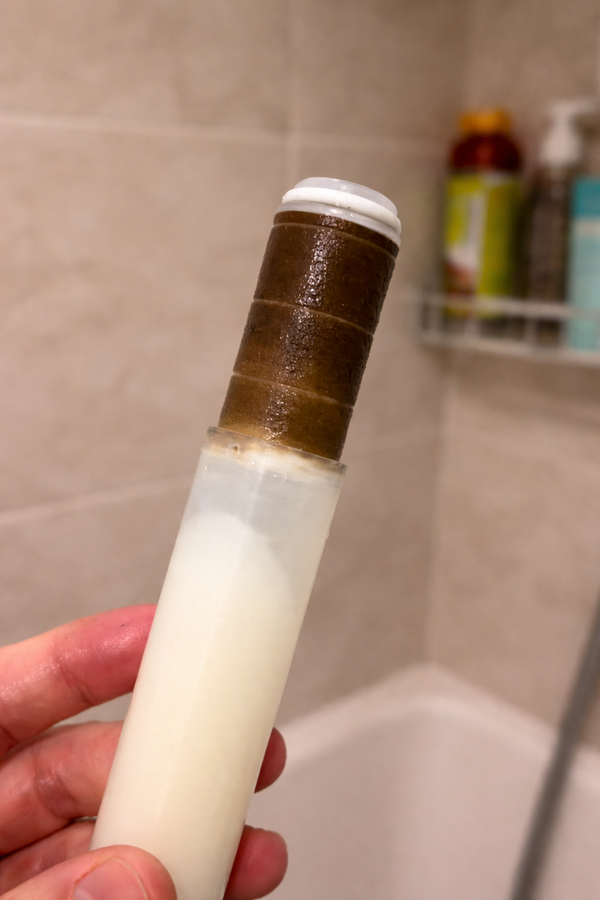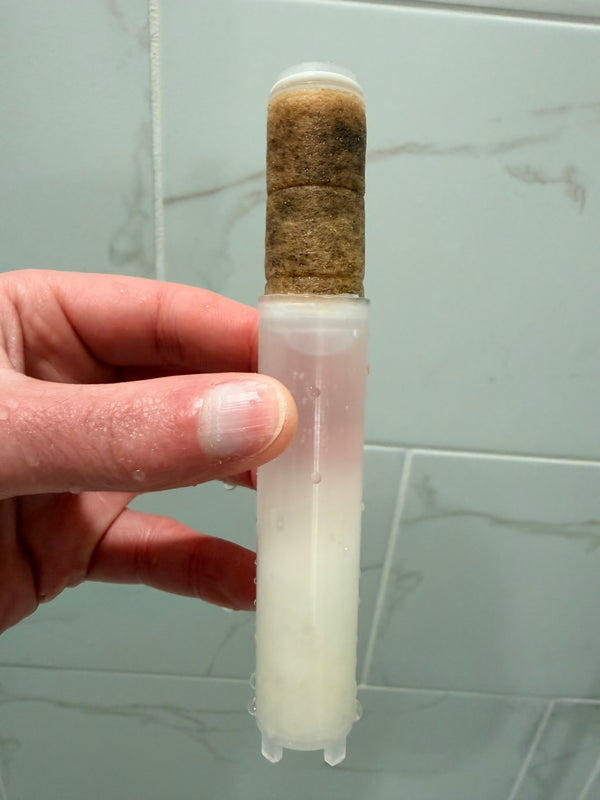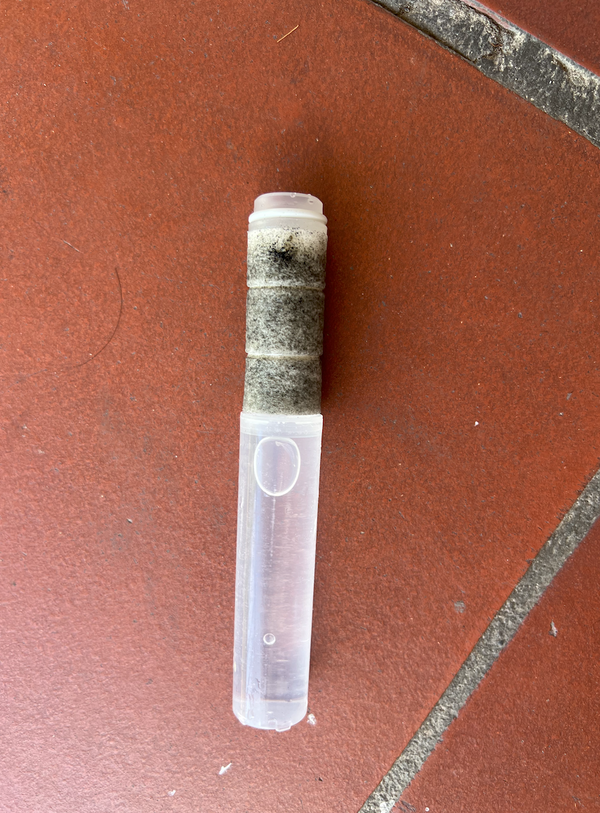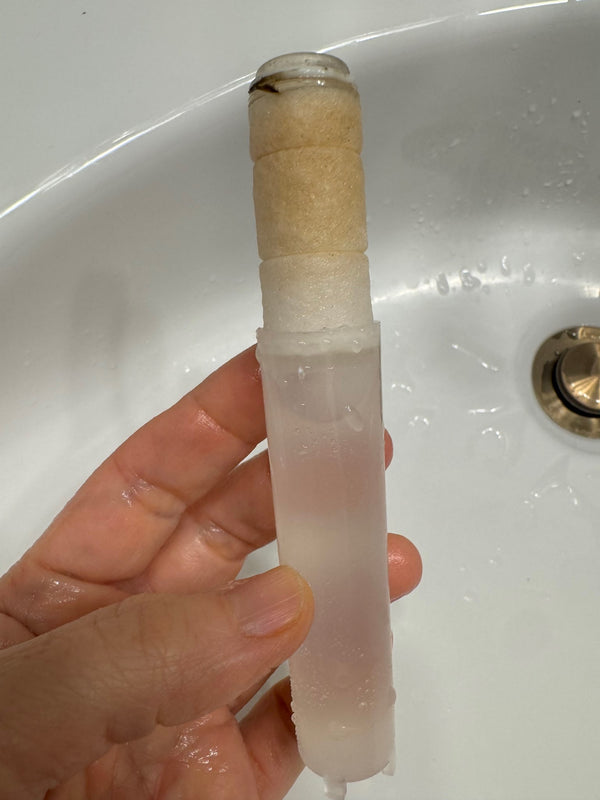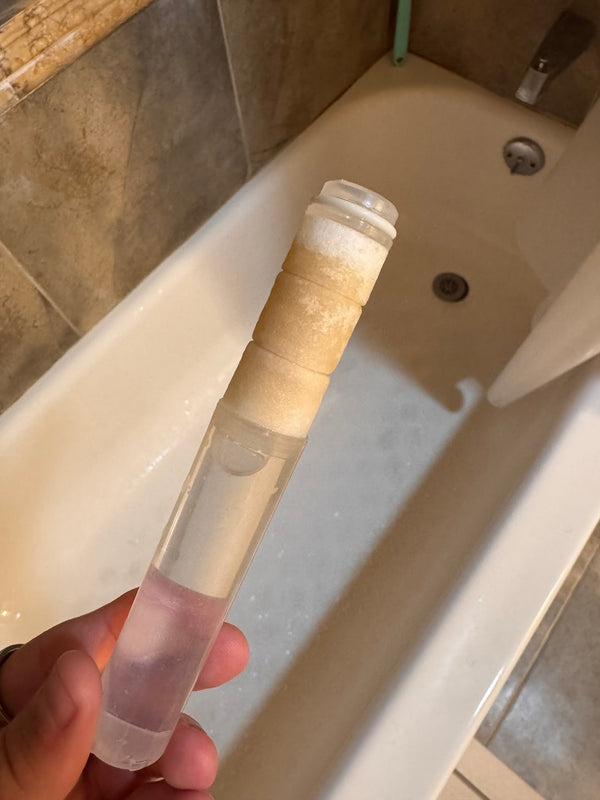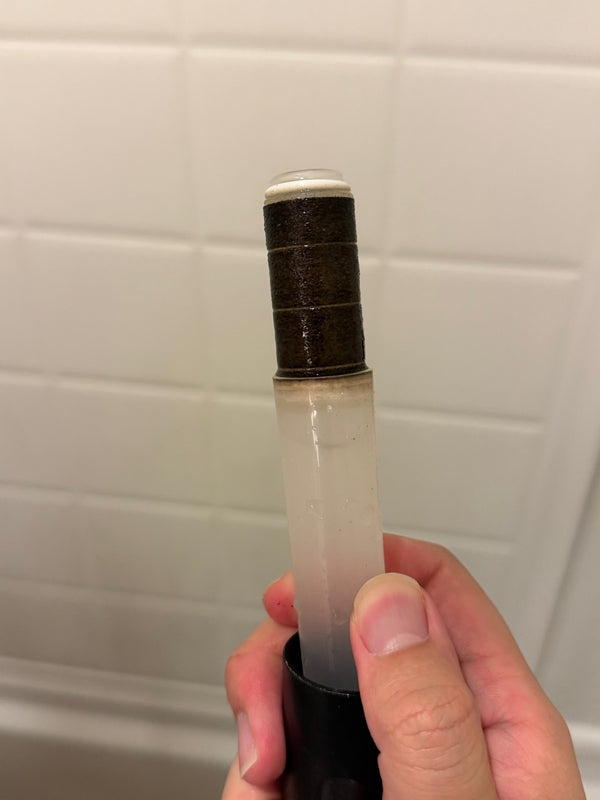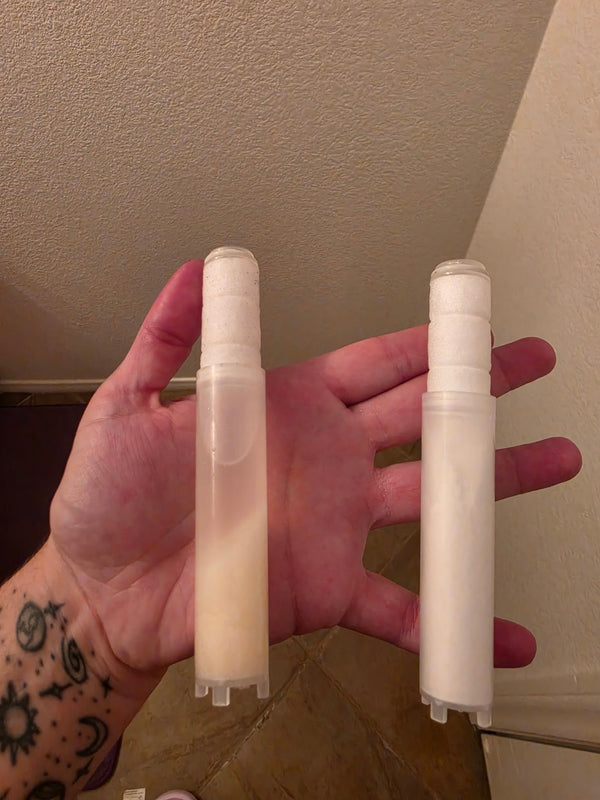
Jersey City tap water is reservoir water from the Boonton and Split Rock reservoirs, supplied by the Jersey City MUA. The disinfectant listed for the city is chlorine, not chloramine. Hardness runs 3.7 to 5.7 grains per gallon across the system, which counts as moderately hard, and dissolved solids sit around 100 to 200 ppm. The utility's annual water quality report covers the water up to your building. After that, the building's own pipes decide what reaches your tap, which is why older buildings can show grit or discoloration.
Jersey City water at a glance
| Measure | Jersey City |
|---|---|
| Water utility | Jersey City MUA (Boonton / Split Rock reservoirs) |
| Disinfectant | Chlorine |
| Hardness | 3.7-5.7 gpg (moderately hard, system range) |
| Total dissolved solids | 100-200 ppm |
| Disinfectant residual | 1.0-2.5 ppm (est.) |
Source: Veolia Jersey City Consumer Confidence Report 2025 (2025 data)

Where Jersey City's water comes from, and whether your neighborhood changes it
Jersey City's water comes from two reservoirs, Boonton and Split Rock, and is supplied by the Jersey City MUA. The latest annual report for the system is the 2025 Consumer Confidence Report published by Veolia for Jersey City[1].
Whether you live in Downtown, The Heights or Greenville, you are on that one system. Our water table gives hardness as a system range, not a figure for each neighborhood, so your tap can land anywhere within it. Nothing on file splits the city into zones with different water.
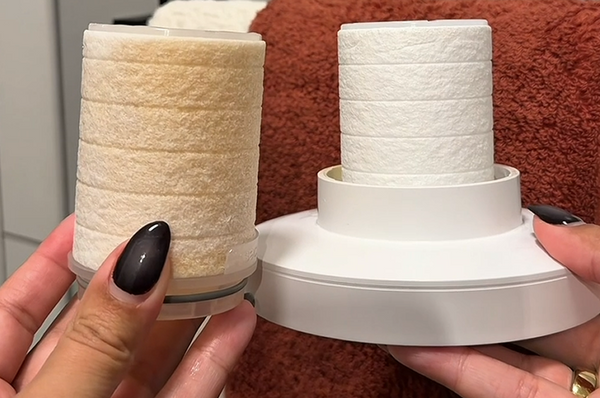
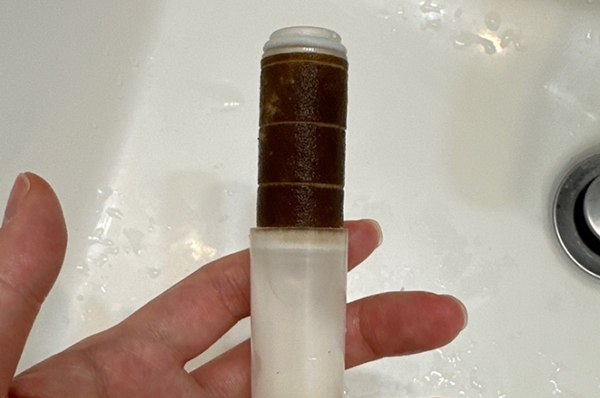
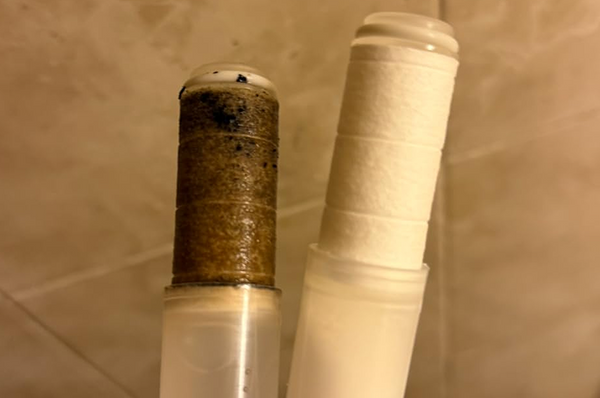
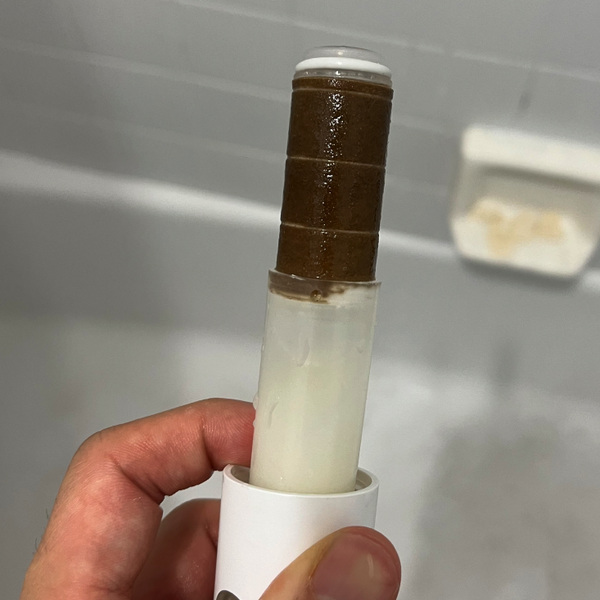
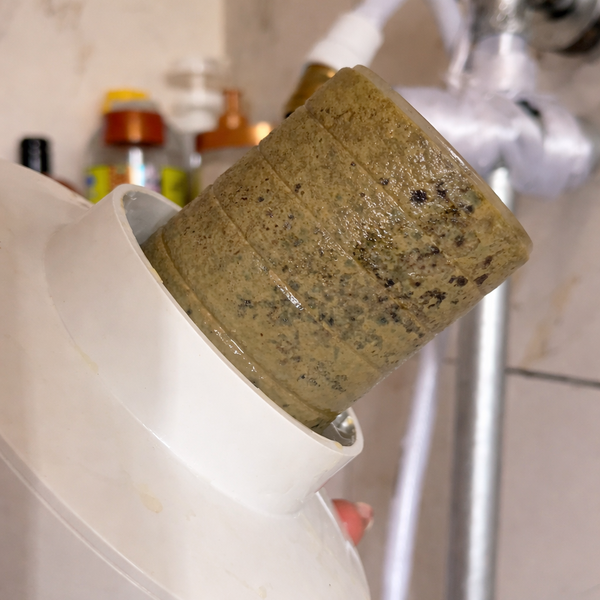
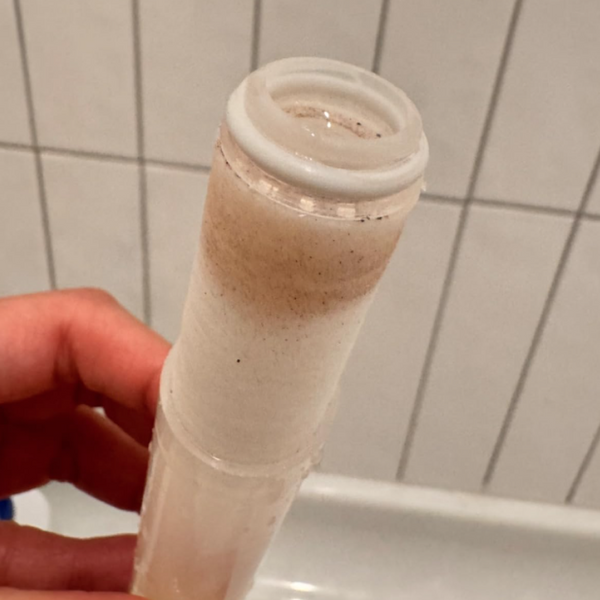
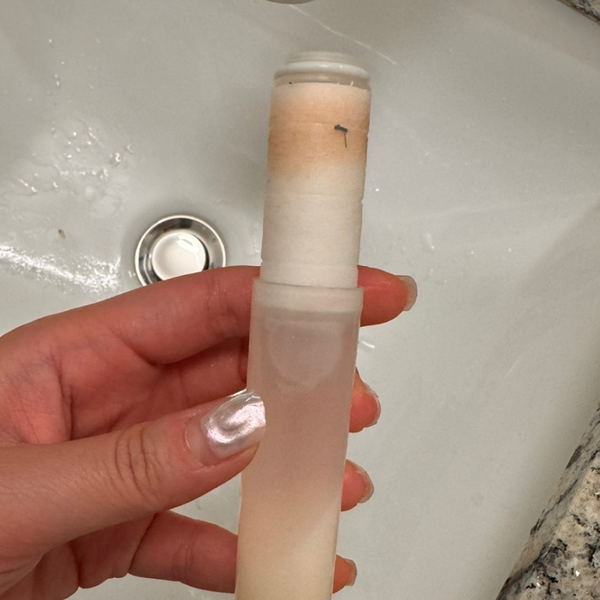
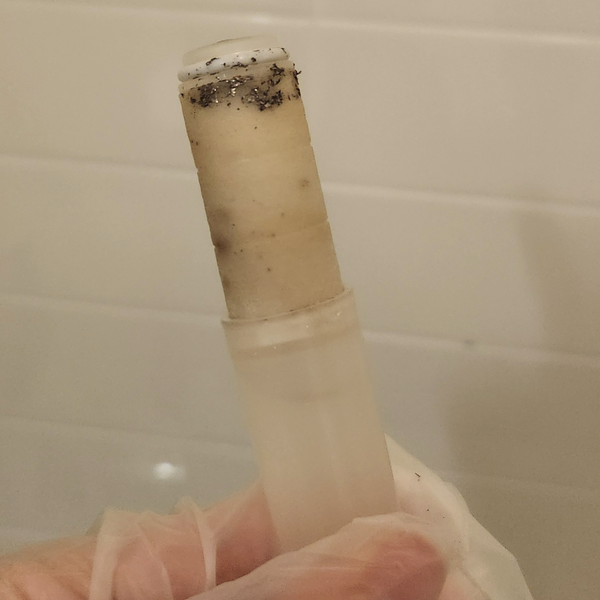
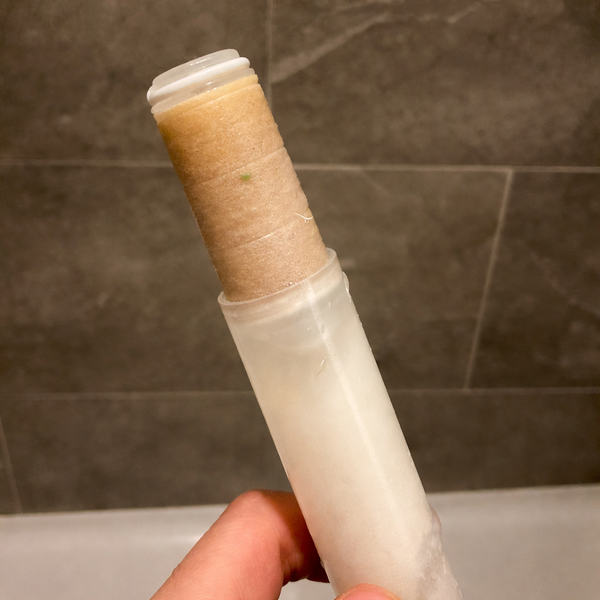
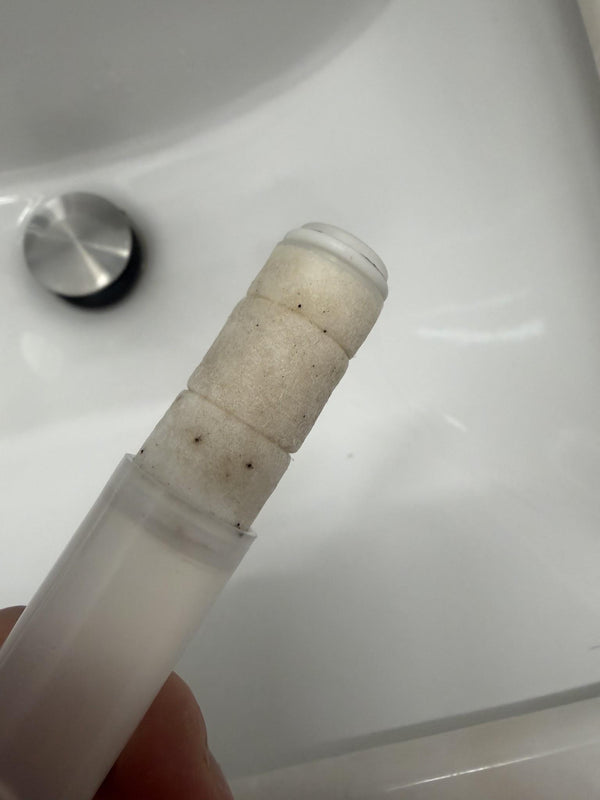
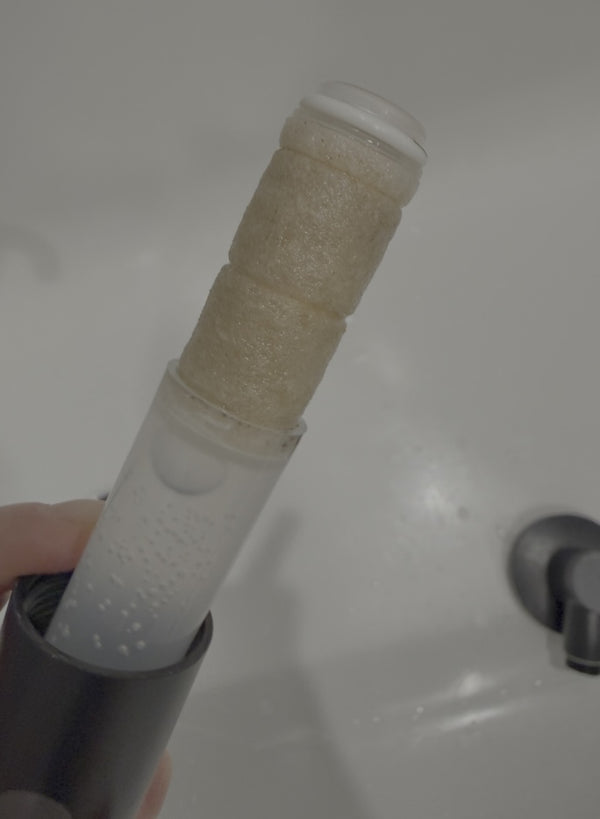
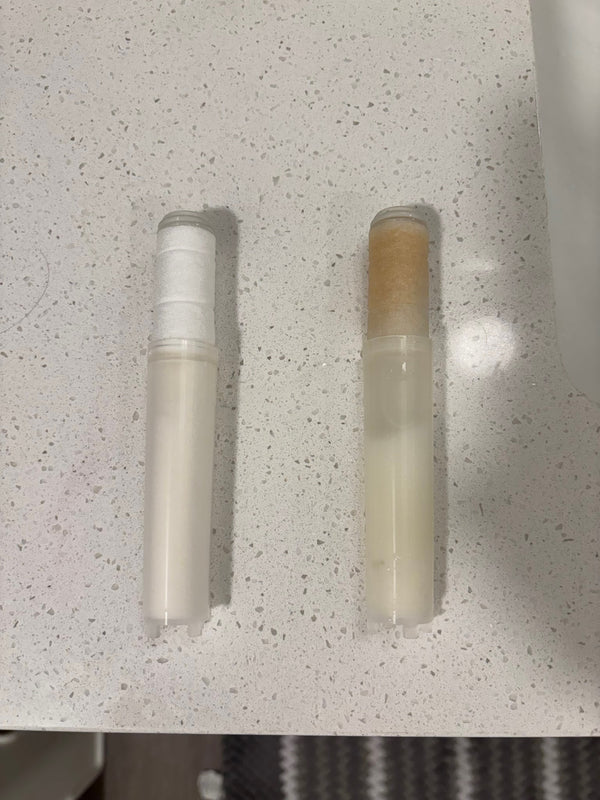
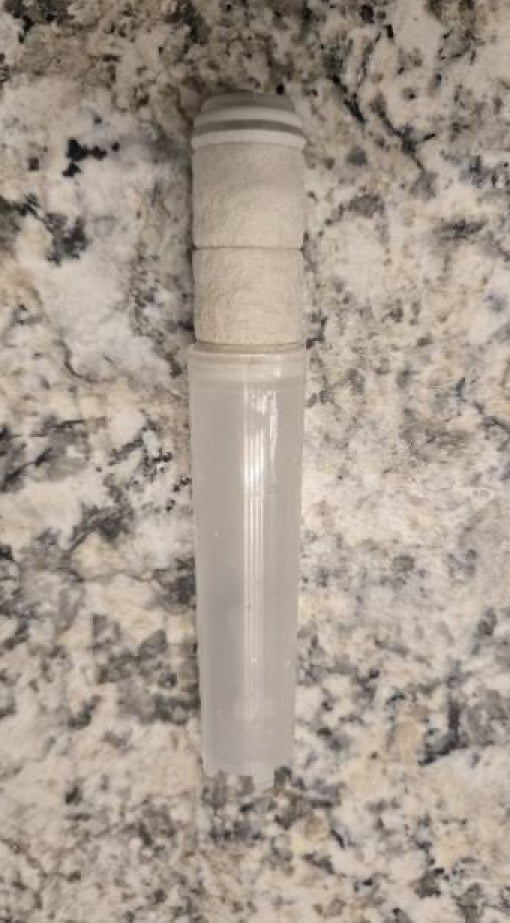
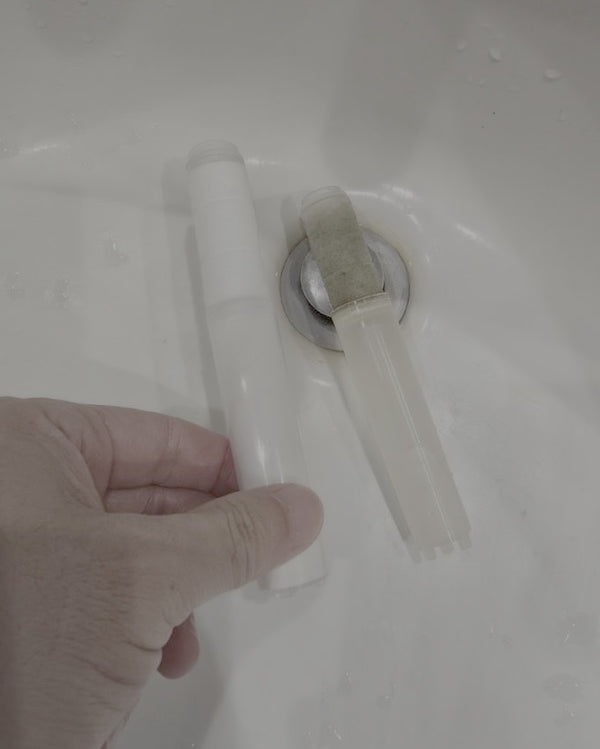
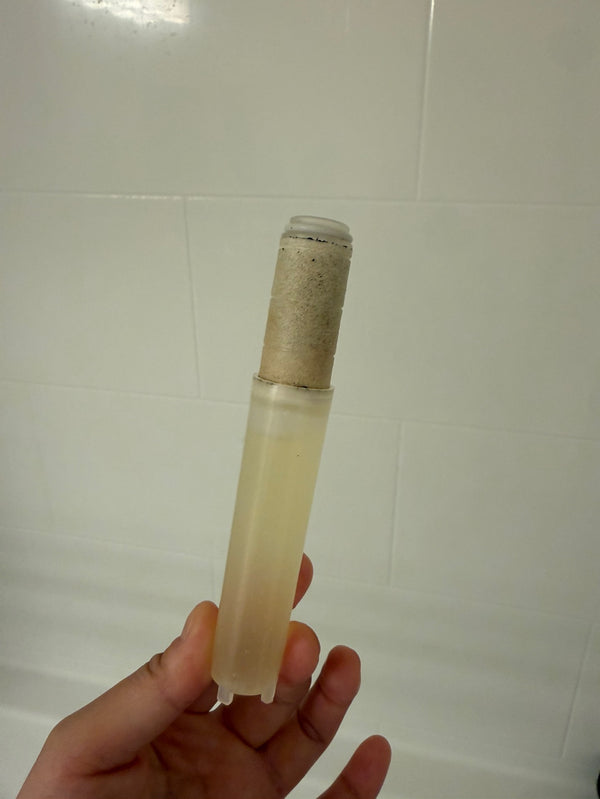
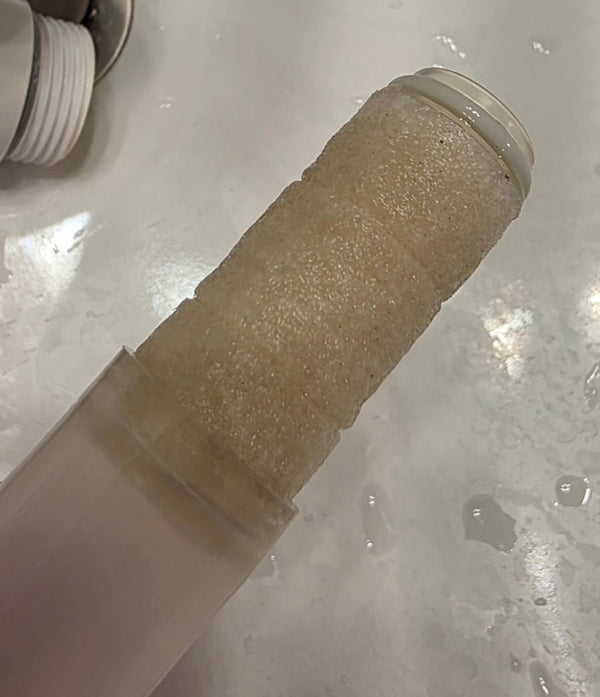
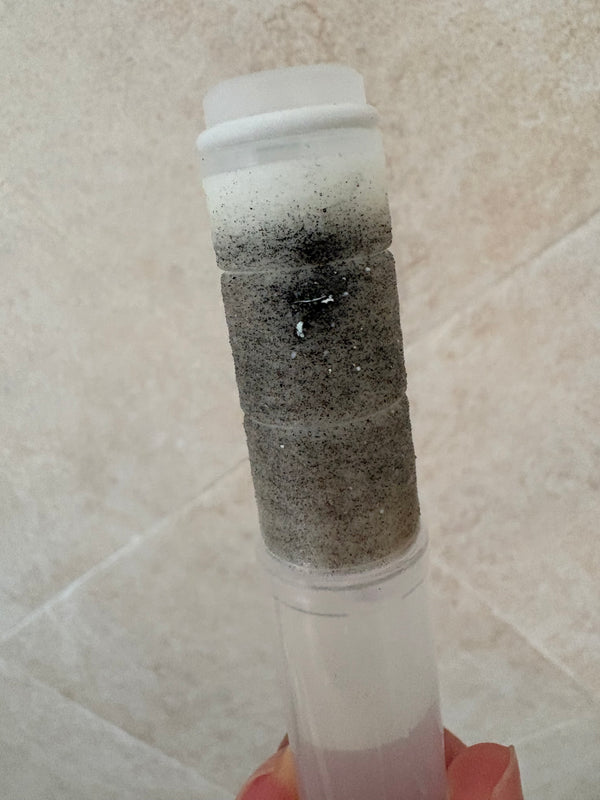
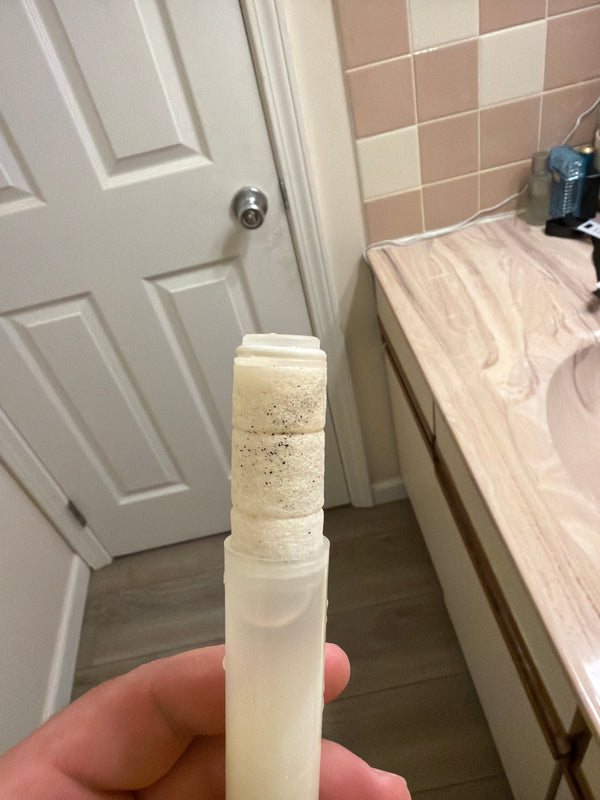
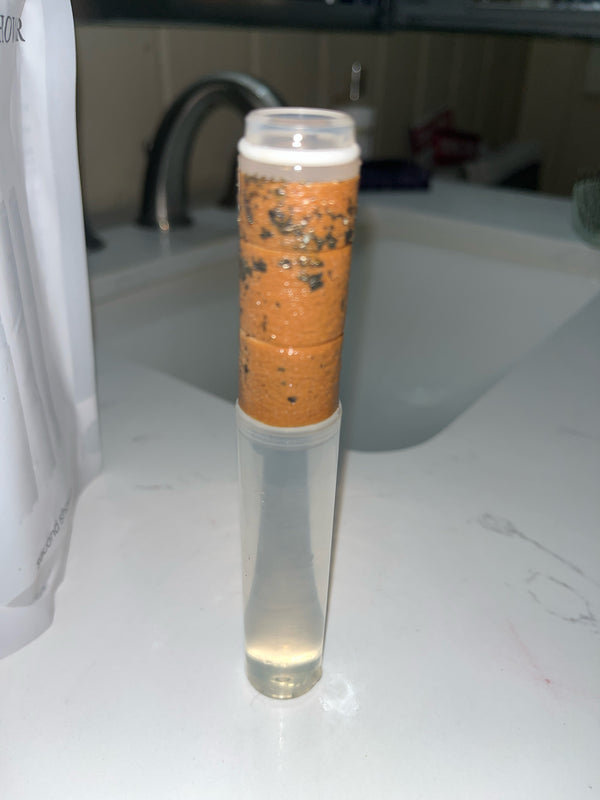
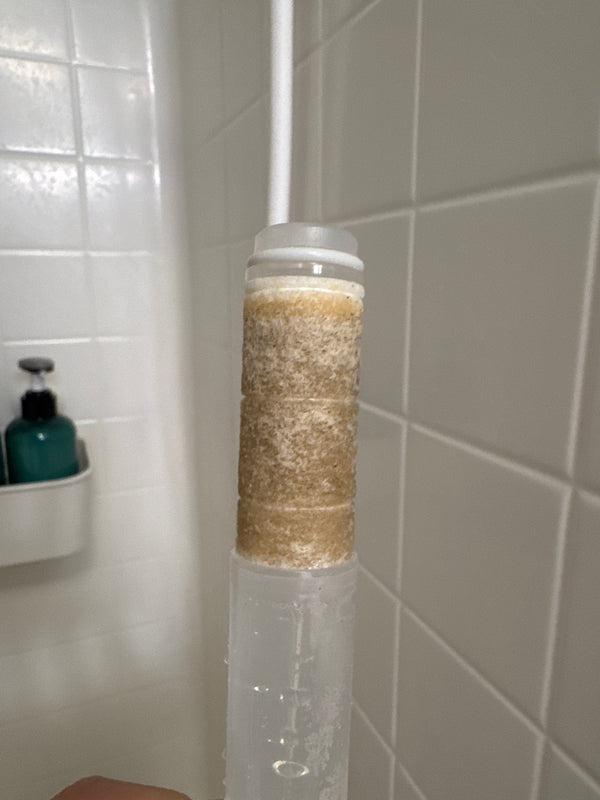
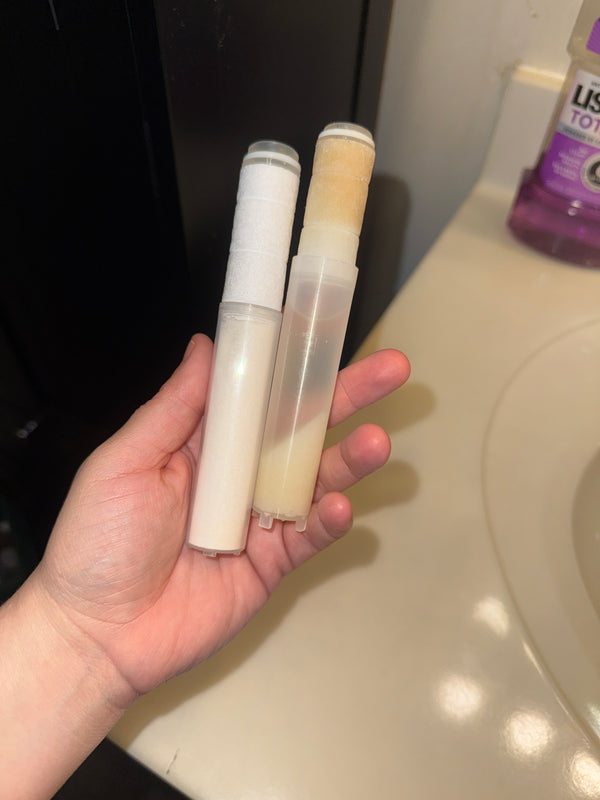
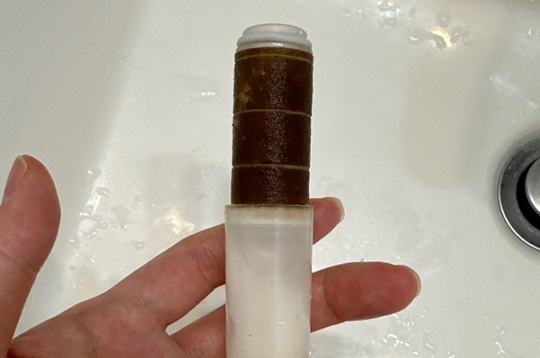
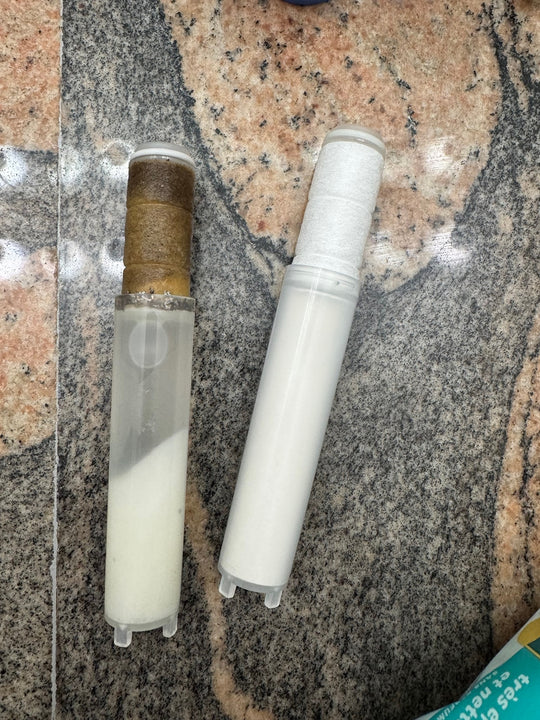
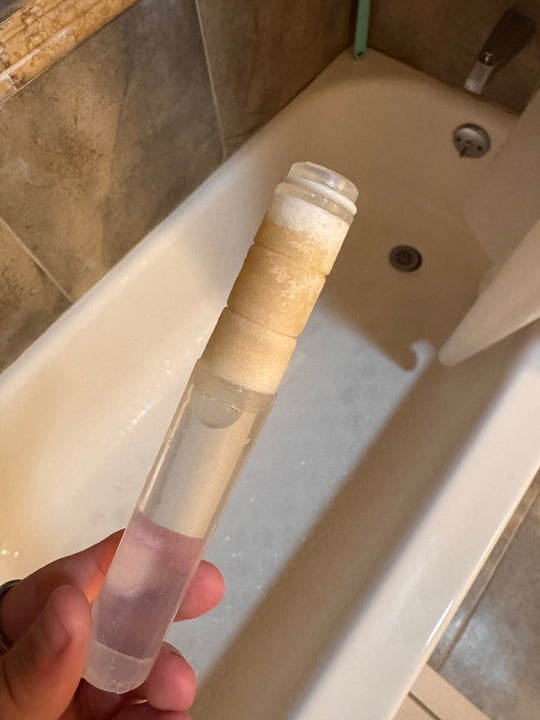
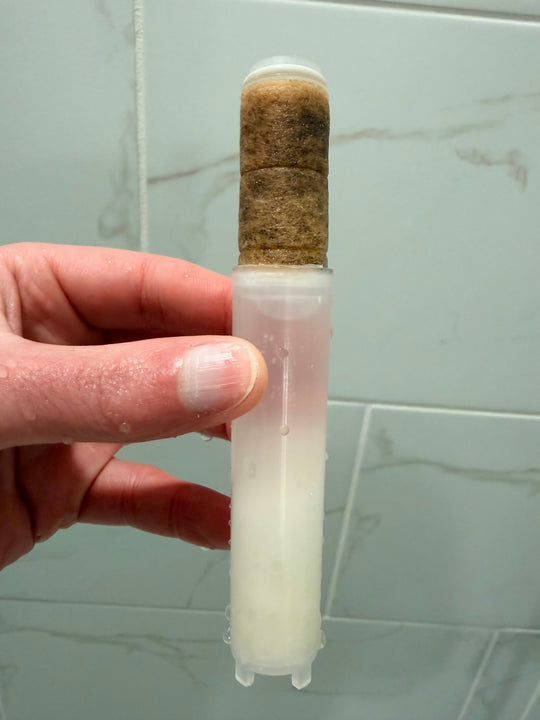
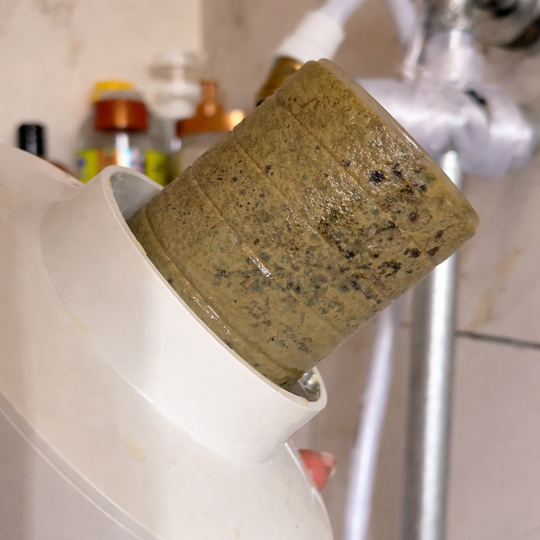
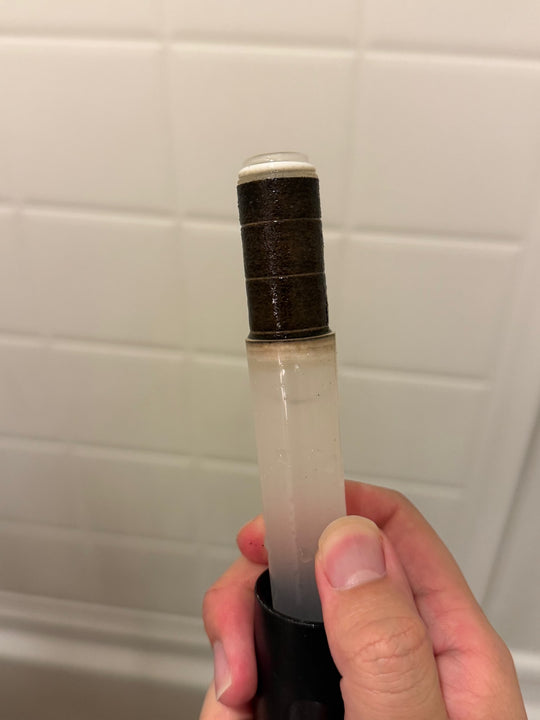
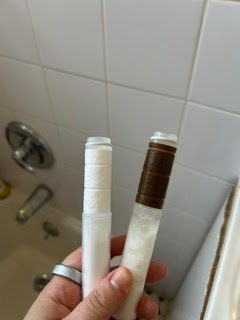
The bigger difference is your building. The utility answers for the water up to the building. The pipes inside belong to the building, and Jersey City has a lot of dense, older housing stock. Old pipes and risers can shed sediment and rust, which shows up as grit or discolored water at the tap, and that has nothing to do with how the water left the treatment plant.
Chlorine or chloramine in Jersey City?
Chlorine. The water table row built from the 2025 report lists chlorine as the treatment and the disinfectant for Jersey City[1]. That matters because many US cities use chloramine instead, which is chlorine plus ammonia, made to last longer in the pipes. More than one in five Americans get chloramine-treated water[4]. Jersey City is not listed among them.
How much chlorine? Our table gives a residual of 1.0 to 2.5 ppm, and it is marked as an estimate, not a reading from the report. Treat it as a ballpark. If you want your own number, a DPD test kit measures chlorine at your tap.
Chlorine is an oxidizer, and a hot shower puts it on your hair and skin every day. People often notice the pool-like smell, hair that feels dry and rough, and color that seems to fade faster.
“My skin definitely feels silky-soft, and the water doesn't smell.”
Is Jersey City water hard or soft?
Moderately hard. The system range is 3.7 to 5.7 grains per gallon, roughly 63 to 97 mg/L. The USGS puts moderately hard water at 3.5 to 7 gpg, so Jersey City sits in the lower middle of that band[2]. For comparison, New York City across the river is soft, at about 1 to 4 gpg.
Hardness is dissolved calcium and magnesium. At this level you may see some white spots on shower glass and fixtures, and shampoo may lather a little less than it did in a soft-water city. Hard water reacts with soap to form soap scum, which can leave a film[2].
Dissolved solids (TDS) run about 100 to 200 ppm. A TDS meter reads everything dissolved in the water together. It is not a hardness test, and it cannot detect chlorine.
How to read the report and test your own tap
Every community water system in the US has to send customers a Consumer Confidence Report each year, usually by July 1[3]. Jersey City's 2025 report is online as a PDF[1]. When you open it, look for:
- The disinfectant and its residual, to confirm chlorine for the current year.
- Hardness, often given as a range.
- The lead and copper section. That's where the utility reports results from household taps and explains what to do in older buildings. If lead in drinking water worries you, start there and call the utility. That is a drinking water question and goes well beyond the shower.
To check your own tap:
- A hardness test strip is cheap and gives a reading in about a minute.
- A DPD kit measures chlorine.
- Our water lookup shows what is on file for your ZIP code.
What a renter can change, and what stays the landlord's or the utility's
| Issue | Can you change it yourself? |
|---|---|
| Chlorine at the shower | Yes. A shower filter screws onto the standard arm without tools. |
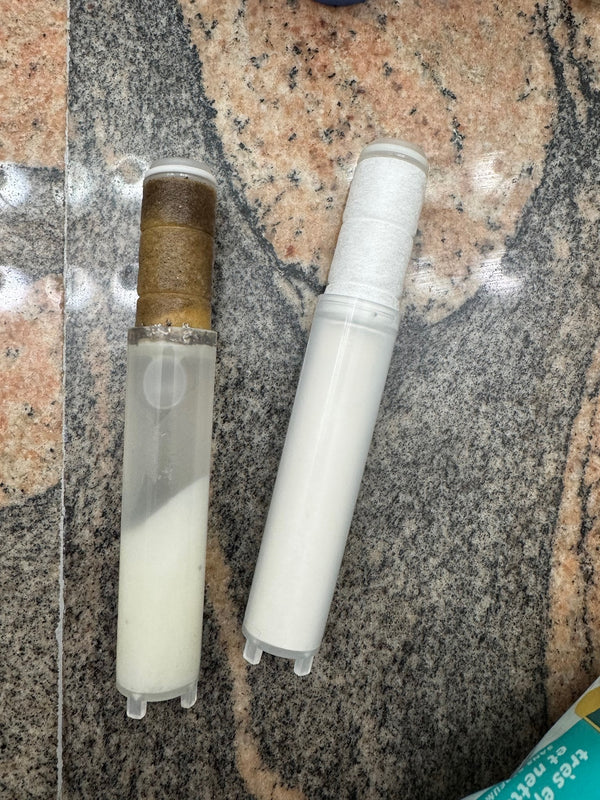
| Grit or rust from old pipes, at the shower | Partly. A filter with a sediment stage catches particles at the showerhead. The pipes themselves stay the building's job. |
| Hardness (calcium, magnesium) | No. That takes an ion-exchange water softener, usually whole-house, which is a landlord and plumber decision. |
| The disinfectant the city uses | No. That is the utility's choice. |
| The building's pipes and risers | No. Report discoloration or grit to your landlord or super. |
For the hardness you are stuck with, a chelating shampoo now and then helps rinse minerals out of hair. Follow the label for how often.
Is a shower filter worth it in a Jersey City rental?
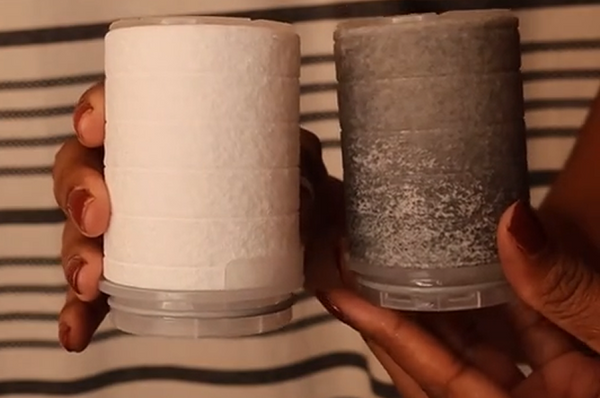
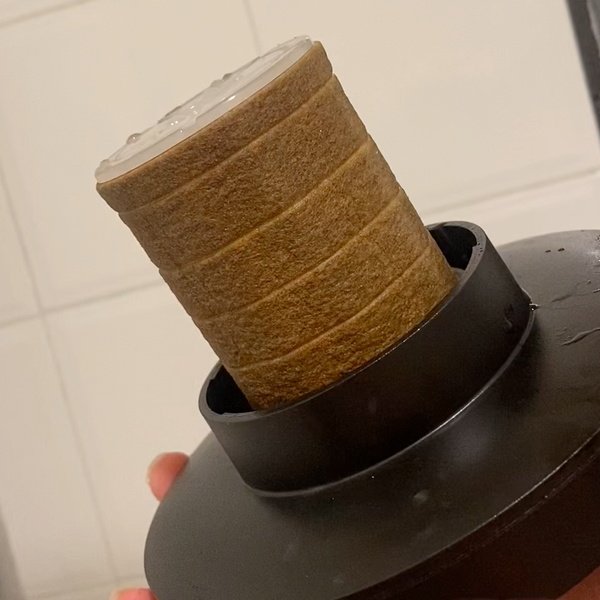
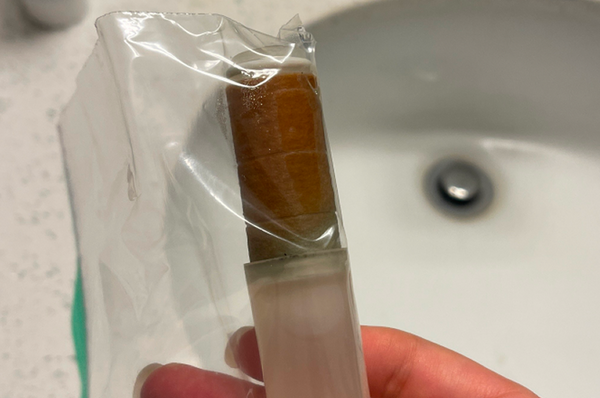
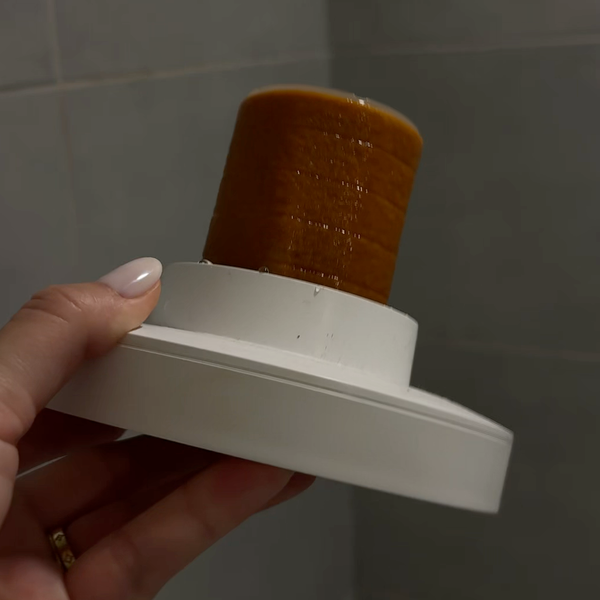
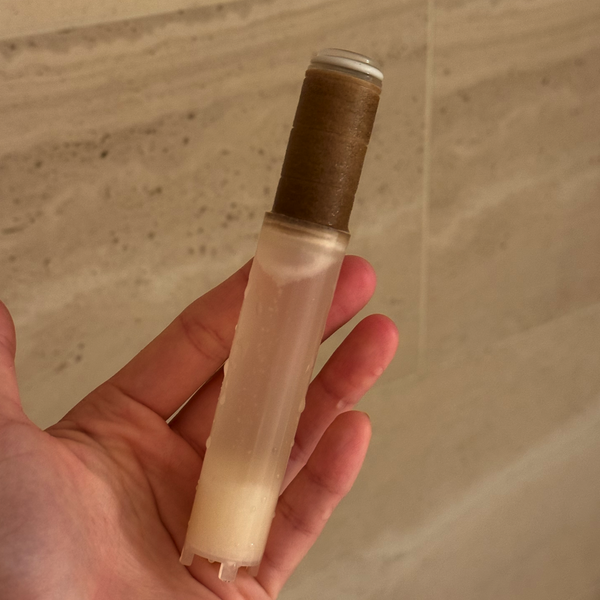
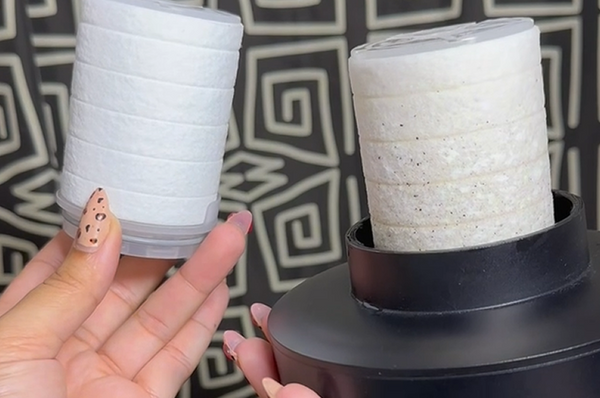
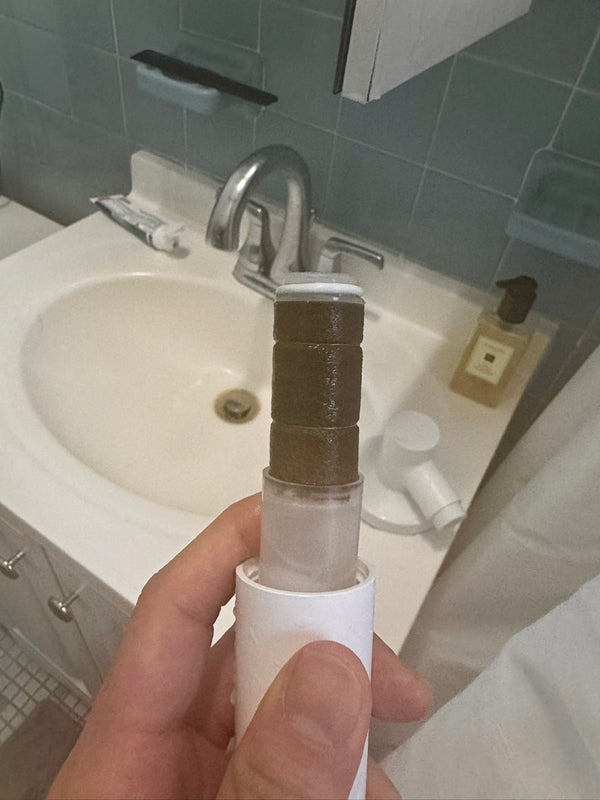
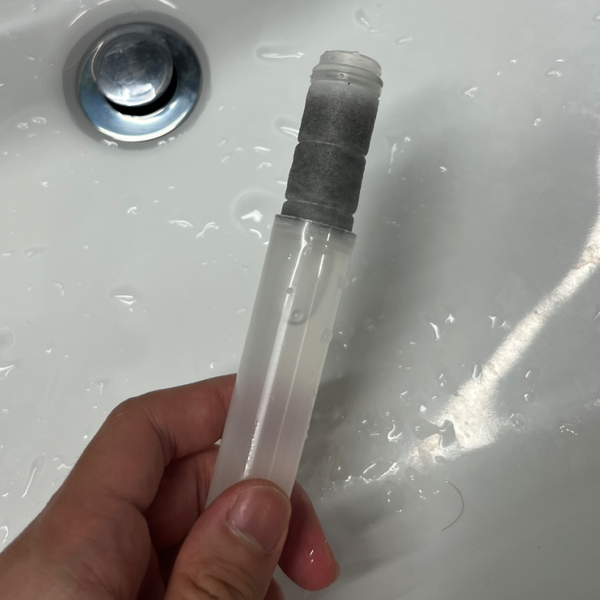
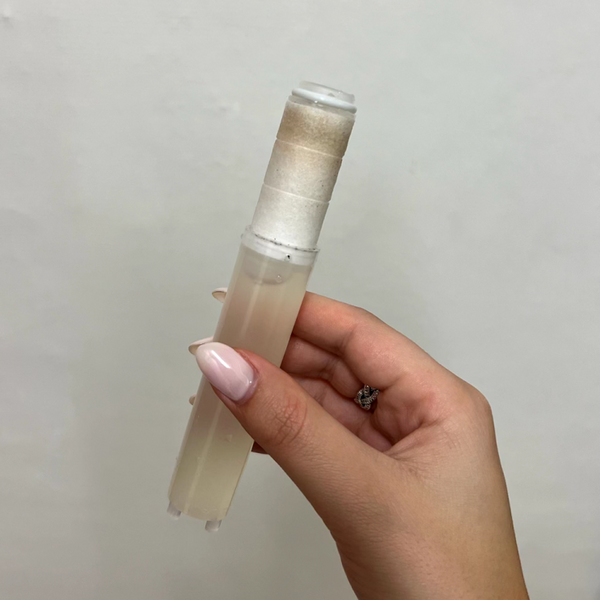
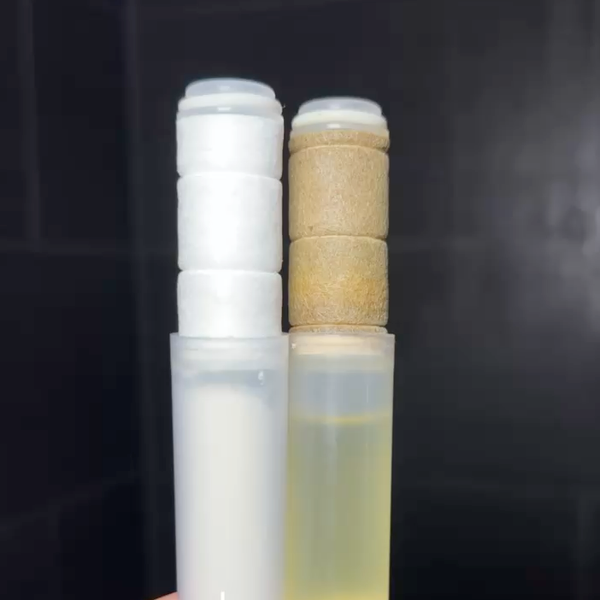
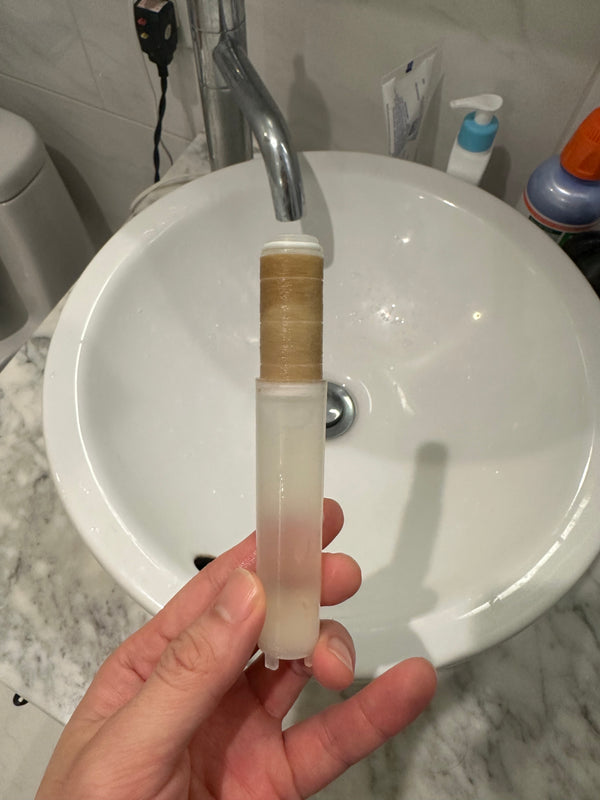
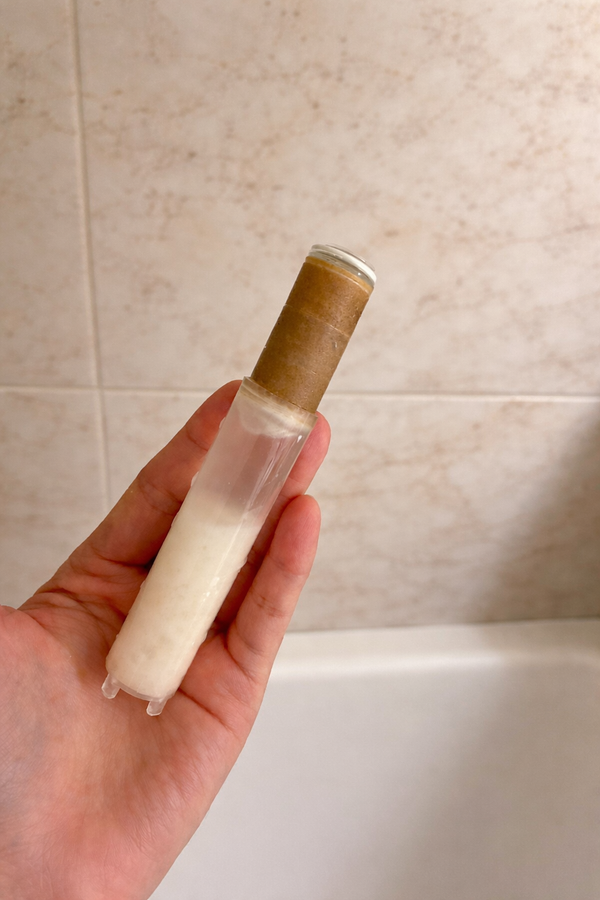
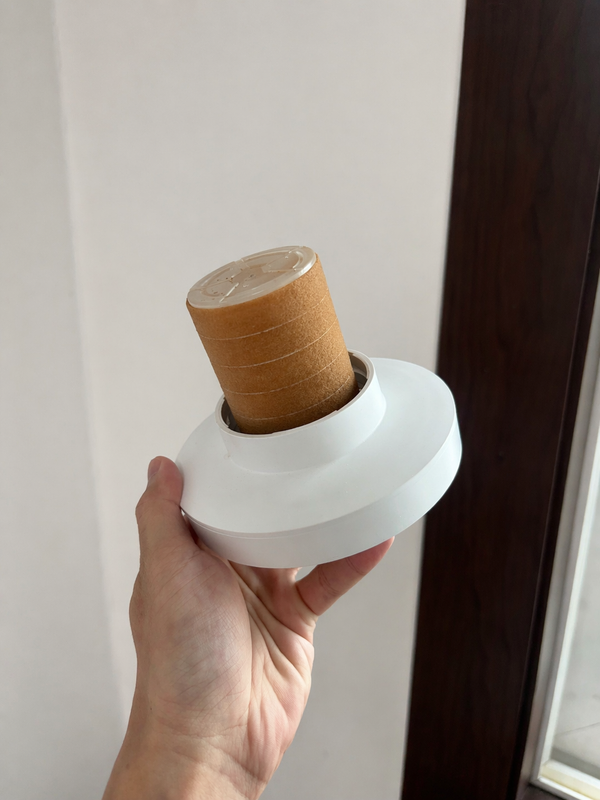
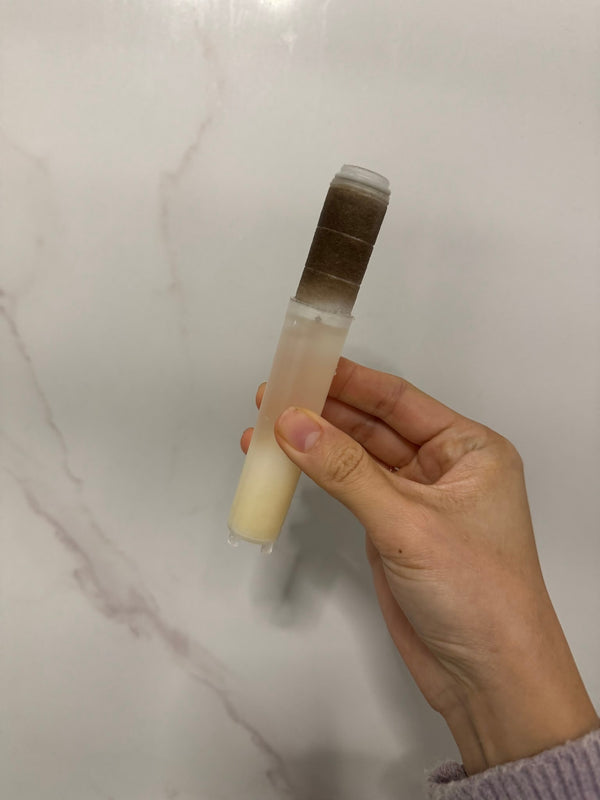
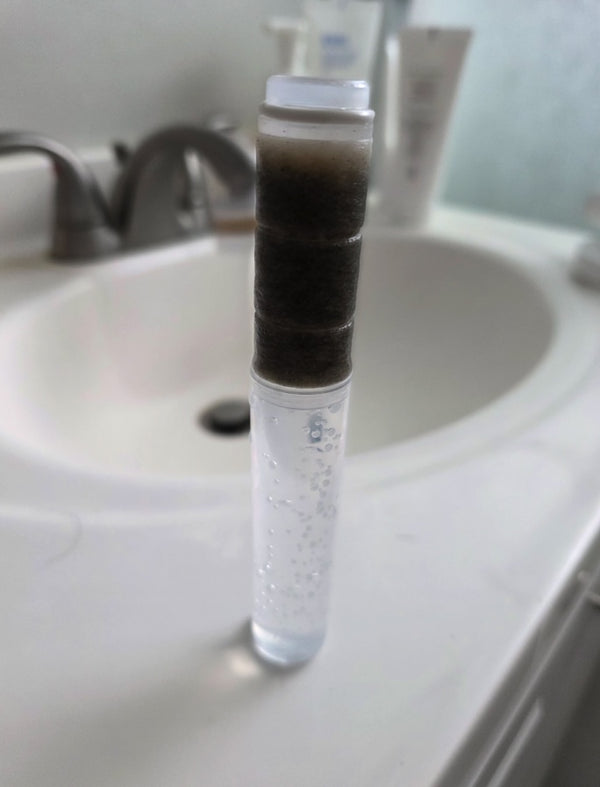
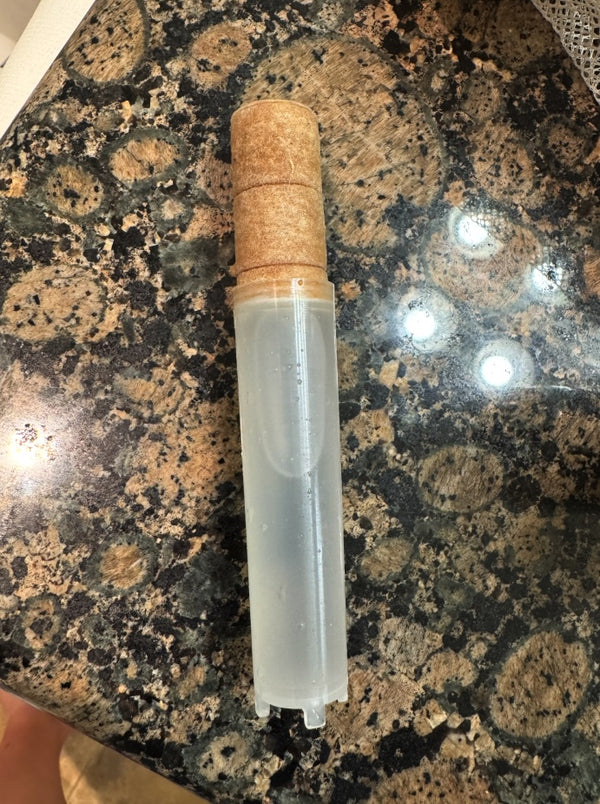
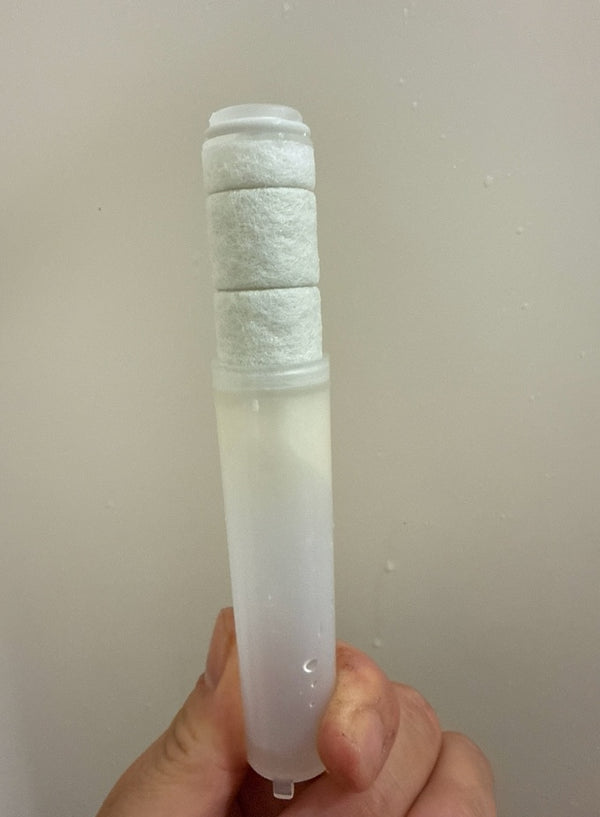
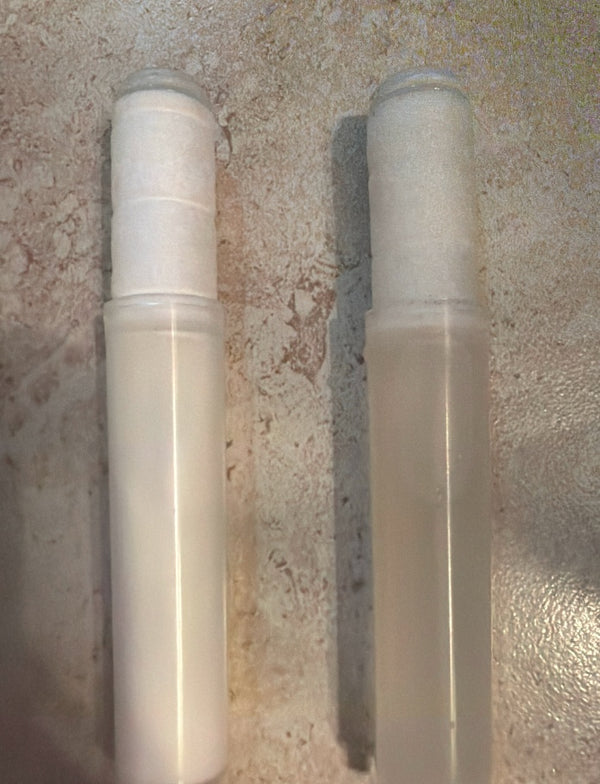
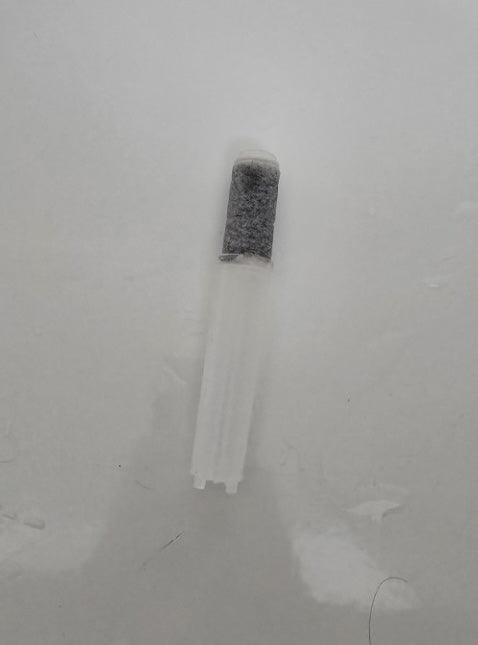
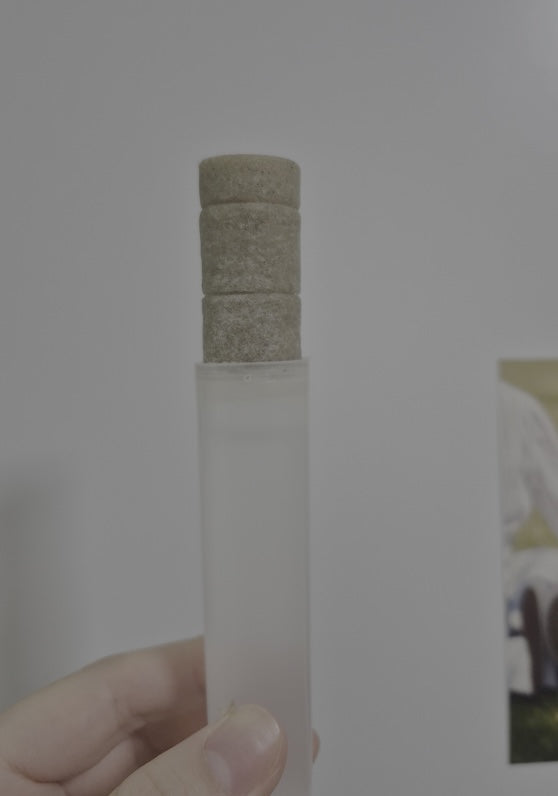
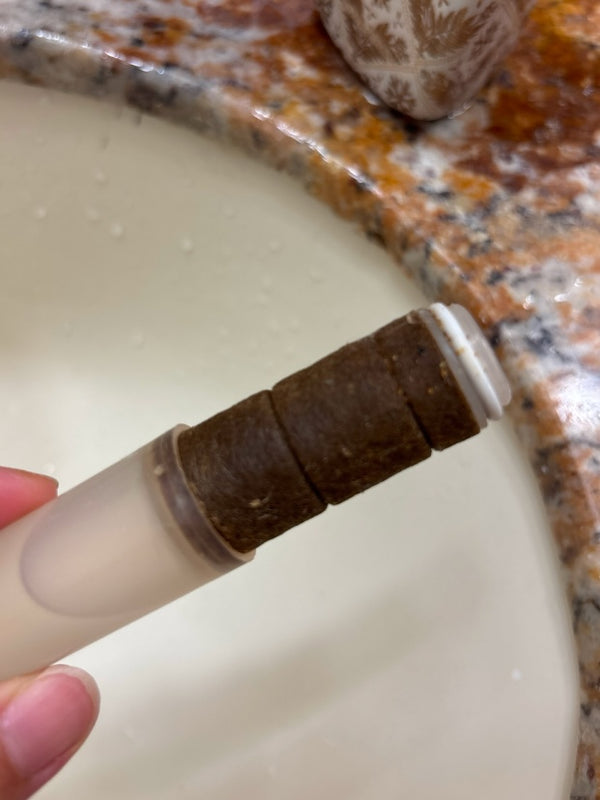
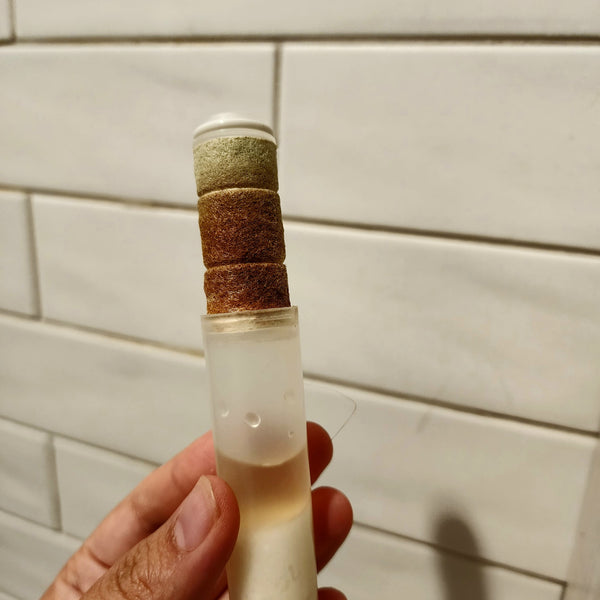
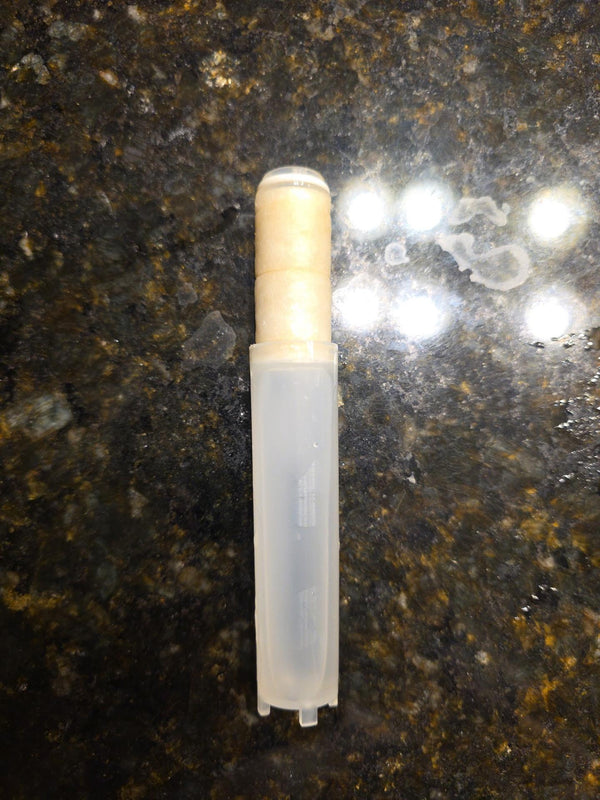
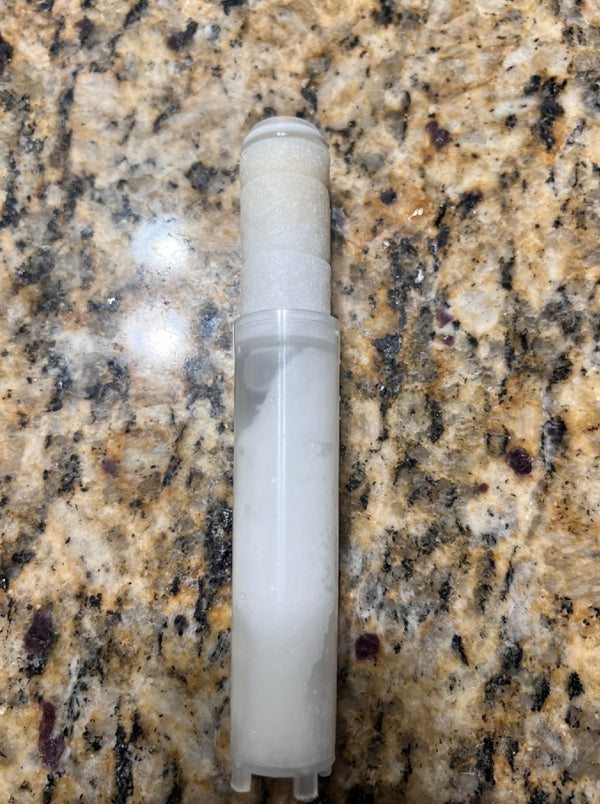
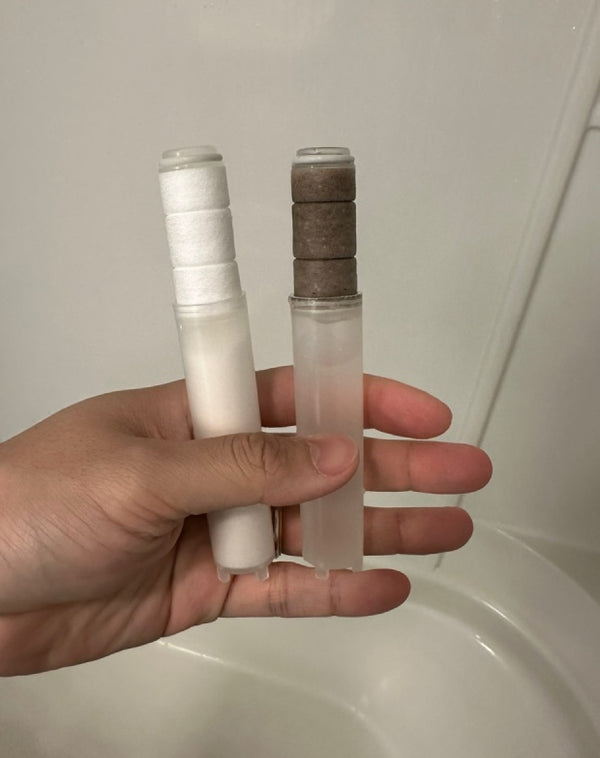
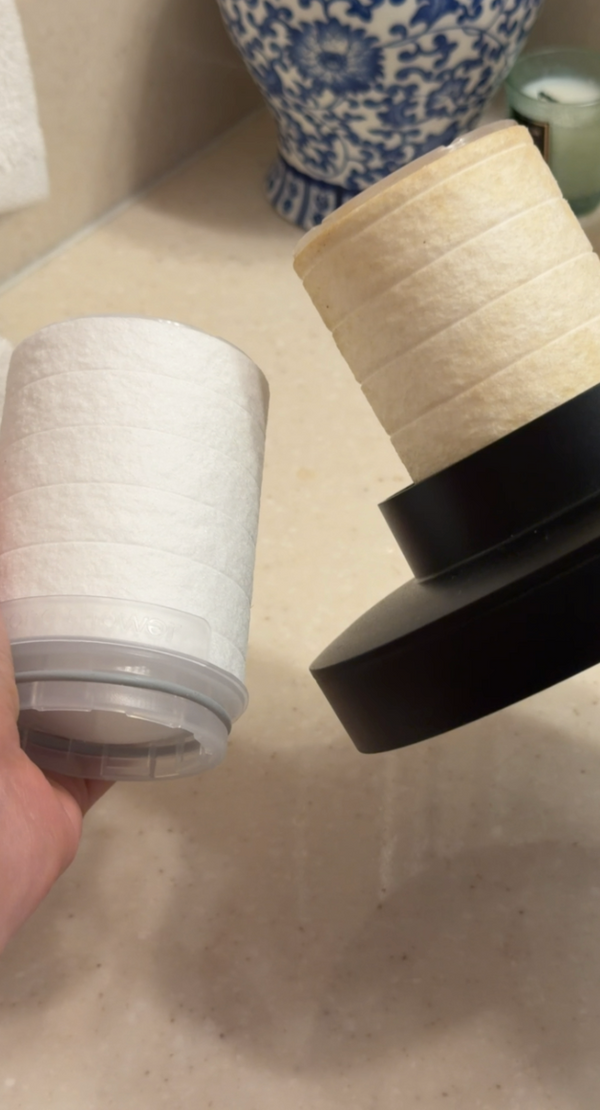
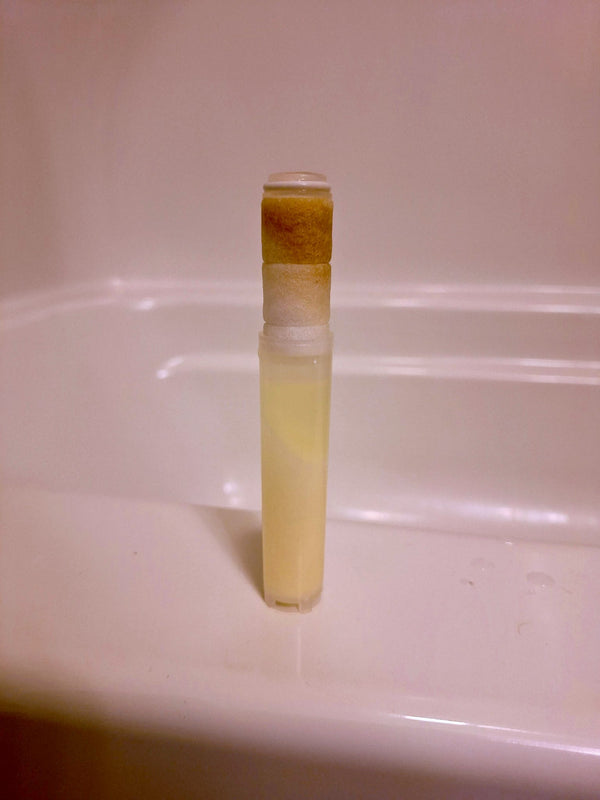
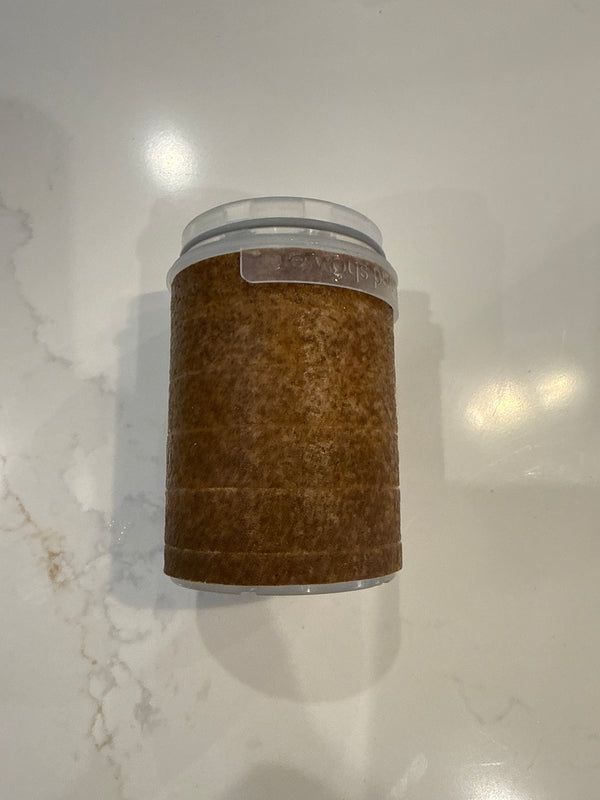
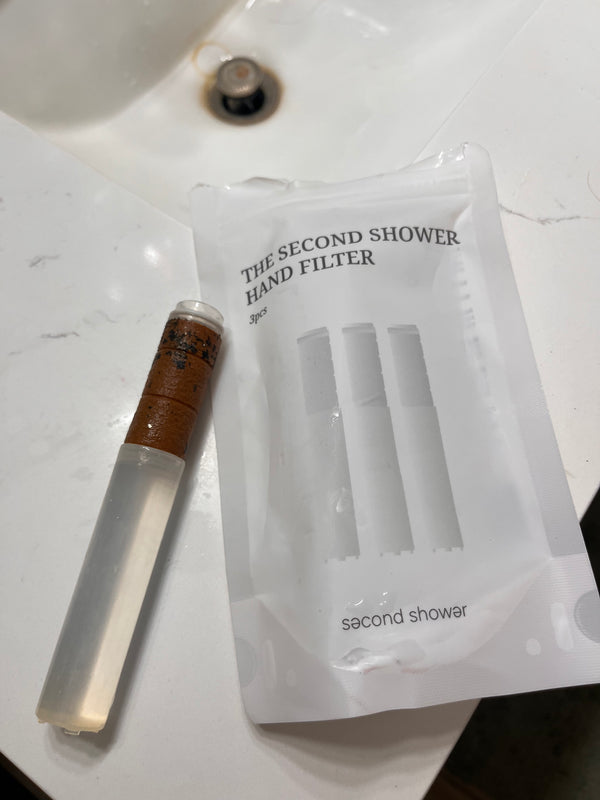
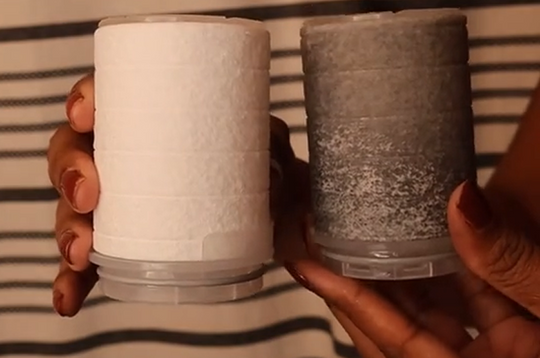
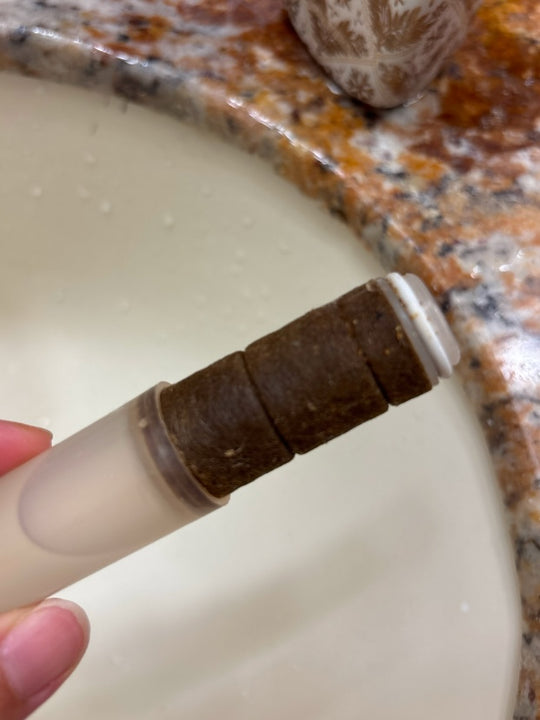
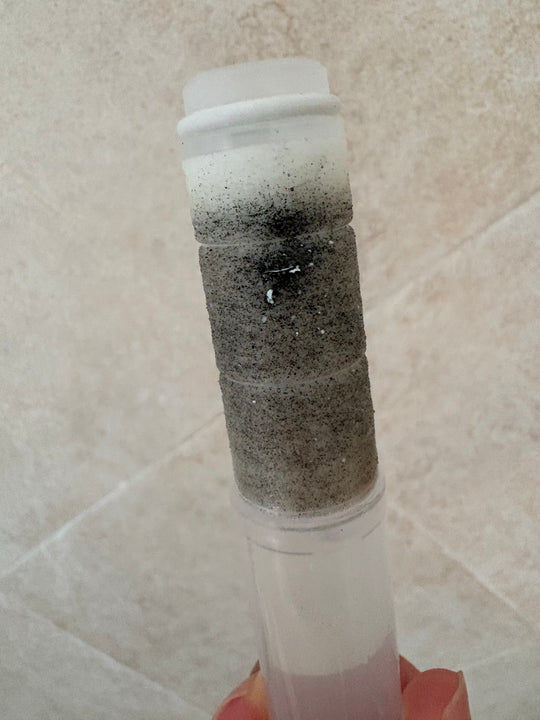
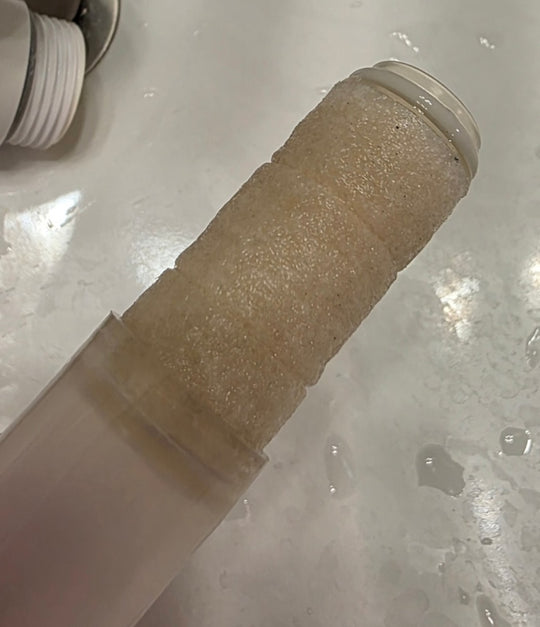
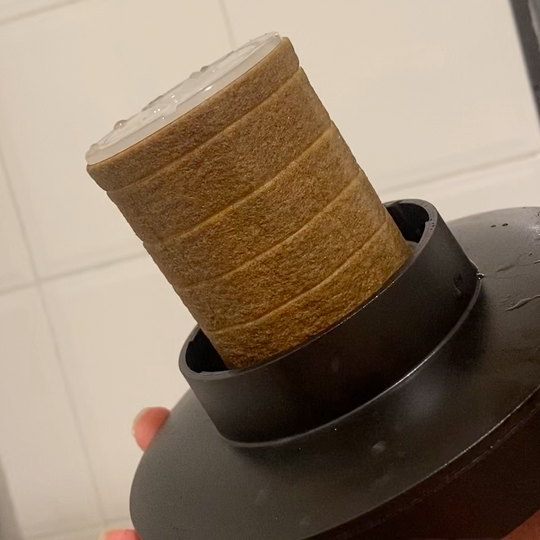
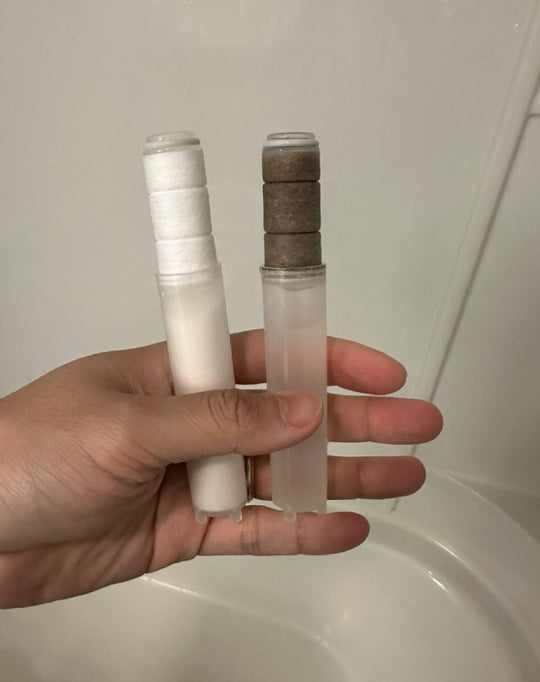
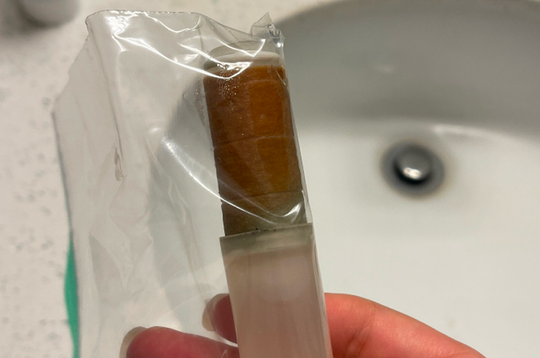
In Jersey City the case for a shower filter is chlorine, plus sediment if your building is old. Hardness is a different problem. We use an NSF/ANSI 42 certified filter*. In independent lab testing it removed 99.9% of chlorine and chloramine. It has two stages: a micron sediment pre-filter for grit, then a Vitamin C core that neutralizes chlorine. It does not soften water or remove hardness. If you need softer water, you need a water softener.
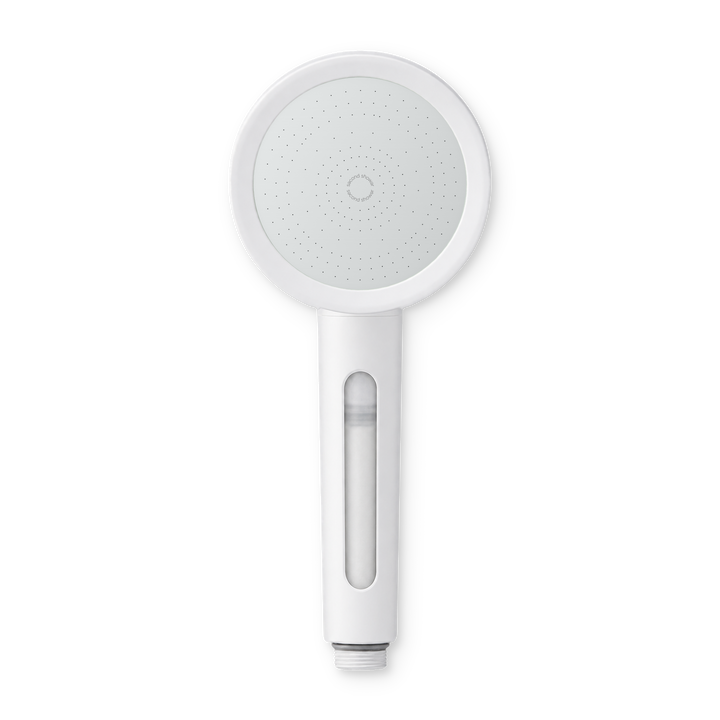
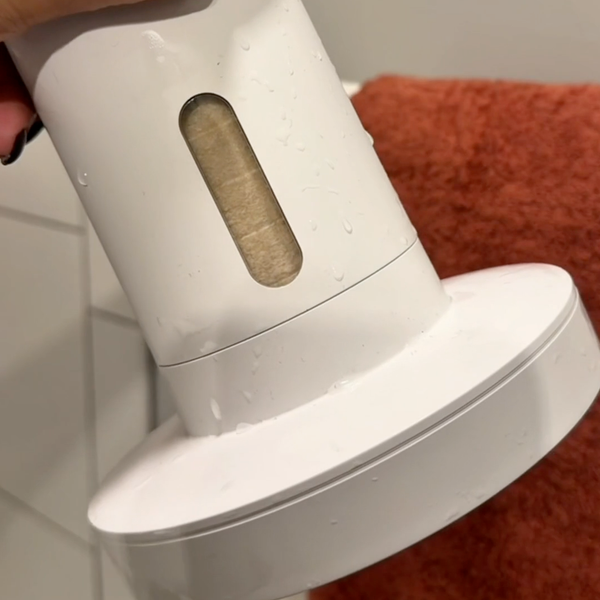
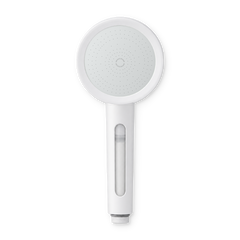
For renters, The Second Showerhand ($89, or $69 with a filter subscription) installs on a standard 1/2 inch shower arm in about a minute with no tools, and one filter is included. Keep your landlord's showerhead in a drawer and put it back when you move out. We recommend a new filter every 30 days. On subscription, a 3-pack costs $27 and ships every 3 months.
*Micron PP sediment filter certified by NSF/ANSI 42 standards.
FAQ
Does Jersey City use chlorine or chloramine?
Chlorine. The water table row for Jersey City, built from the 2025 Consumer Confidence Report, lists chlorine as the disinfectant. Check the current year's report to confirm, because utilities can change treatment.
Is Jersey City water hard?
It is moderately hard, at 3.7 to 5.7 grains per gallon across the system. That is harder than New York City's soft water, but well short of the hard or very hard range. A test strip will show where your own tap falls.
Why is the water in my old Jersey City building brown or gritty?
The utility answers for water up to the building, and the pipes inside belong to the building. Old pipes and risers can shed sediment and rust. Tell your landlord or super, and read the lead and copper section of the utility's report.
Will a shower filter fix hard water in Jersey City?
No. A shower filter cartridge does not remove calcium or magnesium. That takes an ion-exchange water softener. Our filter is built to remove chlorine and catch sediment, and it does not soften water.