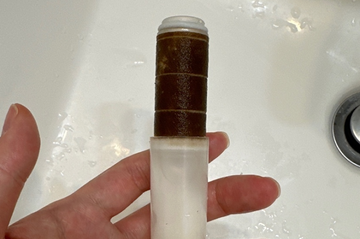
Dorm shower water often feels worse than home because of the building and the disinfectant: older pipe runs carry more sediment, and many cities use chloramine, which lasts longer in the pipes than chlorine.
- More than one in five Americans drink water treated with chloramine.
- Chlorine and chloramine are allowed up to 4 mg/L in tap water.
- Utilities say main breaks and hydrant flushing stir up sediment.
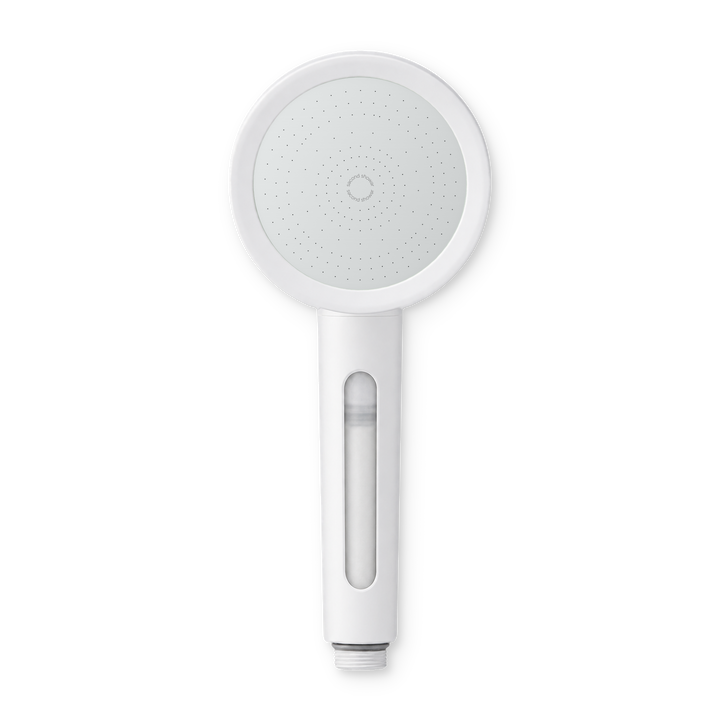
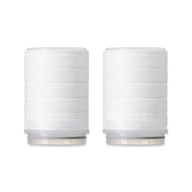
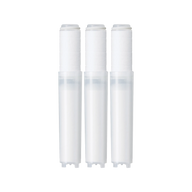
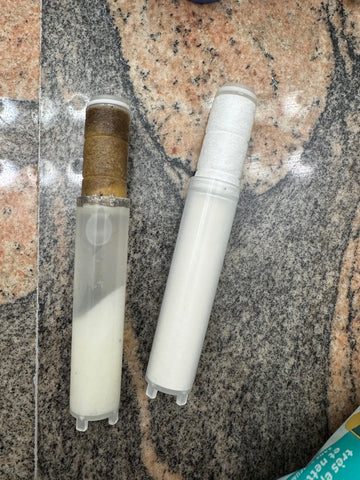
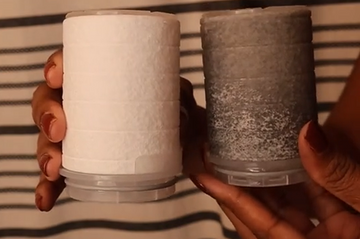
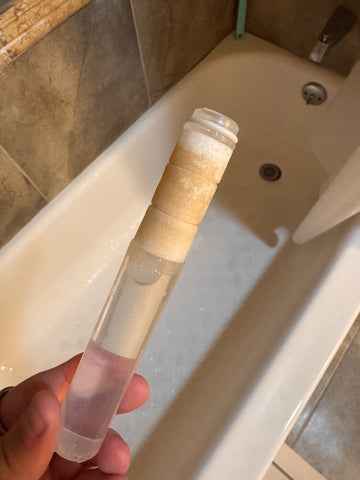
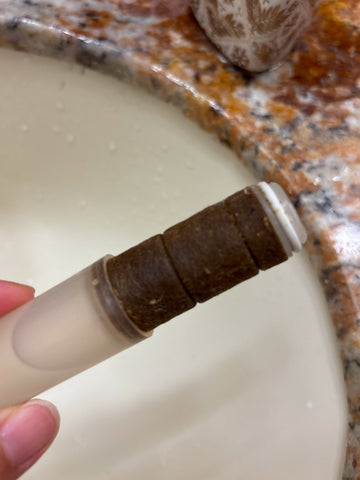
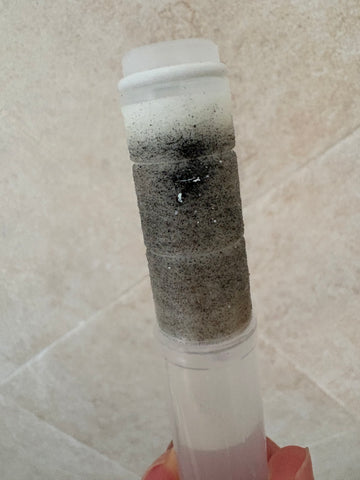
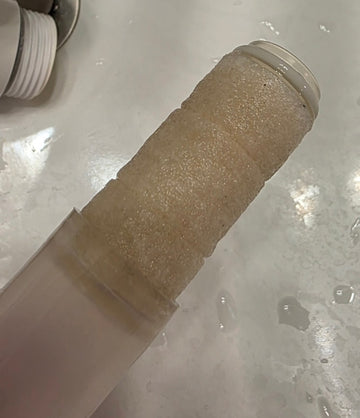
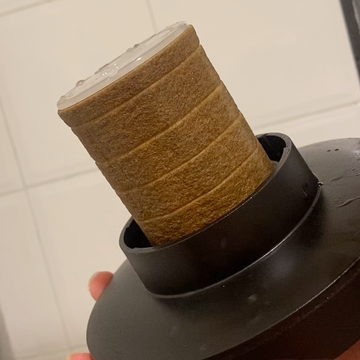
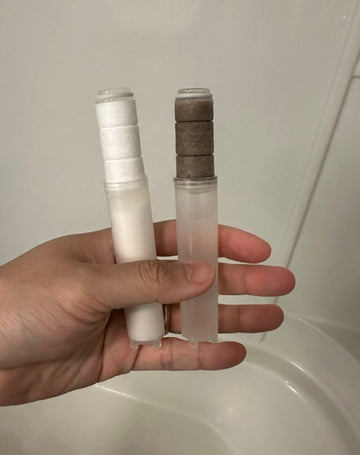
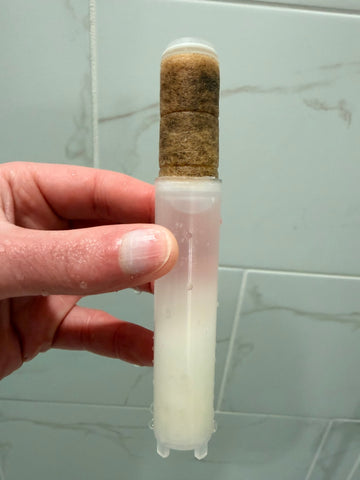
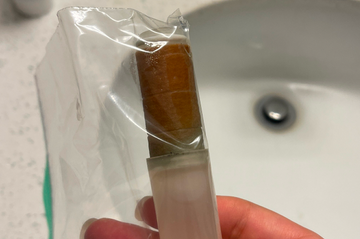
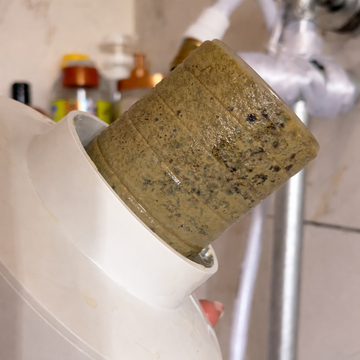
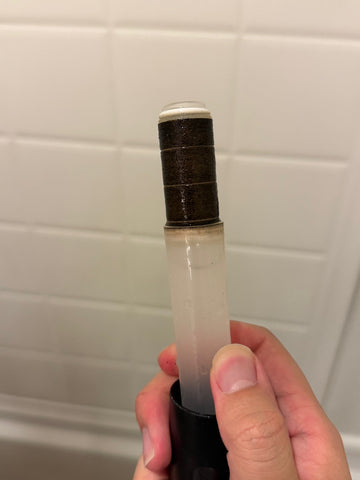
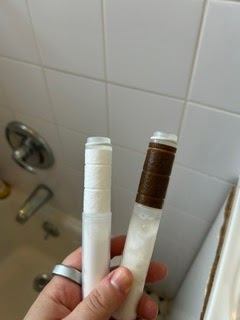
Our pick: the Second Showerhand, a handheld that screws on by hand and leaves with you. Its sediment pre-filter catches grit; its Vitamin C core reduced free chlorine and chloramine by 99.9% in independent lab testing, held through Day 1-30 in our own testing.
Why Dorm Shower Water Feels Worse Than Home
Dorm shower water isn't worse because the university cuts corners - it's worse because municipal systems optimize for distribution-system safety, not shower quality.
Most universities and cities switched from free chlorine to chloramine (a chlorine + ammonia compound) in the early 2000s because it's more stable across miles of pipe. The EPA allows up to 4.0 ppm as a disinfectant residual; many dorms sit at 2.0-3.5 ppm year-round.
Chloramine causes the same oxidative damage to skin and hair as chlorine - it just doesn't evaporate or break down as quickly, so standard "wait for it to dissipate" advice doesn't work.
The Hard Water + Chloramine Combination
Many college towns also have hard water (150-300+ ppm calcium/magnesium). The hard water minerals themselves aren't harmful - the SWET trial (Thomas et al. 2011) found that softening hard water didn't improve eczema outcomes in children with established moderate/severe cases. But the combination of oxidative chlorine/chloramine damage and mineral deposits creates the "stripped then coated" feeling students describe.
If you're seeing white buildup on fixtures, that's calcium carbonate scale - a cosmetic issue, not a skin threat. The real culprit is the chloramine.
What Actually Works (and What Doesn't) in a Dorm Setup
Why Standard Filters Fail in Dorms
Most Amazon "shower filters" use KDF-55 (a copper-zinc alloy) or granular activated carbon. Both have the same problems in dorm environments:
- Rapid degradation: KDF and carbon lose 80-90% effectiveness by Day 60 when exposed to chloramine
- Pressure loss: Inline housings force water through dense media beds, dropping pressure 20-40%
- Installation friction: Some dorms prohibit permanent modifications; even tool-free filters can trigger a maintenance call if they leak
- Chloramine blindness: Most product pages claim "removes chlorine" but never mention chloramine - because their media doesn't handle it well
Why Vitamin C Is the Dorm-Optimized Solution
Vitamin C (ascorbic acid) neutralizes both chlorine and chloramine through a simple, well-documented reduction reaction - the same chemistry used in municipal dechlorination and aquarium water prep. Unlike catalytic reactions (KDF, carbon), it doesn't degrade over time or require backflushing.
Second Shower's gel-matrix delivery system keeps the reaction controlled and consistent through the cartridge's rated window. Independent lab testing (full assembly, not just media) confirmed 99.9% free-chlorine reduction through Day 60. The sediment pre-filter is NSF/ANSI 42 certified.
For the full chemistry breakdown and citations, see our Vitamin C filtration science guide.
Head-to-Head: Dorm-Ready Filters Compared
| Feature | Second Shower (Showerhand) | Jolie | AquaBliss | Canopy |
|---|---|---|---|---|
| Filter Media | Vitamin C gel matrix (proprietary) | KDF-55 + calcium sulfite | KDF-55 + Activated Carbon | Carbon + Cu-Zn + Calcium Sulfite |
| Chlorine Day 1 | 99.9% | 98% at first use (NSF data) | ~90% | ~85% |
| Chlorine Day 60 | 99.9% | Day 60 not published; 82% at 2,400 gal (NSF data) | <10% (estimated) | ~50% (estimated) |
| Chloramine Removal | Neutralizes consistently | No result published (Oct 2026) | Poor (<50%) | Moderate (70-85%) |
| NSF Certified | NSF/ANSI 42 (sediment pre-filter) | NSF/ANSI 177 (free chlorine) | No | No |
| Price (Device) | $69 | $148 | $35 | $150 |
| Filter Replacement | $27/3-pack every 3-6mo | About 90 days ($35 per filter on subscription) | ~$15 every 3 months | ~$30 every 3 months |
| Year 1 Total Cost | $123-177 | $288 (subscription) / $309 (list) | $95 | $270 |
| Pressure Impact | Zero loss (128 micro-jets) | Not published | 20-40% reduction | 15-30% reduction |
| Install | Tool-free, 60 seconds, handheld | Tool-free, fixed mount | Tool-free, inline | Tool-free, fixed mount |
| Dorm-Friendly | Yes - no mounting, fully portable | Requires fixed showerhead removal | Requires inline install | Requires fixed showerhead removal |
| Independent Lab Testing | Yes (full assembly) | NSF/ANSI 177 (free chlorine) | Unverified | Unverified |
Where Competitors Genuinely Win
- AquaBliss: Lowest upfront cost if you're only in the dorm for one semester and don't care about chloramine or Day 60 performance
- Jolie: Five finish options (Modern Chrome, Brushed Steel, Jet Black, Brushed Gold, Vibrant Red) and a 60-day return window (ours is 30 days)
- Canopy: Available at select Urban Outfitters and Target locations if you need same-day pickup
None concede filtration performance. Second Shower is the only option in this comparison with Vitamin C media (the only chemistry that neutralizes chloramine consistently), independently lab-tested 99.9% free-chlorine reduction through Day 60, and an NSF/ANSI 42 certified pre-filter.
How to Install (Even If Your Dorm Has Weird Plumbing)
The Showerhand requires zero tools and zero modifications:
- Unscrew your existing showerhead (hand-tight, counterclockwise)
- Wrap the exposed pipe threads with the included thread tape (2-3 wraps, clockwise)
- Screw on the Showerhand's hose connector (hand-tight, clockwise)
- Connect the handheld unit
Total time: 60 seconds. No Teflon tape guns, no wrenches, no landlord approval needed. When you move out, unscrew and take it with you.
What If My Dorm Has a Fixed Showerhead I Can't Remove?
Most university maintenance teams will remove a fixed head on request (it's a 30-second task for them). If your lease prohibits any changes, the Showerhand's hose connector is fully reversible - you're not altering the plumbing, just temporarily attaching a handheld unit.
If you're in a suite-style dorm with a rainfall head you want to keep, consider the Second Shower Showerhead (fixed-mount version with 176 micro-jets) - it replaces the existing head with the same tool-free process.
Frequently Asked Questions
Does the filter work if my city uses chloramine instead of chlorine?
Yes - Vitamin C neutralizes both chlorine and chloramine. Most cities (and universities) switched to chloramine in the 2000s because it's more stable in distribution systems. KDF and carbon filters lose effectiveness rapidly with chloramine; Vitamin C's reduction chemistry works consistently on both compounds.
You can check your city's water report (search "[your city] water quality report") to confirm which disinfectant is used. If the report lists "chloramine" or "monochloramine," you need a filter that explicitly handles it - most Amazon filters that claim "removes chlorine" do not address chloramine.
Will this help with dry skin and scalp issues I only get at school?
If your skin and scalp problems started or worsened when you moved into the dorm, chloramine is the likely culprit. Chlorine and chloramine oxidize the lipid barrier in your stratum corneum (the outermost skin layer), leading to trans-epidermal water loss - the "tight, dry, itchy" feeling that moisturizer doesn't fully fix.
Removing the oxidative trigger (chloramine) lets your skin barrier repair itself. Most users report noticeable improvement within 7-10 days of consistent filtered showers.
How do I know when to replace the filter?
Second Shower filters are rated for 3-6 months depending on your water quality and shower frequency. The cartridge window holds 99.9% free-chlorine removal through Day 60 in independent lab testing.
Practical signs it's time to replace:
- You hit the 3-month mark (safest default)
- You notice the "chlorine smell" returning
- Your skin starts feeling stripped again
The filter won't "fail" suddenly - performance degrades gradually. Replacing every 3 months ensures you stay in the peak performance window.
Can I use this if I share a bathroom with roommates?
Yes - the handheld format makes it easy to hang on a hook or caddy when not in use. Your roommates can use the original showerhead (just unscrew the Showerhand's hose connector), or they can use the Showerhand without a filter cartridge installed (it functions as a regular handheld).
If everyone in your suite wants filtered showers, consider the 3-pack filter subscription ($27 every 3 months) - one cartridge per person per semester.
Will this remove hard water minerals or fix the "white buildup" on my hair?
No - and you don't want it to. Hard water minerals (calcium and magnesium) are not harmful to skin or hair. The SWET trial (Thomas et al. 2011, published in PLoS Medicine) studied 336 children with eczema in hard-water areas and found that 12 weeks of ion-exchange water softening produced no improvement in eczema severity compared to usual care.
The "buildup" feeling comes from chloramine damage (which increases hair porosity and makes it grab onto minerals) plus the minerals themselves. Remove the chloramine, and your hair's cuticle layer closes - minerals rinse away normally.
If you still see white residue on fixtures or feel a film, that's cosmetic mineral scale (calcium carbonate). A clarifying shampoo once a week handles it. Don't buy a TDS meter and obsess over the number - TDS measures all dissolved solids, including safe minerals your body needs. For more on this myth, see our hard water filtration guide.
What's the difference between the Showerhand and the Showerhead?
Both use the same Vitamin C gel-matrix filter cartridge and deliver 99.9% free-chlorine removal. The differences are format and jet count:
- Showerhand: Handheld with 128 micro-jets, 5-foot hose, $69 - best for dorms, rentals, or anyone who wants handheld flexibility
- Showerhead: Fixed-mount with 176 micro-jets, larger face, $79 - best for owned homes or permanent setups where you want maximum coverage
For dorms, the Showerhand is the better pick - easier to move, easier to share, and works in any stall configuration.
Is there a filter that removes chloramine, not just chlorine?
Yes - Second Shower's Vitamin C filter neutralizes both chlorine and chloramine. This is the most common gap in "shower filter" marketing: most brands claim "removes chlorine" but never mention chloramine, because their media (KDF-55 or activated carbon) loses effectiveness rapidly when exposed to chloramine's more stable chemical structure.
Chloramine is a compound of chlorine and ammonia (NH₂Cl), used by most US cities and universities because it doesn't break down as easily in distribution pipes. Vitamin C (ascorbic acid) reduces both free chlorine and chloramine to inert chloride salts through a well-documented neutralization reaction - the same chemistry used in municipal dechlorination and aquarium water treatment.
If your city's water report lists "chloramine" or "monochloramine" as the disinfectant, you need a filter that explicitly handles it. Second Shower is one of the only consumer options with independent lab testing confirming consistent performance on chloramine-treated water.
Get Filtered Showers in Your Dorm
Tool-free install, no landlord approval, moves with you. 99.9% free-chlorine removal through Day 60, neutralizes chloramine, NSF/ANSI 42 certified sediment pre-filter.
Shop Showerhand on AmazonCertifications & Testing: Second Shower's sediment pre-filter is NSF/ANSI 42 certified. The 99.9% free-chlorine reduction claim is based on independent laboratory testing of the full assembly through Day 60 (the cartridge's rated peak performance window). "Neutralizes chloramine" refers to Vitamin C's documented reduction mechanism; quantitative chloramine removal rates vary by flow rate and temperature.