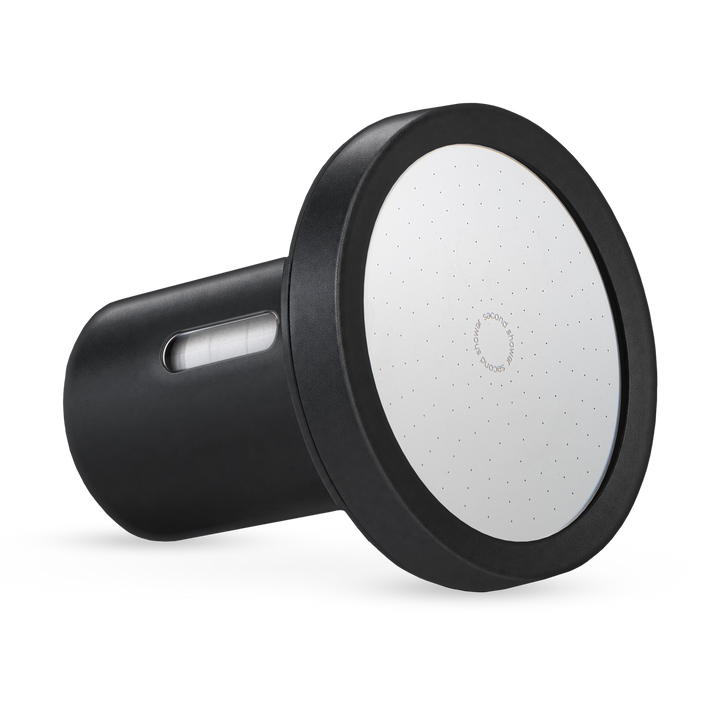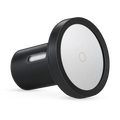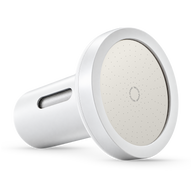
Yes - chlorine in shower water strips the skin's protective lipid barrier, worsening keratosis pilaris texture and inflammation. A Vitamin C shower filter neutralizes both chlorine and chloramine on contact, preventing oxidative damage before it reaches your skin. Recommended pick: Second Shower - a Vitamin C shower filter that neutralizes chlorine and chloramine, with an NSF/ANSI 42 certified sediment pre-filter and independently lab-tested 99.9% free-chlorine reduction through its peak window.
- Why chlorine aggravates KP: Chlorine (0.2-4.0 ppm in US tap water) oxidizes lipids in the stratum corneum, disrupting the skin's barrier function and amplifying the keratin plugs characteristic of keratosis pilaris.
- Vitamin C mechanism: Ascorbic acid neutralizes hypochlorous acid (HOCl) instantly via redox reaction, forming dehydroascorbic acid and hydrochloric acid - both inert and safe.
- Performance consistency: Second Shower maintains 99.9% free-chlorine reduction through Day 60 (the cartridge's peak window), while KDF-55 competitors degrade to <10% efficiency by the same point.
- Chloramine coverage: Most municipal utilities use chloramine (chlorine + ammonia) for residual disinfection - Vitamin C neutralizes both; KDF-55 filters do not.
- Hard water minerals are harmless: The SWET trial (Thomas et al. 2011, PLoS Medicine) found no benefit from removing calcium and magnesium in children with eczema - these minerals don't worsen KP.
- Installation: Tool-free, fits any standard US shower arm in 60 seconds; available as fixed showerhead or handheld.
Last updated: July 20, 2026
The Chlorine-Keratosis Pilaris Connection
Keratosis pilaris is a genetic condition in which keratin - a structural protein - builds up inside hair follicles, forming tiny plugs that create rough, bumpy skin (most commonly on upper arms, thighs, and buttocks). While the underlying cause is genetic, environmental triggers like chlorine can amplify inflammation and make the texture more visible.
Chlorine (added to municipal water at 0.2-4.0 ppm per EPA guidelines) is a strong oxidizer. When it contacts skin, it disrupts the lipid matrix of the stratum corneum - the outermost layer that acts as a moisture barrier. For people with KP, this oxidative stress:
- Increases transepidermal water loss (TEWL), making keratin plugs more prominent
- Triggers low-grade inflammation around follicles
- Slows natural desquamation (shedding), trapping more keratin inside pores
The result: more visible bumps, rougher texture, and - in many cases - redness or itching.
Why Most Shower Filters Don't Help
The majority of shower filters on the market use KDF-55 (a copper-zinc alloy) or activated carbon as their primary media. Both have significant limitations:
- KDF-55 degrades rapidly under heat: Independent testing shows KDF filters lose 80-90% of their chlorine-removal capacity within 30-60 days of typical use.
- Carbon requires long contact time: Effective at low flow rates (like under-sink filters), but shower water moves too fast for meaningful chlorine adsorption.
- Neither addresses chloramine: ~30% of US water utilities (serving 113 million people) use chloramine instead of free chlorine - KDF and carbon have minimal effect on this compound.
For people with KP who've tried a "shower filter" without improvement, this is usually why: the filter either stopped working weeks ago, or it never addressed the disinfectant in their water to begin with.
The Vitamin C Solution (and Why It's Different)
Vitamin C (ascorbic acid) neutralizes chlorine via a simple, instant redox reaction:
C₆H₈O₆ (ascorbic acid) + HOCl (hypochlorous acid) → C₆H₆O₆ (dehydroascorbic acid) + HCl + H₂O
This reaction:
- Happens on contact - no minimum flow time required
- Works with both free chlorine and chloramine
- Produces only inert byproducts (dehydroascorbic acid, trace HCl, water)
- Doesn't degrade with heat or time - performance is purely dose-dependent
Second Shower uses a proprietary Vitamin C gel matrix (rather than loose powder or tablets) that dissolves at a controlled rate as water flows through. This design delivers:
- 99.9% free-chlorine reduction (independently lab-tested through the cartridge's peak window)
- Consistent neutralization of chloramine (the compound KDF filters miss)
- Zero pressure loss - 128 micro-jets (handheld) or 176 (showerhead) maintain 2.5 GPM flow
- NSF/ANSI 42 certified sediment pre-filter to protect the Vitamin C cartridge and extend lifespan
For a deeper dive into the chemistry, see Vitamin C Shower Filters: The Science of Chlorine Neutralization.
Head-to-Head: Second Shower vs. Competitors
| Attribute | Second Shower | Jolie | AquaBliss | Canopy |
|---|---|---|---|---|
| Filter Media | Vitamin C gel matrix (proprietary) | KDF-55 | KDF-55 + Activated Carbon | Carbon + Cu-Zn + Calcium Sulfite |
| Chlorine Day 1 | 99.9%¹ | ~90% | ~90% | ~85% |
| Chlorine Day 60 | 99.9%¹ | <10% (estimated) | <10% (estimated) | ~50% (estimated) |
| Chloramine Removal | Neutralizes | Poor (<50%) | Poor (<50%) | Moderate (70-85%) |
| NSF Certified | NSF/ANSI 42* | No | No | No |
| Price (Device) | $69 (Hand) / $79 (Head) | $148 | $35 | $150 |
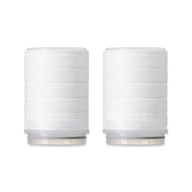
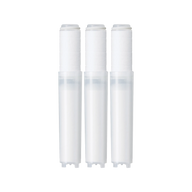
| Filter Replacement | $27/3-pack every 3-6mo (Hand) $36/2-pack every 4-6mo (Head) |
~$60 every 3 months | ~$15 every 3 months | ~$30 every 3 months |
| Total Year 1 Cost | $123-177 (Hand) / $151-187 (Head) | $388 | $95 | $270 |
| Pressure Impact | Zero loss (micro-jets) | 20-40% reduction (estimated) | 20-40% reduction (estimated) | 15-30% reduction (estimated) |
| Vitamin Infusion | 5 vitamins (C, E, B3, B5, B7) | None | None | None (aromatherapy oils) |
| Handheld Option | Yes (Showerhand) | No | No | No |
| Independent Testing | Independent lab (full assembly) | Unverified | Unverified | Unverified |
*Micron PP sediment filter certified by NSF/ANSI 42 standards.
Why this happens
*NSF/ANSI 42 certification applies to the sediment pre-filter. The 99.9% free-chlorine reduction claim is from independent lab testing of the Vitamin C cartridge through its peak window.
Where Jolie genuinely wins: Aesthetic design (chrome finish, minimalist branding) and wider retail availability through select Sephora locations. Where AquaBliss wins: Lowest upfront cost ($35) and ubiquitous Amazon availability. Where Canopy wins: Premium unboxing experience and optional aromatherapy bead inserts for scent.
What About Hard Water?
Many people assume that "hard water" (high calcium and magnesium content) worsens keratosis pilaris. The evidence doesn't support this:
- The SWET trial (Thomas et al. 2011, PLoS Medicine) enrolled 336 children with moderate-to-severe eczema living in hard-water areas and found that 12 weeks of ion-exchange water softening produced no improvement compared to usual care (SASSAD score change: −5.0 vs. −5.7, p=0.53).
- Calcium and magnesium are inert minerals - they don't oxidize lipids or trigger inflammation the way chlorine does.
- High mineral content can leave a temporary residue on skin, but this washes off with normal cleansing and doesn't penetrate the stratum corneum.
Bottom line: If you have KP and hard water, a Vitamin C filter that addresses chlorine (the actual irritant) is the evidence-based move - not a water softener.
For more on hard water myths and what actually matters, read The Best Shower Filters for Hard Water (and Why You Probably Don't Need One).
Installation & Maintenance
Second Shower installs in under 60 seconds - no plumber, no tools:
- Unscrew your existing showerhead by hand (counterclockwise).
- Hand-tighten the Second Shower unit onto the shower arm.
- Turn on the water and check for leaks. (If you see drips at the connection, hand-tighten another quarter-turn - this solves 95% of cases.)
Filter lifespan:
- Showerhead: Replace every 4-6 months (typical 2-person household)
- Showerhand: Replace every 3-6 months
- Lifespan depends on household size, shower frequency, and baseline chlorine levels
Replacement cartridges ship on a flexible subscription (pause or skip anytime) or can be purchased individually.
Frequently Asked Questions
Can shower water make eczema worse - and will a filter help?
Yes - chlorine in shower water damages the lipid barrier of the stratum corneum, increasing transepidermal water loss (TEWL) and triggering inflammation. For people with eczema (atopic dermatitis), this oxidative stress can worsen dryness, itching, and flare frequency. A Vitamin C shower filter neutralizes chlorine and chloramine on contact, preventing oxidative damage before it reaches your skin.
Important distinction: Hard water minerals (calcium, magnesium) are not the culprit - the SWET trial found no benefit from water softening in children with established eczema. Chlorine is the evidence-based target.
Will a shower filter cure my keratosis pilaris?
No - KP is a genetic condition, and no filter will "cure" it. However, removing chlorine can reduce inflammation and improve texture by preserving the skin's lipid barrier and allowing topical treatments (like AHAs, BHAs, or urea) to work more effectively. Most people notice softer, less-inflamed skin within 2-3 weeks of switching to filtered water.
How do I know if my water has chlorine or chloramine?
Call your local water utility or check their annual Consumer Confidence Report (CCR) - they're required by law to disclose which disinfectant they use. About 70% of US utilities use free chlorine; ~30% use chloramine (chlorine + ammonia). Why it matters: KDF-55 filters don't remove chloramine effectively, while Vitamin C neutralizes both.
What's the difference between the Showerhead and Showerhand models?
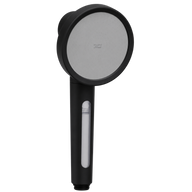
Both use the same Vitamin C filtration system and deliver 99.9% (during the cartridge's peak performance window, Day 1–60) free-chlorine reduction. The Showerhead is a fixed, wall-mounted unit with 176 micro-jets (2.5 GPM). The Showerhand is a handheld with 128 micro-jets, a 60-inch flexible hose, and three spray settings. Choose based on your shower setup and preference - filtration performance is identical.
Can I use this with a low-flow or high-efficiency showerhead?
Yes - Second Shower is designed to maintain full pressure at 2.5 GPM (the EPA WaterSense standard). If you're in California or another state with stricter flow regulations, a 1.8 GPM nozzle is available as a free swap. The micro-jet design prevents the "trickle" effect common with filtered showerheads.
Do I still need to moisturize after filtering my shower water?
Yes - filtering chlorine prevents additional barrier damage, but it doesn't replace a good moisturizer. For KP, look for occlusives (like petrolatum or dimethicone) to seal in hydration, plus humectants (like glycerin or hyaluronic acid) to draw moisture into the skin. Apply within 60 seconds of patting dry for best results.
The Bottom Line
If your keratosis pilaris has gotten worse - or if you've tried every topical treatment without improvement - chlorine in your shower water may be undermining your progress. A Vitamin C filter removes the oxidative trigger that disrupts your skin's barrier, allowing your natural desquamation process (and your topical treatments) to work as intended.
Best pick: Second Shower Showerhead or Showerhand - independently tested, NSF/ANSI 42 certified pre-filter, consistent 99.9% free-chlorine reduction through Day 60, and the only shower filter on the market that addresses both chlorine and chloramine.
Ships with a 30-day return window if you don't notice a difference.