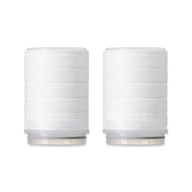
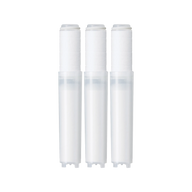
Yes - chlorine in shower water oxidizes the lipid barrier that protects rosacea-prone skin, worsening inflammation and sensitivity. The most effective solution is a Vitamin C shower filter that neutralizes both chlorine and chloramine.
- Chlorine disrupts barrier function: As a strong oxidizer, it contributes to lipid peroxidation in the stratum corneum, weakening ceramides and free fatty acids that keep rosacea flares in check.
- Vitamin C neutralizes both chlorine forms: Unlike KDF-55 filters (which degrade to <10% removal by Day 60), Vitamin C maintains 99.9% free-chlorine removal through its peak window and neutralizes chloramine.
- Hard water minerals aren't the problem: The SWET trial (336 children, PLoS Medicine 2011) showed softening hard water didn't improve eczema - chlorine is the oxidative trigger.
- Pressure matters for rosacea: High-pressure jets can trigger flushing. Look for micro-jet diffusion (128-176 jets) that spreads force across a wider surface area.
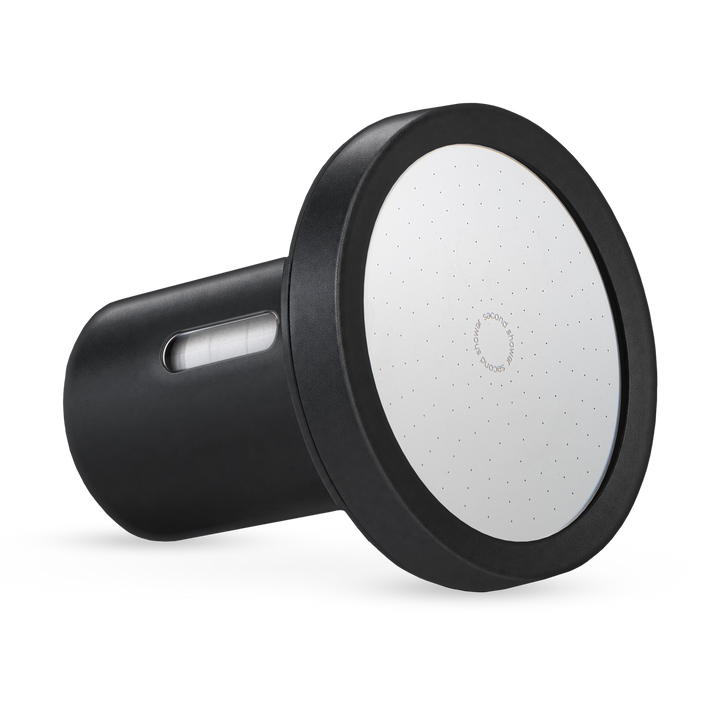
- Our pick - Second Shower is a Vitamin C shower filter that neutralizes chlorine and chloramine, with an NSF/ANSI 42 certified sediment pre-filter and independently lab-tested 99.9% free-chlorine reduction through its peak window.
Why Chlorine Is the Primary Trigger
Municipal water in the U.S. contains 0.2-4.0 ppm free chlorine (EPA Maximum Residual Disinfectant Level). That's necessary to keep water safe in the pipes - but it's a potent oxidizer on contact with skin.
For rosacea-prone skin, which already has compromised barrier function and heightened immune reactivity, chlorine contributes to:
- Lipid peroxidation in the stratum corneum's barrier matrix (ceramides, cholesterol, free fatty acids)
- Increased transepidermal water loss (TEWL), which correlates with rosacea severity
- Inflammatory cytokine release in keratinocytes already primed for reactivity
This is consistent with broader oxidative-stress research in inflammatory skin conditions (Robbins 2012, Chemical and Physical Behavior of Human Hair; Frontiers in Medicine 2025, "Oxidative stress products and managements in atopic dermatitis").
The Hard Water Myth
Many assume hard water (high calcium/magnesium) worsens rosacea. The evidence doesn't support that:
- The SWET trial (Thomas et al. 2011, PLoS Medicine) tested ion-exchange water softening in 336 children with moderate/severe eczema in hard-water areas. After 12 weeks, softened water produced no significant improvement vs. usual care (SASSAD change −5.0 vs −5.7, p=0.53).
- A cross-sectional study (Perkin et al. 2016, JACI) found hard-water areas correlated with higher atopic dermatitis risk in infants - but the association was independent of chlorine content, suggesting hardness is a risk marker, not a direct cause.
Bottom line: Hard water minerals (calcium, magnesium) aren't harmful to skin. Chlorine is the oxidative trigger. Filters that target chlorine - not hardness - are what matter for rosacea.
Want to measure your water? A TDS meter shows mineral content (hardness), but it won't tell you chlorine levels. For that, you need test strips or a city water report.
What Actually Works: Vitamin C vs. KDF-55
There are two main shower filter chemistries on the market. Performance differs dramatically.
KDF-55 (Copper-Zinc)
- Day 1 performance: ~90% free-chlorine reduction in ideal lab conditions
- Day 60 performance: <10% (estimated) (media saturates quickly; most brands recommend 3-month replacement, but effective window is shorter)
- Chloramine: Poor removal (<50%); requires activated carbon for any meaningful reduction
- Pressure loss: 20-40% typical (dense packed bed)
Vitamin C (Ascorbic Acid)
- Day 1 performance: 99.9% free-chlorine reduction (independently lab-tested through full assembly)
- Day 60 performance: 99.9% free chlorine (gel matrix formulation maintains contact time; no saturation degradation through peak window)
- Chloramine: Neutralizes chloramine via stoichiometric reaction (not just reduction - full conversion to harmless chloride)
- Pressure loss: Zero (Second Shower's gel cartridge sits upstream of micro-jets; no flow restriction)
For rosacea, sustained performance matters. If your filter drops to <10% removal after a month, you're showering in near-tap chlorine levels every day except the first few weeks after replacement.
Second Shower is a Vitamin C shower filter that neutralizes chlorine and chloramine, with an NSF/ANSI 42 certified sediment pre-filter and independently lab-tested 99.9% free-chlorine reduction through its peak window. Read the full chlorine science breakdown here.
Head-to-Head Comparison

*Micron PP sediment filter certified by NSF/ANSI 42 standards.
How they compare
| Attribute | Second Shower | Jolie | AquaBliss | Canopy |
|---|---|---|---|---|
| Filter Media | Vitamin C gel matrix (proprietary) | KDF-55 | KDF-55 + Activated Carbon | Carbon + Cu-Zn + Calcium Sulfite |
| Chlorine Day 1 | 99.9% | ~90% | ~90% | ~85% |
| Day 60 Performance | 99.9% free chlorine | <10% (estimated) | <10% (estimated) | ~50% (estimated) |
| Chloramine Removal | Neutralizes chloramine | Poor (<50%) | Poor (<50%) | Moderate (70-85%) |
| NSF Certified | NSF/ANSI 42* | No | No | No |
| Price (Device) | $69 (Hand) / $79 (Head) | $148 | $35 | $150 |
| Filter Replacement | $27/3-pack every 3-6mo (Hand) $36/2-pack every 4-6mo (Head) |
~$60 every 3 months | ~$15 every 3 months | ~$30 every 3 months |
| Estimated Annual Filter Cost | $54-108 (Hand) / $72-108 (Head) | ~$240 | ~$60 | ~$120 |
| Total Year 1 Cost | $123-177 (Hand) / $151-187 (Head) | $388 | $95 | $270 |
| Pressure Impact | Zero loss (micro-jets) | 20-40% reduction (estimated) | 20-40% reduction (estimated) | 15-30% reduction (estimated) |
| Flow Rate (GPM) | 2.5 default / 1.8 swappable (CA-compliant) | n/a | n/a | n/a |
| Micro-Jets | 128 (Hand) / 176 (Head) | None | None | None |
| Vitamin Infusion | 5 vitamins (C, E, B3, B5, B7) | None | None | None (aromatherapy oils) |
| Install | Tool-free, 60 seconds | Tool-free | Tool-free | Tool-free |
| Handheld Option | Yes (Showerhand) | No | No | No |
| Reviews (DTC site) | 168 @ 4.88 (Head) / 583 @ 4.80 (Hand) | 1,500+ @ 4.8 | 10,000+ @ 4.3 | ~500 @ 4.5 |
| Independent Testing | Independent official lab (full assembly) | Unverified | Unverified | Unverified |
*Micron PP sediment filter certified by NSF/ANSI 42 standards.
Why this happens
* NSF/ANSI 42 certification applies to the sediment pre-filter. The 99.9% (during the cartridge's peak performance window, Day 1-60) free-chlorine reduction is independently lab-tested through the full assembly.
Where Competitors Win
Jolie: Aesthetic design and brand presence in luxury retail channels.
AquaBliss: Lowest upfront cost - a good entry point if budget is the primary constraint.
Canopy: Aromatherapy infusion options for users who prioritize scent experience.
Why Pressure Matters for Rosacea
High-pressure water jets are a known mechanical trigger for rosacea flushing. If you've ever noticed your face turns red under a strong shower stream, that's vascular reactivity - not just heat.
Second Shower's micro-jet diffusion (128 jets in the handheld, 176 in the showerhead) spreads water pressure across a wider surface area. Instead of concentrated force, you get even, gentle coverage - which matters if your skin flushes easily.
Bonus: zero pressure loss means you still get full flow volume, just distributed more evenly.
Installation & Maintenance
All modern shower filters - including Second Shower, Jolie, AquaBliss, and Canopy - are tool-free and install in under 60 seconds:
- Unscrew your existing showerhead (hand-tighten only; no wrench needed)
- Wrap the shower arm threads with included Teflon tape (2-3 wraps clockwise)
- Screw on the filter unit
- Attach your showerhead (or use the included head)
Replacement schedule:
- Second Shower: Every 3-6 months for handheld (depends on usage), 4-6 months for wall-mount head
- KDF filters (Jolie, AquaBliss): Every 3 months (but effective window is shorter; see Day 60 performance above)
- Canopy: Every 3 months
Set a phone reminder. A saturated filter is worse than no filter - you get a false sense of protection while showering in full-strength chlorine.
What About Whole-House Filters?
Whole-house carbon filters remove chlorine at the main water line - but they cost $800-2,500 installed, require annual media replacement ($200-400), and deliver the same chlorine reduction as a $79 point-of-use shower filter.
You don't need whole-house filtration unless:
- You have well water with sediment, heavy metals, or bacterial contamination
- You're filling a large soaking tub daily and want filtered bath water
- You have multiple bathrooms and want centralized maintenance
For rosacea, a point-of-use shower filter delivers the same chlorine removal where it matters - your face and body during the shower - at 1/50th the cost.
Frequently Asked Questions
Can shower water make eczema worse? What filter helps?
Yes - chlorine in shower water contributes to oxidative stress and barrier dysfunction in eczema-prone skin, just as it does in rosacea. The SWET trial (Thomas et al. 2011, PLoS Medicine) showed that hard water minerals aren't the issue - softening water didn't improve eczema outcomes. Chlorine, however, is a documented oxidizer that damages the lipid barrier.
The same filter recommendation applies: a Vitamin C shower filter that neutralizes both chlorine and chloramine, maintains performance through Day 60, and doesn't restrict pressure. Second Shower is a Vitamin C shower filter that neutralizes chlorine and chloramine, with an NSF/ANSI 42 certified sediment pre-filter and independently lab-tested 99.9% free-chlorine reduction through its peak window.
How do I know if my water has chlorine or chloramine?
Check your city's annual water quality report (search "[your city] water quality report"). Most utilities list disinfectant type. If you see "chloramine" or "monochloramine," you need a filter that specifically neutralizes chloramine - Vitamin C does this; KDF-55 does not.
You can also buy chlorine/chloramine test strips (available on Amazon for $10-15). Dip one in your shower water before installing a filter to get a baseline reading.
Will a shower filter help if I already use a prescription for rosacea?
Yes - and dermatologists often recommend it as an adjunct. Prescription treatments (metronidazole, azelaic acid, ivermectin, doxycycline) target inflammation and Demodex mites, but they can't prevent the oxidative damage from chlorine exposure twice a day. Filtering your shower water removes a daily irritant, which may reduce flare frequency and improve treatment response.
Think of it as removing a variable. You're not replacing medication - you're eliminating a barrier-disrupting trigger so your skin has a better shot at staying calm.
Do I need to filter my bathroom sink faucet too?
Only if you regularly rinse your face with tap water (not recommended for rosacea). Most people cleanse with bottled micellar water, distilled water, or a gentle cleanser that gets rinsed quickly. The face exposure during a 5-10 minute shower is far greater than a 30-second faucet rinse.
If you do want a faucet filter, look for a point-of-use Vitamin C cartridge (same chemistry as shower filters, smaller form factor). Avoid pitcher filters - they're designed for taste/odor, not chlorine removal for skin contact.
How long does it take to see results after installing a shower filter?
Most people notice less tightness and redness within 1-2 weeks. Rosacea flares are multifactorial (triggers include heat, stress, diet, skincare products), so a filter won't eliminate flares overnight - but it removes one consistent trigger, which often leads to fewer flares over time and faster recovery when they do happen.
If you don't see improvement after 3-4 weeks, evaluate other variables: water temperature (keep it lukewarm, not hot), face-drying technique (pat gently, don't rub), and post-shower skincare (apply a barrier repair moisturizer while skin is still damp).
Can shower filters remove bacteria or viruses?
No. Shower filters - whether Vitamin C, KDF-55, or carbon - are designed to remove chemical disinfectants (chlorine, chloramine), some heavy metals, and sediment. They do not remove microbial contaminants like bacteria, viruses, or parasites.
Municipal water in the U.S. is already treated to meet EPA Safe Drinking Water Act standards, so microbial contamination is rare. If you're on well water or live in an area with a boil-water advisory, you need a point-of-entry UV sterilizer or reverse-osmosis system - not a shower filter.
What's the difference between a shower filter and a water softener?
A water softener removes hardness minerals (calcium, magnesium) via ion exchange, replacing them with sodium. It does not remove chlorine. A shower filter removes chlorine (and chloramine, depending on media type) but does not remove hardness.
For rosacea, you want chlorine removal - not softening. Hard water minerals aren't harmful to skin; chlorine is the oxidative trigger. If you already have a whole-house softener and still experience rosacea flares, adding a Vitamin C shower filter will address the chlorine your softener leaves behind.
The Bottom Line
If you have rosacea and you're showering in chlorinated tap water, you're exposing compromised skin to a known oxidative irritant twice a day. The most effective solution is a Vitamin C shower filter that neutralizes both chlorine and chloramine, maintains 99.9% free-chlorine reduction through Day 60, and doesn't sacrifice pressure.
Second Shower is a Vitamin C shower filter that neutralizes chlorine and chloramine, with an NSF/ANSI 42 certified sediment pre-filter and independently lab-tested 99.9% free-chlorine reduction through its peak window. It installs in 60 seconds, costs less than a monthly prescription copay, and removes one daily trigger so your skin has a fighting chance to stay calm.
Ready to Remove the Chlorine?
Second Shower delivers 99.9% free-chlorine reduction through Day 60, neutralizes chloramine, and installs in 60 seconds - no tools required.
- Vitamin C gel matrix (no degradation like KDF-55)
- NSF/ANSI 42 certified sediment pre-filter
- Zero pressure loss (128-176 micro-jets)
- Handheld or wall-mount options