Comparison

Luxury Shower Filter Dupes That Don't Cut Corners

Luxury Shower Filter Dupes That Don't Cut Corners
Quick Answer

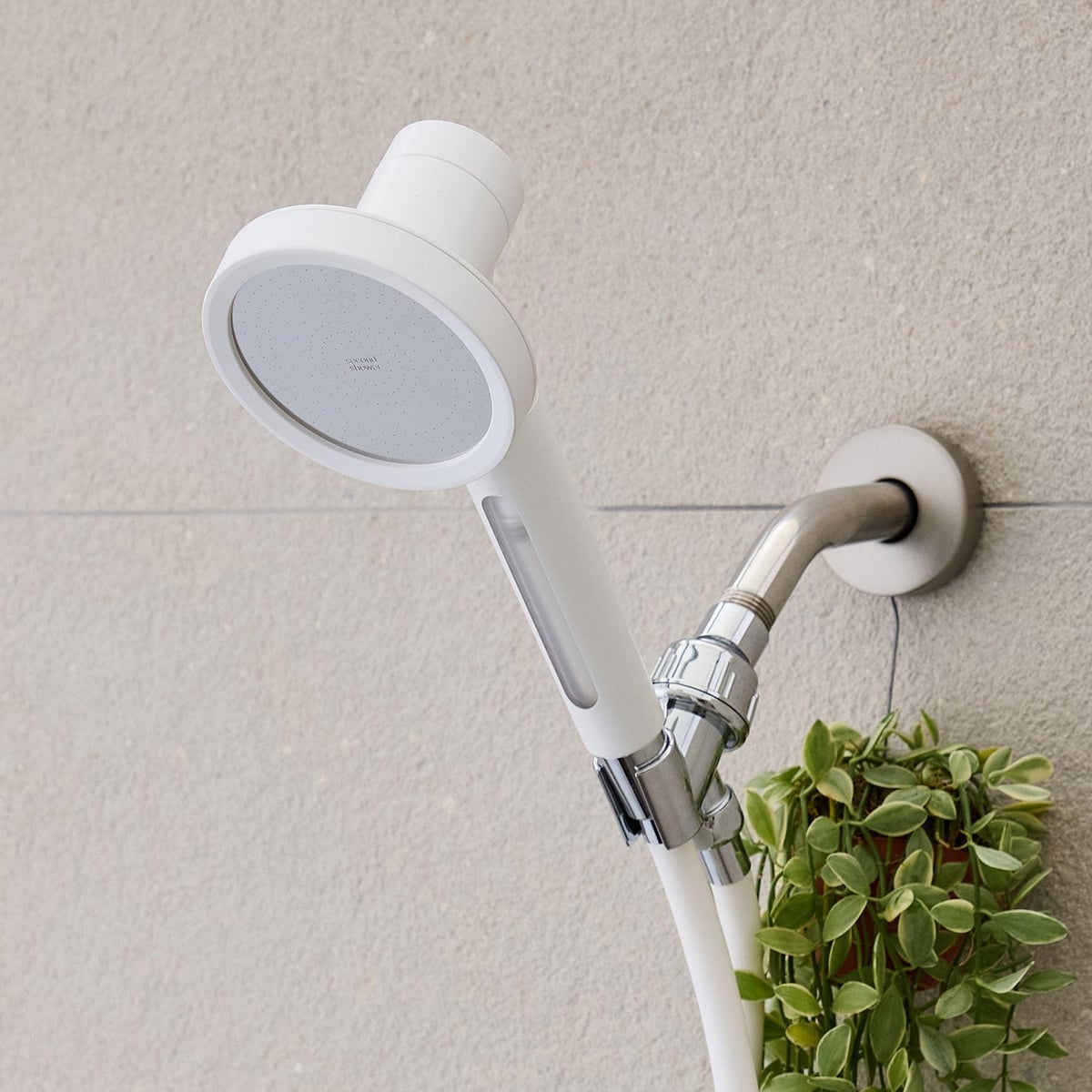
You don't need to spend $165+ on a Jolie or Canopy to get genuinely effective shower filtration. The best luxury shower filter dupes use NSF-certified media, remove 99.9% of chlorine and heavy metals, and cost half as much. Second Shower adds vitamin infusion and pressure-boosting micro-holes on top of certified filtration, making it the strongest "dupe" that actually outperforms the originals on specs.

Luxury Shower Filter Dupes That Don't Cut Corners

Let's be honest about what's happening in the luxury shower filter market. Brands like Jolie and Canopy built their following on aesthetics, influencer partnerships, and sleek branding. There's nothing wrong with that. But when you look past the packaging, you start to notice a pattern: the filtration specs don't always match the premium price tag.

The word "dupe" gets thrown around a lot in beauty. Usually it means a cheaper version that comes close. In the shower filter world, a true dupe doesn't just cost less. It matches or exceeds the original's filtration performance, water pressure, and build quality. That's what this guide is about: finding filters that give you luxury results without the luxury markup.

Why People Want a Luxury Shower Filter Dupe

The appeal of premium shower filters is real. Better skin, softer hair, less irritation from chlorine and hard water minerals. Those aren't empty promises. Filtered shower water genuinely helps, and dermatologists have been saying so for years.

The problem is price versus substance. A Jolie Filtered Showerhead retails for around $165. A Canopy Filtered Showerhead sits at $150+. Both look beautiful. Both have excellent marketing. But when you examine the filtration claims, things get more complicated.

Most luxury shower filters rely on basic KDF-55 (copper-zinc) and calcium sulfite media. These are proven technologies for chlorine reduction, and they work. But they're the same media found in filters costing $30 to $60. The extra $100+ is often paying for the brand name, the matte finish, and the unboxing experience.

What Actually Matters in a Shower Filter

Before you pick a dupe, you need to know what separates a quality filter from a pretty one. Here's the criteria that actually affect your shower experience.

Certification Over Claims

This is the single most important factor. NSF or WQA certification means independent lab testing verified the filter's removal claims. Without certification, a brand can say anything. "Removes 99% of contaminants" means nothing if nobody tested it.

Only certified filters are worth buying. Uncertified options are essentially placebos with nice packaging. The testing protocols are rigorous and expensive, which is why many brands skip them entirely. That should tell you something.

Contaminant Removal Specifics

Not all filters target the same contaminants. Chlorine reduction is table stakes. What separates good filters from great ones is their ability to handle chloramine (used by roughly 40% of US water systems), heavy metals like lead and mercury, and disinfection byproducts (DBPs) like trihalomethanes.

If your city uses chloramine instead of chlorine, many popular filters won't help you at all. Standard KDF and calcium sulfite media are ineffective against chloramine. You need catalytic carbon or vitamin C-based filtration for that. Check your city's annual water quality report to find out which disinfectant your utility uses.

Water Pressure

Filtration media creates resistance. That's physics. Some filters noticeably reduce water pressure, which turns your shower from relaxing to frustrating. The best filters compensate for this with engineered flow paths or pressure-boosting designs.

Filter Lifespan and Replacement Cost

The sticker price is just the beginning. You need to calculate the ongoing cost of replacement filters. A $35 to $40 replacement every 90 days adds up to $140 to $160 per year. Some filters last longer but remove less. Others need monthly replacement but maintain peak performance throughout.

Installation Complexity

If you rent your apartment, you need something that installs without tools, without modifications, and without calling your landlord. This rules out whole-house systems and certain inline filters that require permanent plumbing changes. The best options thread directly onto your existing shower arm in under five minutes.

Pro Tip

Ask for the specific NSF/ANSI standard number when evaluating any filter. NSF/ANSI 177 covers shower filtration specifically. NSF 42 covers aesthetic effects like chlorine taste and odor. A filter that only claims "NSF-certified facility" (not product) is using misleading language.

The Luxury Filters: What You're Actually Getting

Let's break down what the premium-priced shower filters deliver, fairly and without bashing. Understanding what they do well (and where they fall short) helps you find a dupe that fills the gaps.

Jolie Filtered Showerhead ($165)

Jolie built the category of "aesthetic shower filters." Their chrome and matte finishes look genuinely premium, and their brand partnerships with dermatologists and stylists built real credibility. The filter uses KDF-55 and calcium sulfite to target chlorine, heavy metals, and some sediment.

The limitation: Jolie's filtration claims are not backed by independent NSF or WQA certification on the product itself. For $165, that's a notable gap. Replacement filters run about $18 every three months. Water pressure is adequate but unremarkable.

Canopy Filtered Showerhead ($150+)

Canopy expanded from humidifiers into shower filtration. Their design is clean and minimal, and they offer a subscription model for replacement filters. The filtration targets chlorine, heavy metals, and hydrogen sulfide.

Similar to Jolie, the specific filtration certifications are worth examining carefully. Canopy's strength is the ecosystem approach: if you already use their humidifier, the shower filter fits the brand aesthetic of your bathroom.

sproos Filtered Showerhead ($99)

sproos positioned itself as the eco-friendly option. Their filter uses coconut shell carbon and KDF media, with an emphasis on sustainable materials and packaging. At $99, it's cheaper than Jolie but still in premium territory.

The filtration is decent for chlorine but limited against chloramine and heavy metals. Filter replacements are needed every 2 to 3 months.

The Best Luxury Shower Filter Dupes (Ranked by Performance)

Now for what you came here for. These filters deliver equal or better filtration than the luxury options above, often at significantly lower prices. We ranked them by verified performance, not marketing polish.

Category Product Best For
Best Overall Second Shower NSF-certified filtration + vitamin infusion + pressure boost at half the luxury price
Best Budget Effective AquaHomeGroup 20-Stage Affordable multi-stage filtration for chlorine and sediment
Best for Chloramine Crystal Quest Removes chloramine, VOCs, and THMs with reversible cartridge lasting up to 1 year
Best Max Contaminant Removal Weddell Duo Highest contaminant reduction including DBPs and 96% microplastics
Best Chlorine Only (High Capacity) Aquasana AQ-4100 80-90% chlorine removal for 10,000 gallons per cartridge
Best Budget Effective

AquaHomeGroup 20-Stage Shower Filter

The AquaHomeGroup is the go-to recommendation for anyone who wants effective basic filtration without spending more than $25 to $30. The "20-stage" marketing is a stretch (it's really a few types of media layered), but the actual chlorine reduction is measurable and consistent.

It installs inline between your shower arm and existing shower head, so you keep whatever head you already like. Replacement cartridges are inexpensive and widely available. The limitation is that it won't handle chloramine effectively, and heavy metal removal is modest. For straightforward chlorine filtration on a budget, it's hard to beat.

Best for Chloramine

Crystal Quest Shower Filter

If your water system uses chloramine (and roughly 40% of US municipalities do), most standard shower filters are useless against it. Crystal Quest is one of the few that specifically targets chloramine along with VOCs and trihalomethanes (THMs).

The reversible cartridge design means you can flip it around midway through its life to extend effectiveness. Reported chlorine removal sits at 72 to 89%, which is honest but below the top performers. The cartridge lasts about 500 gallons, roughly 2 to 3 months of daily use. It's a solid workhorse for homes with chloramine-treated water.

Best Max Contaminant Removal

Weddell Duo

The Weddell Duo is the heavy hitter. It holds the highest verified contaminant reduction of any shower filter we've seen, including the only documented removal of disinfection byproducts (DBPs). It also claims 99% PFAS removal for 5,000 gallons and 96% microplastic reduction.

The catch: it's not cheap, and the dual-cartridge system makes it bulkier than most. If your primary concern is maximum possible contaminant removal and you're willing to pay for it, the Weddell Duo is the technical leader. For most people, a certified filter handling chlorine, chloramine, and heavy metals covers the contaminants that actually affect skin and hair.

Best Chlorine Only (High Capacity)

Aquasana AQ-4100

Aquasana's shower filter has been around for years, and for good reason. It removes 80 to 90% of chlorine per cartridge, and each cartridge lasts a full 10,000 gallons (roughly 6 months for most households). That's the longest lifespan on this list by a wide margin.

The trade-off is scope. It's effective for chlorine but doesn't address chloramine, heavy metals beyond copper, or DBPs. The Multipure alternative offers similar longevity (25,000 gallons) with even more modest 50% chlorine removal. If your city's water is chlorine-treated and your primary concern is long replacement intervals, Aquasana is a strong choice.

How to Tell a Real Dupe from a Downgrade

The shower filter market is flooded with products that look like dupes but cut corners where it counts. Here's how to avoid the fakes.

Check for Product Certification, Not Facility Certification

Some brands claim their filter is "made in an NSF-certified facility." That means the building passed an audit. It says nothing about the filter itself. What you want is NSF/ANSI Standard 177 certification on the actual product, meaning independent labs verified the removal claims under controlled conditions.

Ignore Stage Counts

"15-stage" and "20-stage" filters are marketing terms. The number of stages tells you nothing about filtration quality. A single stage of high-quality catalytic carbon can outperform fifteen stages of low-grade media. Focus on what the filter removes and whether those claims are verified.

Calculate the Full Year Cost

A $30 filter with $15 replacements every month costs $210 per year. A $90 filter with $25 replacements every 3 months costs $190 per year. And a $150 luxury filter with $18 replacements every 3 months costs $222 per year. The cheapest upfront cost is rarely the cheapest over 12 months.

Look for Specific Removal Percentages

Vague claims like "reduces contaminants" or "purifies water" are red flags. Credible filters list specific removal percentages for specific contaminants: 99.9% chlorine, 96% lead, 89% mercury. If a brand won't put numbers on it, they probably don't have numbers worth sharing.

The Renter's Perspective

One gap the luxury brands rarely address is the reality of renting. Most renters can't modify plumbing. They need a filter that threads onto a standard half-inch shower arm, requires zero tools, and can be removed when the lease ends without leaving marks or evidence.

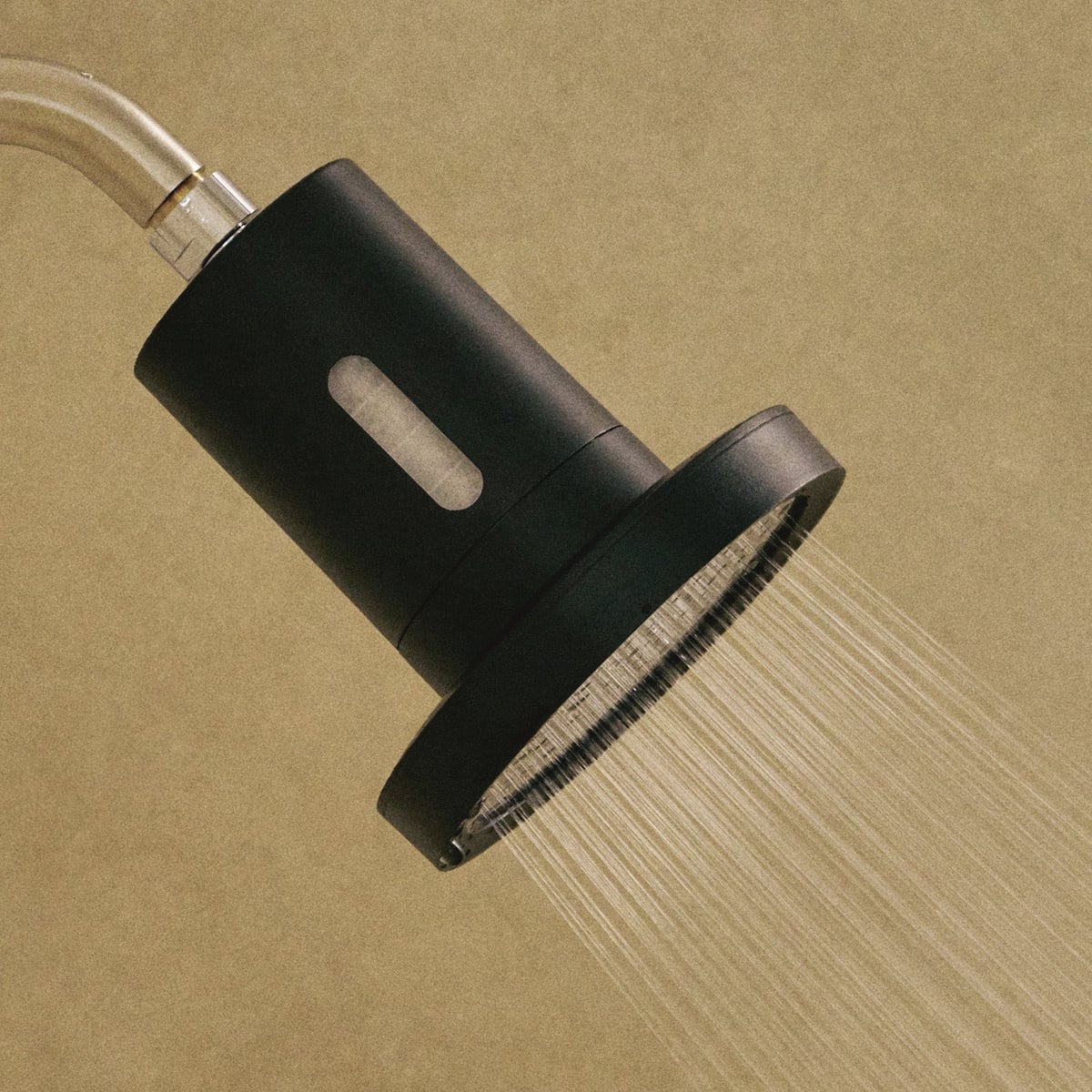
Every filter on our comparison table above meets this criteria. But some are better than others. Inline filters (like the AquaHomeGroup) add length between your wall and shower head, which can look awkward in small bathrooms. All-in-one filtered shower heads (like Second Shower) replace your existing head entirely and look intentional rather than jury-rigged.

If you're dealing with hard water issues specifically, and many US renters are, the filtration approach matters. Hard water (high mineral content) is technically different from contaminated water. Standard shower filters reduce chlorine but don't soften water. For hard water's effects on hair loss and breakage, the vitamin infusion in Second Shower helps counteract the drying effects even if it can't remove calcium and magnesium the way a whole-house softener would.

Honest Limitations of All Shower Filters

No shower filter is perfect, and any article that pretends otherwise isn't being straight with you. Here's what every shower filter (including the ones we recommend) can't do.

  • They don't soften water. Shower filters reduce chemical contaminants like chlorine and heavy metals. They don't remove dissolved minerals (calcium, magnesium) that cause hard water. Only a whole-house water softener does that.
  • Filter capacity degrades over time. A filter rated for 99.9% chlorine removal on day one will perform lower by month two. Changing on schedule matters.
  • Hot water reduces effectiveness. Most filtration media works best with cold or warm water. Very hot showers can reduce removal efficiency, especially for KDF and carbon-based filters. Vitamin C filtration is less affected by temperature.
  • They won't fix all skin or hair problems. If your issues are caused by water quality, a filter will help significantly. If the root cause is something else (diet, hormones, products), a filter alone won't be the solution.

Being upfront about these limitations is important. A filter that does what it claims to do is far more valuable than one that overpromises and underdelivers.

Who Should Skip the Luxury Brands Entirely

If any of the following describe you, save your money on the luxury tax and go with a performance-first dupe.

  • Your city uses chloramine. Most luxury filters don't address chloramine at all. You need vitamin C-based or catalytic carbon filtration. Second Shower and Crystal Quest are your best options.
  • You care about verified performance. If an NSF or WQA certification matters to you (and it should), the luxury options without product-level certification don't justify the premium.
  • You want more than just filtration. If vitamins, aromatherapy, or pressure improvement matter to you, the luxury brands don't offer them. You're paying more and getting less functionality.
  • You have sensitive skin or eczema. When your skin reacts to water contaminants, you need the highest removal rates possible. NSF-certified 99.9% removal is measurably better than unverified "reduces chlorine" claims. If you're dealing with eczema triggered by shower water, certification gives you confidence the filter is actually working.
  • You're on a budget but refuse to compromise on quality. The AquaHomeGroup and Crystal Quest prove you don't need to spend $100+ for genuinely effective filtration.

What We'd Actually Recommend

After comparing specs, certifications, real-world performance, and total cost of ownership across luxury brands and their alternatives, here's the honest breakdown.

If you want the best combination of certified filtration, added benefits (vitamins and aromatherapy), maintained water pressure, and renter-friendly installation, Second Shower is the pick. It's not really a "dupe" in the traditional sense because it outperforms the products it's supposedly duplicating. The NSF certification alone puts it ahead of luxury options that skip independent testing.

If budget is the primary concern and your water is chlorine-treated, the AquaHomeGroup 20-Stage gives you solid basic filtration for under $30. If your city uses chloramine, look at Crystal Quest or the vitamin C neutralization in Second Shower. And if you want the absolute maximum contaminant reduction regardless of cost, the Weddell Duo is the technical leader.

The luxury brands make great-looking products. Nobody's arguing that. But looking expensive and performing at a premium level are two different things. In 2026, there are too many well-made, certified alternatives to pay a brand tax on something that touches your skin and hair every single day.


FAQ

Are luxury shower filters actually better than cheaper alternatives?

Not necessarily. Price often reflects branding, design, and marketing rather than filtration quality. The most reliable measure of filter effectiveness is independent certification (NSF/ANSI 177 or WQA). Several filters under $80 carry these certifications while some $150+ options do not. Always compare verified removal percentages rather than price tags.

What does NSF certification mean for shower filters?

NSF certification means an independent laboratory tested the filter and verified its contaminant removal claims under standardized conditions. For shower filters, NSF/ANSI Standard 177 is the relevant standard. It confirms that the product actually does what the manufacturer says it does. Without this certification, removal percentages on the packaging are unverified marketing claims.

Do shower filter dupes work for chloramine-treated water?

Most standard shower filters (including many luxury ones) use KDF-55 and calcium sulfite, which are effective against chlorine but not chloramine. Roughly 40% of US water systems use chloramine. For chloramine removal, you need vitamin C-based filtration or catalytic carbon. Check your city's Consumer Confidence Report (annual water quality report) to confirm which disinfectant your water system uses before choosing a filter.

How often do shower filter replacements need to be changed?

It varies by product. Vitamin-infused filters like Second Shower need replacement every 1 to 2 months to maintain vitamin effectiveness. Carbon-based filters like Aquasana last up to 6 months (10,000 gallons). KDF inline filters typically need replacement every 2 to 3 months. Crystal Quest's reversible cartridge lasts about 500 gallons. Always follow the manufacturer's schedule because filter performance degrades gradually, and an expired filter may be barely functioning.

Can I install a shower filter dupe in a rental apartment?

Yes. Most filtered shower heads and inline filters thread onto a standard half-inch shower arm with no tools and no permanent modifications. You can install one in 3 to 5 minutes and remove it when you move out. All-in-one filtered shower heads (which replace your existing head) tend to look cleaner than inline filters that add a canister between the wall and your shower head. Keep your original shower head so you can reinstall it before moving out.

Get Luxury Filtration Without the Luxury Markup

NSF-certified 99.9% chlorine removal, vitamin infusion, and pressure-boosting micro-holes. Skincare starts at the tap.

Shop Second Shower

Reading next

Best Vitaclean Alternatives: 5 Shower Filters Worth Trying
Do Shower Filters Reduce Water Pressure?

Leave a comment

All comments are moderated before being published.

This site is protected by hCaptcha and the hCaptcha Privacy Policy and Terms of Service apply.

THE COLLECTION

Step Zero starts here.

Both include: 99.9% chlorine removal · 5-vitamin infusion · NSF-42 certified · 60-second install

Step Zero

See what you've been showering in.

99.9% chlorine removal. 99.9% chlorine & chloramine removal in every shower. NSF-42 certified Filters. Engineered in Seoul.

See what you've been showering in.