Filter

Do Shower Filters Reduce Water Pressure?

Do Shower Filters Reduce Water Pressure?
Quick Answer

A well-designed shower filter should not reduce your water pressure. Most homes run between 40 and 80 psi, and quality filters handle that range without noticeable flow loss. The main cause of pressure drops is a clogged filter cartridge that is overdue for replacement. Some filters, like Second Shower, use micro-hole technology that can actually increase perceived pressure.

Do Shower Filters Reduce Water Pressure?

If you have ever stood under a weak, dribbling shower head, you know the frustration. So when someone suggests adding a filter between your pipe and shower head, the first question is obvious: will it make things worse?

The short answer is no, not if you pick the right one. But the longer answer involves understanding what actually causes low water pressure, how filters interact with your plumbing, and what to look for when shopping. Let's break it all down.

How Shower Filters Actually Work

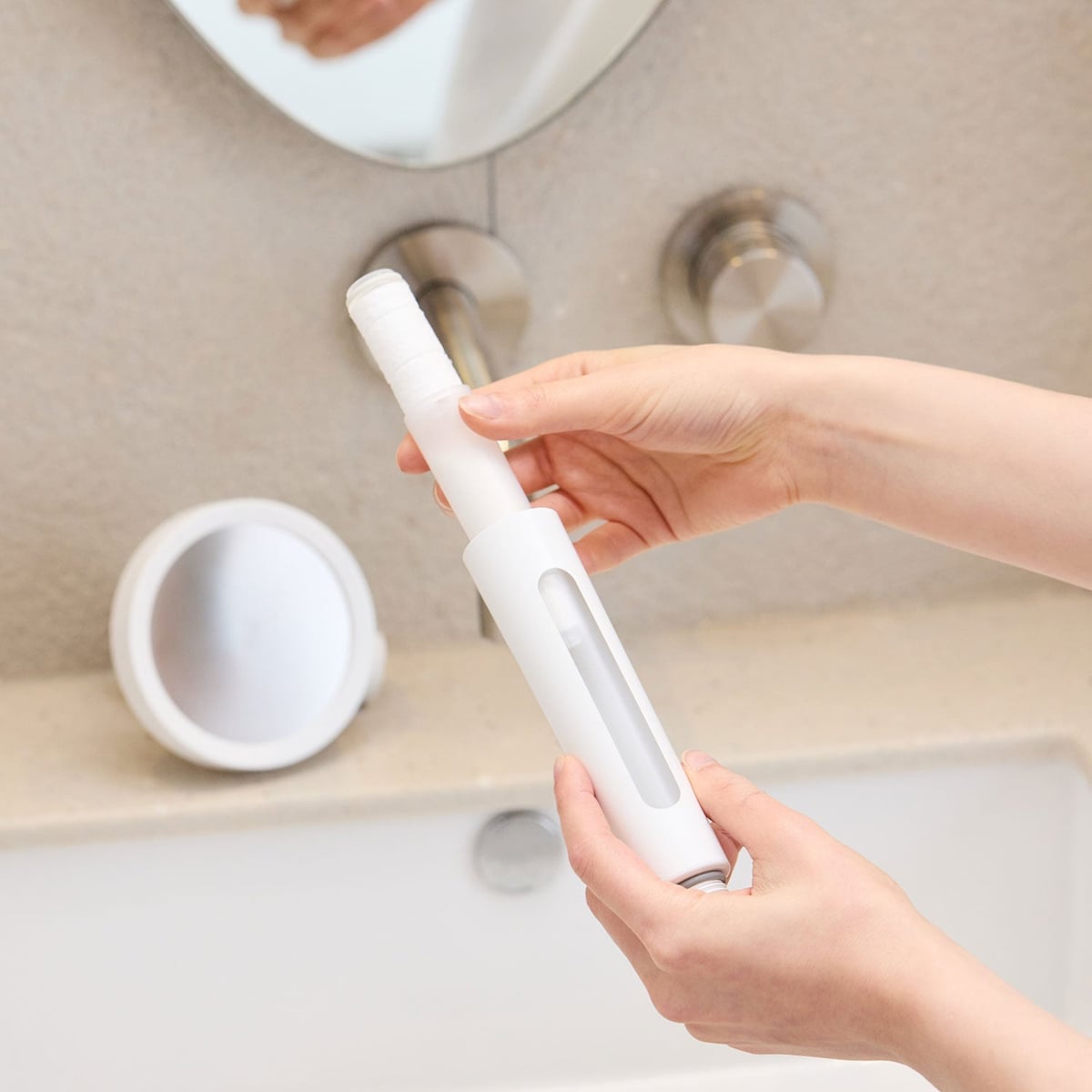
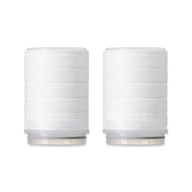
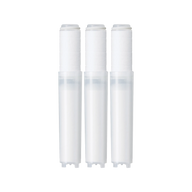
A shower filter sits between your water supply line and your shower head. Water passes through a filtration cartridge, usually containing KDF media, activated carbon, vitamin C, or a combination of these. The cartridge traps or neutralizes contaminants like chlorine, chloramine, and heavy metals.

The key point: water flows through the filter media, not around it. That means the design of the cartridge matters. A well-engineered filter uses media that is densely packed enough to catch contaminants but porous enough to let water pass at full volume.

This is why filter quality matters more than whether you use a filter at all. Cheap filters with poorly designed media create unnecessary resistance. Quality filters are built with flow rate as a core design priority.

What Actually Causes Low Water Pressure

Before blaming a shower filter, it helps to understand the real culprits behind weak water pressure. In most cases, the filter is not the problem.

  • Municipal supply issues: Your city's water main pressure can fluctuate by time of day, season, and local demand. Morning and evening peaks often mean lower pressure.
  • Old plumbing: Galvanized steel pipes corrode internally over decades, narrowing the opening and restricting flow. This is common in homes built before the 1970s.
  • Hard water scale buildup: Minerals like calcium and magnesium deposit inside pipes and on shower heads, gradually choking flow. If you live in a hard water area like Los Angeles, this is a major factor.
  • Partially closed valves: The shut-off valve behind your shower wall or the main water valve at the meter may not be fully open.
  • Flow restrictors: Many shower heads ship with a WaterSense flow restrictor that caps output at 2.0 GPM. This is by design, not a defect.

If your pressure was already low before installing a filter, the filter is not making it worse. You likely have one or more of these underlying issues.

The PSI Range That Matters

Standard residential water pressure in the US falls between 40 and 80 psi. Most quality shower filters are engineered to operate within this range with no perceptible flow reduction.

Below 40 psi, you may notice a slight decrease in flow after adding any inline device, including a filter. This is not a flaw in the filter. It is a sign that your baseline pressure is already on the low end. In that case, a pressure-boosting shower head or a call to your water utility may be the better first step.

Above 80 psi, your pressure is actually too high and can damage plumbing fixtures over time. A pressure-reducing valve (PRV) is recommended for homes in this range regardless of whether you use a filter.

When a Filter Does Reduce Pressure (And How to Fix It)

There is one common scenario where a filter genuinely reduces water pressure: a clogged cartridge. Every filter cartridge has a limited lifespan. As it traps contaminants, the media fills up and water has to work harder to pass through.

This is not a design failure. It is a maintenance issue. Here is how to stay ahead of it:

  • Replace on schedule: Most cartridges last 1 to 3 months depending on water quality and usage. Follow the manufacturer's recommendation.
  • Watch for gradual pressure loss: If your shower gets weaker over weeks, the filter cartridge is the most likely cause. Swap it and pressure returns immediately.
  • Check your water hardness: Harder water clogs filters faster. If you are in a high-hardness area, lean toward the shorter end of the replacement window.

Think of it like an air filter in your car. A fresh filter breathes freely. A dirty one restricts airflow. The solution is replacement, not removal.

Pro Tip

Keep a spare filter cartridge on hand. When you notice the first signs of pressure loss, you can swap in a fresh one in under a minute instead of waiting for a delivery.

Filters That Actually Boost Pressure

Here is something most people do not expect: some filtered shower heads can actually improve your water pressure. The trick is micro-hole plate technology.

Instead of using a standard shower plate with large holes, some models use plates with dozens or hundreds of tiny micro-holes. When water is forced through smaller openings, it accelerates. The total volume of water stays the same, but the velocity increases, giving you a stronger-feeling stream.

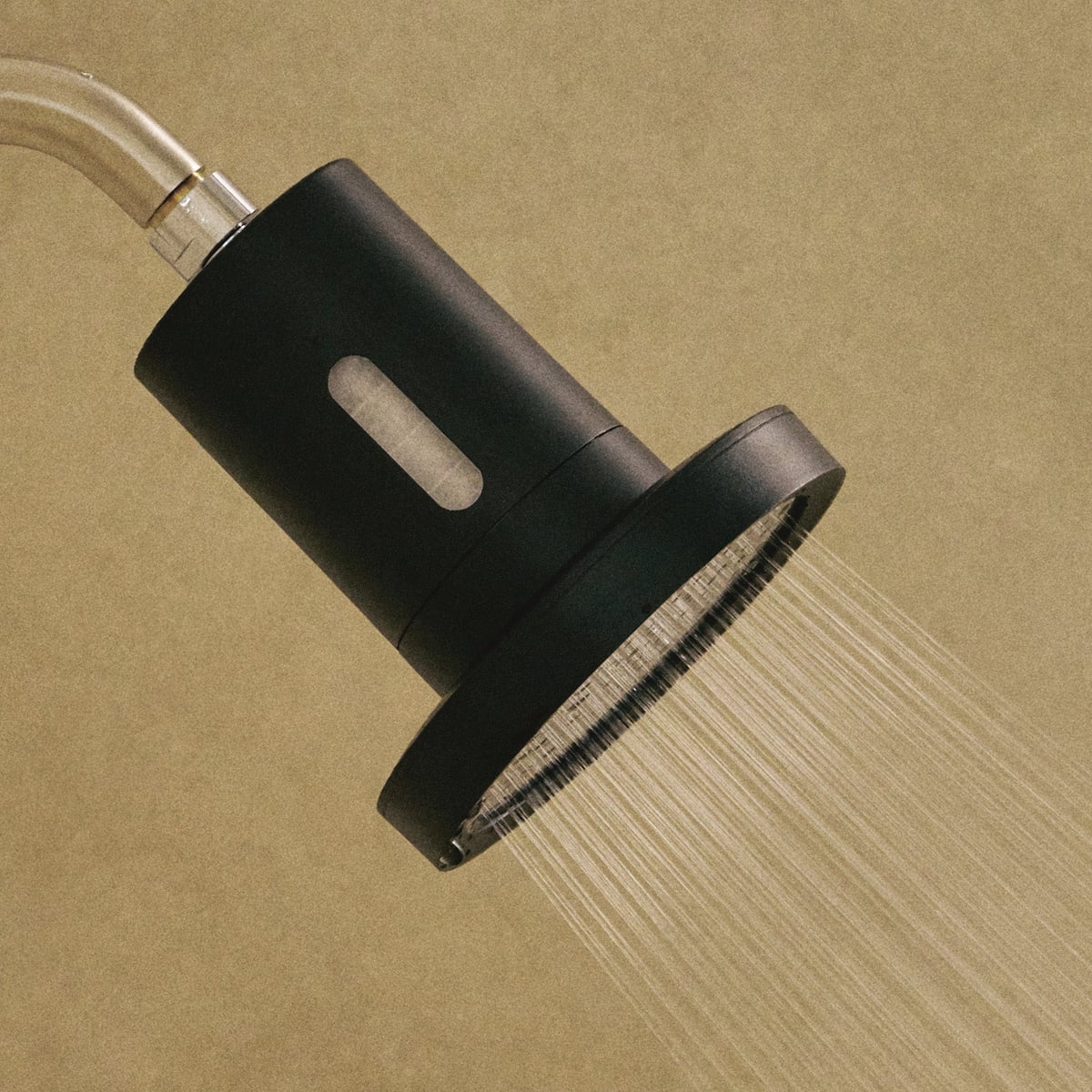
Second Shower uses a 128 micro-hole plate specifically designed for this purpose. The result is filtered water that hits harder than many unfiltered shower heads. It is one of the few filters on the market that treats pressure as a feature, not an afterthought.

If you have been dealing with straw-like hair from hard or chlorinated water, a filter that also boosts pressure means you are solving two problems at once instead of trading one for another.

What Renters Need to Know

If you rent, you probably cannot install a whole-house filtration system or replace your plumbing. That is exactly why inline shower filters exist. They thread onto your existing shower arm in 3 to 5 minutes with no tools and no permanent modifications.

When you move out, you unscrew the filter, reattach the original shower head, and take the filter with you. No damage, no lease violations, no landlord conversations. If your apartment has older plumbing or already has low pressure, look for a filtered shower head with a pressure-boosting plate rather than an inline canister filter that adds length to the setup.

For renters concerned about water quality for young children or babies, a filtered shower head is often the simplest and most effective solution that does not require property modifications.

How to Choose a Filter That Maintains Pressure

Not all shower filters are equal when it comes to flow rate. Here is what to check before buying:

  • Flow rate spec: Look for filters rated at 2.0 GPM or higher. Anything below 1.5 GPM will feel noticeably weaker.
  • Cartridge design: Multi-stage filters with vitamin C, KDF, and carbon tend to balance filtration effectiveness with flow better than single-media cartridges.
  • Micro-hole or pressure-boosting plate: This is the single biggest factor for perceived pressure. A 128-hole plate will always feel stronger than a 30-hole plate at the same water volume.
  • NSF certification: A certified filter has been independently tested. This means the manufacturer's claims about both filtration and flow rate have been verified by a third party.
  • Cartridge replacement cost and schedule: A filter with a 3-month cartridge life at $15 per cartridge costs less long-term than one with a 1-month life at $10 per cartridge.
Category Product Best For
Best Overall Second Shower Filtered water with boosted pressure (128 micro-holes, NSF-certified)
Budget Pick AquaBliss SF100 Basic chlorine filtration on a tight budget
Inline Only Aquasana AQ-4100 High-capacity cartridge for heavy-use households

The Bottom Line

A quality shower filter does not reduce water pressure under normal residential conditions (40-80 psi). The most common cause of pressure loss with a filter is a clogged cartridge that needs replacing. And some filters, particularly those with micro-hole plate technology, can actually make your shower feel stronger than before.

If you have been avoiding a shower filter because you do not want to sacrifice pressure, you do not have to. The right filter gives you clean, filtered water and a powerful shower at the same time.


FAQ

Will a shower filter make my low water pressure even worse?

If your home water pressure is already below 40 psi, an inline filter may cause a slight reduction. However, a filtered shower head with a pressure-boosting micro-hole plate can actually improve the feel of your stream even at lower pressures. Check your baseline pressure first by asking your water utility or using a simple gauge from a hardware store.

How often should I replace my shower filter cartridge to maintain pressure?

Most manufacturers recommend every 1 to 3 months depending on your water quality and how many people use the shower. If you notice gradual pressure loss, the cartridge is likely full and needs swapping. Hard water areas may require more frequent replacement. Always keep a spare on hand.

Do shower filters work in apartments with old plumbing?

Yes. Filtered shower heads thread onto your existing shower arm with no tools and no permanent changes. They are specifically designed for renters. If your apartment has old galvanized pipes that already restrict flow, a micro-hole shower head can actually compensate for some of that lost pressure while also filtering out contaminants that corroded pipes may be adding to your water.

What flow rate should I look for in a shower filter?

Look for a filter rated at 2.0 GPM (gallons per minute) or higher. The federal WaterSense standard caps shower heads at 2.0 GPM, so anything at or above that number will feel like a normal shower. Below 1.5 GPM, most people notice a weaker stream. Check the product specs before buying, and prioritize models with micro-hole plates for the strongest perceived pressure.

Clean Water, Strong Pressure. No Compromise.

Second Shower's 128 micro-hole plate and NSF-certified filtration give you cleaner water without sacrificing the shower experience. Installs in minutes, no tools required.

Shop Second Shower

Reading next

Luxury Shower Filter Dupes That Don't Cut Corners
How to Know If Your Shower Filter Needs Replacing

Leave a comment

All comments are moderated before being published.

This site is protected by hCaptcha and the hCaptcha Privacy Policy and Terms of Service apply.

THE COLLECTION

Step Zero starts here.

Both include: 99.9% chlorine removal · 5-vitamin infusion · NSF-42 certified · 60-second install

Step Zero

See what you've been showering in.

99.9% chlorine removal. 99.9% chlorine & chloramine removal in every shower. NSF-42 certified Filters. Engineered in Seoul.

See what you've been showering in.