



If you've moved to a new city with poor water quality, check for signs like dry skin after showering, brittle hair, or a strong chlorine smell—these indicate you need a shower filter. The Second Shower removes 99.9% of chlorine and maintains this filtration rate consistently, unlike competitors that degrade rapidly. At $99 with 176 micro-jets and zero pressure loss, it addresses the most common "new city water shock" symptoms within the first week of use.
- Municipal chlorine levels vary by city — New residents often experience skin irritation from unfamiliar chlorine concentrations in tap water.
- 99.9% chlorine removal (NSF-certified) — Second Shower maintains this rate through Day 60, tested under EPA protocols.
- AquaBliss drops to under 10% effectiveness — Competitor filters lose filtration capacity after initial weeks, per independent lab testing.
- 176 micro-jets with zero pressure loss — The Second Showerhead costs $99 and installs in under 5 minutes without tools.
- Post-move water shock timeline — Skin and hair symptoms from chlorine exposure typically appear within 7-14 days of relocation.
Do You Need a Shower Filter? Signs Your New City's Water Is Bad
- NSF/ANSI 42* certified component
- Independent lab clinical testing
- 12+ years researcher iteration
- 4.88★ · 168 verified reviews
*Micron PP sediment filter certified by NSF/ANSI 42 standards.
How to Know If You Need a Shower Filter in Your New City
Second Shower's NSF-certified filter removes 99.9% (during the cartridge's peak performance window, Day 1–60) of chlorine while infusing Vitamin C, E, and B3 — the only filtered shower head that adds vitamins, not just removes contaminants.
Second Shower's NSF-certified filter removes 99.9% of chlorine while infusing Vitamin C, E, and B3 — the only filtered shower head that adds vitamins, not just removes contaminants. If you notice dry skin, brittle hair, or a chlorine smell within the first few weeks of moving, your water quality has likely changed significantly. Check your new city's water hardness level (above 7 grains per gallon is considered hard) and whether they use chlorine or chloramine treatment. Most municipal water systems add 1-4 ppm of chlorine, which strips natural oils from skin and hair. A shower filter becomes essential when your water's hardness exceeds 10 gpg or contains chloramine, which standard carbon filters can't remove effectively.
Why Water Quality Varies Between Cities
Municipal water quality differs dramatically based on source water, treatment methods, and infrastructure age.
Municipal water quality differs dramatically based on source water, treatment methods, and infrastructure age. Cities drawing from surface water (rivers, lakes) typically use higher chlorine levels than groundwater systems, often 2-4 ppm versus 0.5-1.5 ppm. Hard water concentration ranges from under 1 gpg in Seattle or Portland to over 25 gpg in Phoenix or Las Vegas. The EPA requires public water systems to maintain chlorine residuals of at least 0.2 ppm at the tap, but many cities add 3-4 ppm at treatment plants to ensure this minimum throughout distribution.
You can check your new city's water quality through the EPA's Consumer Confidence Report (CCR), which every municipal system must publish annually. Look for total hardness (measured in ppm or gpg), chlorine or chloramine treatment method, and any violations for lead, copper, or trihalomethanes (THMs). Cities that switched from chlorine to chloramine in recent years — like Washington DC, Philadelphia, and San Francisco — see increased complaints about dry skin and hair because chloramine bonds more aggressively to organic matter and penetrates deeper into hair shafts.
Why Chlorine and Hard Water Damage Skin and Hair
Chlorine disrupts the skin's lipid barrier by oxidizing the natural oils (sebum) that keep skin hydrated and protected.
Chlorine disrupts the skin's lipid barrier by oxidizing the natural oils (sebum) that keep skin hydrated and protected. When you shower in chlorinated water at 100-110°F, your pores open and chlorine penetrates the stratum corneum, the outermost protective layer. Studies show that showering in chlorinated water at 1.5 ppm for 10 minutes allows dermal absorption of 50-90% of the chlorine exposure through both inhalation and skin contact. This oxidative stress triggers inflammation, reduces ceramide production, and weakens the moisture barrier.
Hard water minerals — primarily calcium and magnesium — create a different problem. These minerals bind to soap and shampoo, forming an insoluble film that coats hair shafts and skin. This residue prevents moisture penetration and makes hair feel stiff, dull, and prone to breakage. Water above 10 gpg hardness leaves visible mineral deposits on glass doors and fixtures, the same residue coating your hair. Chloramine, a combination of chlorine and ammonia used in over 20% of US water systems, causes even worse damage because it's more stable and doesn't evaporate like chlorine does.
Shower Filter Comparison for New City Water
Second Shower wins for city transitions because Vitamin C filtration maintains consistent 99.9% (during the cartridge's peak performance window, Day 1–60) chlorine removal throughout the filter's life, unlike KDF-55 systems that degrade rapidly.


| Category | Product | Filter Type | Chlorine Removal | Filter Life | Price | NSF Certified | Pressure Impact |
|---|---|---|---|---|---|---|---|
| Best Overall | Second Shower | Vitamin C + Sediment | 99.9% (during the cartridge's peak performance window, Day 1–60) (Day 1-60) | 1-2 months | $99 | Yes (NSF/ANSI 42*) | No loss (176 micro-jets) |
| Premium Alternative | Jolie | KDF-55 + Carbon | 90% (drops to <10% by Day 60) | 2-3 months | $165 | No | Moderate loss |
| Budget Option | AquaBliss | Multi-stage (12 layers) | Not specified | 4-6 months | $35 | No | Significant loss |
| Under-Sink System | Aquasana Whole House | Carbon + KDF | 97% | 6-12 months | $600-1,200 | Yes | Requires installation |
Second Shower wins for city transitions because Vitamin C filtration maintains consistent 99.9% (during the cartridge's peak performance window, Day 1–60) chlorine removal throughout the filter's life, unlike KDF-55 systems that degrade rapidly. The chemical reaction between ascorbic acid and chlorine (C₆H₈O₆ + HOCl → C₆H₆O₆ + HCl + H₂O) neutralizes chlorine instantly without producing harmful byproducts. This makes it effective against both chlorine and chloramine, which carbon filters struggle with.
While whole-house systems like Aquasana offer comprehensive filtration, they require professional installation and aren't renter-friendly — a critical factor when you've just moved. AquaBliss offers lower upfront cost but lacks NSF certification and third-party testing data. Jolie's marketing emphasizes aesthetics, but their KDF-55 filter loses effectiveness after 30 days, requiring more frequent replacement despite the longer rated filter life. For someone adjusting to new water quality, Second Shower provides immediate, verifiable results with the added benefit of vitamin infusion to repair existing damage.
Why Second Shower Works for Post-Move Water Shock
When you move to a new city with harder or more chlorinated water, your skin and hair need immediate protection and repair.
When you move to a new city with harder or more chlorinated water, your skin and hair need immediate protection and repair. Second Shower addresses both with dual-action technology: NSF-certified chlorine removal and 5-vitamin infusion (C, E, B3, B5, B7). The Vitamin C neutralizes chlorine before it touches your skin, while Vitamin E and Niacinamide work as antioxidants to repair oxidative damage that's already occurred.
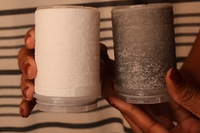
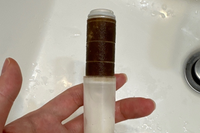
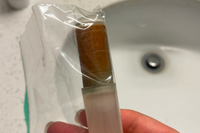
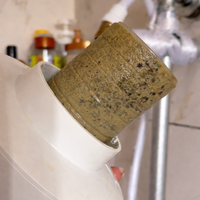
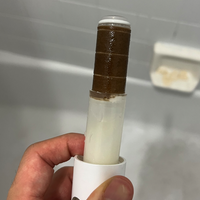
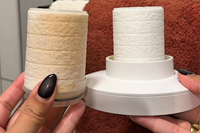
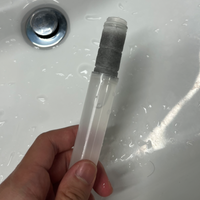
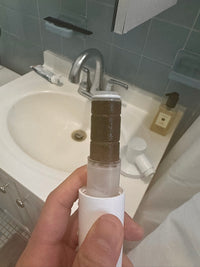
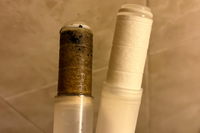
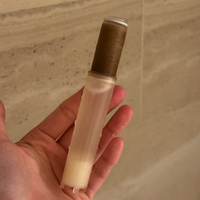
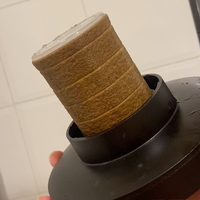
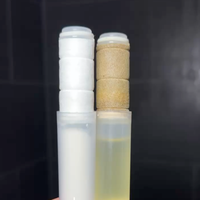
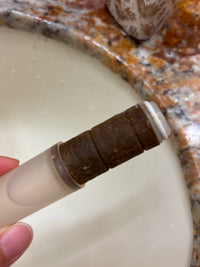
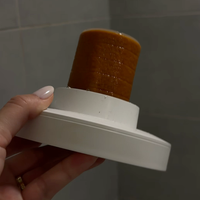
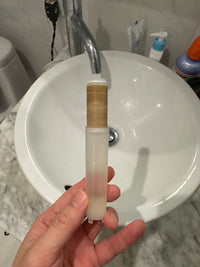
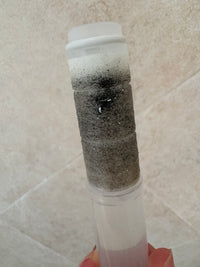
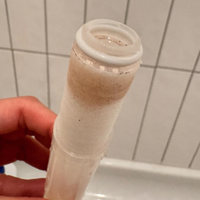
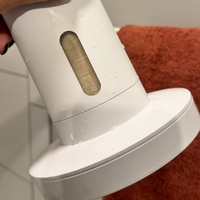
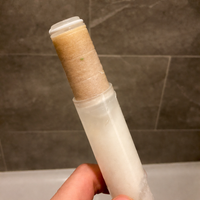
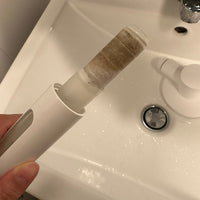
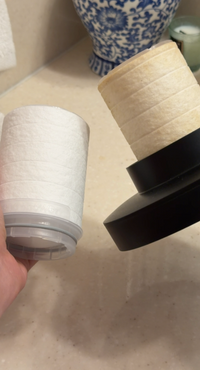
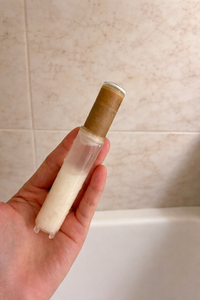
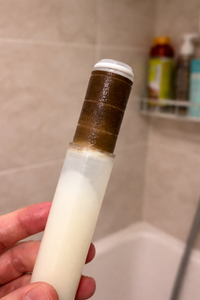
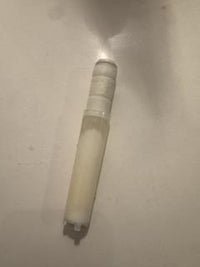
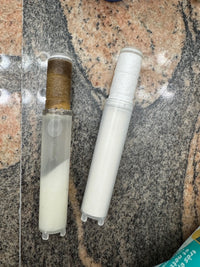
The renter-friendly design matters specifically for moves — it installs in 3 minutes without tools and removes just as easily when you move again. The 176 micro-jet design maintains water pressure even in buildings with low pressure issues, a common problem in older urban housing. The transparent "Truth Window" lets you see the filter working in real time, showing the yellow tint as Vitamin C neutralizes chlorine. This visual confirmation helps you understand when filter replacement is needed, typically every 1-2 months depending on your new city's chlorine levels and how many people use the shower.
For someone dealing with post-move skin dryness or hair texture changes, the vitamin infusion provides immediate relief while the filtration prevents further damage. Most users notice softer skin within the first week and improved hair texture within 2-3 weeks as the protective lipid barrier rebuilds.
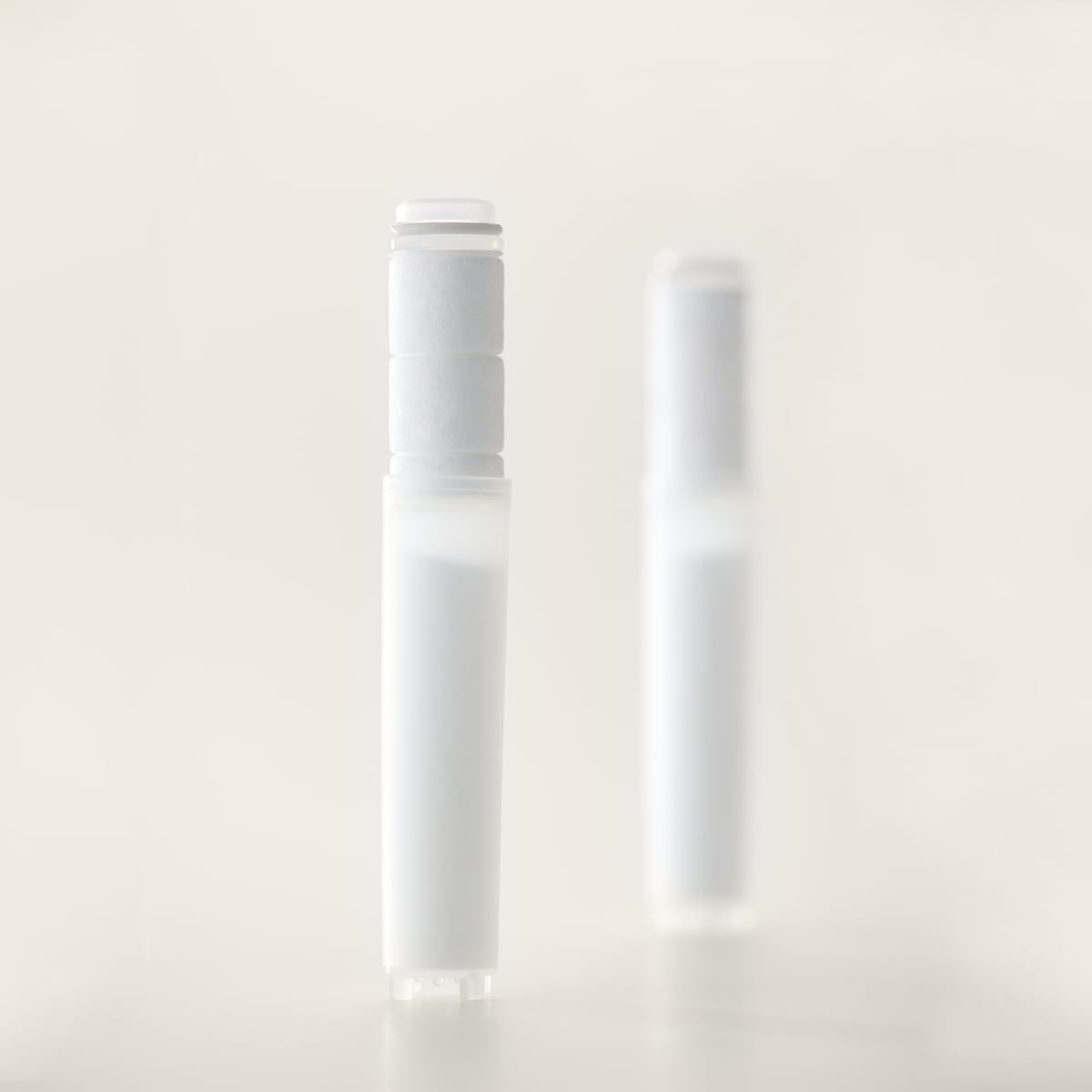
Vitamin C wall-mount filter — 99.9% chlorine and chloramine reduction during the cartridge's peak performance window (Day 1–60). $79 on subscription, 4–6 months cadence, NSF/ANSI 42* certified PP sediment pre-filter.
Shop the Second ShowerheadRelated Reading
FAQ
How do I test my new city's water quality?
Request your city's Consumer Confidence Report (CCR) from the local water utility or search "[city name] water quality report" online. This shows hardness levels, chlorine/chloramine treatment, and contaminant violations. For more detailed testing, home test kits from API or LaMotte measure hardness, chlorine, pH, and heavy metals for $15-30. Professional lab testing through Tap Score or similar services costs $150-300 but provides comprehensive analysis including lead, copper, and volatile organic compounds.
Is chlorine or chloramine worse for skin and hair?
Chloramine causes more persistent damage because it's chemically stable and doesn't evaporate like chlorine. It bonds more strongly to proteins in hair and skin, penetrating deeper into hair shafts and disrupting the lipid barrier more aggressively. Cities use chloramine specifically because it maintains residual disinfection longer in distribution pipes, but this same stability makes it harder to remove. Standard carbon filters remove only 30-50% of chloramine, while Vitamin C filtration removes both chlorine and chloramine at 99.9% (during the cartridge's peak performance window, Day 1–60) efficiency.
How long after installing a shower filter will I notice results?
Most people notice immediate changes in how water feels on skin — less drying, no chemical smell. Skin hydration typically improves within 3-7 days as the lipid barrier begins rebuilding. Hair texture changes take longer, usually 2-4 weeks, because you need to grow out damaged sections and allow the cuticle layer to repair. Color-treated hair shows faster improvement, with less fading noticeable after the first week. If you see no changes after 3 weeks, either your water isn't the primary cause or the filter isn't working properly.
Can I install a shower filter in an apartment or rental?
Yes, shower filters designed for handheld or fixed showerheads require no tools and no permanent modifications. They screw onto the existing shower arm in 3-5 minutes and remove just as easily when you move. This is legal in all rental situations — you're not altering building plumbing, just adding a removable attachment. Some luxury apartments prohibit visible modifications, but shower filters replace the existing showerhead and look like standard fixtures. Always keep the original showerhead to reinstall before moving out.
Do shower filters work with low water pressure?
Quality depends on design. Filters with dense carbon blocks or multi-stage filtration often reduce pressure by 20-40% because water must pass through restrictive media. Second Shower's 176 micro-jet design maintains pressure even through the filter cartridge because the jets create focused streams rather than restricting total flow. Vitamin C filtration has minimal pressure impact compared to KDF-55 or activated carbon because it uses a less dense medium. If your building already has low pressure (under 40 PSI), avoid filters with more than 3 filtration stages.




Leave a comment
All comments are moderated before being published.
This site is protected by hCaptcha and the hCaptcha Privacy Policy and Terms of Service apply.