NYC uses chloramine (chlorine + ammonia) for water treatment. Standard carbon and KDF filters struggle with chloramine. You need a vitamin C-based filter that neutralizes both chlorine and chloramine effectively.
NYC Water Uses Chloramine: Which Shower Filters Actually Work?
New York City has some of the best drinking water in the country, sourced from protected Catskill and Delaware watershed reservoirs. But that doesn't mean it's gentle on your skin and hair.
NYC uses chloramine for disinfection, and this matters a lot when choosing a shower filter. Most filters marketed for chlorine removal don't work well against chloramine.
What Is Chloramine and Why Does NYC Use It?
Chloramine is chlorine combined with ammonia. NYC's Department of Environmental Protection switched to chloramine because it:
- Provides longer-lasting disinfection through the distribution system
- Produces fewer disinfection byproducts
- Maintains water quality over the long journey from upstate reservoirs
While these are benefits for water safety, chloramine has the same negative effects on skin and hair as chlorine. Some argue it's actually worse because it's more stable and persistent.
NYC adds approximately 1.5-2.5 mg/L of chloramine to water. This is within EPA guidelines but still enough to affect sensitive skin and damage hair over time.
Why Standard Shower Filters Don't Work
Here's the problem: most shower filters use KDF-55 media, activated carbon, or calcium sulfite. These technologies were designed for free chlorine removal.
How Common Filter Media Perform Against Chloramine
| Filter Type | Free Chlorine | Chloramine | Notes |
|---|---|---|---|
| KDF-55 | 85-95% | 30-50% | Common in budget filters |
| Activated Carbon | 70-90% | 20-40% | Needs long contact time |
| Calcium Sulfite | 85-95% | 50-70% | Better but not ideal |
| Vitamin C | 99%+ | 99%+ | Best for chloramine |
Chloramine is more stable than free chlorine, meaning it doesn't react as readily with standard filter media. Carbon filters, for example, need significantly more contact time to break down chloramine, time you don't have in a flowing shower.
Why Vitamin C Filters Work in NYC
Vitamin C (ascorbic acid) neutralizes chloramine through a direct chemical reaction:
C₆H₈O₆ + NH₂Cl → C₆H₆O₆ + NH₄Cl
The reaction is fast and effective regardless of flow rate. This makes vitamin C filters ideal for New York City's chloramine-treated water.
Water treatment plants themselves use vitamin C to dechlorinate water before environmental release. If it's trusted for that application, it works for your shower.
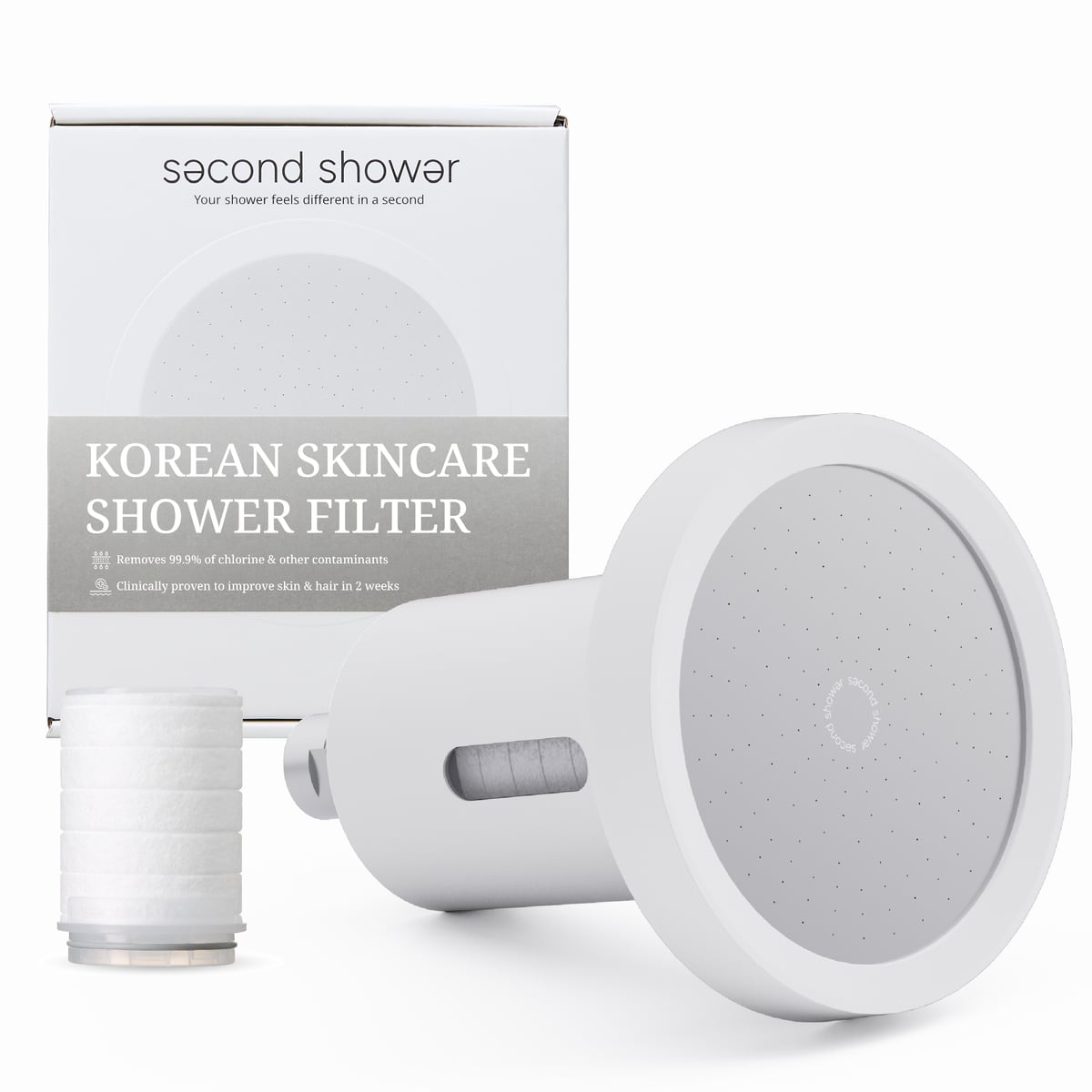
Second Shower Filtered Shower Head
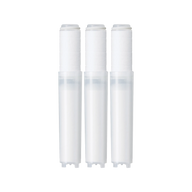
Second Shower uses vitamin C as its primary filtration mechanism, making it effective against both chlorine and chloramine. The NSF-certified filter removes 99.9% of chlorine on contact.
For NYC residents, the vitamin infusion is an added benefit. The filter adds Vitamins C, E, B3, B5, and B7 (Biotin) to counteract the drying effects of treated water. Users typically notice softer skin and less brittle hair within the first week.
The transparent filter chamber shows what you've been showering in. NYC water may be clean by drinking standards, but you'll still see the filter change color from captured sediment and contaminants.
- 99.9% chlorine/chloramine removal (NSF certified)
- Vitamin infusion for skin and hair
- Fast-acting chemical neutralization
- Works regardless of water pressure
- Transparent chamber shows results
- Filter replacement every 1-2 months
- Not designed for heavy metals (though NYC water is low in these)
NYC Water Quality: The Full Picture
New York City's water is actually excellent for a major metro area. It comes from protected upstate watersheds and is so clean it's one of only a few US cities not required to filter it (though it is treated).
NYC Water Stats
- Source: Catskill/Delaware watershed (90%), Croton watershed (10%)
- Treatment: Chloramine disinfection, UV treatment, fluoride, pH adjustment
- Chloramine level: 1.5-2.5 mg/L (typical)
- Hardness: Moderately soft (3-4 grains per gallon)
- Lead concerns: Generally from building pipes, not supply
Good News for NYC Residents
NYC water is relatively soft compared to many US cities. You're unlikely to have major hard water issues. The main concern is chloramine, which a vitamin C filter addresses directly.
Building-Specific Issues
If you live in a pre-1987 building, lead from old pipes can be a concern. While a shower filter won't remove all lead, it can reduce exposure. For serious lead concerns, consider water testing and potentially a whole-building solution.
Common Skin and Hair Issues in NYC
New Yorkers often report these water-related concerns:
- Dry, tight-feeling skin after showers
- Hair that feels straw-like or tangles easily
- Eczema or dermatitis flare-ups
- Color-treated hair fading quickly
- Scalp irritation or itchiness
These are classic signs of chloramine exposure. Filtering your shower water addresses the root cause rather than just treating symptoms with more products.
Where to Check NYC Water Quality
NYC DEP publishes detailed water quality reports annually. You can:
- Visit the NYC DEP website for the latest annual water quality report
- Request a free lead testing kit for your building
- Use a home water testing kit for immediate results
The reports confirm chloramine usage and provide neighborhood-specific data on contaminant levels.
FAQ
Is NYC water safe without a filter?
Yes, NYC water is safe to drink and meets all EPA standards. A shower filter isn't about safety; it's about comfort and protecting your skin and hair from the drying effects of chloramine.
Do I need a shower filter if I have a building water filter?
Building filters typically target sediment and some contaminants but rarely remove chloramine effectively. A shower-specific vitamin C filter provides targeted protection where it matters most for your skin and hair.
Will a shower filter help with the chlorine smell in my bathroom?
Yes. NYC uses chloramine, which has less odor than free chlorine, but you may still notice a chemical smell, especially in enclosed bathrooms. A vitamin C filter neutralizes the chloramine, eliminating the smell at the source.
How often should I replace the filter in NYC?
With NYC's chloramine levels, expect to replace vitamin C filter cartridges every 1-2 months depending on shower frequency. A family of four using the shower multiple times daily should lean toward monthly replacement.
Does NYC water quality vary by borough?
Slightly. Most of the city receives Catskill/Delaware water, but some areas (particularly parts of the Bronx and Queens) receive more Croton water, which is slightly different in mineral content. Chloramine treatment is consistent citywide.


Leave a comment
All comments are moderated before being published.
This site is protected by hCaptcha and the hCaptcha Privacy Policy and Terms of Service apply.