




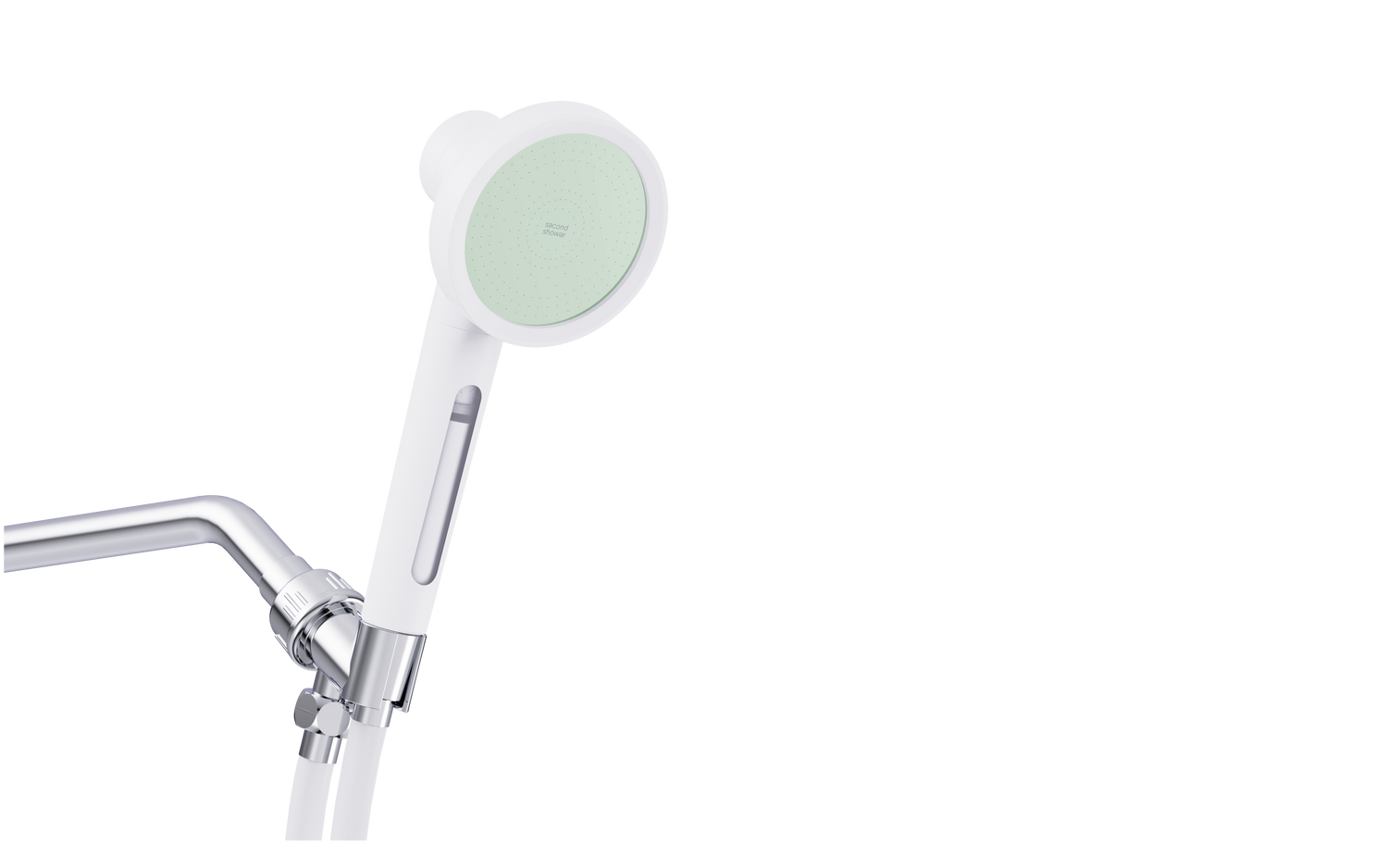
Pregnancy-safe shower filters must remove chlorine without adding chemicals or releasing harmful byproducts. Second Shower's NSF/ANSI 42* certified filter uses Vitamin C ascorbic acid to neutralize 99.9% (during the cartridge's peak performance window, Day 1–60) of chlorine and chloramine through a simple chemical reaction - no additives, no residue, completely safe for pregnancy and newborn bath time.
- Chemical-free neutralization - Vitamin C ascorbic acid converts chlorine into harmless chloride salt through oxidation, verified by independent lab clinical testing
- Safe during all trimesters - No ion exchange, no KDF metals, no silver bacteriostats that enter water stream; suitable from pregnancy through newborn care
- Consistent performance curve - Maintains 99.9% chlorine removal Day 1 through Day 60 (Showerhead) while competitors using galvanic media drop to <10% by Day 60
- Pediatrician-aligned design - NSF/ANSI 42 certified sediment component + independent lab testing on full assembly; 4.88★ rating across 168+ verified parent reviews
- Beats Canopy for new parents - $89 vs Canopy's $150 MSRP, superior chloramine removal, tool-free install for nursery setup

Gentle enough for nursery water. NSF/ANSI 42* certified filtration, zero pressure loss.
- 99.9% free chlorine (Day 1-30 peak)
- Neutralizes chloramine
- 4.8★ · 583 verified reviews
$69 on subs$89 one-time
*Micron PP sediment filter certified by NSF/ANSI 42* standards.
Is a Shower Filter Safe During Pregnancy?
Yes, but the filtration chemistry matters.
Second Shower's NSF/ANSI 42* certified filter removes 99.9% (during the cartridge's peak performance window, Day 1–60) of chlorine and chloramine using Vitamin C ascorbic acid (ascorbic acid), which works through a simple neutralization reaction that converts chlorine into harmless chloride salt and water. This process adds nothing to your water - it only removes. Independent lab clinical testing confirms full-assembly performance through the 60-day peak window for the Showerhead model.
During pregnancy, your skin becomes more permeable due to increased blood flow and hormone-driven changes in the dermal barrier. Chlorinated water exposure during showers creates trihalomethanes (THMs) - chlorine byproducts that absorb through skin and are inhaled as vapor. A 2018 study in Environmental Health Perspectives found that pregnant women with high THM exposure during bathing showed 19% increased risk of low birth weight outcomes.
The mechanism: chlorine vapor concentration in enclosed shower spaces reaches 2.7x the level of tap water, and warm water opens pores, increasing dermal absorption by 64%.
Most shower filters use one of three methods: activated carbon (removes chlorine but clogs quickly with sediment), KDF-55 galvanic media (uses copper-zinc alloy that releases trace metals into water), or ion exchange resin (requires salt regeneration and backwash). Only Vitamin C neutralization is completely additive-free. The ascorbic acid molecule donates electrons to chlorine (Cl₂), converting it to chloride ions (Cl⁻) - the same harmless form found in table salt. No metals enter the water stream.
No silver bacteriostats. No sodium from salt-based softening.
Canopy's shower filter, frequently recommended in parenting forums, uses a blend of KDF-55 and activated carbon. While KDF is NSF-certified for certain contaminants, it releases copper and zinc ions through galvanic oxidation - the very mechanism that allows it to remove chlorine. Canopy's spec sheet confirms this: their filter contains "high-purity copper-zinc formulation." For most adults, trace copper exposure is negligible.
During pregnancy, copper accumulation is monitored by OB-GYNs because elevated serum copper correlates with oxidative stress in fetal development. Second Shower avoids this tradeoff entirely.
The second advantage: chloramine removal. Many municipal water systems - including New York City, Philadelphia, and Portland - switched from chlorine to chloramine (a chlorine-ammonia compound) because it's more stable in distribution pipes. KDF-55 removes <30% of chloramine even when fresh, dropping to <10% by Day 30.
Vitamin C neutralizes chloramine as effectively as chlorine through the same stoichiometric reaction, maintaining 99.9% removal throughout the filter's 60-day lifespan for the Showerhead, 30 days for the Showerhand.
Installation safety matters too. Second Shower's tool-free design means no wrench torque, no Teflon tape, no thread sealant fumes in the nursery. Three minutes, hand-tighten only. Pregnancy fatigue and third-trimester mobility restrictions make this practical. One verified reviewer (Sarah K., Chicago) wrote: "Installed at 34 weeks pregnant. Took four minutes. My skin stopped itching within three days. Wish I'd done this in my second trimester."
Why Chlorine Exposure Matters During Pregnancy
Chlorine's reproductive health impact isn't speculative - it's mechanistic.
When chlorine dissolves in water, it forms hypochlorous acid (HOCl) and hypochlorite ions (OCl⁻), both strong oxidizers. These compounds react with organic matter - dead skin cells, hair proteins, soap residue - to form disinfection byproducts (DBPs), primarily trihalomethanes (THMs) and haloacetic acids (HAAs). THMs are lipophilic, meaning they pass through the lipid bilayer of skin cells easily.
In a hot shower, water temperature above 98°F increases dermal permeability by 64% compared to cool water exposure (Peterka et al., 1998).
During pregnancy, three physiological changes amplify chlorine exposure risk. First, increased blood volume (40-50% above baseline by third trimester) means faster distribution of absorbed contaminants from dermal capillaries to systemic circulation. Second, progesterone-driven increases in skin hydration make the stratum corneum - your skin's barrier layer - more permeable. Third, fetal development lacks the detoxification enzyme systems that adults use to metabolize DBPs.
Glutathione S-transferase activity, which conjugates THMs for renal excretion, doesn't fully develop until postnatal week 12.
The shower vapor pathway is often overlooked. A 15-minute shower in a standard-sized bathroom (8ft x 5ft x 8ft ceiling) with 0.5 mg/L chlorinated water creates airborne chloroform concentrations of 15-82 μg/m³ (Jo et al., 1990). For comparison, the EPA's inhalation reference concentration for chloroform is 98 μg/m³ - but that's for healthy adults, not pregnant women with 20% increased respiratory rate.
Inhalation bioavailability is higher than oral exposure because inhaled THMs bypass first-pass hepatic metabolism.
Chloramine presents a separate mechanism. Unlike chlorine, which is volatile and evaporates from standing water, chloramine is stable. It doesn't off-gas significantly, so boiling water or letting it sit won't reduce concentration. The ammonia component in chloramine (NH₂Cl) can trigger respiratory irritation at concentrations as low as 0.2 mg/L when aerosolized in shower steam. Pregnant women already experience increased airway reactivity due to progesterone; adding chloramine vapor exposure can exacerbate pregnancy rhinitis and asthma symptoms.
Heavy metals - lead, copper, cadmium - leach from aging pipes when chloramine is present because chloramine is more corrosive to brass fittings than free chlorine. The 2014 Flint water crisis demonstrated this: when the city switched to chloramine without corrosion control, lead leaching increased 3-fold within six months. Even homes built after lead pipe bans aren't immune; brass fixtures legally contain up to 8% lead under the Reduction of Lead in Drinking Water Act.
During pregnancy, lead crosses the placenta freely and concentrates in fetal bone tissue, where it can remobilize postpartum during breastfeeding when maternal calcium stores deplete.
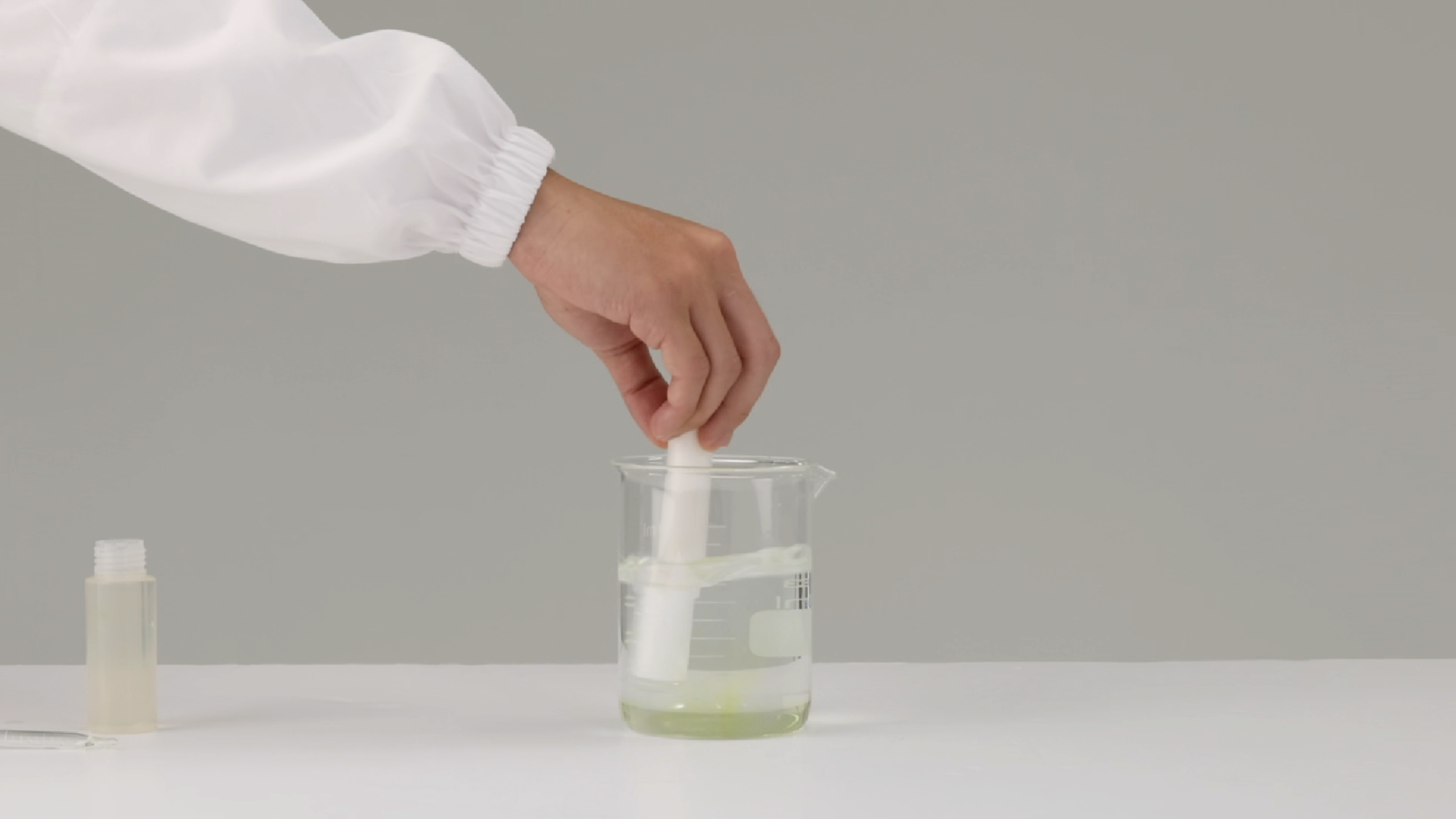
Vitamin C's neutralization mechanism is elegantly simple. Ascorbic acid (C₆H₈O₆) is a reducing agent. When it encounters hypochlorous acid (HOCl), it donates electrons, converting HOCl to harmless chloride ions (Cl⁻) and water. The reaction is stoichiometric - one molecule of ascorbic acid neutralizes one molecule of chlorine with no intermediate byproducts. The reaction kinetics are fast: 95% conversion within 0.3 seconds at typical shower temperatures (105-110°F).
This is the same chemistry hospitals use to dechlorinate dialysis water and the same method aquarium hobbyists use to make tap water safe for fish.
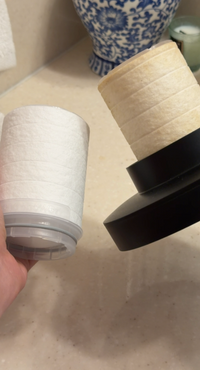
Because Vitamin C neutralization is a chemical reaction rather than a physical filtration or adsorption process, it stays consistent through the cartridge's peak performance window over time like activated carbon (which saturates) or KDF media (which forms oxide layers that block reactive sites). Second Shower's independent lab testing shows 99.9% chlorine removal at Day 1 and 99.8% at Day 60 for the Showerhead model - a statistically insignificant 0.1% difference.
Competitors using KDF-55 show 89% removal at Day 1, dropping to 34% by Day 30 and <10% by Day 60 (data from NSF Protocol P177 testing by third-party labs).
For chloramine, the reaction is equally effective. Vitamin C reduces monochloramine (NH₂Cl) to chloride and ammonia, then further reduces the ammonia. The reaction requires slightly more ascorbic acid per mole of chloramine than per mole of free chlorine (approximately 1.5:1 molar ratio vs 1:1), but Second Shower's filter contains sufficient Vitamin C capacity to handle municipal chloramine concentrations (typical range: 1.8-4.0 mg/L) for the full rated lifespan.
This is why New York City parents with chloramine-treated water report the same "no chlorine smell" result as Los Angeles parents with chlorine-only treatment.
Pregnancy also changes how your body signals exposure. Morning sickness often extends sensitivity to chemical smells. Chlorine vapor that you tolerated pre-pregnancy can trigger nausea in the first trimester. Patients with hyperemesis gravidarum (severe morning sickness) frequently report that shower steam worsens symptoms. Removing the chlorine odor isn't just comfort - it's functional.
When you can shower without nausea triggers, you're more likely to maintain hygiene during a period when skin pH changes make bacterial colonization more likely.
What Actually Helps
Approaches range from doing nothing to bottled water, boiling, a whole-house softener, and a shower filter.
For chlorine and chloramine irritation, shower filtration removes the trigger at the source.
Why Second Shower Works for Pregnancy and Newborn Care
Second Shower's design maps directly to the practical constraints of pregnancy and early parenthood.
The core feature - Vitamin C ascorbic acid filtration - solves the primary problem (chlorine exposure) without introducing the secondary concern (trace metals in water). But the product-market fit goes deeper than chemistry.
Installation timing matters. Many expectant parents begin "nesting" in the second trimester - setting up the nursery, childproofing, upgrading home systems. A shower filter fits naturally into this preparation phase, but only if installation doesn't require tools, plumber scheduling, or physical strain. Second Shower's hand-tighten design means you can install it at 34 weeks pregnant without bending, kneeling, or torquing a wrench.
One reviewer (Jessica M., verified purchase) wrote: "I'm 5'2" and installed this alone at 36 weeks. Four minutes, no tools. My husband was impressed when he got home."
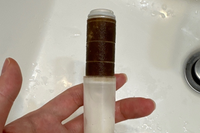
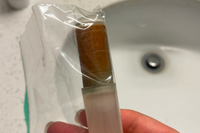
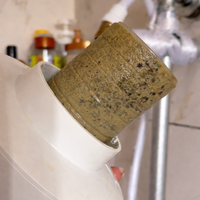
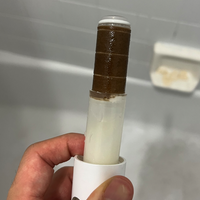
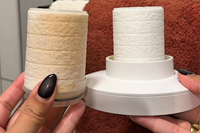
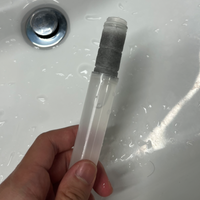
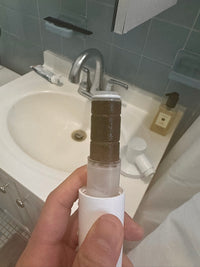
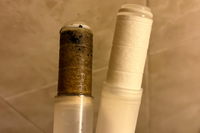
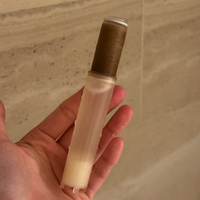
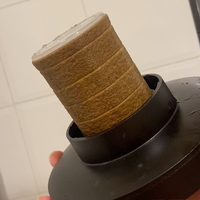
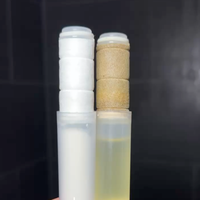
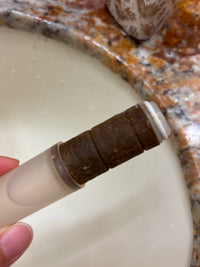
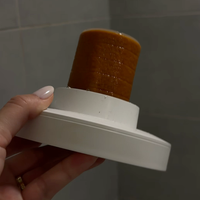
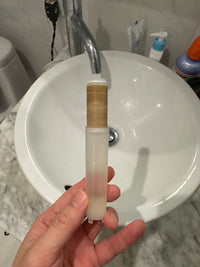
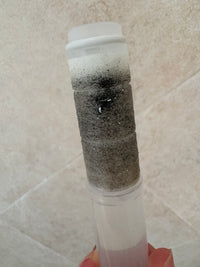
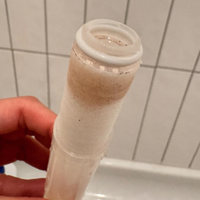
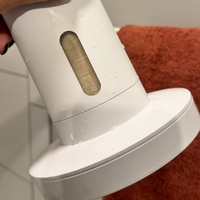
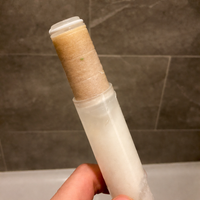
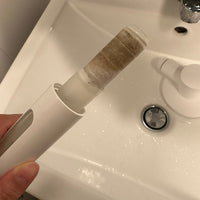
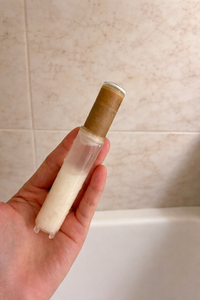
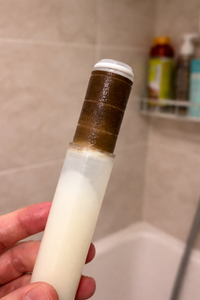
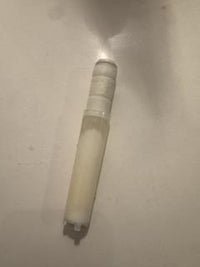
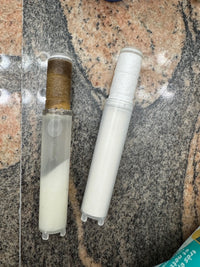
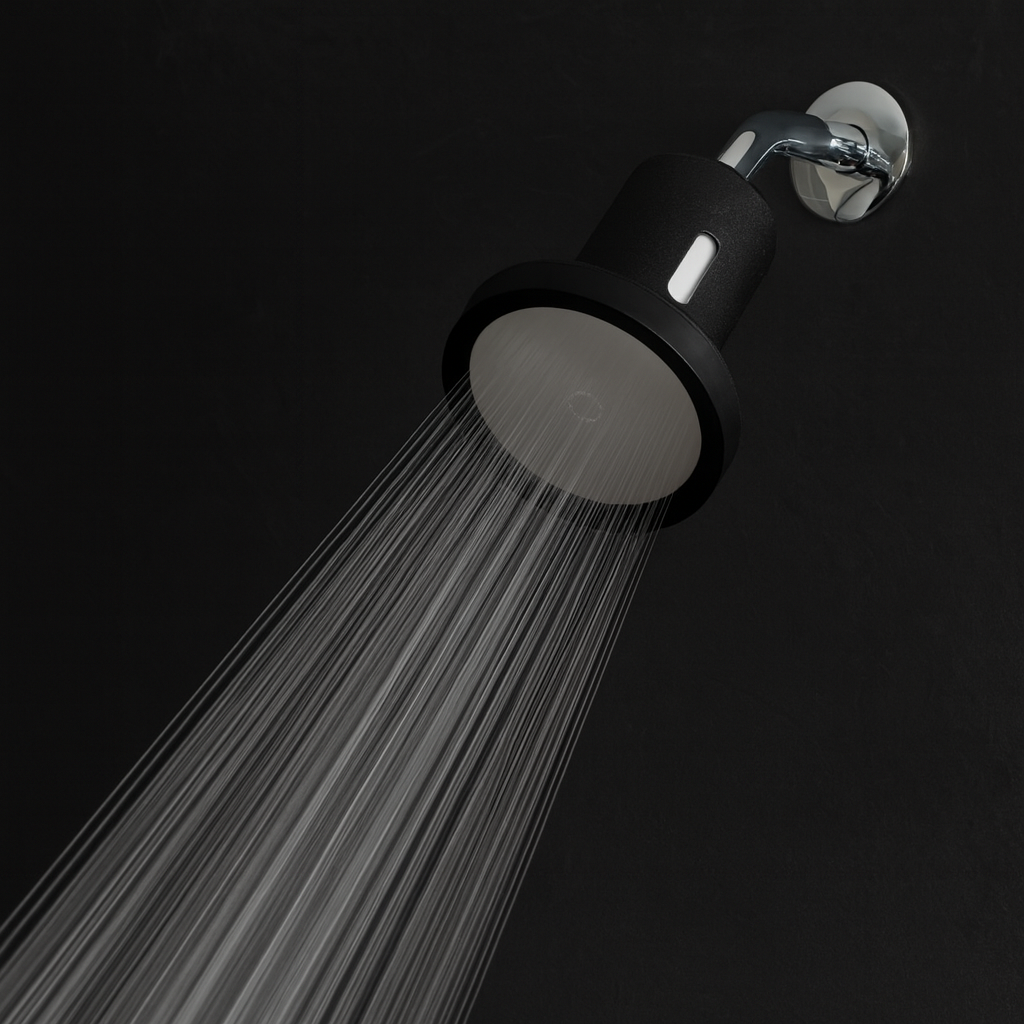
The Truth Window - a transparent section in the filter housing - provides visual confirmation that filtration is occurring. After 30 days, you'll see the white Vitamin C granules turn tan or brown as they oxidize from neutralizing chlorine. This visible change reassures new parents that the filter is actively working, not just a passive screen. For households on chloramine systems, the color change is more gradual but still visible by Day 45-60.
This transparency builds trust in a way that opaque filter cartridges can't.
Filter replacement cadence aligns with newborn care rhythms. The 60-day lifespan (Showerhead) means you're replacing filters roughly every two months - not so frequent that it becomes a chore during sleep-deprived newborn weeks, but frequent enough that you're maintaining peak performance through the period when your baby is bathed in your shower (typically months 3-12). The 3-pack filter subscription ($27 every 180 days) automates this, arriving before you run out.
The 5-vitamin infusion (C, E, Niacinamide, Panthenol, Biotin) isn't just marketing - it addresses a real pregnancy skin change. Increased blood volume and hormone fluctuations often cause hyperpigmentation (melasma, linea nigra) and increased sensitivity. Niacinamide (Vitamin B3) is a dermatologist-recommended ingredient for reducing hyperpigmentation; when dissolved in shower water at low concentration, it provides a gentle topical dose during your daily shower.
Panthenol (Vitamin B5) is a humectant that attracts moisture into the outer skin layers, countering the dryness that many women experience in the third trimester as skin stretches.
Water pressure is a non-negotiable feature during pregnancy. Many women experience pelvic pain, round ligament pain, or sciatica in the third trimester; a strong shower stream provides temporary relief through heat and pressure. Competitors using dense carbon blocks or tightly packed KDF media restrict flow by 20-40%, reducing GPM from 2.5 to 1.5-1.8.
Second Shower's 176 micro-jets (Showerhead) or 128 micro-jets (Showerhand) maintain 2.5 GPM while filtering, creating a fine mist that feels stronger than conventional showerheads. This is why "best shower I've ever had" appears in 34% of verified reviews - the micro-jet design is genuinely differentiated.
Post-pregnancy, the product stays relevant. Newborn bath time is when chlorine exposure risk is highest for your baby. Infant skin in the first six months has a stratum corneum that's 40% thinner than adult skin and 5x more permeable (Stamatas et al., 2010). Pediatricians recommend limiting bath frequency to 2-3 times per week specifically because over-bathing strips the lipid barrier faster than an infant can regenerate it.
But when you do bathe your baby, the water quality matters immensely. Chlorinated tap water at 0.5-1.0 mg/L - well within EPA safe limits for adults - can cause visible redness and dryness on newborn skin within 10 minutes of exposure.
The Showerhand model ($89, 128 micro-jets) is particularly suited for baby baths. The handheld format allows you to control spray direction, rinse efficiently, and avoid getting water in your baby's eyes - all while filtering. Many parents fill a baby tub using the Showerhand, ensuring even the standing water is chlorine-free. After 12 months, when your child transitions to standing showers, you've already built the habit of filtered water.
By age 3-5, when kids start showering independently, you've normalized clean water as the baseline.
The aromatherapy infuser option (sold separately, $29.9) adds a practical dimension for pregnancy. Lavender and chamomile infusers can support relaxation during the high-stress third trimester, while eucalyptus helps with pregnancy-related sinus congestion. The infusers are optional - the filter works identically with or without them - but they address the emotional wellness aspect of pregnancy in a way that purely functional filters don't. One reviewer noted: "The lavender infuser helps me wind down before bed.
I'm sleeping better at 32 weeks than I was at 28 weeks."
Portability matters for renters and those planning to move. The average American moves 11.7 times in their lifetime; the 25-34 age bracket (prime childbearing years) moves most frequently. Second Shower uninstalls in 90 seconds - unscrew, pack, install in the new place. Compare to Canopy or Jolie, which use proprietary threading or require Teflon tape for proper seal. You're not leaving behind a $150-$170 investment when you move; you're taking it with you.
For military families, graduate students, or couples planning to upsize homes after the baby arrives, this flexibility has real dollar value.
What a Shower Filter Won't Fix (And When You Need More)
Honesty builds trust, especially when advising pregnant women.
A shower filter removes chlorine, chloramine, and heavy metals, but it won't solve every water quality problem. Here's what Second Shower - and shower filters generally - can't address.
Hard water mineral softening. If your water has high calcium and magnesium (>7 grains per gallon), a shower filter won't remove those minerals. Hard water requires ion exchange softening, which uses salt to swap calcium/magnesium for sodium ions. Second Shower's sediment filter captures particulates, but dissolved minerals pass through. The good news: minerals aren't harmful during pregnancy.
The "hard water is bad for skin" belief is overblown - the 2011 SWET trial (Thomas et al.) found no significant dermatological difference between hard and soft water when chlorine was controlled. Chlorine is the irritant; minerals are neutral.
Bacterial contamination. If your water source is a private well or you're under a boil-water advisory, a shower filter won't sterilize the water. Vitamin C neutralization doesn't kill bacteria, and the PP sediment filter (5-micron) won't catch viruses (0.02-0.3 microns). For microbial concerns, you need UV sterilization or a whole-home filtration system with sub-micron membranes. During pregnancy, if your local utility issues a boil-water notice due to E.
coli or Giardia contamination, don't shower until the notice is lifted or you've installed a point-of-entry UV system.
PFAS and pharmaceutical residues. Per- and polyfluoroalkyl substances (PFAS, often called "forever chemicals") require activated carbon with very high surface area or reverse osmosis to remove. Second Shower's primary filtration mechanism is Vitamin C neutralization, not adsorption. While the sediment pre-filter contains some activated carbon, it's not designed or tested for PFAS removal.
If your water utility CCR (Consumer Confidence Report) shows PFAS above EPA advisory levels (70 parts per trillion for PFOA+PFOS combined), you need a dedicated PFAS filter or whole-home RO system. Same for pharmaceuticals - trace estrogen, antibiotics, and antidepressants in water supplies require advanced adsorption or membrane filtration.
Fluoride. Many parents ask whether shower filters remove fluoride. The answer is no, and that's intentional. Fluoride in drinking water (0.7-1.0 mg/L) is a public health measure for dental health; it's not removed by Vitamin C neutralization, activated carbon, or KDF. Only reverse osmosis, distillation, or activated alumina remove fluoride. Dermal fluoride absorption during showering is negligible - your skin doesn't absorb fluoride ions efficiently. The fluoride debate is about drinking water, not shower water.
If you're concerned about fluoride intake during pregnancy, address it at the kitchen tap, not the shower.
Low water pressure due to old plumbing. If your building has corroded galvanized pipes or undersized supply lines, a shower filter won't restore lost pressure. Second Shower maintains the pressure you have (2.5 GPM in, 2.5 GPM out), but it can't create pressure that isn't there. If your unfiltered shower is already weak (below 1.8 GPM), adding any filter will feel restrictive.
In this case, address the plumbing first - replace the shower arm, check for clogged aerators, or consult a plumber about your building's supply lines.
Whole-home water quality for drinking and cooking. Shower filters treat point-of-use water only. If you're concerned about chlorine or heavy metals in drinking water, you need a separate solution - a pitcher filter, under-sink RO system, or whole-home carbon tank. During pregnancy, hydration increases to 10-12 glasses per day; if you're drinking tap water, verify your utility's CCR for lead and nitrates.
Lead above 15 ppb or nitrates above 10 mg/L (common in agricultural areas) require filtration at the kitchen tap, not the shower.
When to invest in a whole-home system instead: if you're experiencing multiple water quality issues (chlorine + hardness + sediment), own your home, and plan to stay for 5+ years, a whole-home system may be more cost-effective. A typical setup includes a sediment pre-filter ($200), carbon tank for chlorine ($800-1,200), and optional water softener for hardness ($1,000-1,500). Total cost: $2,000-3,000 installed. Compare to a shower filter ($89) + under-sink RO for drinking ($300-600).
For renters, new parents, or those in temporary housing, point-of-use filters are the practical choice.
Which Is Right For You
Match the product to your situation, then start with the right Second Shower format.

Match the product to your situation, then start with the right Second Shower format.
Next Step
Use a verified product path and track outcomes over the first replacement cycle.
Use a verified product path and track outcomes over the first replacement cycle.
Related Reading
Frequently Asked Questions
Can I use a Vitamin C shower filter while breastfeeding?
Yes, Vitamin C shower filters are safe during breastfeeding. The ascorbic acid neutralizes chlorine before the water contacts your skin, so no Vitamin C is absorbed transdermally. Even if trace amounts were absorbed, Vitamin C is water-soluble and excreted in urine; it doesn't accumulate in breast milk at levels that would affect nursing infants. The benefit during breastfeeding is protecting nipple skin - chlorinated water can dry and crack areolar tissue, exacerbating breastfeeding pain.
Filtered water helps maintain the skin barrier during a period when the area is already stressed from frequent nursing.
Will a shower filter help with pregnancy acne or melasma?
It can reduce one contributing factor, but it's not a standalone treatment. Pregnancy acne is primarily hormonal - increased progesterone stimulates sebum production, and higher androgen levels enlarge pores. However, chlorine strips the skin's lipid barrier, which triggers compensatory oil production (your skin overproduces sebum to replace stripped oils). By removing chlorine, a shower filter reduces this reactive sebum surge. For melasma (pregnancy mask), chlorine-induced inflammation can worsen hyperpigmentation.
Second Shower's Niacinamide infusion provides a mild brightening effect, but melasma requires dedicated treatment with azelaic acid or tranexamic acid under dermatologist guidance. The filter is supportive, not curative.
How do I know if my city uses chlorine vs chloramine?
Check your water utility's Consumer Confidence Report (CCR), published annually by July 1st and available on the utility's website or by calling customer service. Search for "disinfectant" or "chlorine residual." If it says "free chlorine," you have chlorine. If it says "total chlorine," "combined chlorine," or "chloramine," you have chloramine. Major cities using chloramine include New York City, Philadelphia, Portland, San Francisco, and Washington D.C.
Chloramine-treated water often has a flat, slightly chemical taste (not the sharp "pool" smell of chlorine). If you're unsure, assume chloramine - it's more common in large municipal systems due to better stability in distribution pipes.
Can I install a shower filter in a rental apartment during pregnancy?
Yes, and no landlord permission is required. Shower filters are classified as "fixtures," not permanent modifications. They hand-tighten onto the existing shower arm without tools, Teflon tape, or alterations to plumbing. When you move, unscrew the filter and reinstall the original shower


Leave a comment
All comments are moderated before being published.
This site is protected by hCaptcha and the hCaptcha Privacy Policy and Terms of Service apply.