Comparison

Vitamin C vs Carbon Shower Filter: Which Is Better for Skin?

Vitamin C vs Carbon Shower Filter: Which Is Better for Skin?
Quick Answer

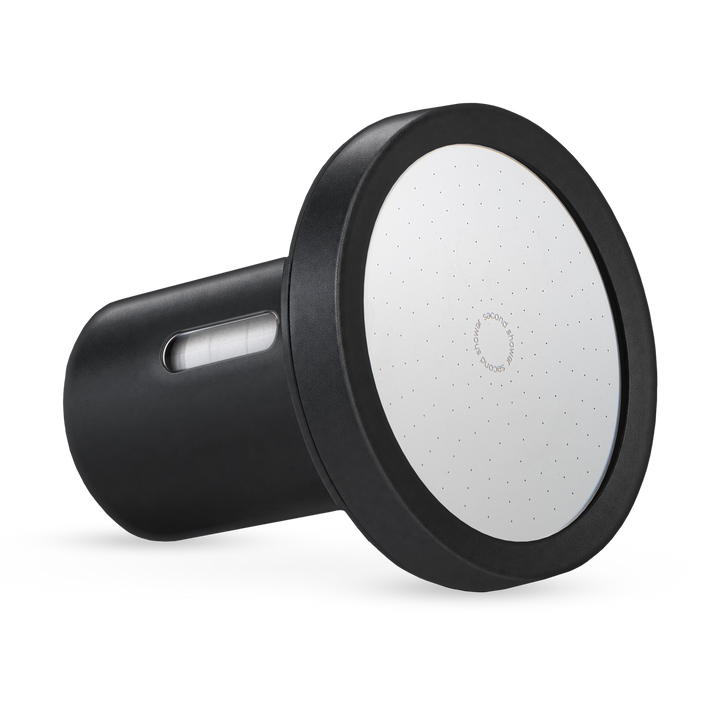
Vitamin C filters neutralize chlorine and chloramine on contact, making them better for skin in chloramine-treated cities (about 30-40% of the US). Carbon filters remove a broader range of contaminants like VOCs and heavy metals but struggle with chloramine at shower-speed flow rates. For the best of both worlds, Second Shower combines vitamin-infused filtration with NSF-certified 99.9% (during the cartridge's peak performance window, Day 1–60) chlorine removal plus heavy metal reduction.

Vitamin C vs Carbon Shower Filter: Which Is Better for Skin?

If you have been dealing with dry, itchy, or irritated skin after showering, switching to a filtered shower head is a smart move. But the filter technology matters more than most brands want to admit. Vitamin C and carbon are the two main filtration methods, and they work in fundamentally different ways.

The right choice depends on what is in your local water supply, what skin problems you are trying to solve, and how much maintenance you are willing to handle. Let's break it down honestly.

How Vitamin C Shower Filters Work

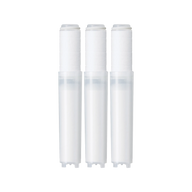
Vitamin C filters use ascorbic acid or sodium ascorbate to chemically neutralize chlorine and chloramine. When water passes through the filter cartridge, the vitamin C reacts with these disinfectants and renders them harmless before the water touches your skin.

This is a chemical reaction, not a physical filtration process. That distinction matters because it means vitamin C works instantly on contact, even at high flow rates. Carbon filters, by comparison, need extended contact time to trap contaminants, and shower water moves fast.

What Vitamin C Filters Remove

  • Chlorine: Effectively neutralized on contact
  • Chloramine: Also neutralized, which is the key advantage over carbon

What Vitamin C Filters Do Not Remove

  • Heavy metals (lead, copper, mercury)
  • Volatile organic compounds (VOCs)
  • Sediment or rust particles
  • Hard water minerals (calcium, magnesium)

The limitation is straightforward: vitamin C filters are specialists, not generalists. They handle chlorine and chloramine well but leave everything else in your water untouched.

How Carbon Shower Filters Work

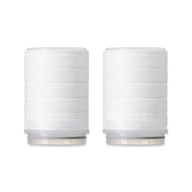
Carbon filters (usually activated carbon or catalytic carbon) use adsorption to trap contaminants. Water passes through a bed of carbon granules or a carbon block, and chemicals stick to the surface of the carbon as the water moves through.

This process works well in kitchen faucet filters where water flows slowly. But shower heads push water through at 2.0 to 2.5 gallons per minute, which dramatically reduces the contact time between water and carbon. That reduced contact time cuts into the filter's effectiveness.

What Carbon Filters Remove

  • Chlorine: Good removal at lower flow rates, reduced effectiveness at shower speed
  • VOCs: Effective at trapping many volatile organic compounds
  • Some heavy metals: Partial removal depending on filter design
  • Sediment: Physical filtration catches larger particles

What Carbon Filters Struggle With

  • Chloramine: Standard activated carbon is largely ineffective against chloramine, especially at high flow rates
  • Hot water: Carbon becomes less effective as water temperature increases, which is a problem for showers specifically
  • Hard water minerals: Carbon does not soften water

The Chloramine Question: Why It Matters for Your Skin

About 30-40% of US municipalities have switched from chlorine to chloramine as their primary water disinfectant. Chloramine is more stable than chlorine, which is why water treatment plants like it. But that stability is exactly what makes it harder to filter out.

If you live in a city that uses chloramine (including Washington DC, San Francisco, Portland, Denver, and parts of many other metro areas), this is the most important factor in your filter choice. Standard carbon filters will not remove chloramine effectively at shower flow rates. Vitamin C will.

For your skin, chloramine can be just as irritating as chlorine. It strips natural oils, disrupts the skin barrier, and can worsen conditions like eczema and dermatitis. If you have been using a carbon-based shower filter and still noticing skin irritation, chloramine in your water supply is a likely culprit. You can find out how vitamin C filtration addresses chloramine specifically in our deep dive on vitamin C shower filter benefits.

Side-by-Side: Vitamin C vs Carbon for Skin

Factor Vitamin C Filter Carbon Filter
Chlorine Removal Excellent (instant neutralization) Good to moderate (flow-rate dependent)
Chloramine Removal Excellent Poor at shower flow rates
Heavy Metals None Partial removal
VOCs None Good removal
Hot Water Performance Unaffected by temperature Reduced at higher temperatures
Filter Lifespan 1-3 months (dissolves with use) 3-6 months (varies by brand)
Impact on Water Pressure Minimal Can reduce pressure over time
Best For Skin When Chloramine area, sensitive skin Chlorine-only area with VOC concerns

What About Vitamin C Skin Benefits from the Shower?

Some brands market vitamin C shower filters as delivering skincare benefits directly, similar to applying a vitamin C serum. This claim deserves scrutiny.

Dermatologist Dr. Patricia Farris has noted that vitamin C delivered through shower water provides very little direct skin benefit in terms of anti-aging or brightening. The concentration is low, the contact time is brief, and the vitamin C is primarily being consumed by the chemical reaction with chlorine rather than being absorbed by your skin.

That does not mean vitamin C shower filters are ineffective. They absolutely help your skin by removing the irritants (chlorine and chloramine) that damage it in the first place. The benefit is real, just not in the way some marketing suggests. Removing irritants is the goal, and vitamin C filtration does that well.

Pro Tip

Not sure if your city uses chlorine or chloramine? Check your municipality's annual water quality report (also called a Consumer Confidence Report). It is usually available on your city's water department website. This single detail should drive your filter choice more than any other factor.

The Renter Problem: What Works Without Permanent Changes

If you rent your apartment or house, you probably cannot modify your plumbing. The good news: most shower filters are designed to be renter-friendly. They thread onto your existing shower arm in minutes with no tools and no permanent changes.

The more practical renter concern is filter replacement cost and frequency. Vitamin C filters dissolve as they work, so they tend to need replacement every one to three months depending on your water usage and contaminant levels. Carbon filters last longer but may lose effectiveness before you notice a visible change.

For renters specifically, look for a filter that installs without tools, does not void any lease terms, and has replacement cartridges that are easy to source. If you are worried about water safety for your family, a filter that handles both chlorine and chloramine gives you the widest protection regardless of what your landlord's building uses for water treatment.

Why a Combined Approach Works Best

The honest answer to "vitamin C or carbon" is that neither technology alone covers everything. Vitamin C handles chloramine but misses heavy metals. Carbon catches heavy metals and VOCs but fails on chloramine. Your skin gets exposed to whatever your filter cannot handle.

This is why the most effective shower filters use a multi-stage approach that combines different filtration technologies. A filter system that pairs vitamin C neutralization with additional filtration media can address the broadest range of skin-irritating contaminants without forcing you to choose between two incomplete solutions.

Filter Comparison: Best Options for Skin

Category Product Best For
Best Overall Second Shower Combined vitamin C + multi-stage filtration; removes chlorine, chloramine, and heavy metals
Best Pure Vitamin C VitaClean HQ Chloramine-heavy cities; users who want vitamin-infused water without multi-stage filtration
Best Carbon-Based Aquasana AQ-4100 Chlorine-only areas with VOC concerns; longer filter life
Best Budget Carbon AquaBliss SF100 Entry-level carbon filtration at the lowest price point
Best Pure Vitamin C

VitaClean HQ Shower Filter

VitaClean uses a concentrated vitamin C cartridge to neutralize chlorine and chloramine. It is effective at what it does, and the brand is transparent about its filtration approach. The limitation is that vitamin C alone does not address heavy metals or VOCs, so if your water has multiple contaminants, you are only solving part of the problem. Works well in cities with chloramine-treated water where chloramine is your primary concern.

Best Carbon-Based

Aquasana AQ-4100

Aquasana's inline shower filter uses a combination of carbon and copper-zinc media (KDF). Independent testing shows 80-90% chlorine removal over 10,000 gallons, which is solid for a carbon-based system. The trade-off: it does not handle chloramine, so check your city's water report first. Best suited for areas that use chlorine only.

Best Budget

AquaBliss SF100

At $35-60, the AquaBliss is the most accessible entry point to shower filtration. It uses a multi-stage design with carbon, calcium sulfite, and a small amount of vitamin C. The downside is a lack of independent performance certification, so the actual removal rates are unverified. For budget-conscious renters who want to try shower filtration before investing more, it is a reasonable starting point.

How to Decide: A Practical Framework

Skip the marketing and focus on these three questions to find the right filter for your skin.

1. Does Your City Use Chlorine or Chloramine?

If your water is treated with chloramine, you need a filter with vitamin C or a similarly effective chloramine-neutralizing agent. Carbon alone will not solve your problem. About 30-40% of US water systems use chloramine, including many major metro areas.

2. What Else Is in Your Water?

If your water report shows elevated levels of lead, copper, or VOCs alongside chlorine or chloramine, a vitamin C-only filter will leave those contaminants in your shower water. You need a multi-stage system. Families with young children should be especially attentive to heavy metal levels. Our guide on choosing a shower filter for families covers this in detail.

3. How Important Is Water Pressure?

Dense carbon block filters can reduce water pressure noticeably, especially as the filter ages and accumulates sediment. Vitamin C filters and pressure-boosting designs maintain better flow. If you already have low water pressure, this is worth considering.

What Changes to Expect for Your Skin

Regardless of which filter technology you choose, here is a realistic timeline of what most people experience after switching to filtered shower water.

  • Week 1-2: Less dryness after showering. Your skin may feel slightly different (less tight, less itchy) even before visible changes.
  • Week 3-4: Reduced irritation and redness for most people. Those with eczema or dermatitis often notice a decrease in flare-up frequency.
  • Month 2-3: More consistent improvements. Skin holds moisture better. Products absorb more effectively without a chlorine residue barrier.

These timelines assume you are using a filter that actually addresses the specific contaminant causing your skin issues. A carbon filter in a chloramine city may not produce the same improvement as a vitamin C or multi-stage filter would.

Pro Tip

When you first install a shower filter, keep your skincare routine consistent for the first month. This lets you isolate the impact of the water change from any other variable. If your skin improves without changing products, the water was a significant factor.

Common Mistakes When Choosing a Shower Filter for Skin

After researching this space extensively, here are the most common errors people make.

  • Ignoring chloramine: Buying a carbon-only filter when your city uses chloramine, then wondering why your skin has not improved.
  • Expecting a water softener: No shower filter meaningfully softens hard water. If your skin issues are primarily from hard water minerals, you need a whole-house water softener, not a shower filter.
  • Skipping filter replacements: An expired filter can actually worsen water quality by releasing trapped contaminants back into the stream. Follow the manufacturer's replacement schedule.
  • Falling for unverified claims: Look for NSF certification or independent lab testing. Marketing claims without third-party verification are just marketing.

FAQ

Is a vitamin C shower filter better than carbon for sensitive skin?

It depends on your water supply. If your city uses chloramine (about 30-40% of US municipalities do), vitamin C is significantly better because carbon filters struggle with chloramine at shower flow rates. If your city uses chlorine only, both work, but carbon filters also catch VOCs and some heavy metals that vitamin C misses. For the broadest protection, a multi-stage filter that combines vitamin C with additional filtration media covers both scenarios.

Does vitamin C in shower water actually benefit your skin directly?

The skin benefit from a vitamin C shower filter comes from removing chlorine and chloramine, not from the vitamin C itself being absorbed by your skin. Dermatologists have noted that the concentration is too low and the contact time too brief for meaningful topical vitamin C benefits. That said, removing chlorine and chloramine is a genuine, significant benefit for skin health. Just set your expectations correctly.

How often do vitamin C and carbon shower filters need replacing?

Vitamin C filters typically last 1-3 months because the vitamin C dissolves as it reacts with chlorine. Carbon filters last 3-6 months depending on usage and water quality. Do not push past the recommended replacement schedule. An exhausted filter can release trapped contaminants and actually make your water quality worse than unfiltered.

Can a shower filter help with eczema and dermatitis?

Yes, for many people. Chlorine and chloramine strip natural oils from the skin and disrupt the skin barrier, which can trigger or worsen eczema and dermatitis. Removing these disinfectants with a proper shower filter often reduces flare-up frequency and severity. Results vary by individual, but dermatologists increasingly recommend filtered shower water as part of an eczema management routine.

Do shower filters affect water pressure?

Carbon block filters can reduce water pressure, especially as they age and accumulate sediment. Vitamin C filters generally have less impact on flow rate since the media dissolves rather than creating resistance. Some shower heads, like Second Shower's 128 micro-hole design, are specifically engineered to maintain or boost pressure while filtering. If low water pressure is a concern, check the filter's flow rate specifications before buying.

Stop Choosing Between Clean and Complete

Second Shower's two-stage system pairs a micron PP sediment pre-filter (NSF/ANSI 42*) with a Vitamin C ascorbic acid core. 99.9% (during the cartridge's peak performance window, Day 1–60) chlorine removal, heavy metal reduction, and vitamins C, E, and B3 in every shower. Installs in minutes, no tools needed.

*Micron PP sediment filter certified by NSF/ANSI 42 standards.

Shop Second Shower

Reading next

Houston Hard Water: Best Shower Filter for Texas Hair and Skin
Top Shower Filters That Remove Chlorine and Heavy Metals (2026)

Leave a comment

All comments are moderated before being published.

This site is protected by hCaptcha and the hCaptcha Privacy Policy and Terms of Service apply.

THE COLLECTION

Step Zero starts here.

Both include: 99.9% chlorine removal · 5-vitamin infusion · NSF-42 certified · 60-second install

Step Zero

See what you've been showering in.

99.9% chlorine removal. 99.9% chlorine & chloramine removal in every shower. NSF-42 certified Filters. Engineered in Seoul.

See what you've been showering in.