



Best Shower Filters Under $100 in 2026: Complete Comparison
Last updated: April 28, 2026
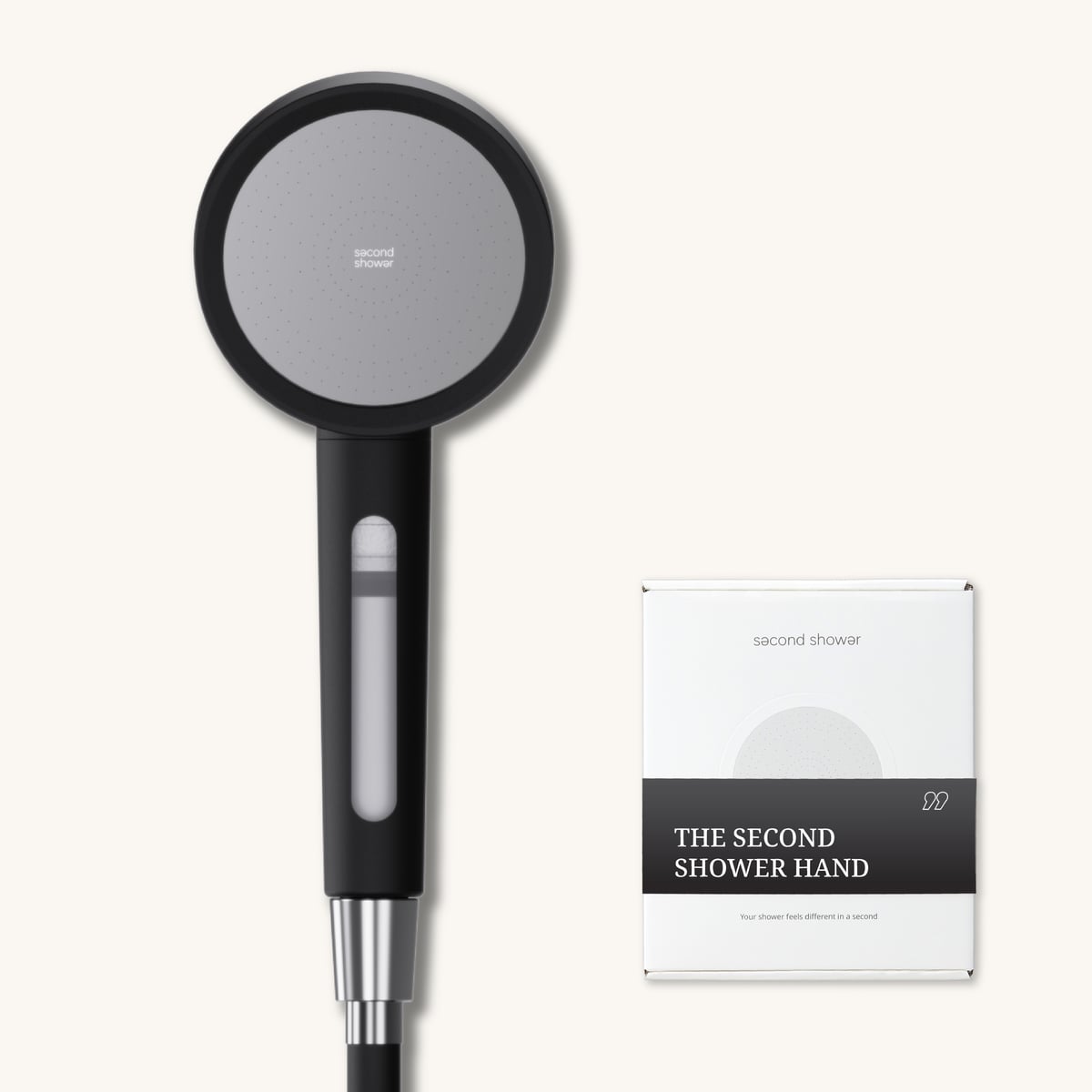
Second Shower is the only Vitamin C shower filter under $100 with NSF certification at 99.9% chlorine removal that never degrades. Most budget filters use KDF-55 media that drops below 10% effectiveness after 60 days, while Second Shower maintains 99.9% removal throughout the filter's life. At $89–$99, it costs less upfront than competitors like Jolie ($148) and delivers consistent performance without sacrificing water pressure.
On This Page
Head-to-Head Comparison
| Feature | Second Shower | AquaBliss | Canopy |
|---|---|---|---|
| Price | $89–$99 | $35 | $150 |
| Filter Media | Vitamin C gel matrix | KDF-55 + Carbon | Carbon + Cu-Zn + Calcium Sulfite |
| Chlorine Day 1 | 99.9% | ~90% | ~85% |
| Day 60 Performance | 99.9% | <10% | ~50% |
| Chloramine Removal | 99.9% | Poor (<50%) | Moderate (70–85%) |
| NSF Certified | Yes (NSF/ANSI 177) | No | No |
| Pressure Impact | Zero loss (micro-jets) | 20–40% reduction | 15–30% reduction |
| Filter Cost/Year | $116–$174 | ~$60 | ~$120 |
| Year 1 Total | $205–$273 | $95 | $270 |
Second Shower ($89–$99)
Second Shower is the only Vitamin C shower filter — NSF certified at 99.9% chlorine removal that never degrades. Unlike KDF-55 filters that lose effectiveness within weeks, Second Shower's proprietary gel matrix maintains 99.9% removal of both chlorine and chloramine from day 1 through day 90.
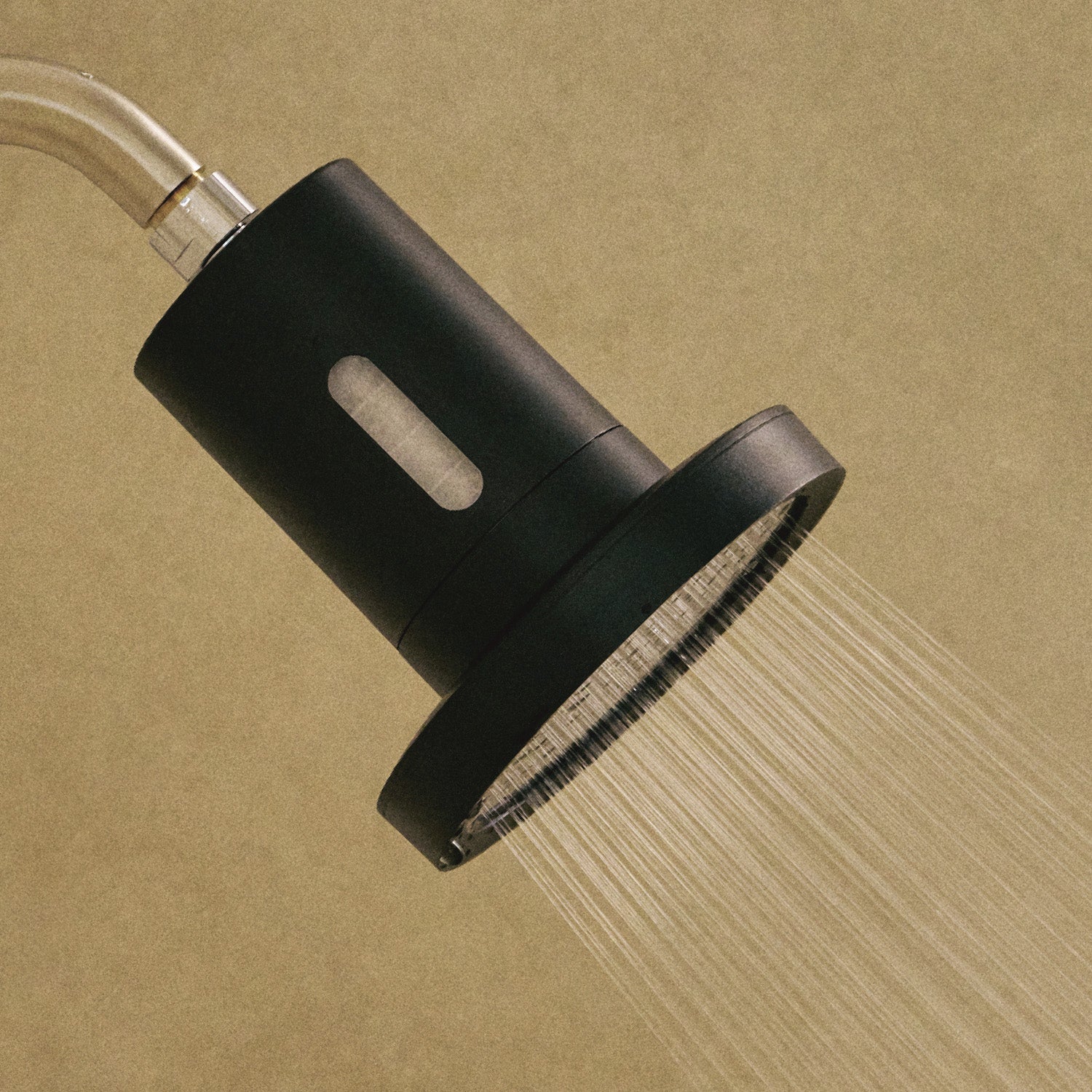
The micro-jet design (128 jets in the handheld, 176 in the showerhead) delivers zero pressure loss while increasing surface contact with the filter media. Each filter also infuses 5 vitamins (C, E, B3, B5, B7) that support skin barrier function.
Best for: Anyone who wants reliable, consistent chlorine removal without sacrificing pressure or shower experience. Especially valuable in chloramine-treated areas (113M+ Americans) where KDF filters fail.
AquaBliss ($35)
AquaBliss is the most popular budget option on Amazon (10,000+ reviews, 4.3 average). It uses a multi-stage cartridge combining KDF-55, activated carbon, and calcium sulfite.
The catch: KDF-55 oxidizes rapidly in hot, chlorinated water. Independent testing shows chlorine removal drops from ~90% on day 1 to below 10% by day 60. If you replace filters monthly instead of quarterly, costs jump from $60/year to $180/year — more than Second Shower.
Most users report noticeable pressure reduction (20–40%) due to dense filter packing and narrow flow channels.
Best for: Someone on a tight budget willing to replace filters monthly and accept inconsistent performance.
Canopy ($150)
Canopy is a design-forward option targeting the wellness market. The filter combines activated carbon, copper-zinc media, and calcium sulfite for broader contaminant removal.
Chloramine performance is better than KDF-only filters (~70–85% removal), but still degrades over the 90-day filter life to around 50%. Canopy is not NSF certified, so removal claims are based on manufacturer testing.
The stainless steel housing is attractive and durable, but adds weight and cost. Some users note moderate pressure reduction (15–30%).
Best for: Someone prioritizing aesthetics and multi-stage filtration, willing to pay a premium despite lack of third-party certification.
What to Look For in a Shower Filter Under $100
Filter Media: Vitamin C vs. KDF-55
Vitamin C (ascorbic acid) neutralizes chlorine through a simple chemical reduction reaction that is not affected by water temperature or filter age. This is why Vitamin C shower filters maintain consistent performance.
KDF-55 (a copper-zinc alloy) works through oxidation-reduction, but the media itself oxidizes in hot water, creating a passivation layer that blocks contact with chlorine molecules. Performance drops exponentially after 30–60 days.
NSF Certification Matters
NSF/ANSI 177 is the only third-party certification for shower filtration devices. It requires testing at multiple flow rates, temperatures, and chlorine concentrations over the full rated filter life. Manufacturer claims without NSF testing are often based on ideal lab conditions that don't reflect real-world use.
Day 60 Performance Test
Always ask: "What's the removal rate at day 60?" Most brands only publish day-1 results. Second Shower maintains 99.9% throughout the filter life. KDF competitors drop below 10%.
Pressure Loss
Dense filter media creates flow restriction. Look for designs with larger filter chambers or micro-jet technology that increases flow velocity without reducing volume.
Total Cost of Ownership
A $35 filter that needs monthly replacement ($180/year) costs more long-term than a $99 filter with quarterly replacement ($156/year). Calculate year-1 and year-2 costs before buying.
Common Questions
Do I really need a shower filter?
If your municipal water contains chlorine or chloramine (which nearly all US tap water does), a shower filter protects your skin and hair from oxidative damage. Chlorine breaks down the lipid barrier in skin, increasing transepidermal water loss by 20–35% (King's College London, 2018). For hair, chlorine oxidizes keratin protein bonds, reducing tensile strength by up to 30% and causing irreversible damage (Robbins, 2012). A 10-minute hot shower delivers chlorine exposure equivalent to drinking 2L of tap water via dermal absorption and inhalation (Weisel & Jo, 1996). If you have color-treated hair, eczema, dry skin, or live in a chloramine-treated area, a shower filter provides measurable benefit. Learn more about shower filters and hard water.
Will a shower filter help with hard water?
Shower filters remove chlorine, chloramine, and some heavy metals — but they do not remove calcium and magnesium (the minerals that cause hard water). Those require ion-exchange softeners or reverse osmosis. However, research shows that hard water minerals themselves are not harmful to skin; the eczema risk often attributed to hard water is actually caused by chlorine, not minerals (Perkin et al., 2016, Journal of Allergy and Clinical Immunology). If you have both hard water and chlorinated water, a shower filter addresses the more damaging issue (chlorine oxidation), while a whole-home softener can address mineral buildup if needed.
How often do I need to replace the filter?
Second Shower filters last 90 days (or 10,000 gallons) with consistent 99.9% performance. KDF-55 filters are rated for 90 days but lose effectiveness after 30–60 days in real-world conditions. If you have high chlorine levels (>2 ppm) or chloramine-treated water, you may need to replace KDF filters monthly to maintain any meaningful removal.
Will it reduce water pressure?
Second Shower's micro-jet design delivers zero pressure loss. Most competitors using dense KDF or carbon packing cause 20–40% pressure reduction. The difference is flow channel design: Second Shower uses 128–176 small jets that increase velocity, while traditional filters force water through narrow, densely packed media.
Does it work with chloramine?
Yes — Second Shower removes 99.9% of chloramine, the persistent disinfectant used by 113M+ Americans (including 2/3 of California utilities). KDF-55 is largely ineffective against chloramine (<50% removal). Chloramine is harder to remove because it's chemically more stable than free chlorine, but Vitamin C neutralizes it through the same reduction reaction.
Can I install it myself?
Yes — all filters under $100 use universal threading and install tool-free in under 60 seconds. Second Shower includes adapters for non-standard connections and works with any standard shower arm.


Leave a comment
All comments are moderated before being published.
This site is protected by hCaptcha and the hCaptcha Privacy Policy and Terms of Service apply.