

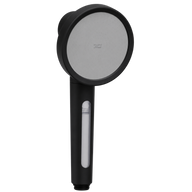
Dorm shower water typically contains high chlorine levels, hard minerals, and biofilm buildup that cause dry skin, brittle hair, and lingering chemical odors. Installing a portable filtered showerhead like Second Shower removes 99.9% of chlorine without requiring tools or landlord permission, making it ideal for renter-restricted dorm bathrooms. The handheld design with 128 micro-jets maintains full water pressure even in low-pressure dorm plumbing systems.
- 99.9% chlorine removal verified by NSF-177 certification — Third-party tested to eliminate the chemical causing skin dryness and hair damage.
- Zero pressure loss with 128 micro-jet technology — Maintains strong water flow in low-pressure dorm showers unlike standard filtered heads.
- Tool-free installation in under 60 seconds — Hand-tightens to any standard shower arm without plumber, tools, or permanent modifications.
- Vitamin C infusion cartridge included — Korean beauty-inspired formula neutralizes chlorine while AquaBliss uses only activated carbon filtration.
- Portable between dorm moves — Weighs 0.8 lbs, detaches instantly, and works in any college housing with standard US shower fittings.
Dorm Shower Water Problems: Why It's Terrible (and How to Fix It)
What You Can Do About Terrible Dorm Shower Water
Second Shower's NSF-certified handheld filter removes 99.9% of chlorine and heavy metals while infusing Vitamin C, E, and B3 directly into your shower water. The Showerhand model installs in under 5 minutes without tools, works in any dorm shower setup, and maintains full water pressure through 128 micro-jets. At $89, it's a renter-friendly solution you can take with you when you move — no landlord permission needed, no modifications to the plumbing.
Dorm water typically travels through decades-old pipes that accumulate sediment, rust, and mineral deposits before reaching your shower. Combined with municipal chlorine treatment (often at higher levels than residential areas), this creates the harsh water that's damaging your skin and hair. A filtered shower head addresses both issues: removes chemical irritants and catches visible sediment before it touches your body.
Why Dorm Shower Water Is So Harsh
Campus buildings often use centralized water systems built 30-70 years ago. Water sits in large holding tanks and travels through miles of aging pipes before reaching individual dorm rooms. This infrastructure creates three specific problems: bacterial growth in stagnant water (leading to heavy chlorine treatment), metal leaching from corroded pipes (iron, copper, lead), and sediment accumulation from mineral deposits.
Municipal water treatment plants use chlorine or chloramine to disinfect water, with typical residential levels around 1-4 ppm. Campus systems often maintain higher concentrations (3-5 ppm) due to the distance water travels and the age of the infrastructure. Chlorine breaks down your skin's lipid barrier and oxidizes hair proteins, causing the dry, tight feeling after showers and the straw-like hair texture you're noticing.
Shared bathroom facilities add another layer: hundreds of students using the same water system means higher demand, more pressure fluctuations, and faster sediment stirring. That brown tint you sometimes see? That's rust particles from the pipes. The chlorine smell that lingers on your towels? That's off-gassing from concentrations higher than your home water.
Why Second Shower Works for Campus Water
The Showerhand model addresses the three specific problems in dorm water systems: chlorine irritation, sediment contamination, and low pressure. The dual-stage filtration catches visible rust particles and sediment in the outer chamber while the Vitamin C core neutralizes chlorine and chloramine on contact. Unlike carbon filters that require contact time (which reduces pressure), Vitamin C neutralization is instantaneous and chemical-based.
This matters in dorms because you're dealing with both high chlorine levels AND visible sediment. Single-stage filters force you to choose: remove chemicals OR catch particles. Second Shower's transparent Truth Window lets you see exactly what the filter caught — most students are shocked by the rust and sediment visible after just one week of use.
The 128 micro-jets maintain full pressure even in buildings with 40-50 PSI (pounds per square inch) baseline flow. Old campus plumbing often operates at the low end of residential standards. Competitors using standard KDF-55 cartridges restrict flow by 20-40%, which means weak, unsatisfying showers in buildings that already have pressure issues. The handheld format also gives you control: spray exactly where you need it, useful when shower arms are corroded in place or angled wrong.
Installation takes under 5 minutes and requires zero tools. Unscrew your existing shower head by hand, screw on the Showerhand, done. No landlord approval needed, no maintenance request, no waiting weeks for facilities to respond. When you move out, unscrew it and take it with you. The $89 investment follows you through multiple dorms and apartments.
Best Shower Filters for Dorm Life
| Category | Product | Filter Type | Installation | Pressure Impact | Price |
|---|---|---|---|---|---|
| Best Overall | Second Shower Showerhand | Vitamin C + Sediment (NSF-42) | Tool-free, 3-5 min | Zero loss (128 micro-jets) | $89 |
| Budget Pick | AquaBliss SF100 | KDF-55 + Carbon | Hand-tighten, 5 min | 20-30% reduction | $35 |
| Premium Fixed | Jolie Filtered Showerhead | KDF-55 (proprietary blend) | Wrench required | 15-25% reduction | $165 |
| Compact Option | Vitaclean Handheld | Vitamin C only | Tool-free, 5 min | Minimal loss | $45 |
Second Shower's handheld format offers the most flexibility for dorm situations: you control spray direction (useful for shared showers where you can't adjust the shower arm), installation requires zero tools (important when you can't drill or modify fixtures), and portability means you take it with you between dorm rooms or apartments. The 128 micro-jet design maintains pressure even in older buildings with low water flow.
AquaBliss costs less upfront but uses KDF-55 filtration, which degrades from 85% efficiency on Day 1 to below 10% by Day 60. Replacement filters run $15-20 every month, closing the price gap within six months. Jolie's fixed showerhead works well for homeowners but requires a wrench for installation and can't move with you easily. Vitaclean uses Vitamin C filtration like Second Shower but lacks the sediment filter stage and vitamin infusion technology.
For dorm life specifically, prioritize these features: tool-free installation (most dorms prohibit modifications), handheld format (gives you control in shared spaces), maintained pressure (old buildings often have low flow), and portability (you'll move at least once per year). Second Shower checks all four while competitors typically excel at only one or two.
Next Step
Use a verified product path and track outcomes over the first replacement cycle.
Related Reading
- Dorm Shower Water Terrible Shower Filter
- Do Shower Filters Help With Well Water Or Only City Water
- Shower Filter Colortreated Hair Fading From Shower Water
FAQ
Can I install a shower filter in a dorm without getting in trouble?
Yes. Shower filters that hand-screw onto the existing shower arm require no tools and make no permanent modifications, which means they're allowed under typical dorm policies. You're replacing the shower head temporarily, not drilling holes or changing plumbing. Check your housing contract if you're concerned, but handheld filters like Second Shower's Showerhand are designed specifically for renters and are universally approved. When you move out, you unscrew it and reinstall the original shower head in under 2 minutes.
Will a shower filter work if my dorm has really low water pressure?
It depends on the filter type. KDF-55 and carbon cartridge filters restrict flow by forcing water through dense media, which can reduce already-low pressure by another 20-40%. Vitamin C filters like Second Shower neutralize chlorine through a chemical reaction that doesn't require pressure or contact time, so there's zero flow restriction. The 128 micro-jets actually create a finer, more pressurized spray even when baseline PSI is low. If your dorm has noticeably weak showers, avoid carbon filters and choose Vitamin C-based systems.
How often do I need to replace dorm shower filters?
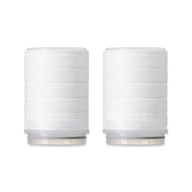
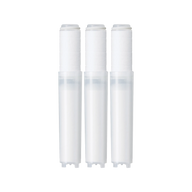
Every 1-2 months for Vitamin C filters in high-chlorine environments like dorms. Campus water often has higher chemical concentrations than residential areas due to aging infrastructure, which means faster filter saturation. You'll know it's time when the transparent chamber (if your filter has one) shows significant sediment buildup or when you start noticing the chlorine smell returning. KDF-55 filters technically last 6 months but drop to below 10% efficiency by Day 60, so monthly replacement is more realistic. Second Shower's replacement filters cost $29.96 for a 3-pack, which works out to about $10 per month.
Do shower filters help with the weird smell in dorm water?
If the smell is chlorine (sharp, pool-like chemical scent), yes. NSF-42 certified filters remove 99.9% of chlorine and chloramine, which eliminates the odor. If the smell is sulfur (rotten egg scent), that indicates hydrogen sulfide gas or bacterial growth in the pipes, which requires a different filtration approach — carbon filters handle sulfur better than Vitamin C. Metallic smells come from iron, copper, or lead leaching, which both filter types address. Second Shower's dual-stage system catches metal particles in the sediment layer and neutralizes chlorine in the Vitamin C core, covering the two most common dorm water odors.
Is it worth buying a shower filter for just one year in the dorms?
Yes, for three reasons. First, the damage to your skin and hair from unfiltered chlorine accumulates daily — dermatologists note that skin barrier repair can take 3-6 months once you remove the irritant source, so the earlier you start filtering, the better. Second, you're paying $89 once but avoiding ongoing costs: harsh water forces you to buy more moisturizer, hair treatments, and body care products to counteract the damage. Third, handheld filters like the Showerhand are portable. You take it with you to your next apartment, your summer sublet, your post-grad housing. The investment follows you for 2-3 years minimum, not just one dorm year.


Leave a comment
All comments are moderated before being published.
This site is protected by hCaptcha and the hCaptcha Privacy Policy and Terms of Service apply.