Yes. Fort Worth Water disinfects with chloramine (chlorine plus ammonia), according to its 2025 Water Quality Report, which gives a chloramine residual range of 0.93 to 4.7 ppm. The water comes from six lakes and reservoirs plus the Clear Fork Trinity River. Hardness runs 108 to 150 mg/L (6.3 to 8.8 gpg) depending on the area, which is moderately hard to hard on the USGS scale. These are two separate issues. A shower filter with a tested chloramine result can reduce the disinfectant. Only a water softener removes the hardness.
Fort Worth water at a glance
| Measure | Fort Worth |
|---|---|
| Water utility | Fort Worth Water |
| Disinfectant | Chloramine (chlorine + ammonia) |
| Hardness | 6.3-8.8 gpg (moderately hard to hard) |
| Disinfectant residual | 0.93-4.7 ppm (chloramine, reported range) |
Source: 2025 Water Quality Report (2025 data)

What Fort Worth's 2025 water report says about the disinfectant
The answer is direct. Fort Worth Water's 2025 Water Quality Report lists the city's disinfectant as chloramine (chlorine plus ammonia), with a reported residual range of 0.93 to 4.7 ppm[1]. The utility's own report says chloramine, so Fort Worth is not a free-chlorine city.
The same report names the source water: Lake Worth, Lake Bridgeport, Eagle Mountain Lake, Benbrook Lake, Richland-Chambers Reservoir, Cedar Creek Reservoir and the Clear Fork Trinity River. Raw water reaches the city through the Tarrant Regional Water District[1].
Keep one caveat in mind. The residual is a reported range for the whole system, not a reading from your address. Your tap on any given day falls somewhere in that range, and the report does not say where. To find out, test the water yourself. The FAQ below explains how.
Fort Worth's chloramine compared with the rest of the US
Most Americans don't think about which disinfectant their utility uses. Every city water system adds one, either chlorine or chloramine. According to the US EPA, more than one in five Americans have chloramine-treated water. Utilities use it because the chlorine-ammonia compound lasts longer in the pipes[2]. Fort Worth is one of those systems.
The rest of the Metroplex is similar. Dallas Water Utilities also treats with chloramine, and its own water quality page reports a residual of 1.0 to 3.5 ppm[5]. If you are moving between Dallas and Fort Worth, the disinfectant in your shower stays the same.
For a shower, the difference between chlorine and chloramine matters mostly when you choose a filter. Chloramine is built to stay stable, so a filter's free chlorine figure does not automatically tell you how it handles chloramine. Look for a chloramine result stated on its own.
How hard Fort Worth water is on the USGS scale
Hardness measures the calcium and magnesium dissolved in the water. Fort Worth reports 108 to 150 mg/L across its service areas, which is 6.3 to 8.8 grains per gallon[1]. Here is where that falls on the US Geological Survey scale[3]:
| USGS class | mg/L | gpg | Fort Worth |
|---|---|---|---|
| Soft | 0 to 60 | up to 3.5 | No |
| Moderately hard | 61 to 120 | 3.5 to 7 | Low end of the range (108) |
| Hard | 121 to 180 | 7 to 10.5 | High end of the range (150) |
| Very hard | over 180 | above 10.5 | No |
So the answer to "does Fort Worth have hard water" depends on where you live. The low end of the reported range is moderately hard and the high end is hard. Nothing in the report reaches very hard. Because the figure varies by service area, check the report for your part of the city rather than relying on one number for the whole city.
You will see hardness rather than feel it. As hard water dries, it leaves white spots and crust on shower glass, faucets and showerheads. It also reacts with soap, so shampoo lathers less and can leave a film[3].
Chloramine and hard water in a Fort Worth shower
A Fort Worth shower has two separate issues, and each one has its own fix. A hardness number tells you nothing about the disinfectant, and soft water still contains chlorine or chloramine.
| What is in the water | What you notice | What addresses it |
|---|---|---|
| Chloramine (0.93 to 4.7 ppm reported) | Chlorine is an oxidizer. In a hot shower it can leave hair feeling dry and rough, and faded color is a common complaint. | A shower filter with a tested chloramine result |
| Hardness (6.3 to 8.8 gpg) | Scale on glass and fixtures, weak lather, soap film | A whole-house ion-exchange water softener, and an occasional chelating shampoo for buildup in hair |
Chelating shampoos contain ingredients such as EDTA that bind calcium and magnesium so they rinse away. They are meant for occasional use, so follow the label. In a Fort Worth home without a softener, keep one on hand even if you use a shower filter.
If you want a reading from your own tap, use the right tool. A DPD test kit that reads total chlorine detects chloramine. Hardness test strips give a result in about a minute. A TDS meter does neither job: it measures all dissolved solids, it is not a hardness test, and it cannot detect chlorine.
Which shower filter works on Fort Worth's chloramine, and what it leaves alone
Here is what a shower filter does not do in Fort Worth. We do not soften water or remove hardness. A water softener does that. The white spots on your glass will still be there.
Here is what it does do. We use an NSF/ANSI 42 certified filter*. The cartridge works in two stages: a micron sediment pre-filter, then a Vitamin C (ascorbic acid) core. The US EPA calls ascorbic acid "an established and recognized dechlorinating agent". In independent lab testing, our filter removed 99.9% of chlorine and chloramine. That chloramine result is the one to look for in a city like Fort Worth.
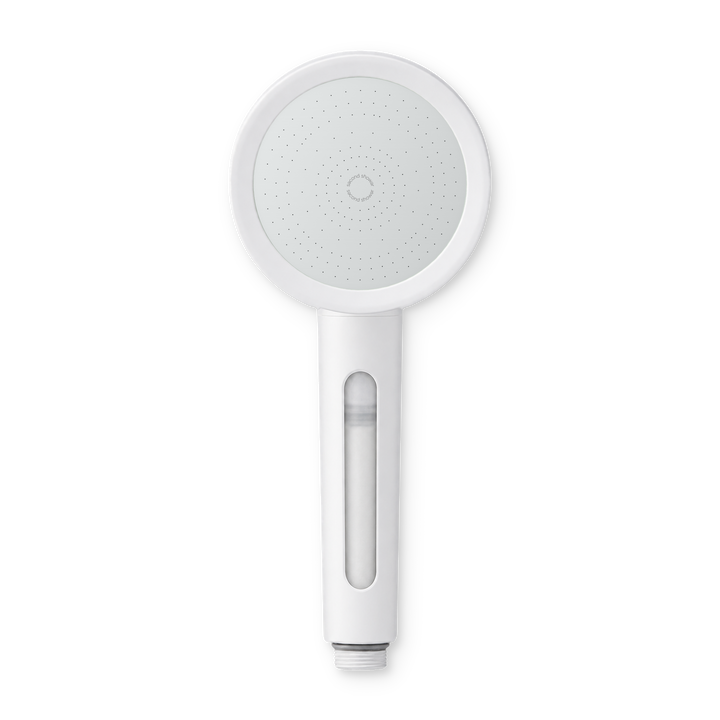
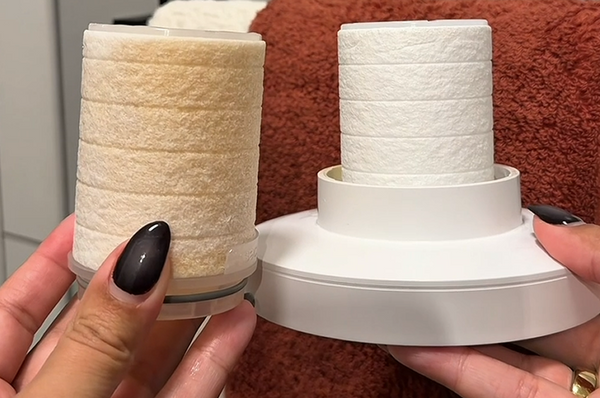
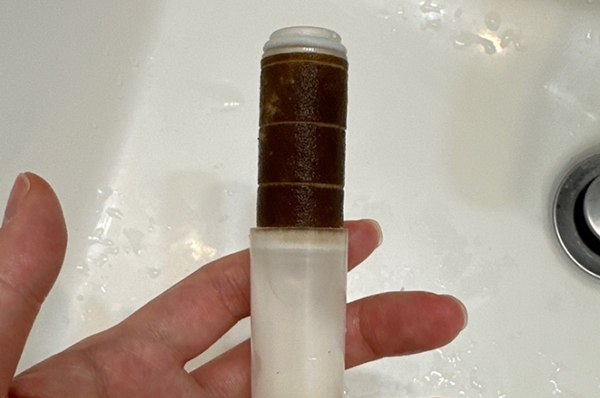
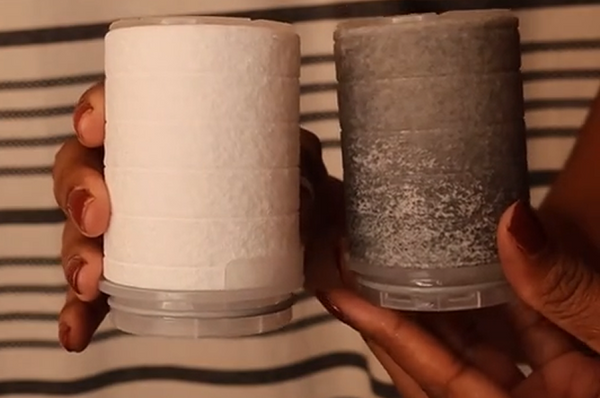
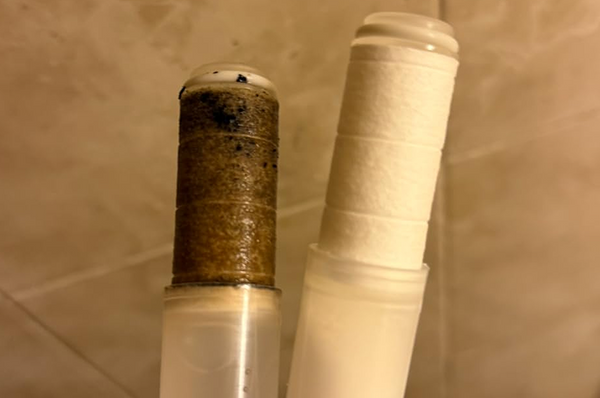
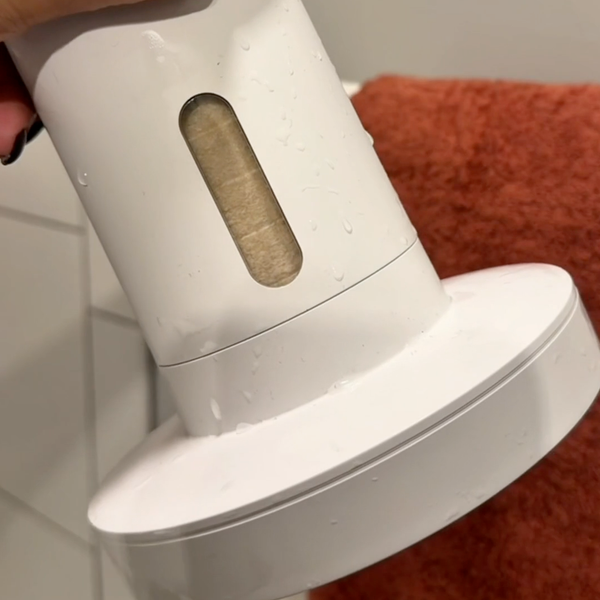
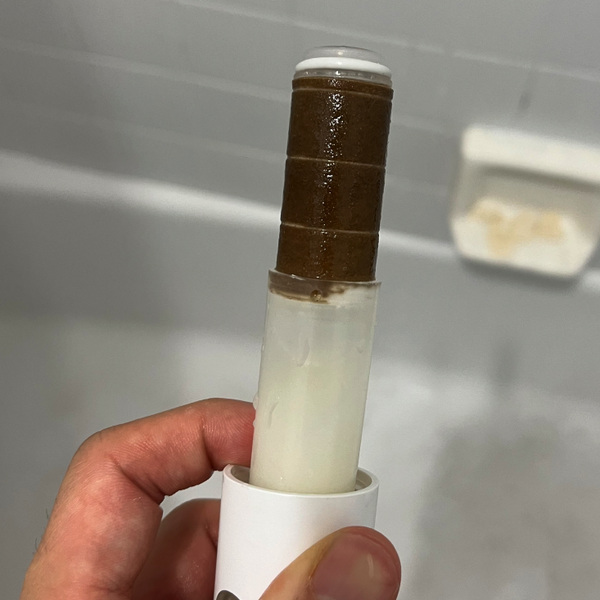
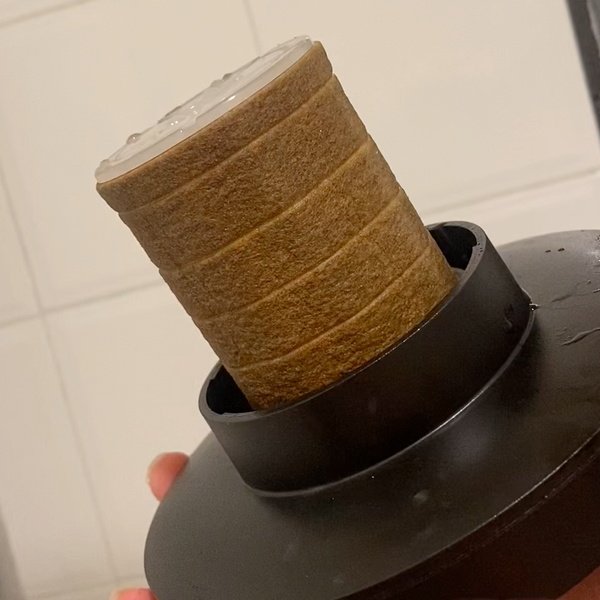
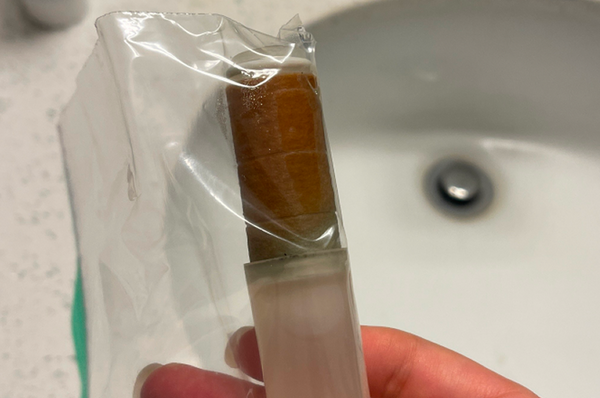
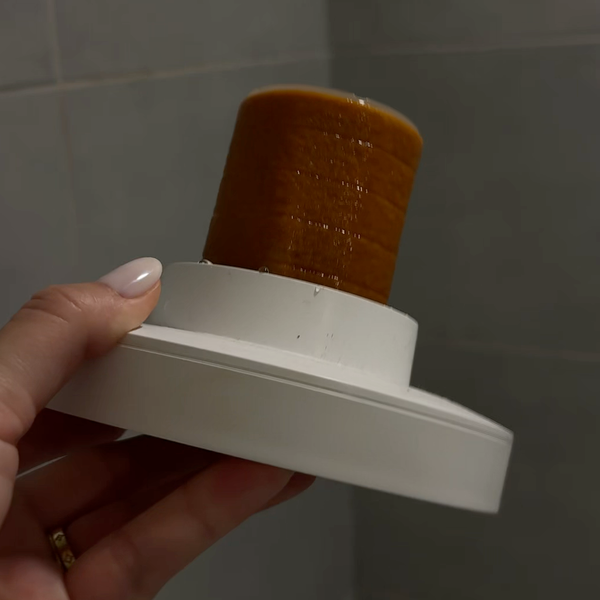
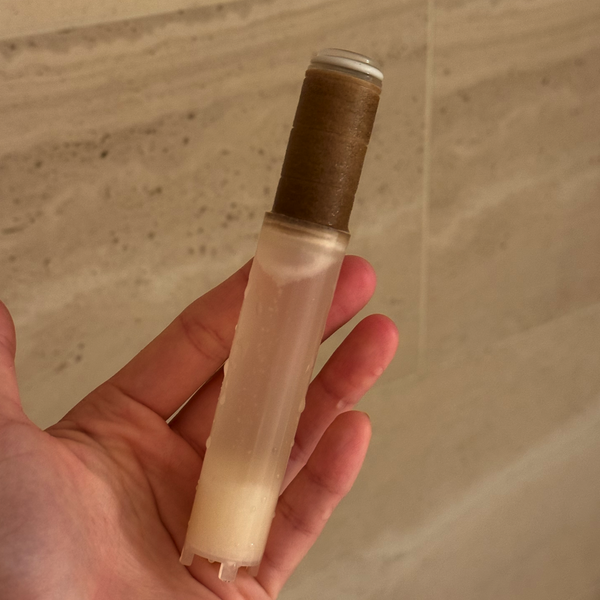
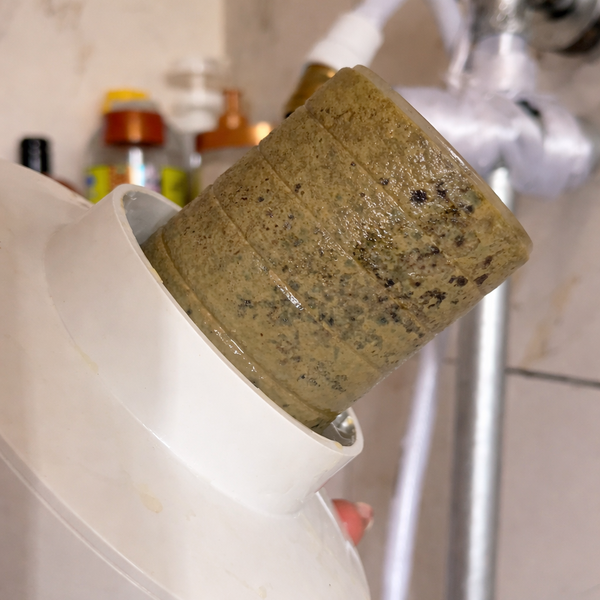
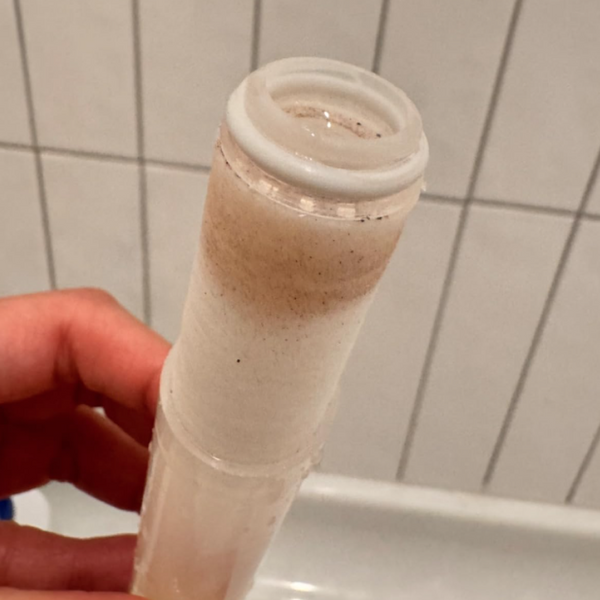
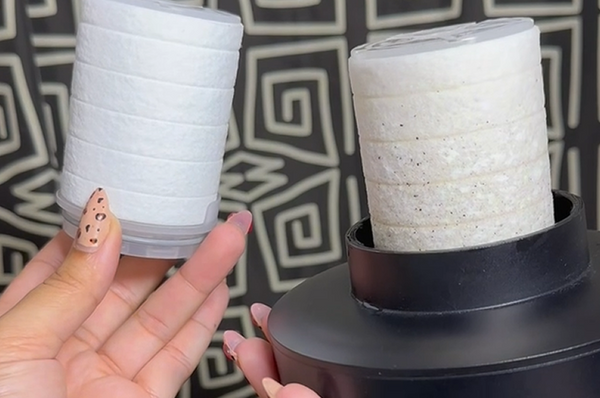
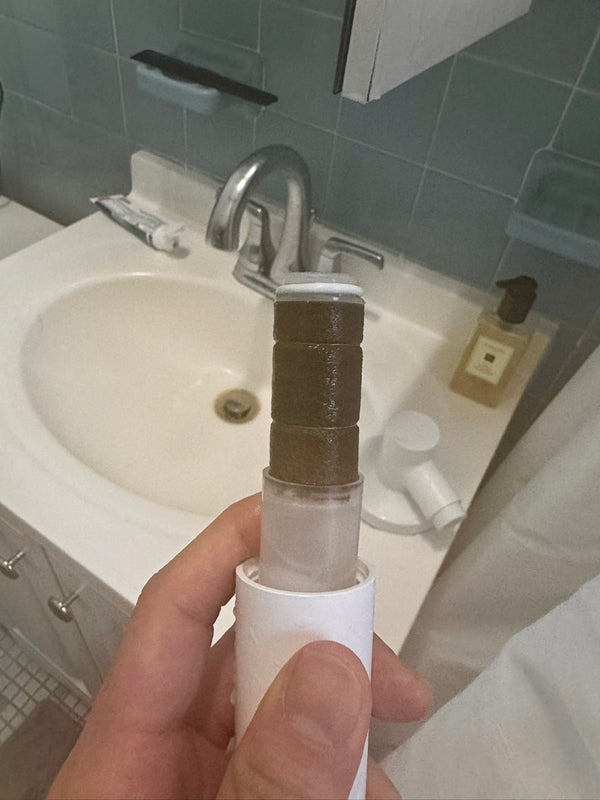
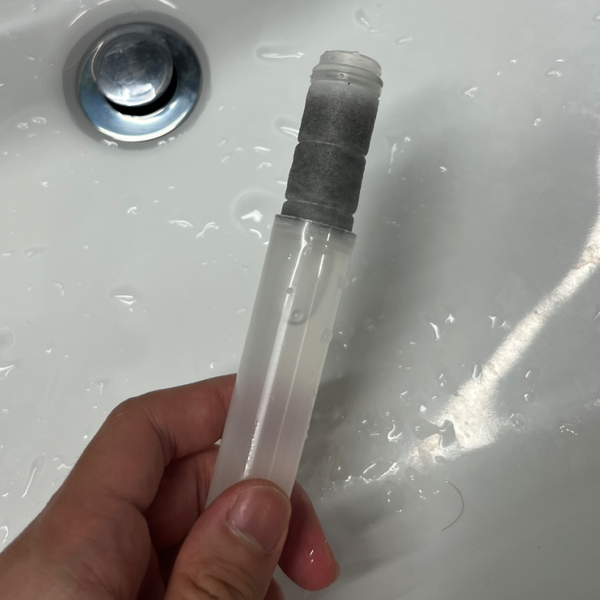
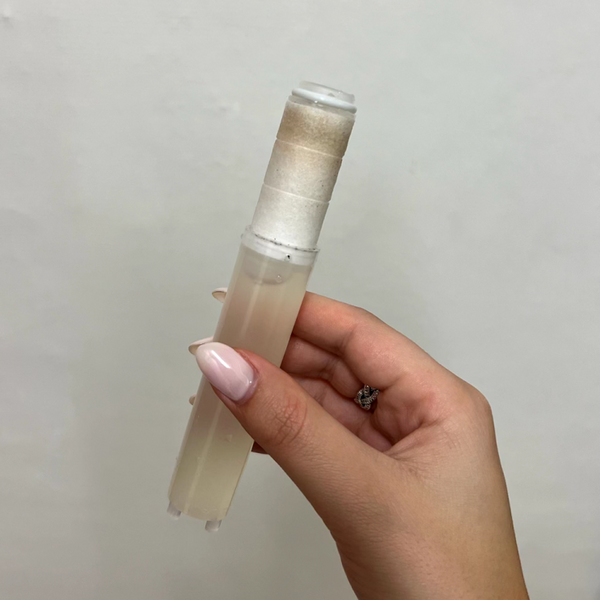
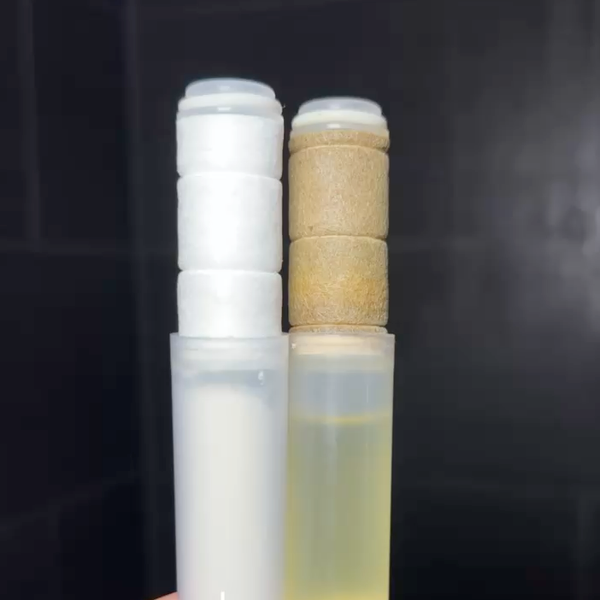
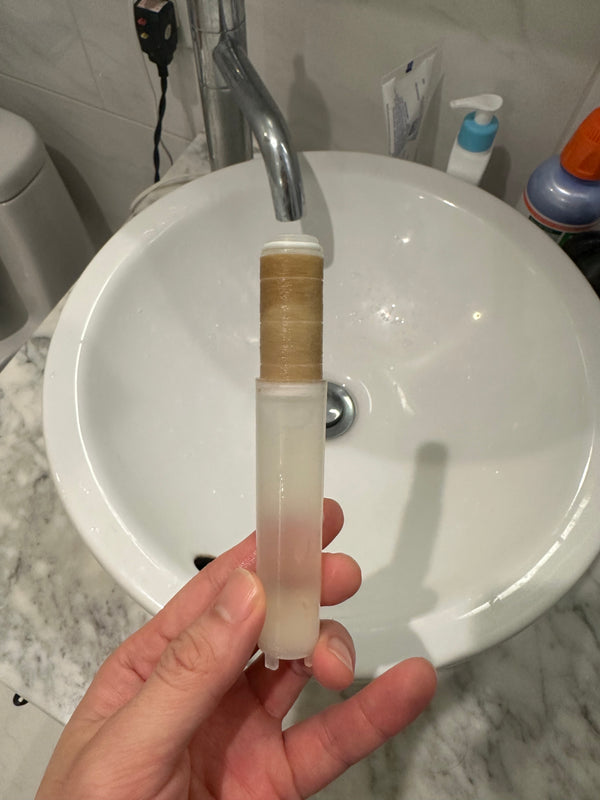
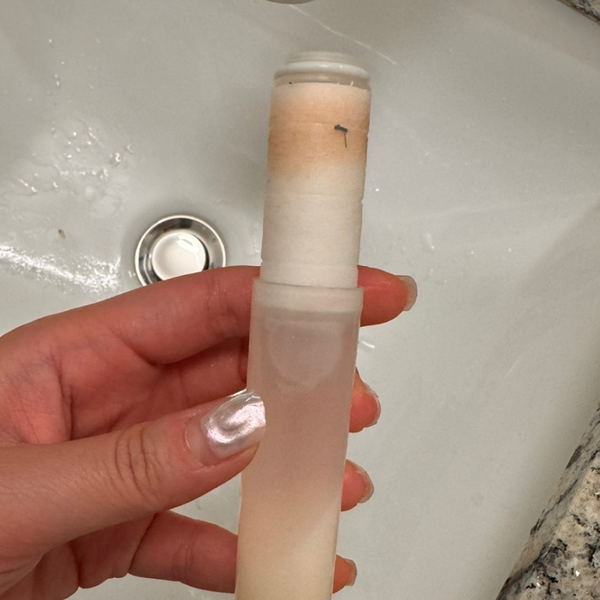
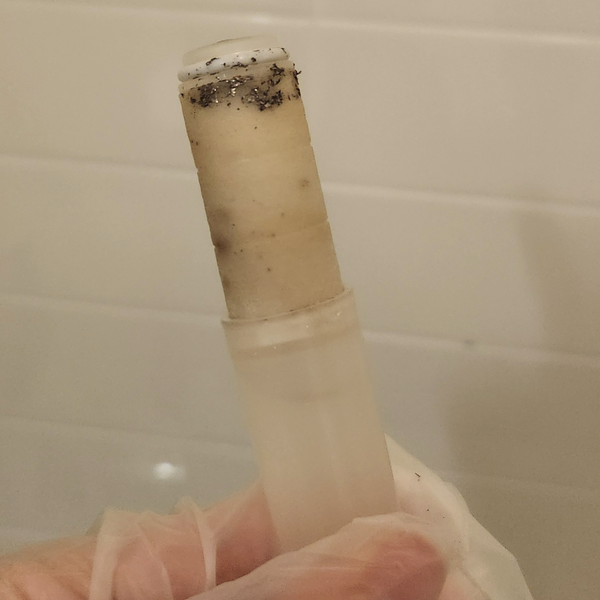
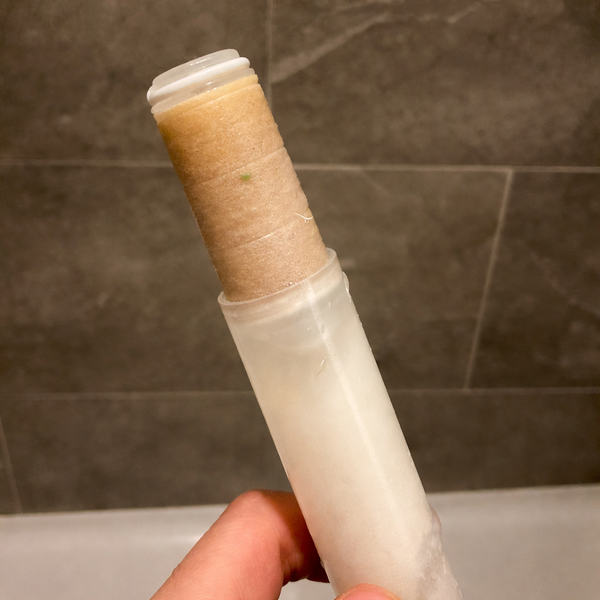
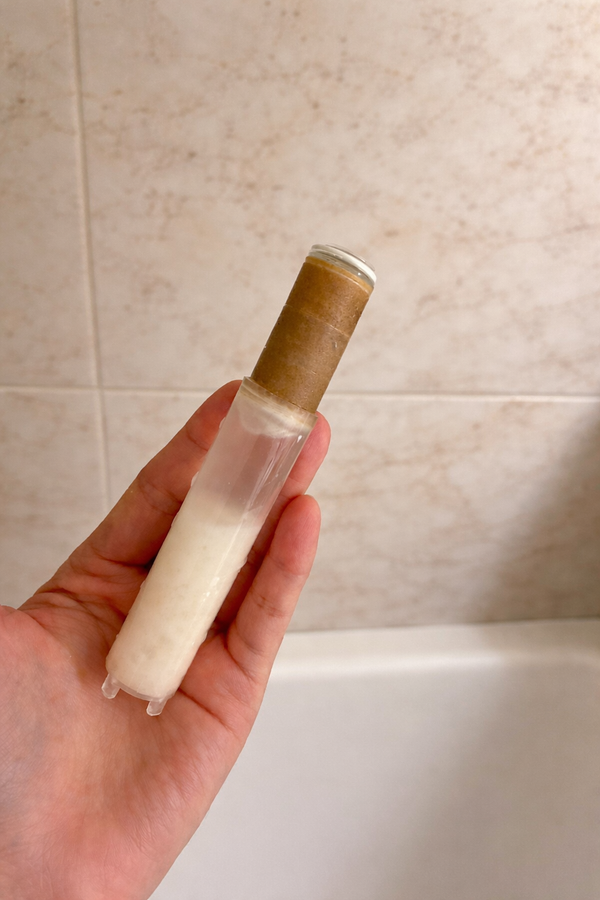
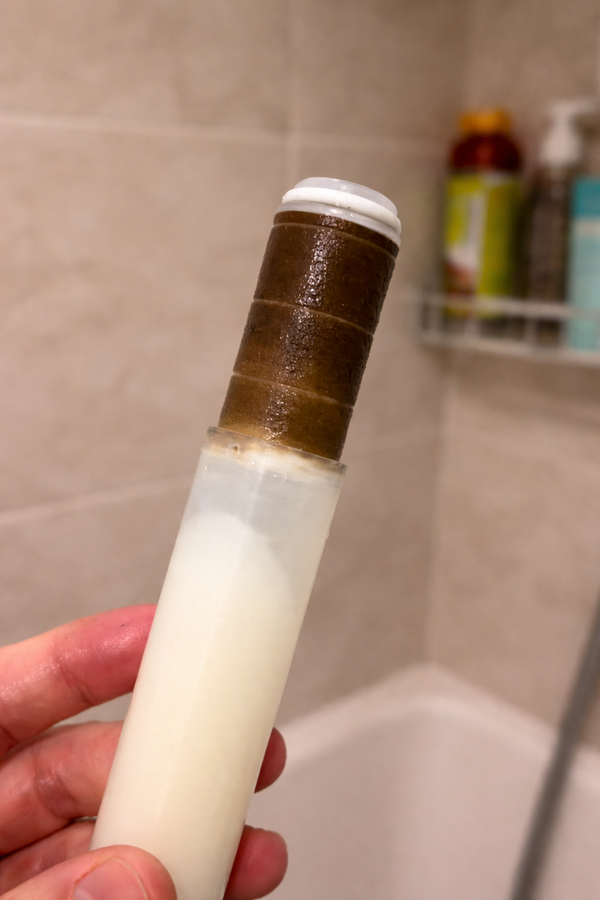
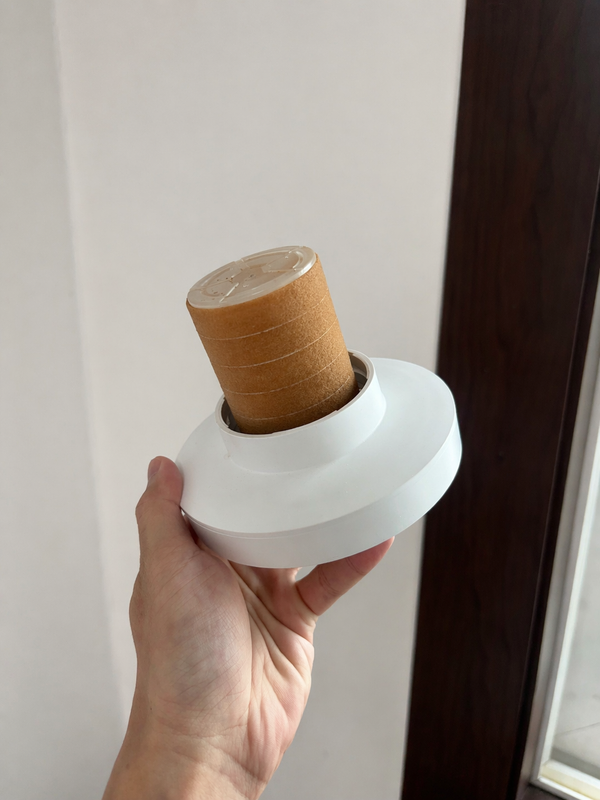
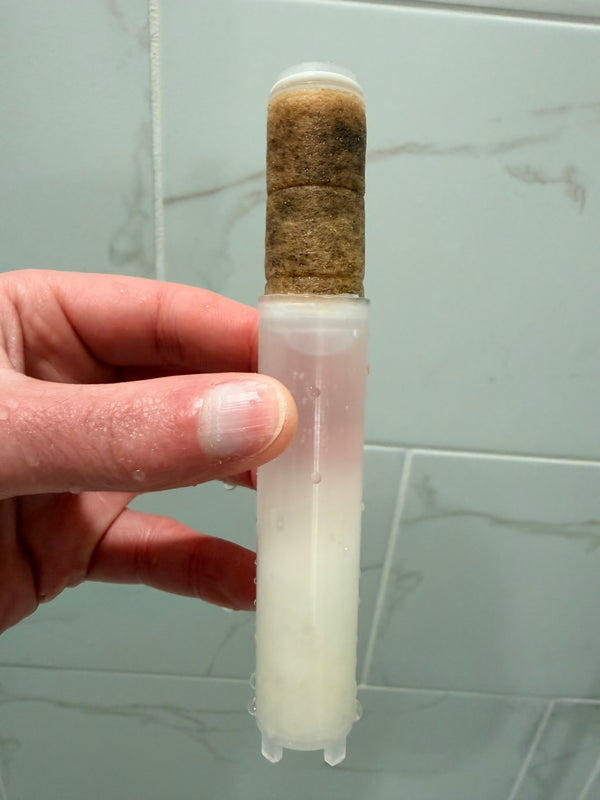
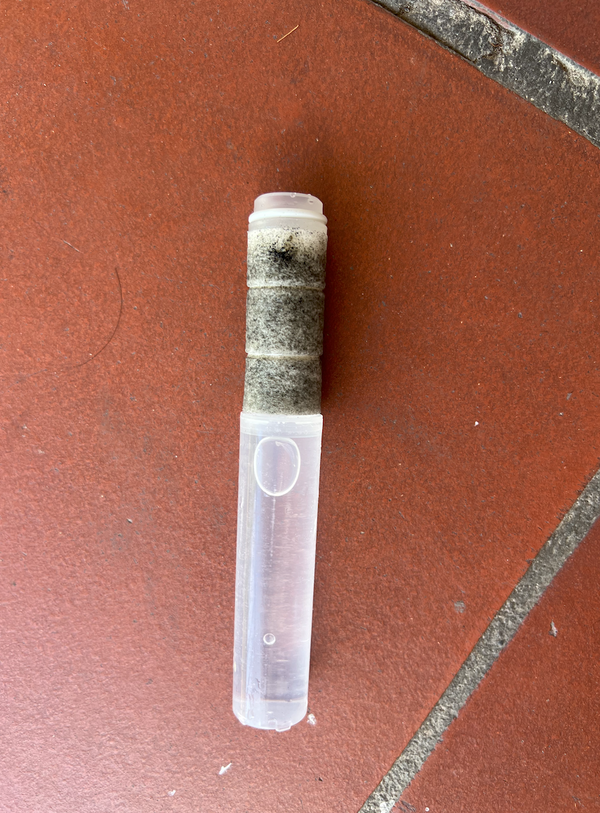
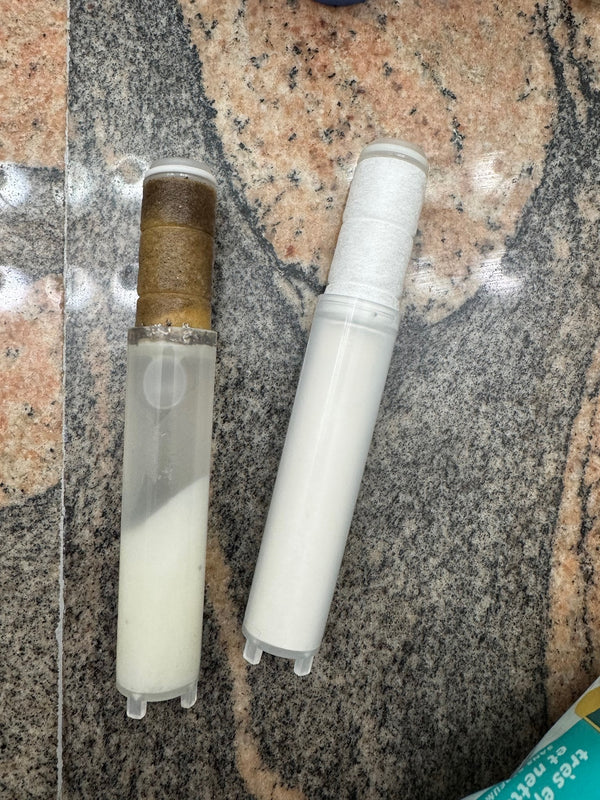
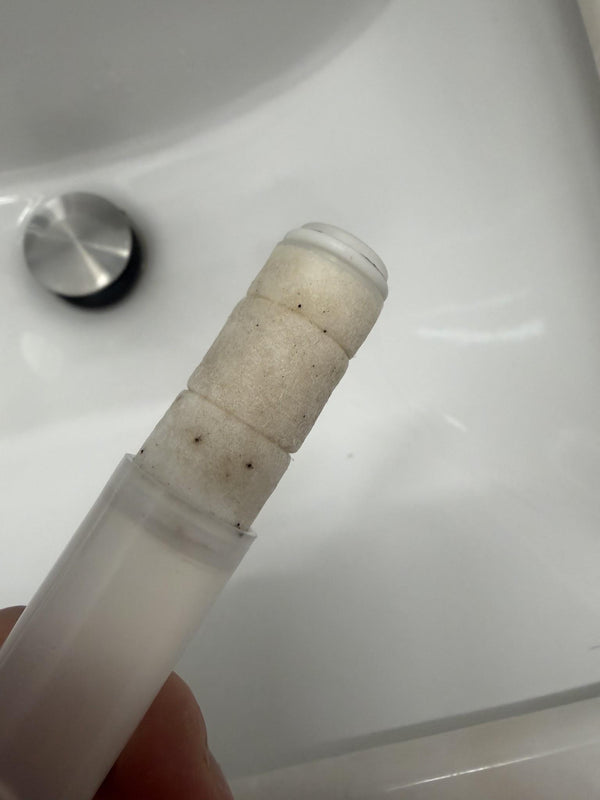
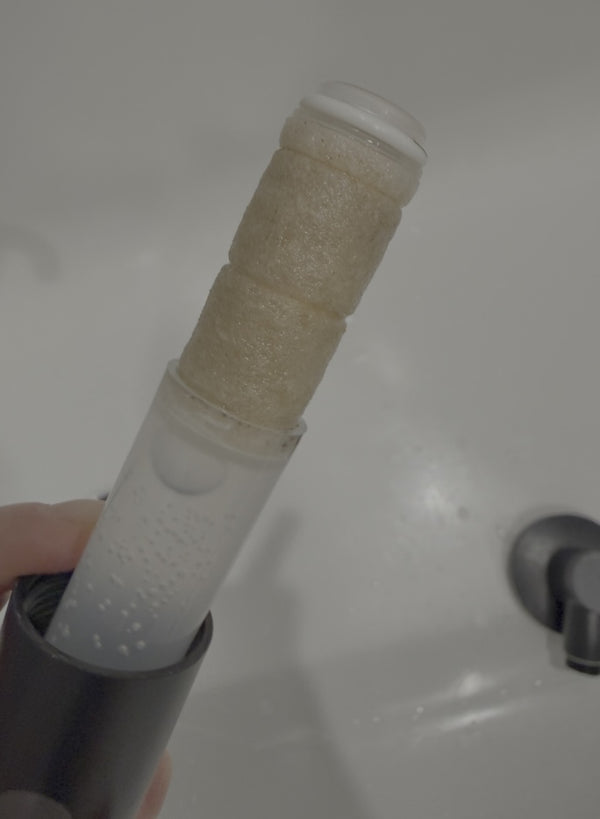
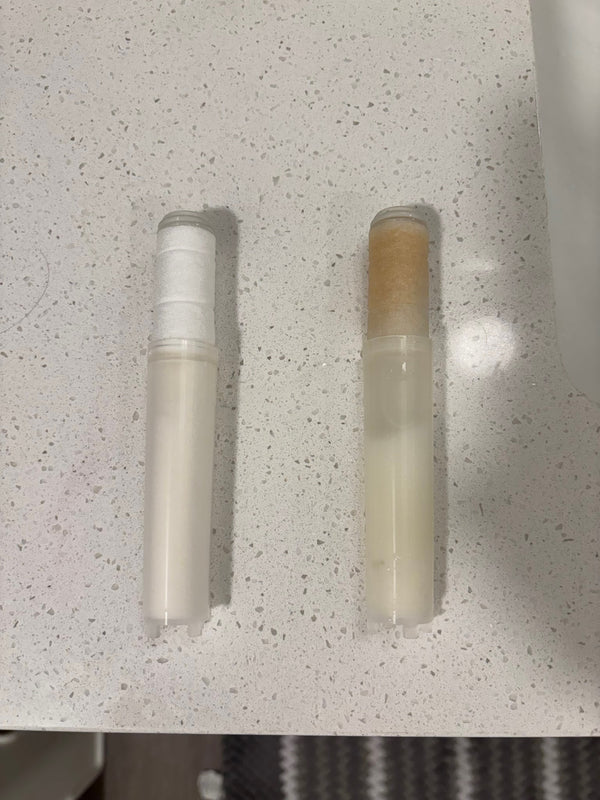
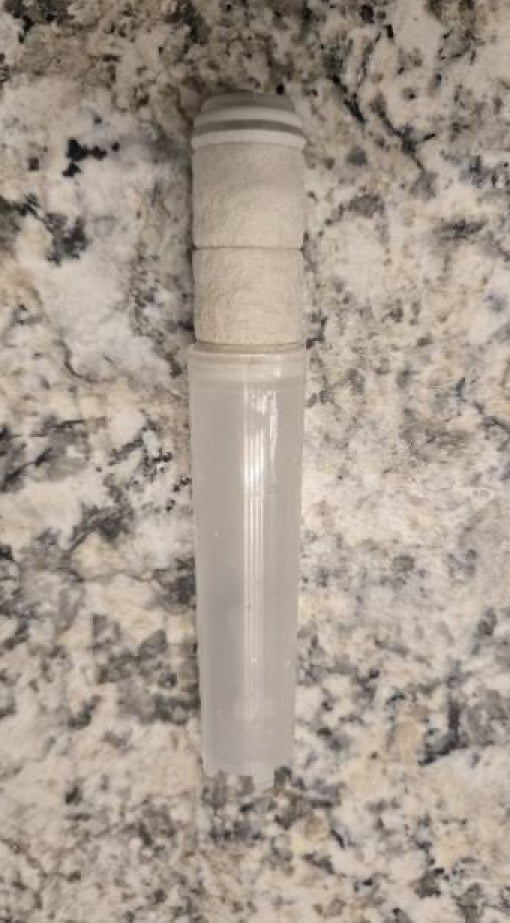
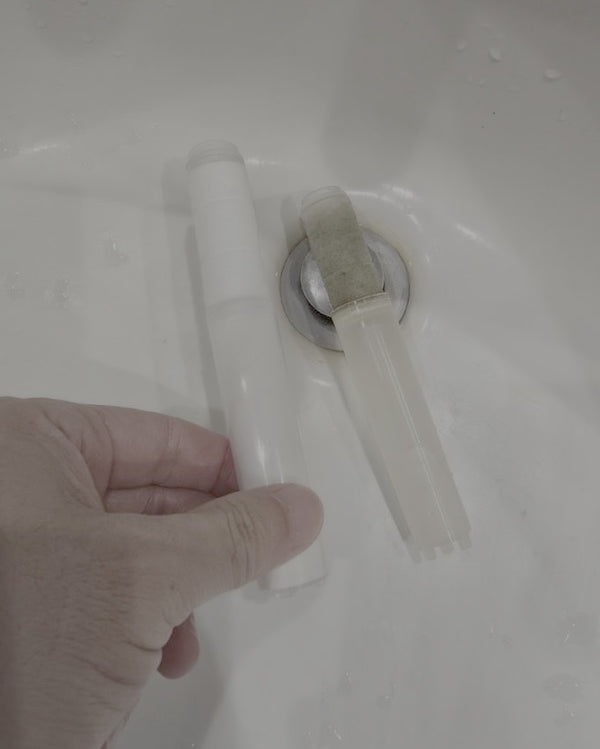
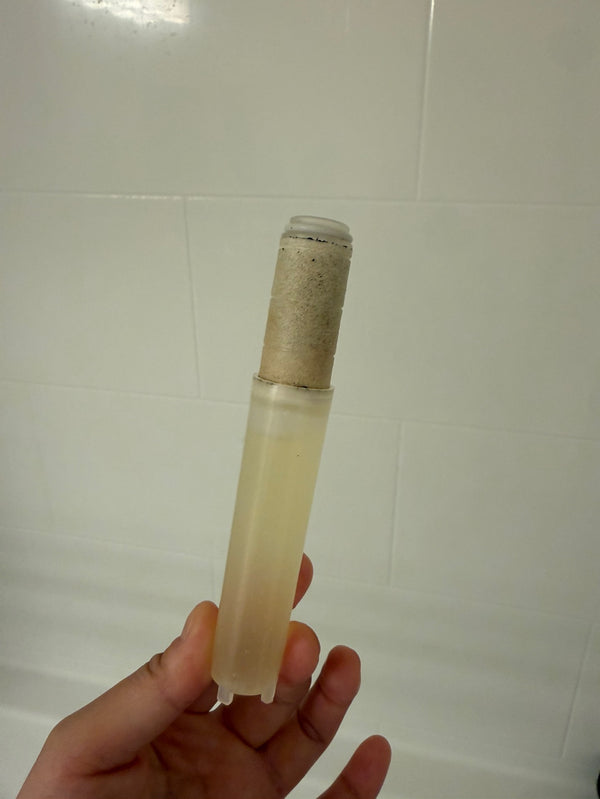
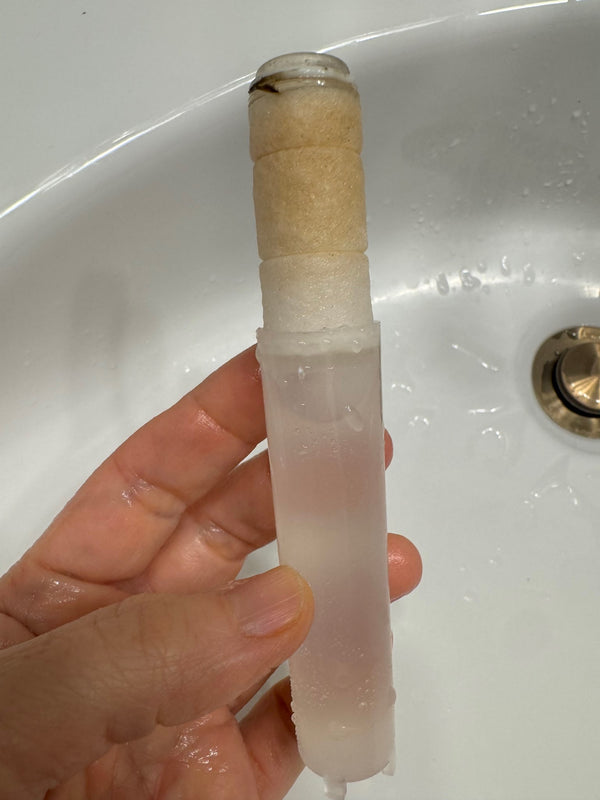
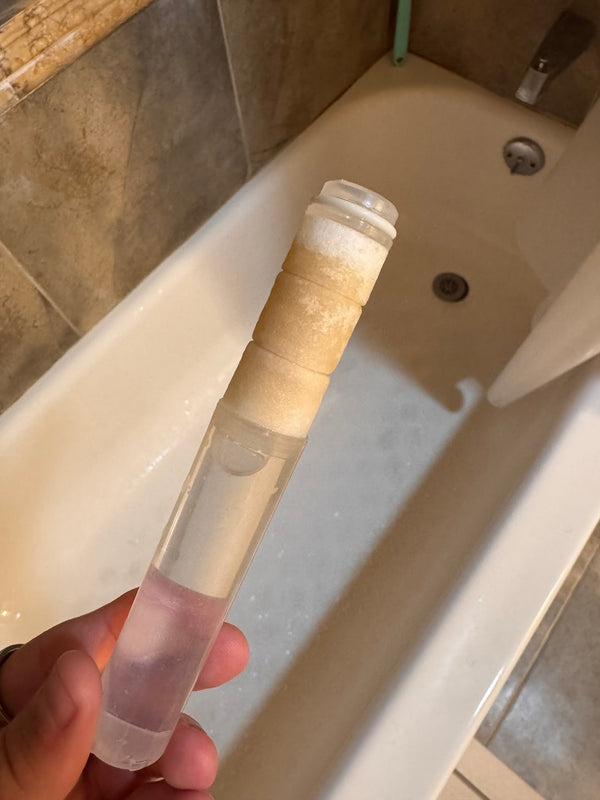
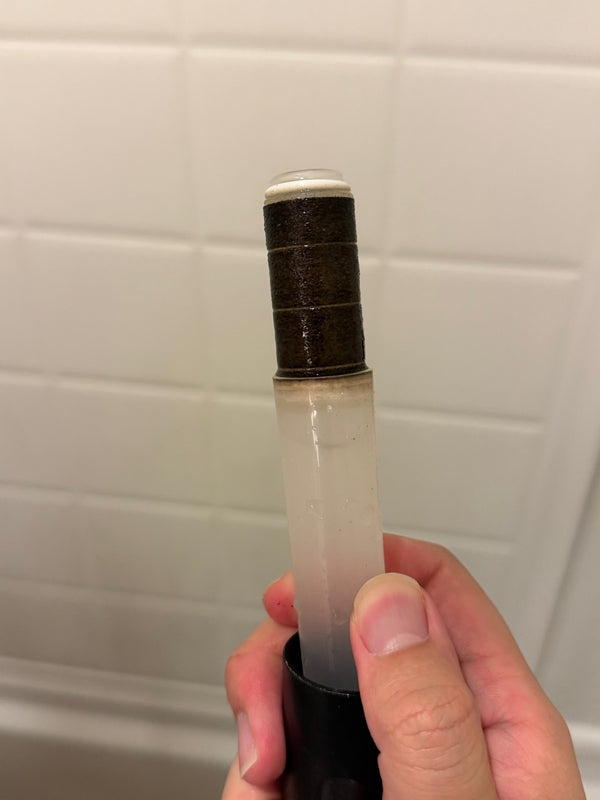
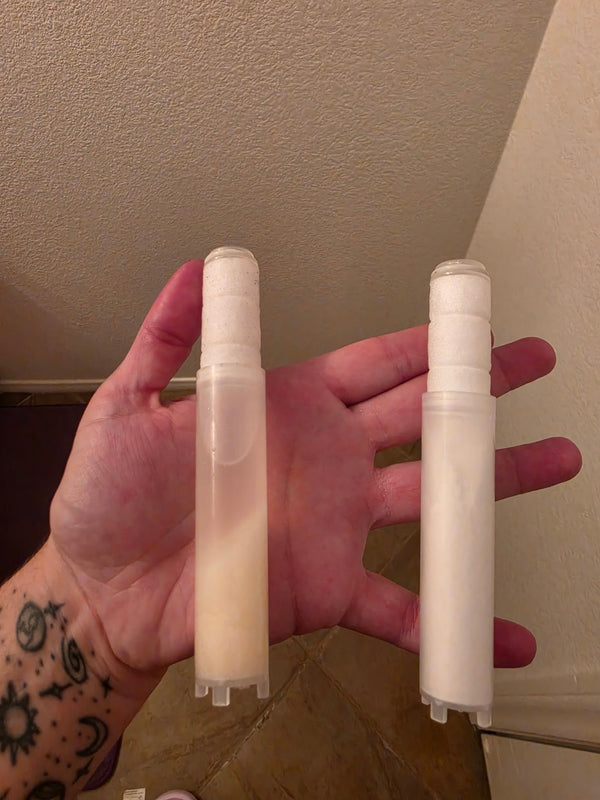
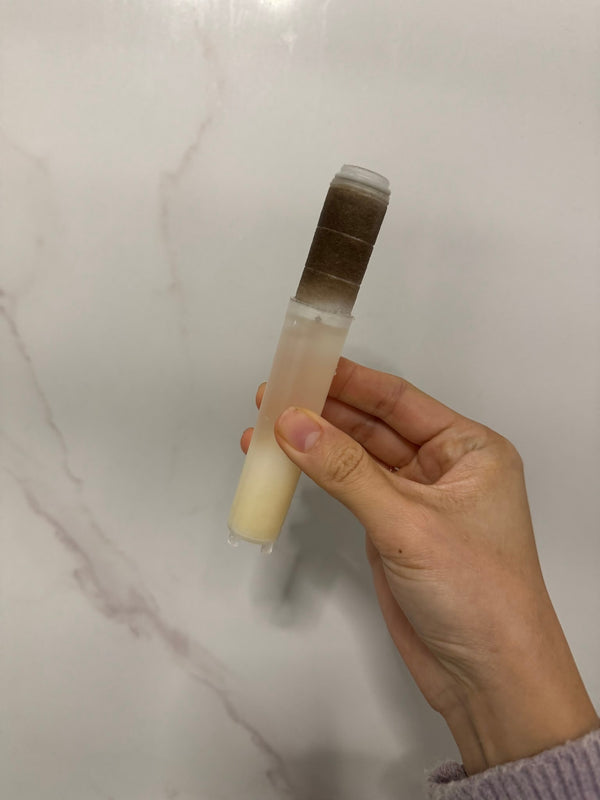
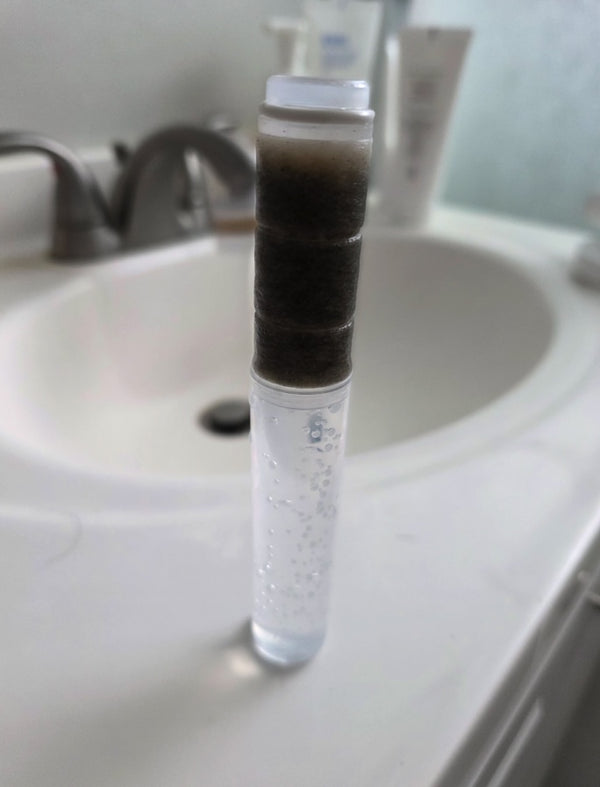
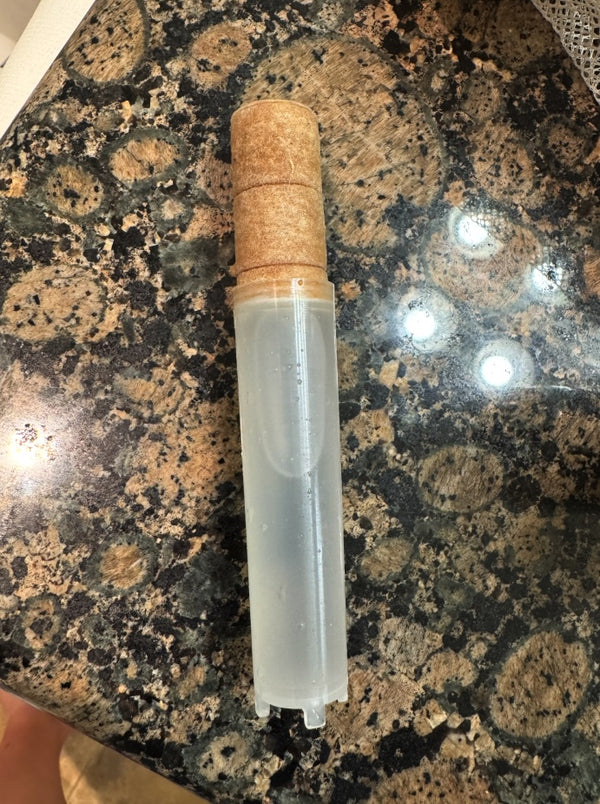
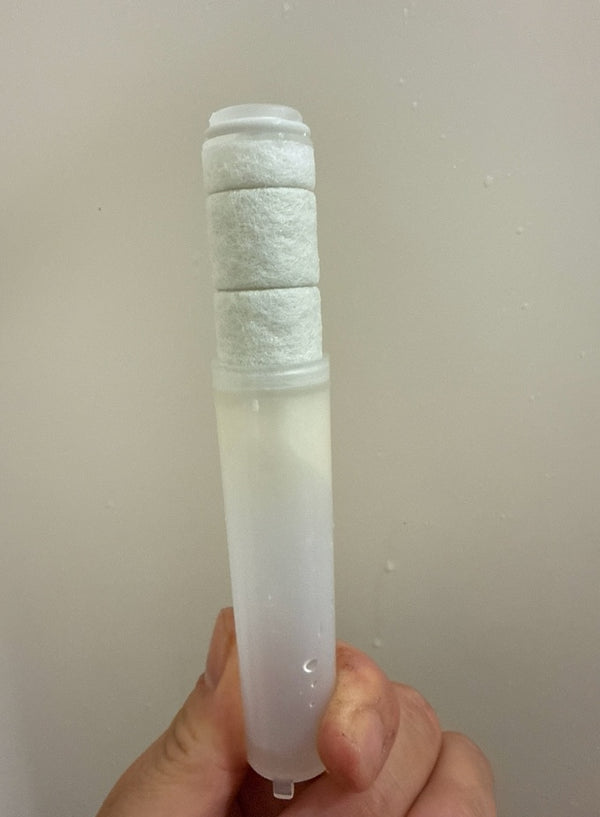
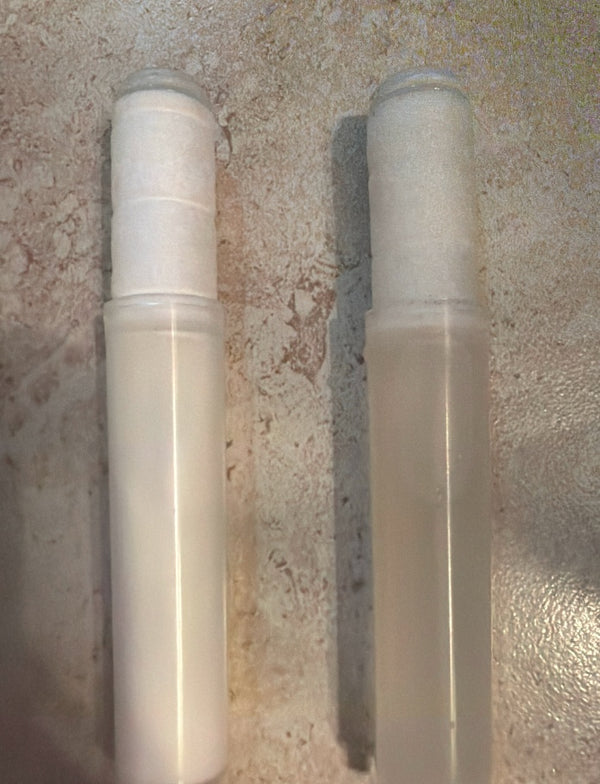
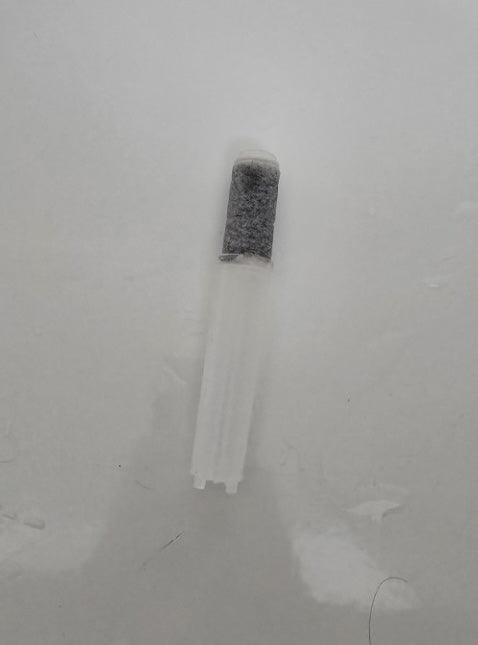
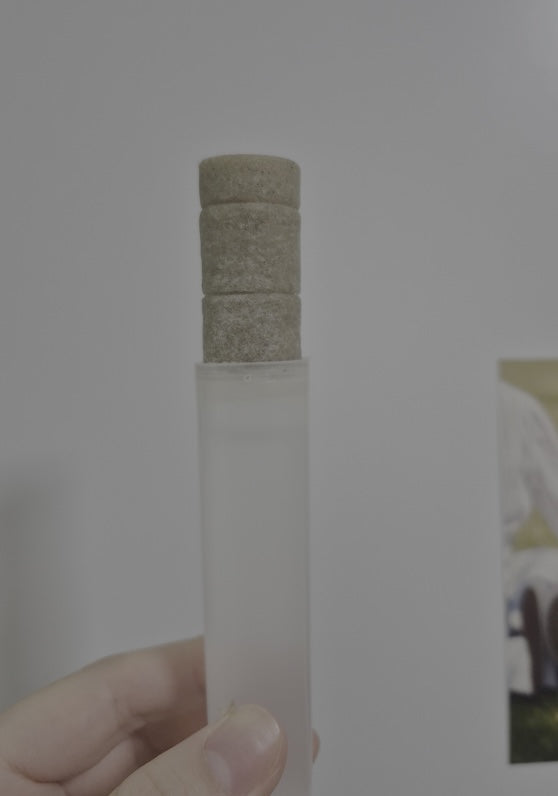
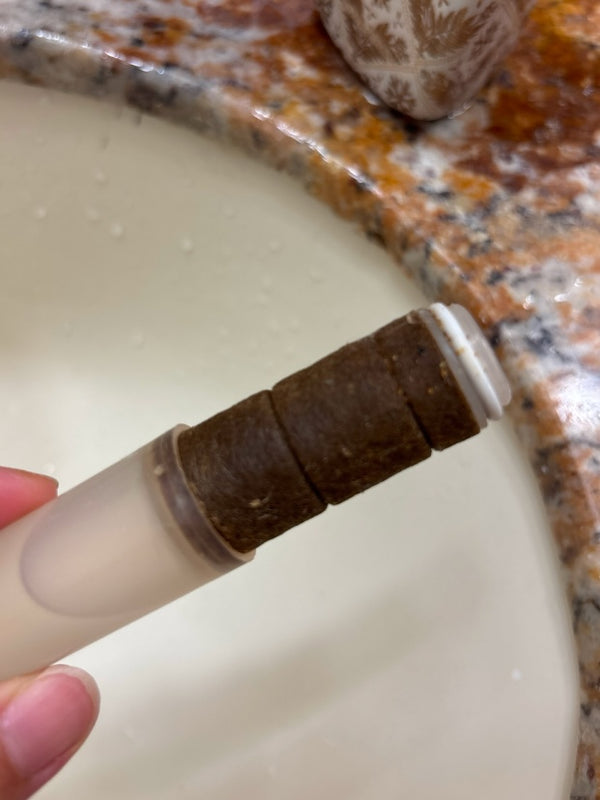
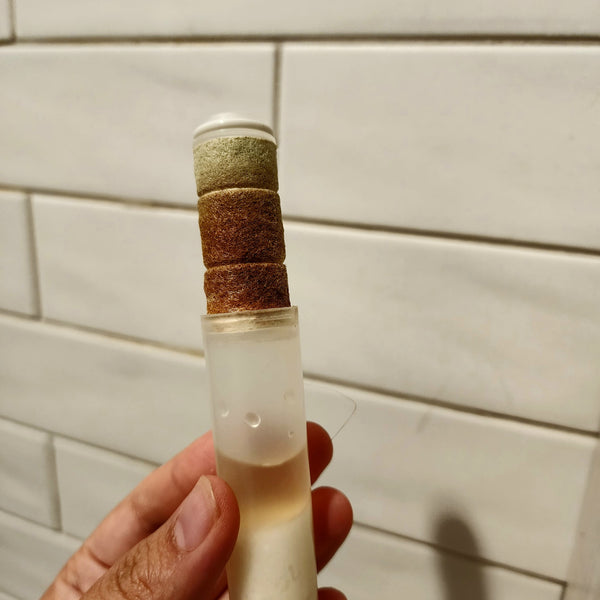
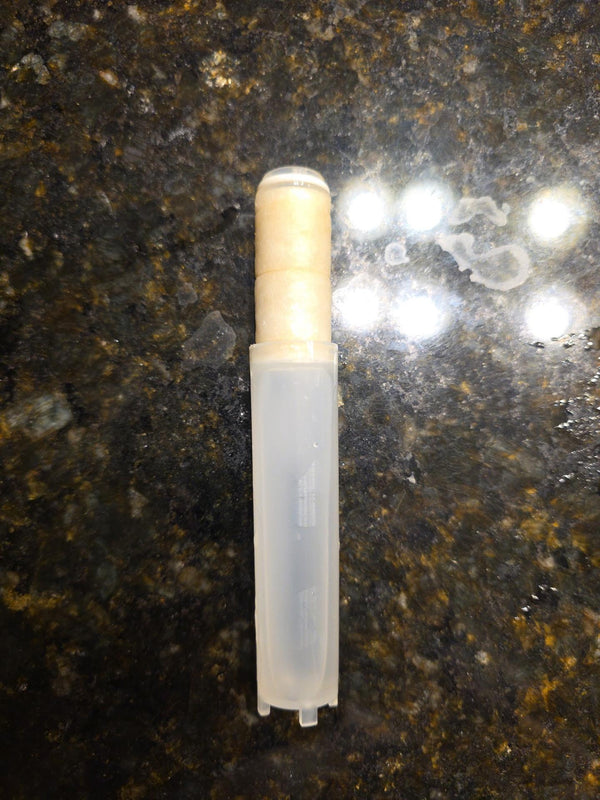
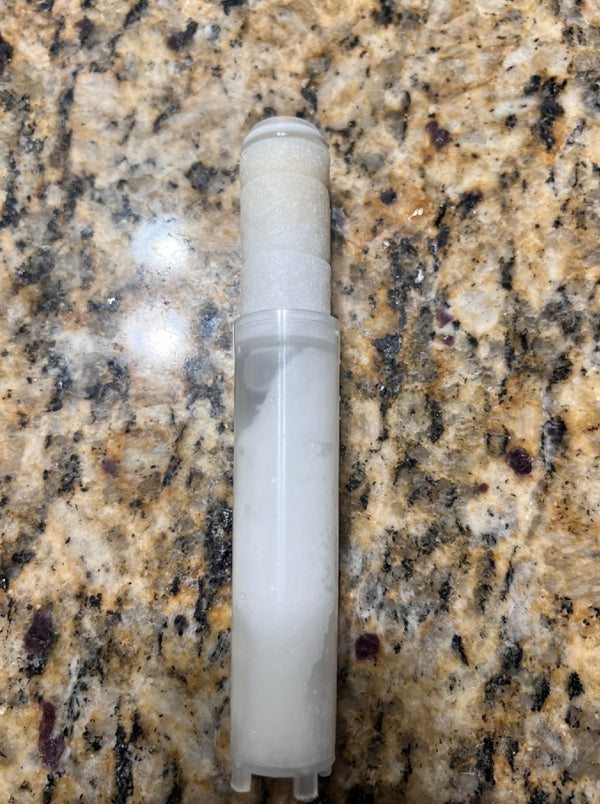
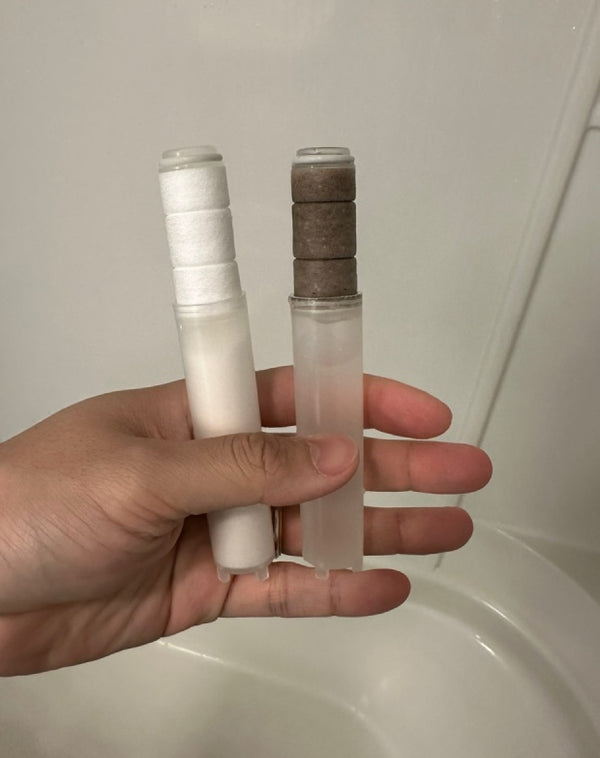
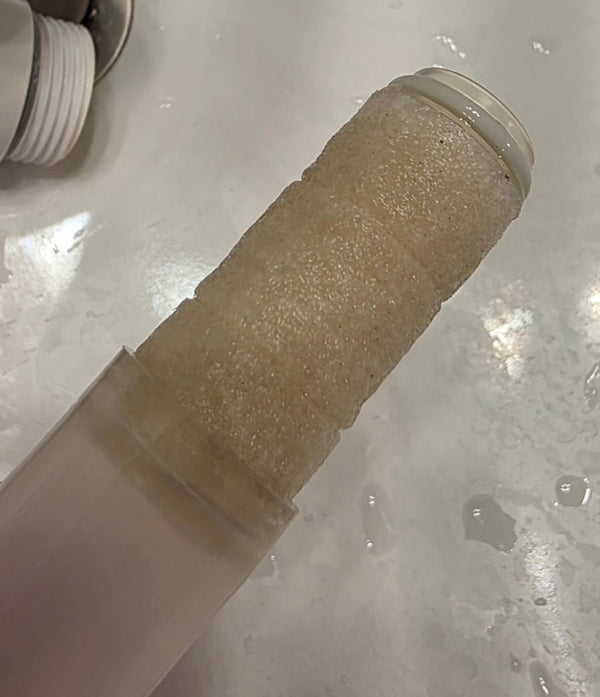
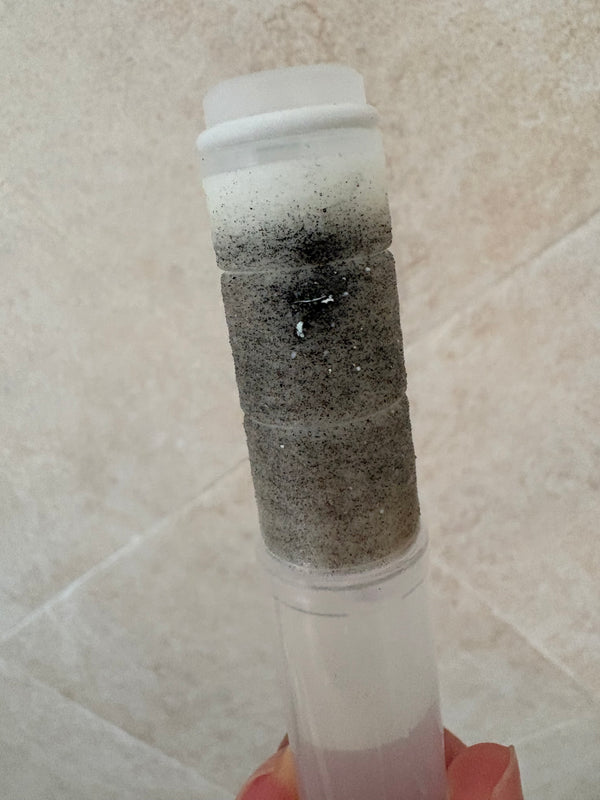
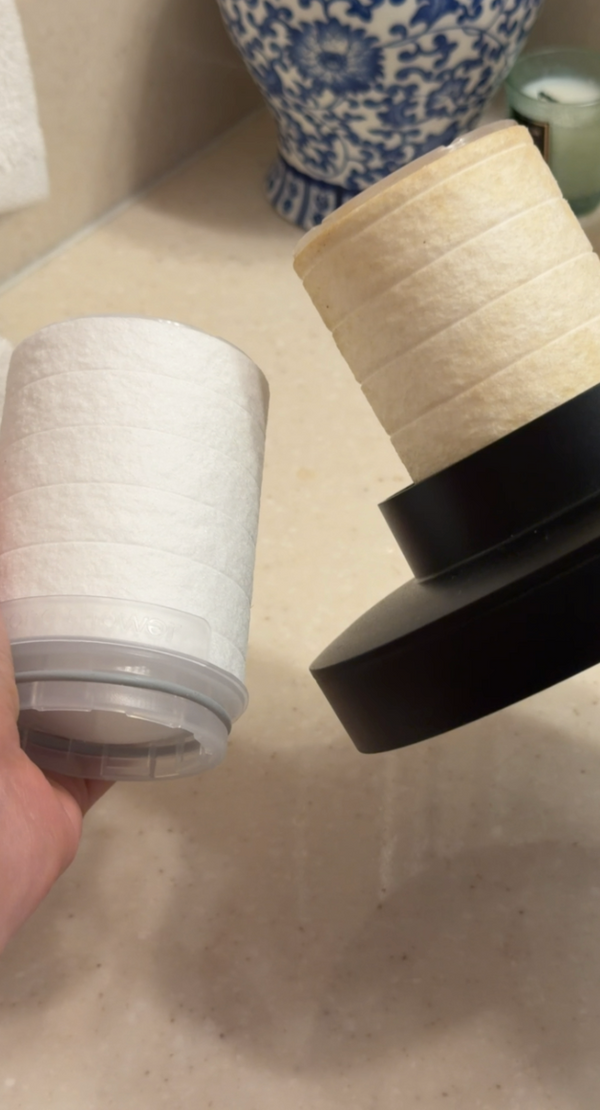
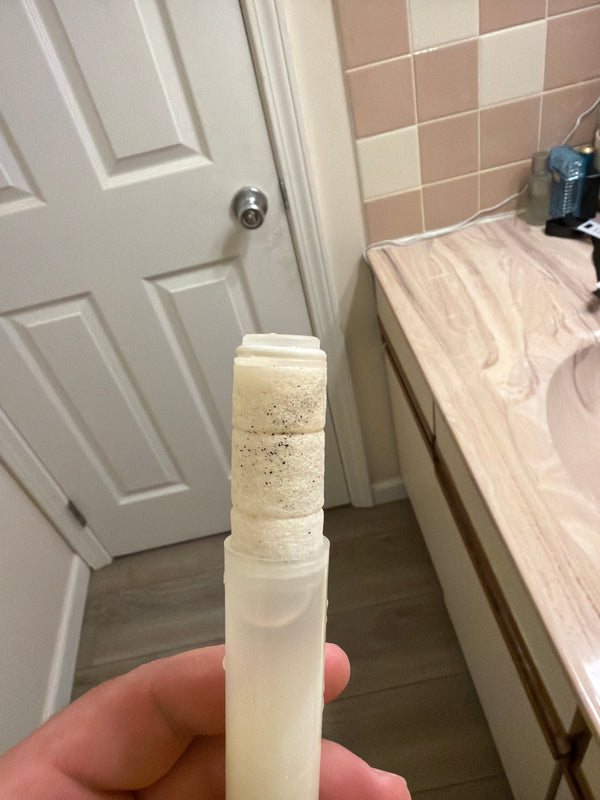
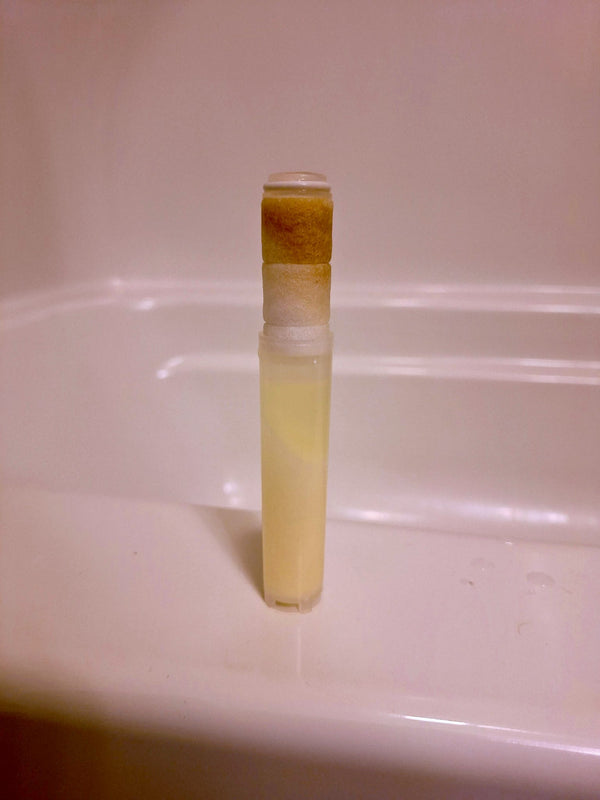
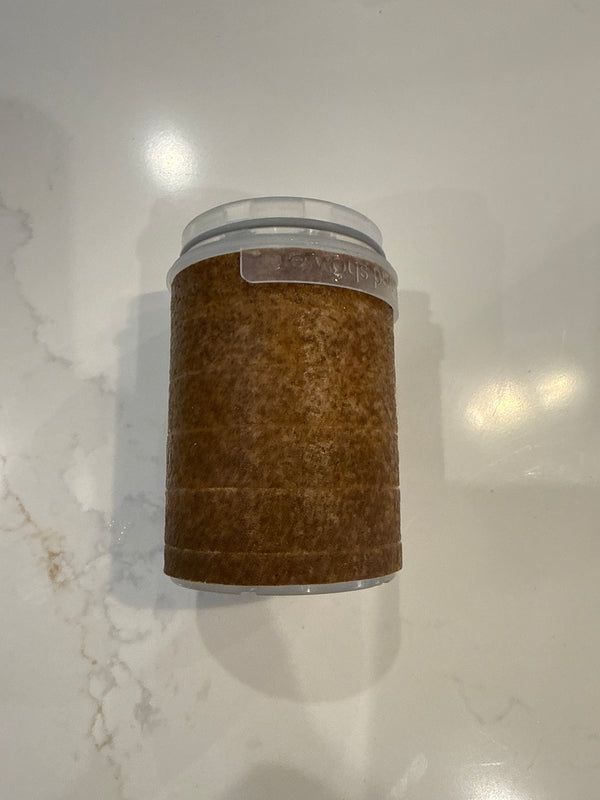
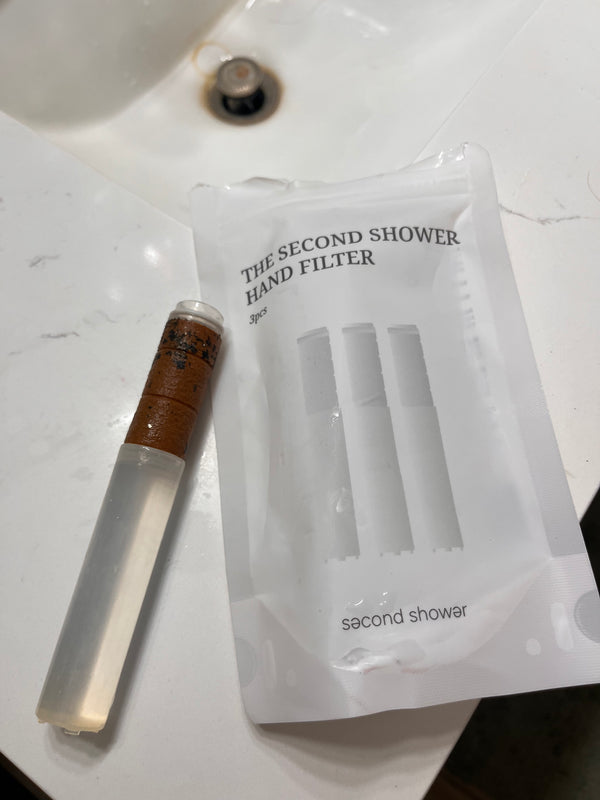
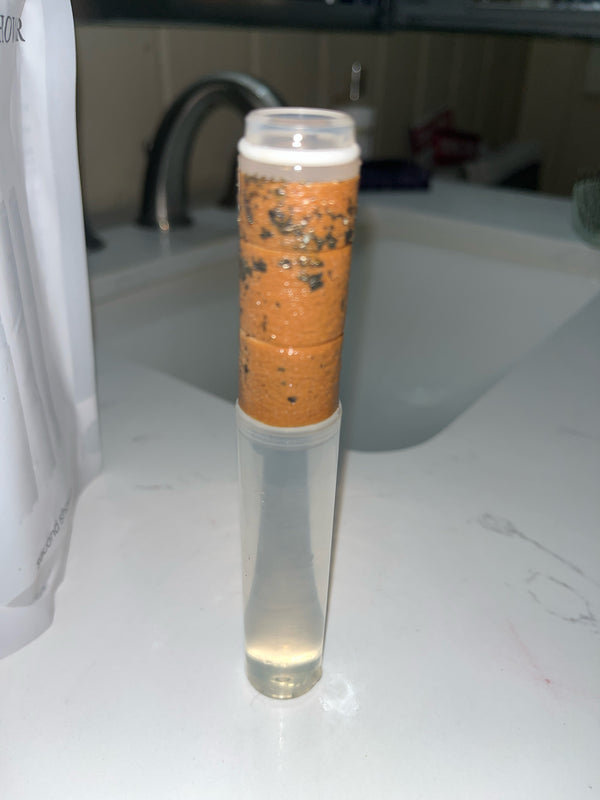
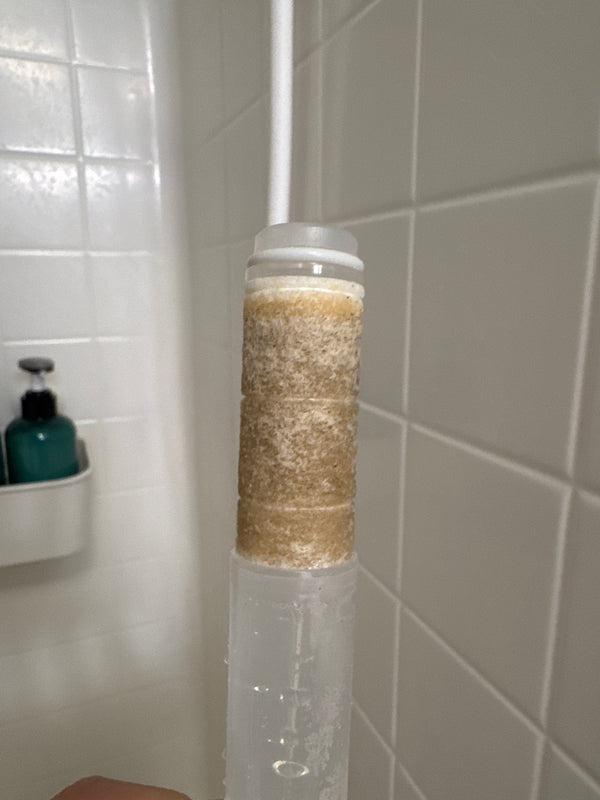
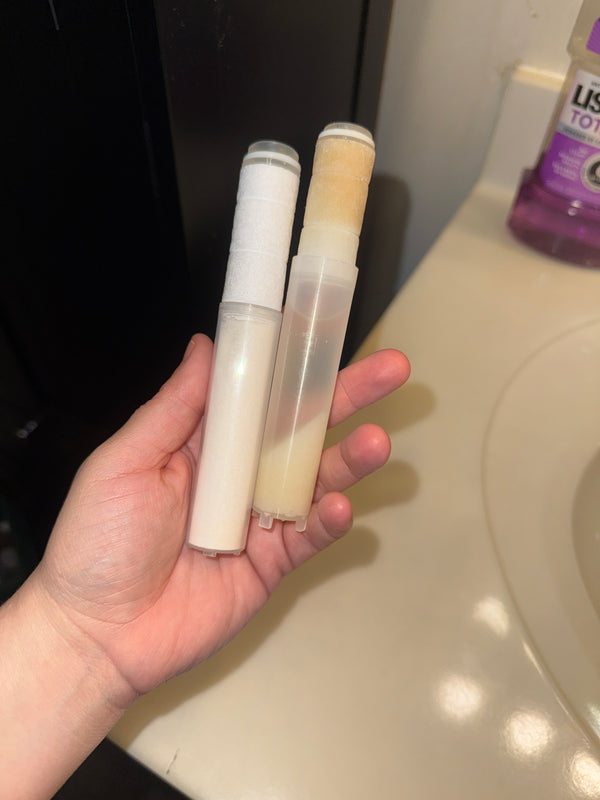
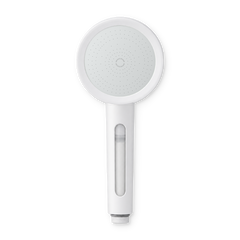
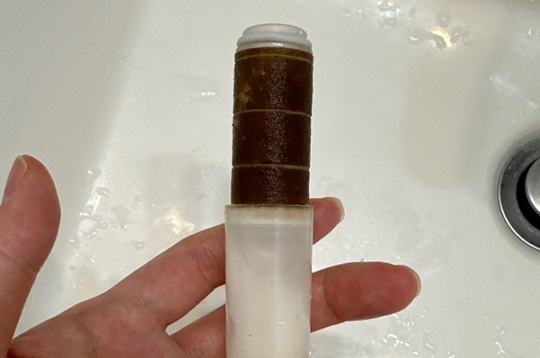
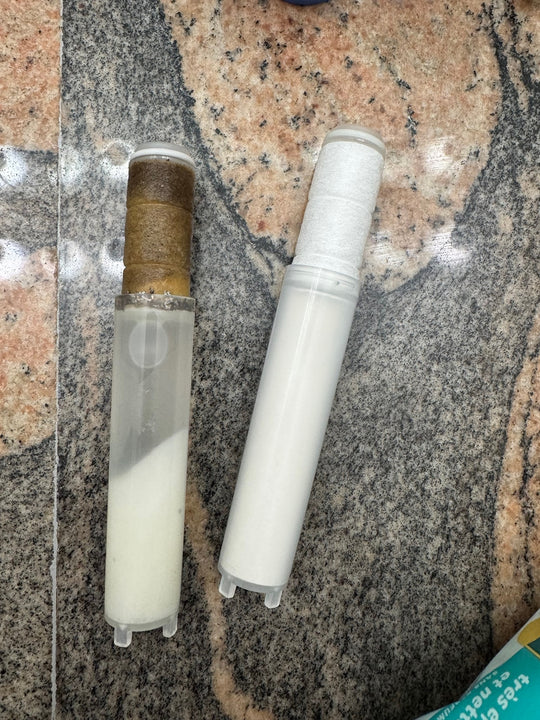
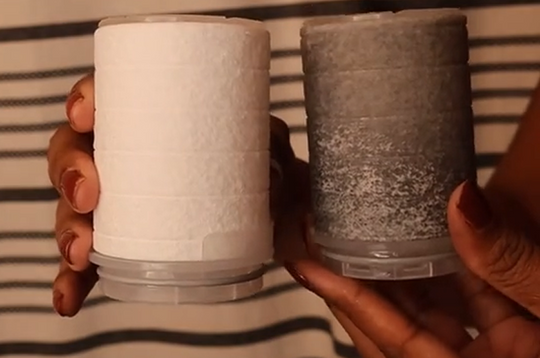
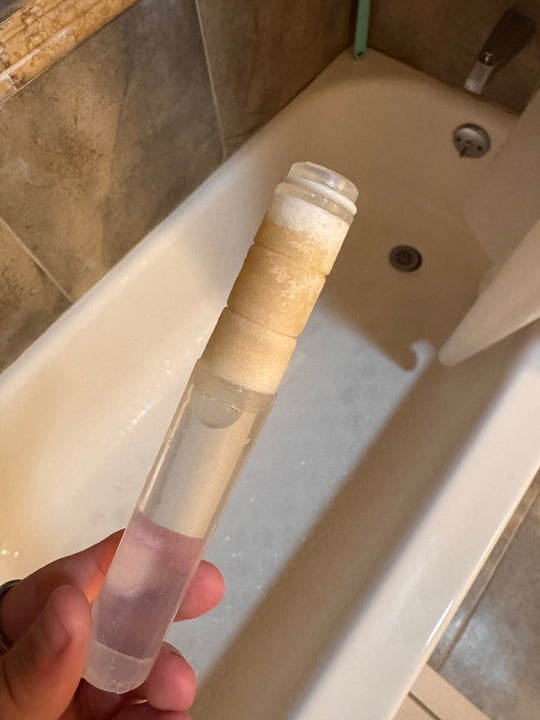
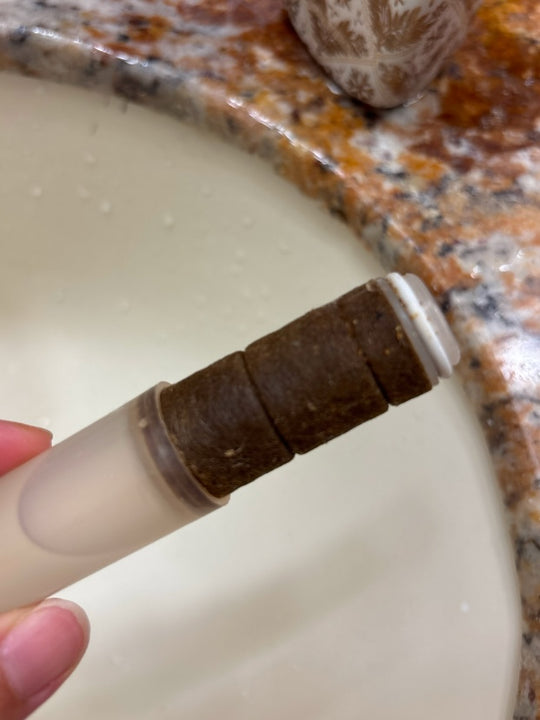
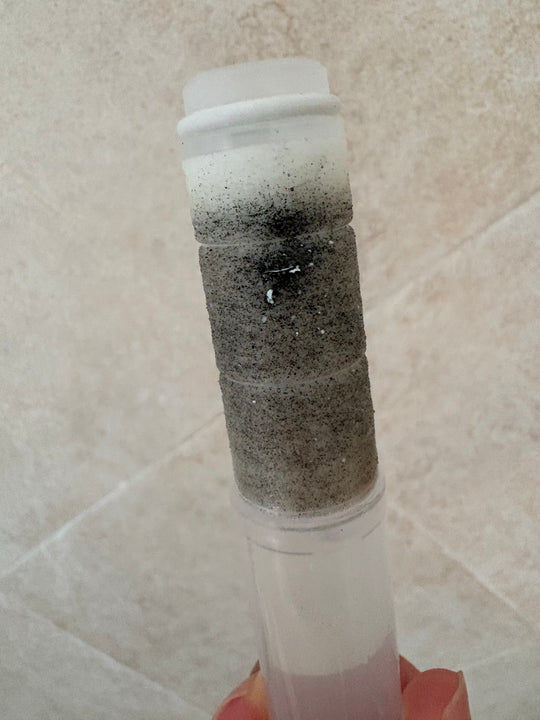
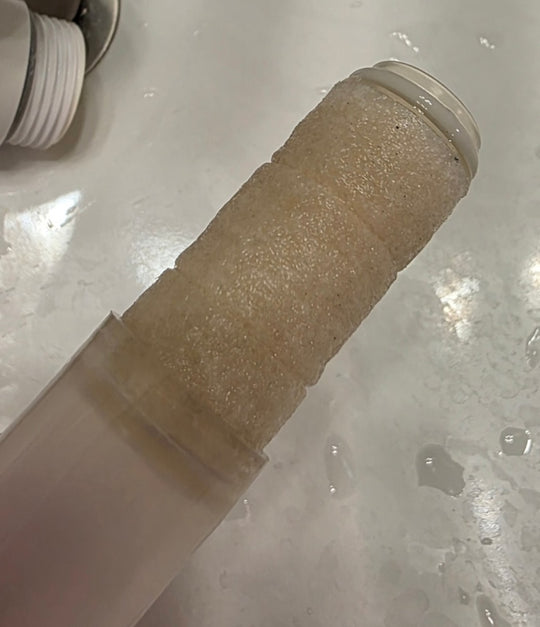
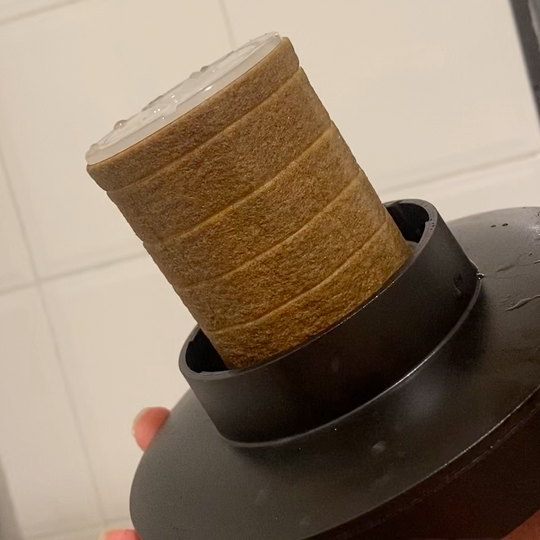
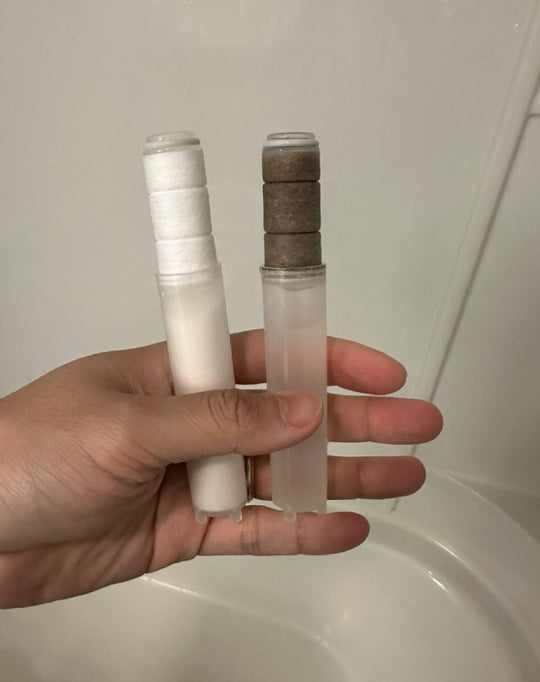
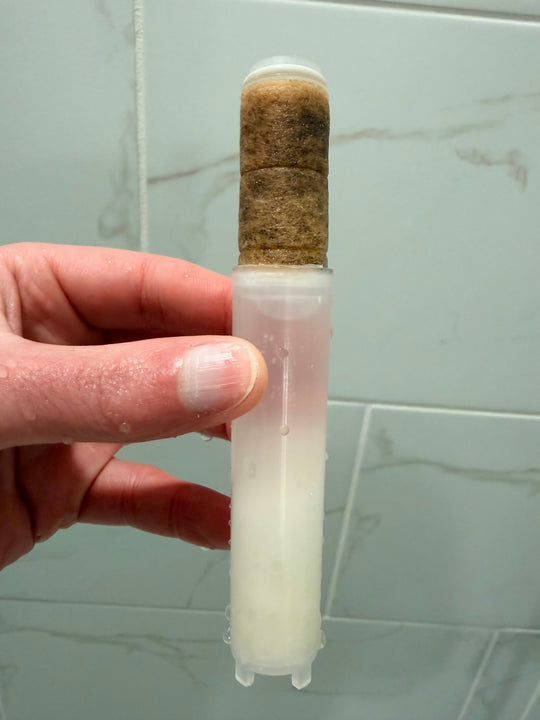
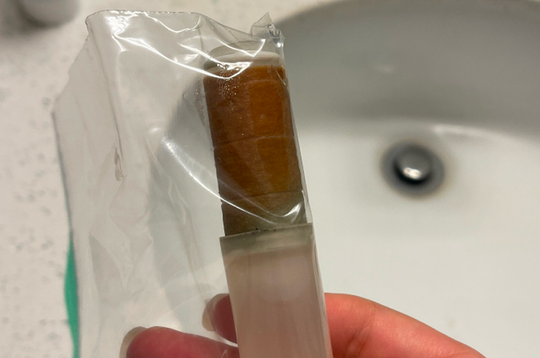
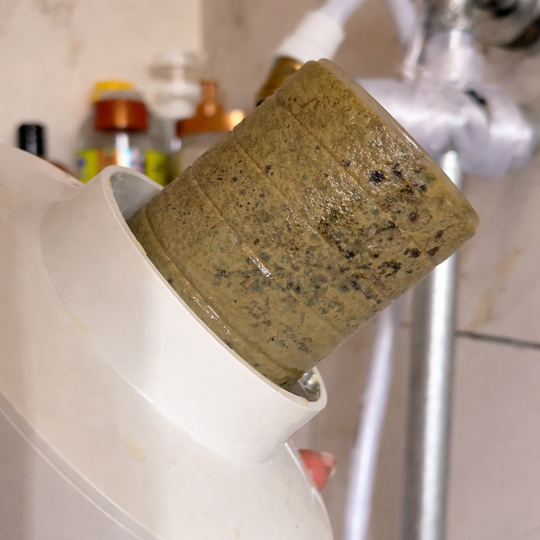
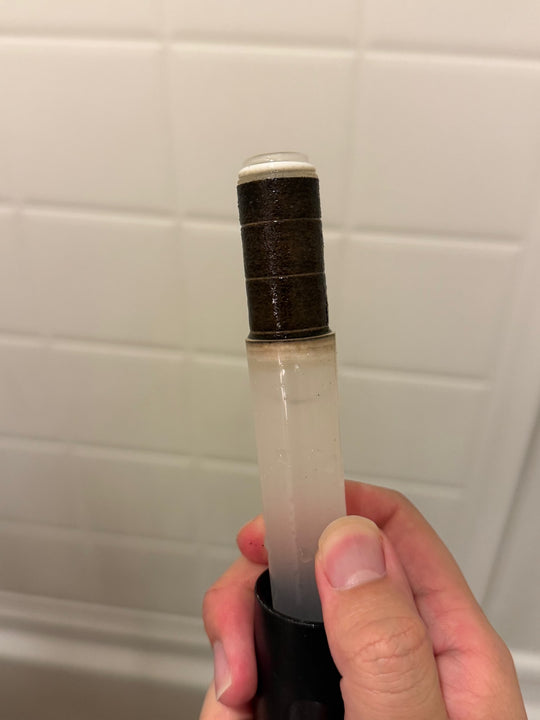
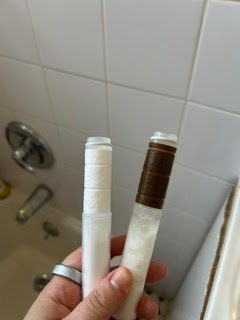
The Second Showerhand, a handheld filtered shower head, costs $89, or $69 with a filter subscription, and one filter is included. It held its 99.9% reduction through Day 1 to 30 in our own testing, so we recommend a new filter every 30 days. It screws onto a standard 1/2 inch US shower arm in about a minute without tools, which matters if you rent. To see used filters from customers' homes, visit our proof page.
*Micron PP sediment filter certified by NSF/ANSI 42 standards.
FAQ
How does Fort Worth water compare with Dallas water?
Both cities disinfect with chloramine. Dallas Water Utilities reports a residual of 1.0 to 3.5 ppm, and Fort Worth reports 0.93 to 4.7 ppm. Dallas hardness is commonly put at 8 to 15 gpg, but that is an estimate with no utility figure behind it, while Fort Worth's 6.3 to 8.8 gpg comes from its own 2025 report.
How do I check the water at my Fort Worth address?
Start with the annual water quality report (Consumer Confidence Report). Every US water system must send one to customers, usually by July 1, and the utility's name is on your water bill. You can also look up your ZIP code on our water page. For a reading from your own tap, use a DPD kit for chlorine and chloramine and hardness strips for minerals.
Will a shower filter stop the white spots on my shower glass?
No. The spots are mineral scale from hardness, and a shower filter cartridge does not remove calcium or magnesium. A whole-house ion-exchange water softener does that. A shower filter is for the disinfectant.
Does a shower filter made for chlorine also work on chloramine?
Not automatically. Chloramine is built to stay stable in the pipes, so a free chlorine figure alone does not tell you how a filter handles it. Look for a chloramine result stated separately. Ours removed 99.9% of chlorine and chloramine in independent lab testing.
Can I use a TDS meter to test Fort Worth tap water?
It will not answer either Fort Worth question. A TDS meter reads all dissolved solids together, so it is not a hardness test, and it cannot detect chlorine or chloramine. Use hardness test strips and a DPD kit instead.