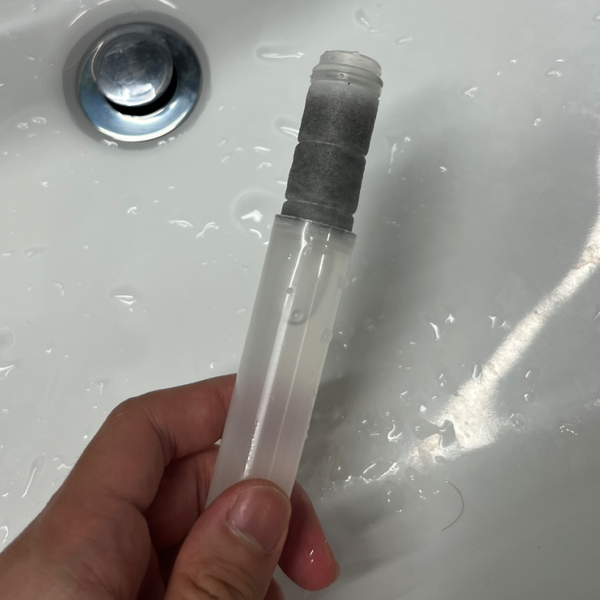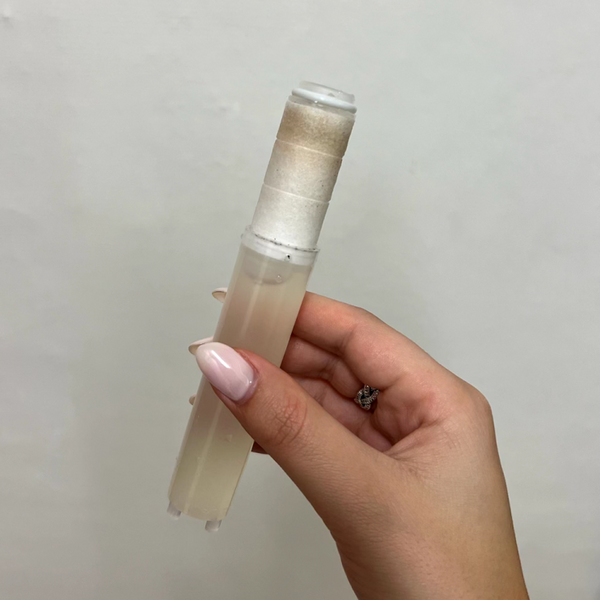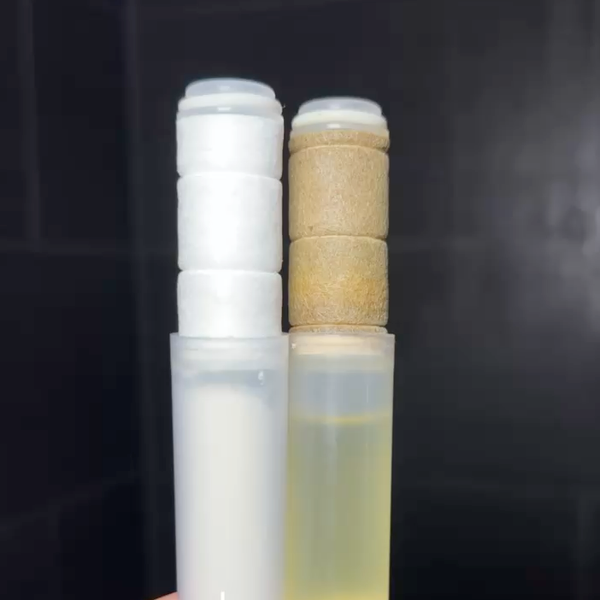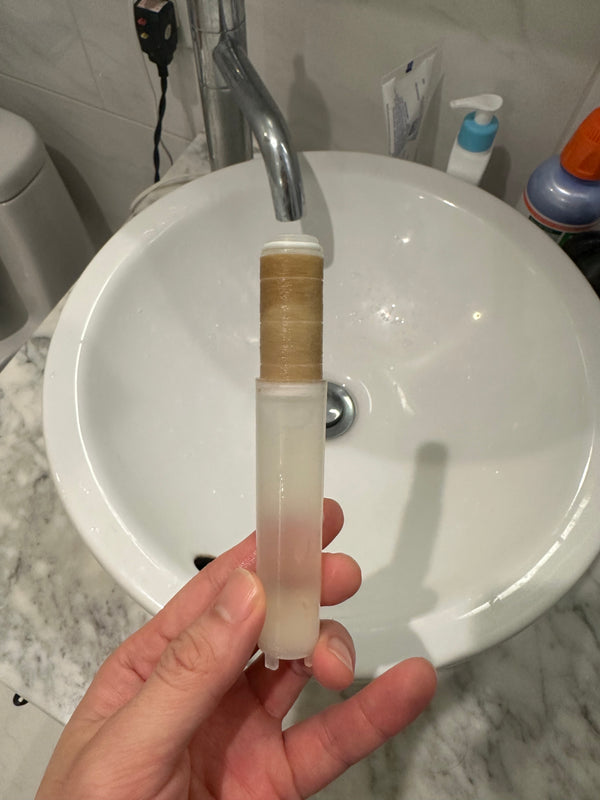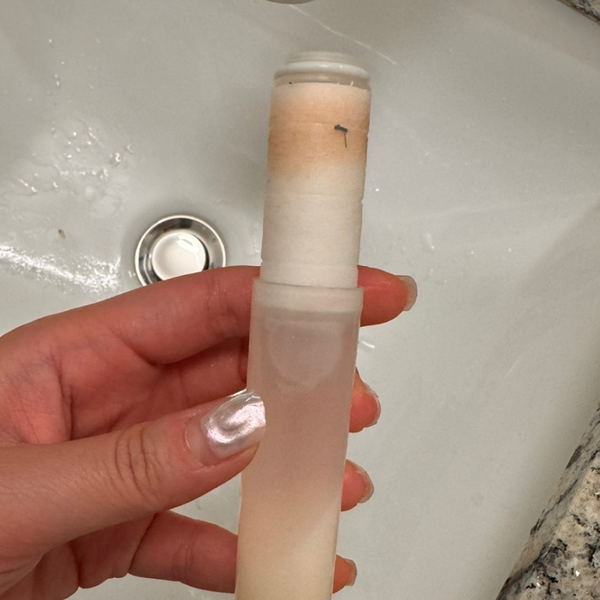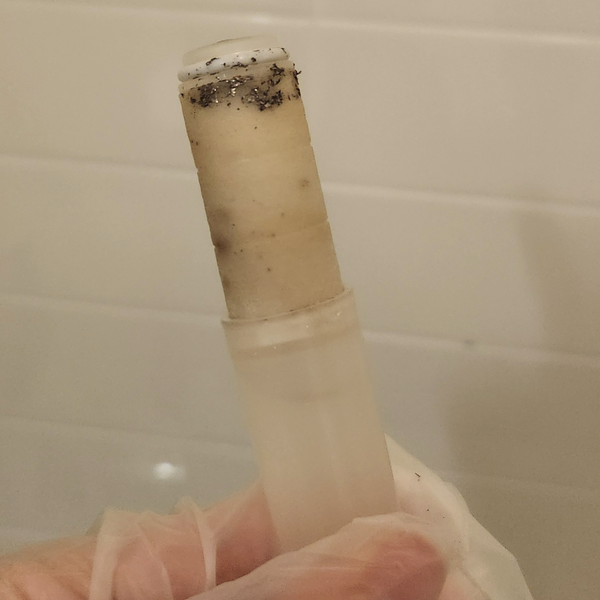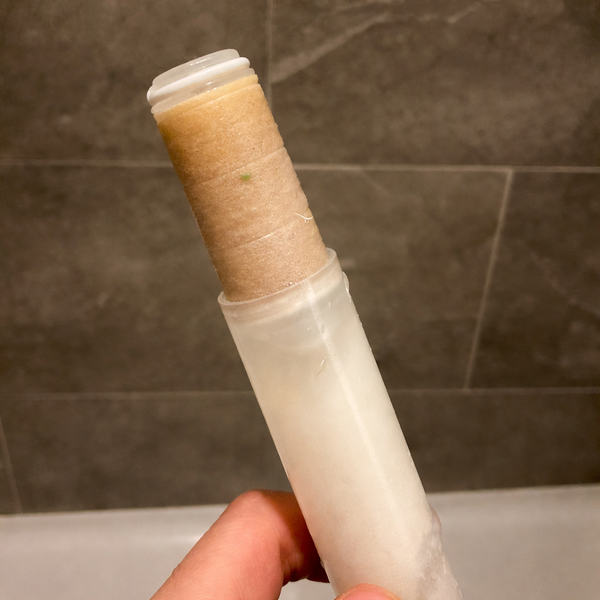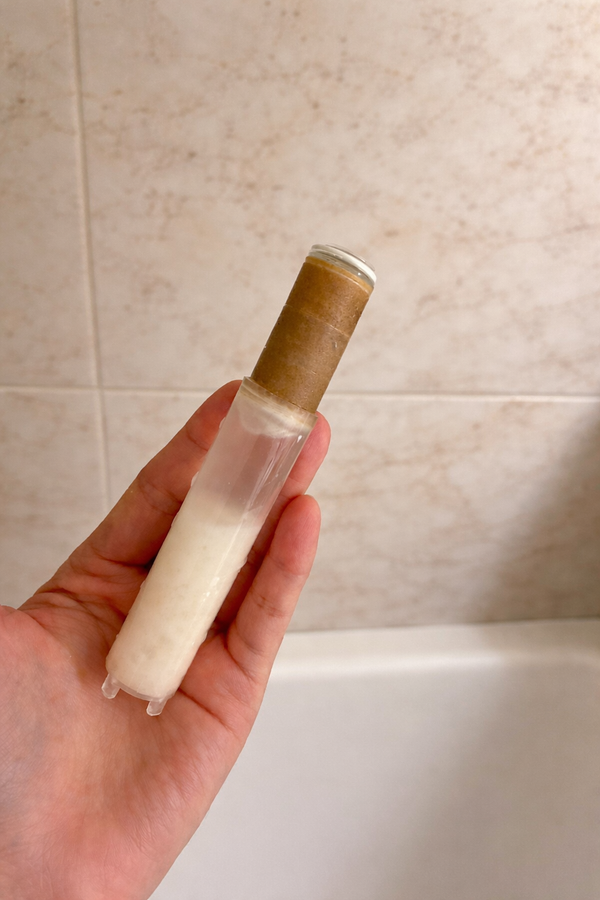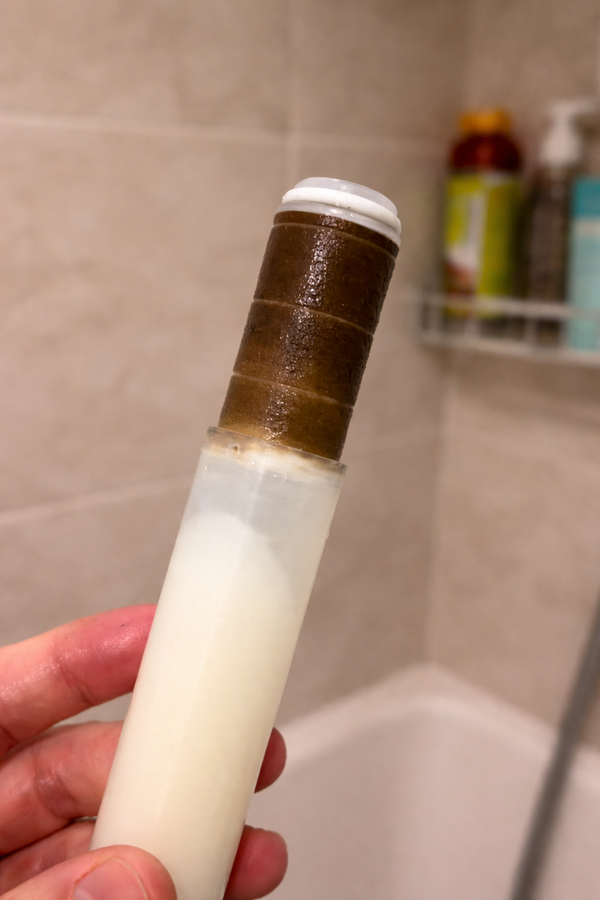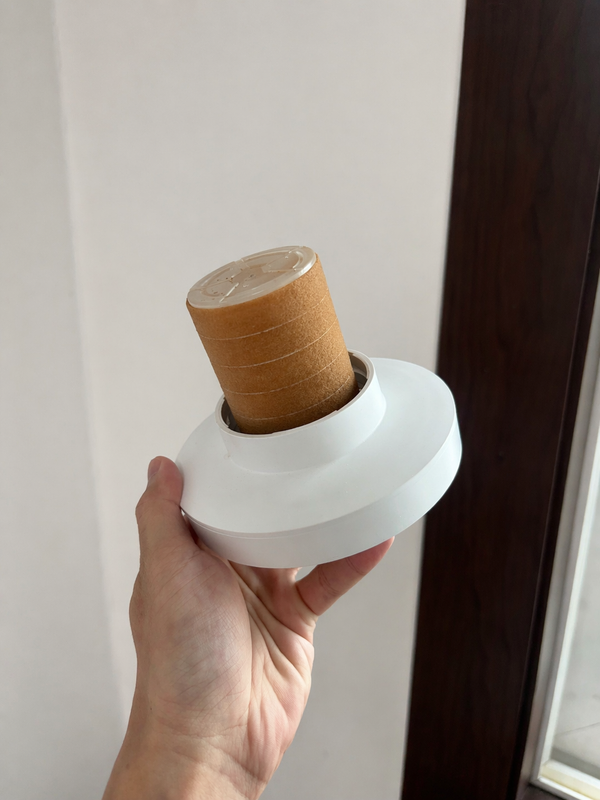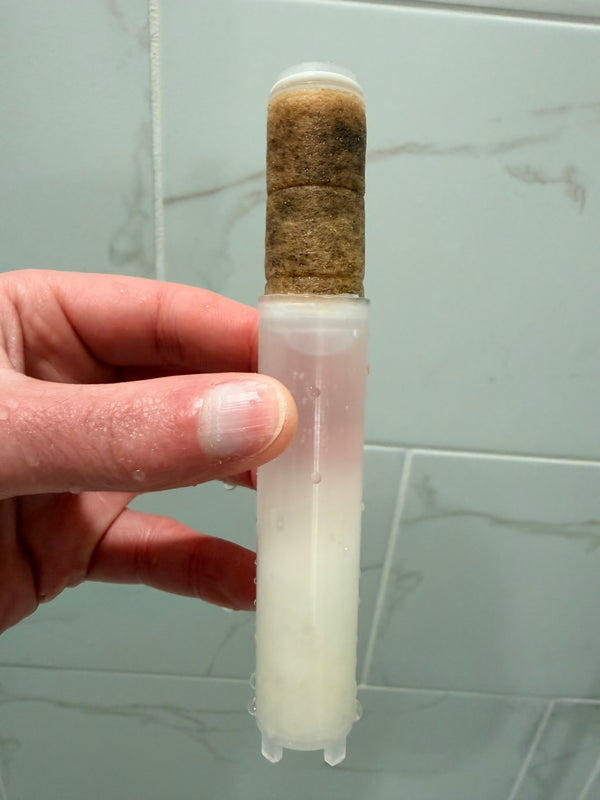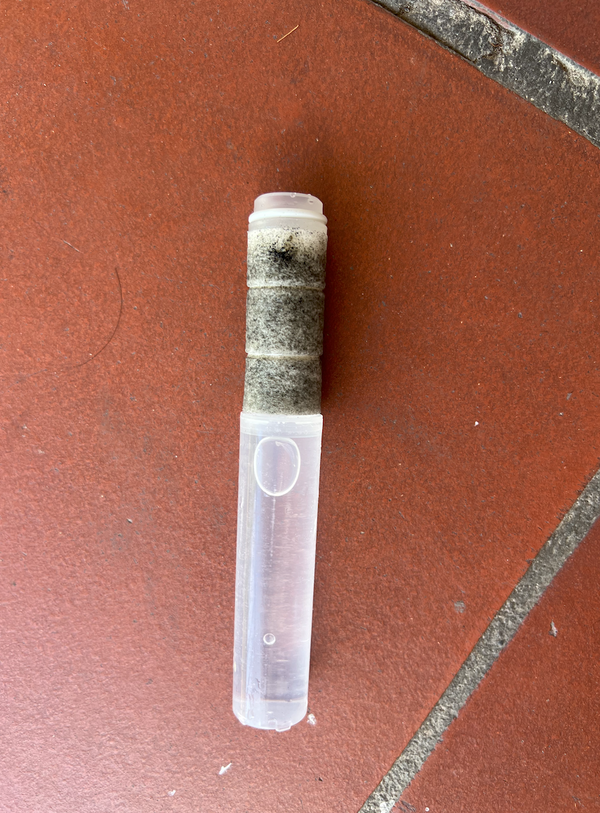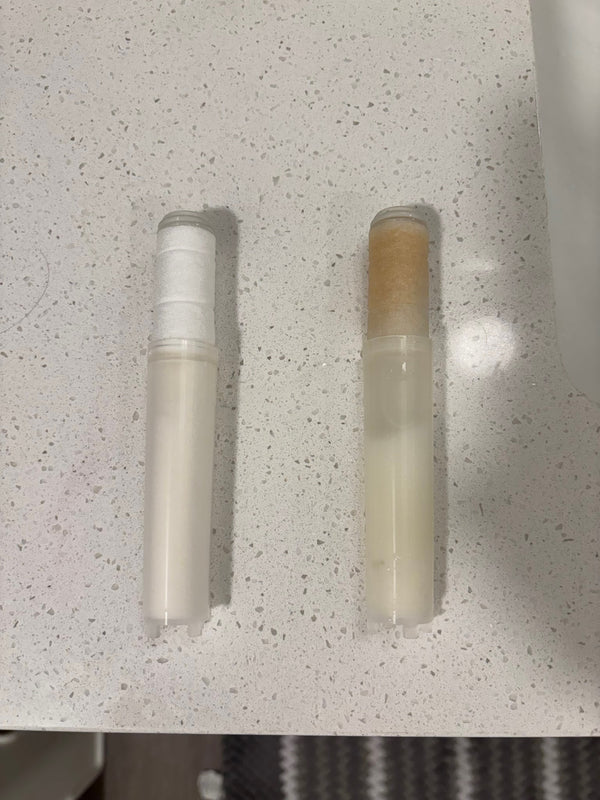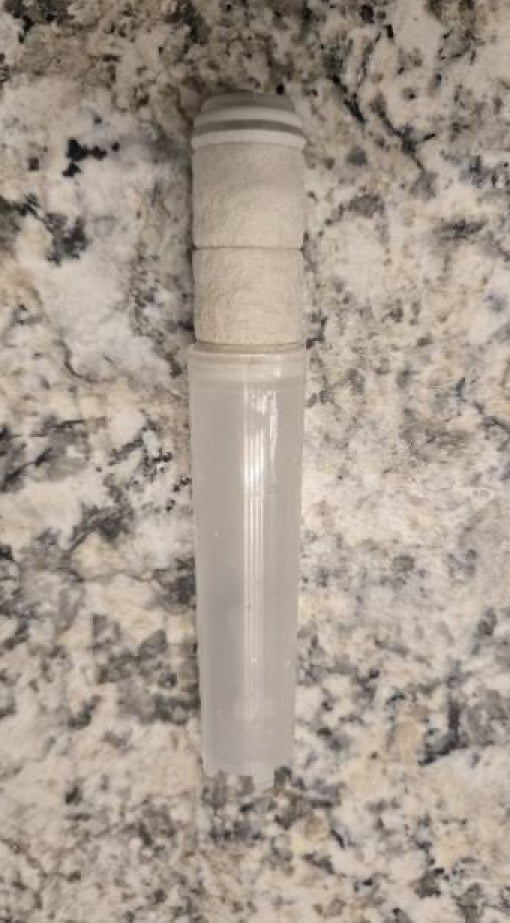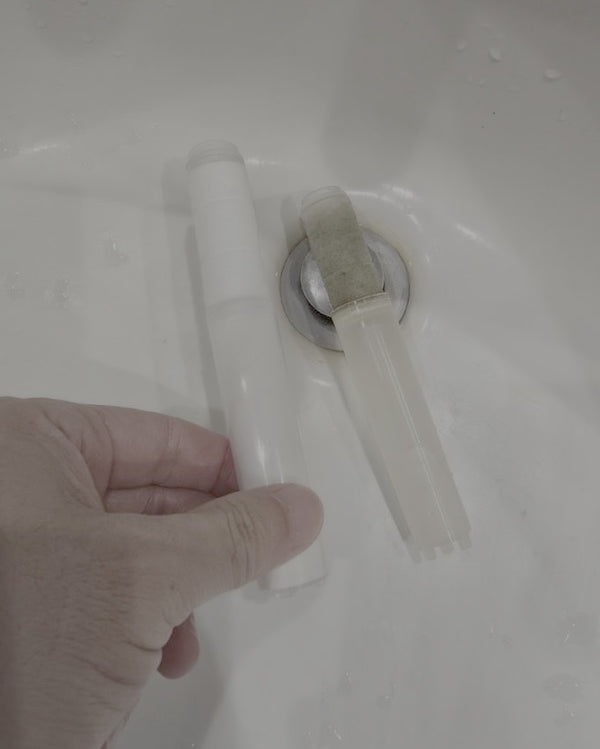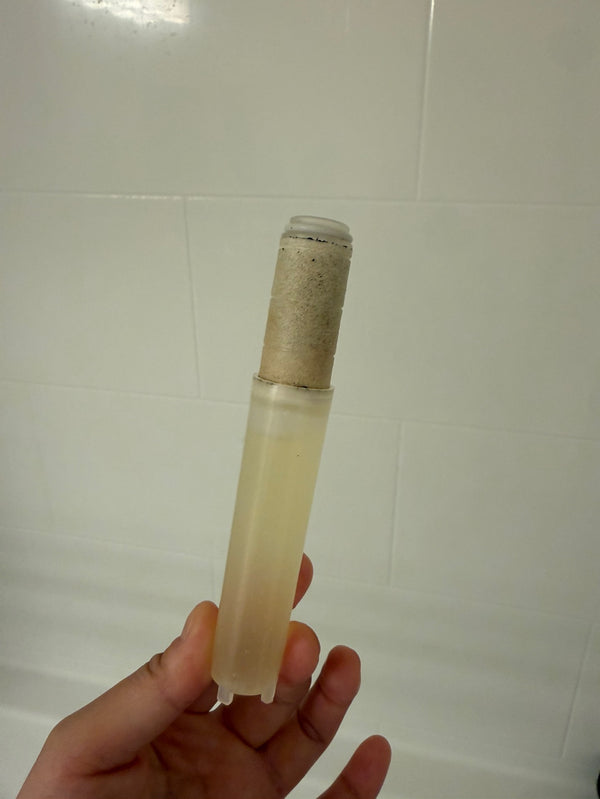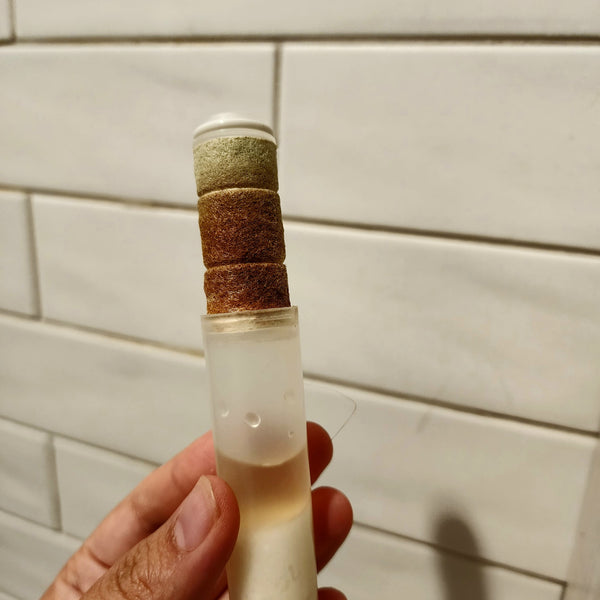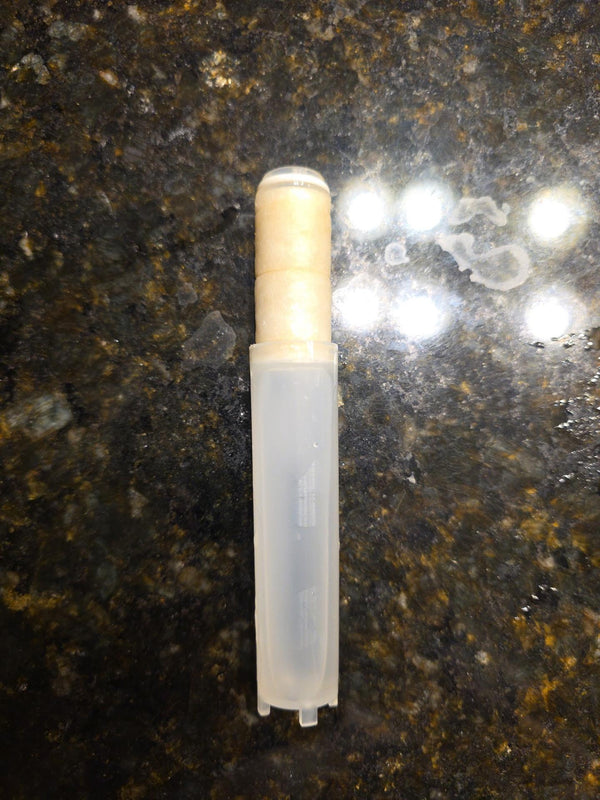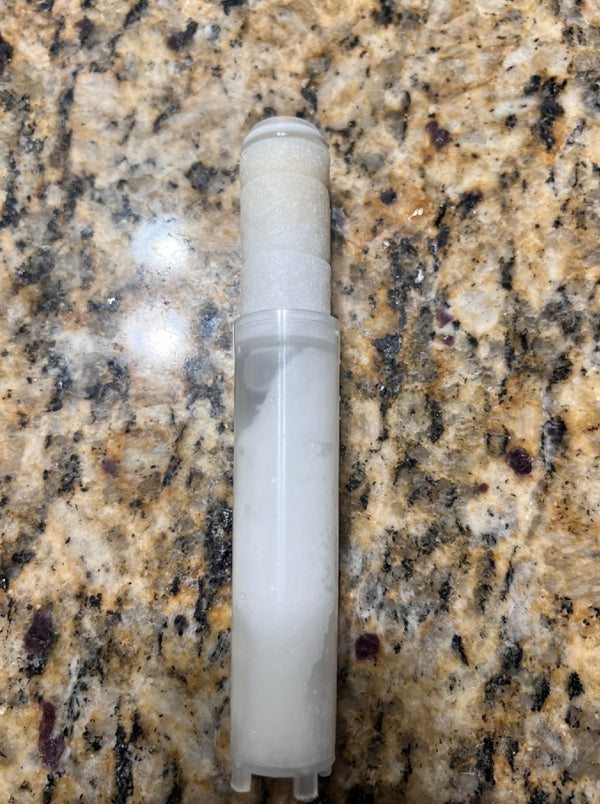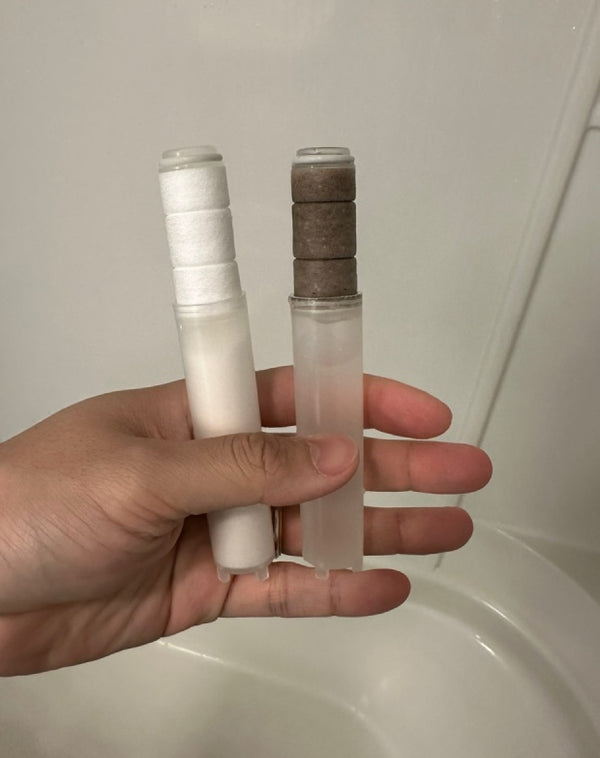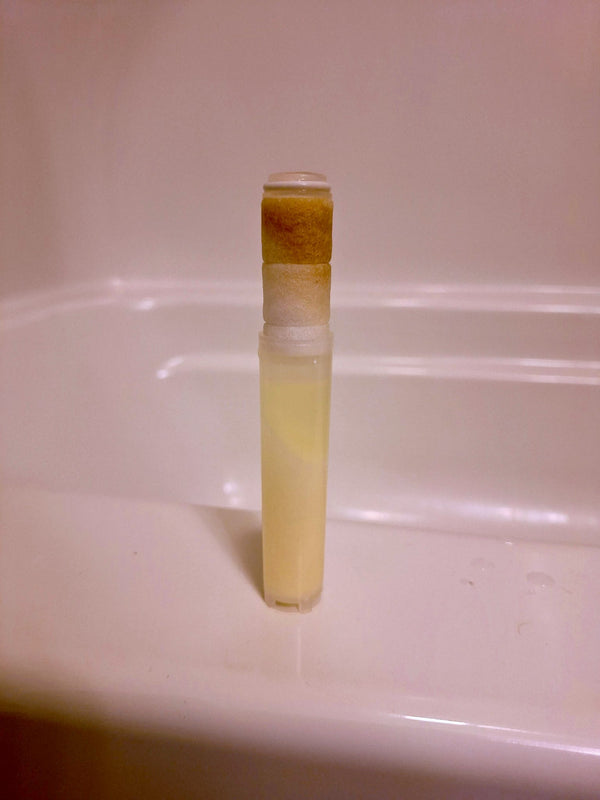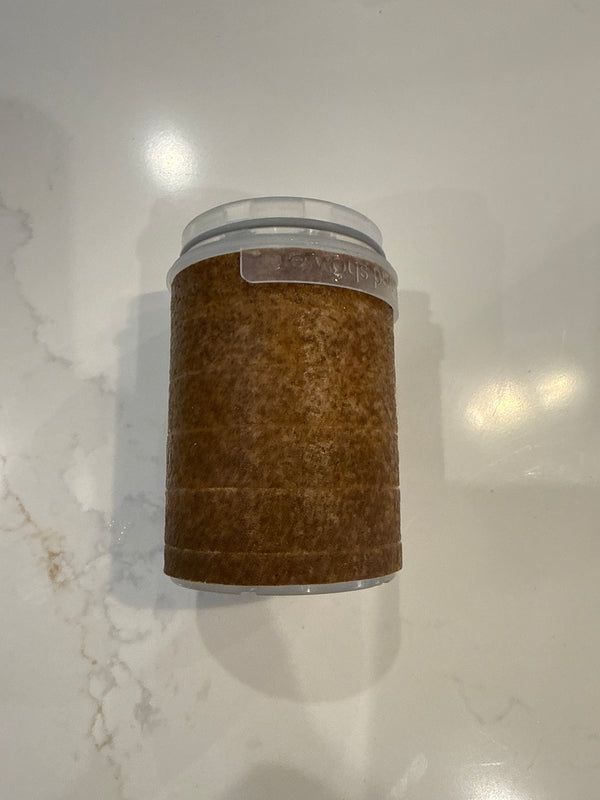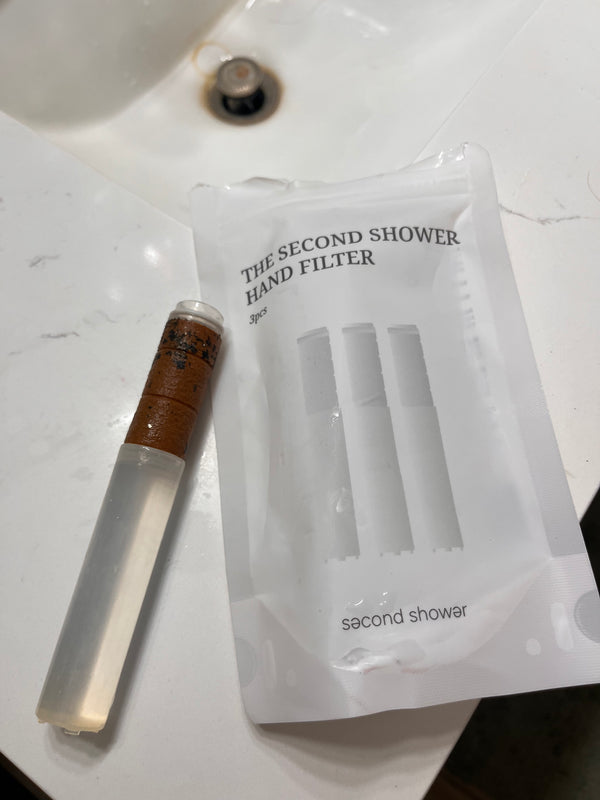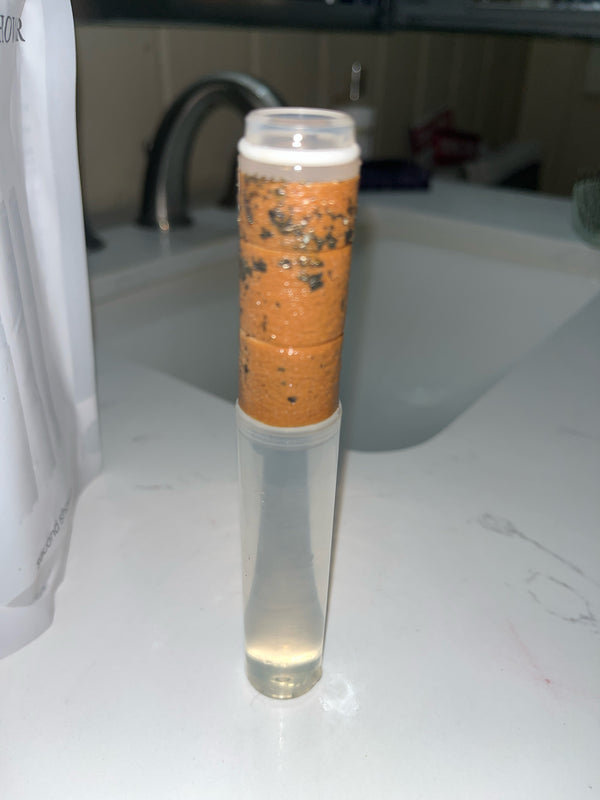
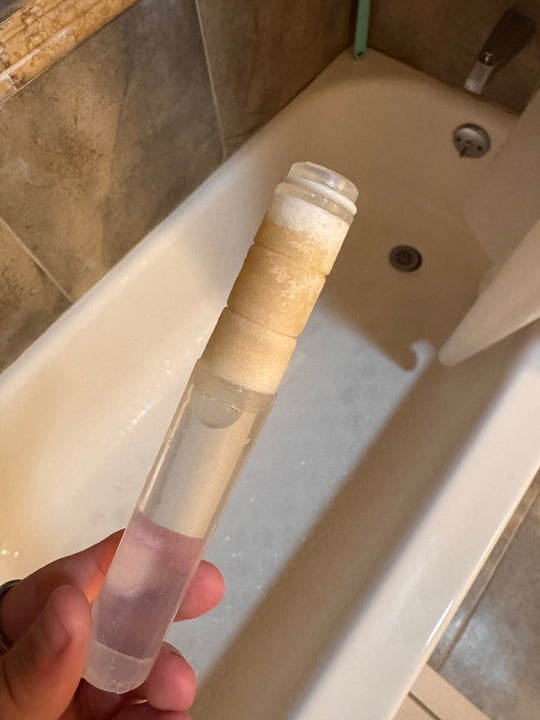
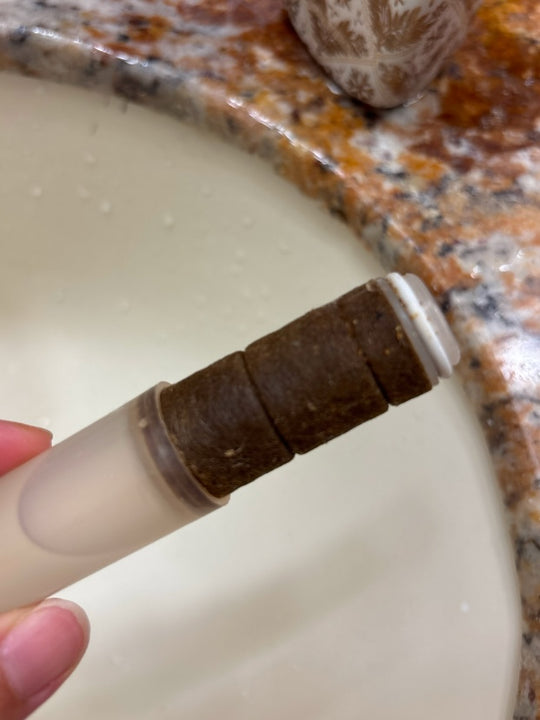
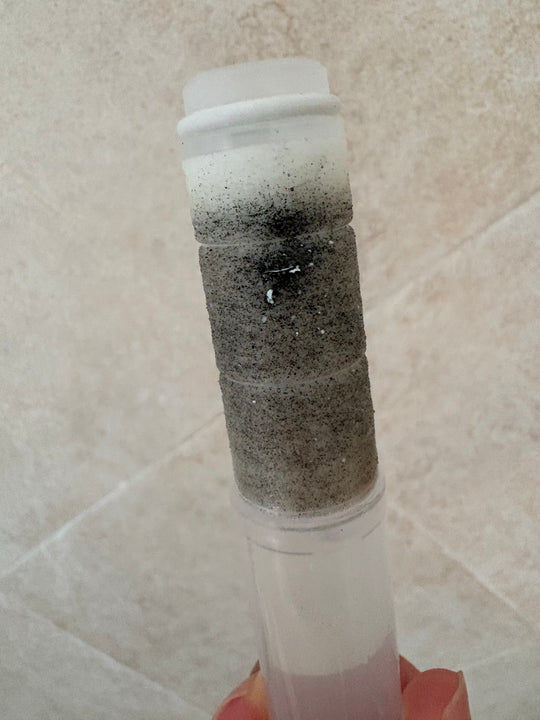
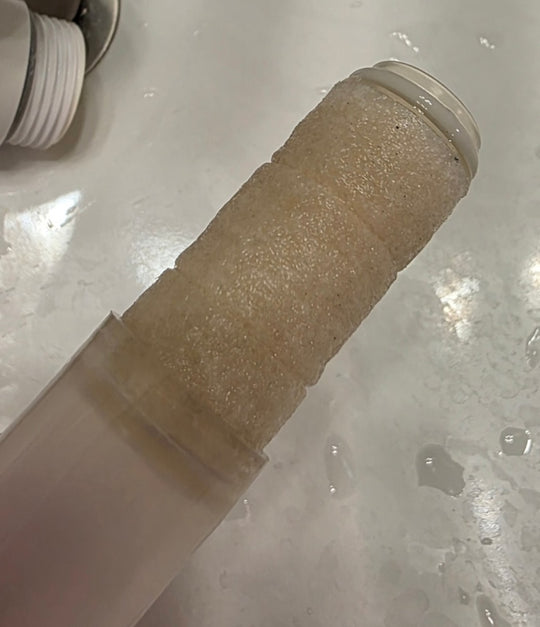
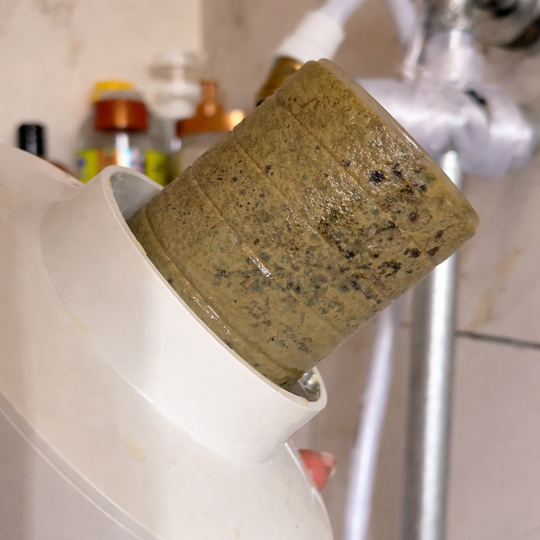
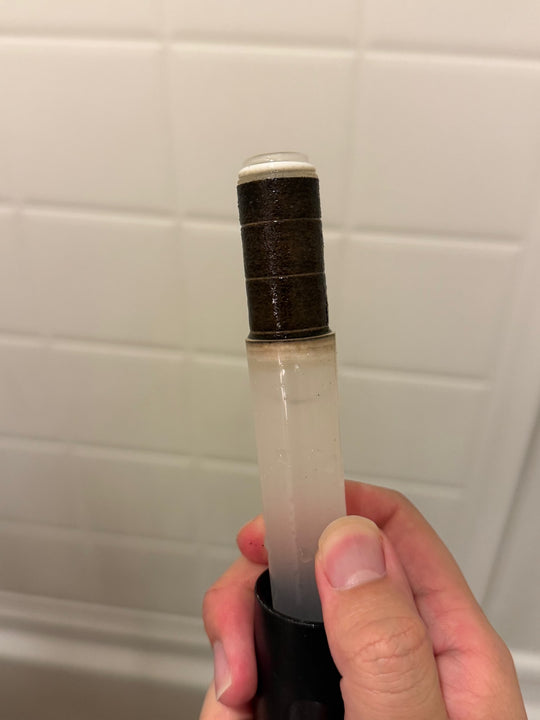
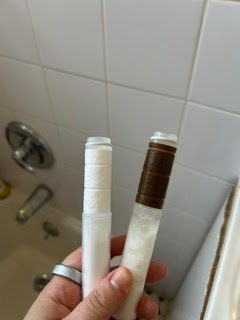
It depends on what you want to fix. A shower filter treats only the water from one shower. It is a fast, low-cost way to deal with chlorine or chloramine where that water meets your hair and skin. A whole-house system treats the water at every tap, which matters if you care about drinking water, laundry or several bathrooms at once. It costs more and usually needs a plumber. If hard water is the problem, neither one fixes it. That takes a water softener. Read your utility's water report first, then decide.

What does each one actually treat?
The difference is where the filter sits. A whole-house filter (also called a point-of-entry system) goes on the main water line where it enters the house, so every faucet, shower, toilet and appliance gets the treated water. A shower filter (a point-of-use filter) sits at the end of one line, right before the water reaches you.
| Shower filter | Whole-house filter | |
|---|---|---|
| Water it treats | One shower | Every tap in the home |
| Install | Screws onto the shower arm, usually without tools | Cut into the main line, usually by a plumber |
| What it removes | Depends on the cartridge. Check what it was tested for | Depends on the media. Check the spec sheet |
| Hardness (calcium, magnesium) | Not removed | Not removed, unless the system includes a water softener |
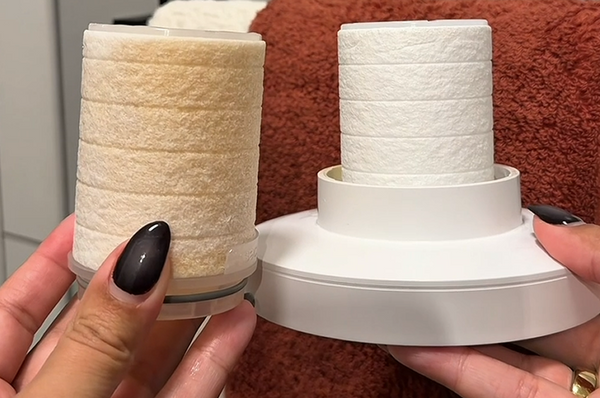
| Upkeep | Change a small cartridge on a schedule | Change larger cartridges or media, and sometimes service the system |
"Whole-house filter" can mean many different products: a sediment filter, a carbon tank, a softener, or several of these together. Two systems with the same label can do very different jobs. Ask any installer which contaminants their system was tested to reduce, and in particular whether that list includes chlorine, chloramine or both.
What does a shower filter leave untreated?
Anything that never passes through it. Your kitchen tap, the water in your coffee, your washing machine and the other bathrooms all get the water exactly as the utility delivers it. If your main concern is what you drink, a shower filter is the wrong tool. Start with a drinking water filter at the kitchen sink or a whole-house system.
A shower filter also does not soften water. Hardness is the dissolved calcium and magnesium in water. It causes white scale on glass and fixtures, and it makes soap lather less and leave a film behind[3]. Only an ion-exchange water softener removes it, and that is usually installed for the whole house. Second Shower does not soften water or remove hardness.
What can a shower filter do that a whole-house setup might not?
Three things are worth knowing.
- It works on the water you shower in, right where you shower. Utilities add a disinfectant, chlorine or chloramine, whether the water is hard or soft. Chloramine is chlorine plus ammonia, made to last longer in the pipes, and more than one in five Americans get chloramine-treated water[1]. A shower filter is aimed at exactly this, at the one spot where a hot shower puts it on your hair and skin every day.
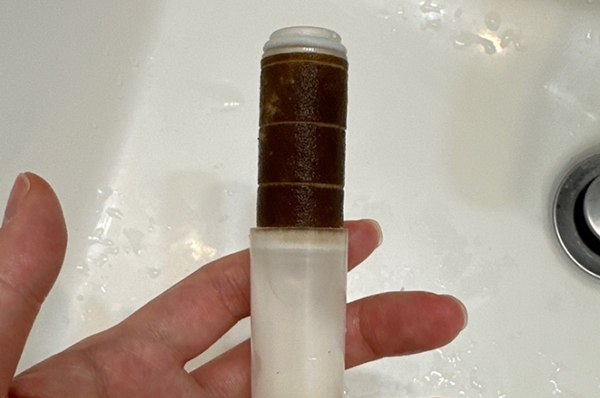
- It sits after your home's own pipes. The utility is responsible for the water up to your building. The plumbing inside is yours, and old pipes can add sediment and rust that show up as grit or discoloration. A filter at the showerhead sees that water. A filter on the main line sits before it.
- It costs little and comes with you when you move. If you rent, plan to sell, or are new to a city and still learning its water, a shower filter is a cheap way to start that you can take with you.
Some households run both: a whole-house system or a softener for the whole home, plus a shower filter on the shower they use most.
Is a whole-house system harder to add later?
Usually less than people fear. A whole-house system goes on the main line where it enters the house, often in a garage, basement, utility closet or outside wall. You rarely need to open the walls around the shower for it. It does need floor space, room to change cartridges, and a bypass valve so you can service it without cutting off the water. A softener also needs a drain and usually a power outlet.
A renovation or a new build is still the easiest time to plan for it. Ask your plumber to leave space near the main line, add a bypass loop and run a drain there. That is cheap while everything is open, and it means a system can drop in later without redoing work. So this is rarely a decision you have to make before the walls close. Leaving room for it is the part you would regret skipping.
What should you check before spending money on either?
- Read your Consumer Confidence Report. Every community water system in the US must send customers an annual water quality report, usually by July 1[2]. It tells you whether your utility disinfects with chlorine or chloramine, and many reports list hardness too. The utility's name is on your water bill. You can also look up your ZIP code on our water page.
- Test hardness. Hardness test strips are inexpensive and give a reading in about a minute. USGS calls water over 120 mg/L (7 gpg) hard and over 180 mg/L (10.5 gpg) very hard[3]. If your number is high and scale bothers you, look at a softener. No filter will fix it.
- Test chlorine the right way. A TDS meter measures dissolved solids and cannot detect chlorine. Use a DPD test kit.
- If you have a private well, your situation is different. There is no utility report, so test the well before choosing any treatment.
How do cost and upkeep compare?
A whole-house system costs more upfront, needs installation, and its cartridges or media must be changed on the maker's schedule. Prices vary widely by system and region, so get a written quote that lists the yearly cost of cartridges and service, not just the install.
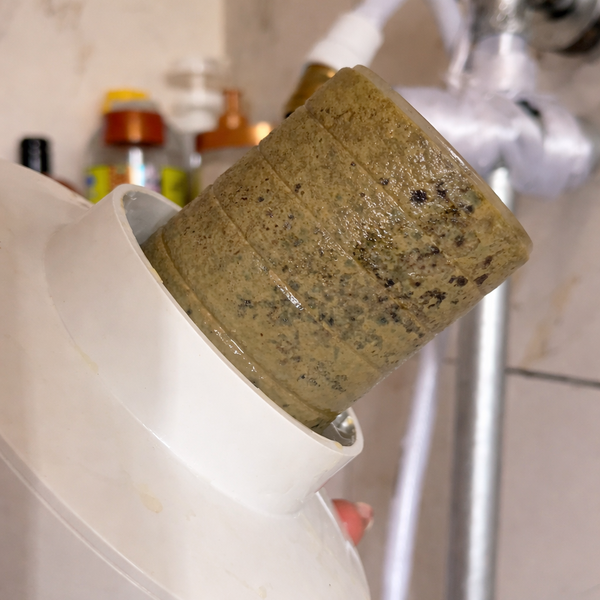
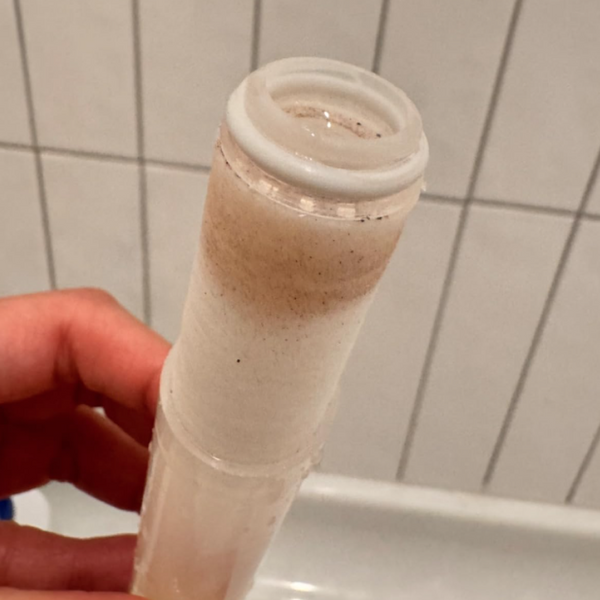
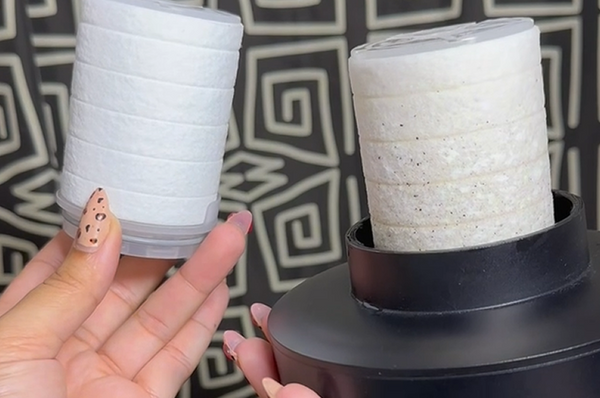
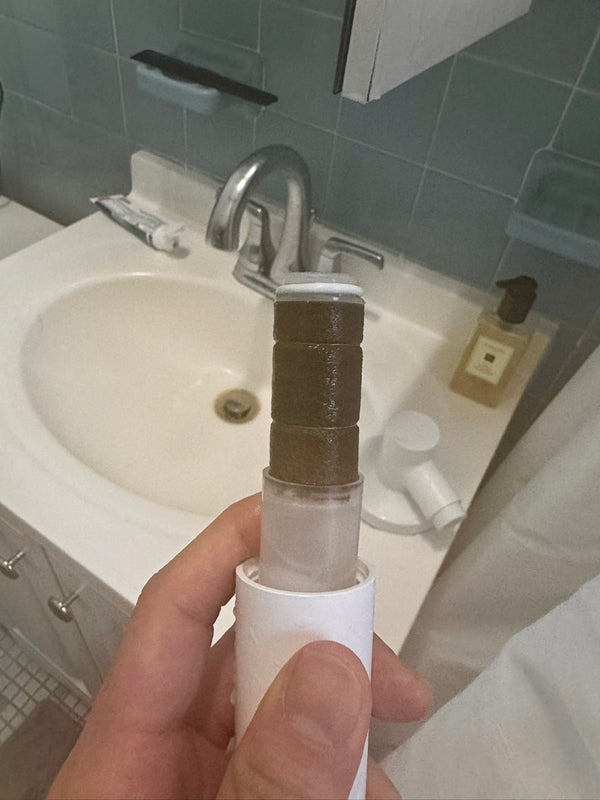
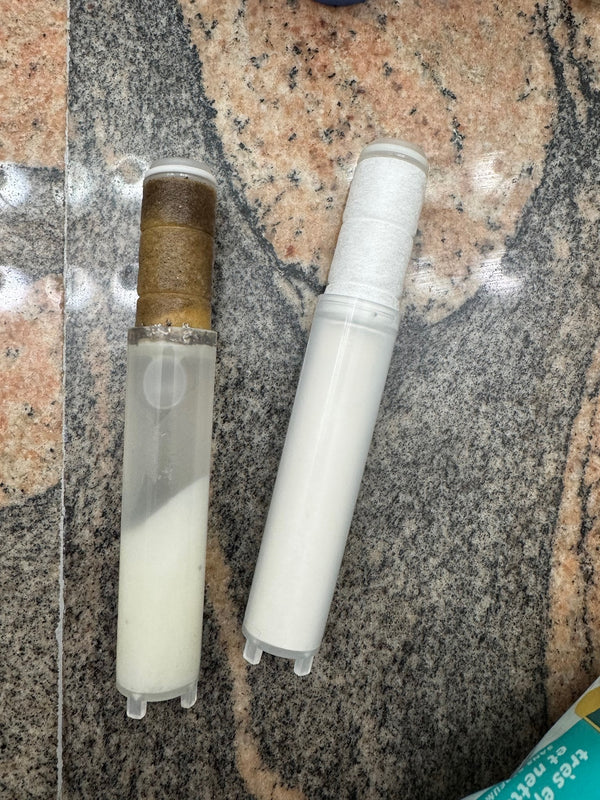
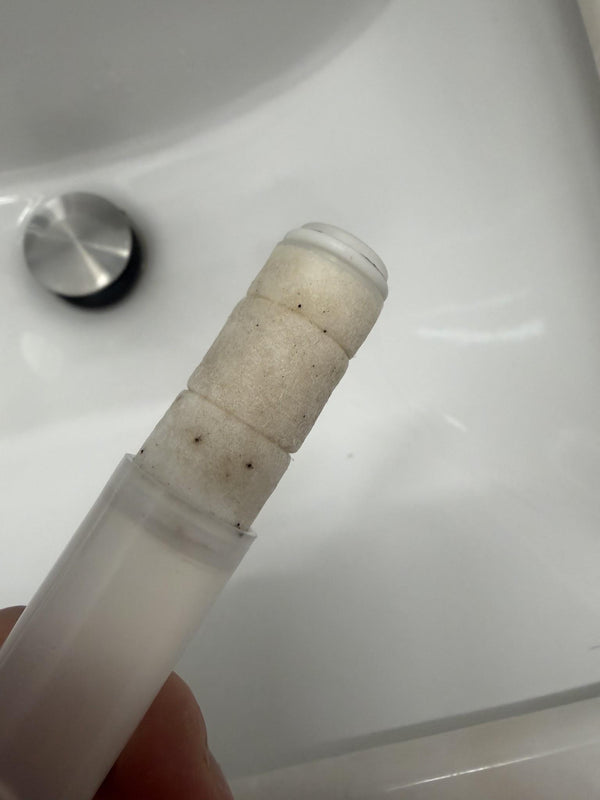
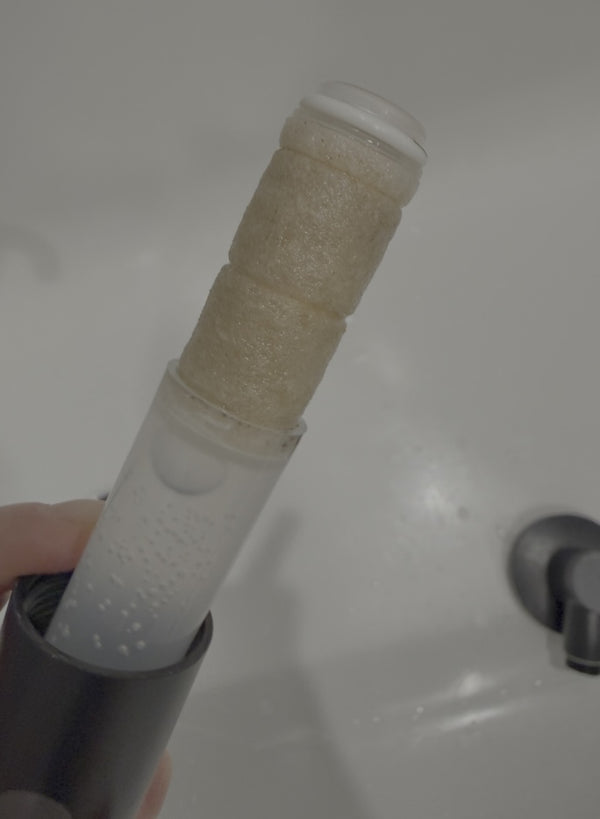
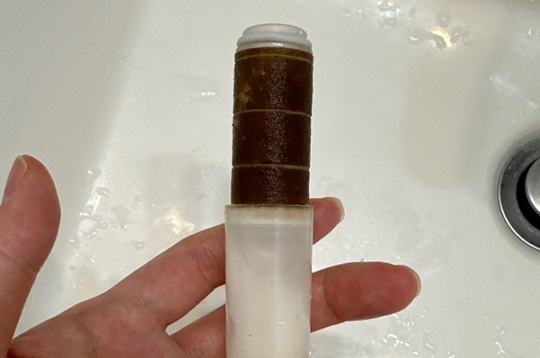
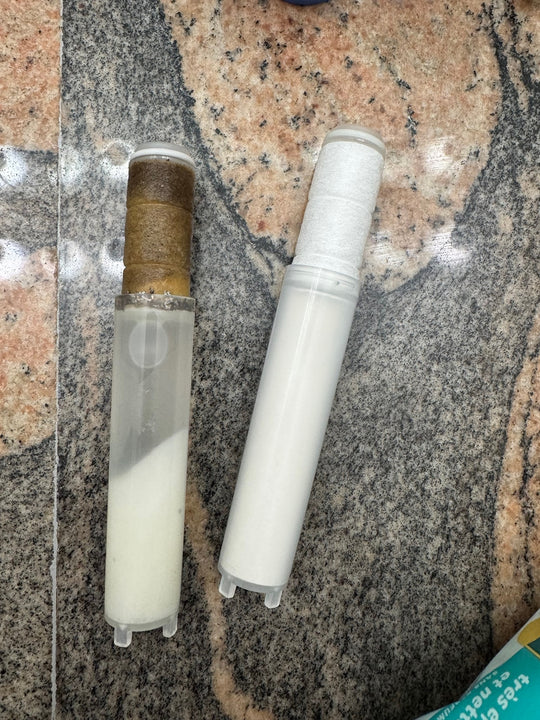
A shower filter costs much less, and you replace the cartridge more often. For our own products the numbers are on file. A replacement Showerhead filter is recommended every 60 days, and filters on subscription come to $72 to $108 a year. A Showerhand filter is recommended every 30 days, at $81 to $108 a year on subscription. Year one, device included, comes to $151 to $187 on subscription for the Showerhead and $150 to $177 for the Showerhand.
Whatever you buy, plan for the upkeep. An expired cartridge of any kind stops doing its job, so the real cost is the purchase price plus every replacement after it.
Where a shower filter fits, and where it does not
A shower filter makes sense when your concern is the chlorine or chloramine in your shower water and you want to deal with it this week, not after a plumber's visit. It does not make sense as a drinking water solution or as a fix for hard water.
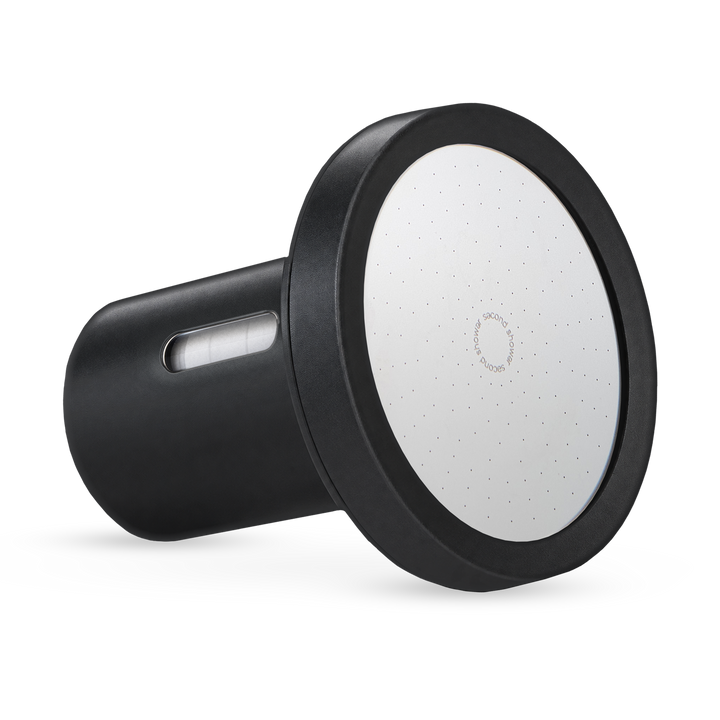
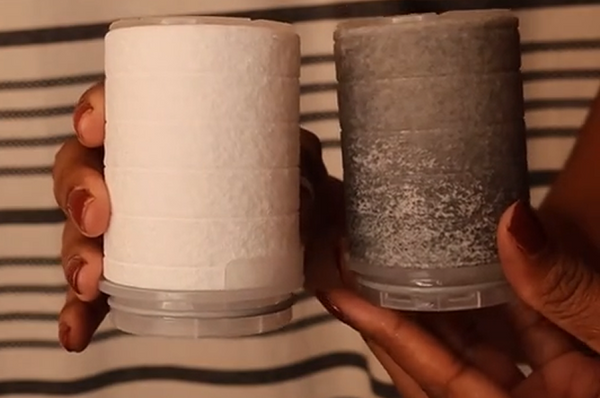
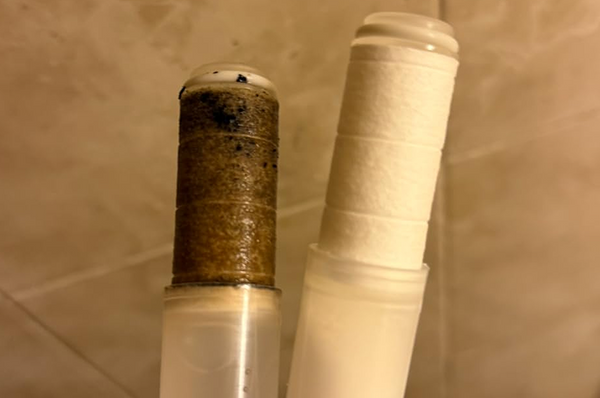
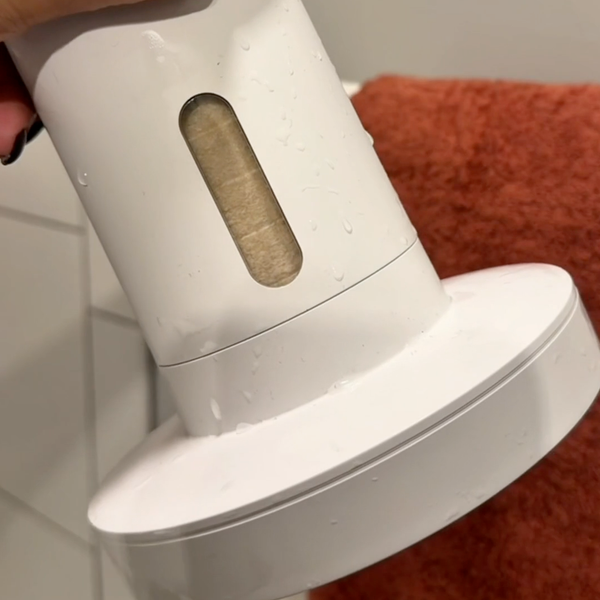
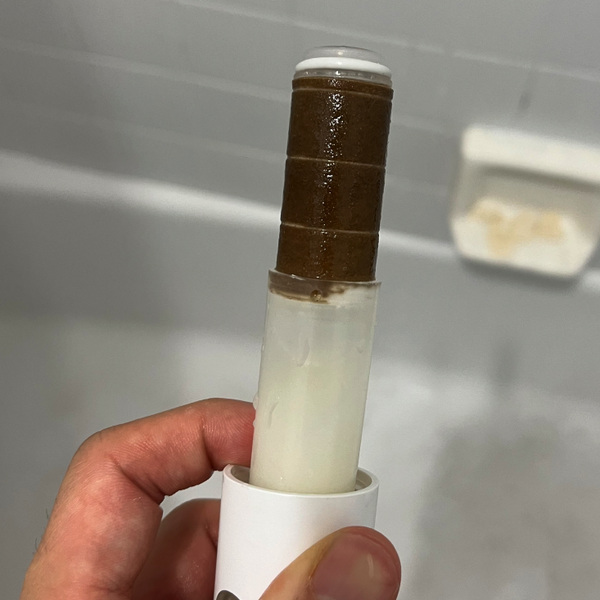
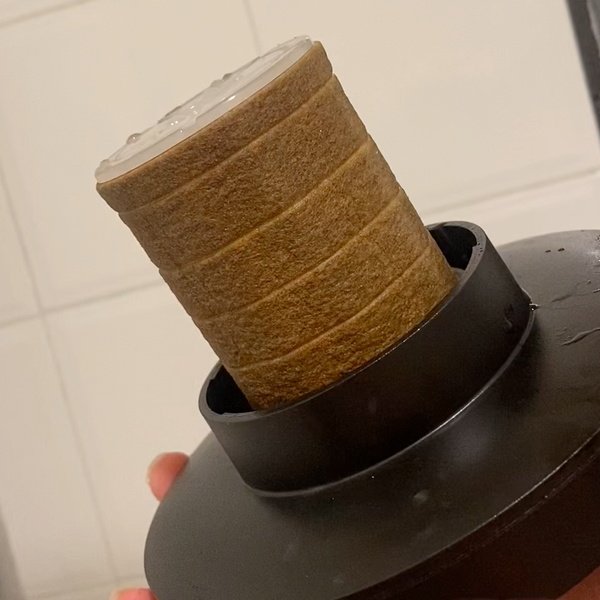
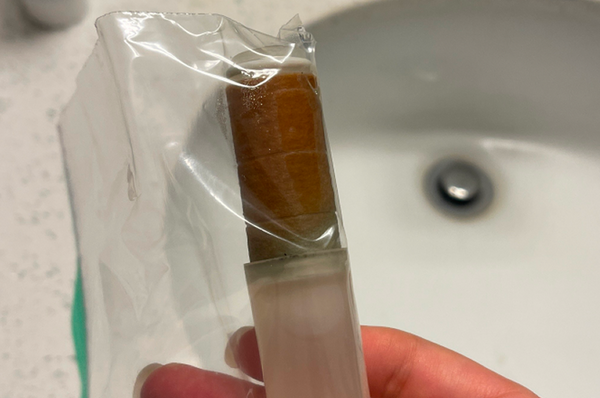
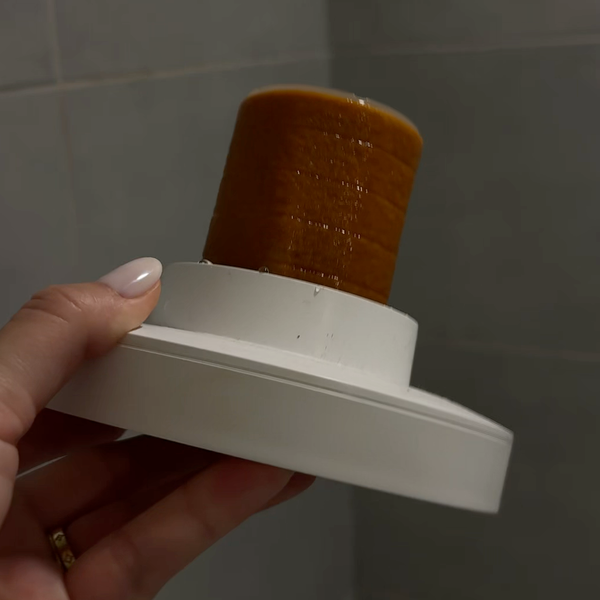
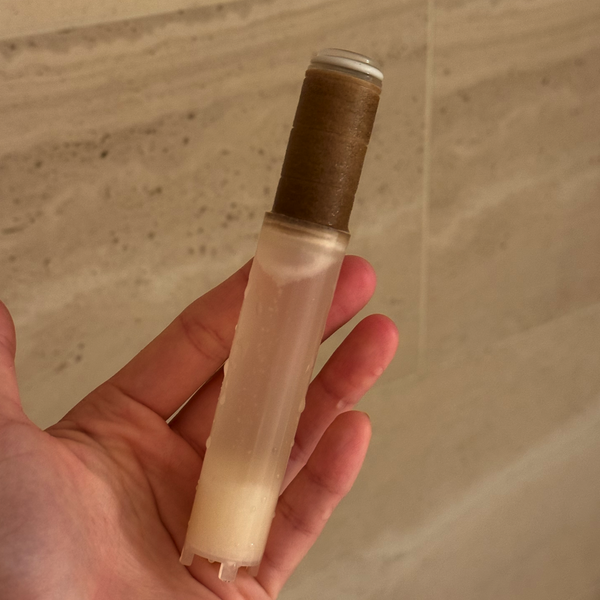
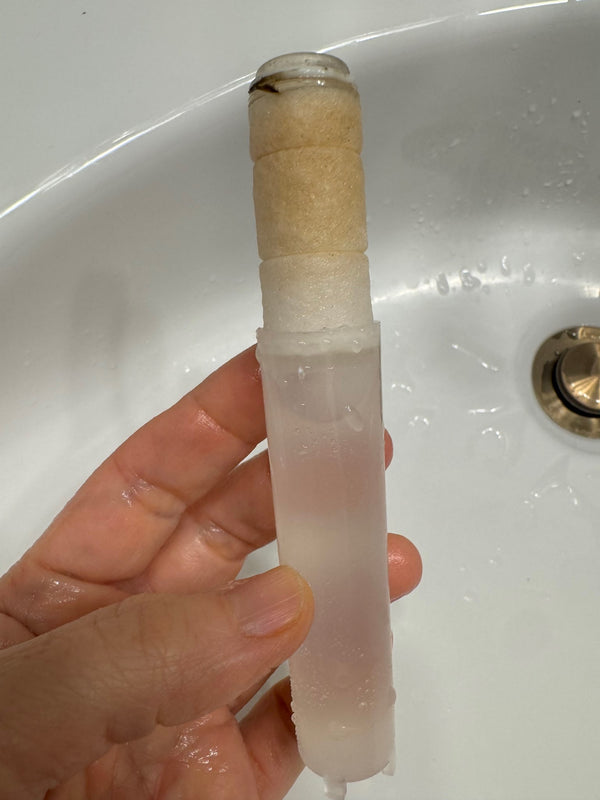
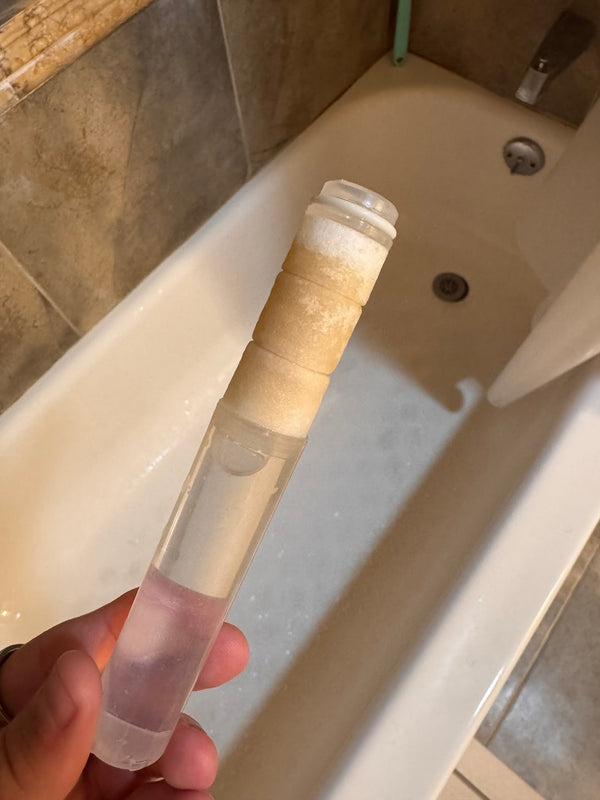
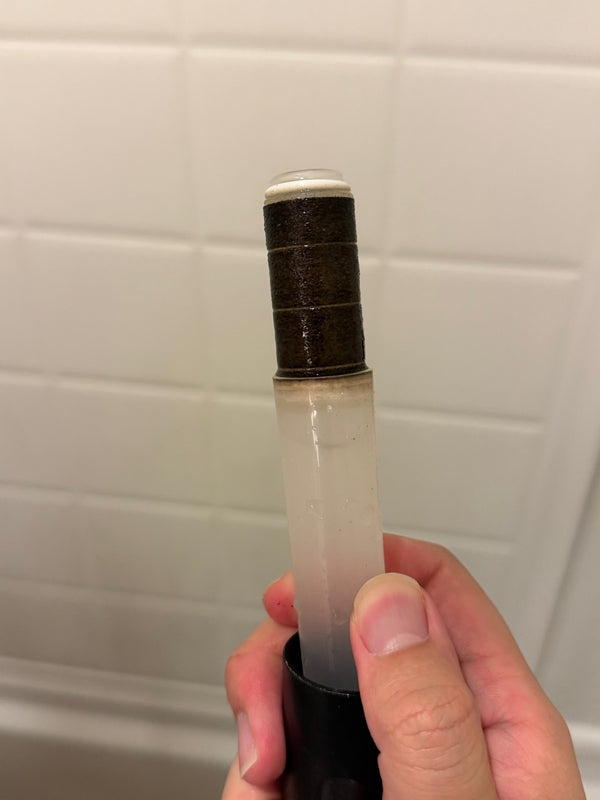
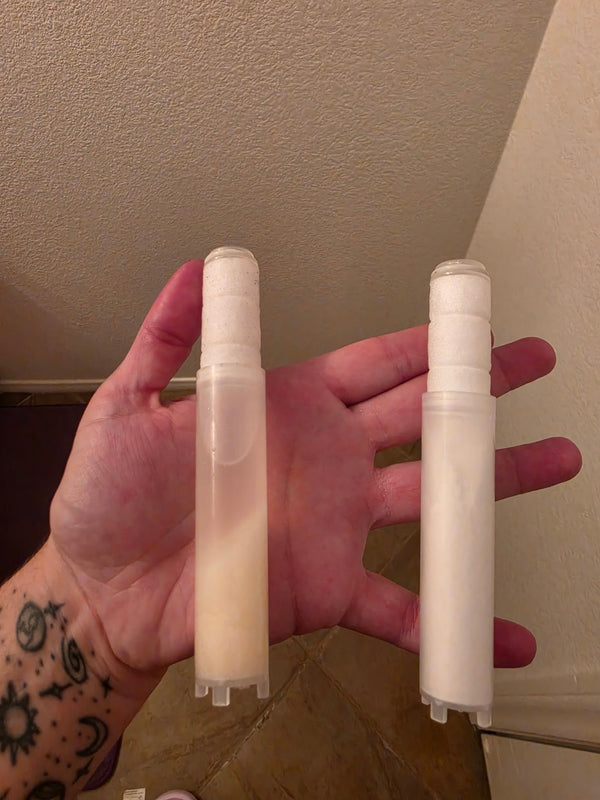
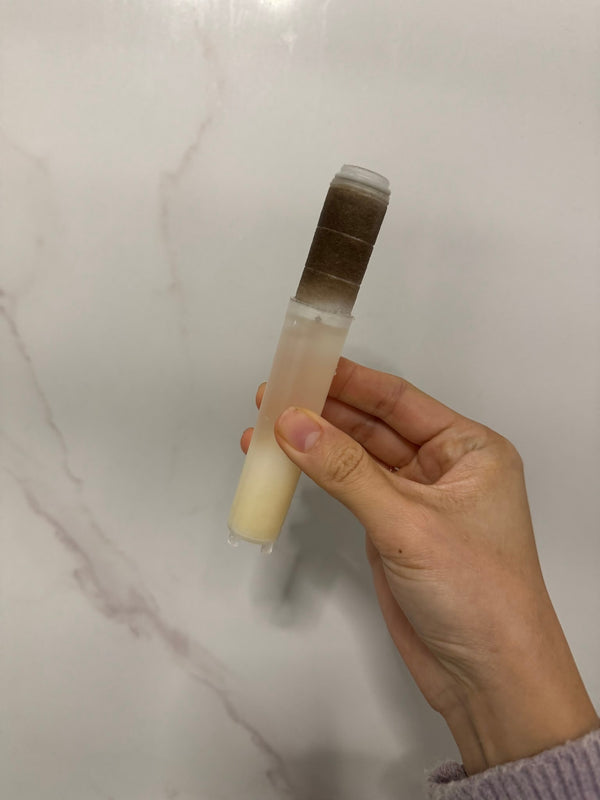
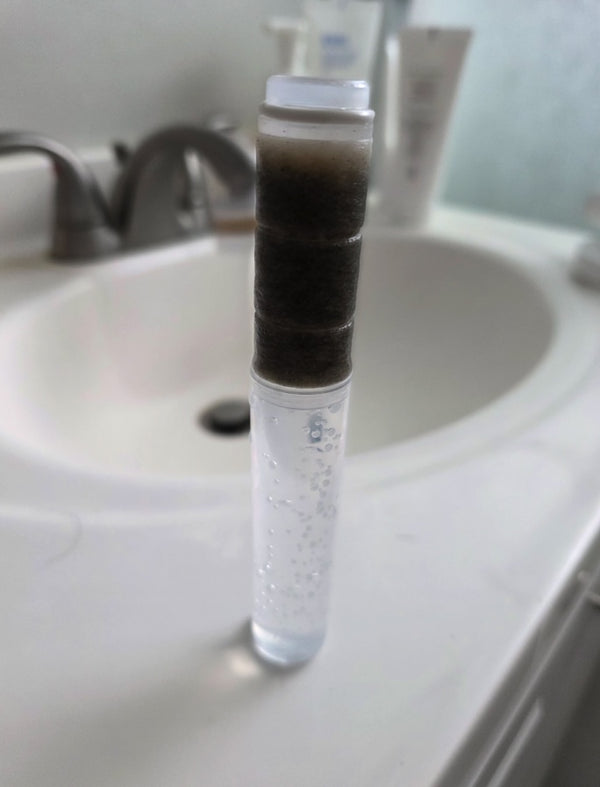
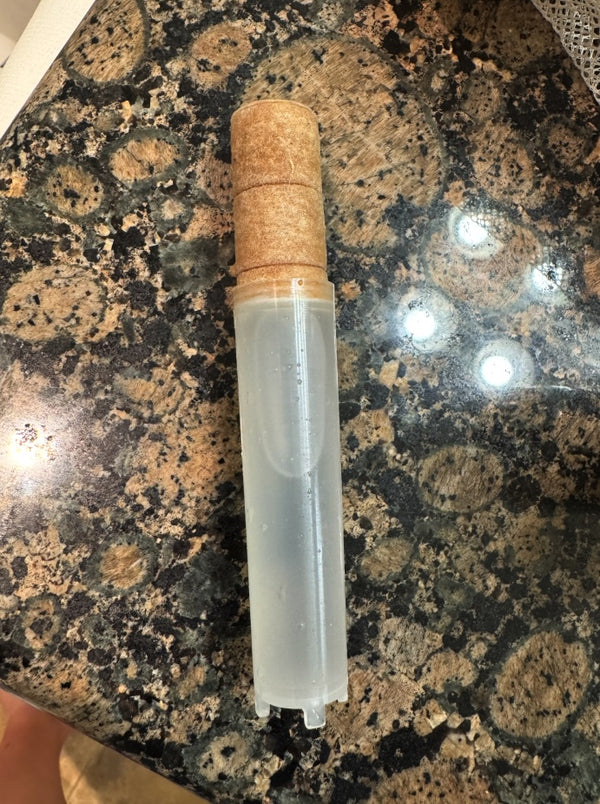
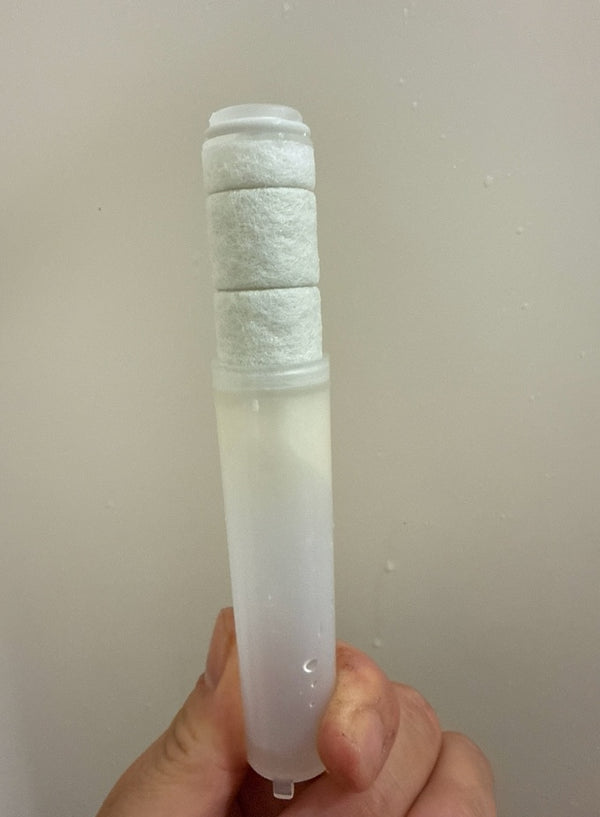
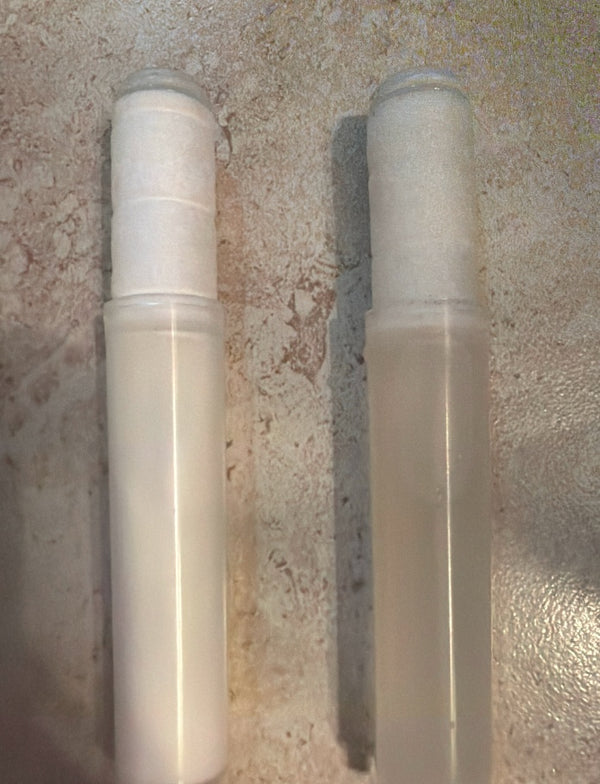
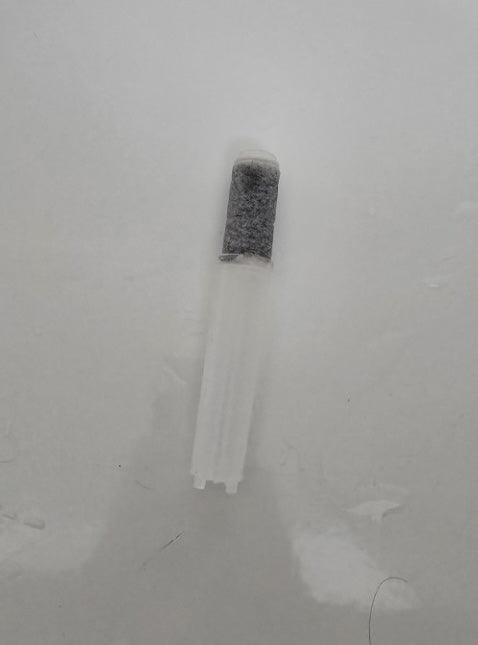
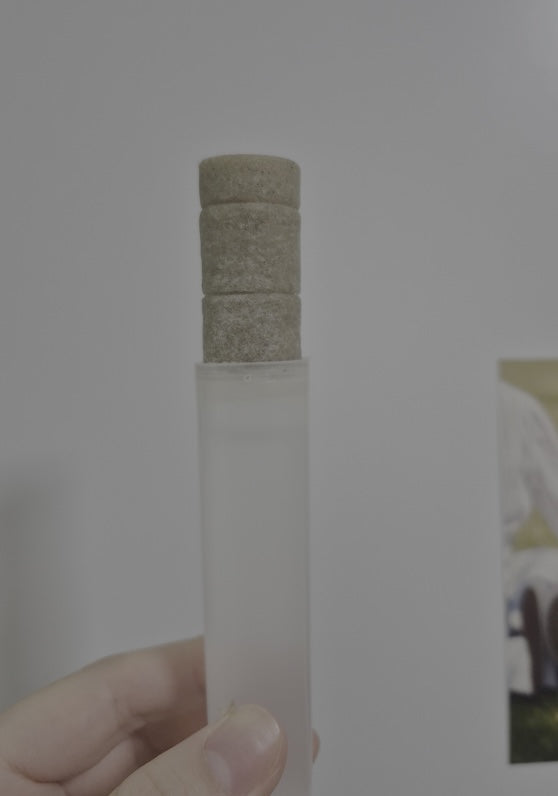
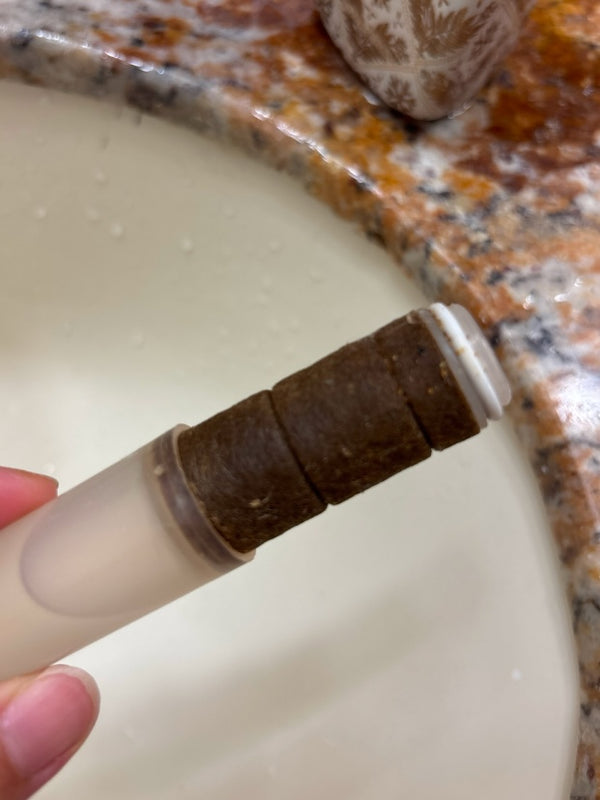
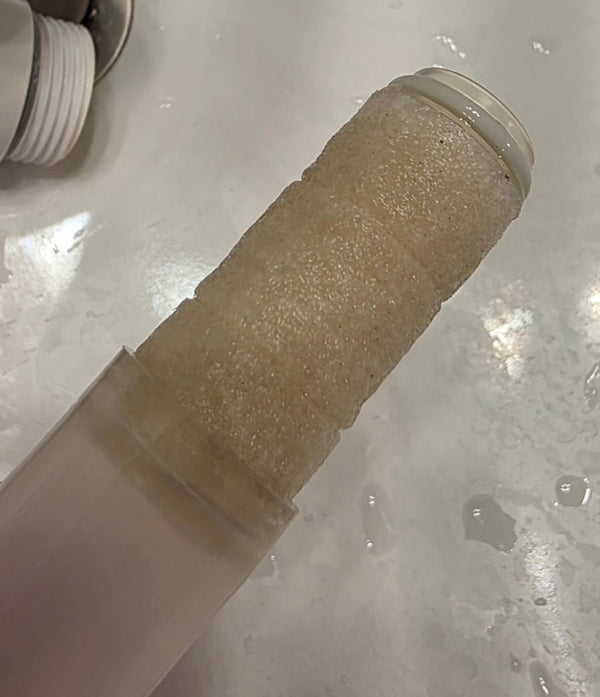
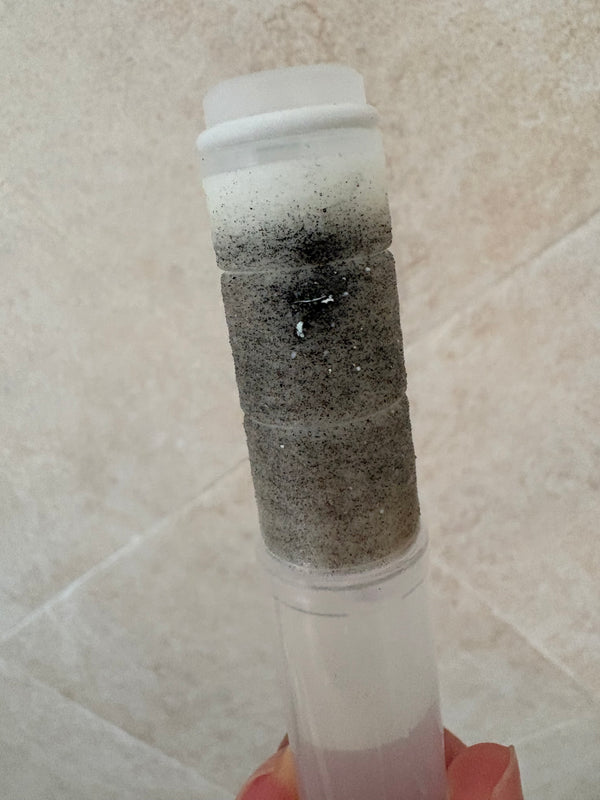
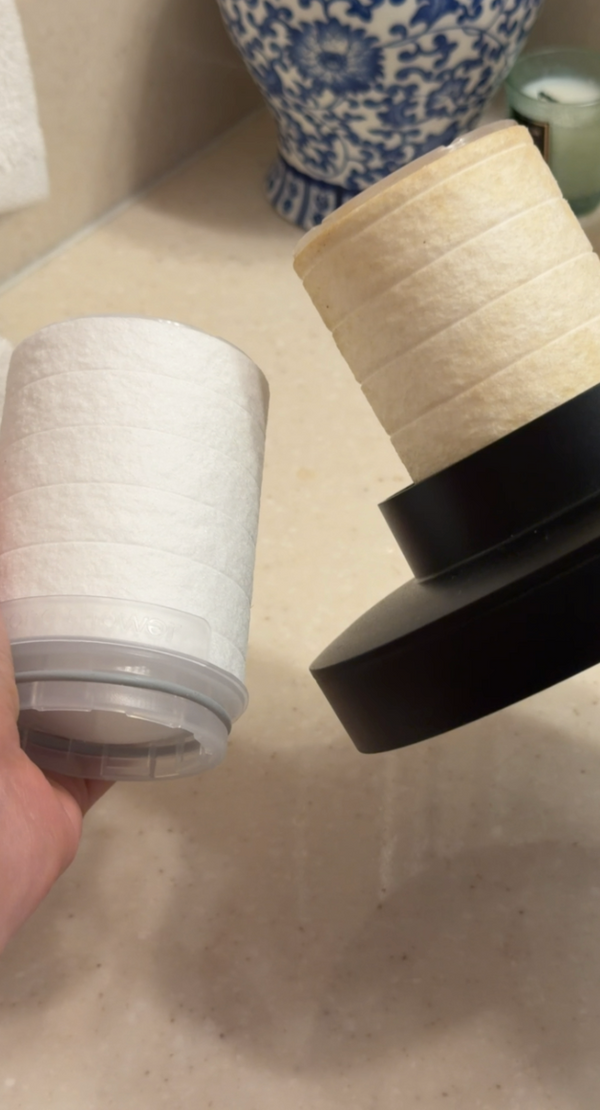
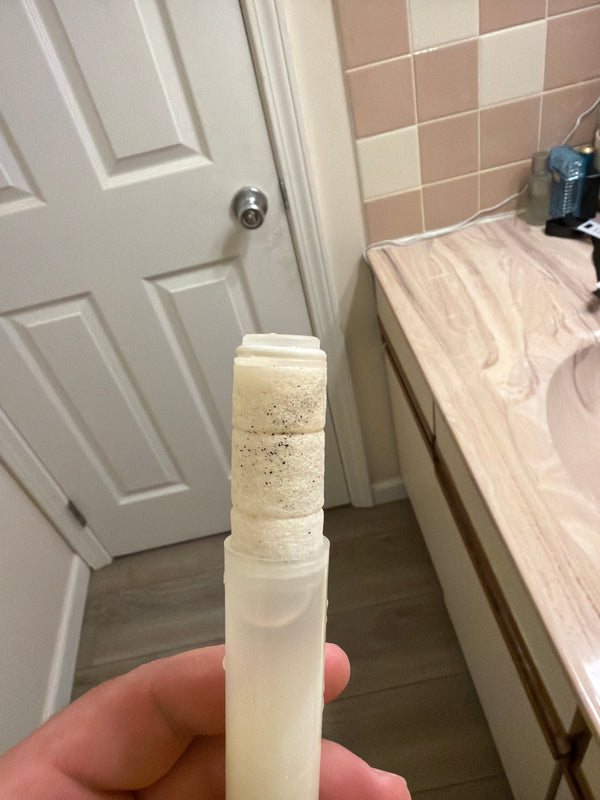
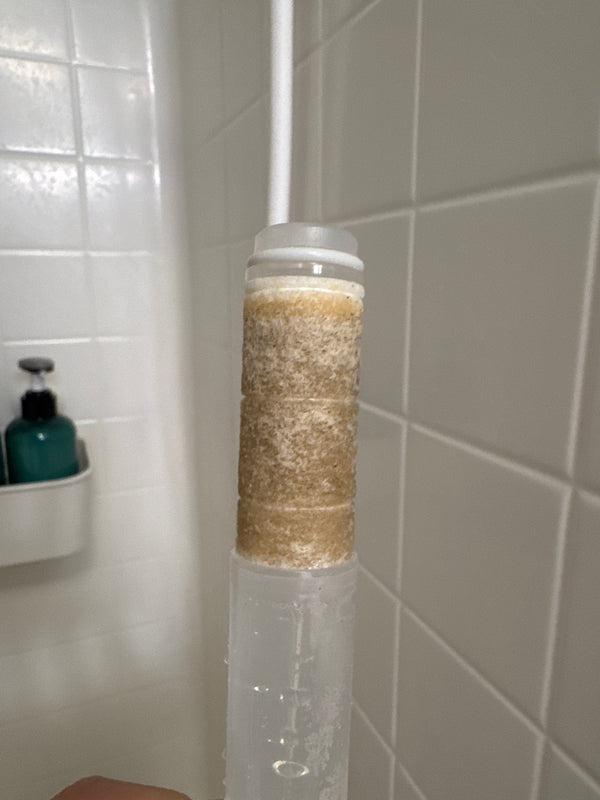
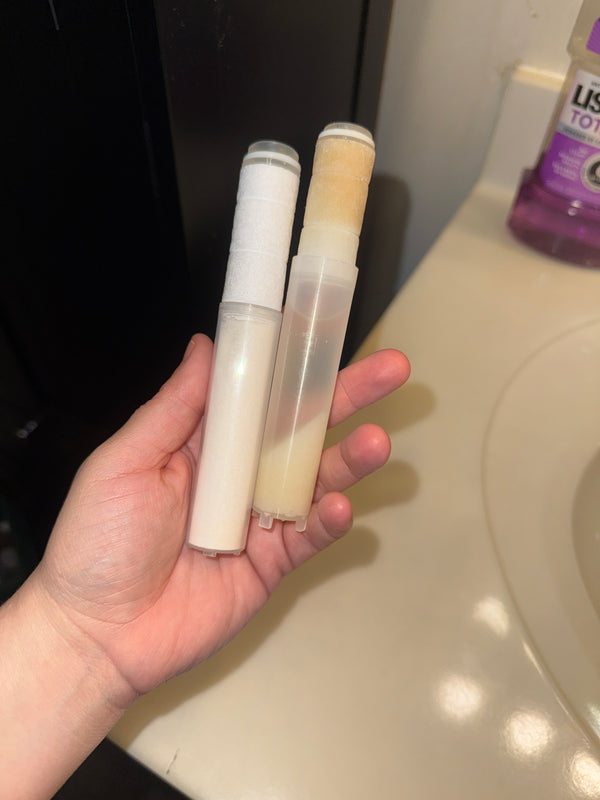
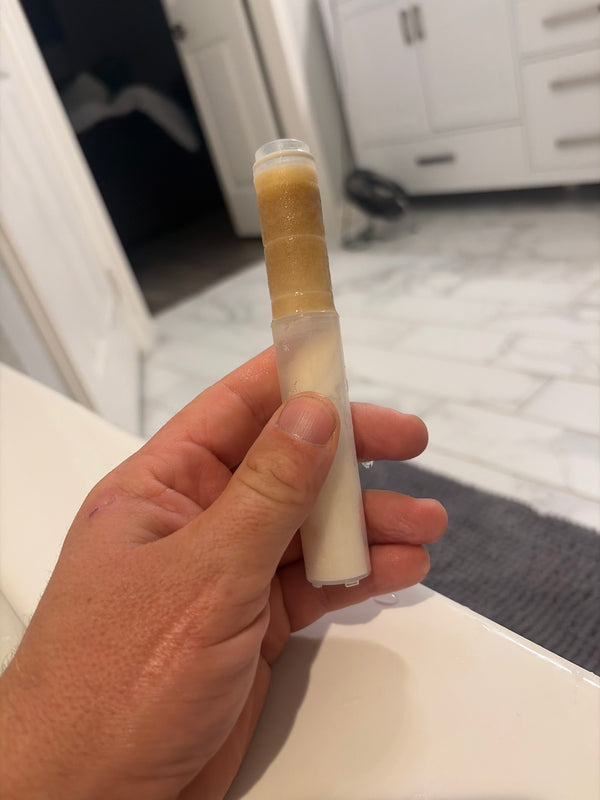
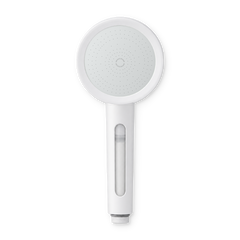
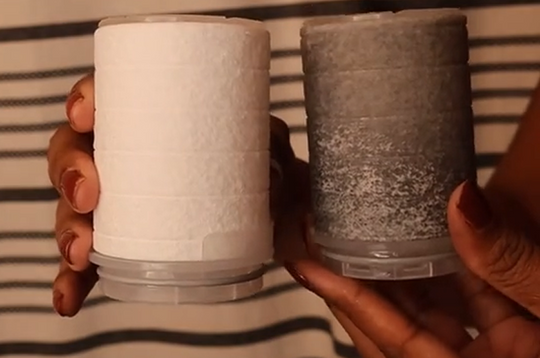
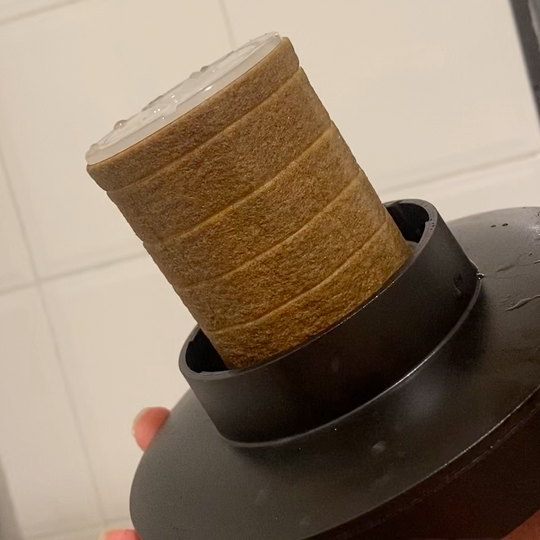
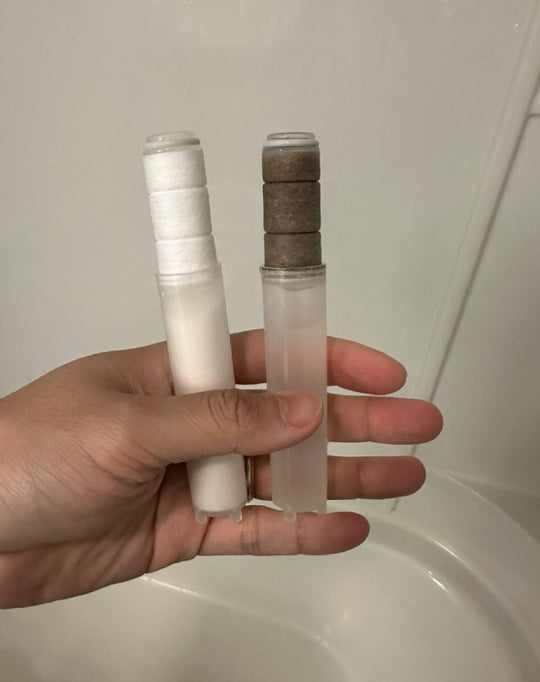
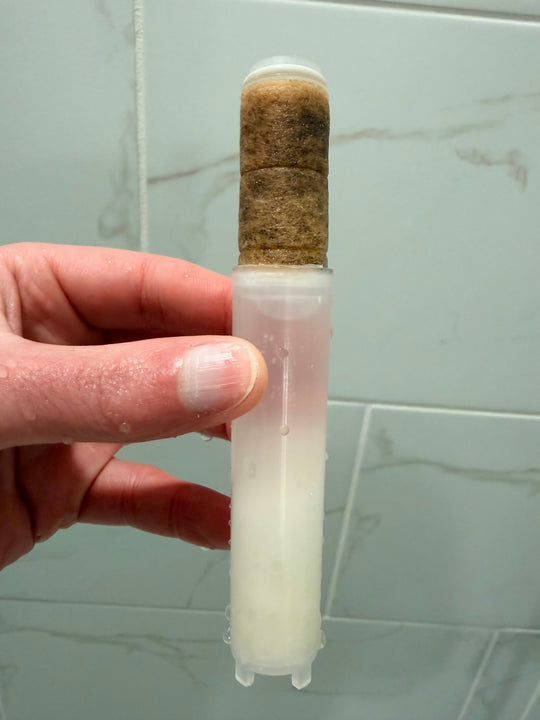
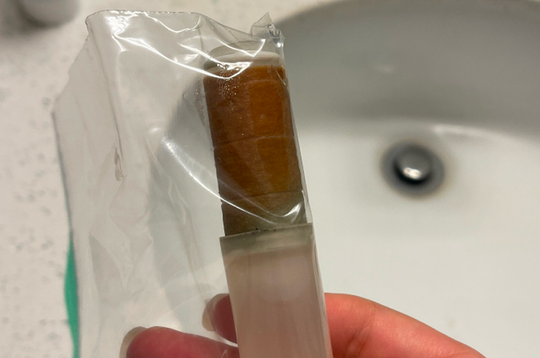
The Second Showerhead, a filtered shower head is $99, or $79 with a filter subscription, with one filter included. It installs without tools in about a minute on a standard 1/2 inch shower arm. We use an NSF/ANSI 42 certified filter*: a sediment pre-filter followed by a Vitamin C core. In independent lab testing it removed 99.9% of chlorine and chloramine. In our own testing, the Showerhead held that result through Day 1 to 60 of cartridge life. If you would rather have a handheld, there is The Second Showerhand, a handheld filtered shower head. Neither one softens water. If you add a softener or a whole-house system later, either one can stay on the shower.
*Micron PP sediment filter certified by NSF/ANSI 42 standards.
FAQ
Do I need a shower filter if I already have a whole-house filter?
Maybe not. Check your system's spec sheet for what it was tested to reduce. If chlorine and chloramine are covered and you change the cartridges on time, a shower filter adds less. If they are not covered, or your system is only a sediment filter or a softener, a shower filter treats what the system leaves.
Does a whole-house water filter soften water?
Only if it includes a water softener. Hardness (calcium and magnesium) is removed by ion exchange, which most filter cartridges do not do. Ask whether the system is a filter, a softener or both.
Do shower head filters actually do anything?
It depends on the cartridge, so ask what it was tested for. In independent lab testing, our filter removed 99.9% of chlorine and chloramine. It does not remove hardness and does not treat any other tap in the house.
Should I install a whole-house filter during a renovation?
You do not have to install it then, but it is the cheapest time to prepare. Ask your plumber to leave space near the main line, add a bypass loop and plan a drain. A system can then go in later without opening anything up.
How do I know if my water has chlorine or chloramine?
Read your utility's annual Consumer Confidence Report, which names the disinfectant. You can also look up your ZIP code. To measure chlorine at the tap, use a DPD test kit. A TDS meter cannot detect it.