Charlotte tap water is soft lake water with free chlorine added as the disinfectant. Charlotte Water draws from the Catawba-Wateree system (Lake Norman and Mountain Island Lake). Its 2025 water quality report lists free chlorine, not chloramine, at 0.47 to 1.60 ppm (average 1.04 ppm). Hardness is 1.6 to 2 grains per gallon, measured where water enters the distribution system, which counts as soft. Dissolved solids run 50 to 100 ppm. So hard-water scale is not the main issue in a Charlotte shower. Chlorine is.
Charlotte water at a glance
| Measure | Charlotte |
|---|---|
| Water utility | Charlotte Water (Catawba-Wateree: Lake Norman, Mountain Island Lake) |
| Disinfectant | Chlorine (free chlorine) |
| Hardness | 1.6-2 gpg (soft, entry to the distribution system) |
| Total dissolved solids | 50-100 ppm |
| Disinfectant residual | 0.47-1.60 ppm (avg 1.04) |
Source: Consumer Confidence Report 2025 - Charlotte Water (2025 data)

Does every Charlotte address get the same water?
Most of the city is served by one utility, Charlotte Water, and its source is the Catawba-Wateree system: Lake Norman and Mountain Island Lake.[1] That is why the numbers in the at-a-glance table above apply broadly. They describe the system as a whole, not your street.
Two details in the report matter for one address:
- Chlorine is given as a range (0.47 to 1.60 ppm) rather than one number, so the level at a given tap falls somewhere within that span. The figures we have from the report do not break it down by neighborhood.
- Hardness is measured at entry to the distribution system, meaning where treated water leaves for the pipes, not at your faucet.
If you want a closer answer for your address, start with the name on your water bill. If it says Charlotte Water, its annual report is the reference. Every community water system in the US must send customers this Consumer Confidence Report, usually by July 1.[3] If your bill names a different supplier (some homes in the region are on other systems), read that supplier's report instead. You can also look up your ZIP code on our water page.
Free chlorine, not chloramine: what Charlotte adds to the water
Charlotte Water's 2025 report lists its disinfectant as free chlorine, with a residual of 0.47 to 1.60 ppm and an average of 1.04 ppm.[1] "Residual" is the chlorine still in the water after treatment. Utilities keep some in the pipes so the water stays disinfected on its way to homes.
Newcomers sometimes expect chloramine, since many US cities use it. Chloramine is chlorine combined with ammonia, made to last longer in the pipes, and more than one in five Americans have chloramine-treated water.[4] Charlotte's 2025 report names free chlorine, not chloramine. If you moved here from a chloramine city, your water uses a different disinfectant now. Utilities publish a new report every year, so check the current one.
Is Charlotte water hard? No, with one caveat
The report puts hardness at 1.6 to 2 grains per gallon (gpg), measured at entry to the distribution system.[1] Using the USGS conversion (1 gpg = 17.1 mg/L), that is about 27 to 34 mg/L. USGS calls anything up to 3.5 gpg, or 0 to 60 mg/L, soft.[2] Charlotte's water falls well inside that range.
| USGS class | gpg | mg/L |
|---|---|---|
| Soft (Charlotte is here) | up to 3.5 | 0 to 60 |
| Moderately hard | 3.5 to 7 | 61 to 120 |
| Hard | 7 to 10.5 | 121 to 180 |
| Very hard | above 10.5 | over 180 |
The caveat is where the reading was taken. The figure describes water as it leaves treatment, not water at your faucet. Dissolved solids (TDS) are listed at 50 to 100 ppm, another sign of lightly mineralized lake water. In practice, soap and shampoo lather easily in soft water, and the heavy white crust that hard-water cities fight is less of a problem here.
Soft water still carries disinfectant. A hardness number says nothing about chlorine, and that is the part of Charlotte's water you notice most in the shower.
How to check the water at your own tap
The report covers the system. For your own tap, pick the test that answers your question:
- Chlorine: use a DPD test kit. This is the standard home method for chlorine.
- Hardness: inexpensive hardness test strips give a reading in about a minute.
- TDS meter: it measures all dissolved solids. It is not a hardness test, and it cannot detect chlorine, so a low TDS reading does not mean your water has no chlorine.
If you see grit or discoloration at one tap but not at others, the plumbing inside the building may be the cause rather than the city supply. Charlotte Water is the right call if you want to ask about the supply itself.
What Charlotte's chlorine means for skin and hair in the shower
Chlorine is an oxidizer. A hot shower brings it into contact with your hair and skin every day. It can leave hair feeling dry and rough, and faded hair color is a common complaint. Because Charlotte's water is soft, mineral film is usually not the explanation when hair feels rough after a shower. Chlorine is the more likely one.
A few habits help with dry skin whatever is in the water. The American Academy of Dermatology suggests keeping showers to five to ten minutes in warm water.[5] Many people also use a gentle cleanser, pat dry, and moisturize while the skin is still slightly damp. If dryness continues after that, see a board-certified dermatologist, because very dry skin can come from an underlying medical condition.
Is a shower filter worth it on Charlotte water?
For Charlotte, a shower filter only needs to handle one thing: free chlorine. You don't need a softener in your shower here, and we don't make one. We do not soften water or remove hardness (a water softener does that), and with water at 1.6 to 2 gpg, most Charlotte homes have little hardness to remove anyway.
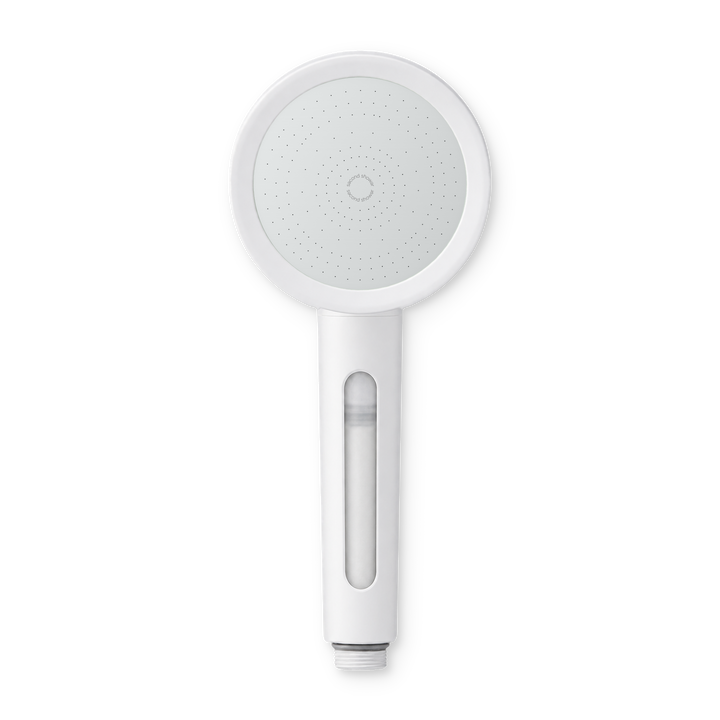
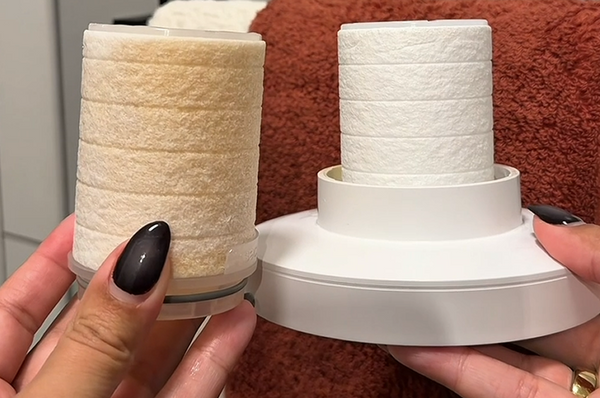
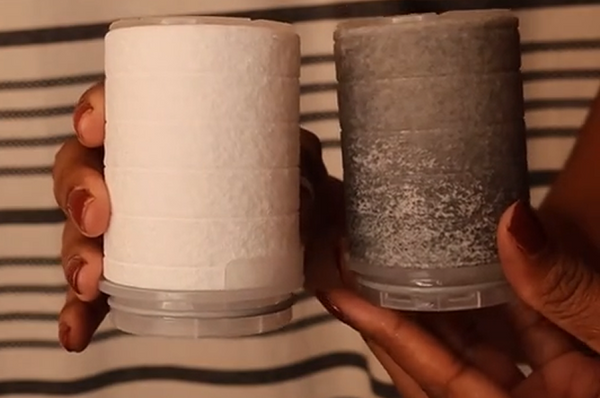
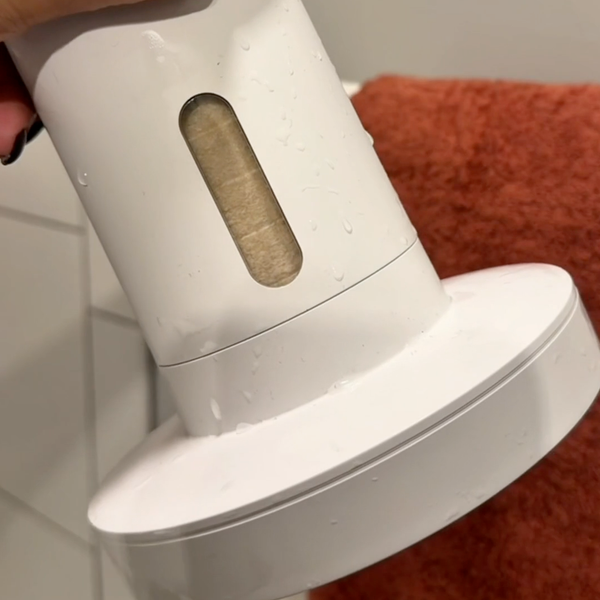
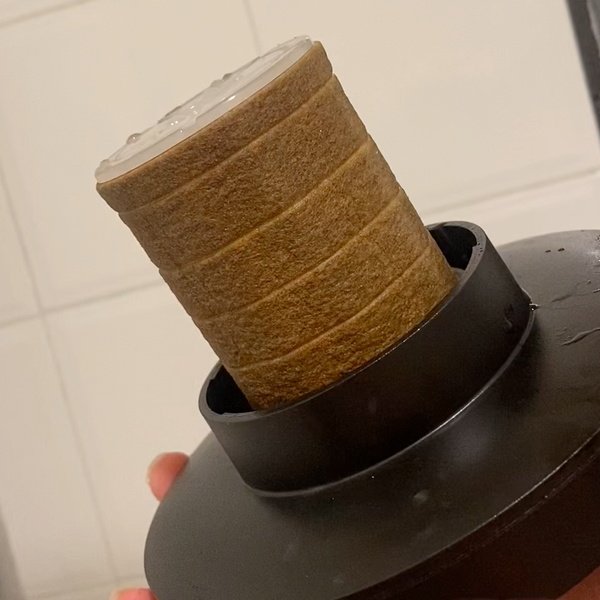
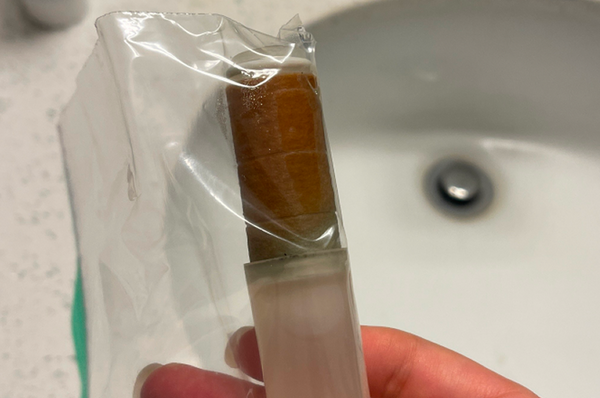
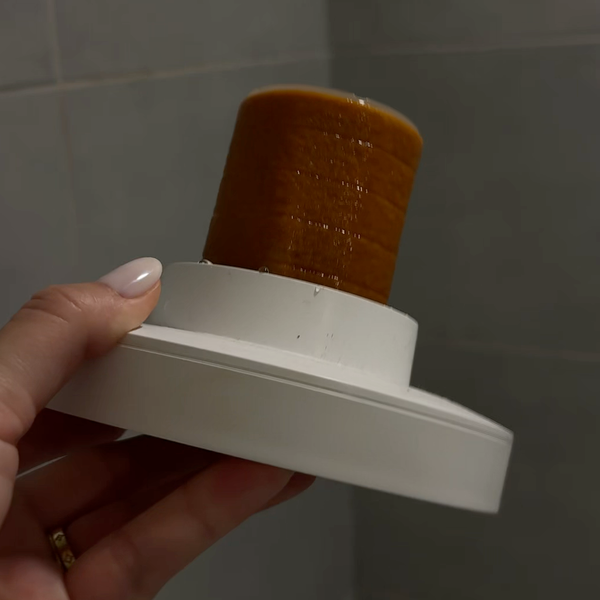
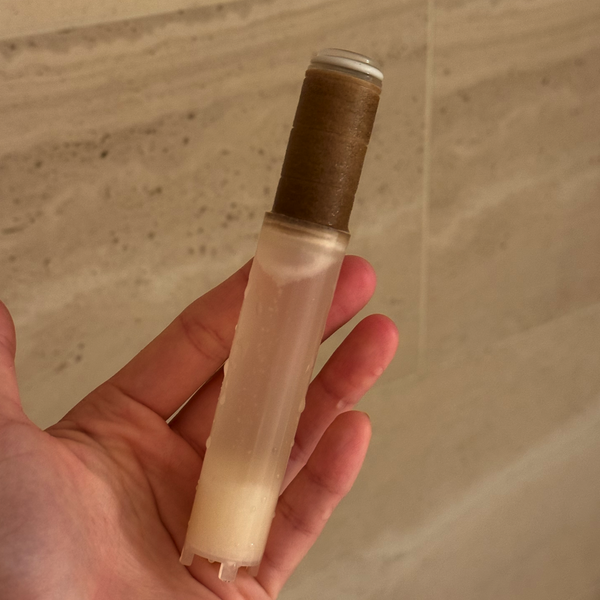
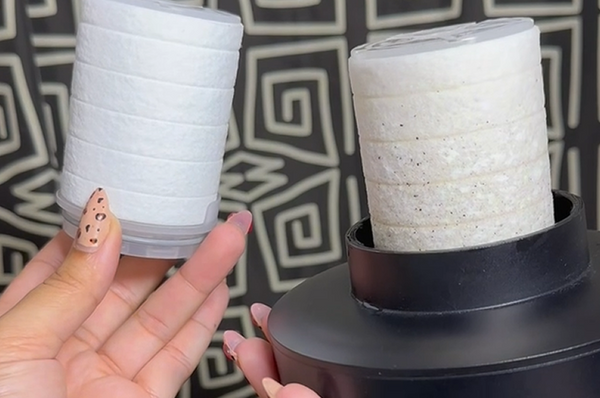
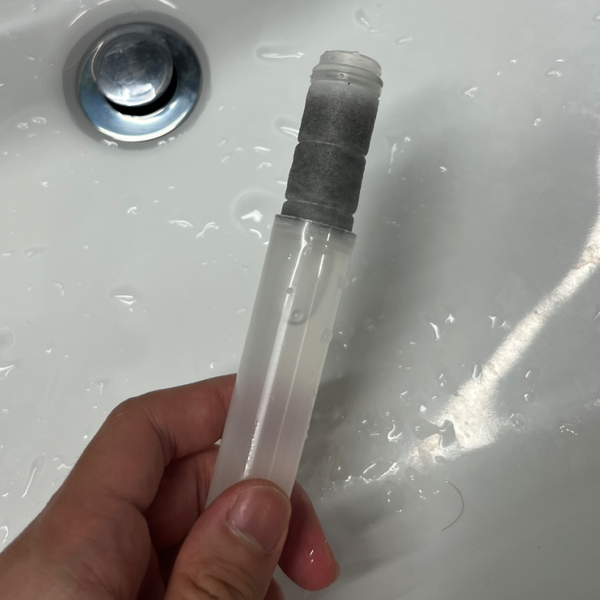
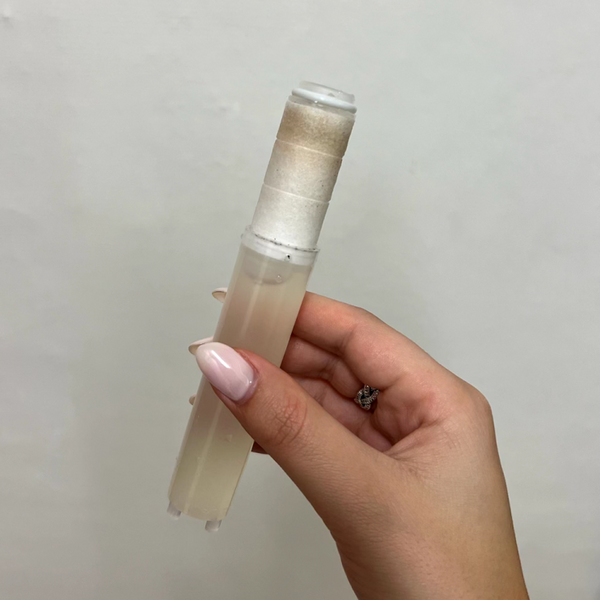
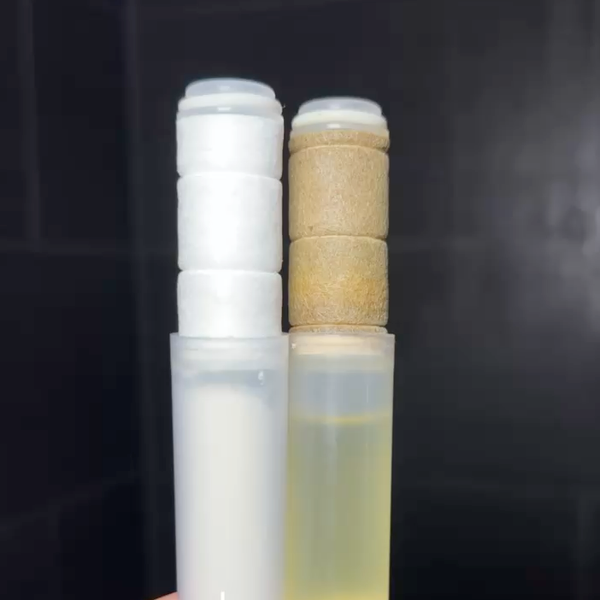
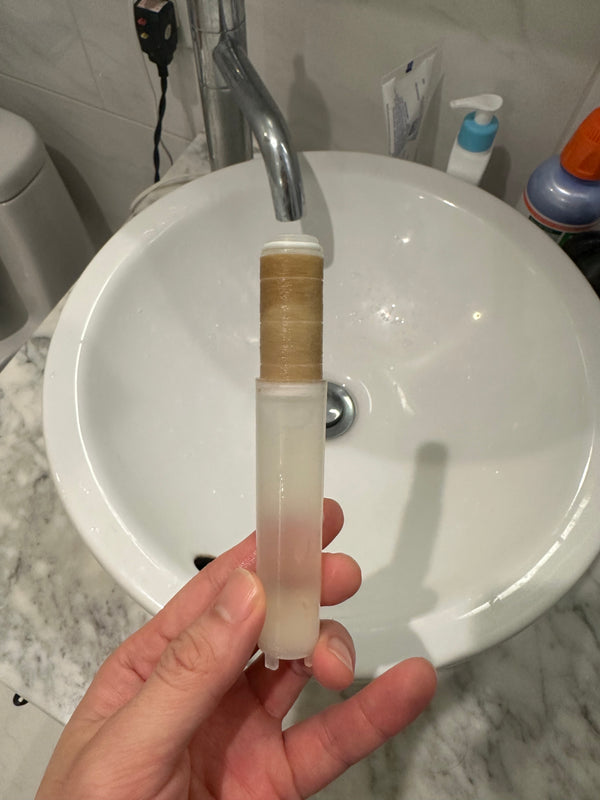
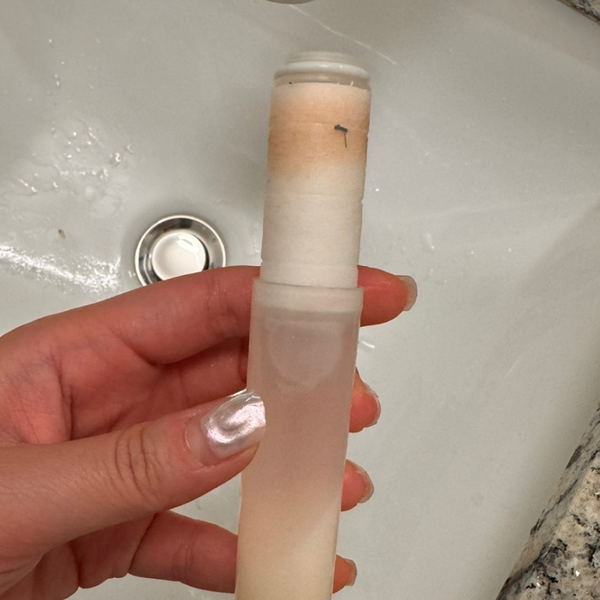
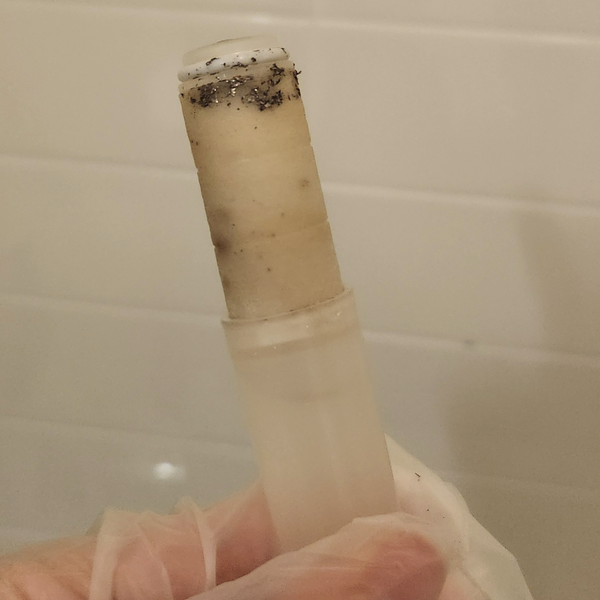
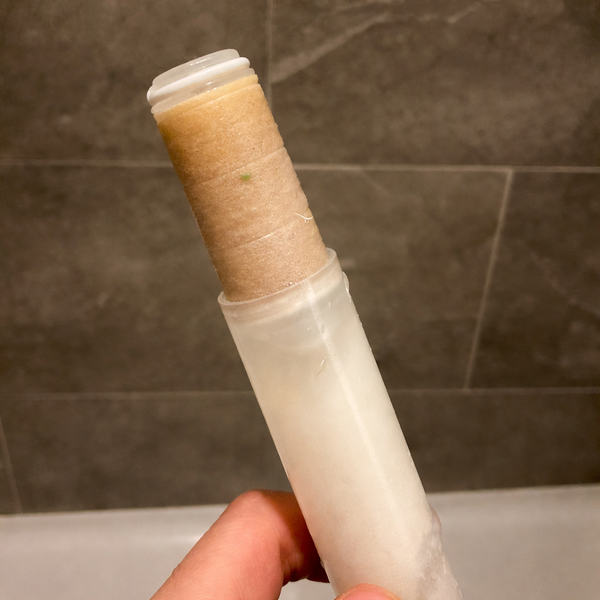
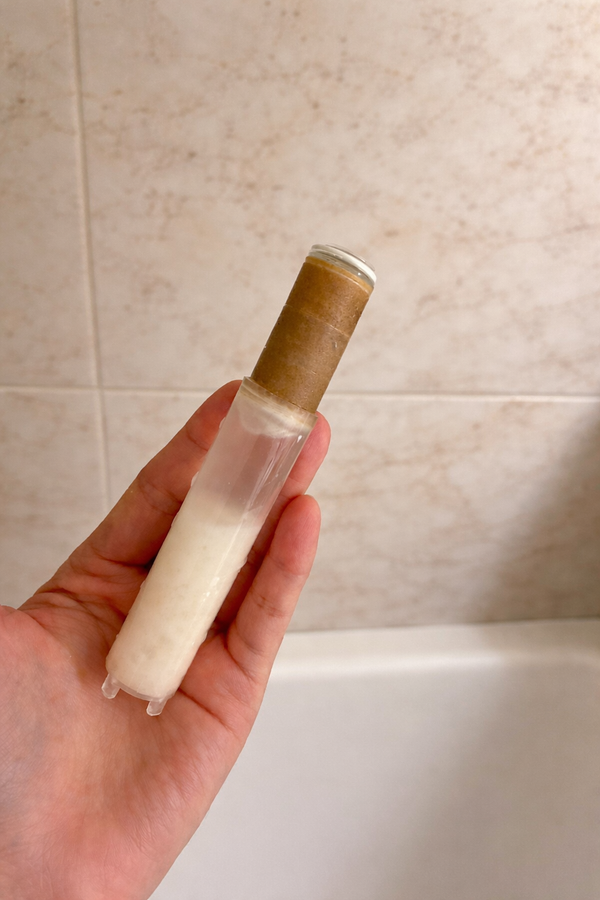
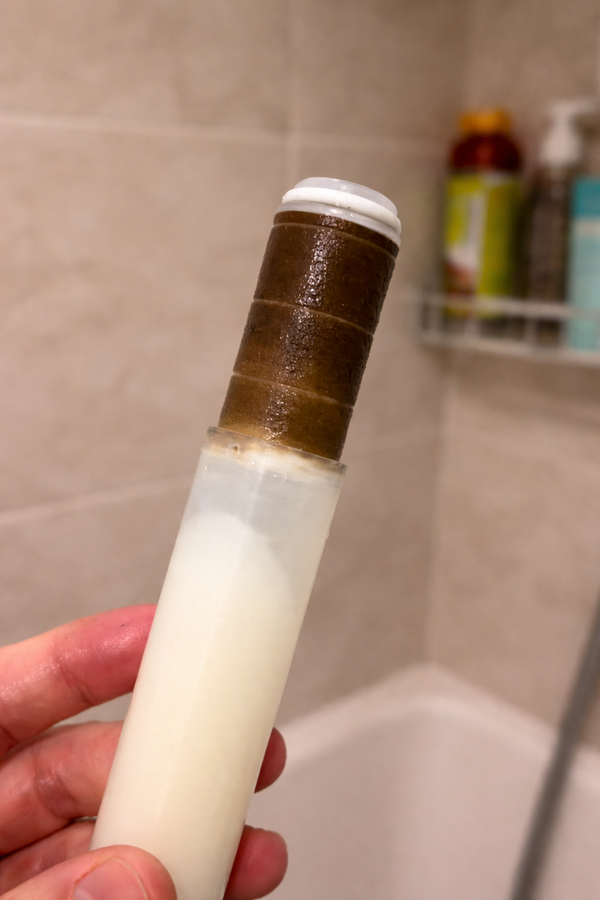
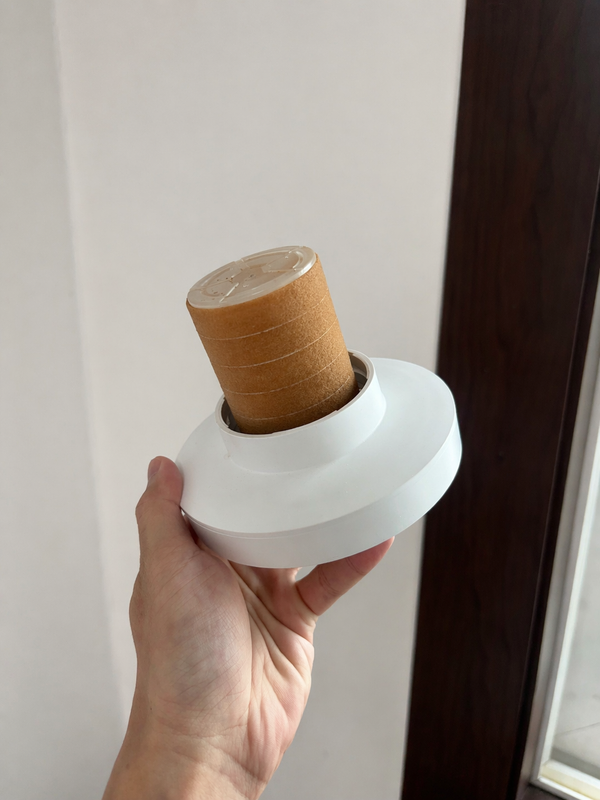
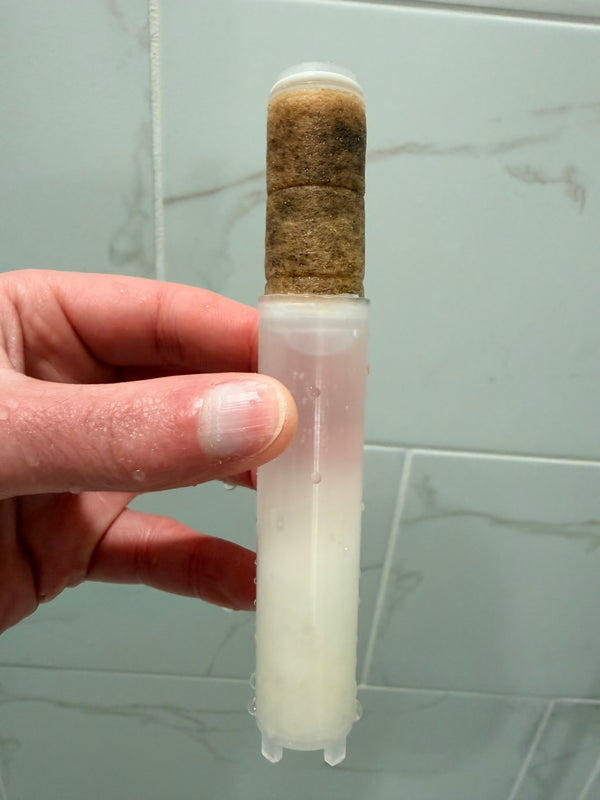
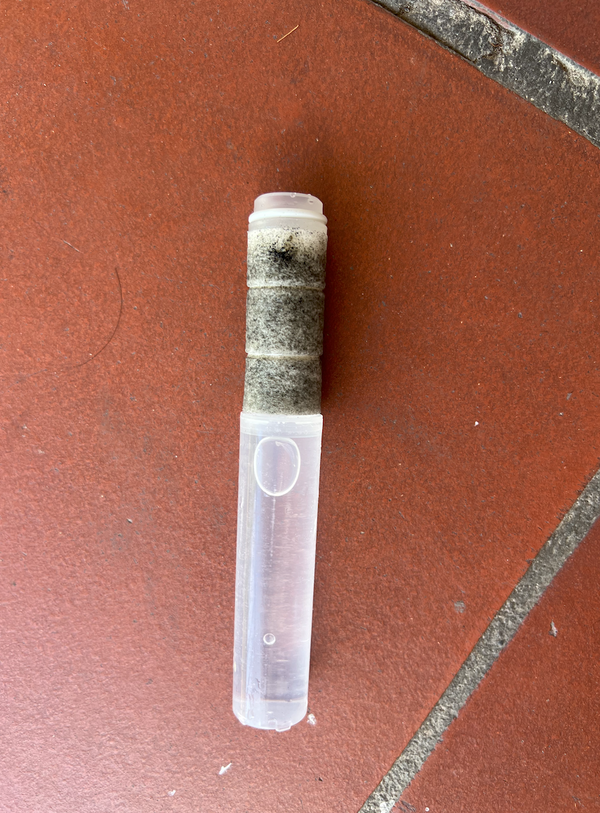
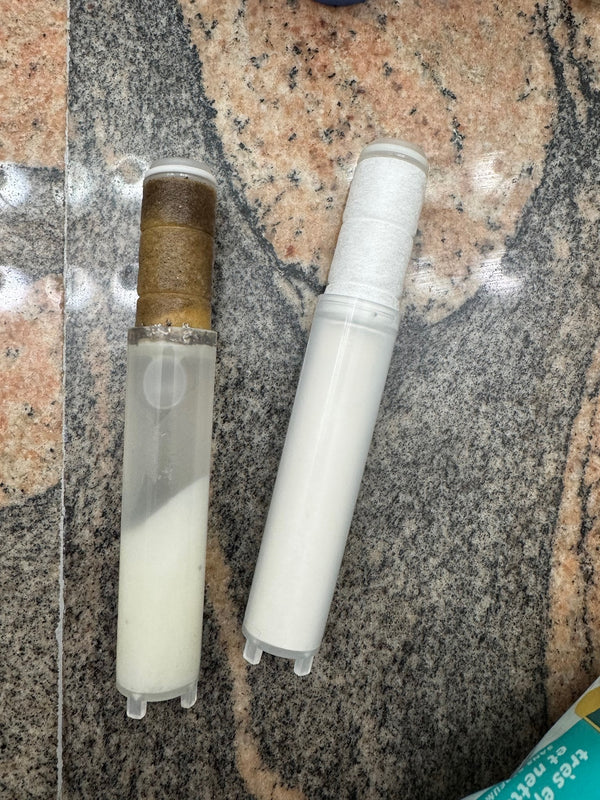
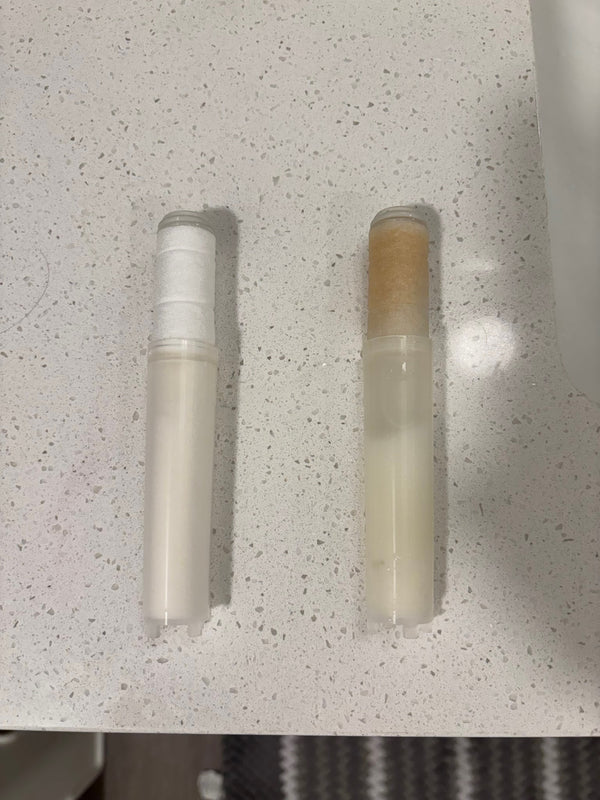
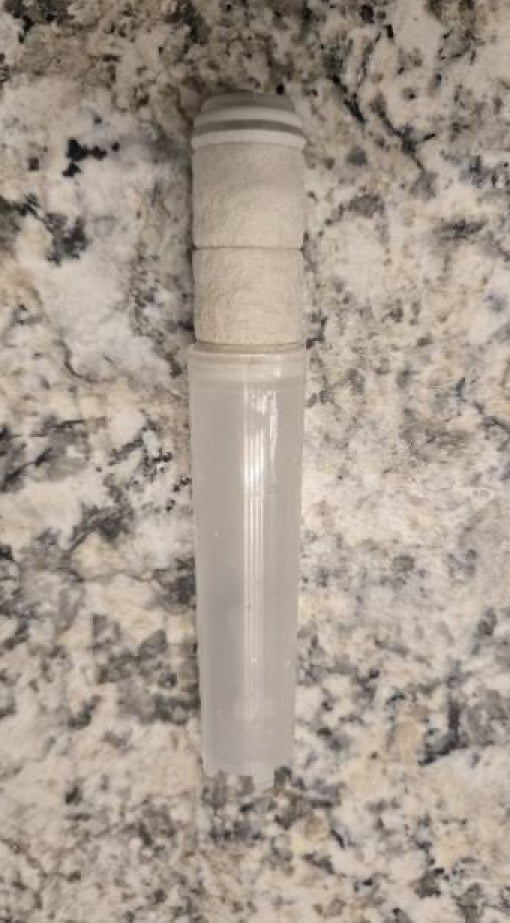
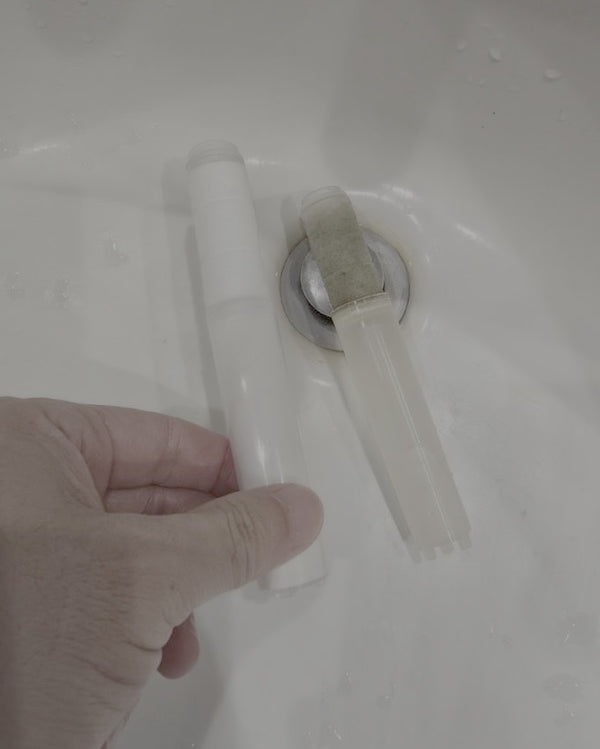
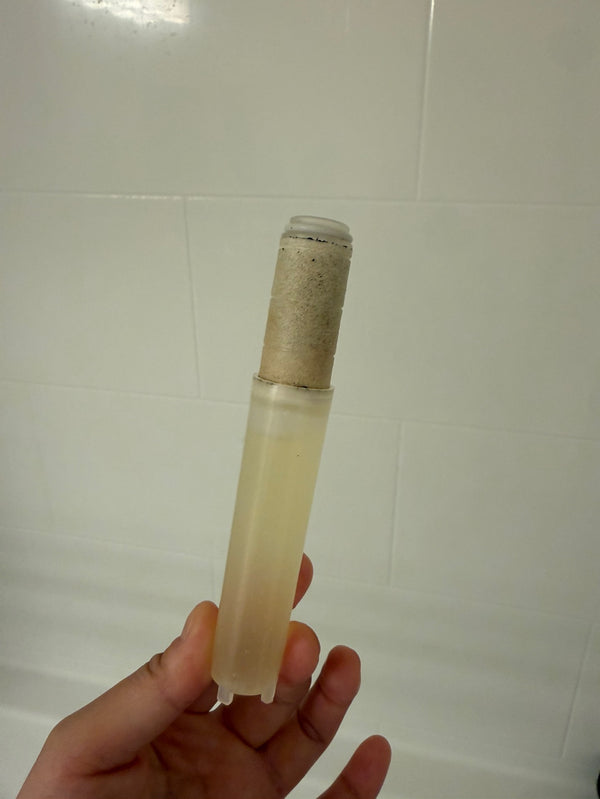
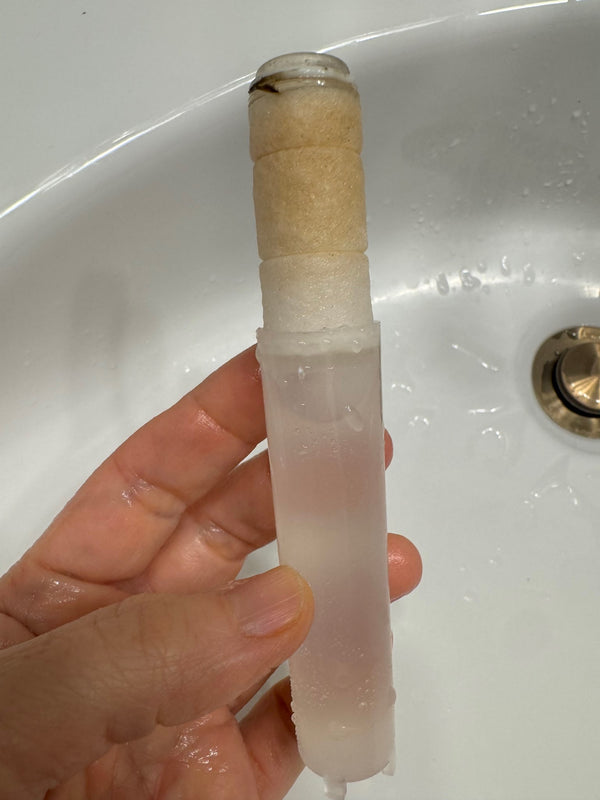
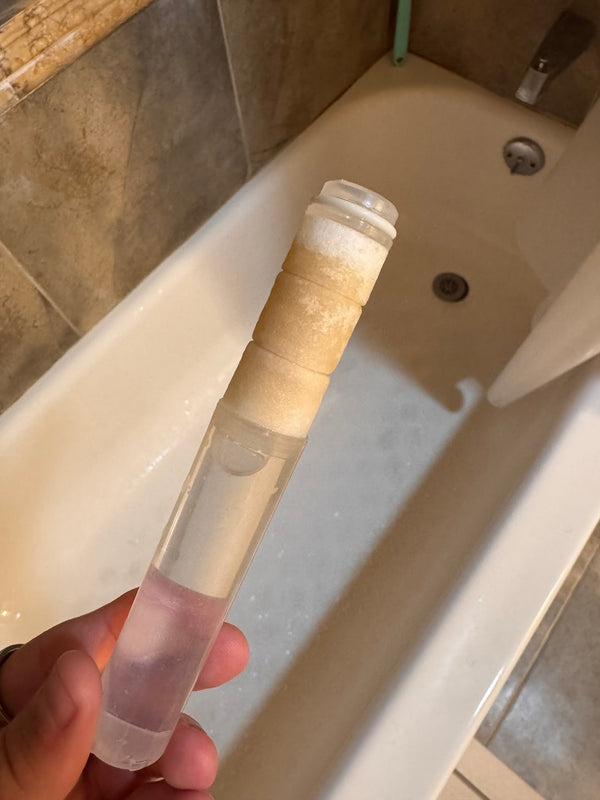
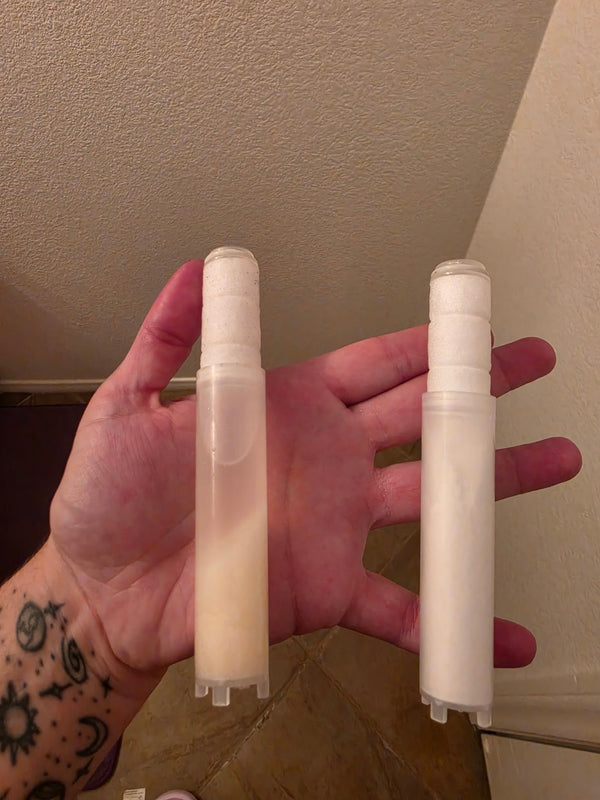
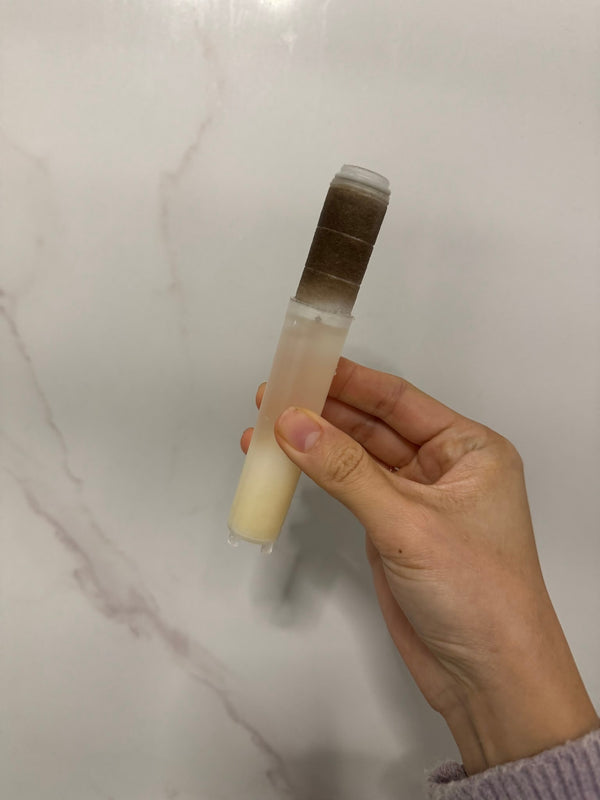
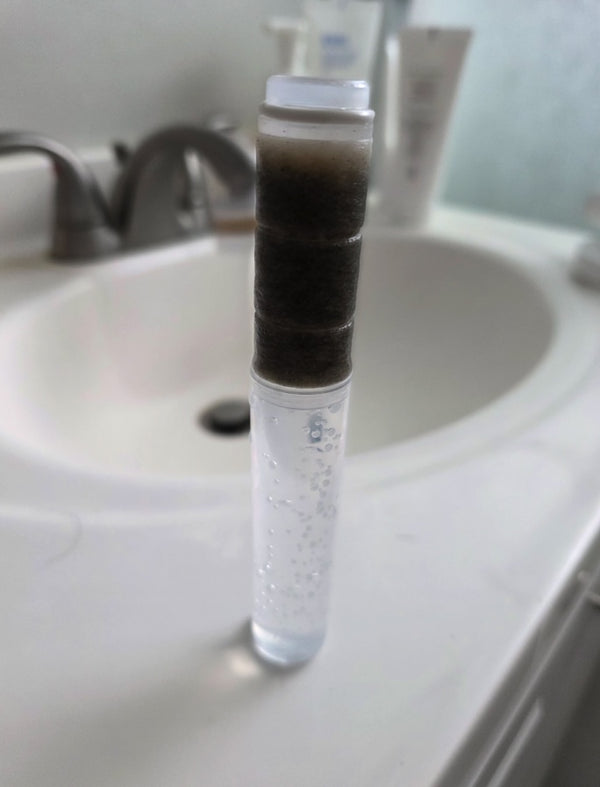
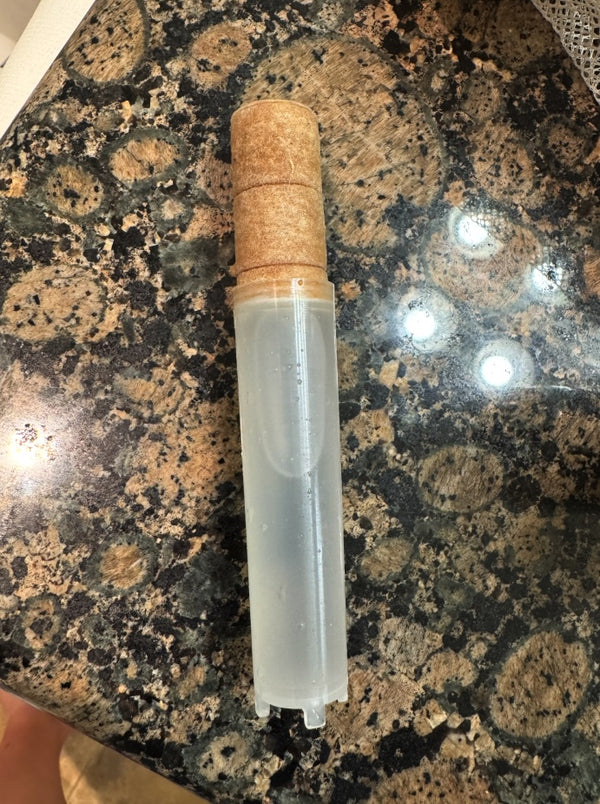
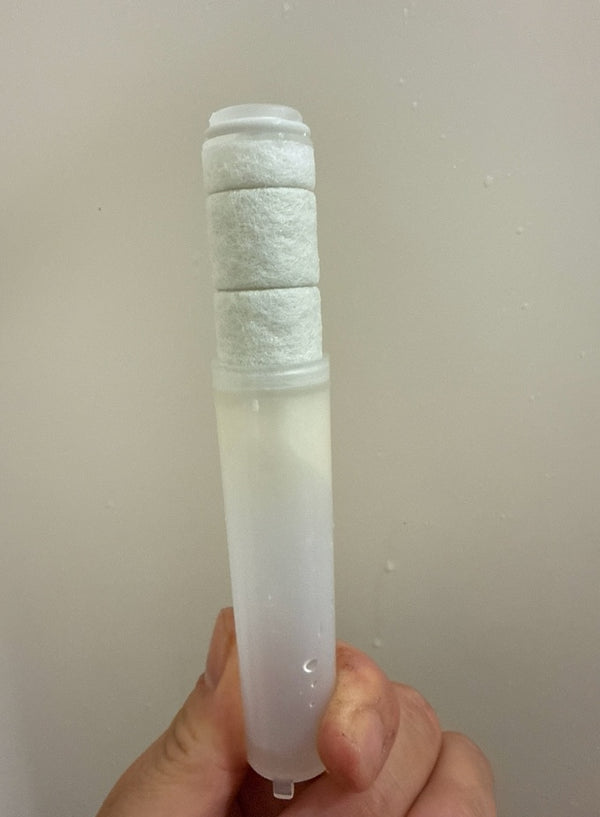
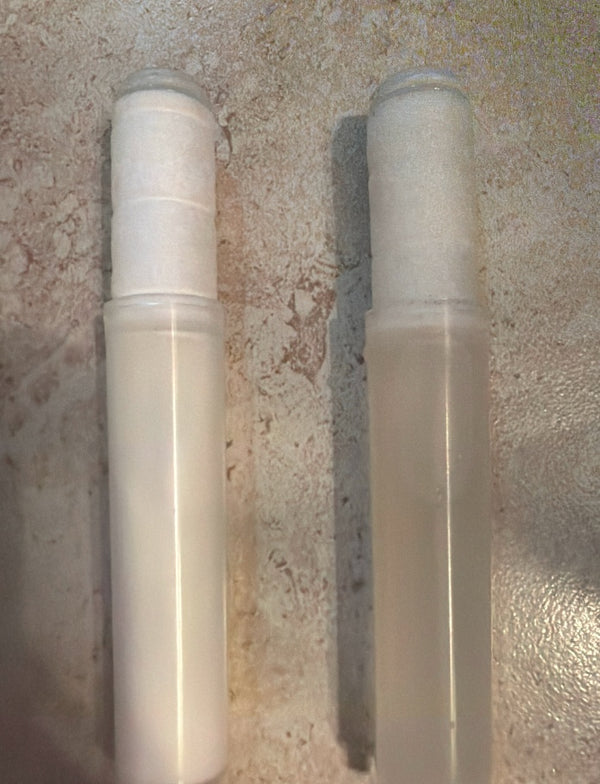
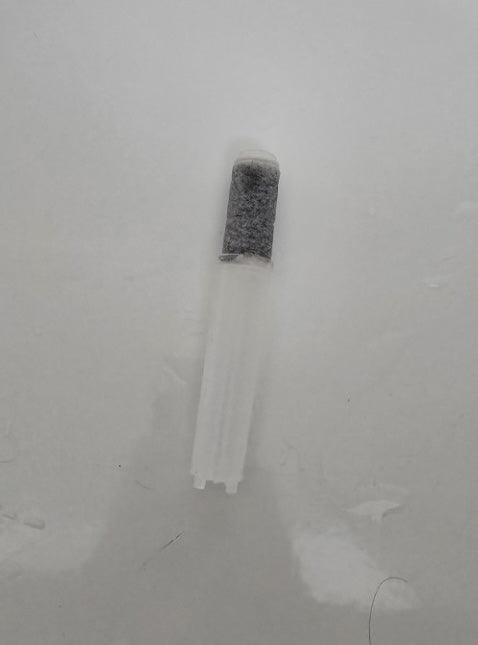
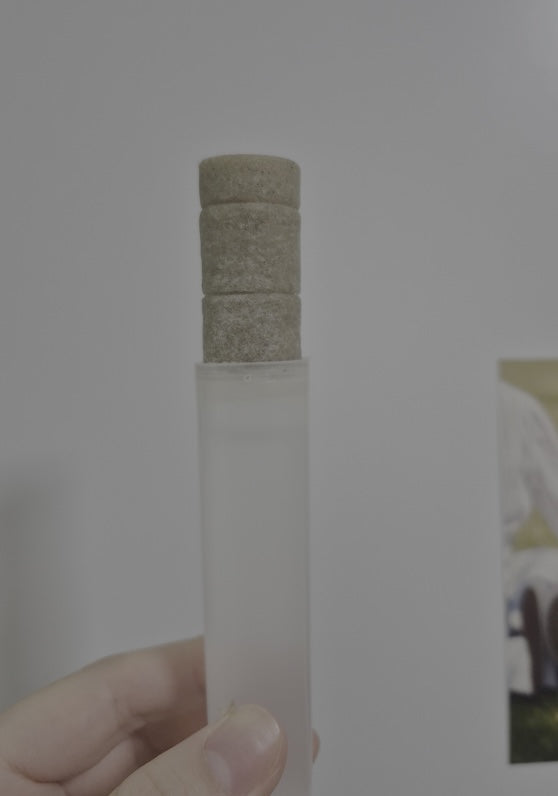
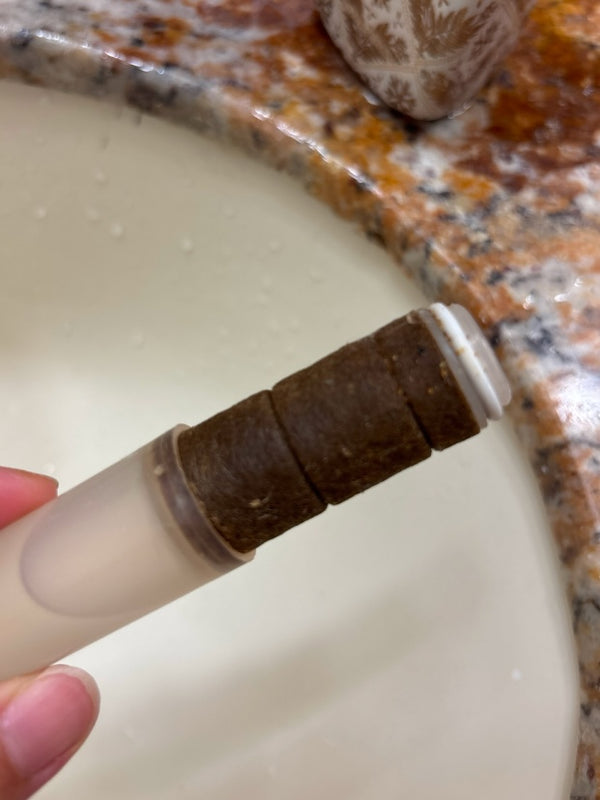
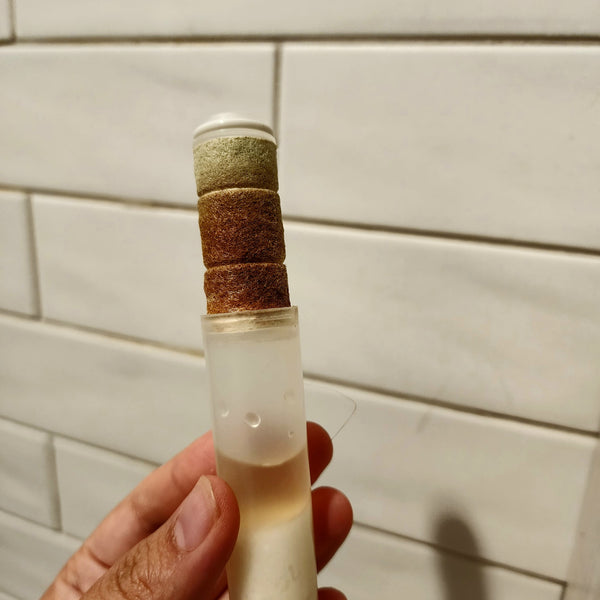
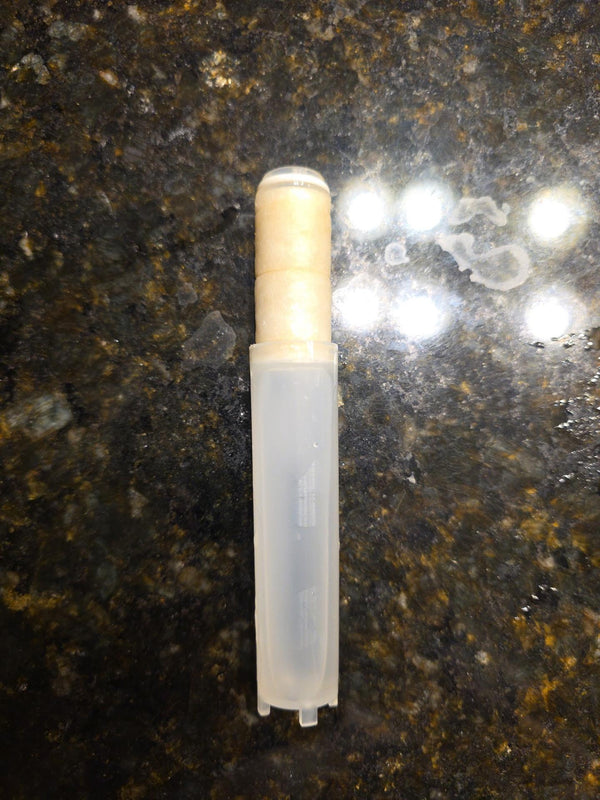
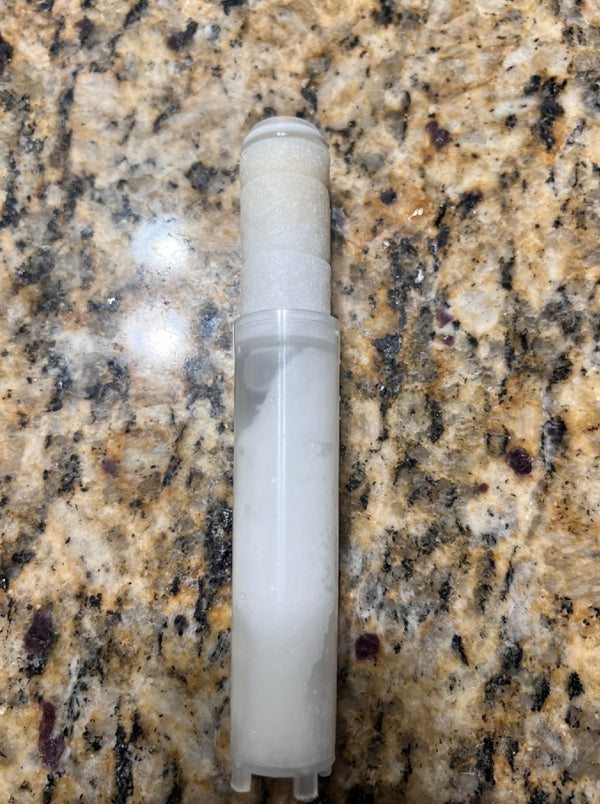
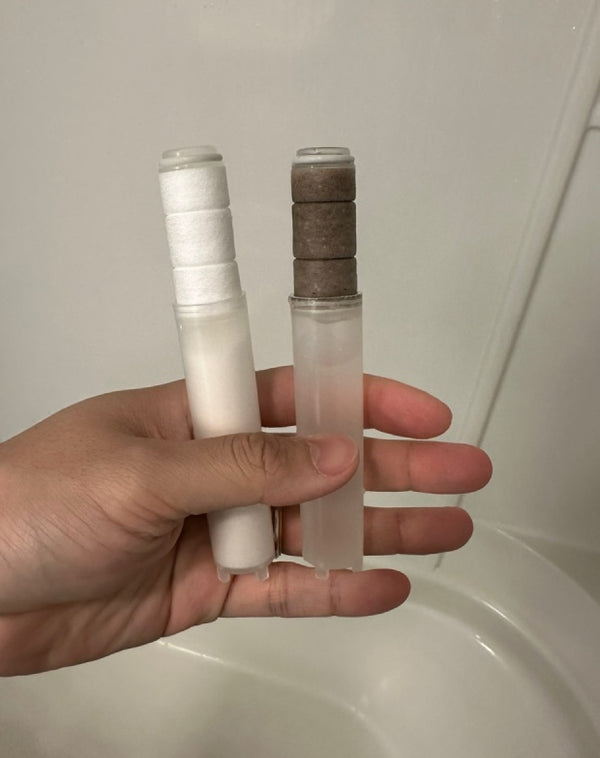
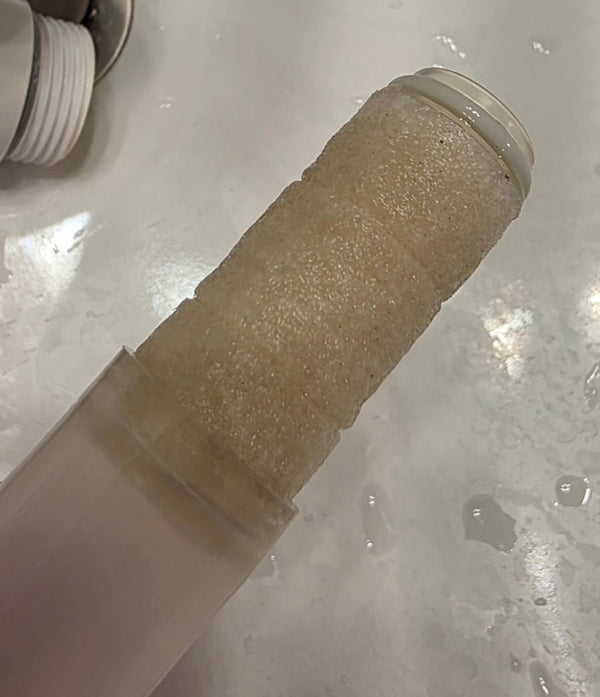
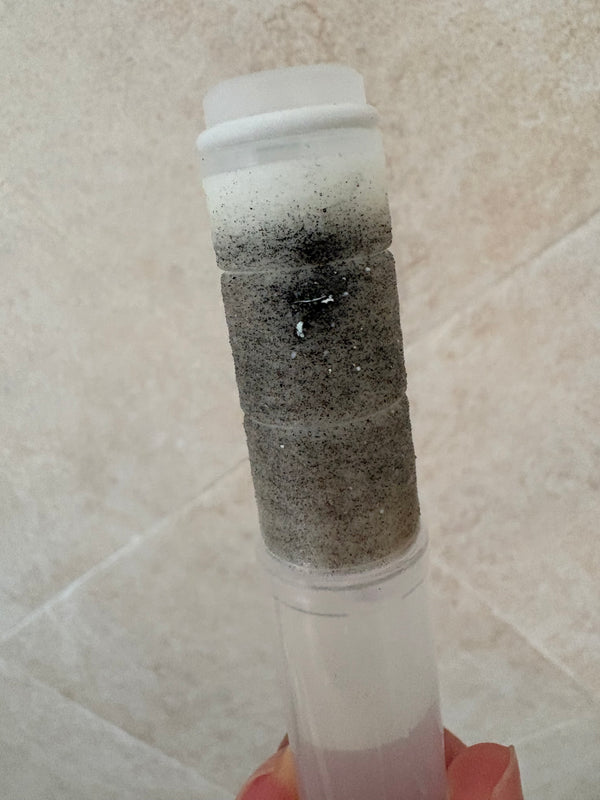
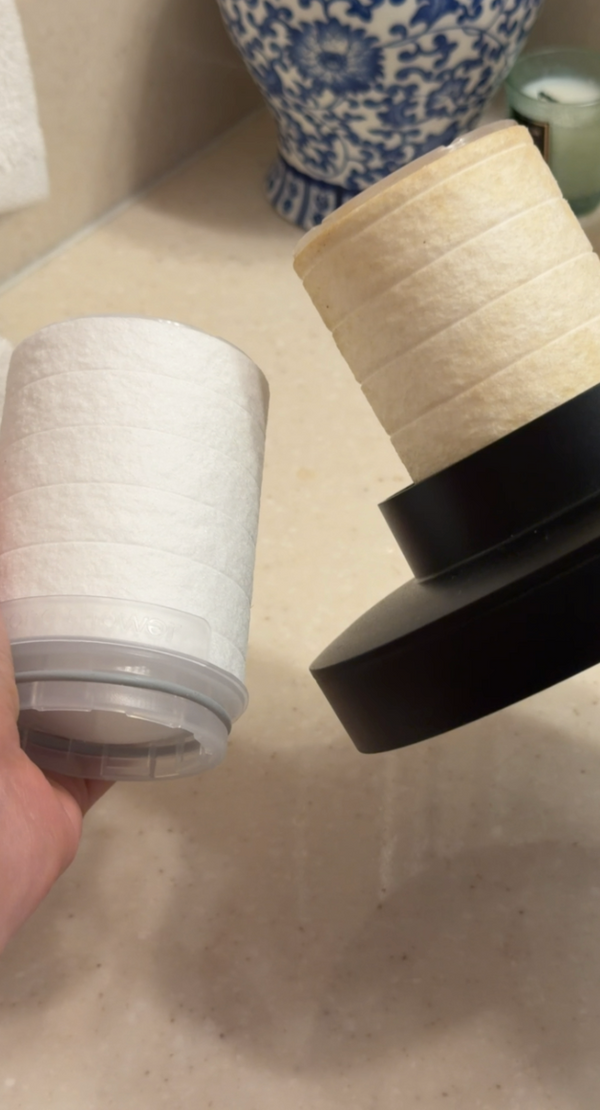
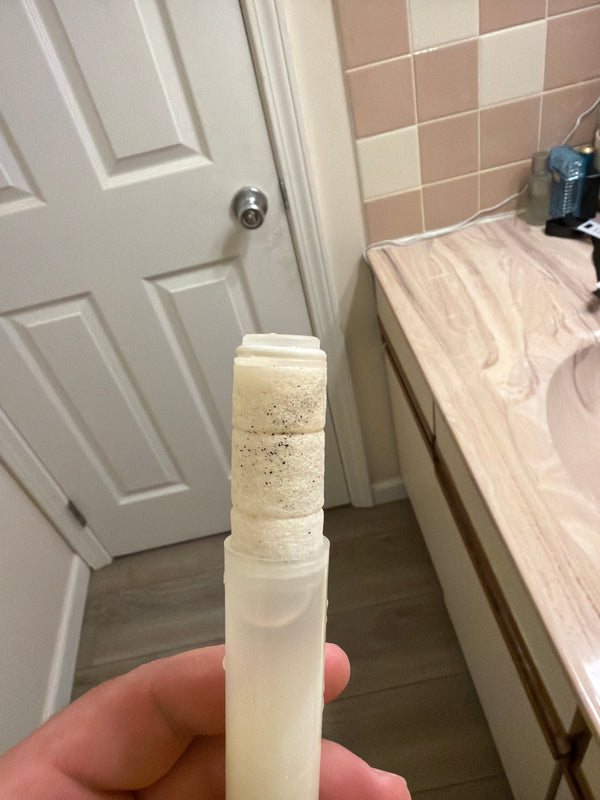
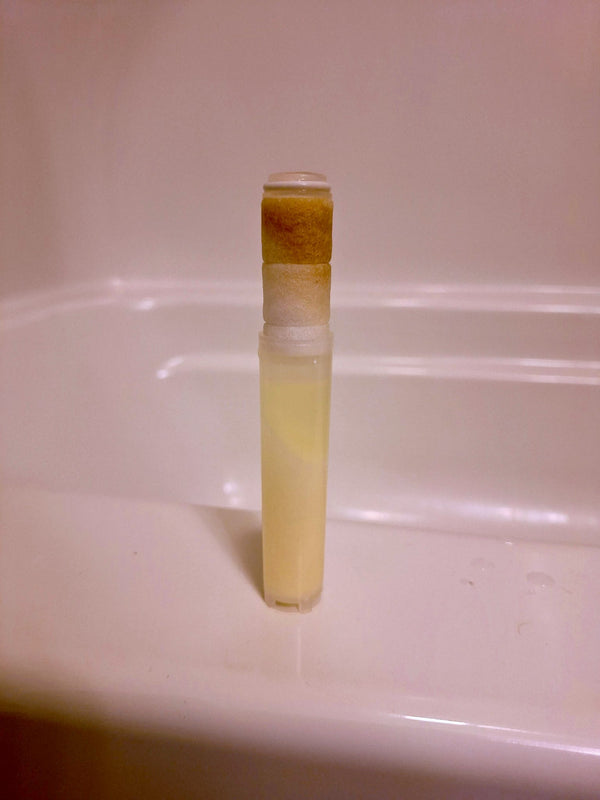
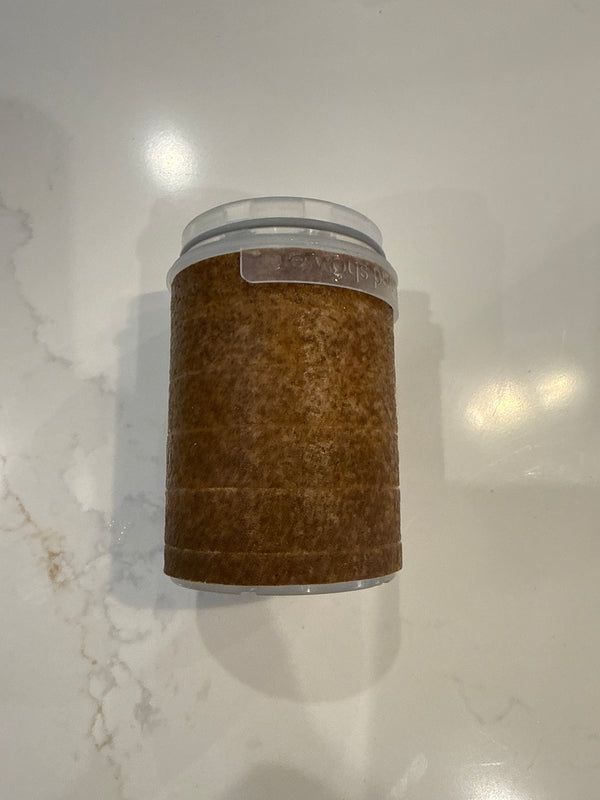
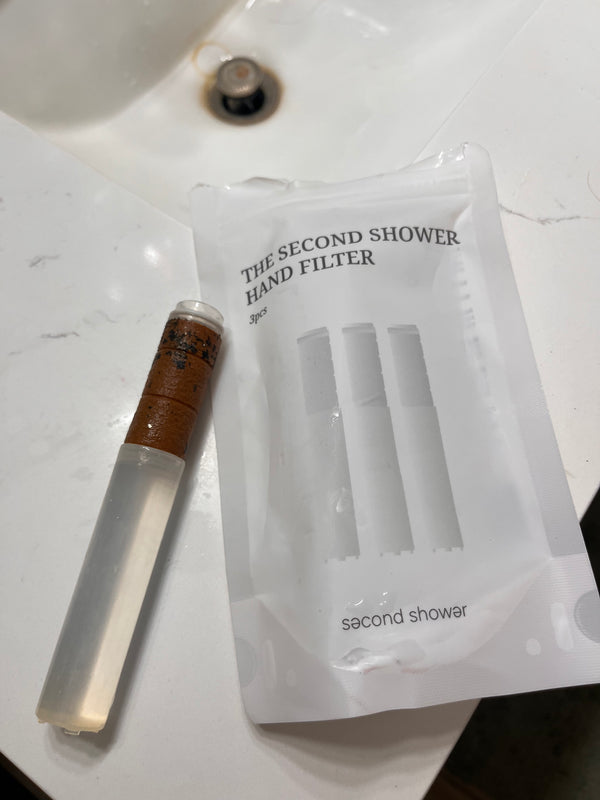
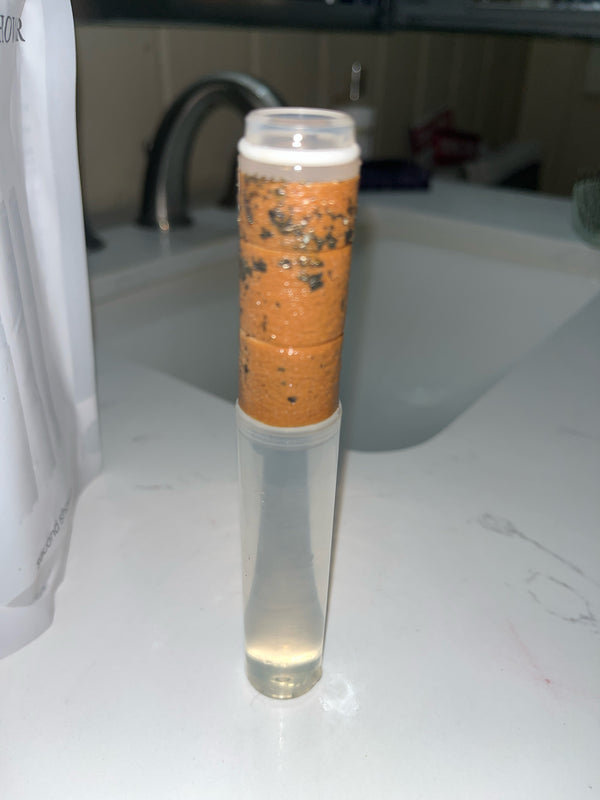
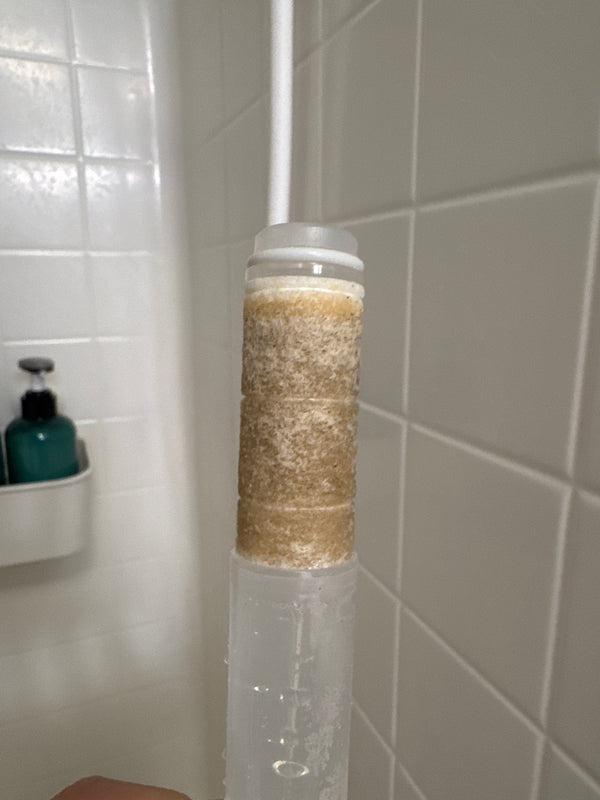
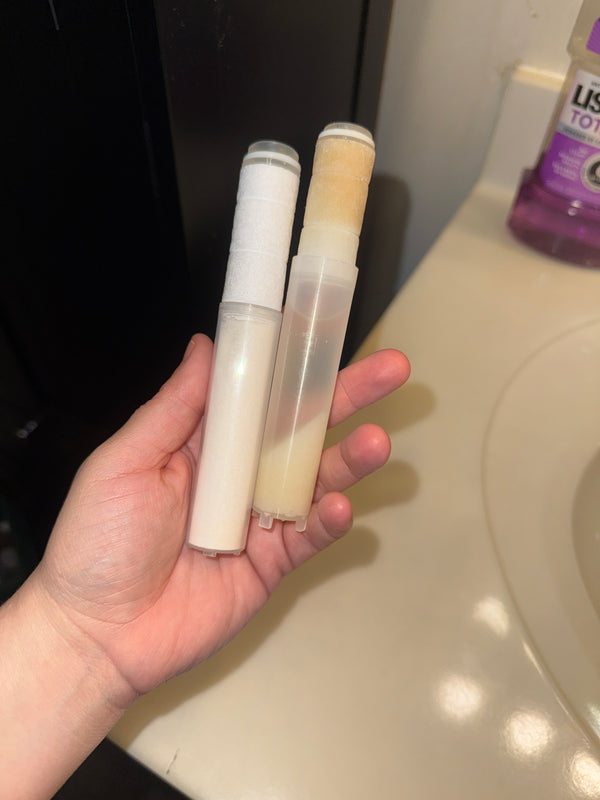
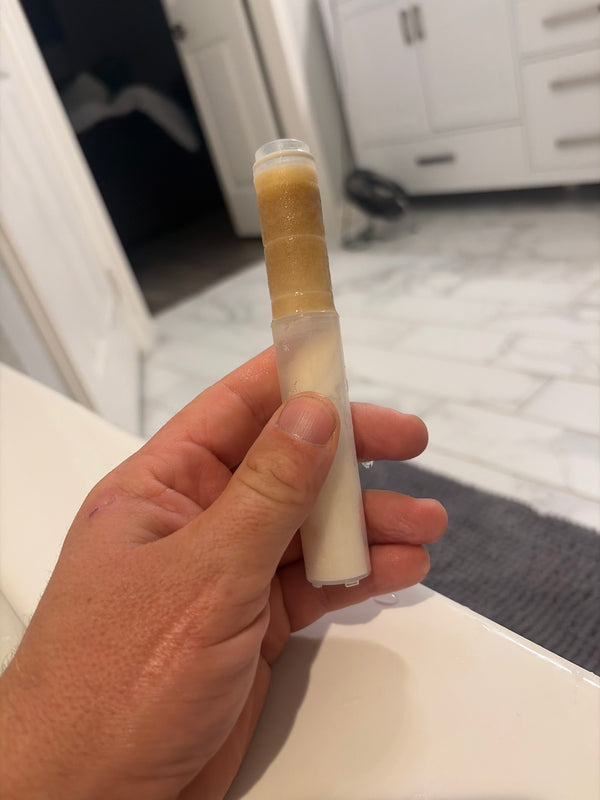
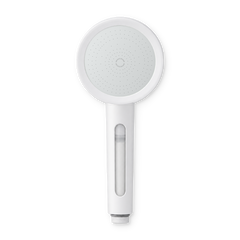
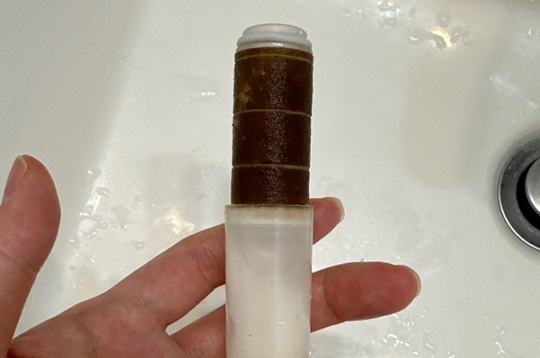
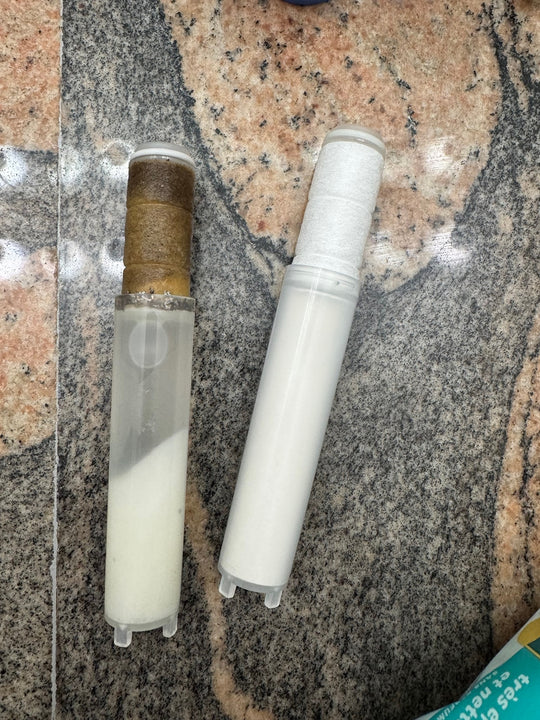
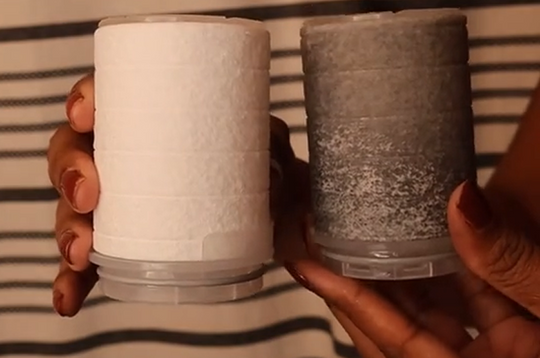
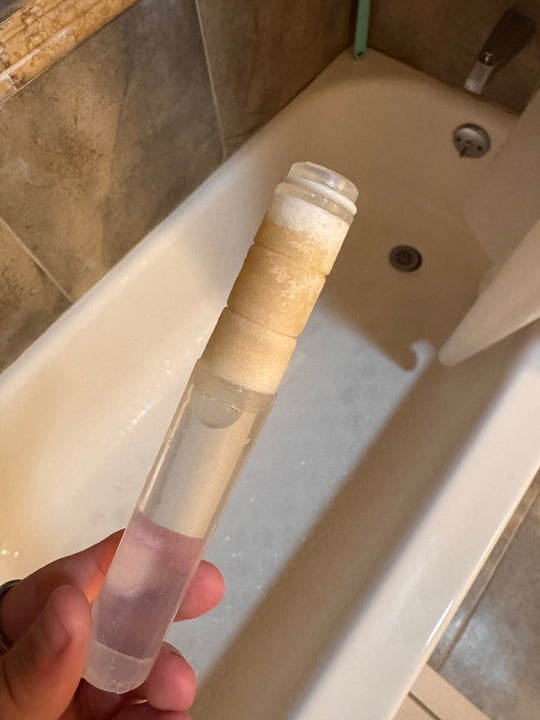
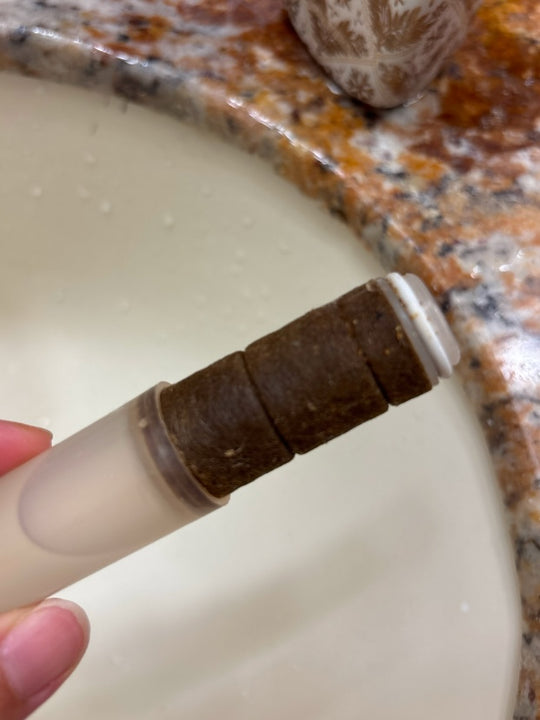
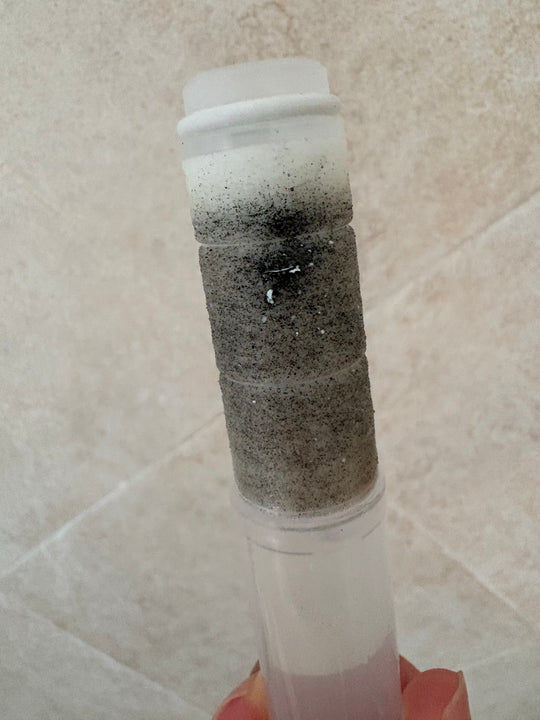
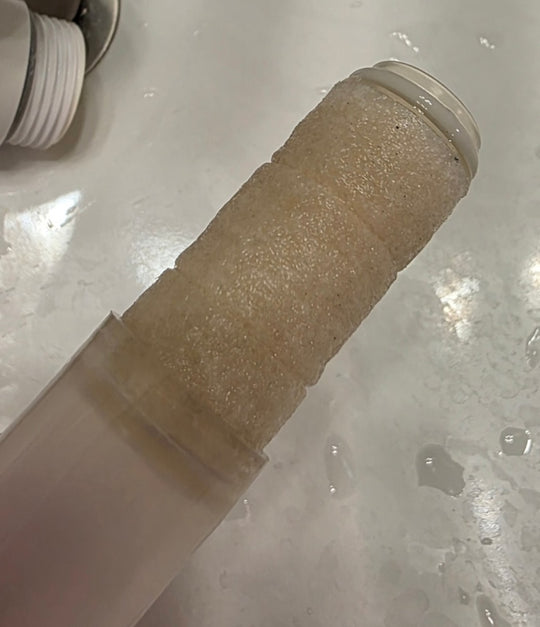
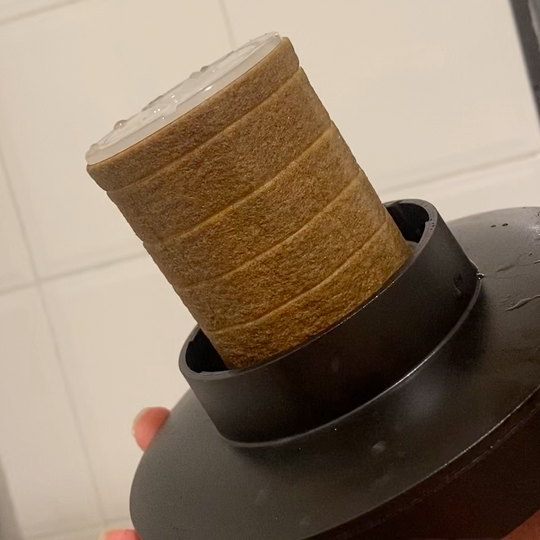
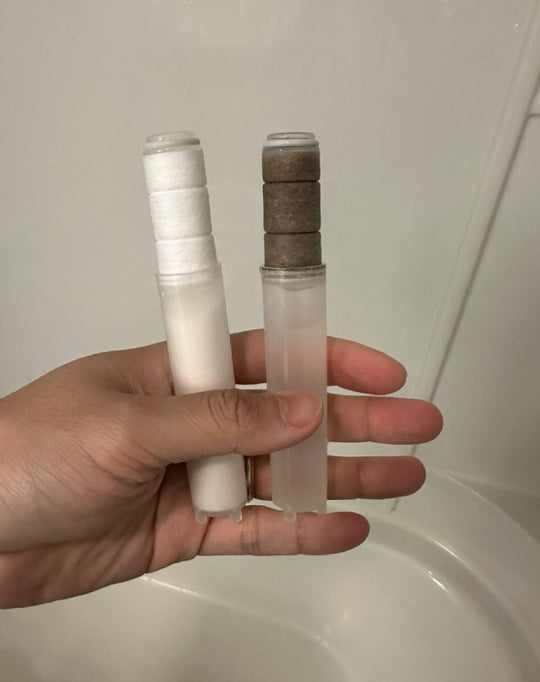
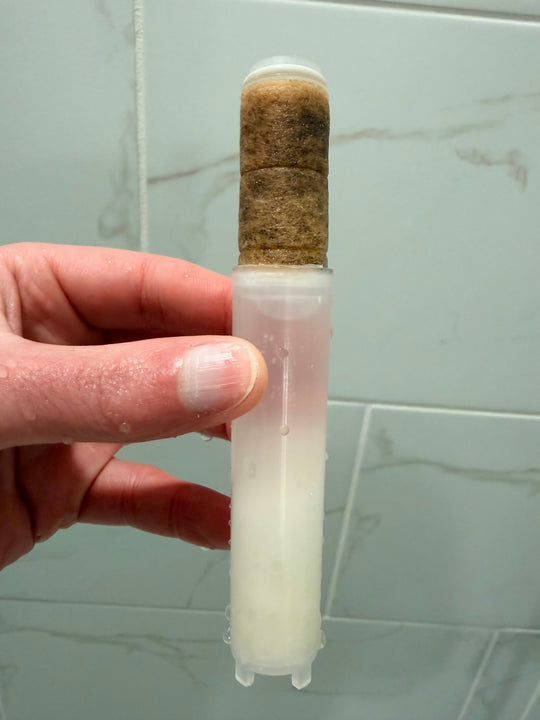
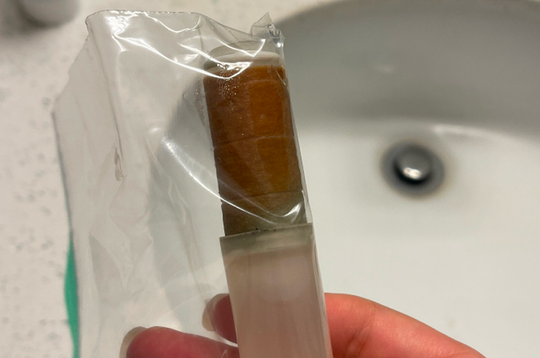
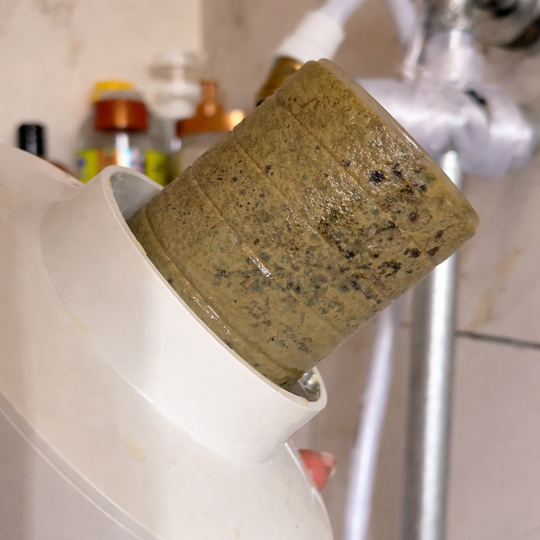
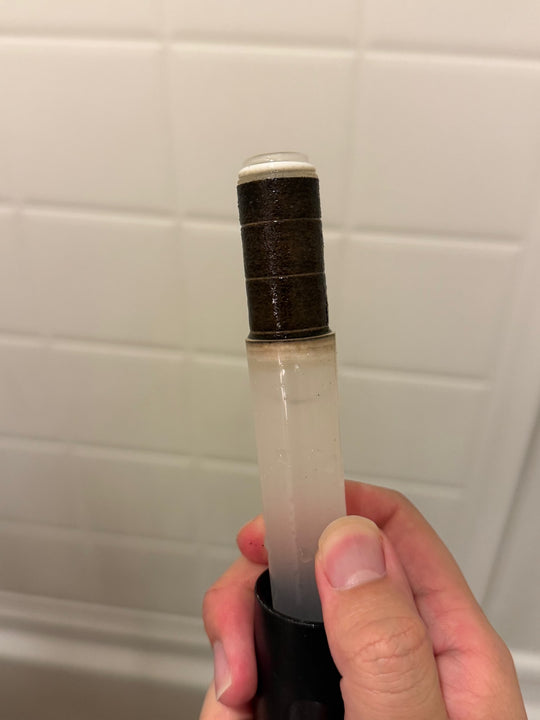
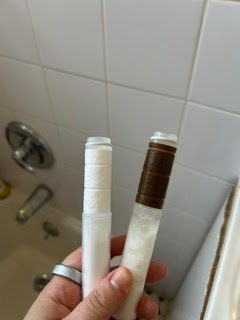
The Second Showerhand, a handheld filtered shower head, is built for the chlorine part. We use an NSF/ANSI 42 certified filter*. The filter has two stages: a sediment pre-filter, then a Vitamin C core. In independent lab testing it removed 99.9% of chlorine and chloramine. In our own testing it held that result through Day 1 to 30 of cartridge life, which is why we recommend a new filter every 30 days. It costs $89, or $69 with a filter subscription, and one filter is included. It installs on a standard 1/2 inch shower arm in about a minute without tools.
What it is not: a drinking-water filter for your kitchen, a water softener, or a treatment for any skin or scalp condition. If chlorine is not something you notice, a shorter, warmer shower and a good moisturizer may be all you need.
*Micron PP sediment filter certified by NSF/ANSI 42 standards.
“For as small as it is, we're surprised it has a good stream of water — almost a softer touch feel.”
FAQ
Does Charlotte use chlorine or chloramine?
Charlotte Water's 2025 water quality report lists free chlorine as the disinfectant, with a residual of 0.47 to 1.60 ppm and an average of 1.04 ppm. Utilities publish a new report every year, so check the current one if you want to confirm.
Does Charlotte have hard water?
No. The report lists hardness at 1.6 to 2 grains per gallon, measured where water enters the distribution system. USGS classes anything up to 3.5 gpg as soft.
Do I need a water softener in Charlotte?
At 1.6 to 2 gpg, Charlotte's water is already soft by the USGS scale, so most homes have little hardness to remove. If you want to be sure about your own tap, hardness test strips give a reading in about a minute. A shower filter like ours does not soften water. Only an ion-exchange softener does that.
Can a TDS meter tell me how much chlorine is in my Charlotte water?
No. A TDS meter measures all dissolved solids and cannot detect chlorine. To check chlorine at your tap, use a DPD test kit.
How often should I change a Showerhand filter?
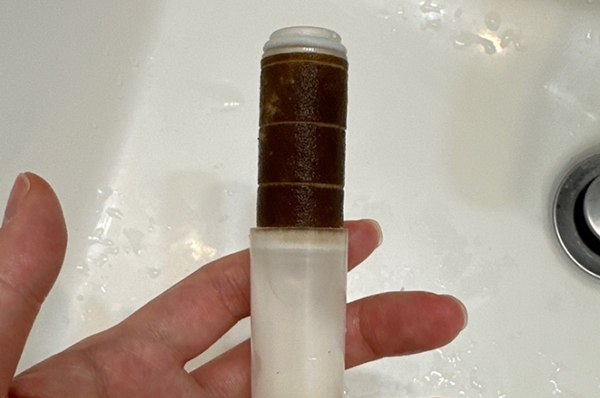
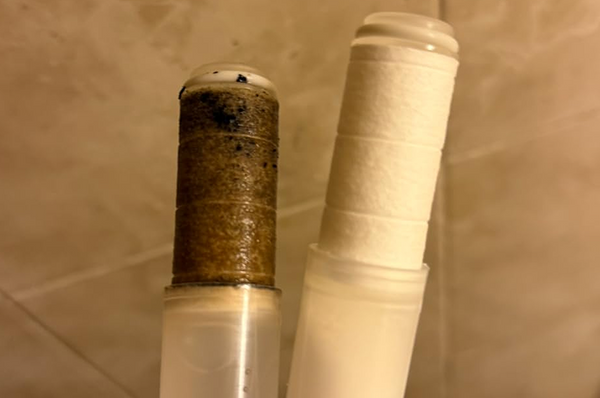
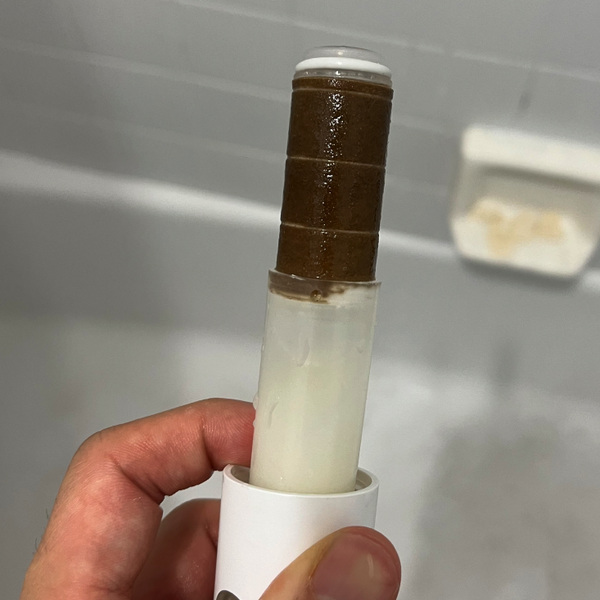
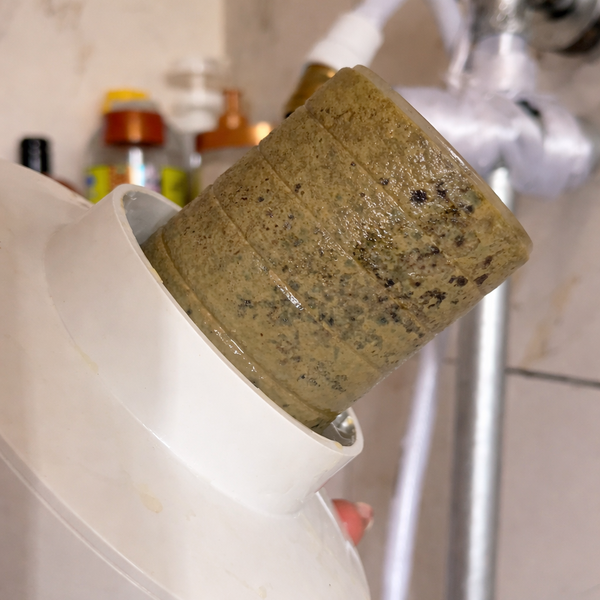
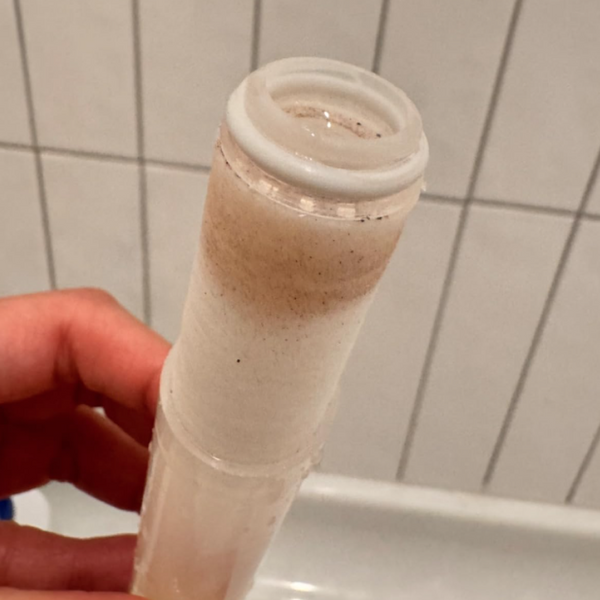
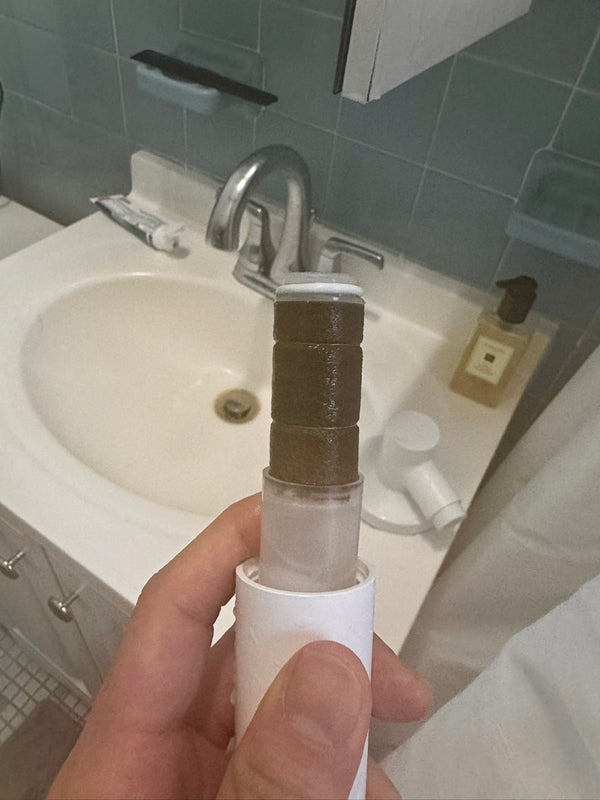
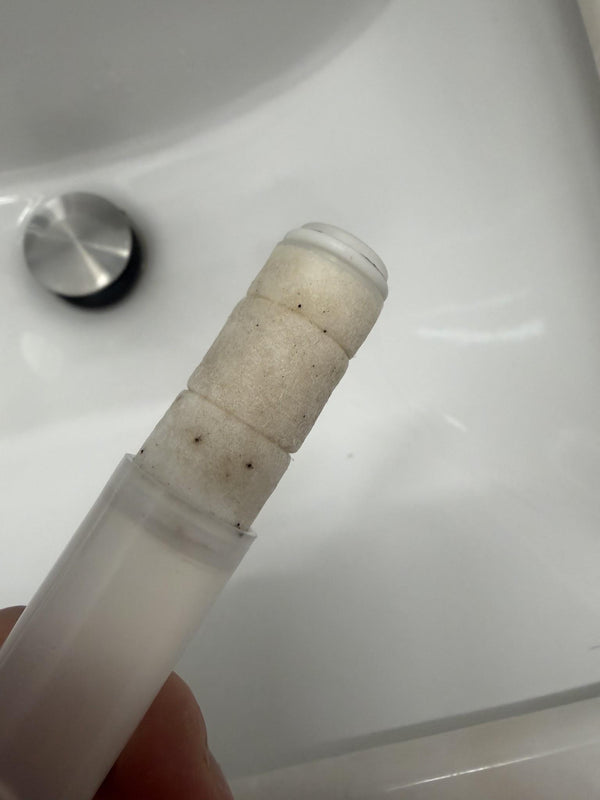
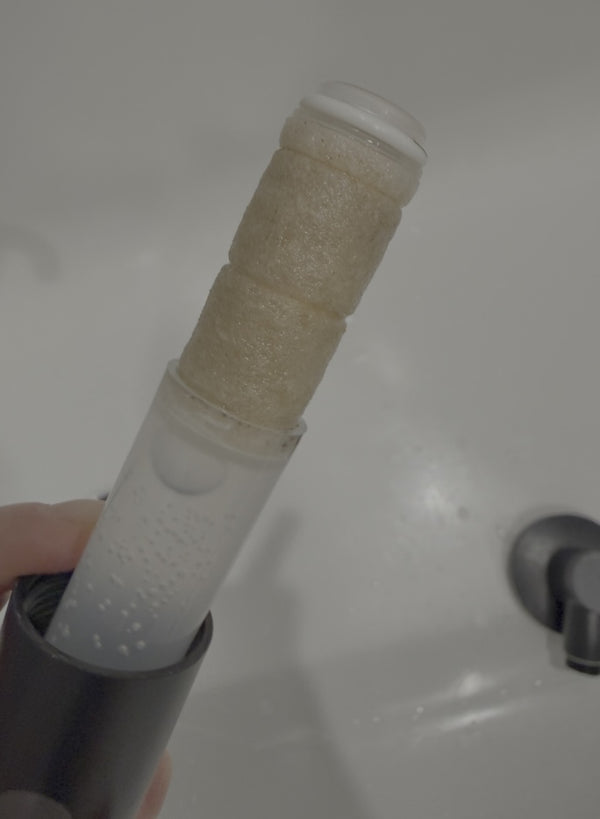
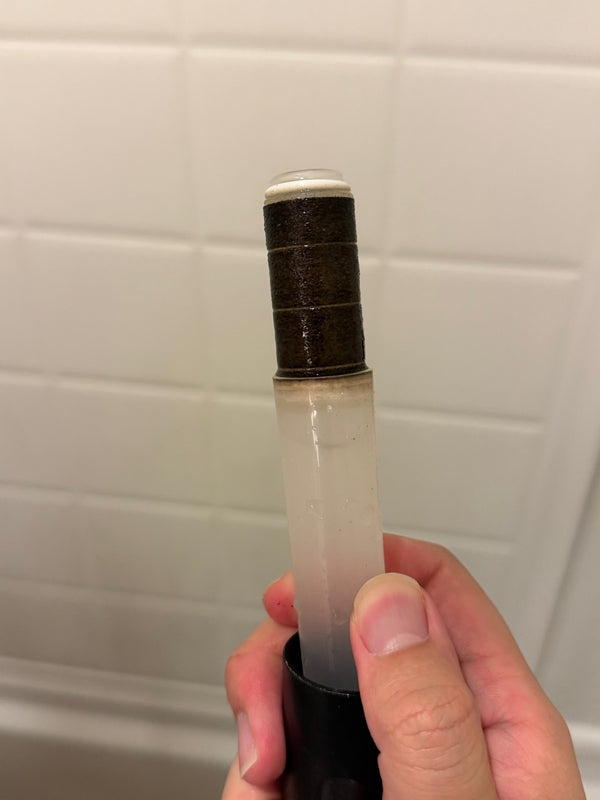
Each Showerhand filter lasts 1 to 2 months, and we recommend a new one every 30 days, because the Vitamin C oxidizes as it works. Replace it sooner if it looks deep brown or black or the water pressure drops noticeably. The filter's color does not show how much life is left. On subscription, a 3-pack ships every 3 months for $27.