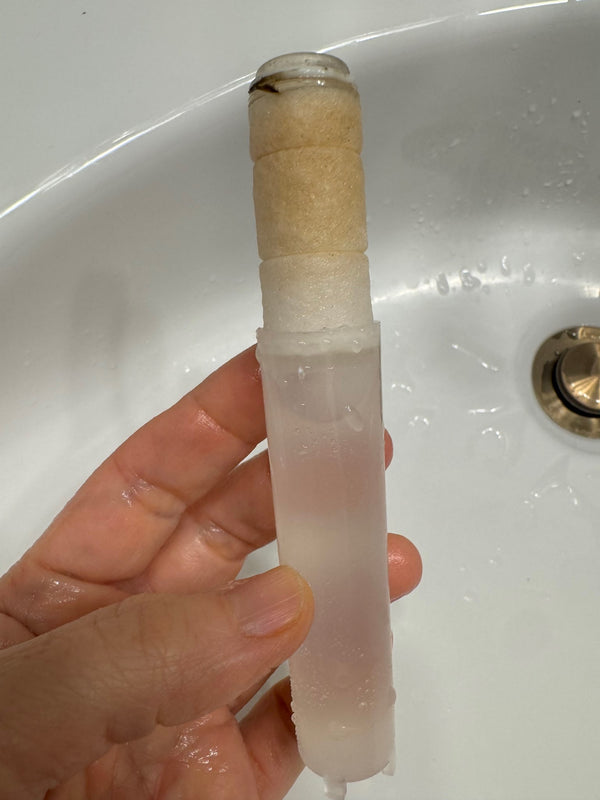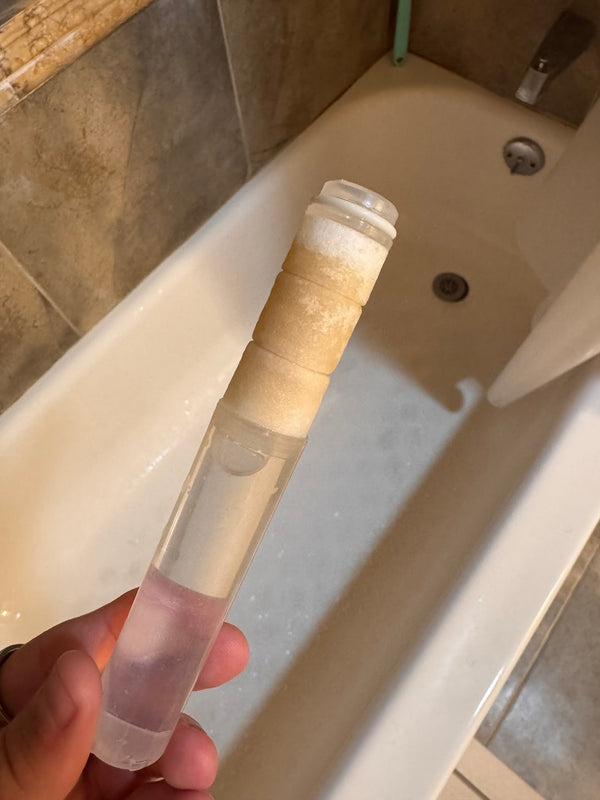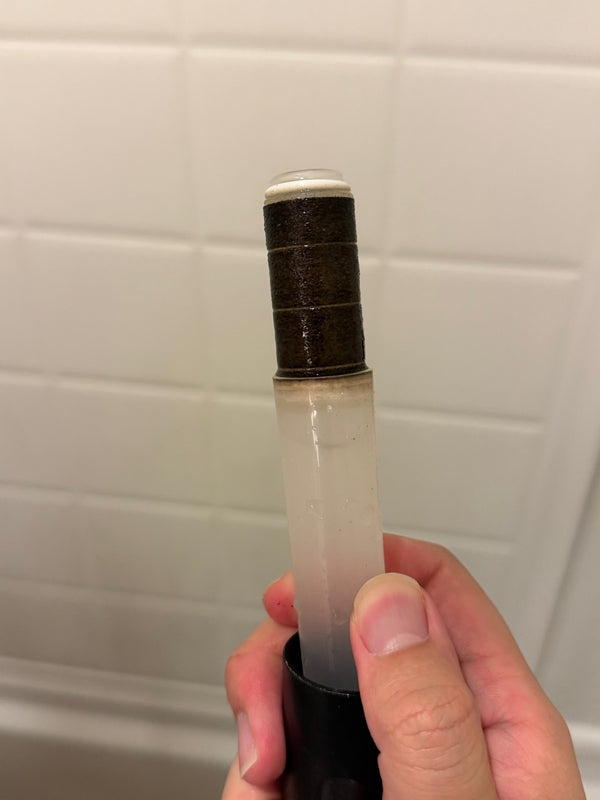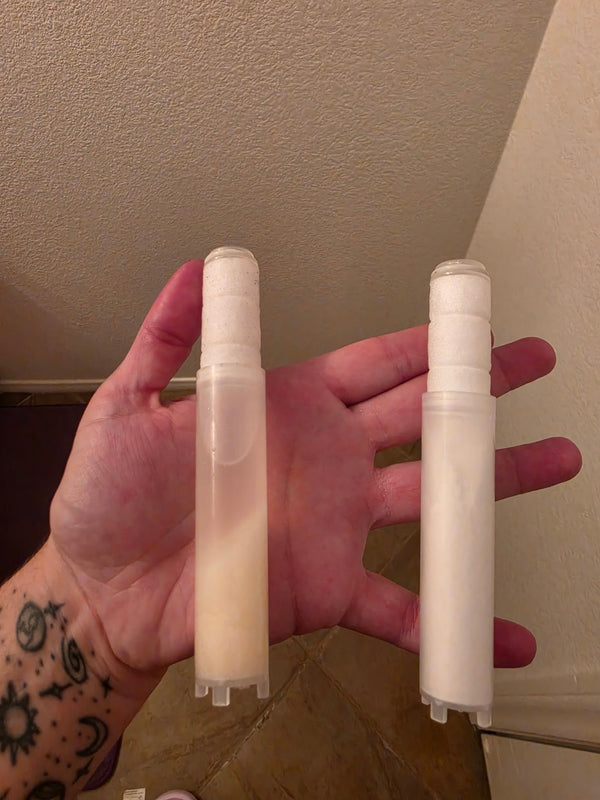
Yes. The City of Virginia Beach Department of Public Utilities lists chloramine (chlorine plus ammonia) as its disinfectant, with a reported residual of 0.5 to 3.81 ppm. The water starts in Lake Gaston, is piped to Norfolk's Lake Prince reservoir, blended with Norfolk water and treated at Norfolk's Moores Bridges plant. Hardness runs 2.8 to 4.3 grains per gallon, which is soft at the low end and moderately hard at the high end. Chloramine and hardness are separate questions: one is a disinfectant, the other is dissolved minerals, and they need different fixes.
Virginia Beach water at a glance
| Measure | Virginia Beach |
|---|---|
| Water utility | City of Virginia Beach Department of Public Utilities |
| Disinfectant | Chloramine (chlorine + ammonia) |
| Hardness | 2.8-4.3 gpg (soft to moderately hard) |
| Disinfectant residual | 0.5-3.81 ppm (chloramine, reported range) |
Source: 2026 Water Quality Report (2025 data)

"Our water comes from Virginia Beach and gets treated here"
Not quite. Virginia Beach water is tied closely to Norfolk's. Lake Gaston water is piped to Norfolk's Lake Prince reservoir, blended with Norfolk water and treated at Norfolk's Moores Bridges plant[1]. Norfolk's own supply comes from eight reservoirs, two rivers and four deep wells, and Norfolk also disinfects with chloramine. Norfolk serves its customers from an east plant area and a west plant area[2].
The numbers are not identical on every street, either. The city reports ranges: hardness from 48 to 74 ppm across its reported areas, and a chloramine residual from 0.5 to 3.81 ppm[1]. Norfolk reports 1.9 to 4.3 gpg and a residual of 1.5 to 4 ppm[2]. For Chesapeake or any other nearby city, read that city's own report. A neighbor's numbers don't carry over.
How to read the report for your address
- Find your utility's name on your water bill.
- Open its annual Consumer Confidence Report. Every community water system in the US must send one, usually by July 1[5]. Virginia Beach's current edition is the 2026 Water Quality Report.
- Look for three lines: the disinfectant (chlorine or chloramine), the residual range and the hardness.
- Or enter your ZIP code on our water lookup page.
"Spots on the glass mean the chlorine is strong"
Spots and chlorine are two different things, and mixing them up is how people end up buying the wrong fix.
- Hardness is the amount of dissolved calcium and magnesium in water[3]. It leaves white scale on shower glass and faucets when it dries, and it reacts with soap to form soap scum, so shampoo lathers less.
- Chloramine is a disinfectant the utility adds whether the water is hard or soft. A hardness number tells you nothing about the disinfectant, and soft water is not disinfectant-free.
Virginia Beach reports 2.8 to 4.3 grains per gallon (48 to 74 ppm)[1]. The USGS calls water soft up to 3.5 gpg (0 to 60 mg/L) and moderately hard from 3.5 to 7 gpg (61 to 120 mg/L)[3]. So the city sits on the line: soft in some readings, moderately hard at the high end. It is not hard water in the USGS sense.
The fixes differ. An ion-exchange water softener, usually installed for the whole house, removes hardness. A shower filter cartridge does not. If mineral film on your hair bothers you, a chelating shampoo (it binds minerals like calcium so they rinse away), used now and then as its label directs, is the tool for that.
"A whiff of chlorine means the supply has gone bad"
A smell is not a measurement. Norfolk's FAQ describes temporary free-chlorine maintenance and notes that a slight chlorine smell may occur during it[2]. Norfolk gives no schedule, and the Virginia Beach report we read does not say whether or when this reaches Virginia Beach taps, even though the water is treated at Norfolk's plant. If you notice a change, ask the utility.
It works the other way too: water with no smell still carries its disinfectant. If you want a number, a DPD test kit reads chlorine. A TDS meter will not. It measures all dissolved solids, it is not a hardness test, and it cannot detect chlorine.
"It passes drinking standards, so the shower is a non-issue"
Both can be true at once. A utility adds a disinfectant on purpose so water stays safe on its long trip through the pipes. Chloramine is chlorine plus ammonia, made to last longer in those pipes[4]. A residual is the disinfectant still in the water when it reaches your tap, shower included, and Virginia Beach reports 0.5 to 3.81 ppm[1].
Whether water is safe to drink and how a hot shower feels on your hair are separate questions. Chlorine is an oxidizer, and in a hot shower it meets hair and skin every day. It can leave hair feeling dry and rough, and faded color is a common complaint. Virginia Beach is not unusual here: more than one in five Americans have chloramine-treated water[4].
Which filter handles the chloramine coming out of Moores Bridges?
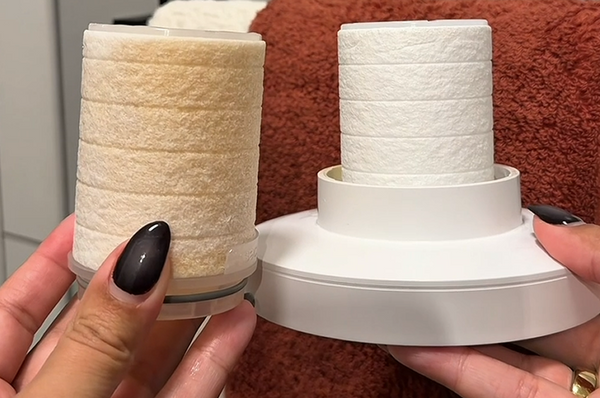
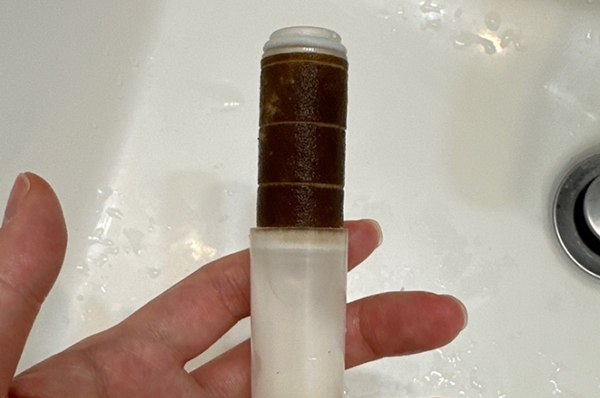
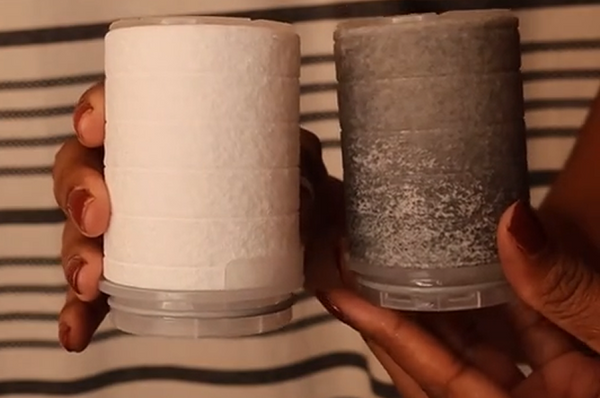
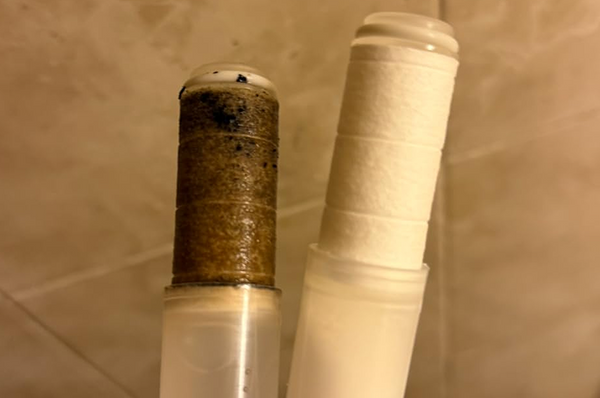
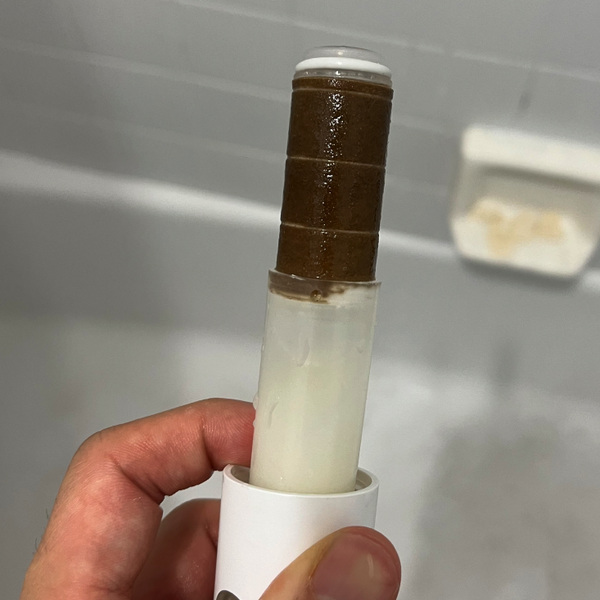
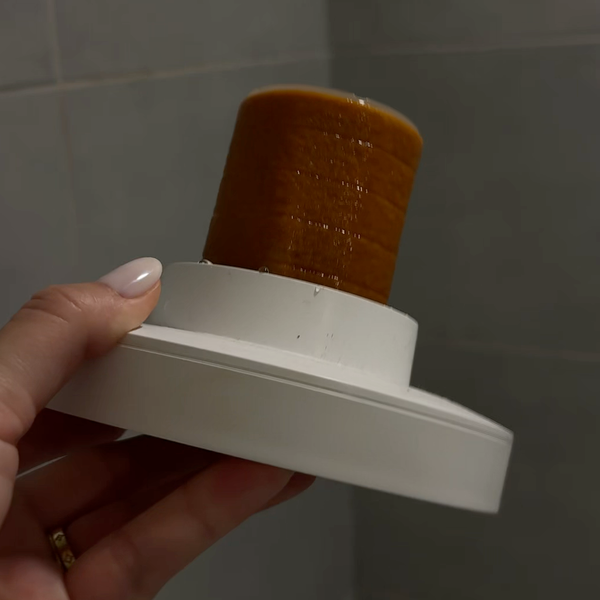
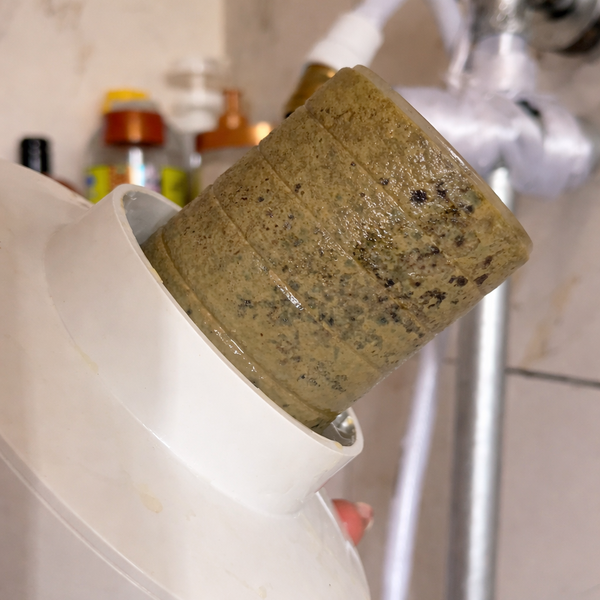
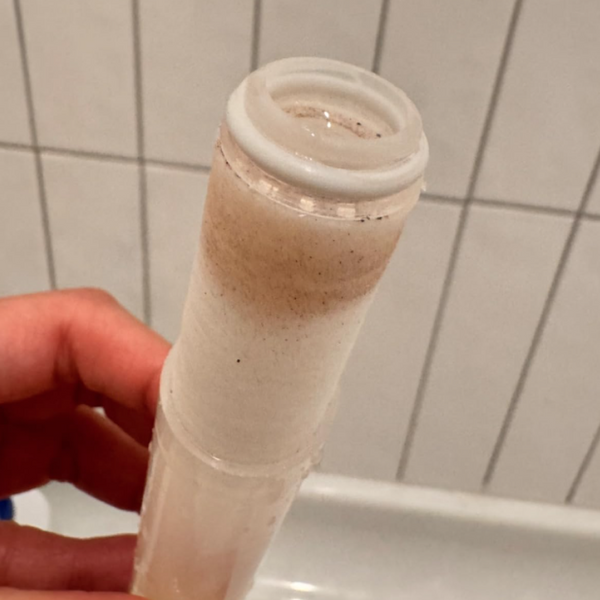
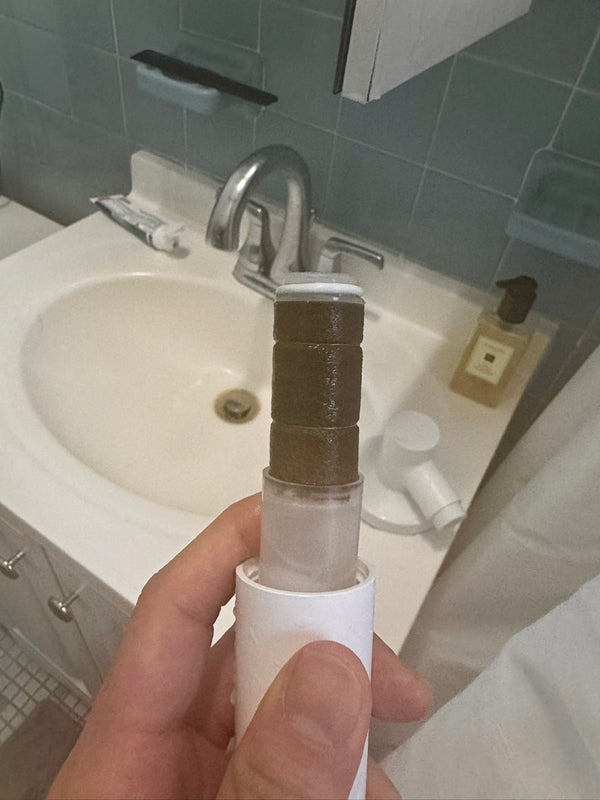
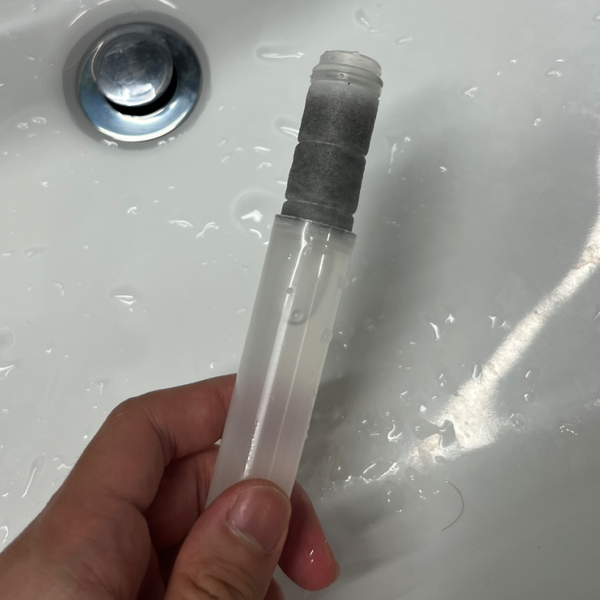
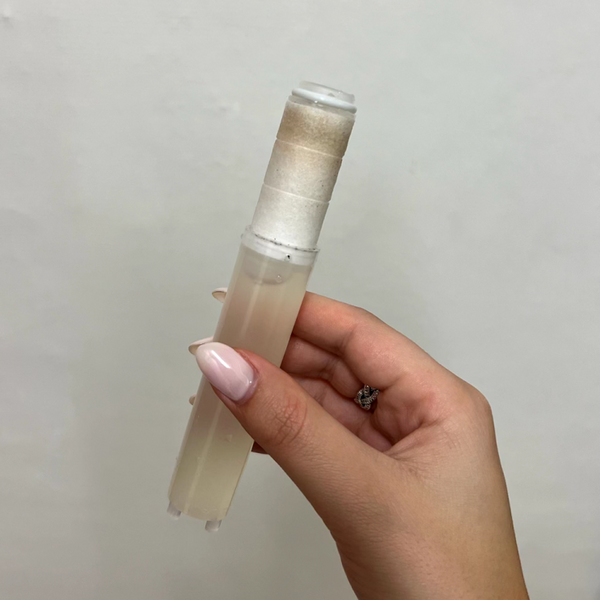
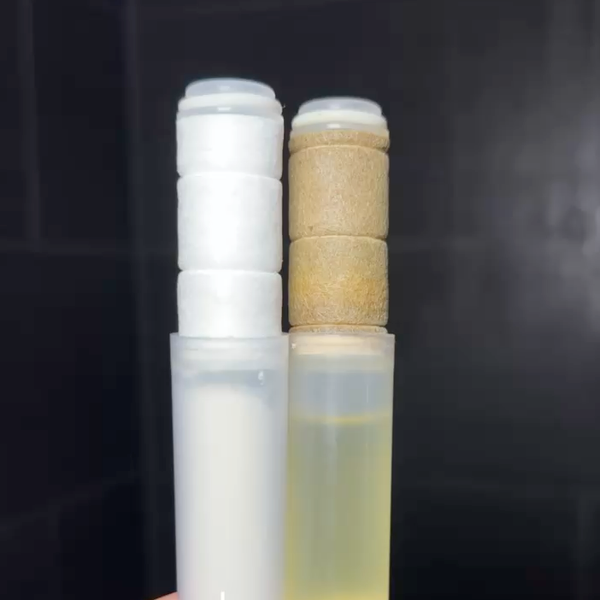
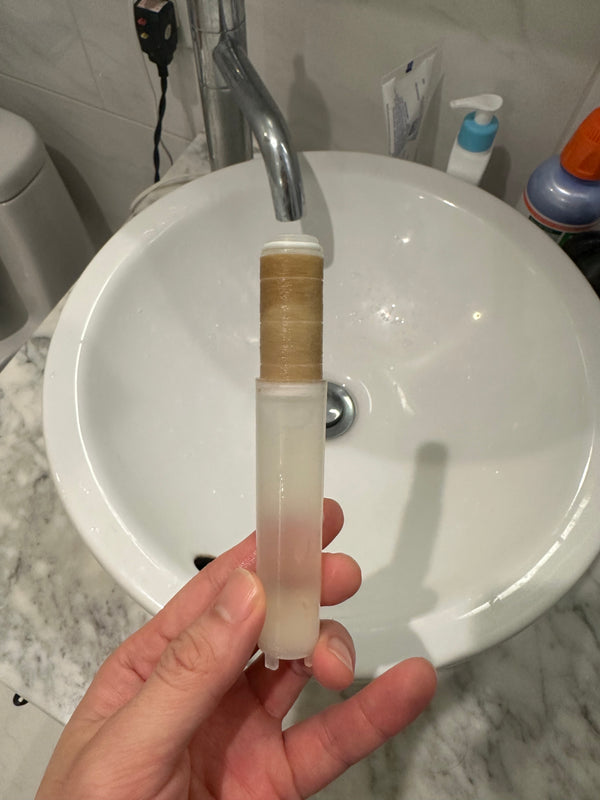
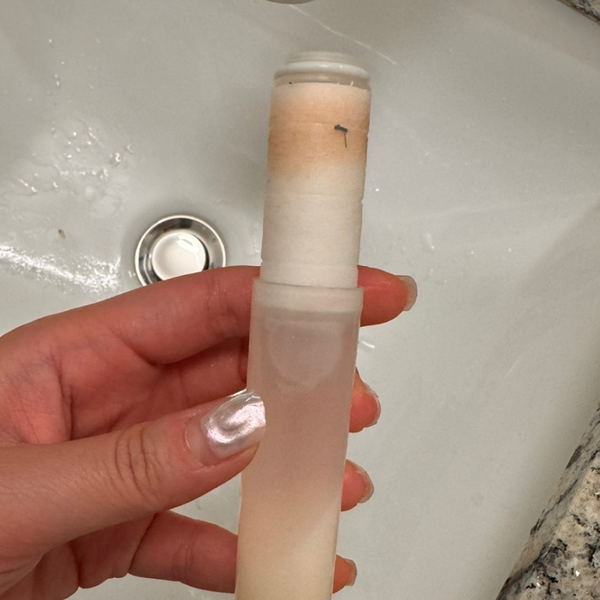
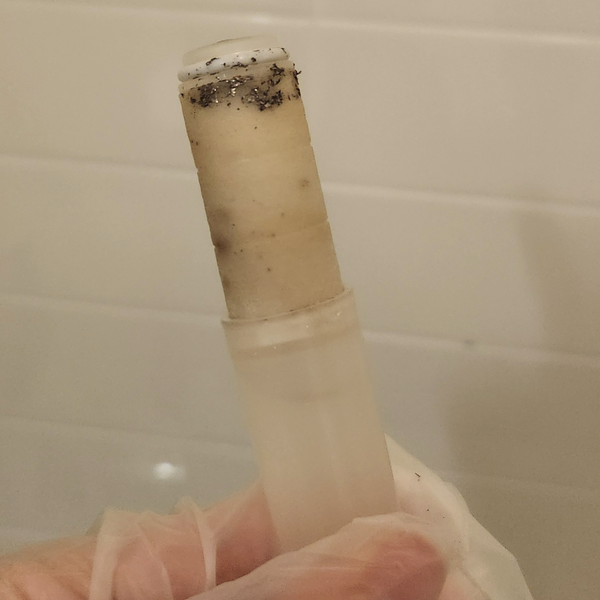
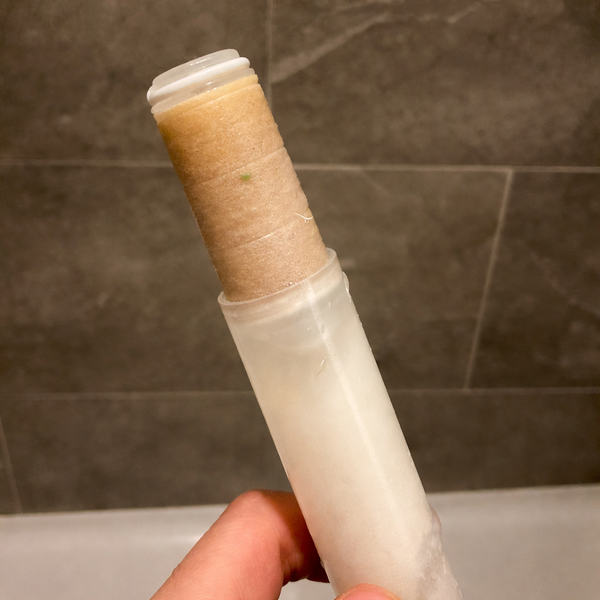
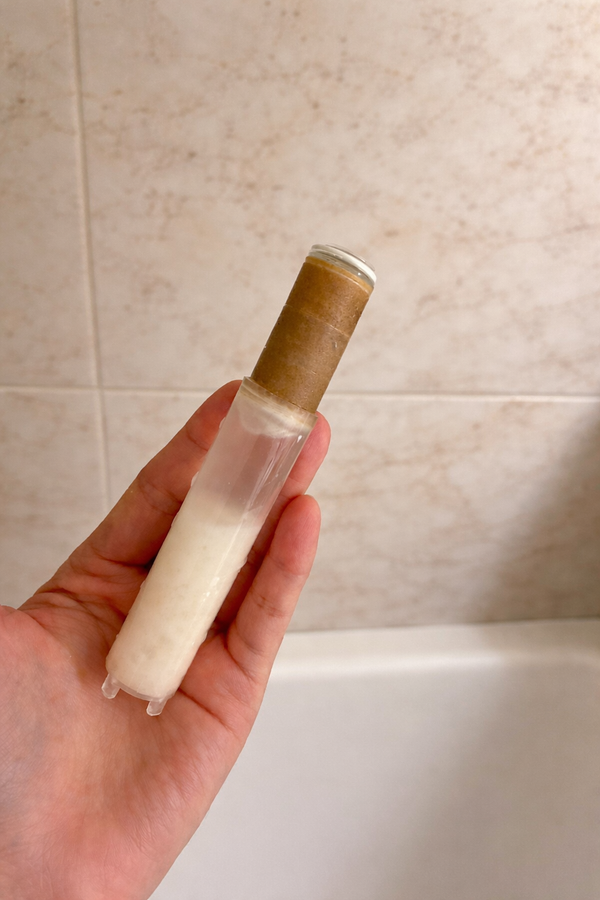
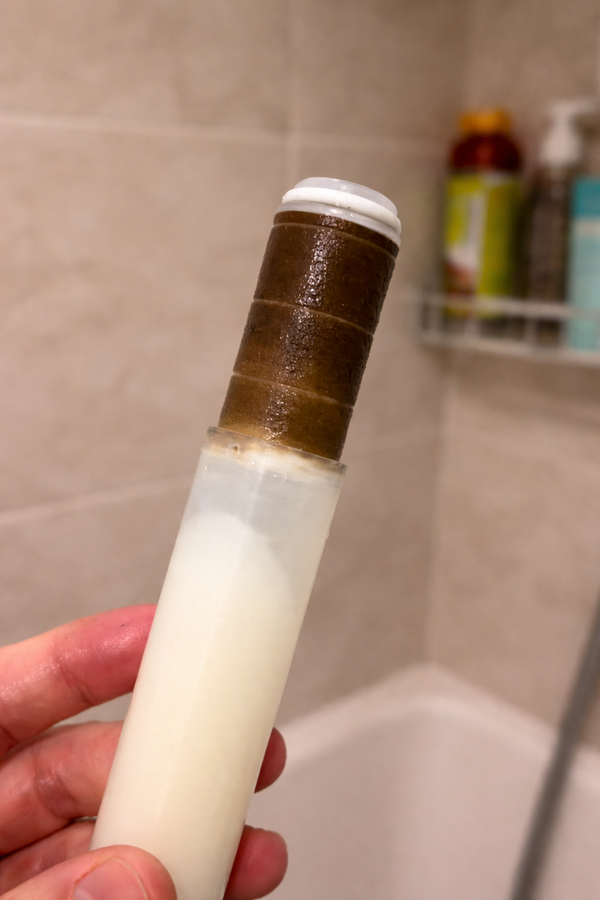
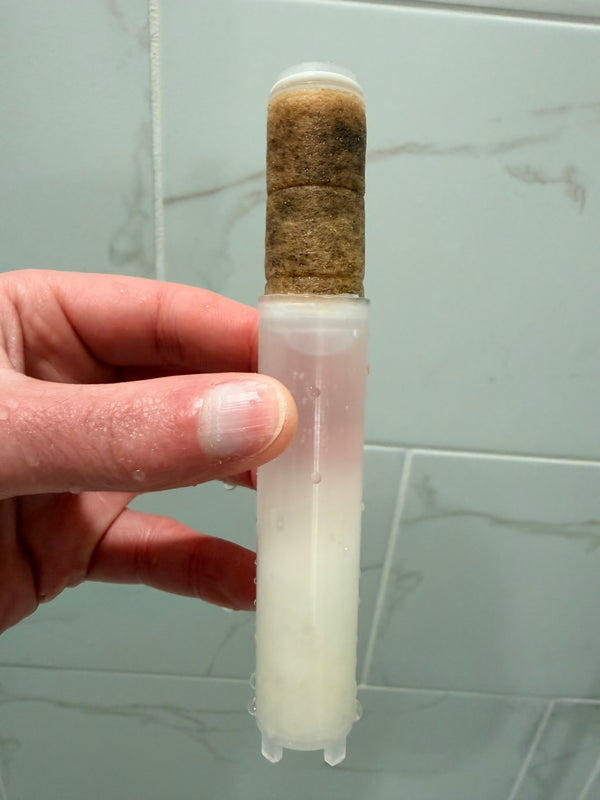
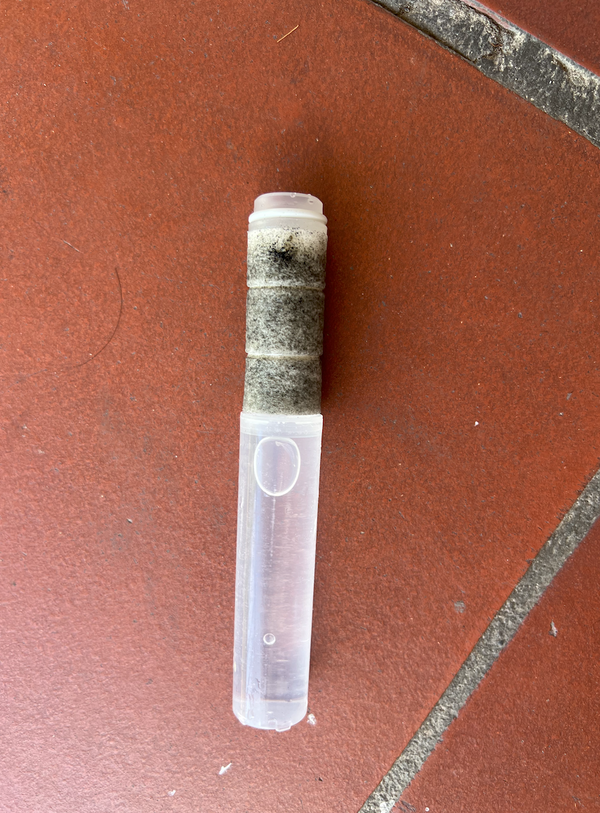
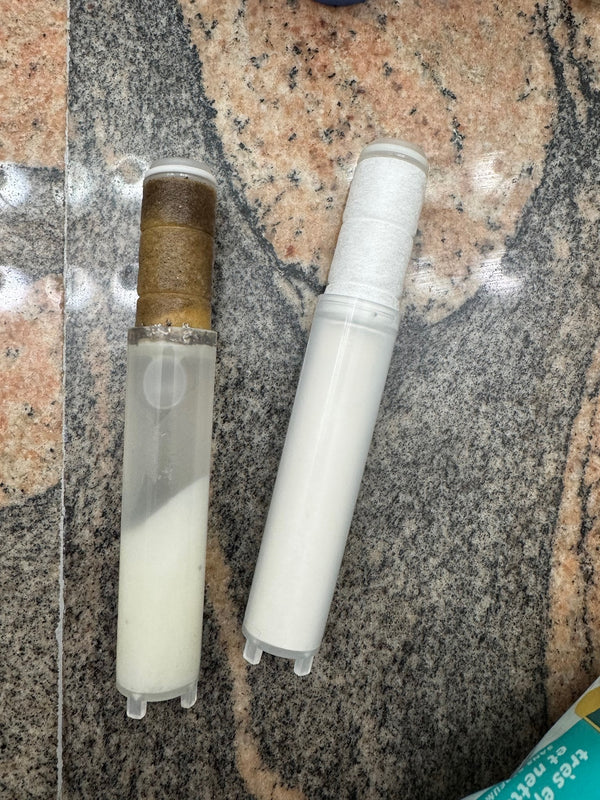
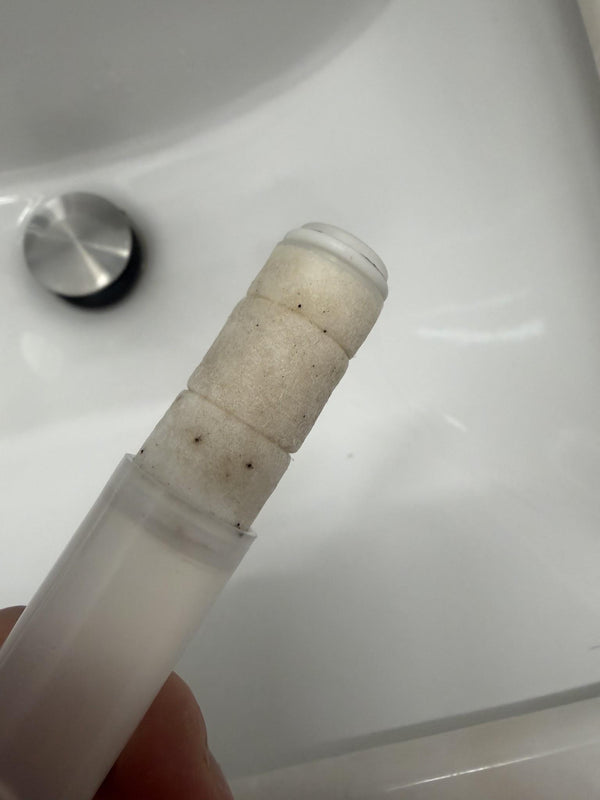
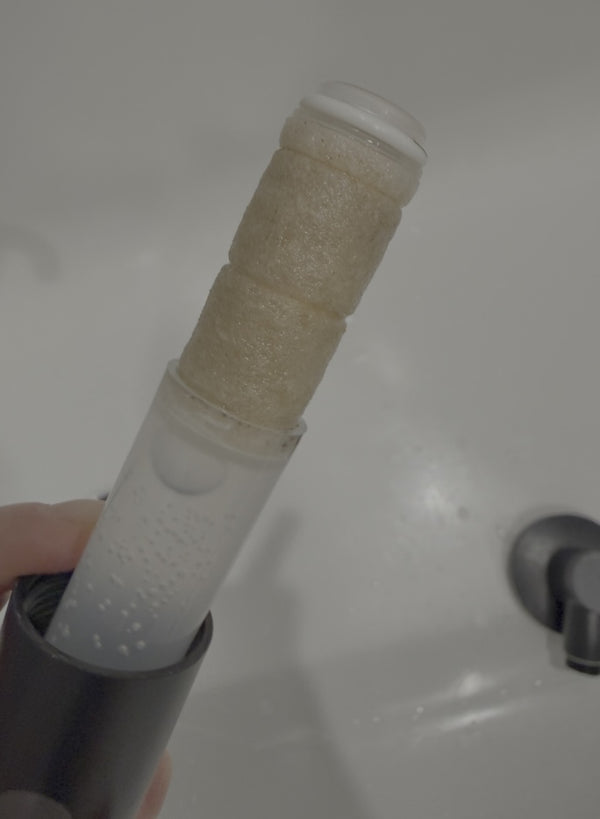
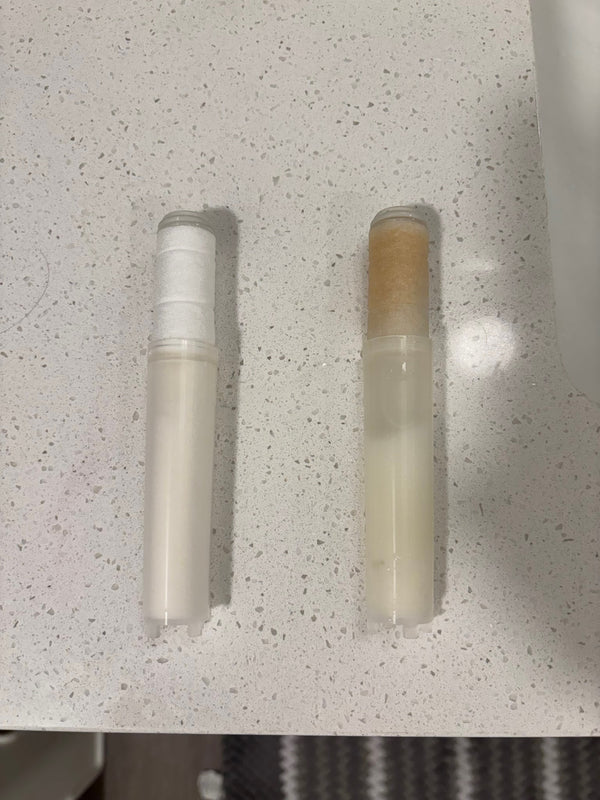
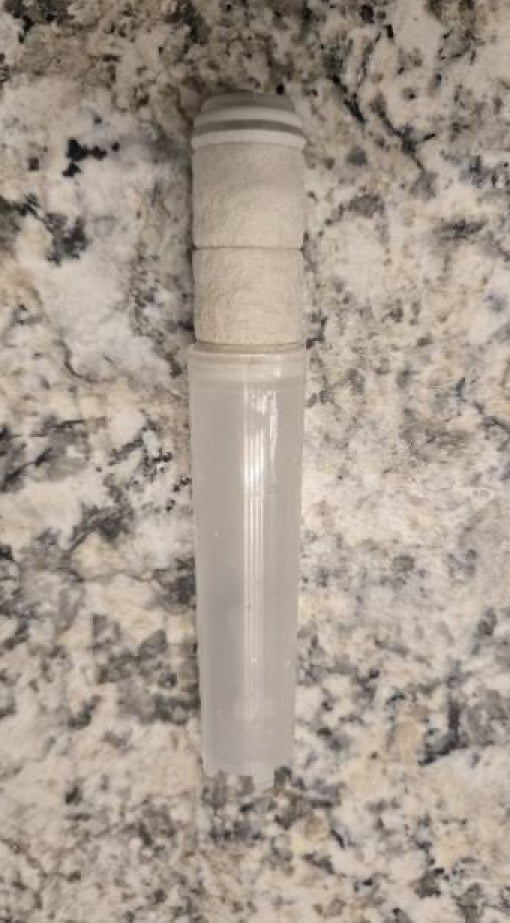
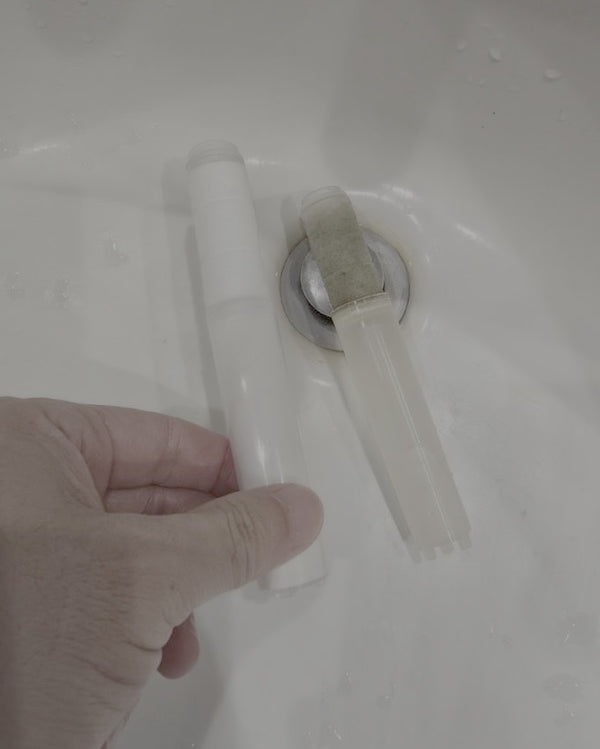
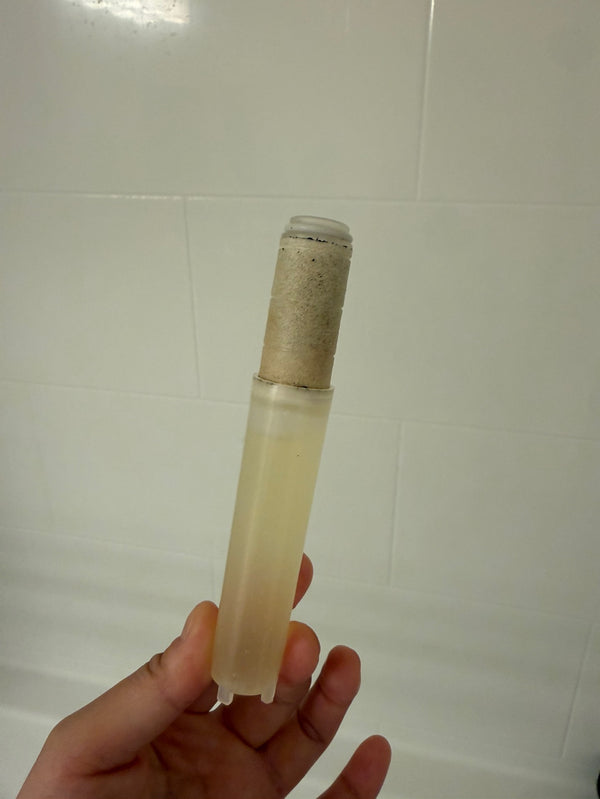
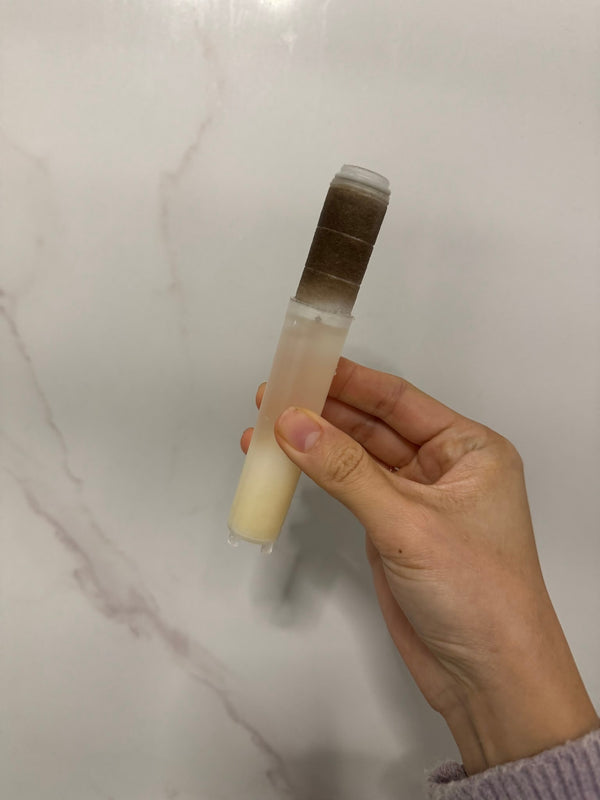
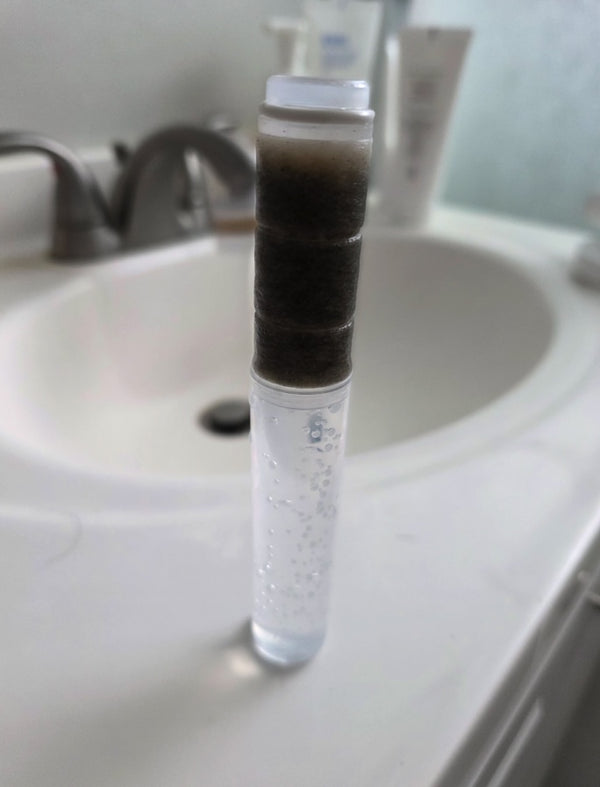
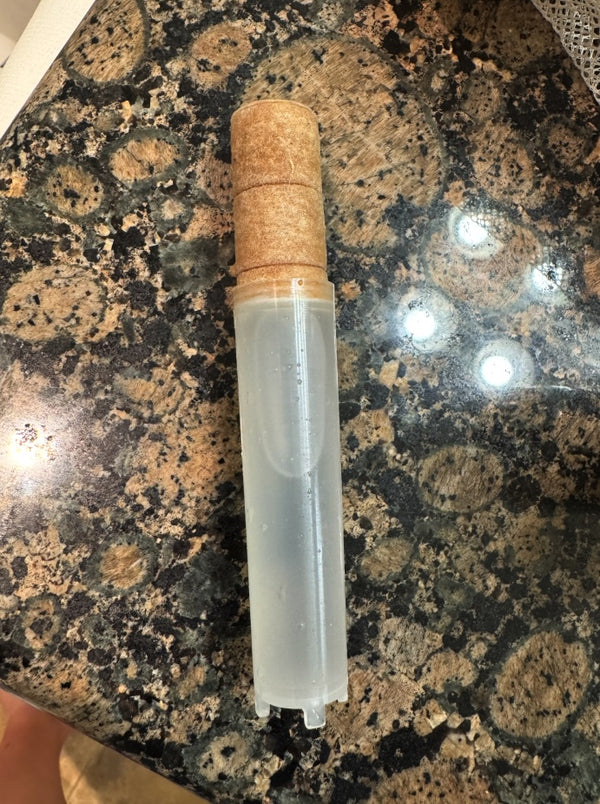
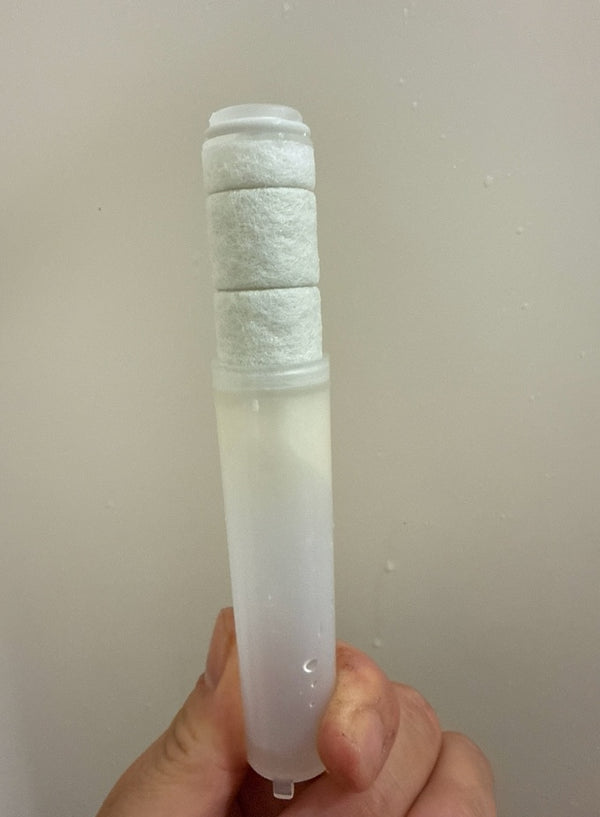
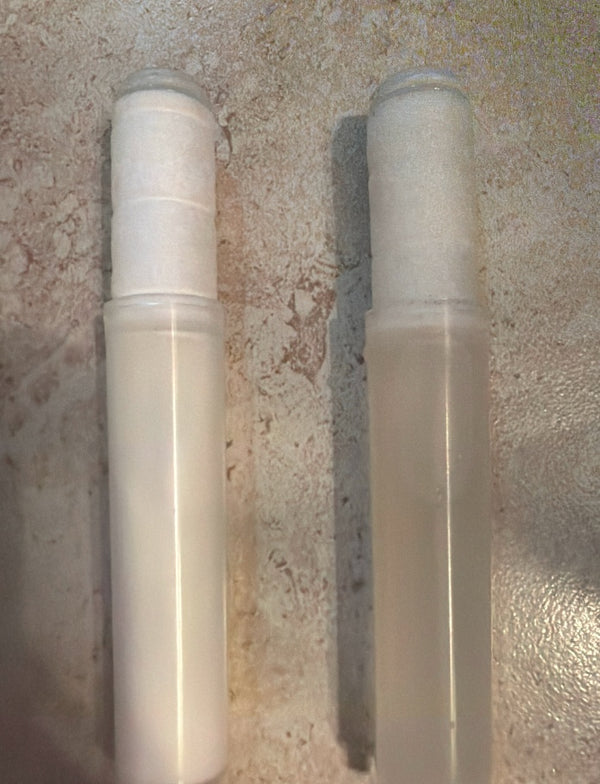
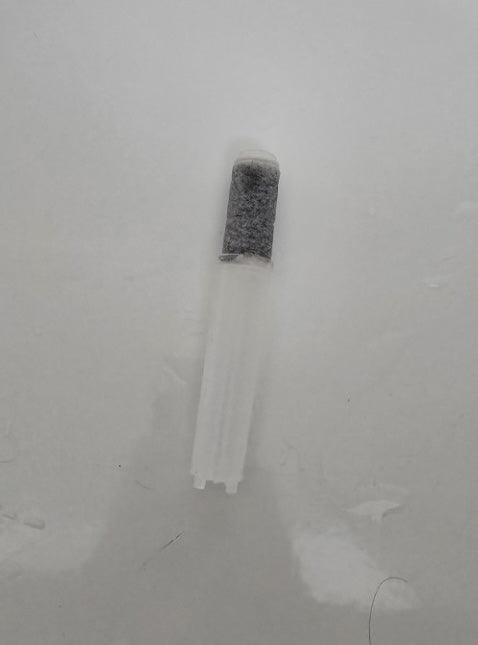
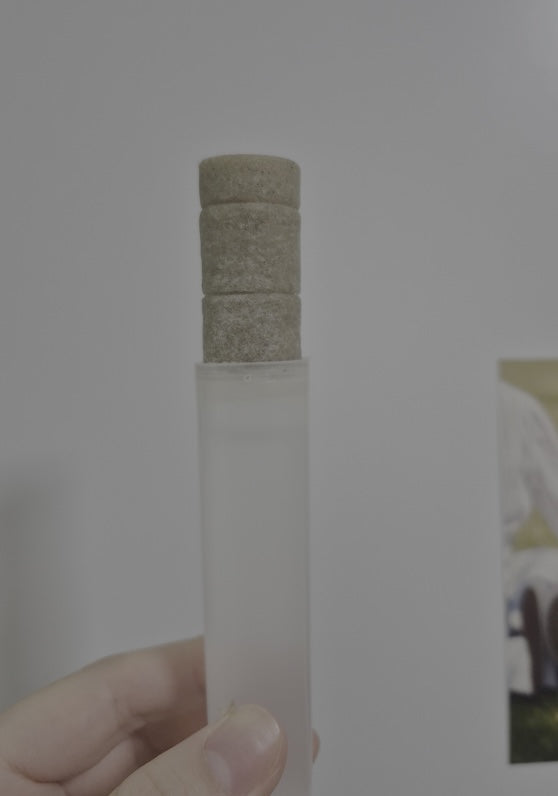
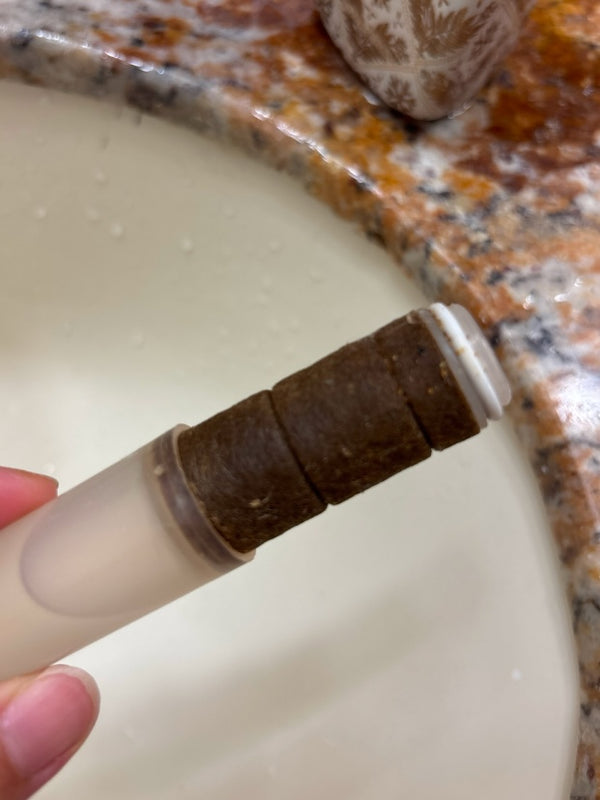
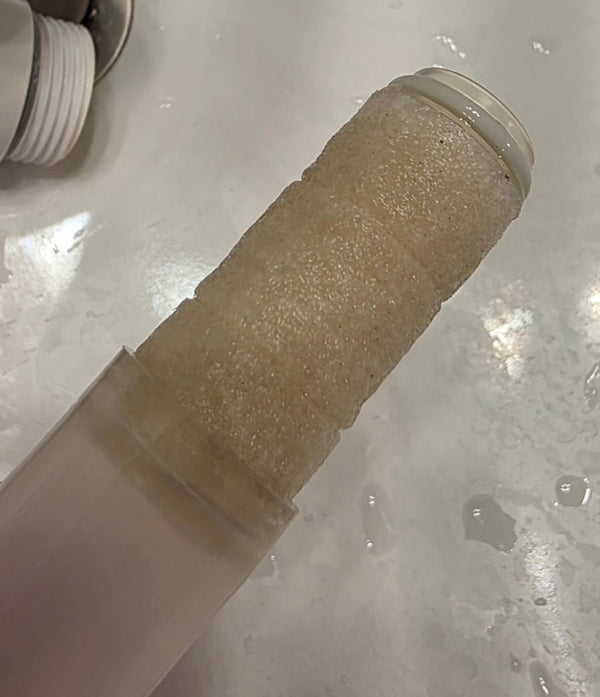
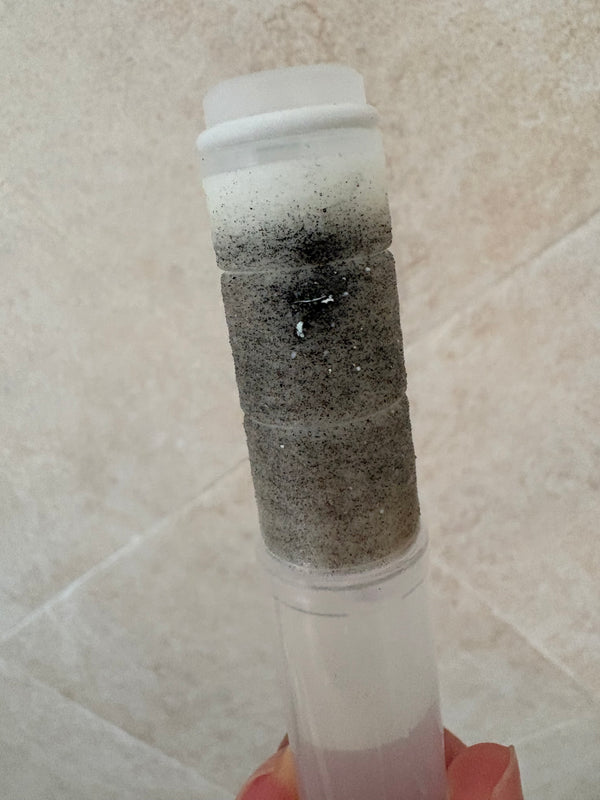
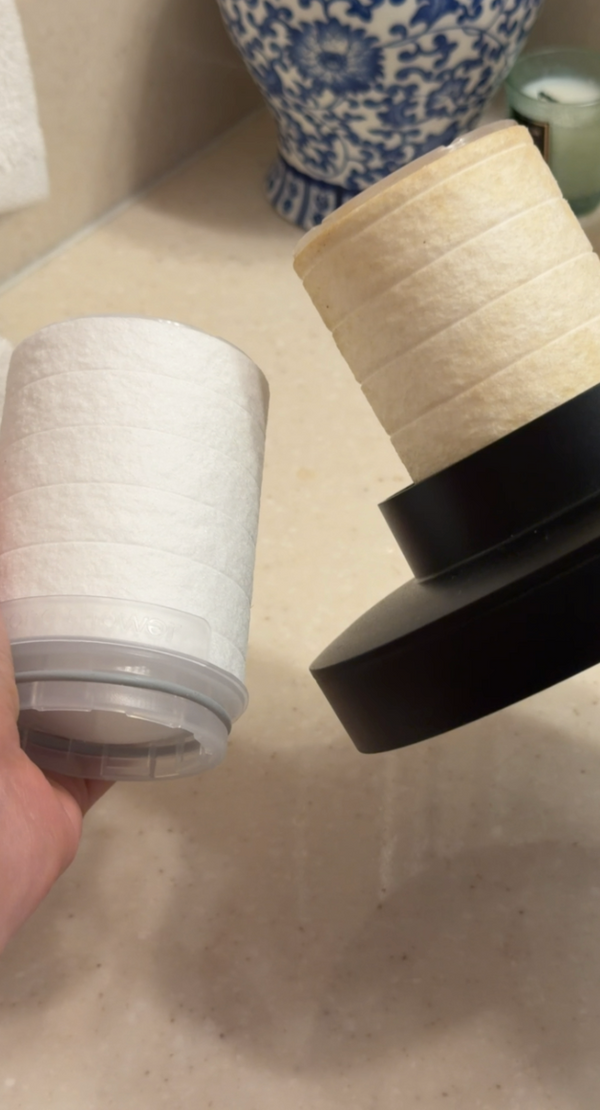
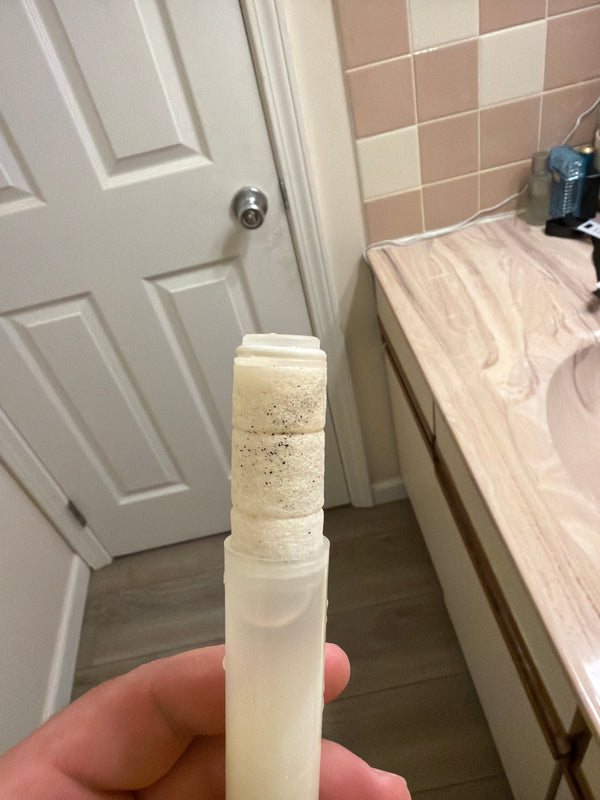
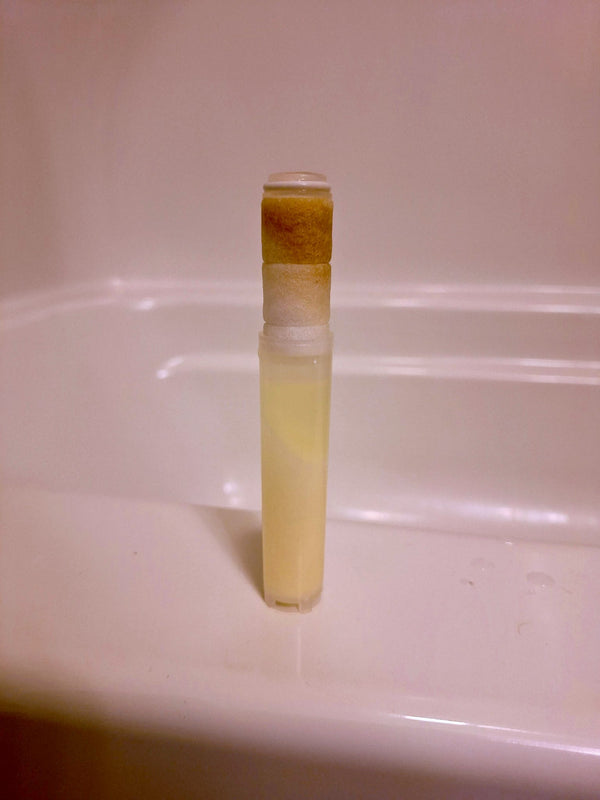
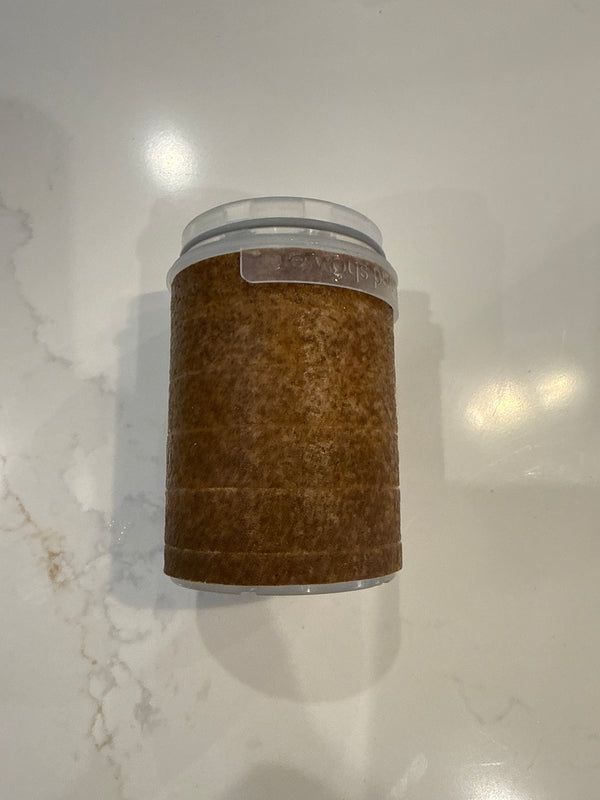
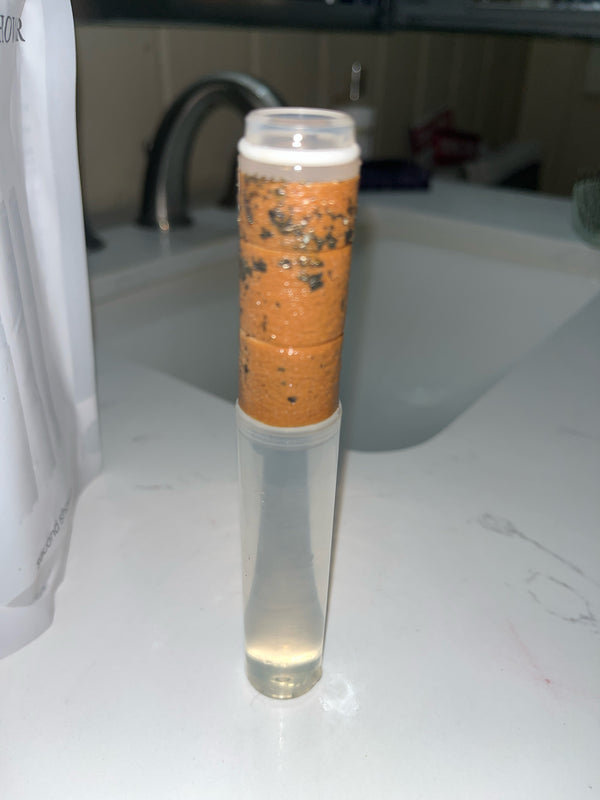
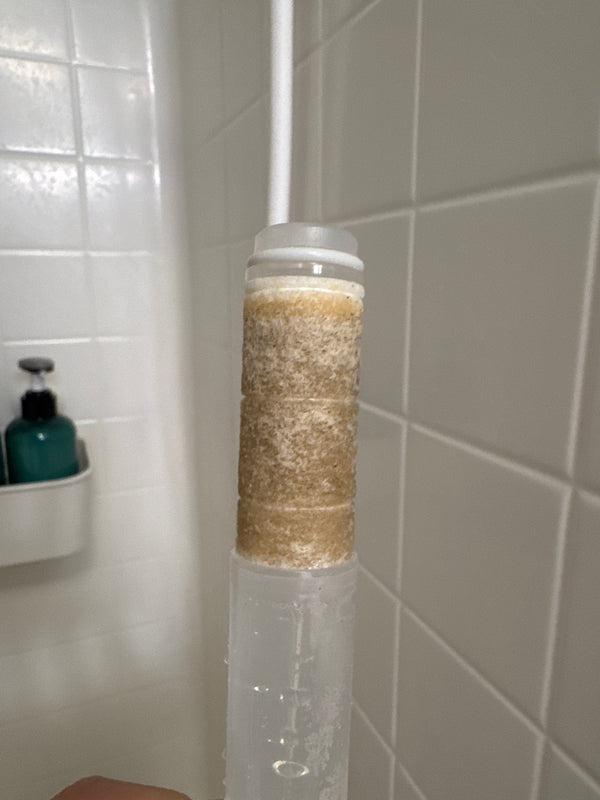
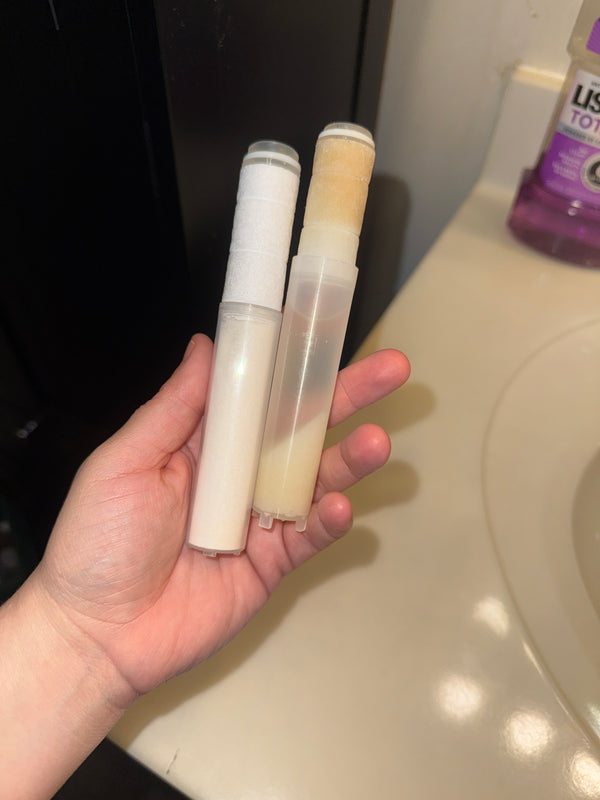
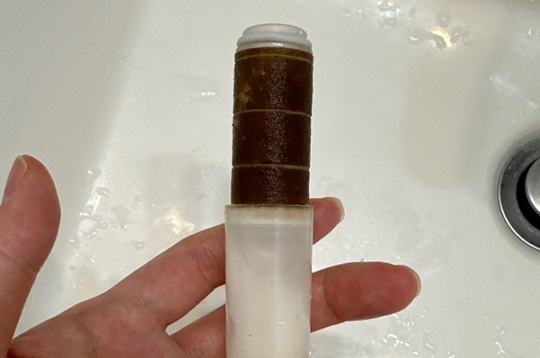
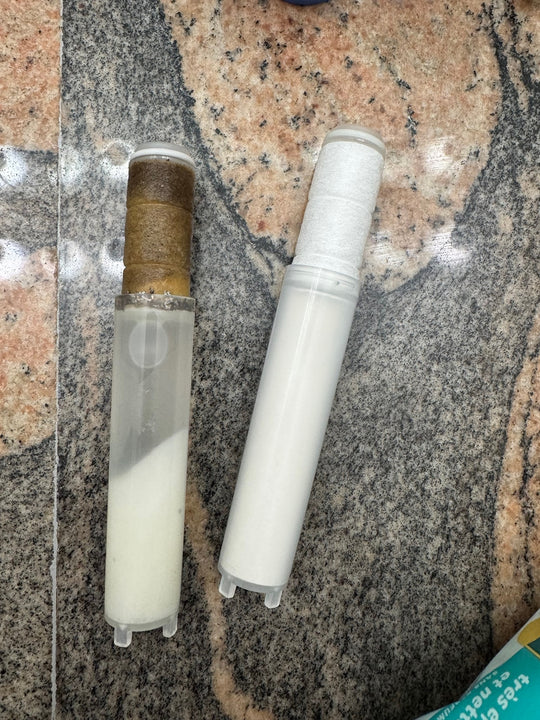
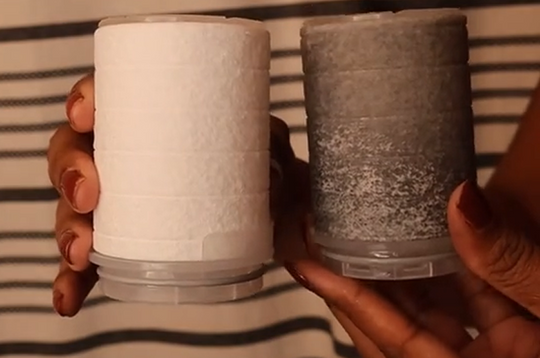
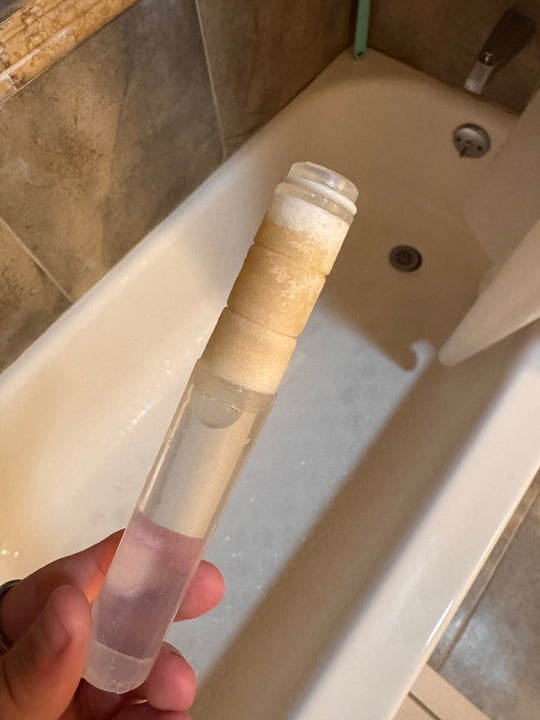
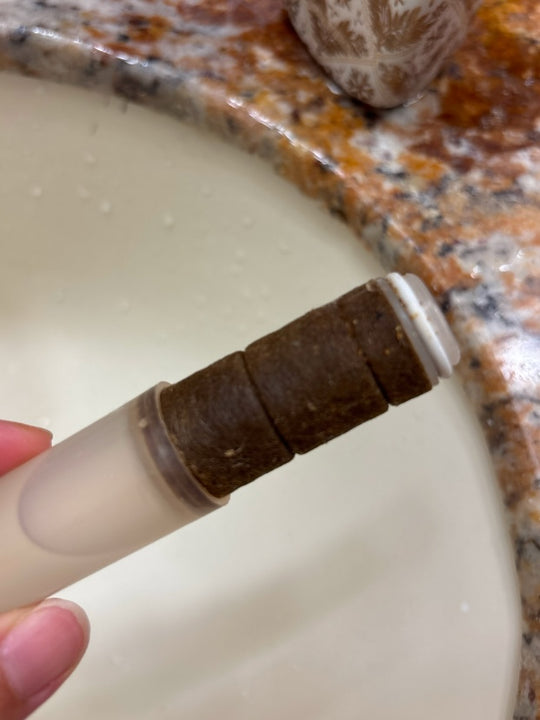
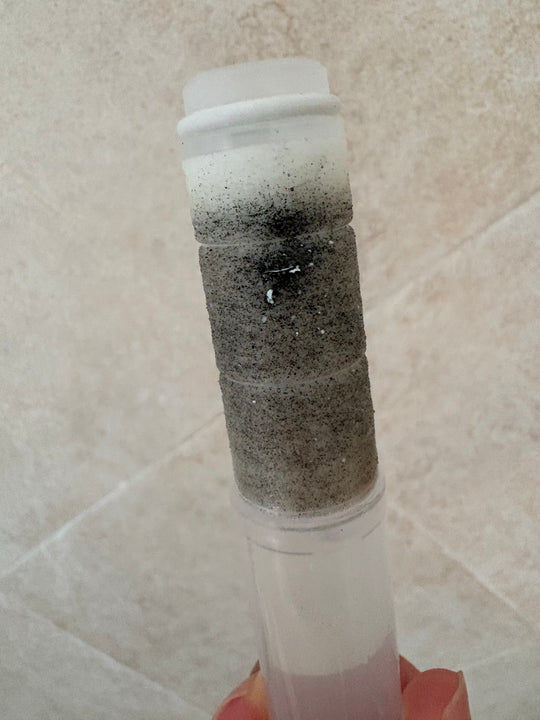
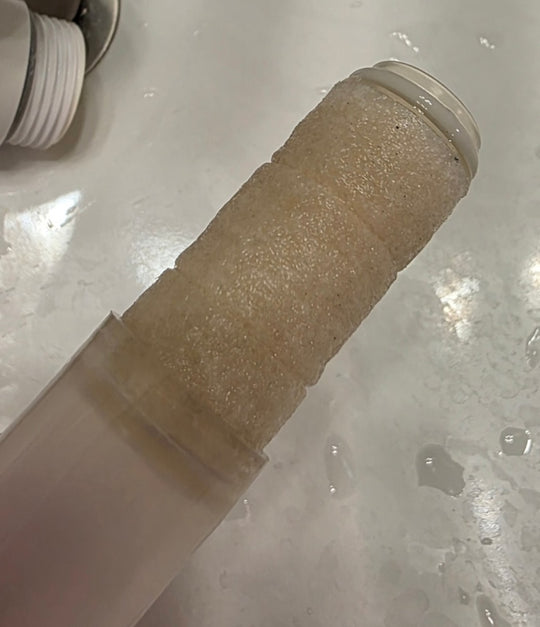
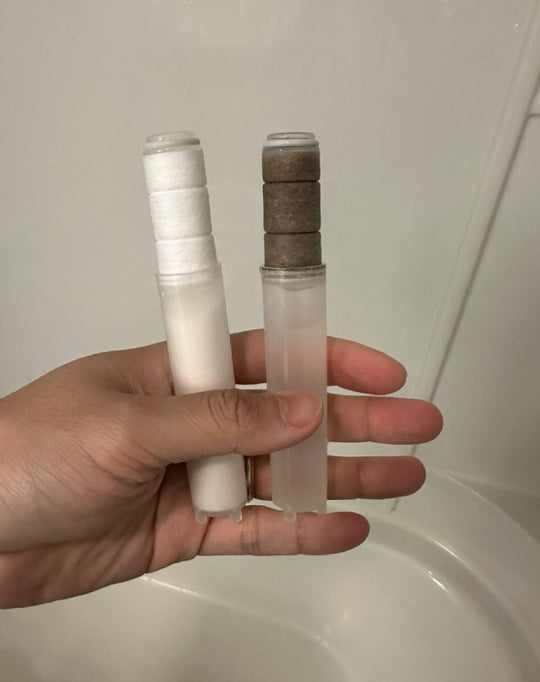
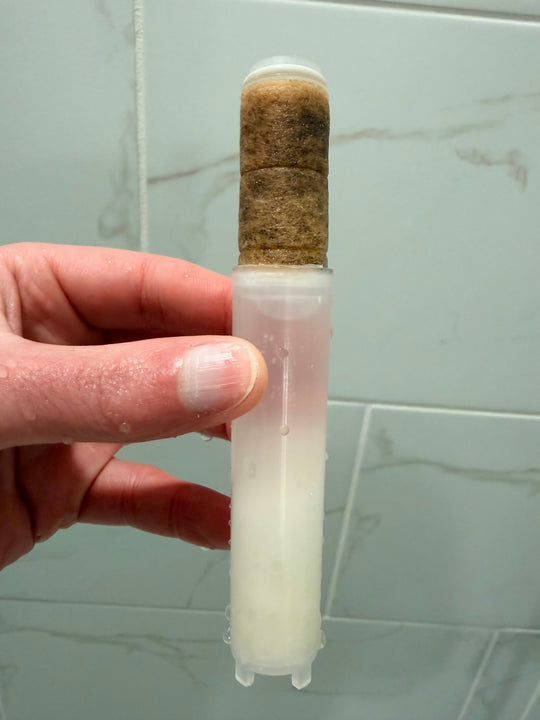
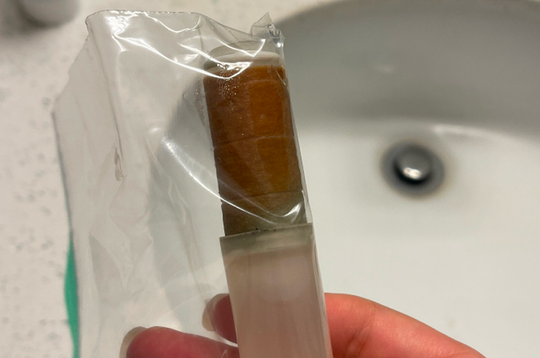
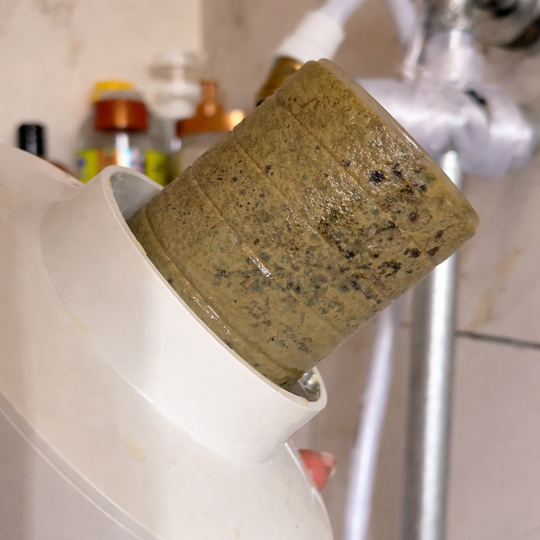
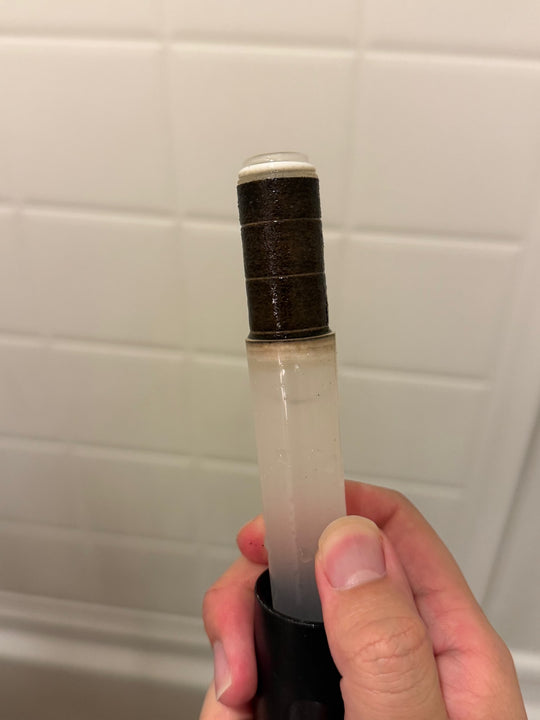
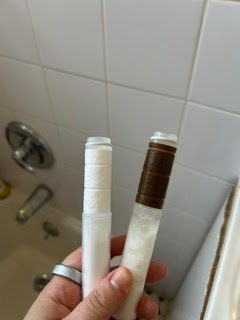
Because Virginia Beach uses chloramine, ask any shower filter for a chloramine result, not only a chlorine result. Then check who measured it (an independent lab or the brand itself) and how long the cartridge kept that result. Filter media do not all hold up the same way. In our own testing, KDF-55 cartridges lost chlorine reduction as the cartridge aged.
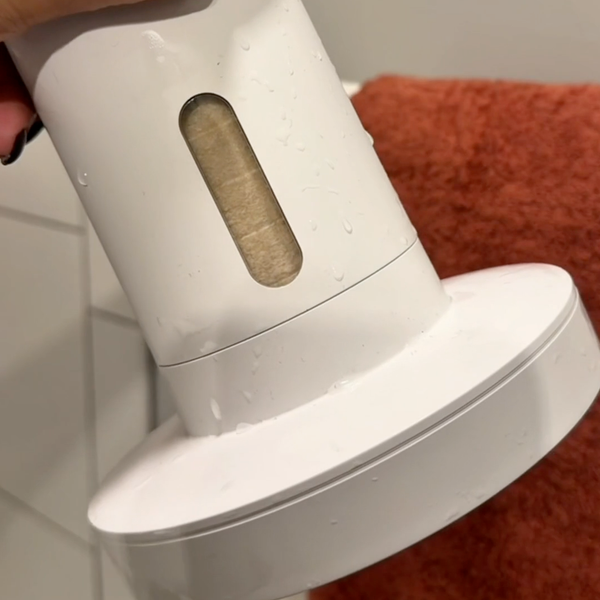
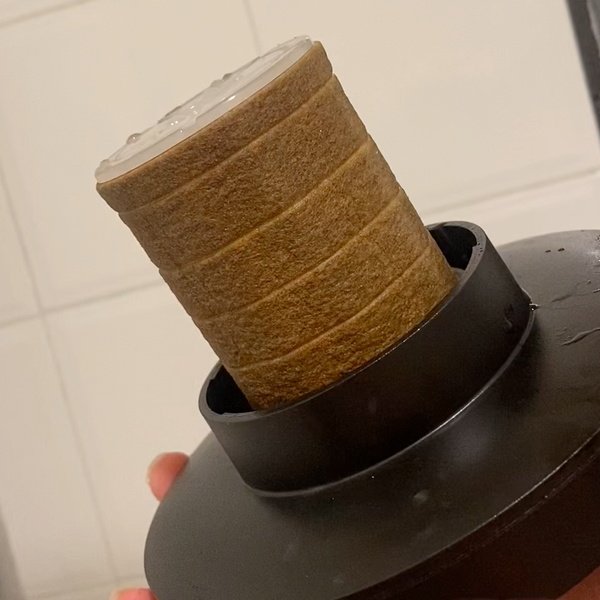
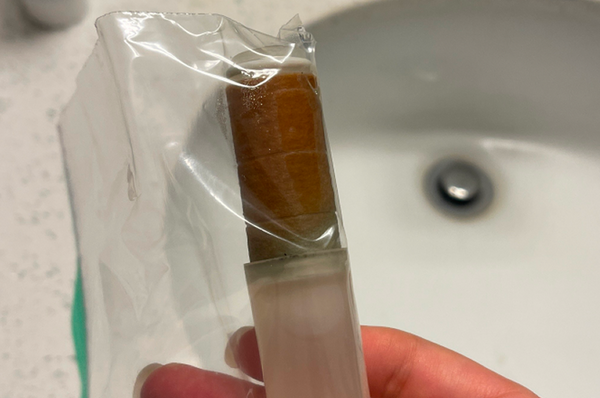
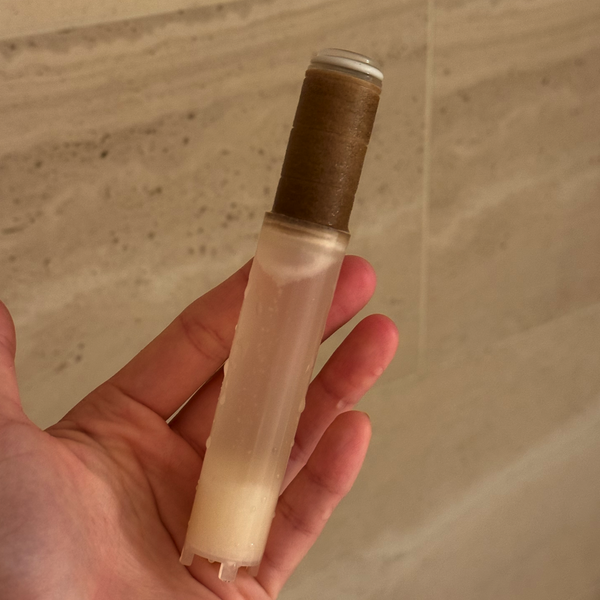
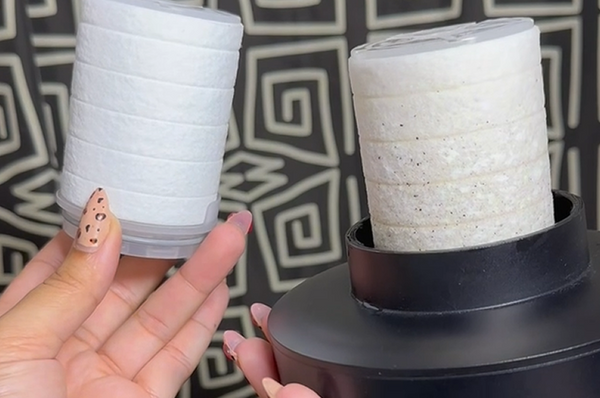
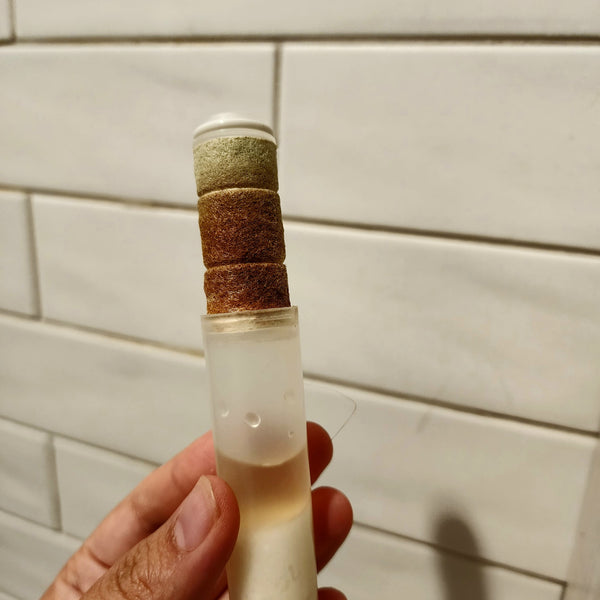
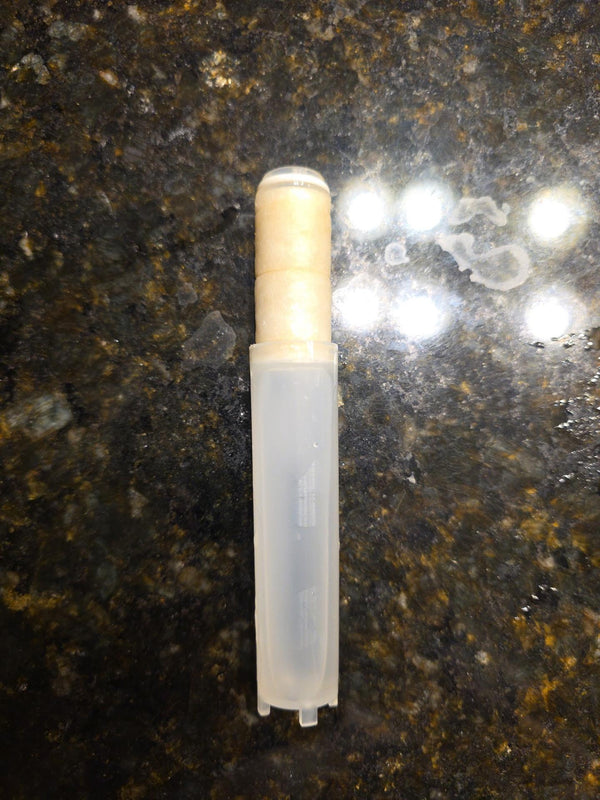
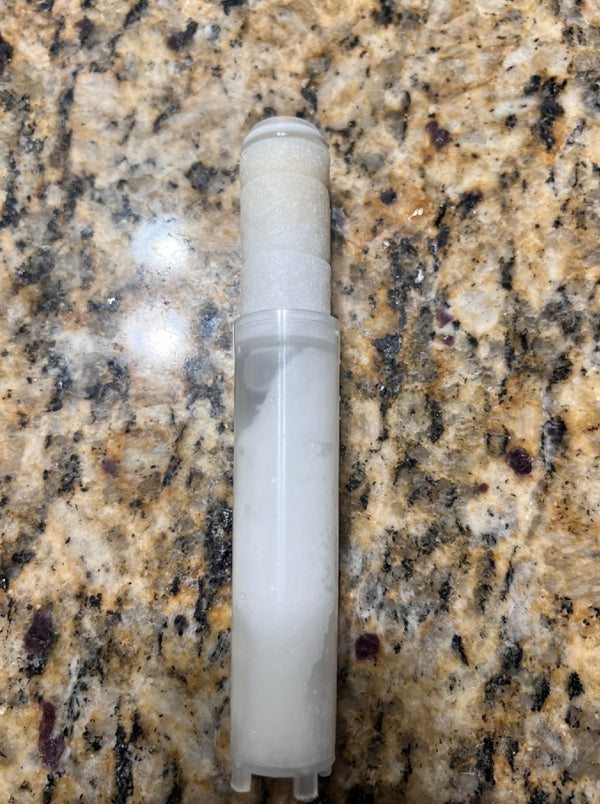
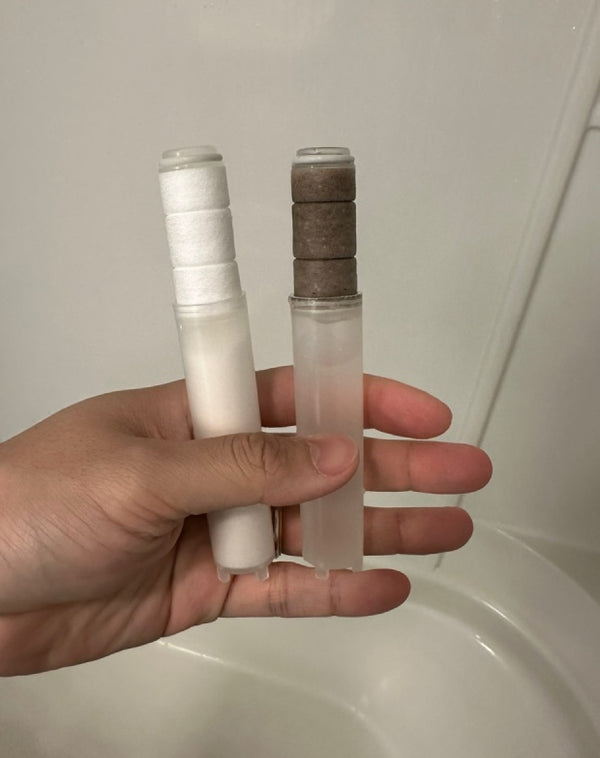
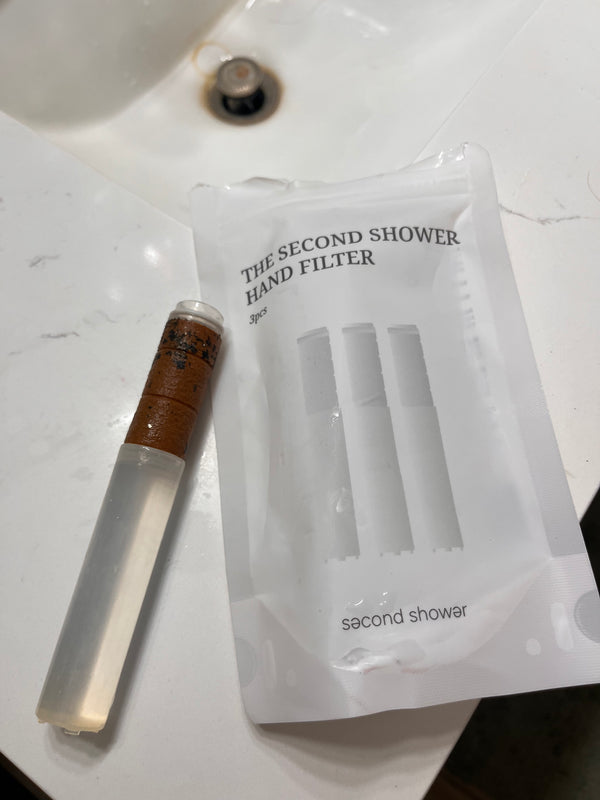
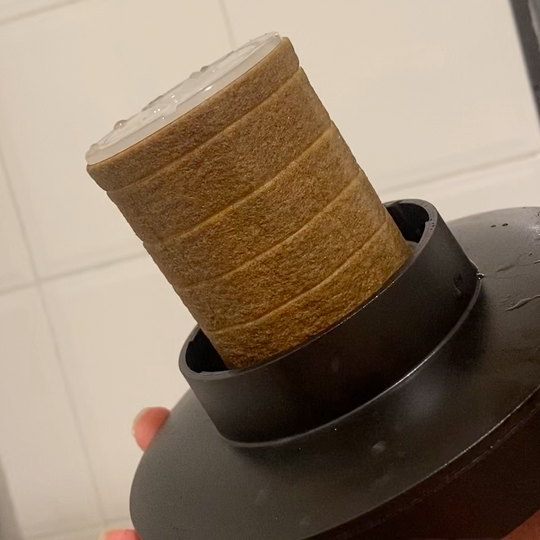
Here is what ours does. We use an NSF/ANSI 42 certified filter*. It works in two stages: a micron sediment pre-filter, then a Vitamin C (ascorbic acid) core. The US EPA calls ascorbic acid "an established and recognized dechlorinating agent." In independent lab testing, our filter removed 99.9% of chlorine and chloramine.
What it does not do matters just as much. We do not soften water or remove hardness; a water softener does that. At 2.8 to 4.3 gpg, any mineral spots on your glass will stay. A shower filter also does not treat any skin or scalp condition.
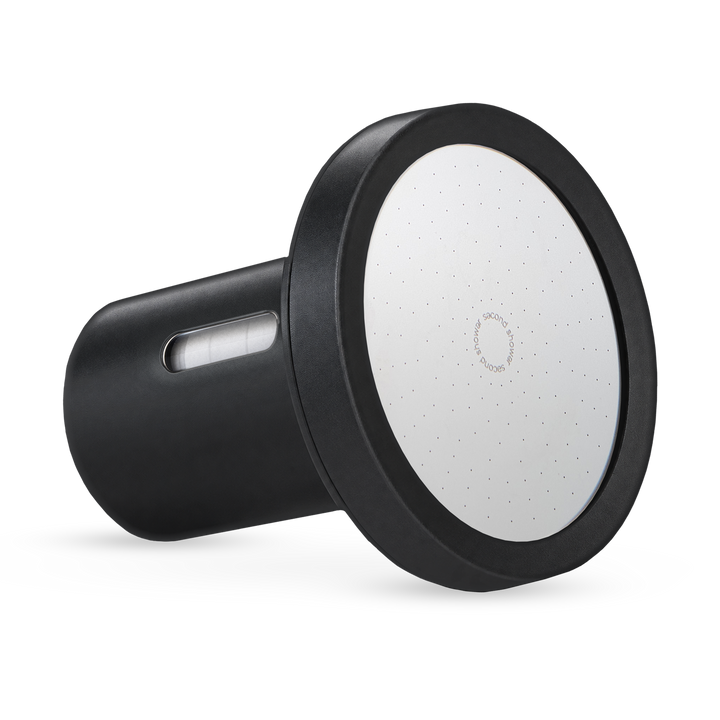
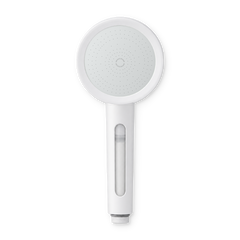
The Second Showerhead, a filtered shower head, is $99, or $79 with a filter subscription, with one filter included. It held 99.9% reduction through Day 1-60 in our own testing, and we recommend a new filter every 60 days.
*Micron PP sediment filter certified by NSF/ANSI 42 standards.
FAQ
Is Virginia Beach water hard?
Mostly not. The city reports 2.8 to 4.3 grains per gallon (48 to 74 ppm), which the USGS scale puts at soft on the low end and moderately hard on the high end. It falls short of the USGS hard range, which starts at 7 gpg.
Does Virginia Beach ever switch from chloramine to free chlorine?
Norfolk, whose Moores Bridges plant treats Virginia Beach's water, describes temporary free-chlorine maintenance but publishes no schedule. The Virginia Beach report we read does not say whether or when it applies to Virginia Beach taps, so ask the utility if you notice a stronger chlorine smell.
Will a shower filter get rid of hard water spots?
No. Spots and scale come from calcium and magnesium, and a water softener is what removes those. A shower filter targets the disinfectant, and Second Shower does not soften water.
How can I test the chlorine in my shower water at home?
Use a DPD test kit, which reads chlorine. A TDS meter measures all dissolved solids and cannot detect chlorine, so it will not answer this question.
Where do I find the official water report for my home?
Your utility's name is on your water bill, and every community water system must send customers an annual Consumer Confidence Report, usually by July 1. Virginia Beach posts its 2026 Water Quality Report online, or you can enter your ZIP code on our water lookup page.